
You know that feeling when something looks cute and chill, and then suddenly you realize you’ve seriously misjudged the situation? That’s the reality with a surprising number of wild animals in North America. They can seem gentle, calm, even clumsy from a distance – until they feel trapped, threatened, or pushed too far. Then the switch flips.
What makes this so unnerving is that many of these animals are the exact ones people feel oddly comfortable around: the deer in the yard, the squirrel on the trail, the fluffy raccoon raiding the trash. I still remember standing way too close to a nervous doe as a kid, thinking it was magical, while the adults were quietly panicking behind me. This article is a reality check: not to scare you away from nature, but to help you see what’s really in front of you – and how to respect it before things go sideways.
1. White-Tailed Deer: Bambi With Knives on Its Head
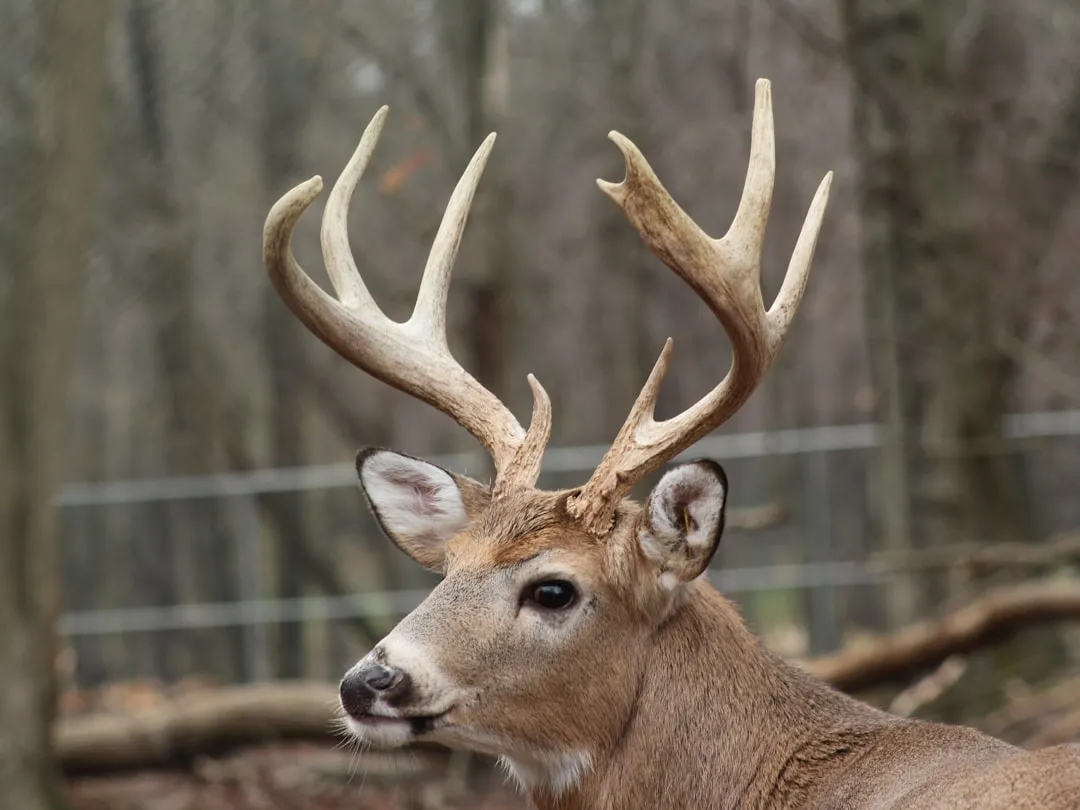
White-tailed deer are practically the unofficial mascot of peaceful countryside life – delicate, wide-eyed, and always framed in soft morning light on social media. But up close, especially during rutting season or when a doe feels her fawn is threatened, they are powerful, unpredictable animals. A panicked or cornered deer can lash out with sharp hooves that act like blades and antlers that are built for fighting, not decoration.
People often forget these animals are wired for survival, not for being photogenic lawn ornaments. A deer that feels it has no escape route may charge, kick, or thrash, and those kicks can seriously injure a person or a dog. The safest move is boring but wise: keep your distance, never approach a fawn or a buck during breeding season, and give them space to move away. They’re not trying to be aggressive – they’re just not interested in starring in your close-up video.
2. Raccoons: The Masked Bandits With Serious Attitude
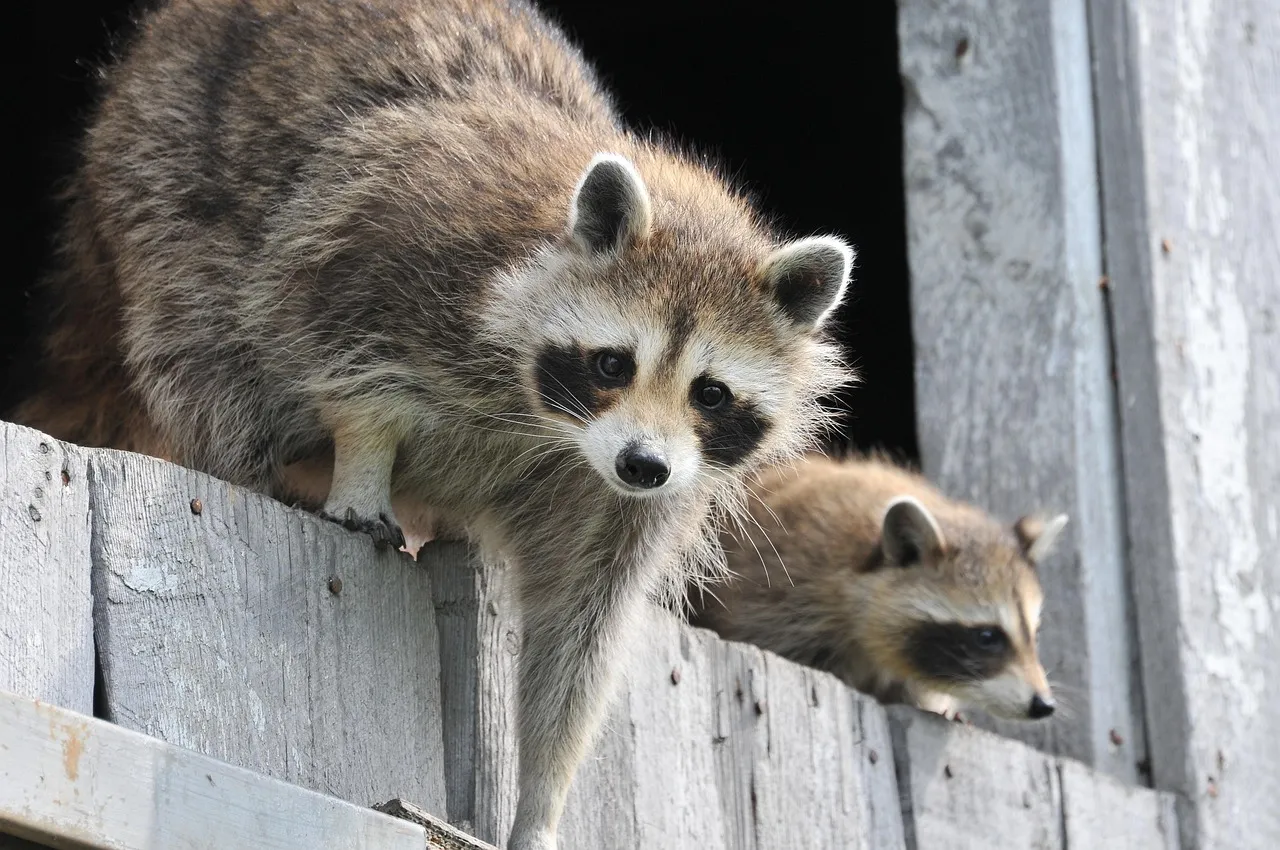
It’s easy to laugh at raccoons when they’re wobbling across a fence or hanging halfway out of a trash can like clumsy burglars. They look like trouble in a cartoonish way, with their little hands and masked faces, and people underestimate them because they’re small and oddly charming. But raccoons are tough, highly adaptable animals with strong jaws, sharp claws, and zero patience when they feel cornered or trapped.
A raccoon that feels it has nowhere to run will not hesitate to bite or scratch, and the risk is not just the injury itself but the potential for disease, including rabies in some regions. Trying to shoo one out of a garage or off a porch with a broom might feel like a quick fix, but it can easily push the animal into fight mode instead of flight mode. The better approach is to back off, give it an escape route, secure food sources, and let wildlife control handle any raccoon that seems sick, unusually tame, or aggressive. They’re clever survivors, not neighborhood pets.
3. Canada Geese: Honking, Hissing, and Not Backing Down
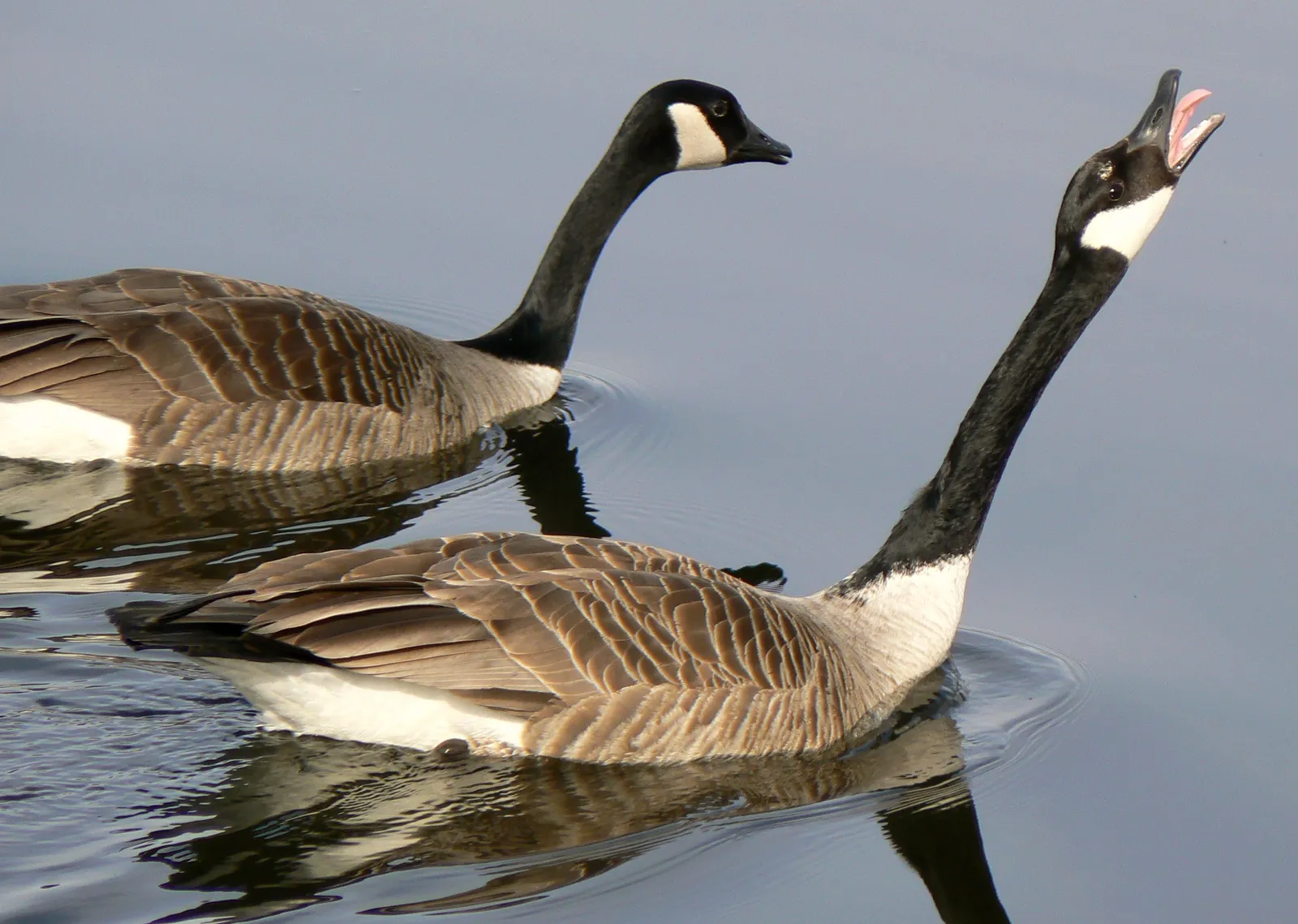
Canada geese look almost stately gliding across a pond, and they’ve become such a normal sight in parks and golf courses that people forget they are still wild animals. The illusion really breaks when you walk too close to their nest or goslings and suddenly find a full-sized bird charging, wings spread, hissing like a broken radiator. They are fiercely protective parents and surprisingly bold around humans.
What makes them tricky is that people interpret their presence in human spaces as a sign they’ve somehow become tame. In reality, they’ve just learned our spaces offer food and open ground, not that we’re welcome guests near their families. A cornered goose – especially one defending its young – can hit hard with its wings and snap with its beak, and it’s truly intimidating up close. The fix is simple: give nesting geese a lot of room, never harass them for fun or photos, and teach kids that these birds are guardians first, not props for cute pictures.
4. Squirrels: Tiny, Twitchy, and Surprisingly Fiery
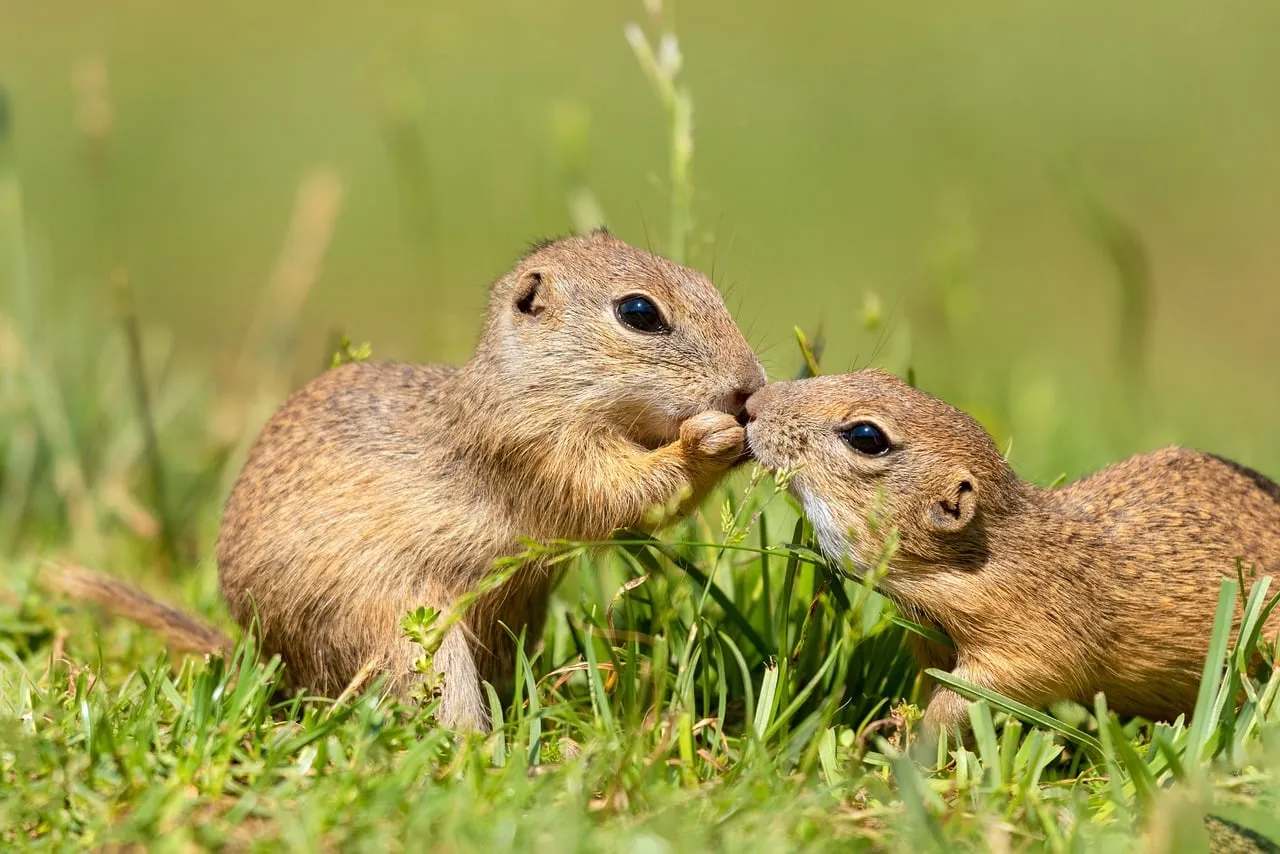
Squirrels are the original park entertainers: racing up trees, chasing each other, and begging for snacks with that quick, jerky charm. Because they’re small and everywhere, people tend to treat them like background decoration, almost like featherless birds. But a squirrel that feels trapped in a room, cornered by a dog, or grabbed by an overeager human can become a whirlwind of claws and teeth in a split second.
Feeding squirrels by hand, or trying to “save” one that looks young or stunned, often goes wrong when the animal panics. They are fast, nervous creatures whose main safety strategy is escape; when escape is cut off, they fight. A bite from a squirrel is no joke, and even a quick defensive scratch can lead to infection. The kinder and smarter way to admire them is from a distance, letting them stay what they really are: wild, anxious acrobats who don’t need our snacks or our selfies.
5. North American River Otters: Playful on the Surface, Powerhouse Underneath
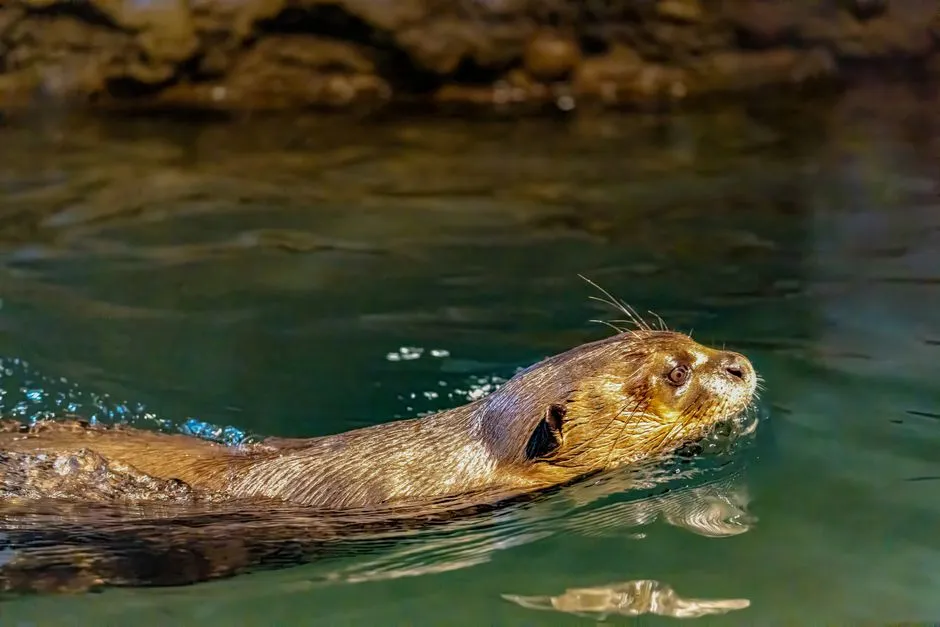
River otters might be the biggest tricksters on this list when it comes to appearances. They look playful, almost goofy, sliding down muddy banks and wrestling with each other in the water. In photos and videos, they come off like water puppies. But behind that charm is a strong, muscular predator with sharp teeth, a powerful bite, and serious territorial instincts.
When cornered on land or surprised at close range, an otter can react very aggressively, especially if it is protecting its den or young. Their teeth and jaws are built to crush fish, crustaceans, and even small mammals, not to gently nibble on human fingers. Approaching otters, trying to follow them into the water, or letting dogs run after them is a recipe for conflict. It’s much safer – and honestly more magical – to watch their sleek, athletic lives from a respectful distance on the shore.
6. Beavers: Quiet Builders With a Hidden Mean Streak
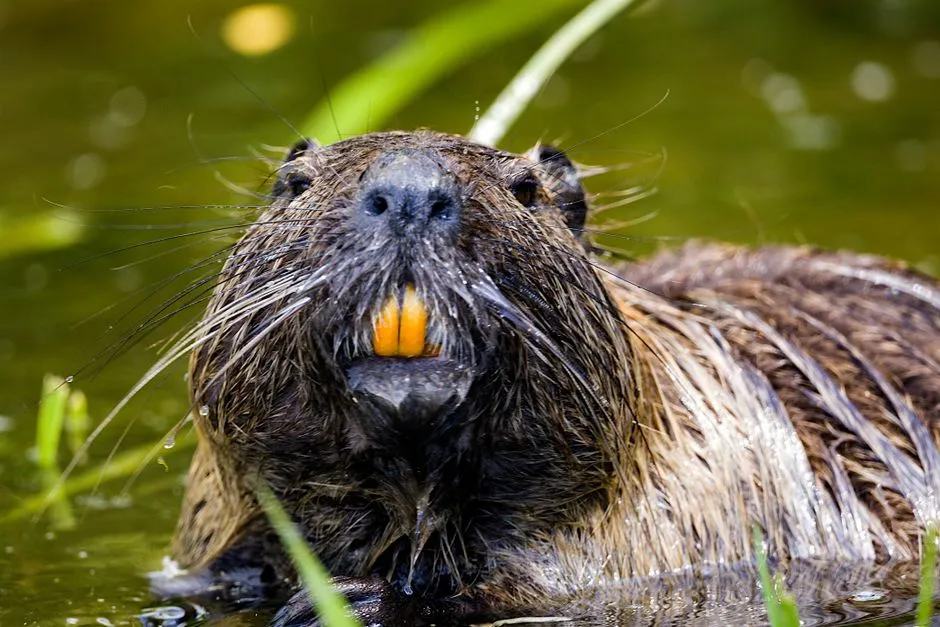
Beavers have this calm, hard-working image: the little engineers of the wild, gnawing on branches and crafting dams that reshape entire waterways. You rarely see them out and about during the day, so when people do spot one, it feels like a peaceful, almost cute moment. The problem is that beavers have huge, chisel-like teeth and powerful jaws, and when they feel cornered, they can inflict serious wounds.
A beaver that is surprised on land, blocked from water, or harassed by people or pets may respond with sudden, fierce defense. In the water, they might slap their tails loudly as a warning, but on land, they have fewer escape options and can panic. Those teeth that cut through trees can cut through flesh and muscle. It is never worth approaching a beaver for a better look, and definitely not worth letting a curious dog investigate. Enjoy their dams, appreciate their role in the ecosystem, but let them stay distant, shadowy neighbors.
7. American Badgers: Low Profile, High Ferocity
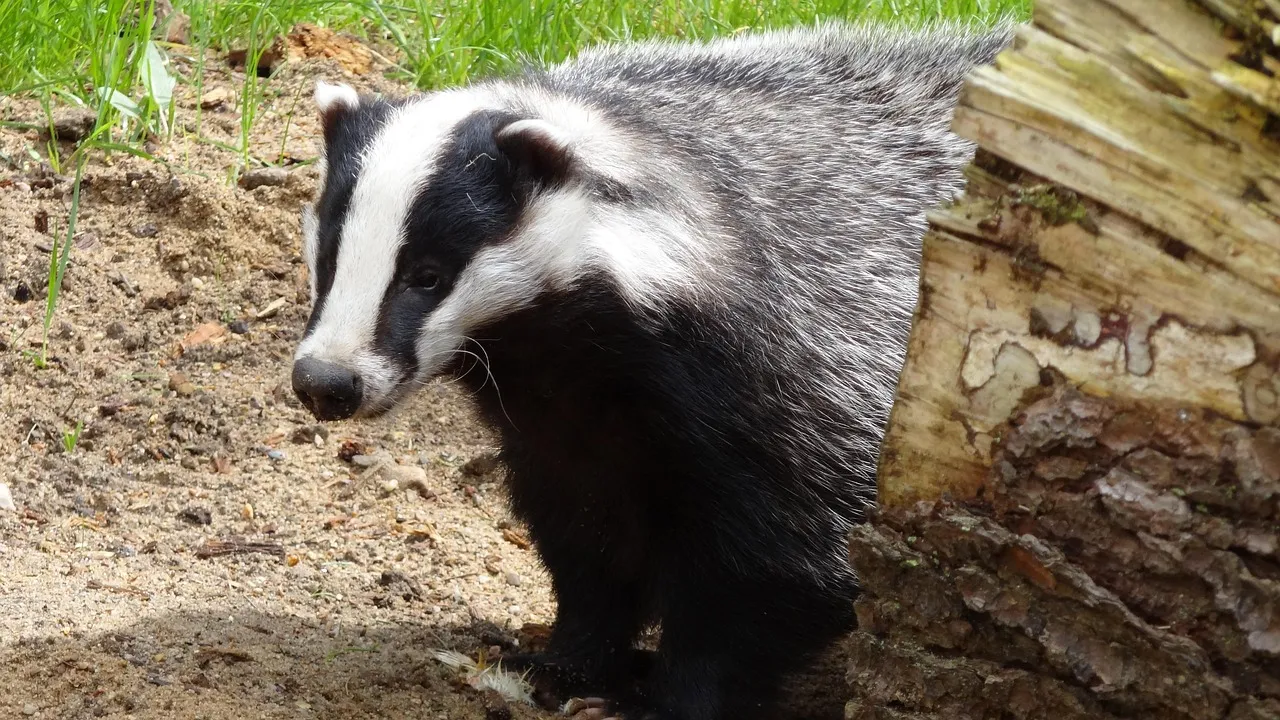
American badgers are not as commonly seen as deer or raccoons, which might be part of why people underestimate them. On the surface, they can look almost comical – low to the ground, chunky, and slow-moving. But badgers are built like compact tanks with claws, and their defensive behavior when cornered is famously intense. They are diggers and hunters with a strong bite and powerful front legs.
When they feel trapped, badgers can become incredibly aggressive and stand their ground in a way that surprises even experienced outdoors enthusiasts. They may growl, lunge, and attack rather than flee, especially if retreat routes are blocked or young are nearby. Stumbling onto one near its burrow, or trying to chase it off for curiosity’s sake, is asking for trouble. The best strategy is the simplest: give them a wide berth, respect any den sites you come across, and remember that calm-looking does not mean safe-to-approach.
8. Skunks: More Than Just a Smelly Threat
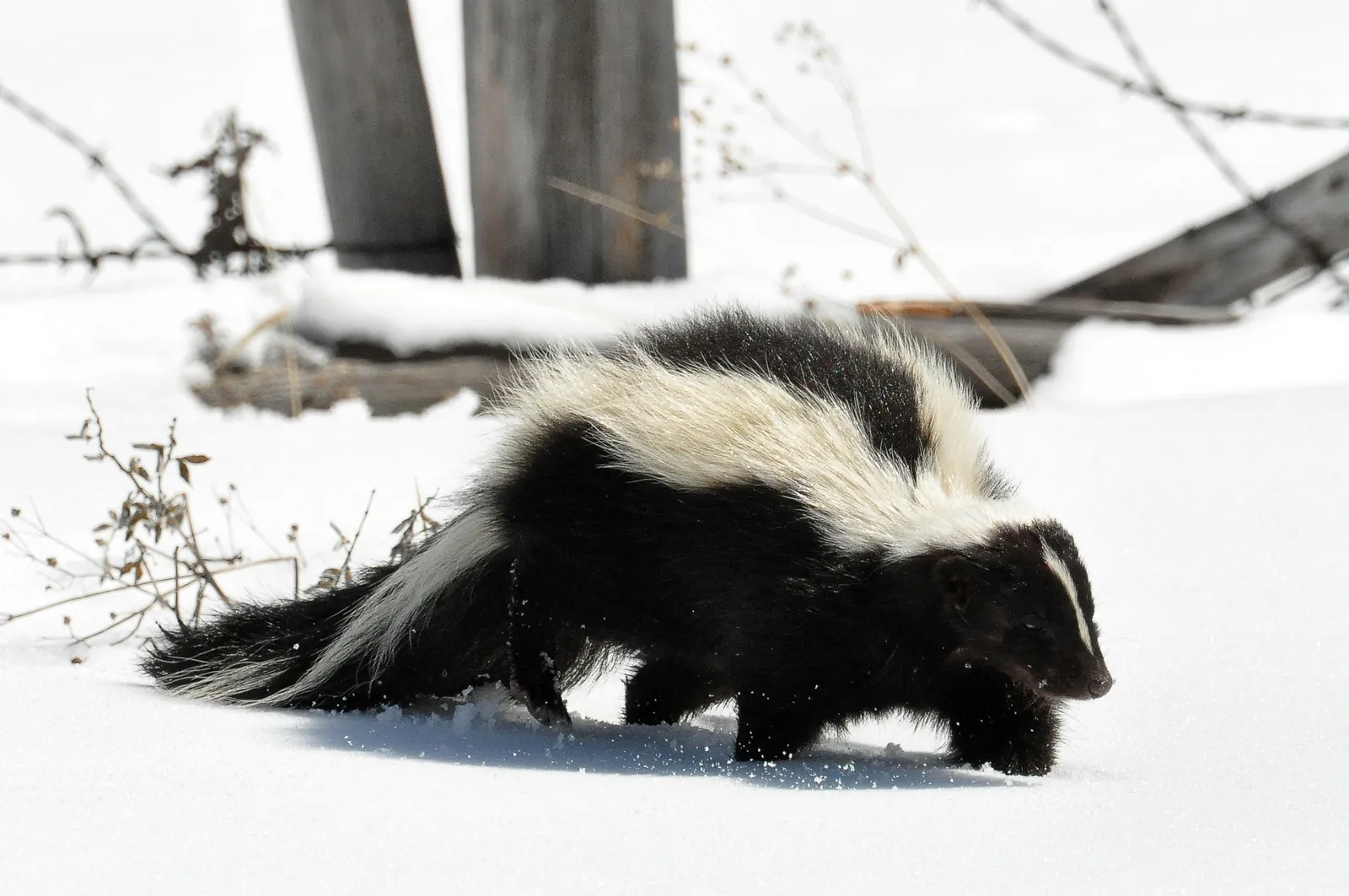
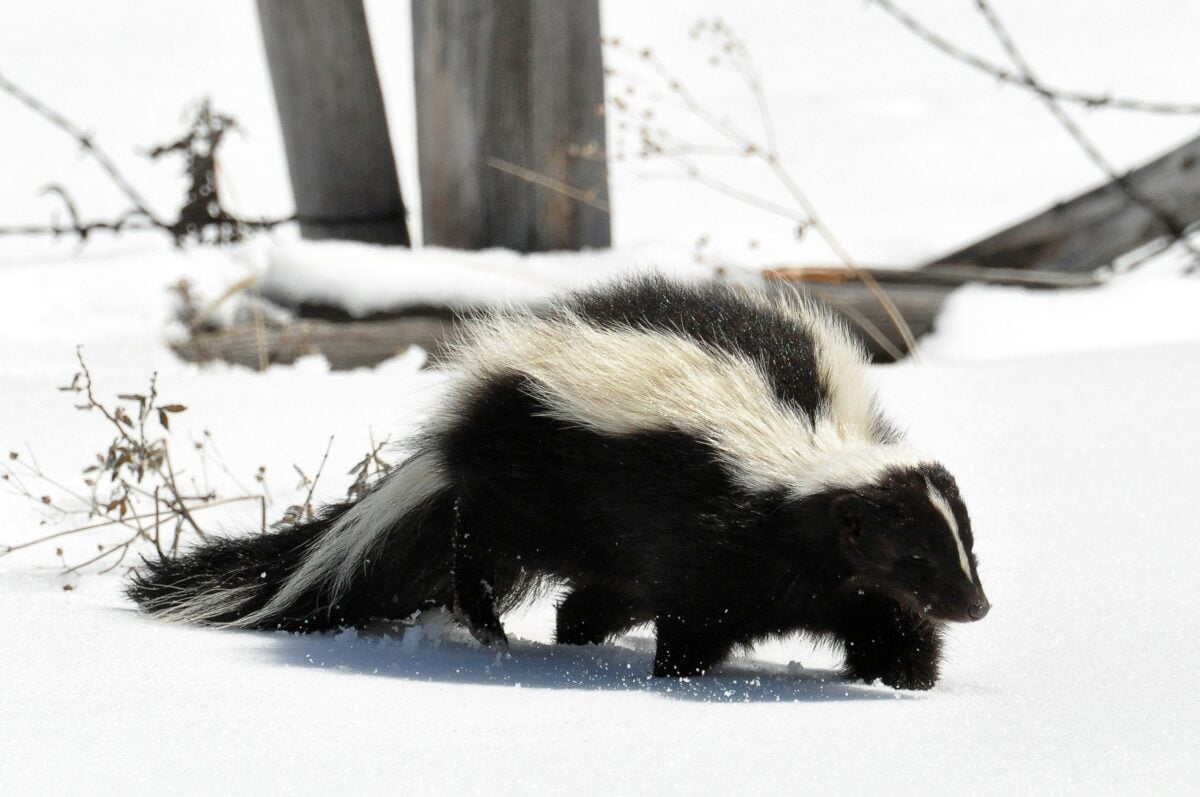
Skunks are usually treated as walking punchlines – everyone knows the stereotype about the smell, and that’s where the awareness stops. People might even find them endearing when they see that fluffy tail and slow, waddling walk. The truth is, a skunk that feels cornered has one of the most effective and disorienting defense systems in the animal world. The spray is not just stinky; it can cause intense burning in the eyes and temporary blindness at close range.
Before spraying, skunks often give clear warning signals: stamping their feet, raising their tail, or twisting their bodies in an almost acrobatic display. Many people ignore or misread those signals, or worse, let pets charge in. While skunks usually prefer to avoid using their spray, a cornered skunk has nothing to lose. Keeping trash secure, turning on lights at night, and calling professionals if a skunk is trapped in a structure are all smarter choices than trying to play cowboy in the backyard. The line between “cute” and “crisis” is very thin with this animal.
9. Black Bears: Shy Foragers With Serious Power
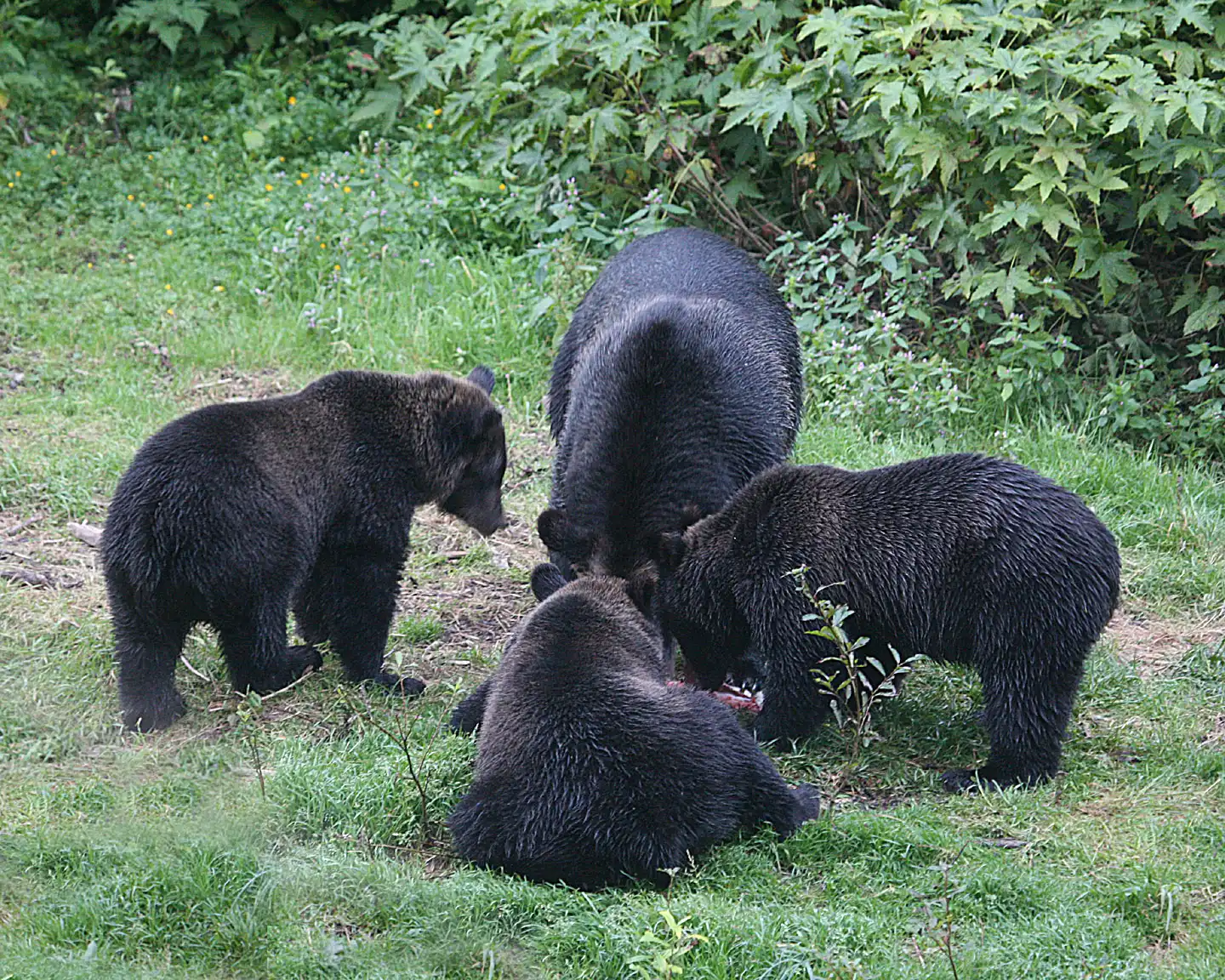
Black bears are often described as shy, and in many areas, they really do try to avoid humans whenever they can. Videos of them casually wandering through neighborhoods or pawing at bird feeders can create a false sense of safety, almost like they’re big, fuzzy trespassers instead of wild bears. But a black bear that feels cornered – especially a mother with cubs – is capable of terrifying speed, strength, and damage in very little time.
The danger ramps up when people feed bears, leave food accessible, or try to get closer for photos. That familiarity blurs the bear’s natural caution and sets the stage for conflict when the animal feels blocked or threatened. A bear defending its cubs, or one startled at close range on a trail, may bluff charge or make contact. The responsibility on our side is clear: store food properly, keep distance, never approach cubs, and give any bear a wide path to escape. They are not monsters, but they are absolutely not oversized raccoons either.
Conclusion: Respect Over Romance
One of the biggest mistakes we make with wildlife is falling in love with the story we tell ourselves about them instead of the reality in front of us. We want deer to be gentle, otters to be playful, and raccoons to be funny little thieves, and in some ways they are. But they are also survival-driven, reactive, and entirely uninterested in whether we see them as cute or harmless. When they feel trapped or threatened, their only job is to protect themselves and their young, and they are very good at it.
Personally, I think the wild feels more magical, not less, when you drop the Disney filter and replace it with real respect. These animals do not owe us friendliness or comfort; they owe themselves survival, and we owe them space. If we can remember that the next time a deer lingers by the road or a raccoon stares from the trash can, maybe we’ll step back instead of stepping closer. In the end, the question is simple: do you want a cute moment for your camera, or a safer world where wild things get to stay wild?

- 9 North American Animals That Look Harmless Until They Feel Cornered - August 16, 2026
- 10 African Animals That Survive Months With Almost No Free Water - August 16, 2026
- 8 Things African Wild Dogs Do During a Hunt That Lions Rarely Do - August 16, 2026