
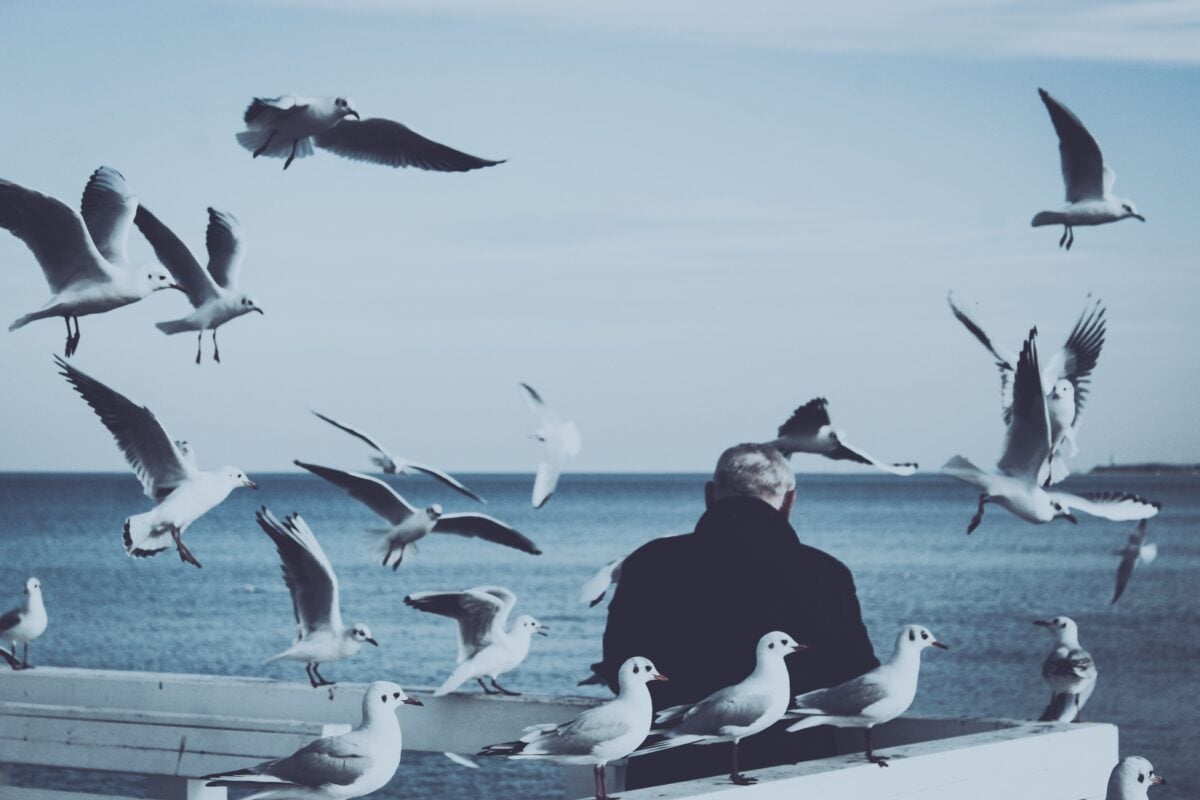
Turn 62, flash one plastic card, and every federal birding spot in America swings its gate open. That’s the version floating around online, and it makes a lovely daydream. The real story is messier and more interesting. The America the Beautiful Senior Pass does wipe out genuine fees at certain places, but at plenty of others there was never a fee to wipe.
If you’ve ever wondered where that $80 card actually earns its keep, the nine breakdowns below sort the real savings from the myths. Some perks are bigger than most seniors realize. One, saved for last, quietly changes how you should plan your next trip.
#9 – Wildlife Refuge Gate Fees That Vanish at the Window
🔥 Would you like to save this?
We'll email this post to you, so you can come back to it later!
Wildlife refuges are the beating heart of American birding. Run by the U.S. Fish and Wildlife Service, they protect flyway stopovers from salt marshes to prairie potholes. So it’s natural to assume they’re where the Senior Pass pays off most.
The catch is that only a minority of refuges charge an entrance fee in the first place. At the rest, the pass is a souvenir. But at the fee-charging refuges, it works exactly as advertised. The $80 lifetime pass (or $20 annual version) erases the standard entrance charge for U.S. citizens and permanent residents age 62 and older.
At per-vehicle gates, the pass covers the whole private vehicle. At per-person gates, it admits the owner plus three adults. A $5–$15 charge that used to sting on every return trip simply stops existing.
- Covered: standard entrance and day-use fees at participating refuges.
- Not covered: concession-run tours, guided programs, and the Federal Duck Stamp, which is a separate purchase.
At unstaffed self-pay stations, the usual move is to display the pass on your dashboard. Keep a photo ID handy for staffed booths, because rangers may ask to match the name on the card. That tiny habit saves a lot of awkward fumbling at 6 a.m. when the warblers are already moving.
The refuge story is only the opening act, though. The next stop has bigger price tags and bigger birds.
#8 – National Park Entrance Fees at the Big-Name Birding Hotspots
🔥 Would you like to save this?
We'll email this post to you, so you can come back to it later!
National parks with world-class birding draw crowds of retirees every year, and plenty of them still pay full price at the gate. Many never realized the Senior Pass covers entrance fees at every fee-charging national park. That includes places where migration or rare residents make the trip worth it.
Think of Everglades, where roseate spoonbills and wood storks work the shallows. Think of Big Bend in Texas, where the Chisos Mountains hold the Colima warbler, a species that nests in the U.S. almost nowhere else. Or Padre Island National Seashore, where Gulf Coast migrants drop out of the sky after hard weather.
Fees at busy parks can run $30–$35 per vehicle, so the math is blunt. Three or so visits and the lifetime pass has paid for itself. The price has also stayed at $80 since 2017, while almost everything else about travel got more expensive. That makes it a quiet inflation hedge for anyone who plans to keep birding for years.
Fast Facts
- Price: $80 for life, or $20 for a one-year version.
- Reach: more than 2,000 federal recreation sites run by six agencies.
- Who qualifies: U.S. citizens and permanent residents age 62 and older.
- Value check: the standard public annual pass now costs $80 too, so seniors pay once what everyone else pays yearly.
One honest twist: some beloved spots, such as Point Reyes National Seashore, don’t charge an entrance fee at all. The pass helps where a gate exists and does nothing where it doesn’t. The lesson is to check each destination’s fee page before assuming you’re saving anything.
Did You Know: The pass also covers standard amenity fees at many national monuments and seashores, and those often serve as critical stopover habitat for migrants.
Out West, though, the fees get scattered and sneaky.
#7 – Bureau of Land Management Day-Use Charges Across the West
🔥 Would you like to save this?
We'll email this post to you, so you can come back to it later!
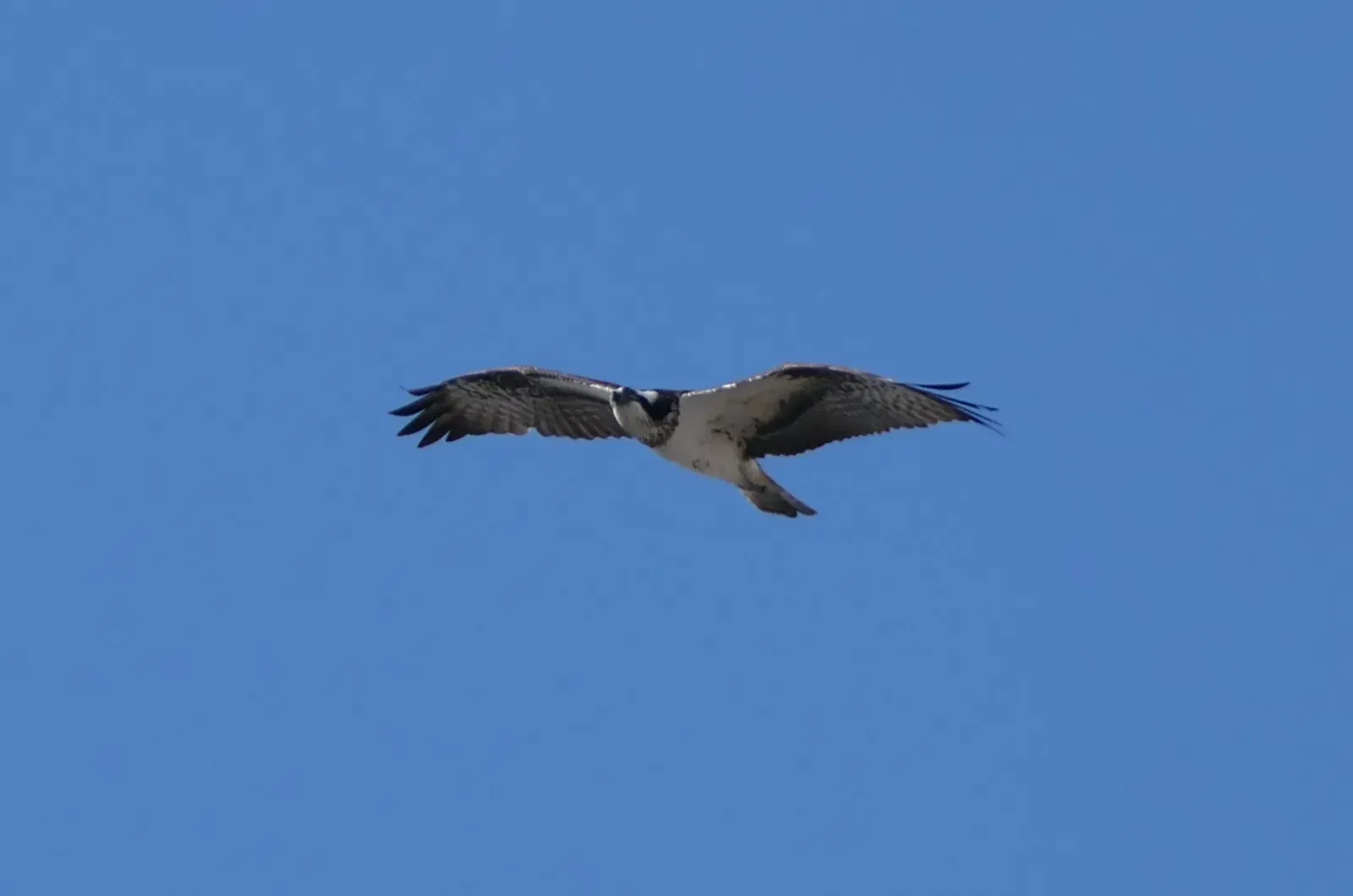
The Bureau of Land Management oversees some of the wildest birding country in America. Sagebrush flats hold sage-grouse, and juniper hills echo with pinyon jays. Most of that land is wide open with no gate, no booth, and no charge.
But at developed recreation sites, the BLM does collect standard amenity fees. These are the parking areas, trailheads, and day-use spots that make a good birding day easier. The Senior Pass covers those fees, which usually run a few dollars up to around $10 per vehicle. That’s small on its own, but a multi-stop desert day can add up fast.
- Pass holders also get a 50 percent discount on certain expanded amenity fees, such as camping, where those apply.
- The discount doesn’t extend to concession-operated campgrounds or special-use permits.
The savings are real, but they depend on the unglamorous details of each parcel. Some of the best birding pullouts near highways are fee sites. The remote ones that deliver the most solitude often cost nothing.
The Science Behind This: Congress set the lifetime senior price to match the standard annual pass price when it raised the cost from $10 to $80 in 2017. Because the number is fixed in law rather than indexed, it doesn’t creep upward each year the way many recreation fees do.
Meanwhile, the next agency owns the forests where many owlers spend their nights.
#6 – Forest Service Trailhead and Day-Use Fees Hiding in Plain Sight
🔥 Would you like to save this?
We'll email this post to you, so you can come back to it later!
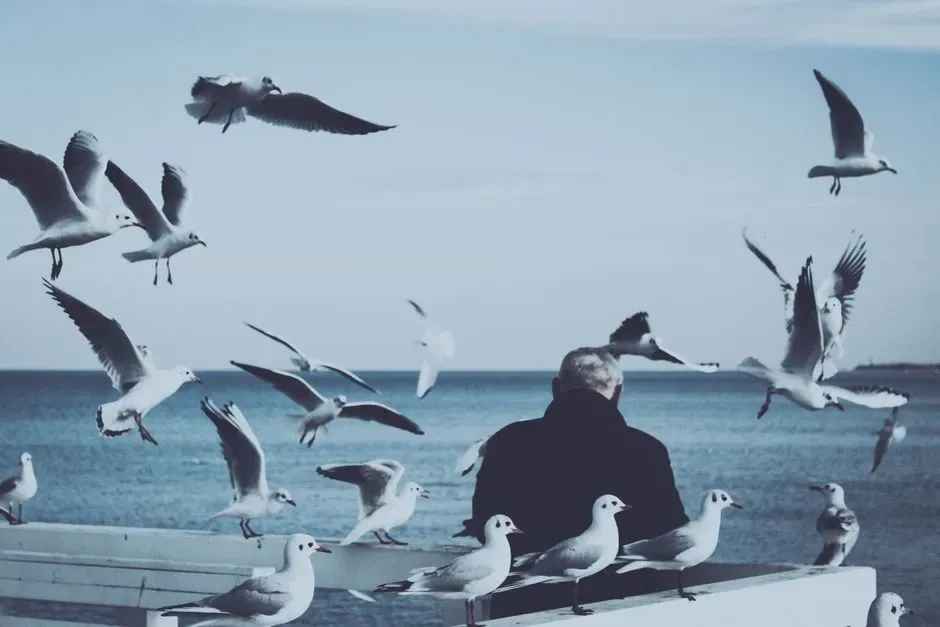
National forests don’t get the Instagram glory that parks do, so many seniors overlook them as birding destinations. That’s a mistake. Forests hold woodpeckers, grouse, owls, and nesting warblers, often in stretches that connect directly to refuges and parks.
The Senior Pass covers standard amenity fees at Forest Service sites, which typically means trailhead parking and developed day-use areas. These fees help fund maintenance at high-traffic spots, and they pile up when you return to the same forest every week of spring migration. With the card on your dashboard, they stop piling up.
The pass works across all six participating agencies: the National Park Service, Fish and Wildlife Service, Bureau of Land Management, Forest Service, Bureau of Reclamation, and Army Corps of Engineers. That reach pays off where a national forest borders a refuge, because one card can cover a whole weekend of habitat hopping.
Worth Knowing
- Buying in person at a staffed federal fee site costs the face price: $80 lifetime or $20 annual.
- Ordering online or by mail adds a $5 processing fee and a $7.50 handling fee.
- Four annual senior passes can be traded in for a lifetime pass at no extra cost.
- Even an expired annual pass still counts toward that trade-in.
Some forests do charge extra for developed facilities or special permits. Those fees generally stay outside the pass, so read the posted signs before assuming everything is covered.
Editor’s Note: Because the lifetime price is fixed, the card gets cheaper in real terms every year other fees rise. Few seniors factor in that long-term math when deciding whether to buy.
Next up are the water managers that birders often forget.

Air Purifiers for Home Pets Large Room Up to 3000 Ft²,HEPA Air Cleaner with Washable Double-Side Filter, PM2.5 Air Quality Monitor,15dB Sleep Mode for Bedroom Odor Dust Pollen,White
Check Price on AmazonAs an Amazon Associate, we earn from qualifying purchases.
10/8/2026 8:23 am GMTi

Hand Blown Glass Hummingbird Feeders for Outdoors Hanging, 24oz Wild Bird Nectar Feeder
Check Price on AmazonAs an Amazon Associate, we earn from qualifying purchases.
10/7/2026 1:23 pm GMTi

Orthopedic Extra Large Dog Bed, Waterproof Washable XL Pet Bed 44"
Check Price on AmazonAs an Amazon Associate, we earn from qualifying purchases.
10/7/2026 1:32 pm GMTi

Halloween Dog Collar with Bow, Orange Cute Ghost Collar,
Check Price on AmazonAs an Amazon Associate, we earn from qualifying purchases.
10/9/2026 2:43 pm GMTi

PetSafe Oasys Pet Fountain, 1/2 Gallon (64 oz), Small Dogs & Cats
Check Price on AmazonAs an Amazon Associate, we earn from qualifying purchases.
10/8/2026 8:14 am GMTi
#5 – Bureau of Reclamation Reservoirs That Double as Waterbird Magnets
🔥 Would you like to save this?
We'll email this post to you, so you can come back to it later!
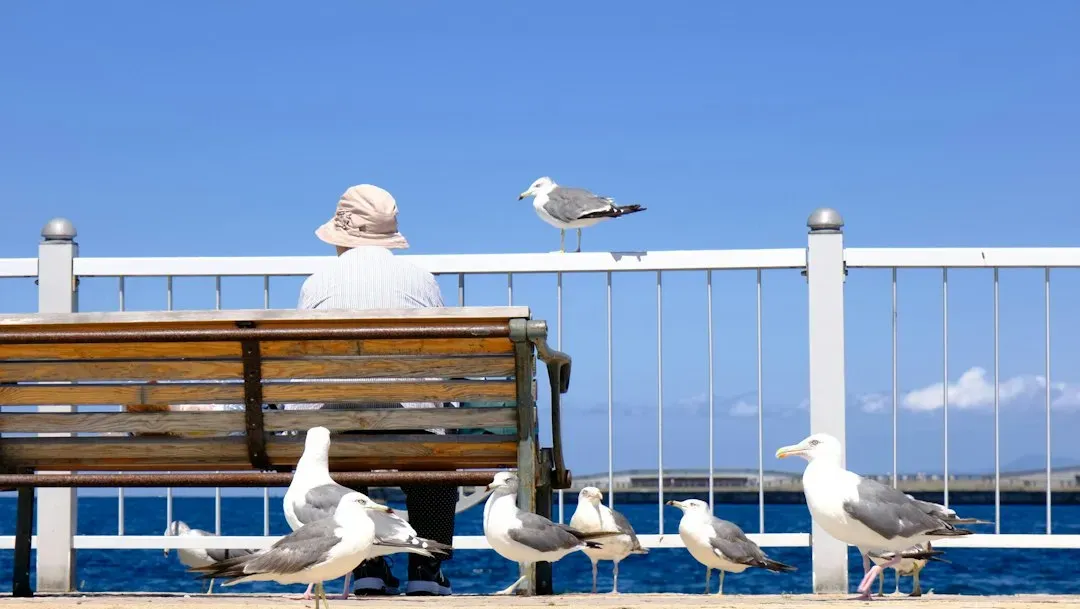
Out West, a reservoir is more than a place to fish. In dry country, a big body of water can become a shorebird and waterfowl magnet. Pelicans, grebes, ducks, and migrating sandpipers all find these shorelines when little else offers wet habitat.
The Bureau of Reclamation manages many of these lakes, and the Senior Pass covers standard amenity fees at participating sites. Fees are usually modest, often $5–$10, and tend to apply at developed recreation areas rather than random shoreline pulloffs. Still, a few repeated charges over a season can eat the cost of a good lens cap.
The easy viewing is the real bonus here. Many reservoir sites let you scan from the car or a short trail, which is a gift on cold mornings and for anyone whose knees have opinions about long hikes.
Marinas, boat tours, and other concession operations sit outside the pass. Those are priced separately, so the savings are limited to basic access.
Did You Know: Only some Reclamation sites charge fees. Those that do tend to cluster around popular fishing and boating areas, which happen to be great spots for birds too.
Now picture a different kind of water: slower, greener, and run by the Army.
#4 – Army Corps of Engineers Lakes and Rivers That Hold Herons, Eagles and More
🔥 Would you like to save this?
We'll email this post to you, so you can come back to it later!
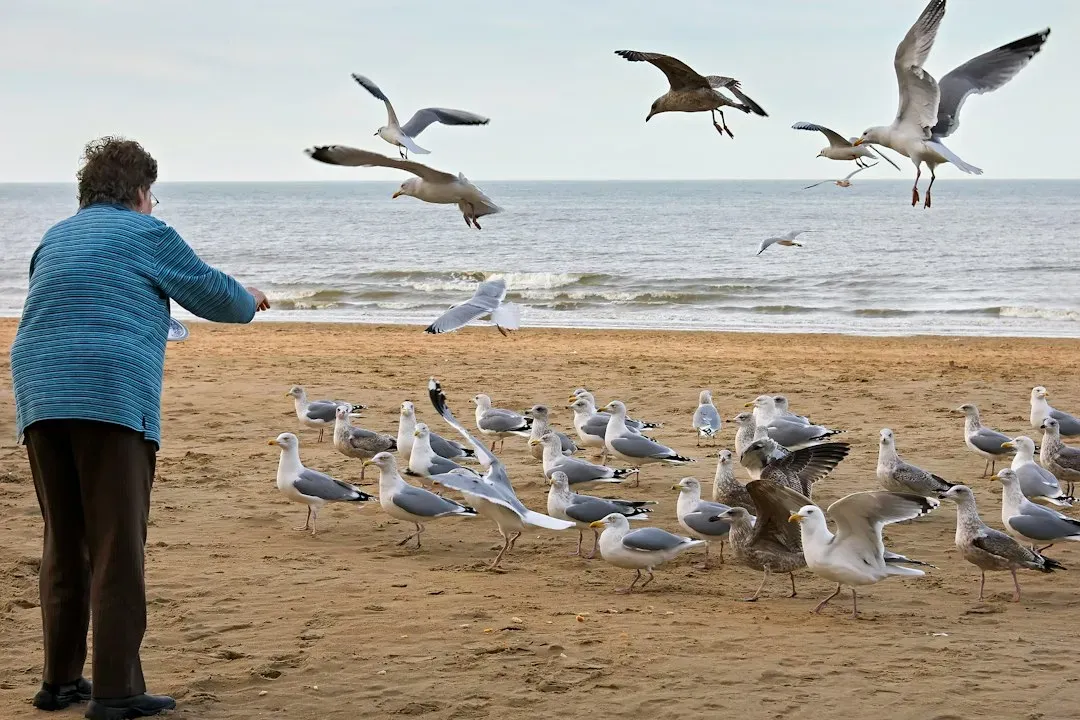
The Army Corps of Engineers manages a surprising number of lakes and river projects across the country. Birders who know them love them. Shorelines and managed wetlands draw herons and egrets in warm months, while the water below dams can pull in gulls and eagles in winter.
Quick Compare
- Warm months: shallow shorelines and managed wetlands for herons and egrets.
- Winter: tailwaters below dams for gulls and eagles.
- Either season: developed, easy-to-reach sites are where the pass saves the most.
At participating sites, the Senior Pass removes standard entrance and day-use fees, covering vehicle access and basic facilities. Typical charges run in the $5–$10 range, though they vary by project. Not every Corps lake charges at all, so the savings concentrate at the more developed, easy-to-reach spots.
The pass also unlocks the 50 percent camping discount where expanded amenities exist. That helps on multi-day trips, especially when Corps campgrounds sit minutes from prime waterbird habitat.
Because Corps lands often neighbor refuges, forests, and state parks, one card can smooth out an entire birding itinerary. That seamless quality is a big part of why the interagency pass feels like a better deal than any single-agency ticket.
Why It Works: The interagency structure means one card handles fees across agencies that manage complementary habitats, cutting out the need for multiple passes or repeated payments.
Beyond the gate, though, a few places demand something extra.
#3 – Special-Access Permits That Get Waived at Certain Refuges
🔥 Would you like to save this?
We'll email this post to you, so you can come back to it later!
A small number of refuges go beyond a basic entrance fee. They require a separate daily or annual user permit, often because of restricted zones or a complicated history. Former military land is the classic example.
Big Oaks National Wildlife Refuge in Indiana, which sits on the former Jefferson Proving Ground, is a well-known case. It has a user-fee system tied to controlled access, and Senior Pass holders are listed among those exempt. Instead of buying a separate permit, you show the card.
That matters because these restricted areas often protect some of the most interesting habitat around. Seniors who assume every extra permit means another payment sometimes skip these refuges entirely, missing out on places that cost them nothing with the right paperwork.
- The waiver applies only at participating refuges that accept the pass for these fees.
- It doesn’t extend to hunting or fishing licenses and stamps.
- It’s designed to prevent double-charging for access the interagency pass already covers.
The smartest move is to call ahead or check the refuge’s page before you go. Rules for restricted zones can change by season, and some areas have additional safety requirements.
The Psychology Behind This: A permit sounds expensive and complicated, so many people never ask whether it applies to them. A two-minute phone call can open up an entire refuge.
Next, a perk that has nothing to do with gates.

Portable Dog Water Bottle Foldable Dog Travel Water Bottle
Check Price on AmazonAs an Amazon Associate, we earn from qualifying purchases.
10/7/2026 1:29 pm GMTi

Professional 7 in 1 Dog Paw Cleaner for Dogs & Cats - Includes 1 Portable Paw Washer, 1 Bath Brush
Check Price on AmazonAs an Amazon Associate, we earn from qualifying purchases.
10/7/2026 1:26 pm GMTi

Dog Stairs for Bed 18" H, 4-Step Dog Steps for High Bed
Check Price on AmazonAs an Amazon Associate, we earn from qualifying purchases.
10/9/2026 2:42 pm GMTi

Earth Rated XL Dog & Puppy Pee Pads, Discreet Top, Max Absorbency
Check Price on AmazonAs an Amazon Associate, we earn from qualifying purchases.
10/7/2026 1:28 pm GMTi

2 Pcs Halloween Pet Hat Bandana Set, Witch Pumpkin Costumes for Dogs
Check Price on AmazonAs an Amazon Associate, we earn from qualifying purchases.
10/9/2026 2:45 pm GMTi
#2 – Half-Price Camping That Turns Birding Weekends Into Birding Weeks

🔥 Would you like to save this?
We'll email this post to you, so you can come back to it later!
Entrance fees get the headlines, but the camping discount may be the most valuable perk for serious birders. The Senior Pass can cut certain expanded amenity fees, including camping, by 50 percent at facilities managed by the six participating agencies.
Here’s why that matters. During peak migration, a long drive to the refuge can cost you the best hour of the morning. Sleeping near the action means being on the trail before the light turns gold. A campsite that might otherwise run $20–$30 a night can drop to roughly $10–$15, and over a week-long trip that adds up to real money.
Quick Compare
- Standard federal campground: roughly $20–$30 a night drops to about $10–$15 with the pass.
- Concession-run campground: the discount is generally not honored.
- Private campground: no federal discount applies.
The fine print is where people get tripped up. The discount applies only at standard federal campgrounds that offer it. Concession-run campgrounds and private facilities generally do not honor it. Availability also varies by location and season.
Many prime birding campgrounds near refuges, forests, and reservoirs do participate, so the benefit is easy to use once you know to look for it.
Insider Tip: Always confirm that the specific campground accepts the discount before you book. Concession-operated sites often do not, and finding out at check-in is no fun.
But the last item on the list is the one that flips the whole story on its head.

Halloween Cat Costume Cloak Witch Hat Pet Accessories
Check Price on AmazonAs an Amazon Associate, we earn from qualifying purchases.
10/9/2026 2:44 pm GMTi

Glass Hummingbird Feeder for Outdoors Hanging, 16 oz Leak-Proof Nectar Feeder with Bee Guards & Ant Moat
Check Price on AmazonAs an Amazon Associate, we earn from qualifying purchases.
10/7/2026 1:22 pm GMTi

Smart Bird Feeder with Camera Solar Powered, 2K HD Live Video, 10,000+ Bird Species AI Identification
Check Price on AmazonAs an Amazon Associate, we earn from qualifying purchases.
10/7/2026 1:22 pm GMTi

Glass Hummingbird Feeder for Outdoors Hanging
Check Price on AmazonAs an Amazon Associate, we earn from qualifying purchases.
10/7/2026 1:21 pm GMTi
#1 – The Overlooked Reality of Refuges That Were Always Free
🔥 Would you like to save this?
We'll email this post to you, so you can come back to it later!
Here’s the biggest surprise for most seniors. The majority of national wildlife refuges never charged an entrance fee in the first place. At those sites, the Senior Pass changes nothing, and it never will.
That flips the common narrative that turning 62 magically unlocks the federal birding system. The “everything is free” claim overstates it. The pass delivers real, meaningful savings at fee-charging refuges, parks, forests, and other federal sites, but it can’t discount a price of zero.
Think of it as a tool rather than a free-for-all. At a $30 park gate, the pass is a bargain. At a free marsh refuge with a gravel lot and a single boardwalk, it’s just a card in your wallet. Knowing the difference is what separates a savvy trip planner from someone who just hopes for the best.
- Federal Duck Stamps remain a separate purchase for hunters and aren’t affected by the Senior Pass.
- Concession tours, guided programs, and many special permits stay at full price.
- Camping discounts depend on the specific facility.
By The Numbers: At a $30 park entrance, an $80 lifetime pass pays for itself in about three visits. At a refuge with no fee, it saves exactly nothing.
So is the Senior Pass worth it for birders? In my view, absolutely, but for the right reasons. It’s not a golden key that opens every gate. It’s a long-term deal that works best for people who actually travel, who stack refuges, parks, forests, and campgrounds into the same trip, and who like to wander back to the same migration hotspots year after year.
The $80 price has held steady for years while nearly everything else has crept up, and that alone makes it one of the better bargains in outdoor recreation. If you’re 62 or older and you chase birds even a few times a year, buy the pass. Just don’t expect it to do magic. Check each site’s fee page before you go, and remember that the best birding spots in America are sometimes the ones that were always free.

- 9 Permits Dropped for Birders Over 62 at Federal Sites Nationwide - November 9, 2026
- 19 Wildlife Refuge Charges Waived for Americans Over 62 Every Single Day - November 9, 2026
- 9 Winter Feeding Mistakes That Drive Birds Away From a Garden - November 9, 2026