



The house goes quiet, the light turns amber, and your old dog starts to pace. Maybe she circles the living room, stares at a blank wall, or stands at the back door as if she’s waiting for someone who isn’t coming. If you’ve lived with an aging dog, you may know this scene well.
Many owners call it sundowning, borrowing a term from human dementia care. Veterinarians more often talk about canine cognitive dysfunction, yet evening restlessness doesn’t always come from one single cause. Some of the explanations are surprisingly ordinary, and a few of them are very treatable.
Canine Cognitive Dysfunction
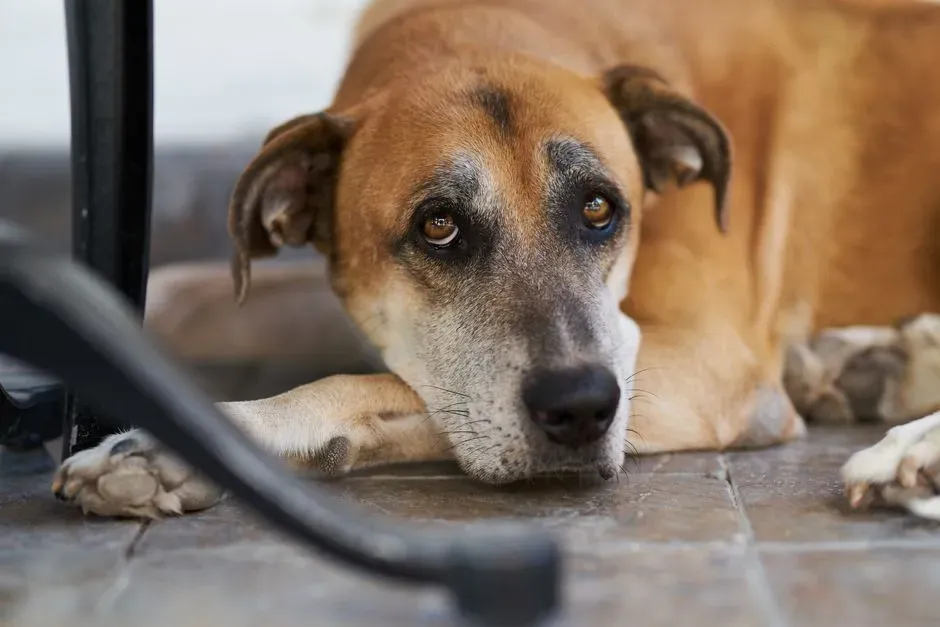
Canine cognitive dysfunction, often shortened to CCD, is a brain aging condition that shares features with Alzheimer’s disease in people. It can affect memory, awareness, sleep patterns and how a dog responds to the world around her. Pacing, confusion and night waking are among the classic signs.
Evening symptoms are commonly reported, though the exact reason they cluster at dusk isn’t fully settled. A vet can’t diagnose CCD from a single behavior, so the process usually involves ruling out other problems first. If your dog seems lost in familiar rooms, mention it at the next checkup.
Disrupted Sleep and Wake Cycles
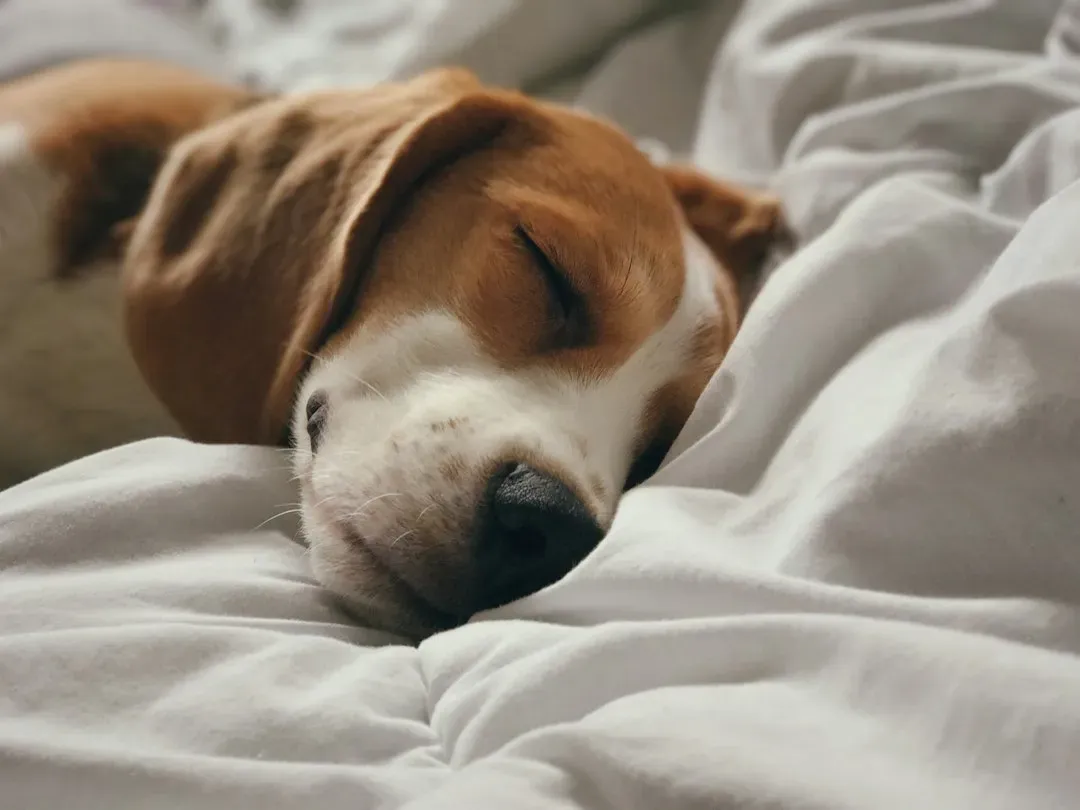
Dogs have body clocks, just as we do. With age, the rhythm that tells them when to be sleepy and when to be alert can blur. A dog who naps heavily all day may feel wide awake just when the household is winding down.
This flip can leave you exhausted and your dog unsettled. Adding more daytime activity, gentle walks and sunlight exposure often helps nudge the schedule back in line. It won’t fix everything, but it’s a sensible place to start.
Pain and Arthritis
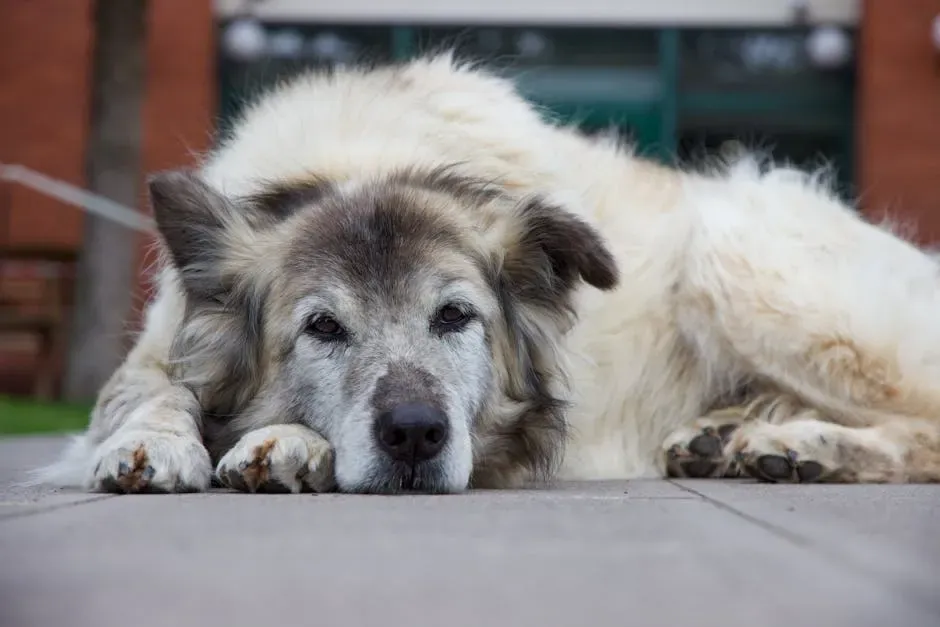
Arthritis is very common in older dogs, and it doesn’t always look like limping. Sometimes it looks like a dog who can’t get comfortable, shifts position again and again, then gets up to wander. Discomfort can feel worse when the day’s activity has caught up with stiff joints.
Because dogs hide pain well, restlessness may be the only hint you get. Your veterinarian can examine joints, suggest safe pain relief and recommend supports like orthopedic bedding or ramps. Please don’t give human painkillers, since many are dangerous for dogs.
Declining Vision and Hearing
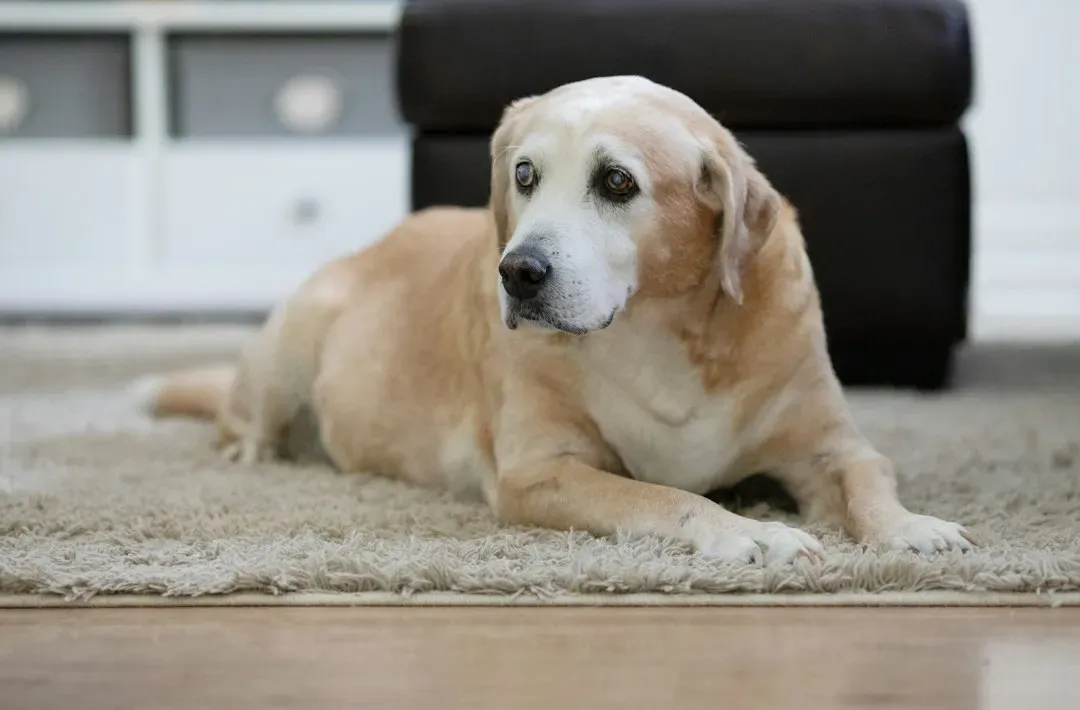
As eyesight fades, dim light can make a familiar home feel confusing. Shadows, reflections and unclear shapes may unsettle a dog who navigated the same rooms with ease for years. Hearing loss adds to it, since she may startle when you appear suddenly.
Small changes can make evenings calmer. Leave a few soft lights on, keep furniture in the same place and approach your dog gently so she knows you’re there. A quiet touch often says more than a spoken word at this stage.
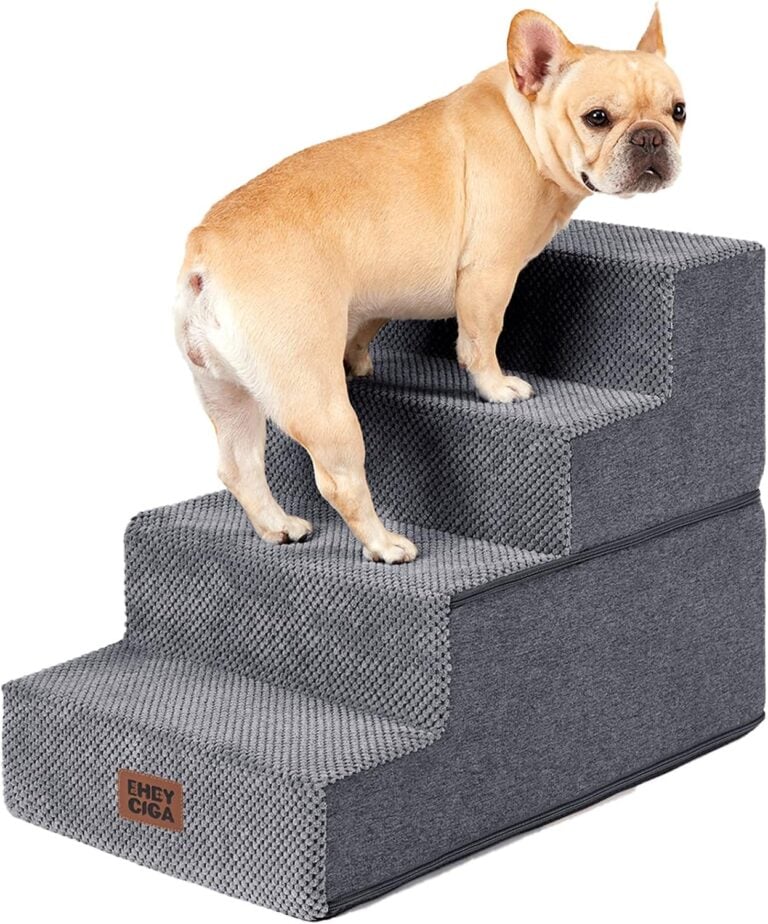
Dog Stairs for Bed 18" H, 4-Step Dog Steps for High Bed
Check Price on AmazonAs an Amazon Associate, we earn from qualifying purchases.
10/9/2026 2:42 pm GMTi

PetSafe Oasys Pet Fountain, 1/2 Gallon (64 oz), Small Dogs & Cats
Check Price on AmazonAs an Amazon Associate, we earn from qualifying purchases.
10/8/2026 8:14 am GMTi
Glass Hummingbird Feeder for Outdoors Hanging, 16 oz Leak-Proof Nectar Feeder with Bee Guards & Ant Moat
Check Price on AmazonAs an Amazon Associate, we earn from qualifying purchases.
10/7/2026 1:22 pm GMTi

Portable Dog Water Bottle Foldable Dog Travel Water Bottle
Check Price on AmazonAs an Amazon Associate, we earn from qualifying purchases.
10/7/2026 1:29 pm GMTi

Earth Rated XL Dog & Puppy Pee Pads, Discreet Top, Max Absorbency
Check Price on AmazonAs an Amazon Associate, we earn from qualifying purchases.
10/7/2026 1:28 pm GMTi
Anxiety and Separation Worries
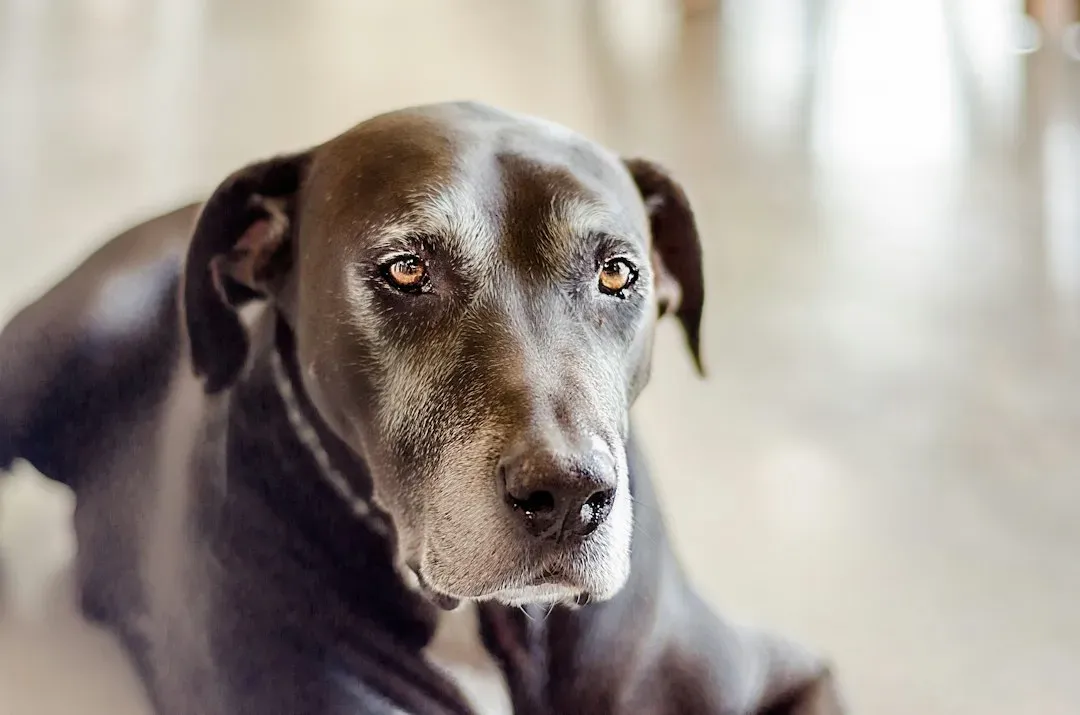
Older dogs can become more anxious, even those who were calm in their younger years. Evening may be when family members return, routines change or the house grows quiet and strange. A dog who feels uncertain might pant, follow you from room to room or whine for no obvious reason.
Anxiety can be tied to cognitive changes, sensory loss or pain, so it’s worth looking at the whole picture. Predictable routines, calming spaces and, when appropriate, veterinary guidance on medication or supplements can make a real difference. Patience matters here more than most people expect.
Needing to Go Outside
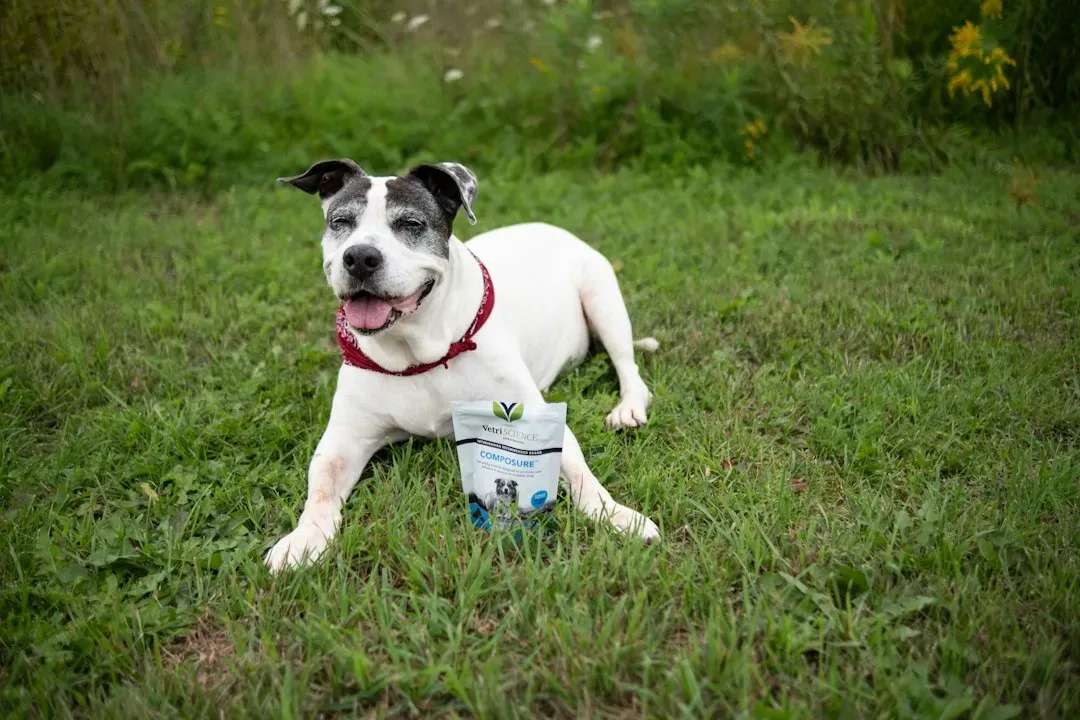
Sometimes the explanation is simpler than we’d like to admit. Older dogs may have weaker bladder control, or conditions that increase thirst and urination. Pacing and standing by the door can just mean she needs a bathroom break.
If you notice more accidents, heavy drinking or frequent trips outside, tell your vet. Kidney disease, diabetes and urinary infections are among the conditions that can cause these changes. A last outing right before bed is a small habit that helps many seniors.
Hunger, Nausea or Digestive Upset
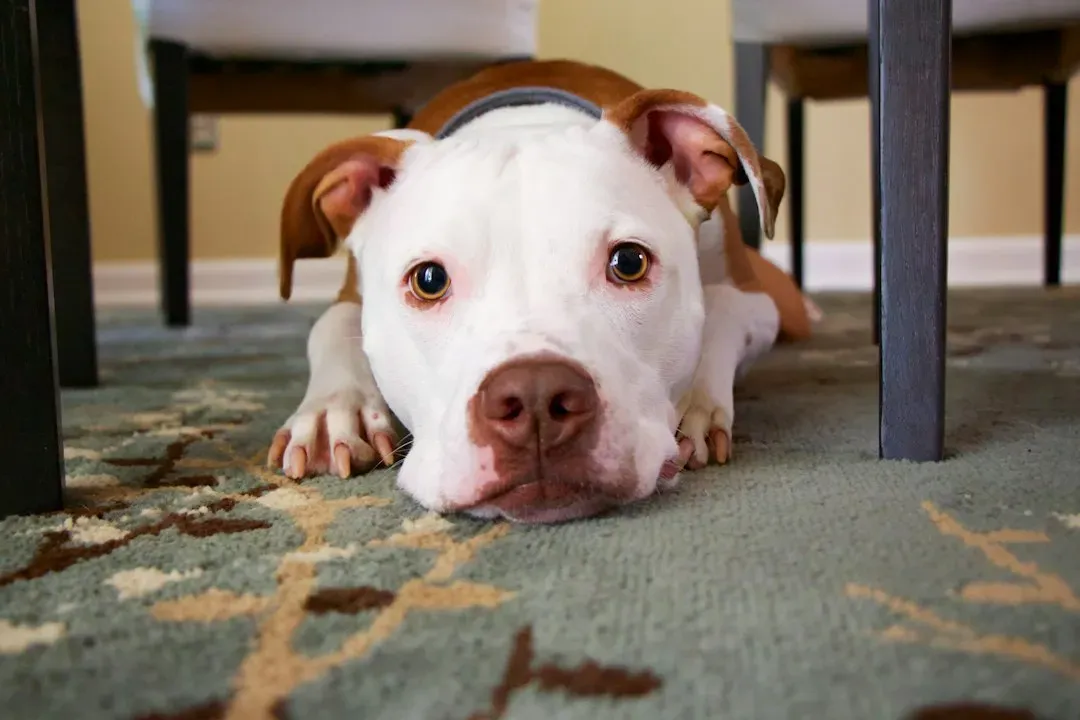
An empty stomach can keep a dog restless at night, and so can nausea. Some seniors do better with smaller meals spread through the day, or with a light snack in the evening. Vets can advise on what suits your dog’s health and weight.
Repeated lip licking, drooling, eating grass or refusing food may point to digestive trouble. These signs deserve a call to the clinic rather than guesswork. Evening pacing isn’t always behavioral, and the gut is a common culprit.
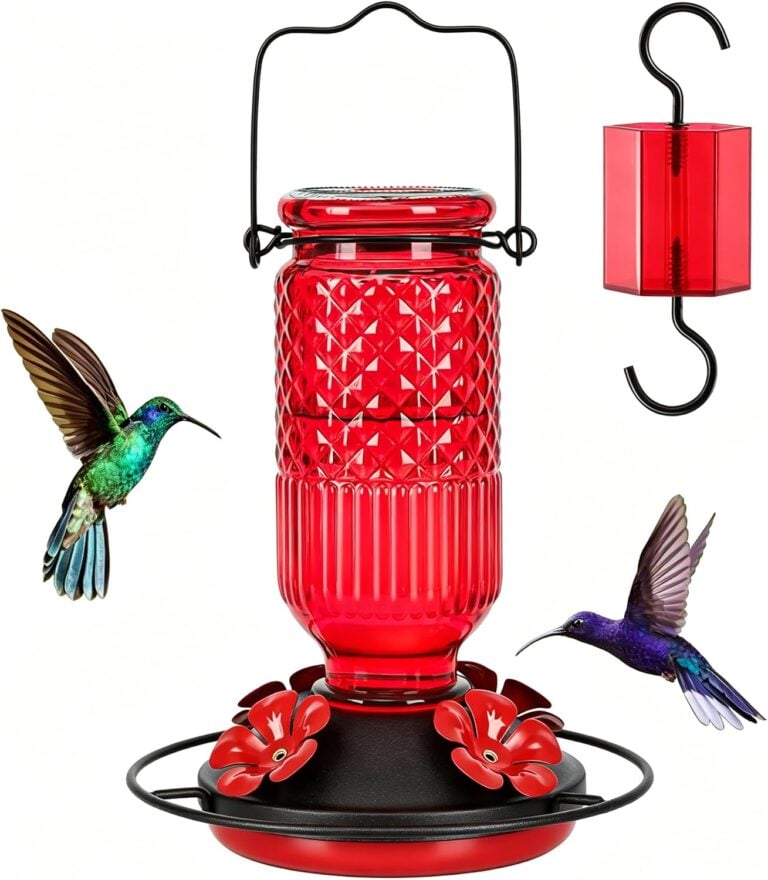
Glass Hummingbird Feeder for Outdoors Hanging
Check Price on AmazonAs an Amazon Associate, we earn from qualifying purchases.
10/7/2026 1:21 pm GMTi

Professional 7 in 1 Dog Paw Cleaner for Dogs & Cats - Includes 1 Portable Paw Washer, 1 Bath Brush
Check Price on AmazonAs an Amazon Associate, we earn from qualifying purchases.
10/7/2026 1:26 pm GMTi

Air Purifiers for Home Pets Large Room Up to 3000 Ft²,HEPA Air Cleaner with Washable Double-Side Filter, PM2.5 Air Quality Monitor,15dB Sleep Mode for Bedroom Odor Dust Pollen,White
Check Price on AmazonAs an Amazon Associate, we earn from qualifying purchases.
10/8/2026 8:23 am GMTi

Smart Bird Feeder with Camera Solar Powered, 2K HD Live Video, 10,000+ Bird Species AI Identification
Check Price on AmazonAs an Amazon Associate, we earn from qualifying purchases.
10/7/2026 1:22 pm GMTi

Orthopedic Extra Large Dog Bed, Waterproof Washable XL Pet Bed 44"
Check Price on AmazonAs an Amazon Associate, we earn from qualifying purchases.
10/7/2026 1:32 pm GMTi
Other Medical Conditions

Several illnesses can cause restlessness, including heart disease, thyroid problems, Cushing’s disease and breathing difficulties. A dog who can’t breathe comfortably may refuse to lie down, for example. Medications can also cause side effects such as increased thirst, agitation or odd sleep patterns.
That’s why a sudden change deserves a proper exam, not just a shrug and the assumption she’s getting old. Bloodwork, blood pressure checks and a full physical can uncover causes that are manageable. Getting an answer is often a relief in itself.
Changes in Environment and Routine
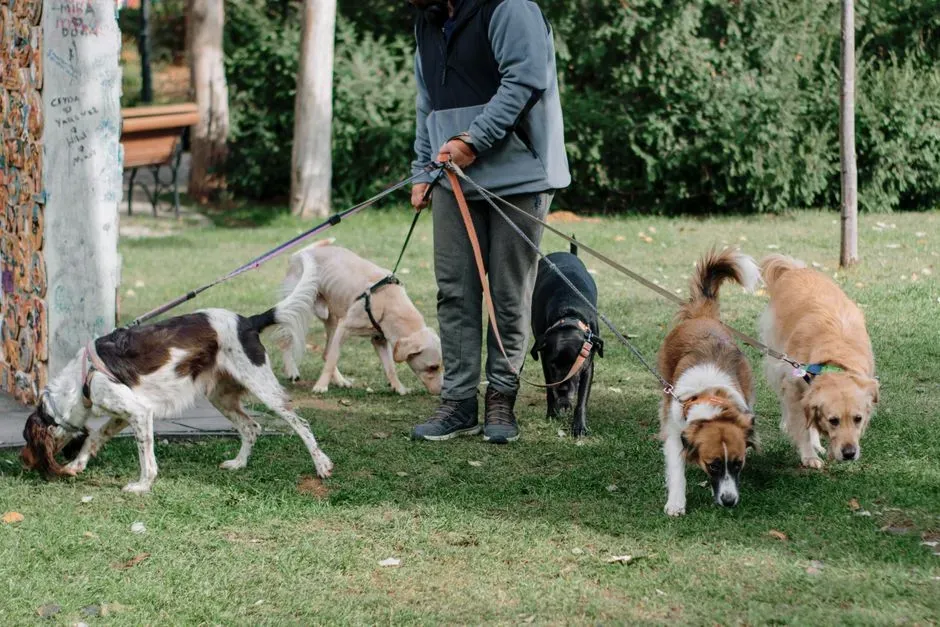
Older dogs tend to like predictability. A move, a new pet, a houseguest, a shift in work hours or even rearranged furniture can throw them off. Evening is often when household activity picks up, which adds noise and movement to an already uncertain mind.
A consistent schedule for meals, walks and bedtime gives your dog something to hold on to. Some owners add a calming bedtime ritual, like a short massage or a quiet spot near the family. These aren’t cures, but they can soften the edges of a hard hour.

Hand Blown Glass Hummingbird Feeders for Outdoors Hanging, 24oz Wild Bird Nectar Feeder
Check Price on AmazonAs an Amazon Associate, we earn from qualifying purchases.
10/7/2026 1:23 pm GMTi

Halloween Dog Collar with Bow, Orange Cute Ghost Collar,
Check Price on AmazonAs an Amazon Associate, we earn from qualifying purchases.
10/9/2026 2:43 pm GMTi

Halloween Cat Costume Cloak Witch Hat Pet Accessories
Check Price on AmazonAs an Amazon Associate, we earn from qualifying purchases.
10/9/2026 2:44 pm GMTi

2 Pcs Halloween Pet Hat Bandana Set, Witch Pumpkin Costumes for Dogs
Check Price on AmazonAs an Amazon Associate, we earn from qualifying purchases.
10/9/2026 2:45 pm GMTi
Final Thoughts
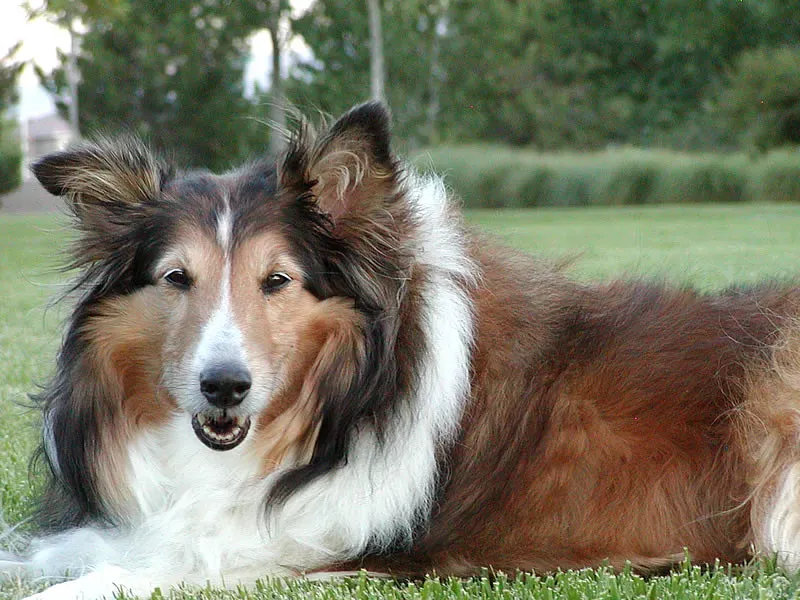
Here’s my take: evening restlessness shouldn’t be dismissed as just old age. It’s a signal, and often a useful one, pointing toward pain, confusion, worry or a medical issue that can be eased. Calling it sundowning is fine as shorthand, but the label shouldn’t stop us from asking why.
Keep notes on when the pacing starts and what seems to help, then bring them to your vet. Your senior dog spent years keeping you company through your evenings. Returning the favor, with patience and a bit of detective work, is one of the kindest things you can do.