
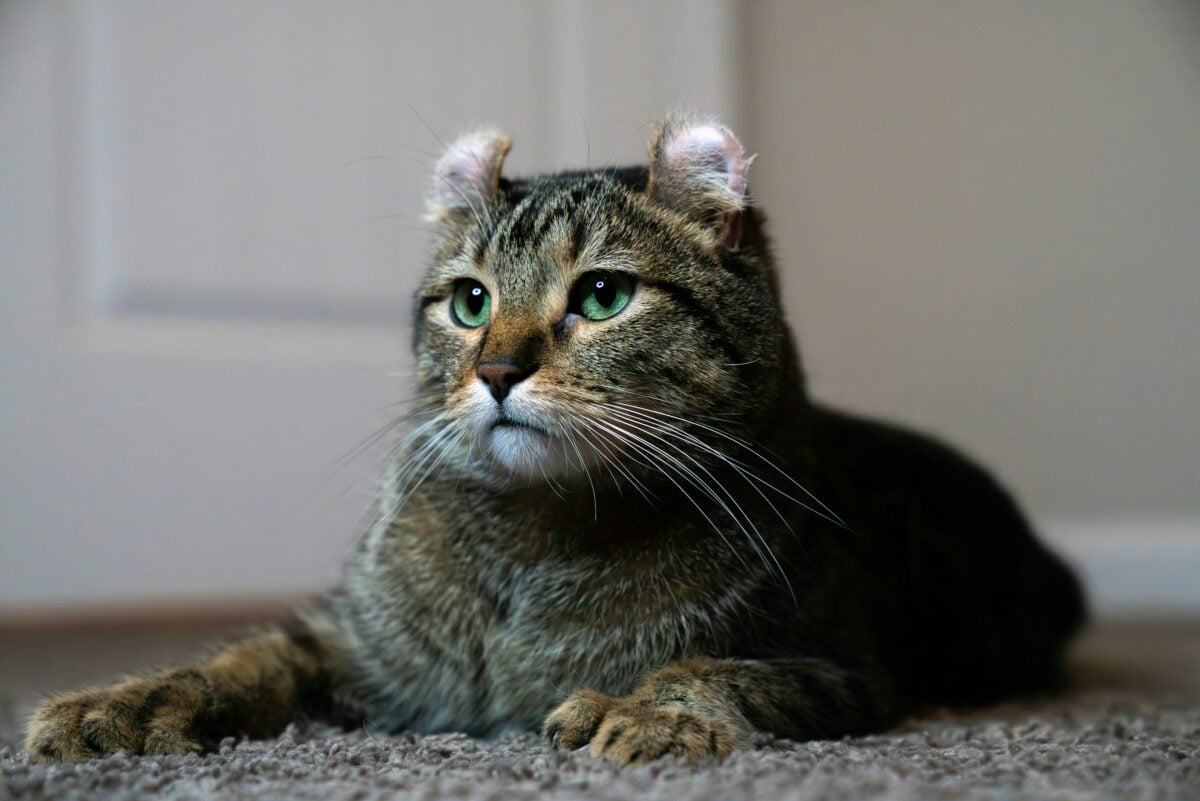


You set up the bed, filled the bowl, and your rescue cat actually ate. So that means it’s home, right? Not quite. Most people judge a cat’s comfort by what it starts doing, like purring or cuddling, but the more honest signal is what it quietly stops doing.
Hiding, bolting and living like a guest are all habits of an animal that has learned homes can vanish. Here are the 14 habits that fade once a cat truly believes the next move isn’t coming. A few get mistaken for “attitude,” one tends to show up after dark, and the last one tells you more than all the others combined.
#14 – Hiding in the Tightest, Darkest Spot

The first habit you see is usually the last one people understand.
A rescued cat wedged behind the washer or under the bed isn’t being rude, and it isn’t rejecting you. Cats are mid-sized predators that are also prey for larger animals, so hiding is their built-in answer to uncertainty. For a cat that has been moved before, a tight, dark space may be the only thing in the house it can control.
The classic mistake is pulling a hiding cat out “to help it bond.” That usually resets whatever trust was quietly building.
Once a cat believes it’s staying, hiding changes character. It stops being an emergency exit and becomes a preference, like a cozy nap spot with a view. The cat still picks a nook, but it picks it the way you pick your favorite corner of the couch, not the way you’d pick a bunker.
What fading looks like:
- The cat comes out for meals without scouting the room first
- It picks elevated or open spots over sealed-off ones
- It hides briefly during loud events, then returns on its own
But that’s nothing compared to what a frightened cat does at the slightest noise in #13…
#13 – Freezing or Flattening at Every Sudden Sound
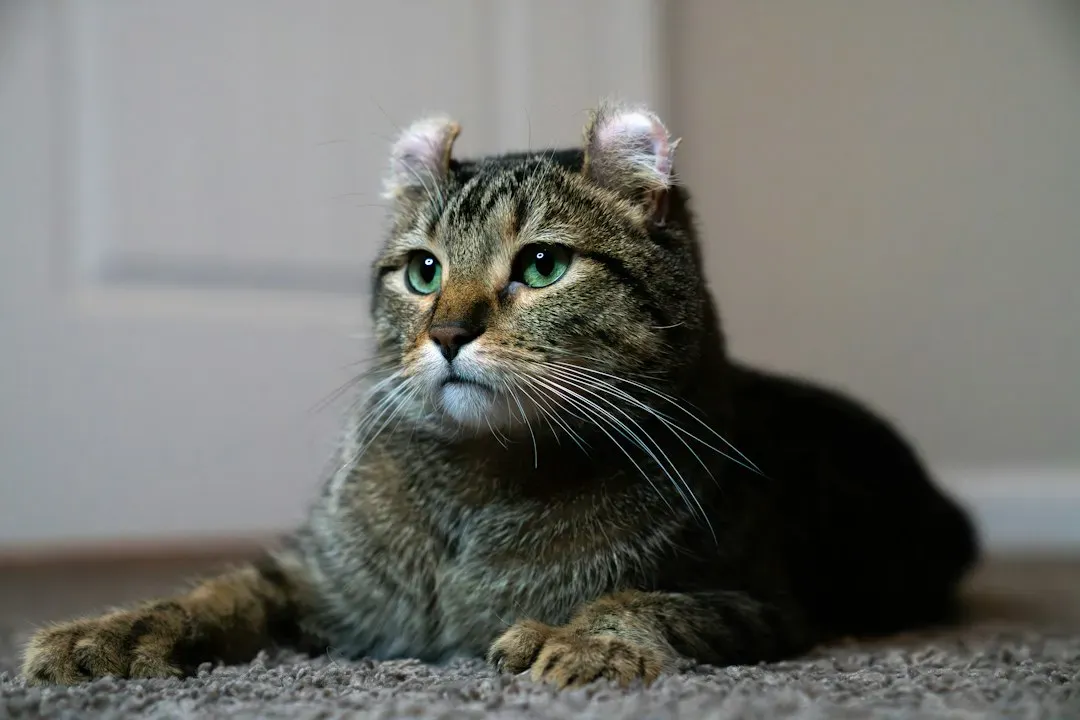
A dropped spoon can send a stressed cat into full alarm.
Watch a newly rescued cat when a cabinet slams. The ears pin back, the body drops low, and the pupils swell. This is a startle response, and it stays switched on for a cat that doesn’t yet know what counts as normal in the house.
Here’s the part most owners miss. A cat’s hearing reaches far higher frequencies than ours, so the vacuum, the microwave beep and the dishwasher can be a lot more intense for your cat than they are for you. What sounds like background noise to you may sound like a threat to them.
Fast Facts
- Cats can hear up to roughly 64,000 Hz, while most adult humans top out near 20,000 Hz
- Each ear has about 32 muscles, so a cat can swivel its ears independently
- Flattened ears are often the first visible sign a sound felt like too much
- Many appliance beeps and electronic whines sit in a range you barely notice
As a cat learns the household soundtrack, the reaction shrinks. First it flinches, then it looks up, then it ignores the noise completely.
You can speed this up without forcing anything:
- Keep daily sounds predictable at first
- Never comfort-grab a startled cat
- Let it retreat, then return on its own terms
Calm cats don’t stop hearing. They stop treating every sound as a verdict.
And the next habit is even more telling, because it happens at the food bowl in #12…
#12 – Gulping, Guarding, or Hoarding Food
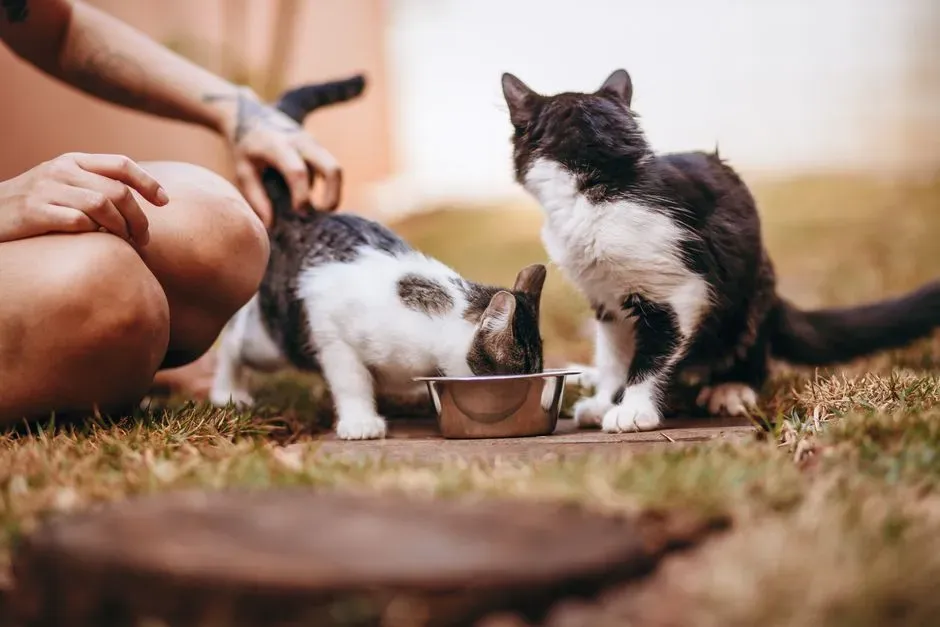
Some rescued cats eat like the bowl might vanish.
If a cat has known hunger, it may eat at top speed, growl over the dish or carry kibble away to eat in private. That isn’t greed. It’s a rational response to scarcity.
Cats are also natural grazers, built for small, frequent meals. A cat that bolts food and then vomits is often showing stress, not a bottomless appetite.
Here’s the controversial part. Many people think a hungry rescue should have food left out all day to “prove” there’s plenty. For some cats that works. For others it removes the structure that creates safety, because they never learn when the next meal is coming.
What usually helps:
- Fixed meal times that never wander
- A quiet feeding spot away from foot traffic
- Small, frequent portions rather than one big meal
But there’s a quieter food habit that surprises most people in #11…
#11 – Refusing to Eat While You’re in the Room

Some cats will go hungry rather than eat in front of you.
Eating makes a cat vulnerable. Head down, senses dulled, no quick exit. A cat that doesn’t trust its surroundings will skip the meal when anyone is watching.
You come back to a clean bowl and assume everything is fine. The cat has simply been waiting for you to leave. That’s useful information, not a victory.
Over time, you’ll notice the cat eating while you move around the kitchen. Then it eats while you sit nearby. That progression is one of the clearest trust markers there is.
One firm warning: a cat that eats nothing for a day or two needs a vet. Cats can develop a serious liver condition when they go without food, and stress is no excuse to wait.
What happens at bedtime is even more revealing in #10…
#10 – Sleeping in a Coiled, Ready-to-Run Posture
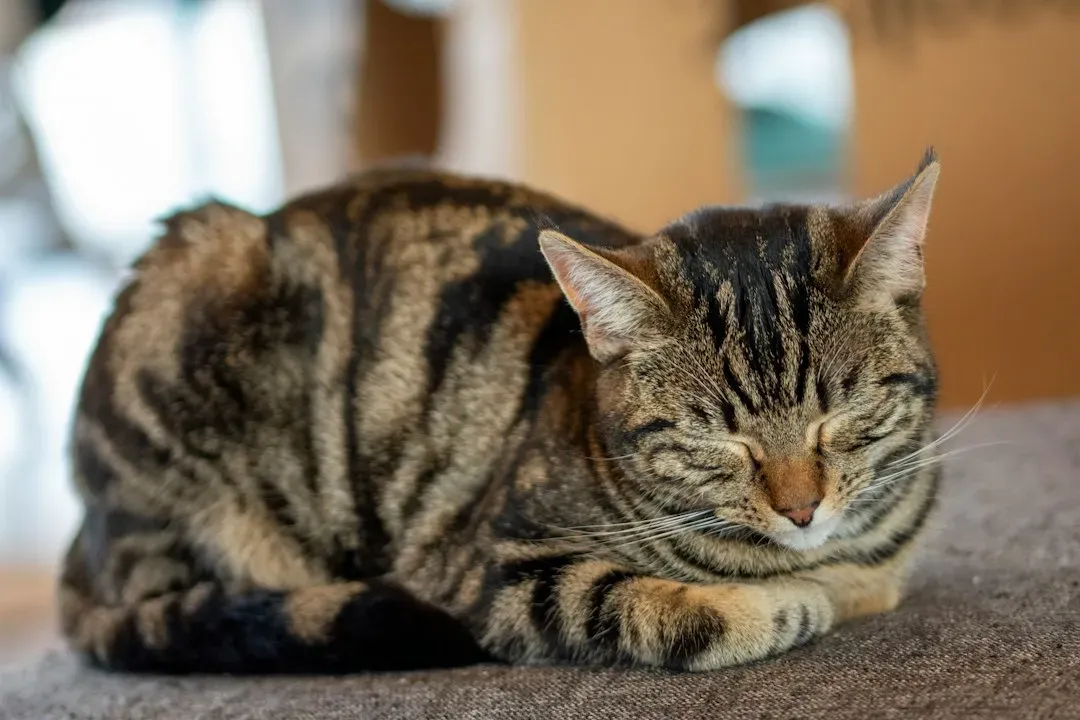
You can read a cat’s trust level in how it sleeps.
A tense cat naps in the “loaf” with paws tucked under and head slightly raised. Its legs are ready to launch. Ears often keep swiveling, even during sleep.
Most people don’t realize that cats sleep many hours a day, but stressed cats tend to sleep lightly and in short bursts. They’re technically resting, not recovering.
Then one day you find the cat stretched out sideways, paws twitching in a dream. That sprawl is the real milestone.
Now the mistake. A cat showing its belly is not automatically asking for a rub. For many cats, a belly is a trust display, and touching it can feel like a trap.
Signs the sleep is getting deeper:
- Sleeping on its side or fully stretched out
- Dozing in the open, not in cover
- Staying asleep when you walk past
But the habit in #9 is the one every adopter fears most…
#9 – Darting for the Door Every Time It Opens
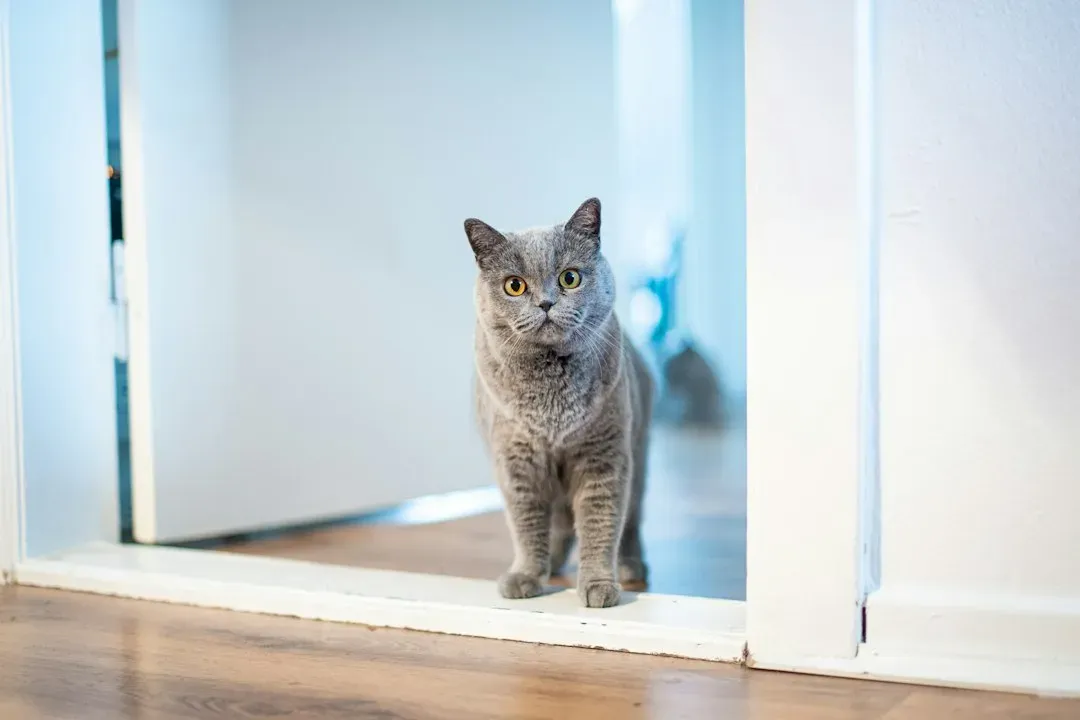
For some rescues, every open door looks like a way out.
A cat that has been moved repeatedly learns that doors lead somewhere. Some will wait by the entry for hours, then bolt the instant it cracks open.
Here’s the hard truth. Door-darting is a common way newly adopted cats end up lost. That makes it a safety issue, not just a quirk.
Expect the behavior to decline as the home becomes the safest place the cat knows. The door stops being an exit and becomes just a door.
Until then, protect your cat:
- Use a secure room or baby gate near the entry
- Make sure the cat has a collar tag and a registered microchip
- Never leave a new cat unsupervised in a room with an open window
Controversial opinion: letting a new cat “explore the whole house right away” is a mistake. A smaller space first makes cats feel safer, not trapped.
Next comes a signal most people misread completely in #8…
#8 – Avoiding All Eye Contact
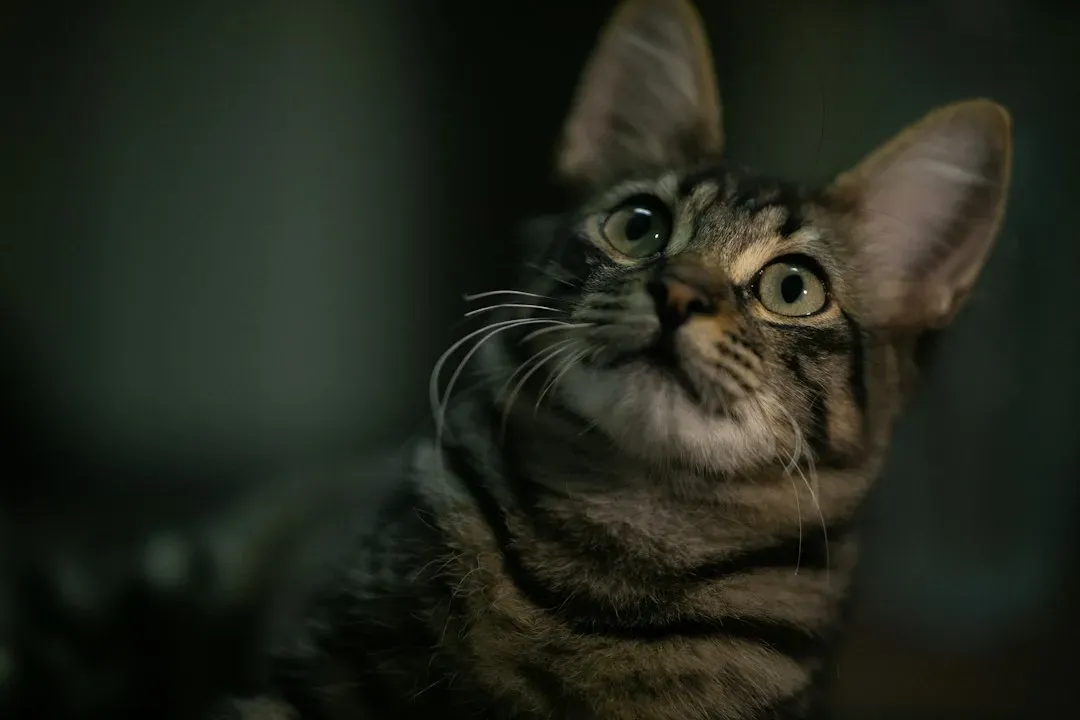
A cat that won’t look at you isn’t ignoring you.
In cat language, a direct stare is a challenge. A frightened rescue may turn its head, look past you or fix its eyes on a wall while keeping you in its peripheral vision.
Most people don’t realize that looking away is often a cat’s polite way of saying it means no harm. It’s de-escalation, not rejection.
When trust grows, the cat starts looking back with soft eyes and relaxed brows. Eventually it slow-blinks, the feline version of a small smile.
You can use the same language:
- Glance toward the cat, then look away
- Try a slow blink from across the room
- Avoid staring directly, even with affection
But a very different habit shows up in the litter box in #7…

Portable Dog Water Bottle Foldable Dog Travel Water Bottle
Check Price on AmazonAs an Amazon Associate, we earn from qualifying purchases.
10/7/2026 1:29 pm GMTi

Smart Bird Feeder with Camera Solar Powered, 2K HD Live Video, 10,000+ Bird Species AI Identification
Check Price on AmazonAs an Amazon Associate, we earn from qualifying purchases.
10/7/2026 1:22 pm GMTi

Halloween Dog Collar with Bow, Orange Cute Ghost Collar,
Check Price on AmazonAs an Amazon Associate, we earn from qualifying purchases.
10/9/2026 2:43 pm GMTi

Hand Blown Glass Hummingbird Feeders for Outdoors Hanging, 24oz Wild Bird Nectar Feeder
Check Price on AmazonAs an Amazon Associate, we earn from qualifying purchases.
10/7/2026 1:23 pm GMTi

Orthopedic Extra Large Dog Bed, Waterproof Washable XL Pet Bed 44"
Check Price on AmazonAs an Amazon Associate, we earn from qualifying purchases.
10/7/2026 1:32 pm GMTi
#7 – Skipping the Litter Box
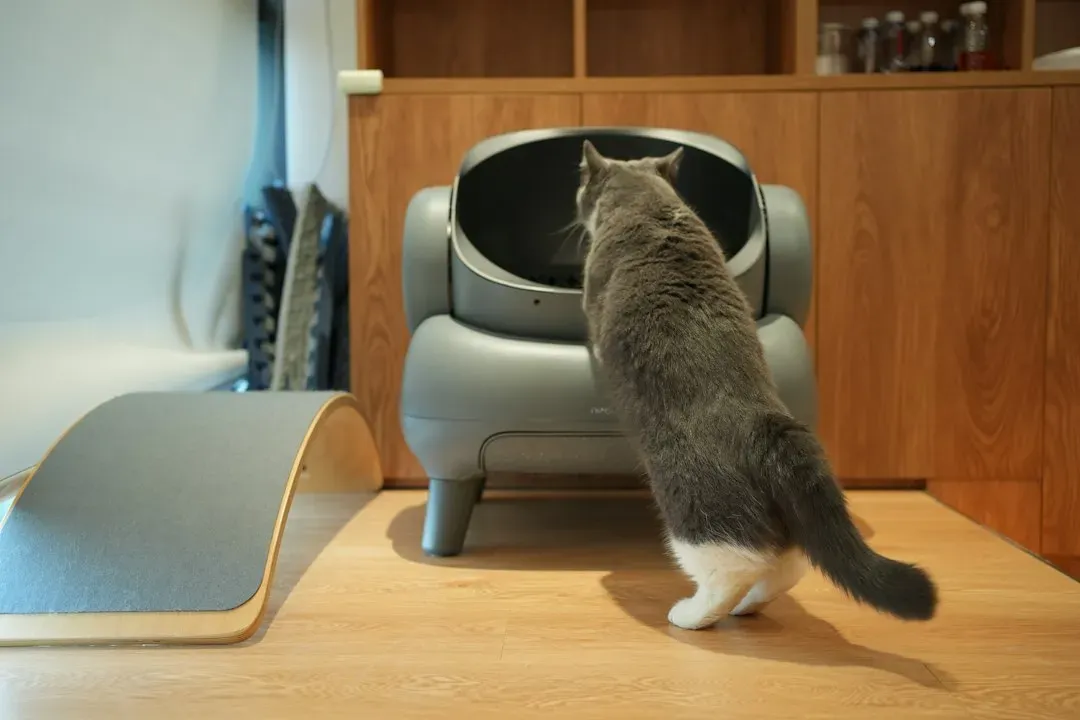
A litter box problem is rarely about spite.
Stress can change where and how a cat eliminates. A rescue in a new space may avoid a box it can’t escape from, one that smells wrong, or one tucked into a noisy spot.
But there’s a catch most blogs skip. Medical problems like urinary tract issues can look identical to a behavior problem, so a vet visit comes first.
Once the medical side is clear, think like the cat:
- Place boxes in quiet but not cornered spots
- Offer more than one in a multi-level home
- Keep the litter type consistent
As security grows, the accidents often stop. That’s not a coincidence. A cat that feels safe treats elimination as routine rather than risk.
Punishment is the biggest mistake here. It teaches the cat to hide the behavior, not stop it.
Worth Knowing
- A common rule of thumb is one box per cat, plus one extra
- Many vets suggest a box about 1.5 times the length of your cat
- Unscented, clumping litter is a safe starting point for most cats
- Daily scooping matters, because many cats refuse a dirty box
And the habit in #6 might be happening right now without you noticing…
#6 – Overgrooming Until Fur Thins
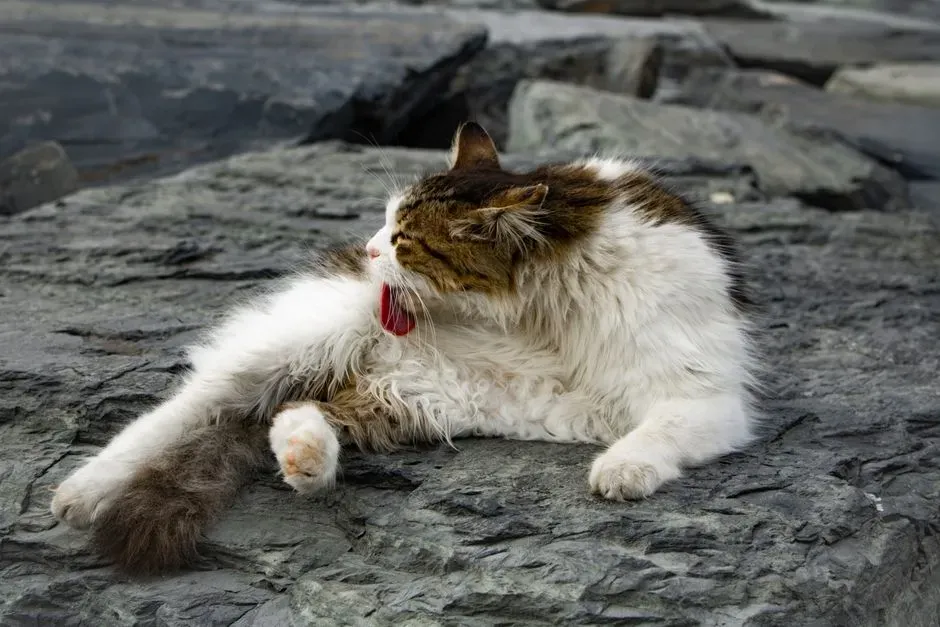
Grooming can be comfort, until it becomes a coping tool.
Cats groom to clean themselves, and also to calm down. When stress runs high, some cats groom compulsively, leaving thin patches or sore skin on the belly, legs or flanks.
Behaviorists call this a stress-linked habit, but it isn’t always one. Allergies, parasites and pain can all cause the exact same bald patches, so a vet should rule them out first.
If the cause is behavioral, the fix is rarely a collar or a scolding. It’s stability, enrichment and time.
Look for these signs of recovery:
- Fur grows back in thin areas
- Grooming sessions get shorter and more routine
- The cat plays or explores in place of licking
But even more telling is what a cat does when you reach for it in #5…
#5 – Hissing or Swatting as a First Response
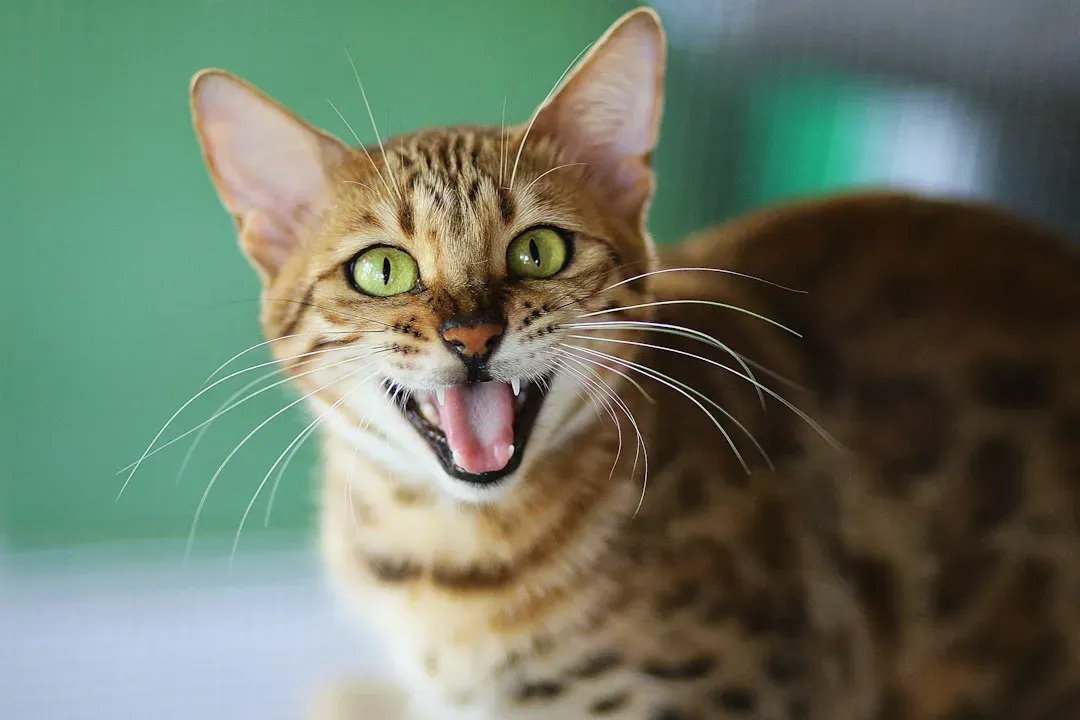
A hiss is a warning, not an attack.
Cats who’ve felt cornered often skip the polite signals and go straight to defense. The hiss, the swat and the puffed tail all say the same thing: back up.
Here’s the twist. A cat that hisses is communicating, which is safer than a cat that gives no warning before it bites. Punishing the hiss removes the warning and keeps the fear.
Over weeks, the sequence changes. Hisses become flattened ears, then a turned head, then nothing at all. The cat has learned that you’ll listen without being forced.
Quick Compare
- Turned head or flattened ears: an early “too close” message
- Tail lashing or low growl: tension is rising fast
- Hiss or spit: a clear request for space
- Swat or bite: the last resort when earlier signals were ignored
Here’s an opinion some people dislike. Forced cuddling to “teach” a rescue to love touch is a mistake. Choice-based petting, where the cat approaches and the human stops when it leaves, builds trust faster.
Try short sessions on the cheek and chin, where cats usually like contact. Let the cat end every interaction.
But what about the hand itself? That brings us to #4…

Professional 7 in 1 Dog Paw Cleaner for Dogs & Cats - Includes 1 Portable Paw Washer, 1 Bath Brush
Check Price on AmazonAs an Amazon Associate, we earn from qualifying purchases.
10/7/2026 1:26 pm GMTi

Glass Hummingbird Feeder for Outdoors Hanging
Check Price on AmazonAs an Amazon Associate, we earn from qualifying purchases.
10/7/2026 1:21 pm GMTi

Air Purifiers for Home Pets Large Room Up to 3000 Ft²,HEPA Air Cleaner with Washable Double-Side Filter, PM2.5 Air Quality Monitor,15dB Sleep Mode for Bedroom Odor Dust Pollen,White
Check Price on AmazonAs an Amazon Associate, we earn from qualifying purchases.
10/8/2026 8:23 am GMTi

2 Pcs Halloween Pet Hat Bandana Set, Witch Pumpkin Costumes for Dogs
Check Price on AmazonAs an Amazon Associate, we earn from qualifying purchases.
10/9/2026 2:45 pm GMTi

Halloween Cat Costume Cloak Witch Hat Pet Accessories
Check Price on AmazonAs an Amazon Associate, we earn from qualifying purchases.
10/9/2026 2:44 pm GMTi
#4 – Flinching From Your Hands
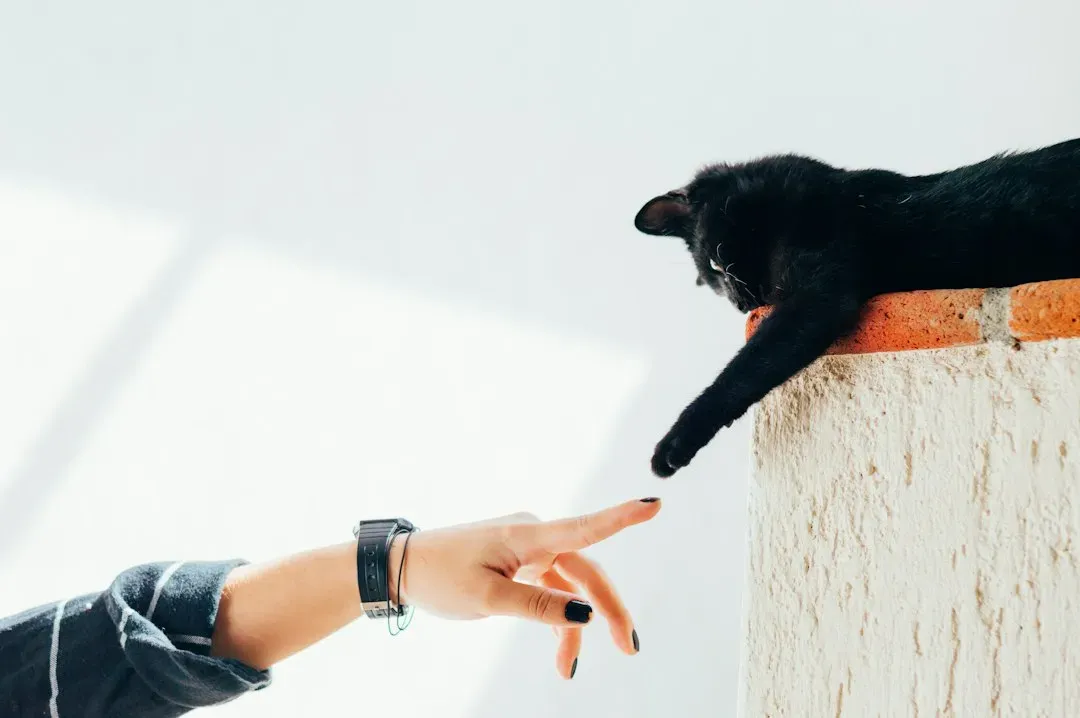
Some cats fear hands more than faces.
A hand coming down over the head can look like a predator’s strike. A rescue that’s been handled roughly, or simply handled a lot, may duck, crouch or run before contact.
The surprising part is that a cat can react to a reaching hand long before it ever feels a touch. From a cat’s low vantage point, an arm swooping in is a big, fast movement.
Change the approach and you change the response:
- Offer a closed fist or finger at nose level, so the cat can sniff first
- Pet low and slow, away from the top of the head
- Stop if the tail flicks or the skin ripples
Cats that have decided they’re safe start leaning into hands, rubbing their cheeks against fingers and pushing back for more.
But there’s another sign of a cat that is finally letting go, and it’s in #3…
#3 – Ignoring Toys and Play
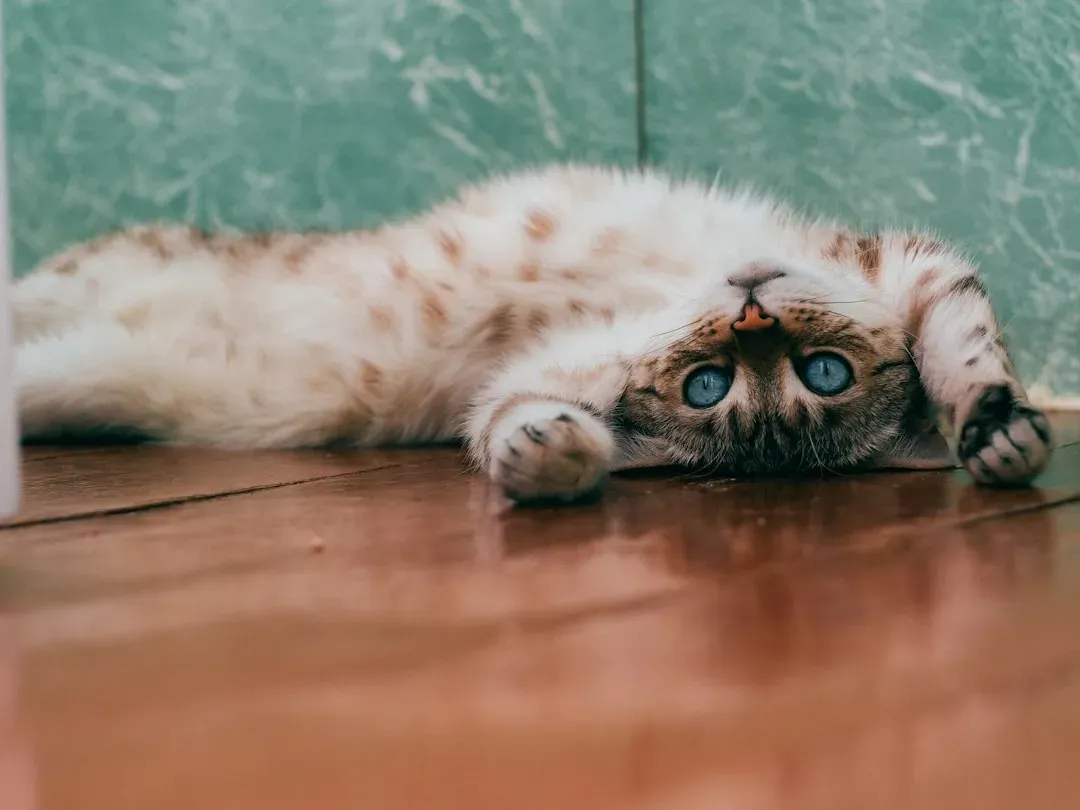
A cat that won’t play isn’t boring. It’s guarded.
Play needs a relaxed brain. A stressed cat in survival mode ignores wand toys and balls because there’s no room left for fun.
Here’s the truth most people miss: hunting play is not a luxury for cats, it’s a core behavior, and its absence can be a stress signal. When it returns, the cat’s mind is finally free.
First comes a flicker of interest. Then a tentative paw at a feather. Eventually the cat chases, pounces and does the “tail-twitch, butt-wiggle” routine that every cat owner knows.
Tips that work:
- Use a wand toy so the cat hunts the toy, not your hand
- Keep sessions short and end on a “catch”
- Play at similar times each day
But the habit that unfolds when the lights go out may be the hardest one to live with, and it’s waiting in #2…
#2 – Pacing and Yowling After Dark
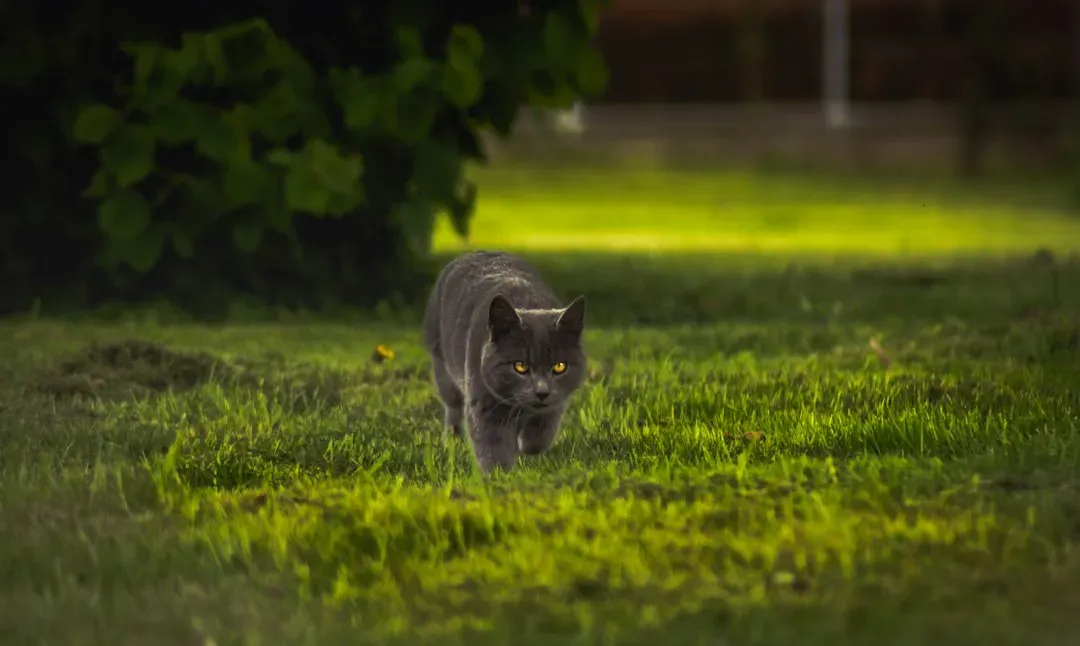
Night is when a rescue’s anxiety often gets loudest.
Cats are naturally most active at dawn and dusk. A rescue in a strange house may pace, yowl or scratch at doors while the home is quiet.
This doesn’t always mean fear. Older cats can also vocalize at night because of cognitive changes or health conditions, so persistent changes deserve a vet check.
When the cat feels secure, nighttime gets calmer. You’ll see it settle on a favorite perch, groom a bit and then sleep. The noise fades because the cat has nothing left to search for.
Helpful steps:
- Add a long play session before bedtime
- Offer a final meal in the evening
- Give a warm, cozy bed in a quiet corner
And the habit in #1 is the one that tells you everything…

Glass Hummingbird Feeder for Outdoors Hanging, 16 oz Leak-Proof Nectar Feeder with Bee Guards & Ant Moat
Check Price on AmazonAs an Amazon Associate, we earn from qualifying purchases.
10/7/2026 1:22 pm GMTi

Earth Rated XL Dog & Puppy Pee Pads, Discreet Top, Max Absorbency
Check Price on AmazonAs an Amazon Associate, we earn from qualifying purchases.
10/7/2026 1:28 pm GMTi
Dog Stairs for Bed 18" H, 4-Step Dog Steps for High Bed
Check Price on AmazonAs an Amazon Associate, we earn from qualifying purchases.
10/9/2026 2:42 pm GMTi

PetSafe Oasys Pet Fountain, 1/2 Gallon (64 oz), Small Dogs & Cats
Check Price on AmazonAs an Amazon Associate, we earn from qualifying purchases.
10/8/2026 8:14 am GMTi
#1 – Living Like a Guest, Never Claiming Anything
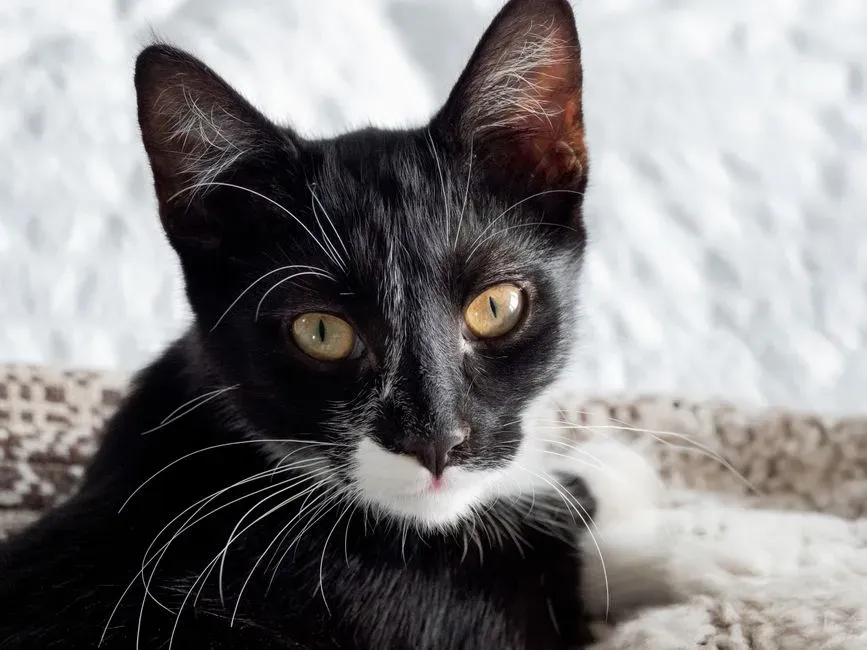
The final habit to drop is the one that breaks hearts: the cat that never settles in.
Some rescues never choose a bed, a perch or a window. They stay near the exit, sleep wherever they land and leave nothing of themselves behind. They’re living like a guest who might be asked to leave.
Cats feel secure through scent and territory. When a cat finally rubs its cheeks on the sofa leg, kneads a blanket or picks one chair as its own, it’s marking the house as its home.
That’s the real moment of arrival. It rarely comes on day three or at three weeks.
The famous “3-3-3 rule” (three days, three weeks, three months) is a popular guideline, not science. Many cats take longer. Some settle faster.
Signs the bags are finally unpacked:
- A favorite sleeping spot, chosen without prompting
- Head-bumping, cheek-rubbing and kneading
- Tail up in greeting when you walk in
That’s the real finish line, and it changes how you should read everything above.
Here’s my honest take: the 3-3-3 rule is overrated. Rescue cats don’t follow calendars, and the “honeymoon” most people expect is often just a cat waiting to see what happens next.
Trust isn’t built by affection, big houses or piles of treats. It’s built by predictability, choice and patience, and it shows up as a list of habits the cat quietly stops. The loudest sign of a settled cat isn’t a purr. It’s the absence of vigilance.
So which habit did your cat drop last, and how long did it take?