
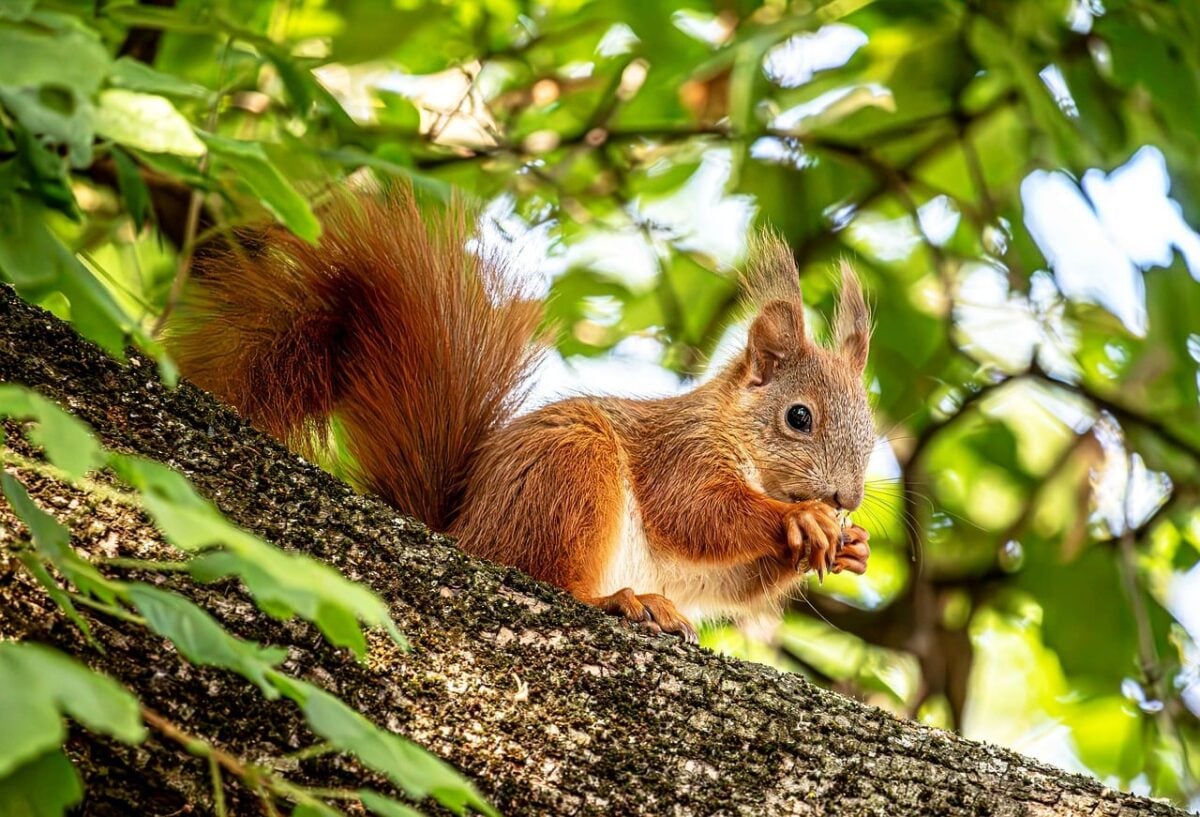


Long before weather apps and satellite maps, a farmer’s forecast came from the fence line. A squirrel’s busy morning or a sudden burst of birdsong could change how someone planned the week. Those habits were passed down in almanacs, kitchen talk and church lots, and plenty of them are still repeated today.
Some of these beliefs hold up a little better than you’d expect, while others are pure folklore. Either way, they say a lot about how closely people used to watch the land. Here are nine animal signs that old farmers read as hints that winter might loosen its grip early.
Squirrels Digging Up Their Winter Stashes Sooner
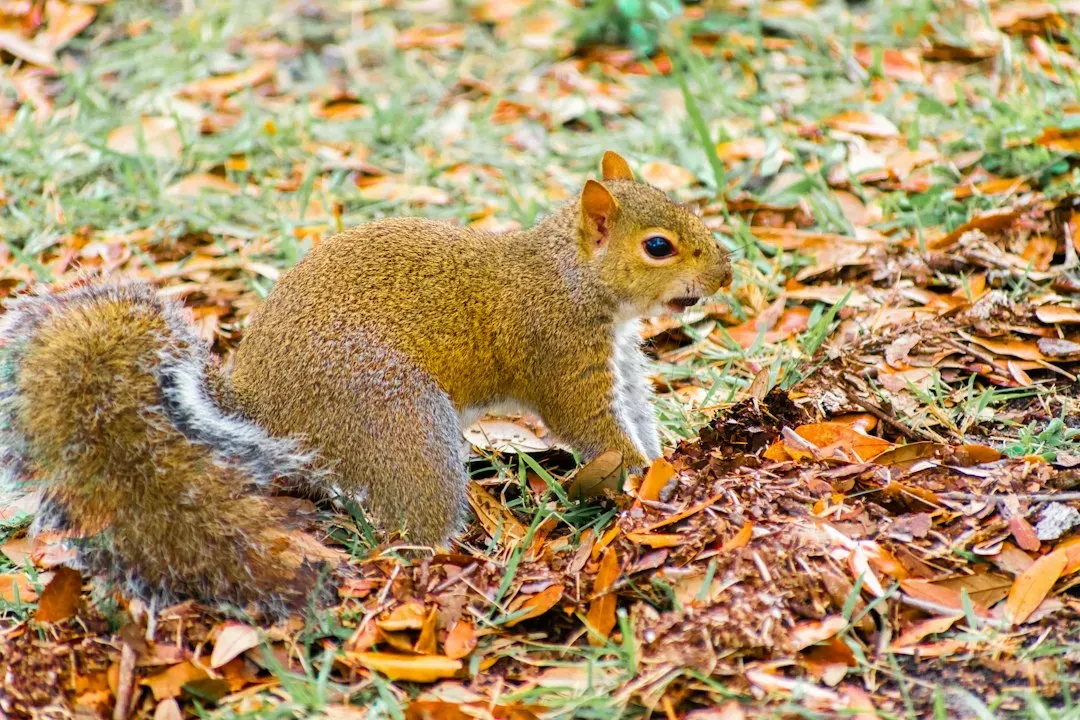
One common bit of lore says that when squirrels start digging up buried nuts well before the calendar says it’s time, spring may be on its way. Farmers figured the animals knew their food supply was running low, or that thawing ground made digging easy. It was a simple bit of reasoning, and it felt reliable.
In reality, squirrels dig for food whenever they’re hungry and the ground allows it. A mild week in January can send them scurrying even if cold weather returns afterward. Treat it as a sign of a warm spell, not a promise of a season.
Squirrels Building Nests High Up in Late Winter
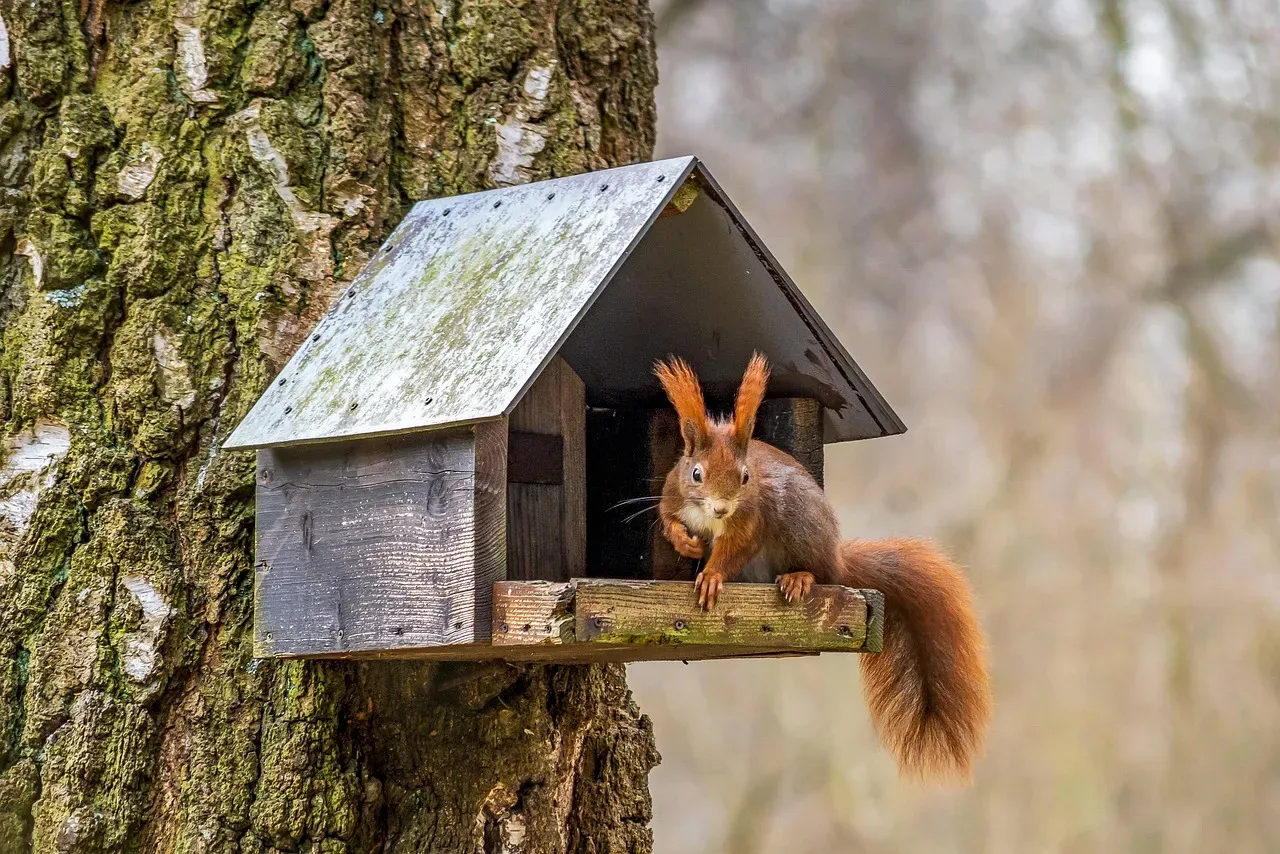
Another folk idea involved where squirrels placed their leaf nests. Some people believed high nests meant a gentle season ahead, while low ones hinted at harsh weather. Versions of this saying float around the countryside, and they often contradict each other.
There’s no solid evidence that nest height predicts the weather. Squirrels do begin to get active around breeding time in late winter, which may be why the sight of them gathering nesting material felt like a seasonal turning point. The behavior is real, even if the forecast isn’t.
Squirrels Chasing Each Other Through the Treetops
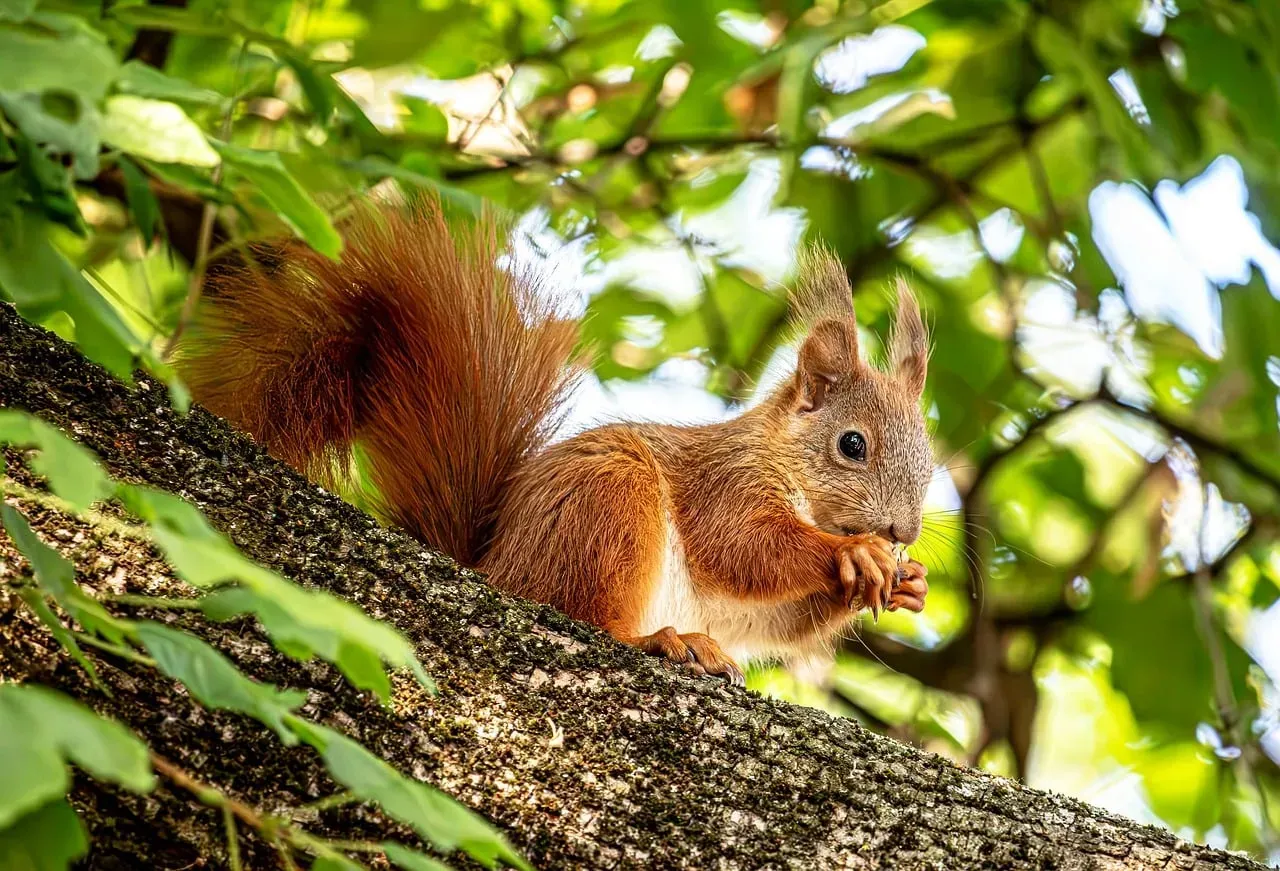
On a bright late winter day, you might spot squirrels spiraling up trunks in noisy chases. Old timers took the frisky energy as a nudge that the cold was fading. It certainly made the yard feel livelier.
Biologists generally link those chases to mating season, which in many regions can begin in the colder months. So the activity does tell you something about the calendar, just not about whether spring will be early. Still, it’s a cheerful signal, and folks have good reason to enjoy it.
Robins Showing Up Before the Snow Is Gone
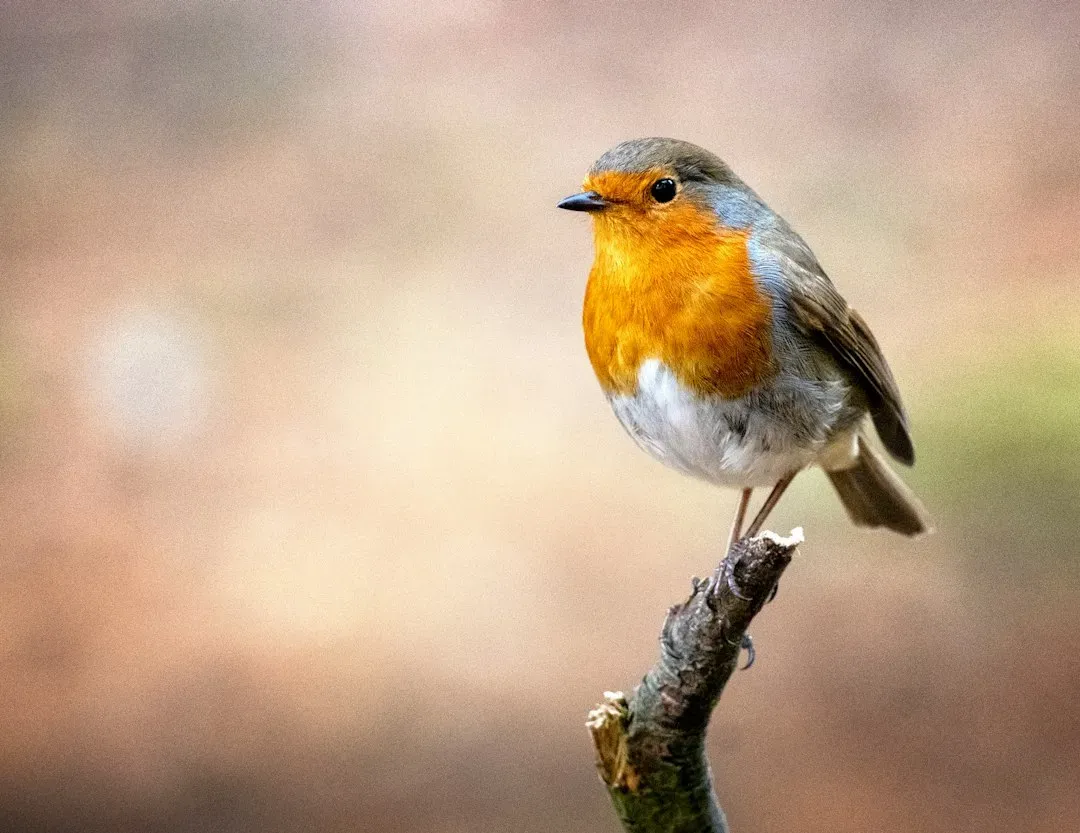
For generations, the first robin has been treated as spring’s herald. Farmers who spotted one hopping across a thawing field often told neighbors the worst was over. It’s probably the best known bird sign in North America.
The catch is that many robins don’t fully leave in winter, and some simply move toward food sources like berries. Seeing one earlier than usual may reflect shifting habits or a mild stretch rather than an early spring. It’s a lovely sight, though a cautious farmer would still keep the woodpile stocked.

Orthopedic Extra Large Dog Bed, Waterproof Washable XL Pet Bed 44"
Check Price on AmazonAs an Amazon Associate, we earn from qualifying purchases.
10/7/2026 1:32 pm GMTi
PetSafe Oasys Pet Fountain, 1/2 Gallon (64 oz), Small Dogs & Cats
Check Price on AmazonAs an Amazon Associate, we earn from qualifying purchases.
10/8/2026 8:14 am GMTi
Glass Hummingbird Feeder for Outdoors Hanging, 16 oz Leak-Proof Nectar Feeder with Bee Guards & Ant Moat
Check Price on AmazonAs an Amazon Associate, we earn from qualifying purchases.
10/7/2026 1:22 pm GMTi

Professional 7 in 1 Dog Paw Cleaner for Dogs & Cats - Includes 1 Portable Paw Washer, 1 Bath Brush
Check Price on AmazonAs an Amazon Associate, we earn from qualifying purchases.
10/7/2026 1:26 pm GMTi
Glass Hummingbird Feeder for Outdoors Hanging
Check Price on AmazonAs an Amazon Associate, we earn from qualifying purchases.
10/7/2026 1:21 pm GMTi
Birdsong Starting Earlier in the Morning
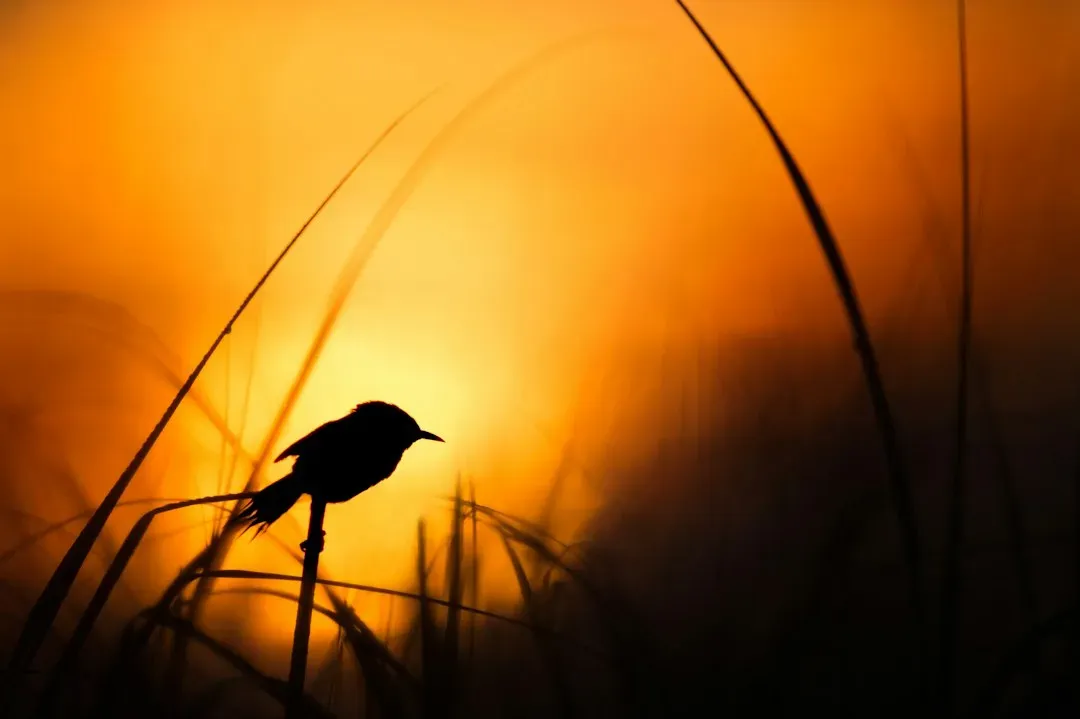
Many rural folks noticed that dawn choruses seemed to return before the weather did. Cardinals, chickadees and song sparrows begin singing as the days lengthen, and old farmers took that as a hint that the season was turning. It was a sensible observation, since the birds were responding to something real.
That something is daylight. Increasing day length affects bird hormones and territorial behavior, so singing often starts in late winter regardless of temperature. It signals the sun’s return more than an early thaw, though it does make mornings feel hopeful.
Geese Flying North Ahead of Schedule
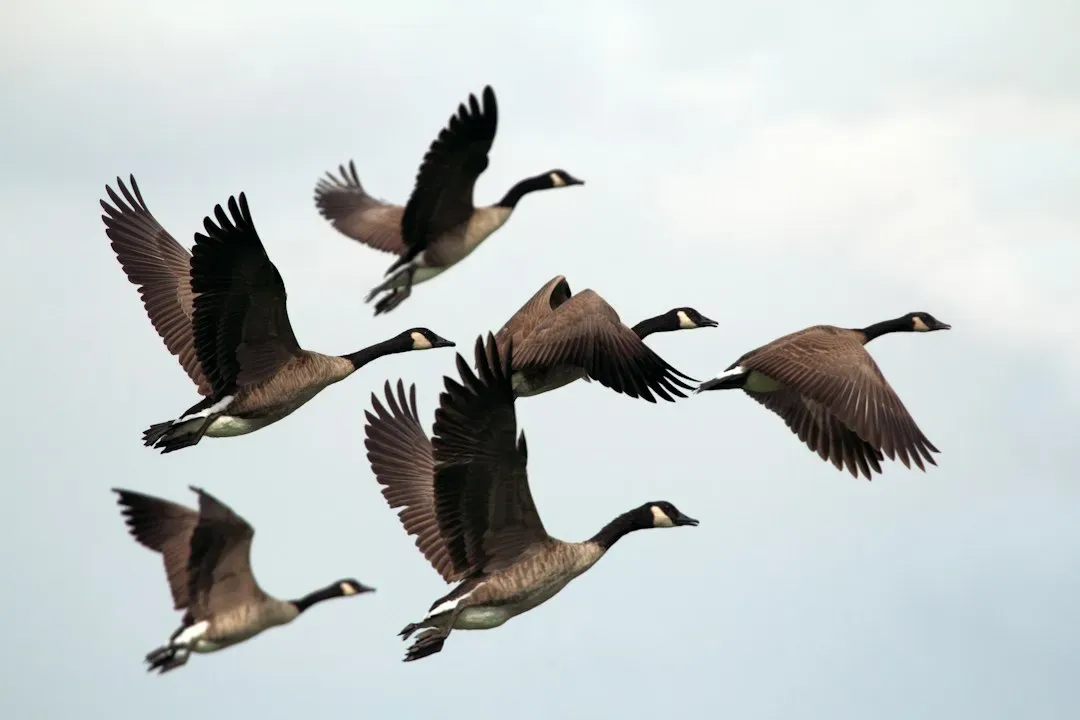
Few sights stir people like geese in V formation heading north. Farmers who heard honking overhead in February often took it as proof that spring was close. The sound carried a kind of permission to start thinking about the garden.
Migration timing does follow food and open water, so earlier flights can reflect milder conditions farther south. Still, geese can turn back or stall when cold returns, and some populations move short distances all winter. It’s a decent clue about local conditions, not a guarantee.
Honeybees Venturing Out on Warm Winter Days
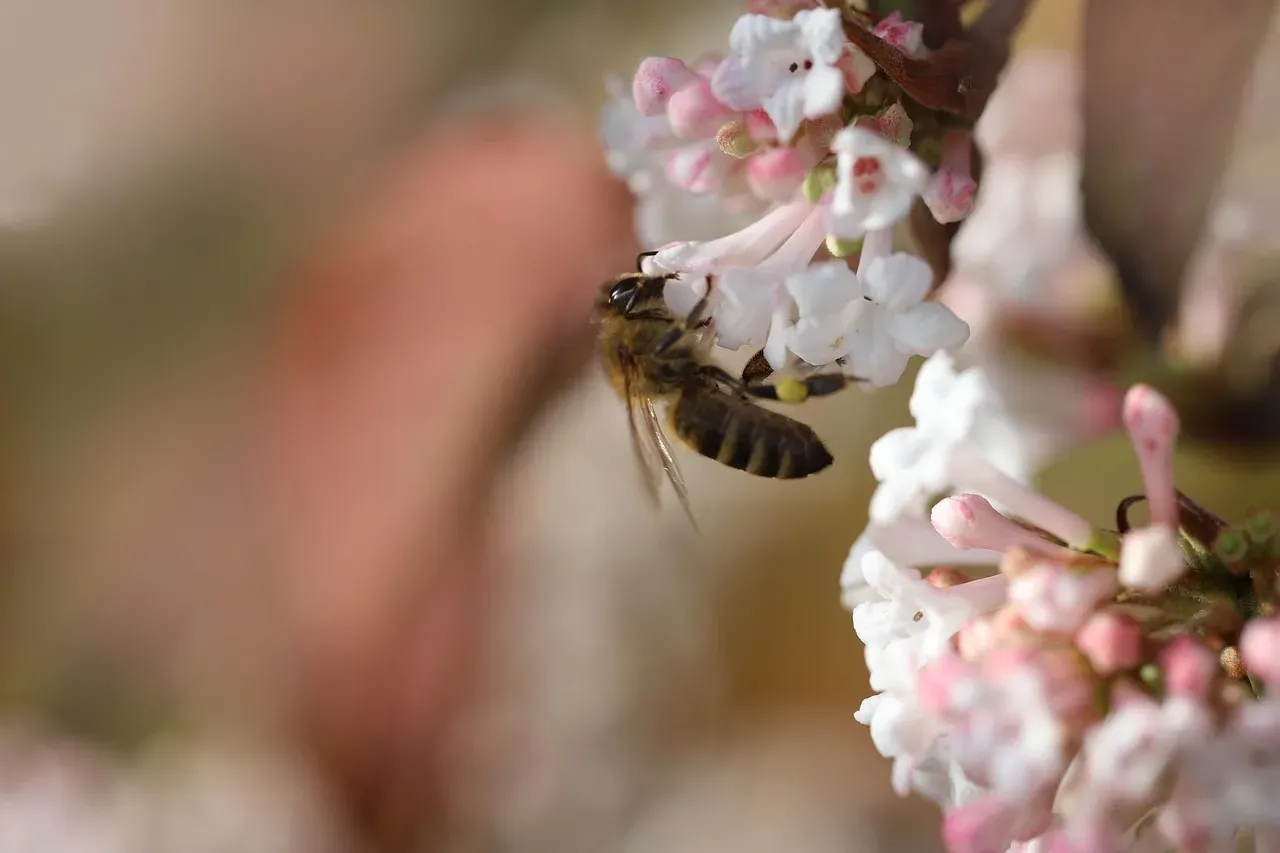
Beekeepers and farmers both noticed bees making short flights on mild days in winter. Seeing them out meant, to many, that spring was knocking. It was a comforting thing to spot against a gray sky.
Honeybees stay clustered in the hive in cold weather, but on warmer days they’ll take cleansing flights to relieve themselves, since they avoid doing so inside. So the flight shows a warm afternoon, not a changing season. Real foraging usually waits for the first blooms.

2 Pcs Halloween Pet Hat Bandana Set, Witch Pumpkin Costumes for Dogs
Check Price on AmazonAs an Amazon Associate, we earn from qualifying purchases.
10/9/2026 2:45 pm GMTi

Hand Blown Glass Hummingbird Feeders for Outdoors Hanging, 24oz Wild Bird Nectar Feeder
Check Price on AmazonAs an Amazon Associate, we earn from qualifying purchases.
10/7/2026 1:23 pm GMTi

Portable Dog Water Bottle Foldable Dog Travel Water Bottle
Check Price on AmazonAs an Amazon Associate, we earn from qualifying purchases.
10/7/2026 1:29 pm GMTi

Earth Rated XL Dog & Puppy Pee Pads, Discreet Top, Max Absorbency
Check Price on AmazonAs an Amazon Associate, we earn from qualifying purchases.
10/7/2026 1:28 pm GMTi
Dog Stairs for Bed 18" H, 4-Step Dog Steps for High Bed
Check Price on AmazonAs an Amazon Associate, we earn from qualifying purchases.
10/9/2026 2:42 pm GMTi
Bees Buzzing Around the First Blossoms
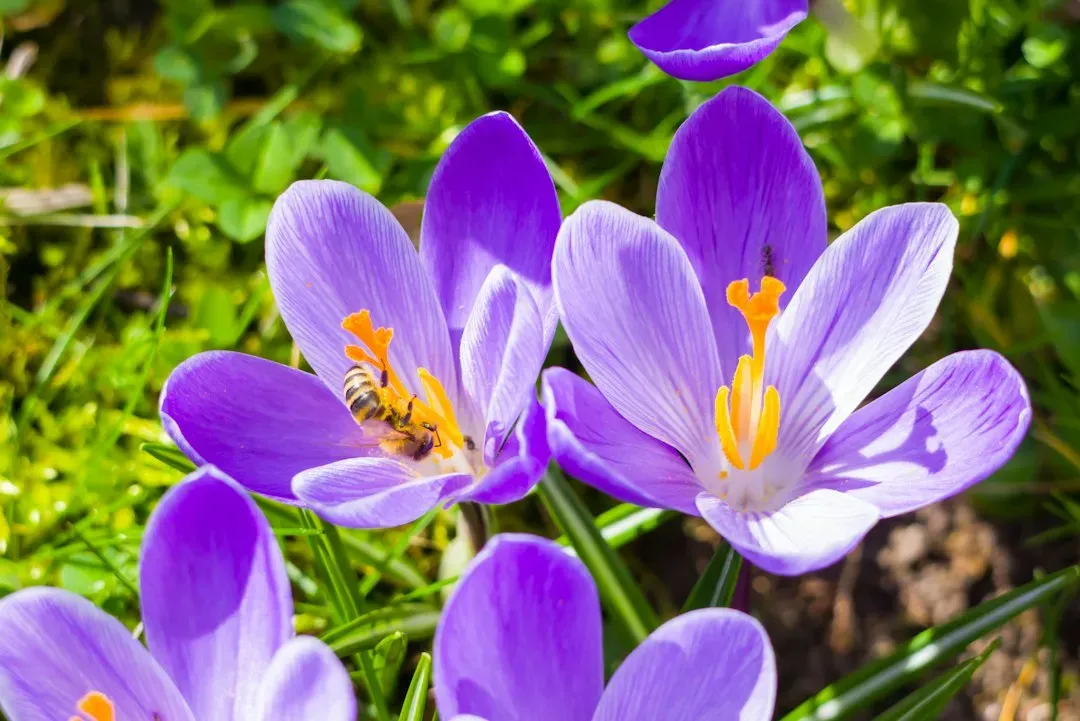
When bees start working early flowers like crocuses, willows or maples, the sign feels more meaningful. Farmers connected the first hum in the orchard to the beginning of the growing year. If the flowers are open, the plants themselves have responded to warmth.
That makes this one a more reliable indicator of a season already moving, though a late frost can still damage early blossoms. Many growers still watch bees and bloom timing together. It’s folk wisdom that overlaps neatly with modern phenology, the study of seasonal timing in nature.
Bumblebee Queens Appearing Early
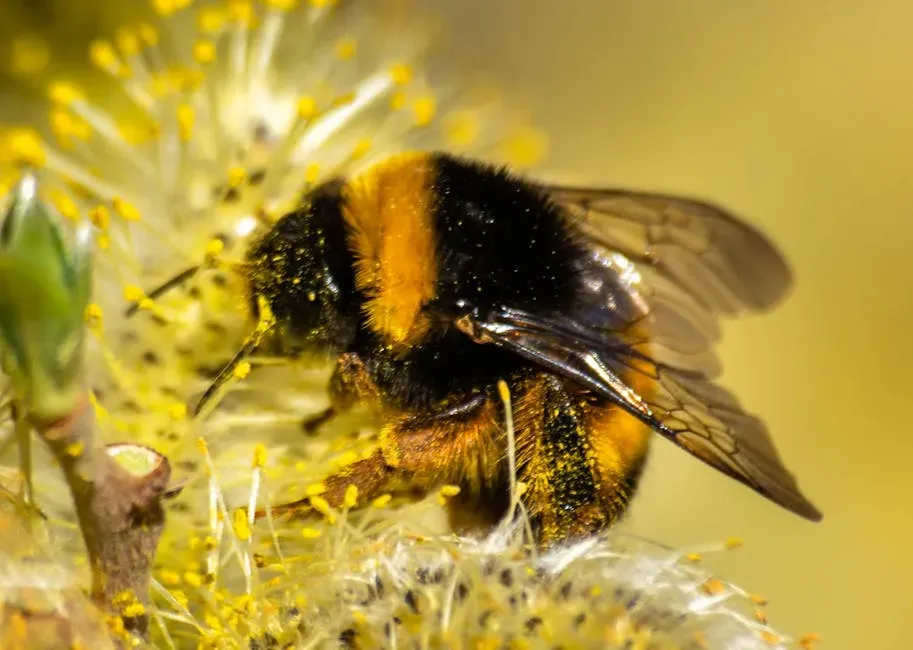
A large, slow bumblebee drifting low over the ground in late winter caught plenty of farmers’ attention. These are queens, newly out of hibernation and searching for nesting spots. Spotting one felt like seeing the first page of a new season.
Queens emerge based on temperature and local conditions, so an early appearance does hint at a warm stretch. Unfortunately, they can be caught out if cold returns and flowers are scarce. It’s a charming sign worth noticing, and a reminder that early isn’t always safe for the animals themselves.
Halloween Dog Collar with Bow, Orange Cute Ghost Collar,
Check Price on AmazonAs an Amazon Associate, we earn from qualifying purchases.
10/9/2026 2:43 pm GMTi

Smart Bird Feeder with Camera Solar Powered, 2K HD Live Video, 10,000+ Bird Species AI Identification
Check Price on AmazonAs an Amazon Associate, we earn from qualifying purchases.
10/7/2026 1:22 pm GMTi

Halloween Cat Costume Cloak Witch Hat Pet Accessories
Check Price on AmazonAs an Amazon Associate, we earn from qualifying purchases.
10/9/2026 2:44 pm GMTi

Air Purifiers for Home Pets Large Room Up to 3000 Ft²,HEPA Air Cleaner with Washable Double-Side Filter, PM2.5 Air Quality Monitor,15dB Sleep Mode for Bedroom Odor Dust Pollen,White
Check Price on AmazonAs an Amazon Associate, we earn from qualifying purchases.
10/8/2026 8:23 am GMTi
Final Thoughts
My view is that these signs are better treated as good company than as forecasts. Most reflect daylight, a brief warm spell or hunger, and not a reliable promise of an early spring. Farmers who leaned on them still usually kept one eye on the sky and a backup plan in the barn.
Still, there’s something worth keeping in the habit of watching. Noticing a squirrel, a robin or a bee makes you part of the season instead of just a bystander to it. That’s a lesson the old farmers got right, even when their predictions didn’t.