
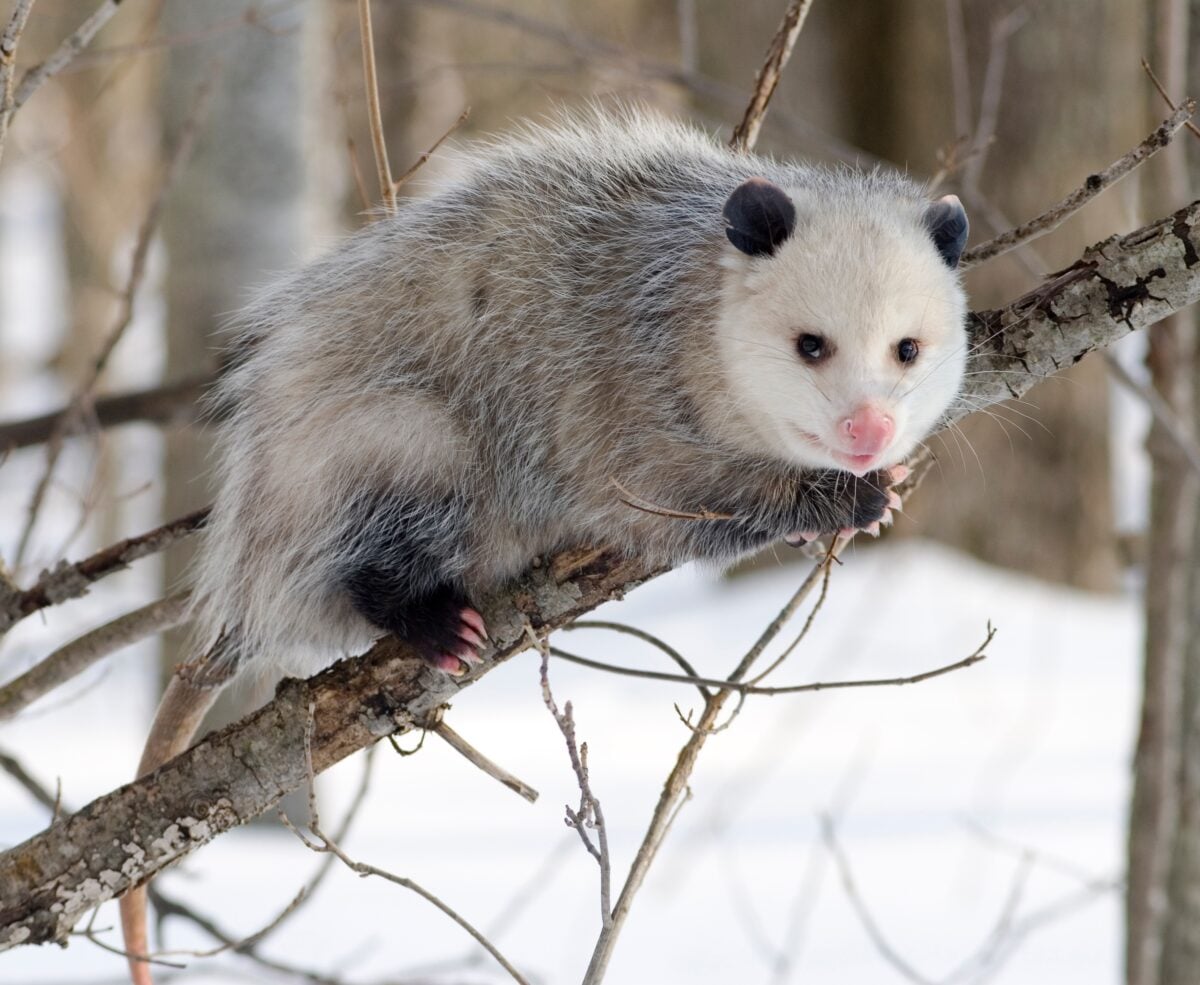


Picture your yard after a heavy snowfall. It’s silent, white and apparently abandoned. Most people assume the animals either fled or are quietly suffering through it, but the reality is stranger. Some of them slow their hearts to a crawl, others tunnel through a hidden world beneath your boots, and a few run bluffs on their own neighbors.
Snow doesn’t shut the yard down. It rewrites the rules, and every species adjusts its routine to fit. Those tracks outside your window are a daily record of the choices being made out there. Nine of the weirdest are below, and the strangest one is waiting at #1.
#9 – Squirrels Turn Into Treasure Hunters With Trust Issues
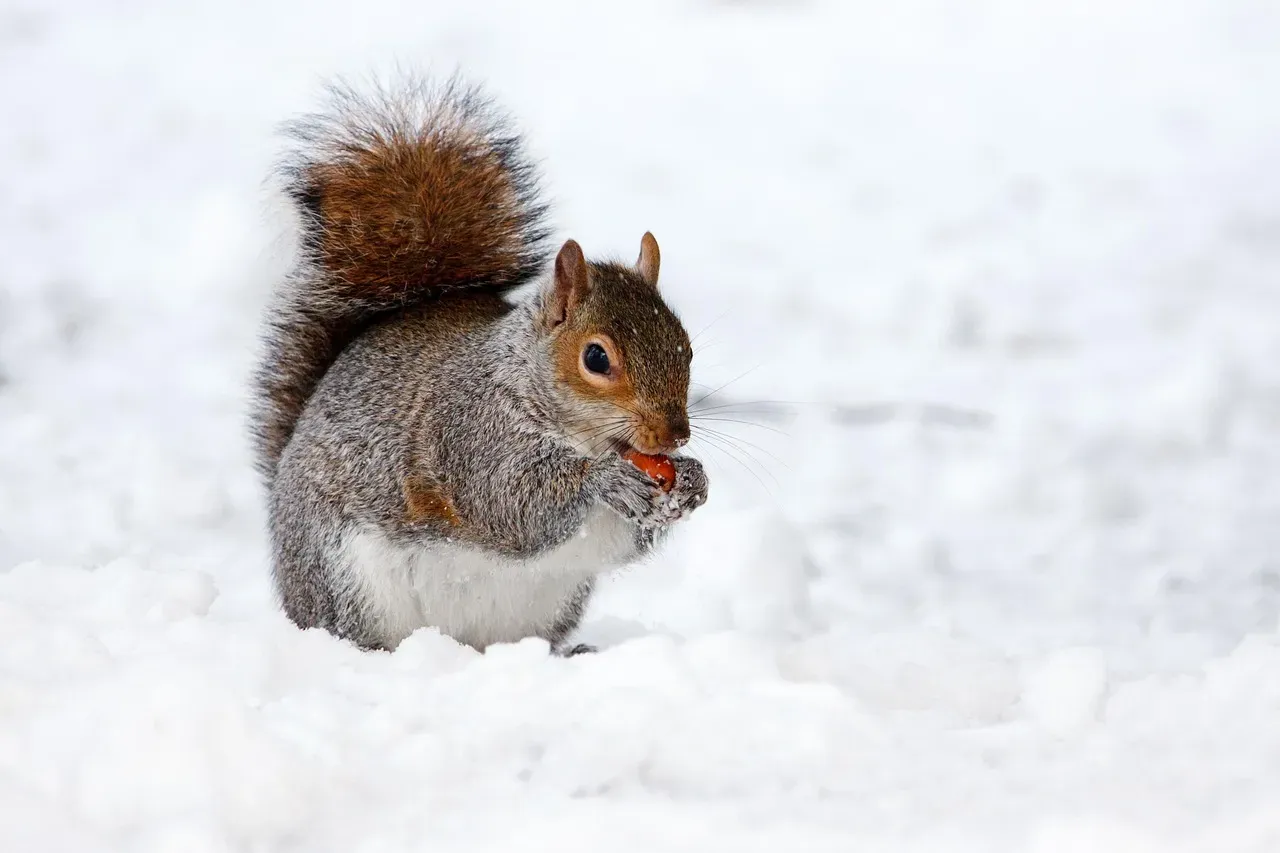
Gray squirrels don’t hibernate, so every snowy morning turns breakfast into a memory test. The food they need was hidden weeks ago, and it’s now buried under a foot of white.
In autumn, they bury nuts in many separate spots instead of one big stash. Biologists call this scatter-hoarding. When snow arrives, squirrels dig straight down to their caches, guided by spatial memory and a sharp sense of smell. Plenty of buried nuts never get found.1
Squirrels also worry about thieves, and with good reason. Researchers have documented gray squirrels going through the motions of burying a nut without actually leaving one behind.1 It’s a bluff aimed at any rival who happens to be watching.
- Food is hidden in many spots, so one raid can’t wipe out the pantry.
- Forgotten nuts often sprout, which makes squirrels accidental tree planters.
Between digs, squirrels retreat to leaf nests called dreys or to tree cavities. Their thick winter coats and bushy tails do the rest. On the worst days, they simply stay in and conserve energy.
Worth Knowing
- One squirrel can bury thousands of nuts in a single autumn.
- Memory for landmarks and a good nose work together to find the stash.
- A drey is a ball of leaves and twigs, usually wedged into a tree fork.
- During a bad storm, a squirrel may stay tucked in for a day or more.
But the way small birds survive the same freeze is even stranger.
#8 – Chickadees Secretly Turn Down Their Own Thermostat
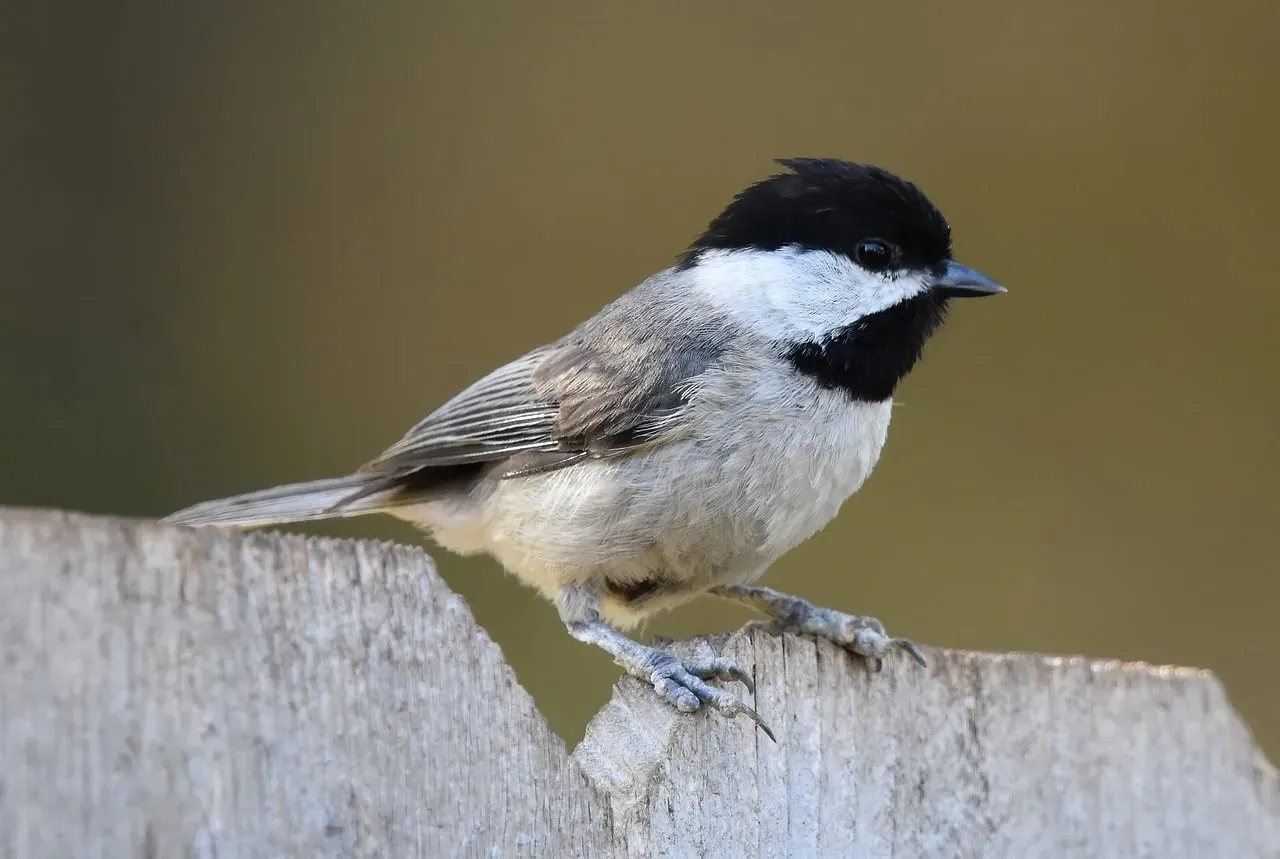
A bird that weighs about as much as a couple of nickels survives subzero nights by deliberately getting colder. It sounds backwards, and it’s one of the cleverest tricks in the yard.
Black-capped chickadees use a strategy called regulated hypothermia at night. They let their body temperature fall roughly 10°C (about 18°F) below the daytime level.2 A lower temperature means a lower fuel bill, which matters when you’re tiny and the night is long.
By day, they flip the script. Chickadees cache seeds in countless hiding places and can remember where they put them. Their memory is good enough that scientists study it. They also fluff their feathers to trap warm air and shiver to generate heat.
- Night: a lower body temperature saves precious fat.
- Day: constant feeding rebuilds the reserves.
Here’s a question that stirs debate: do feeders really matter? Some experts argue they matter far less than people think, because wild birds get most of their food from natural sources. Others say a reliable feeder helps most during harsh cold snaps. The truth is probably somewhere in between.
Birds aren’t the only ones cutting corners on food, though.
#7 – Rabbits Switch From Salad Bar To Bark
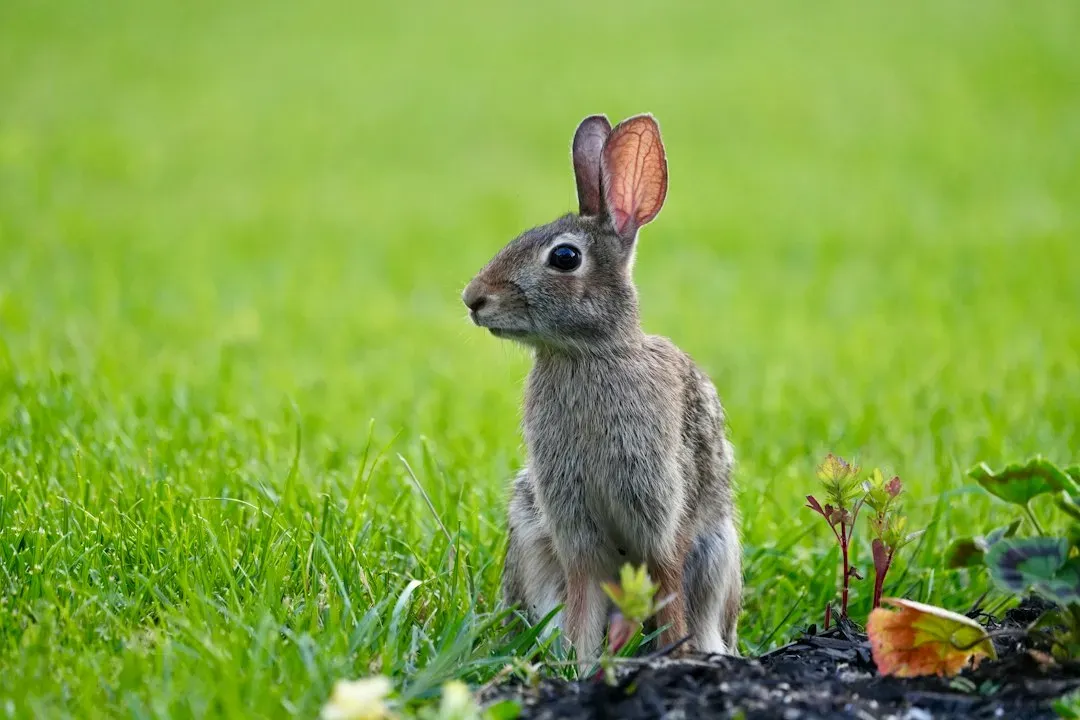
When snow buries the grass, cottontails start eating the woody parts of your yard. The clover and tender greens are gone, and the menu gets much tougher.
Eastern cottontails don’t hibernate and don’t build deep winter burrows. They rest in shallow hollows and dense cover. They survive on twigs, buds and bark, which are tough, low-calorie foods. They also re-eat their own nutrient-rich soft droppings to squeeze more out of a poor diet.
Most people don’t realize that the height of a rabbit’s chew marks can reveal how deep the snow was at the time. Look closely at damaged twigs and you can read the winter like a measuring stick.
The cut itself is a clue, too. Rabbits leave a clean, angled slice. Deer have no upper front teeth, so they tear twigs and leave a ragged edge. That detail separates your two biggest garden culprits.
- Clean angled cut: usually a rabbit.
- Ragged, torn edge: usually a deer.
Now for the controversial part. A tidy yard may be the biggest mistake for wildlife. Brush piles, dense shrubs and tangled corners give rabbits and small birds cover from hawks and wind. Many wildlife experts prefer a slightly messy corner to a spotless lawn.
Some animals skip the food hunt entirely, which brings us to #6.
#6 – Chipmunks And Groundhogs Actually Sleep Very Differently
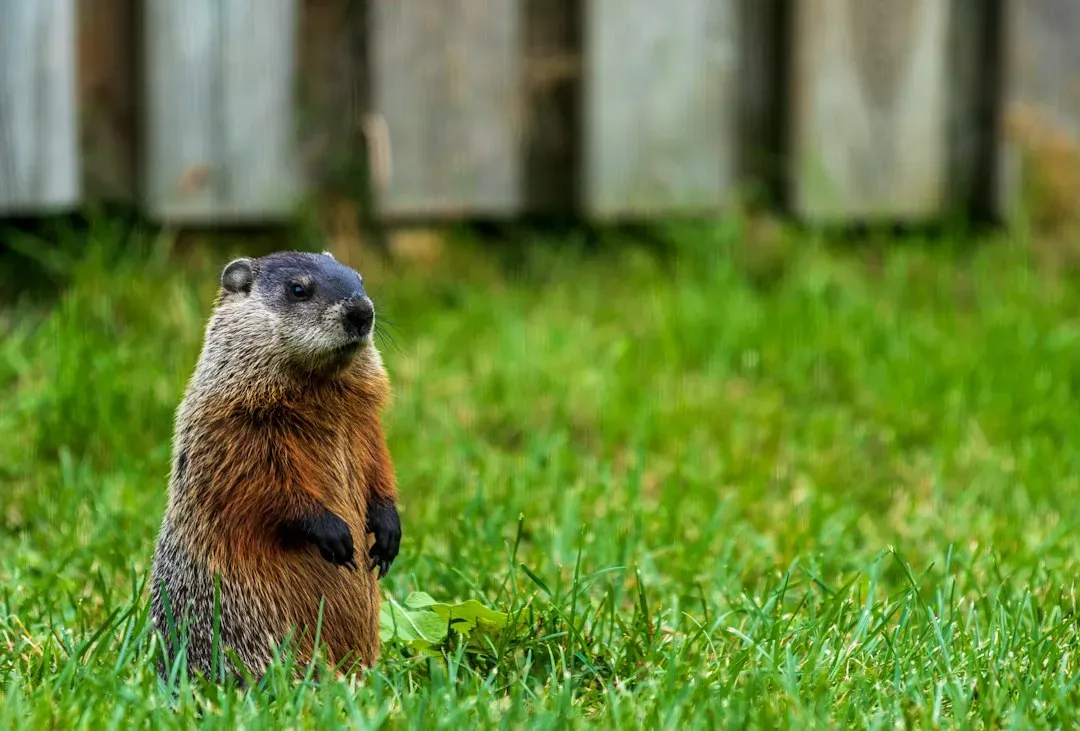
Not every “hibernator” in your yard sleeps the same way. Two animals that look like cousins are running completely different winter plans.
Groundhogs are true hibernators. They sink into a deep sleep where the heartbeat can fall to just a handful of beats per minute and body temperature plunges.3 They live off fat built up during summer and fall, so they don’t need to wake and eat.
Eastern chipmunks do it another way. They doze in bouts of torpor, then wake to eat from a stored pantry in their burrow. They pack away seeds and nuts in autumn, hauling them home in their famously stretchy cheek pouches.
Quick Compare
- Groundhog: deep sleep fueled by body fat, often from around October into March or April.
- Chipmunk: lighter sleep fueled by a food stash, with regular wake-ups to snack.
- Winter home: the groundhog digs a deep burrow, while the chipmunk keeps a pantry chamber right beside its bed.
Here’s a view some people find irritating. Groundhog Day forecasts are entertainment, not meteorology, and the animal’s real winter has nothing to do with predicting spring. A sleeping groundhog isn’t watching the sky. It’s saving every calorie it can.
Meanwhile, larger animals can’t sleep through the cold, which makes #5 especially interesting.
#5 – Deer Gather Up And Slow Down
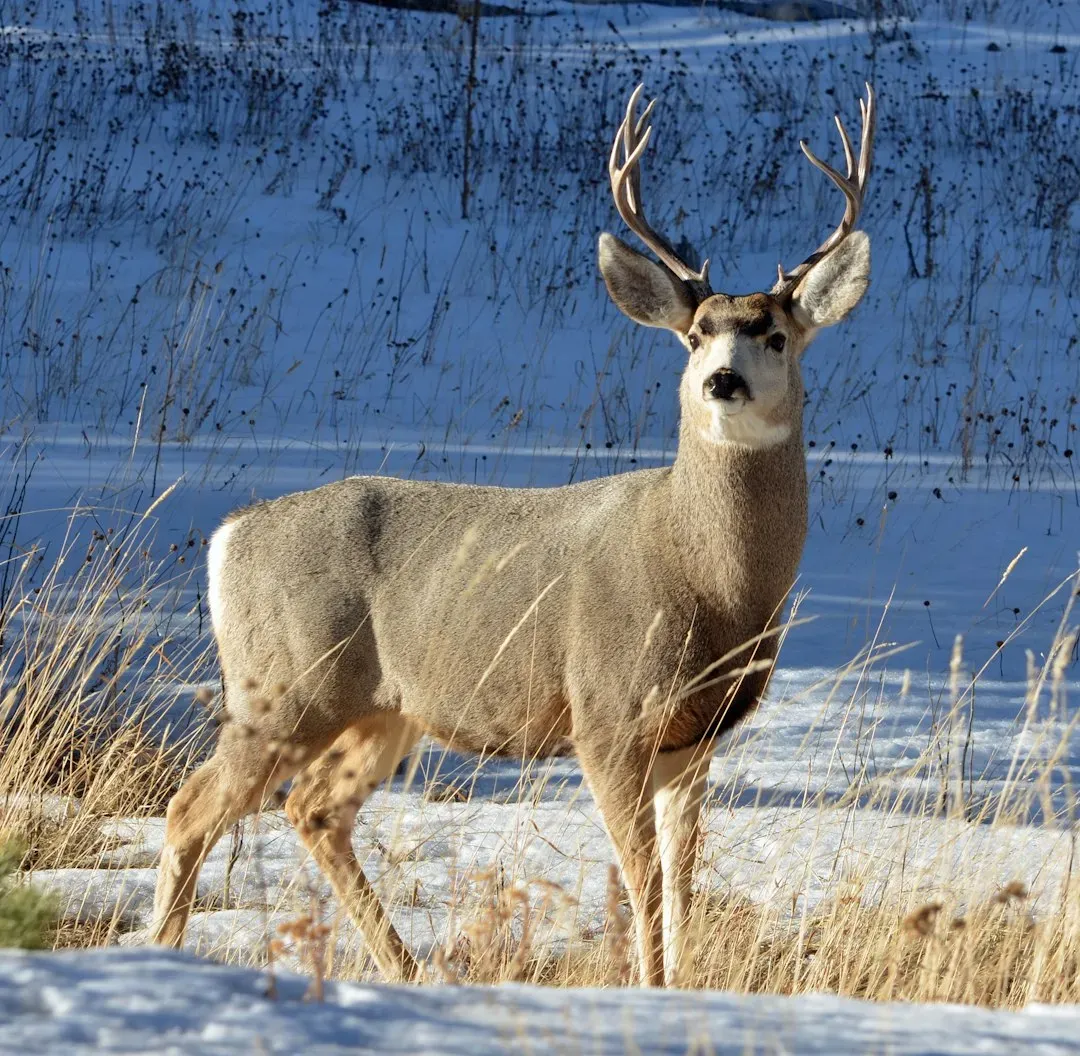
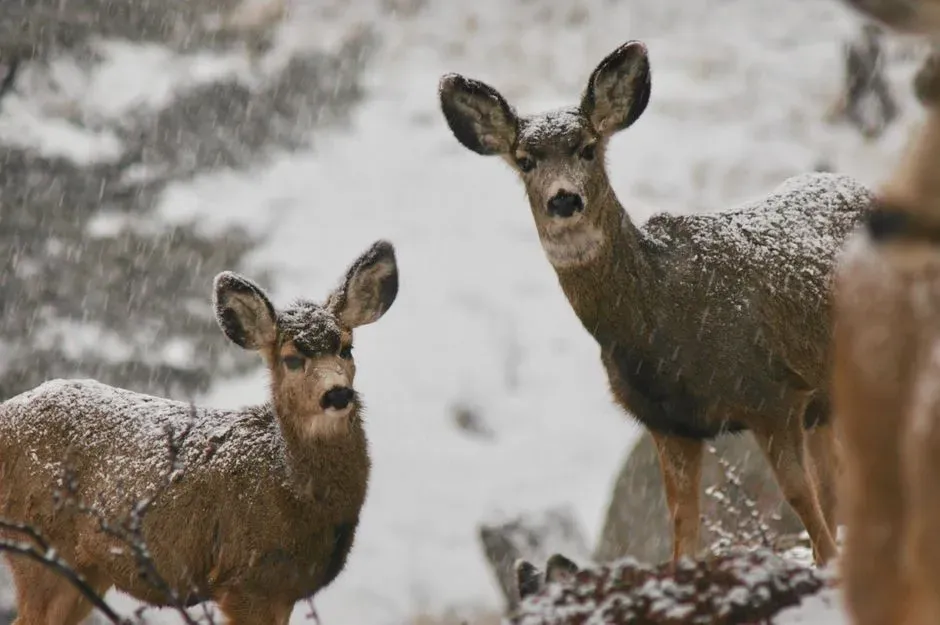
White-tailed deer survive deep snow by doing less, not more. In a season when every step costs calories, the smartest move is often to stand still.
In snowy regions, deer often gather in sheltered areas, usually dense conifer stands, known as deer yards. The trees block wind and hold back some of the snow. Deer also lower their metabolism in winter, which helps them get by on poor food.4
Their diet shifts to twigs, buds and evergreen browse.4 These foods are far less nutritious than summer greens. A deer’s gut adapts to this woody menu, which is one reason wildlife agencies warn against sudden handouts of rich feed. Their winter coats are made of hollow, insulating hairs that hold in body heat.
- Less movement means fewer calories burned.
- Shared trails mean less effort breaking through snow.
Many people read a deer standing still in the cold as a bad sign. It’s usually the opposite. Standing still is a survival strategy, and it’s the reason experts ask people to keep dogs and curious visitors well back during winter.
Deer are the easy part of winter survival, though. Wait until you see #4.

Hand Blown Glass Hummingbird Feeders for Outdoors Hanging, 24oz Wild Bird Nectar Feeder
Check Price on AmazonAs an Amazon Associate, we earn from qualifying purchases.
10/7/2026 1:23 pm GMTi

Earth Rated XL Dog & Puppy Pee Pads, Discreet Top, Max Absorbency
Check Price on AmazonAs an Amazon Associate, we earn from qualifying purchases.
10/7/2026 1:28 pm GMTi
Glass Hummingbird Feeder for Outdoors Hanging
Check Price on AmazonAs an Amazon Associate, we earn from qualifying purchases.
10/7/2026 1:21 pm GMTi
Halloween Dog Collar with Bow, Orange Cute Ghost Collar,
Check Price on AmazonAs an Amazon Associate, we earn from qualifying purchases.
10/9/2026 2:43 pm GMTi

Portable Dog Water Bottle Foldable Dog Travel Water Bottle
Check Price on AmazonAs an Amazon Associate, we earn from qualifying purchases.
10/7/2026 1:29 pm GMTi
#4 – Raccoons, Skunks And Opossums Fight The Cold In Three Different Ways
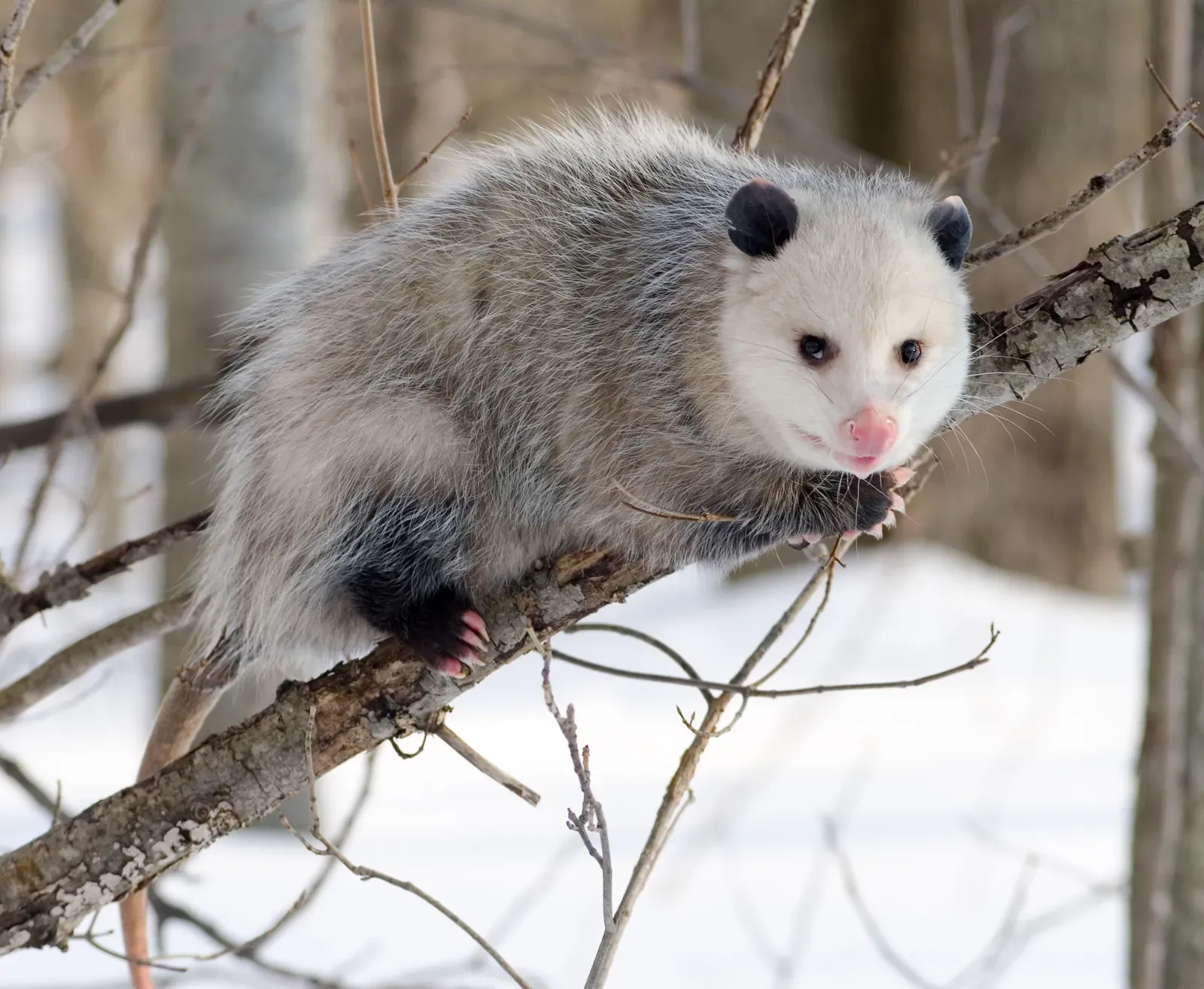
Three nighttime regulars face the same winter with very different levels of success. One of them is clearly the underdog.
Raccoons and skunks aren’t true hibernators. They den up and sleep for long stretches, then venture out on milder nights. In the meantime, they live off stored body fat. Skunks in particular are known to share dens, which helps them keep warm.
Opossums are the winter underdogs. They don’t hibernate and don’t store much fat for winter. Their thin, hairless ears and tails are prone to frostbite, and cold winters take a real toll on them.
- Raccoon: long sleeps and a mild-night comeback.
- Skunk: shared dens and a fat-fueled stay indoors.
- Opossum: no real cold-weather toolkit.
That’s why an opossum in daylight during a freeze often means hunger, not strangeness. A hungry animal takes risks. If you ever see one, the kindest response is distance, not a close-up.
Worth Knowing
- Raccoons can burn through a big share of their body weight by spring.
- Skunks often den communally, so several may share one warm space.
- The Virginia opossum is North America’s only marsupial, and its southern roots help explain why it struggles in the cold.
- A winter thaw can bring all three out for a quick meal.
Surprisingly, some birds solve the cold by moving in together.
#3 – Birds Secretly Share Body Heat
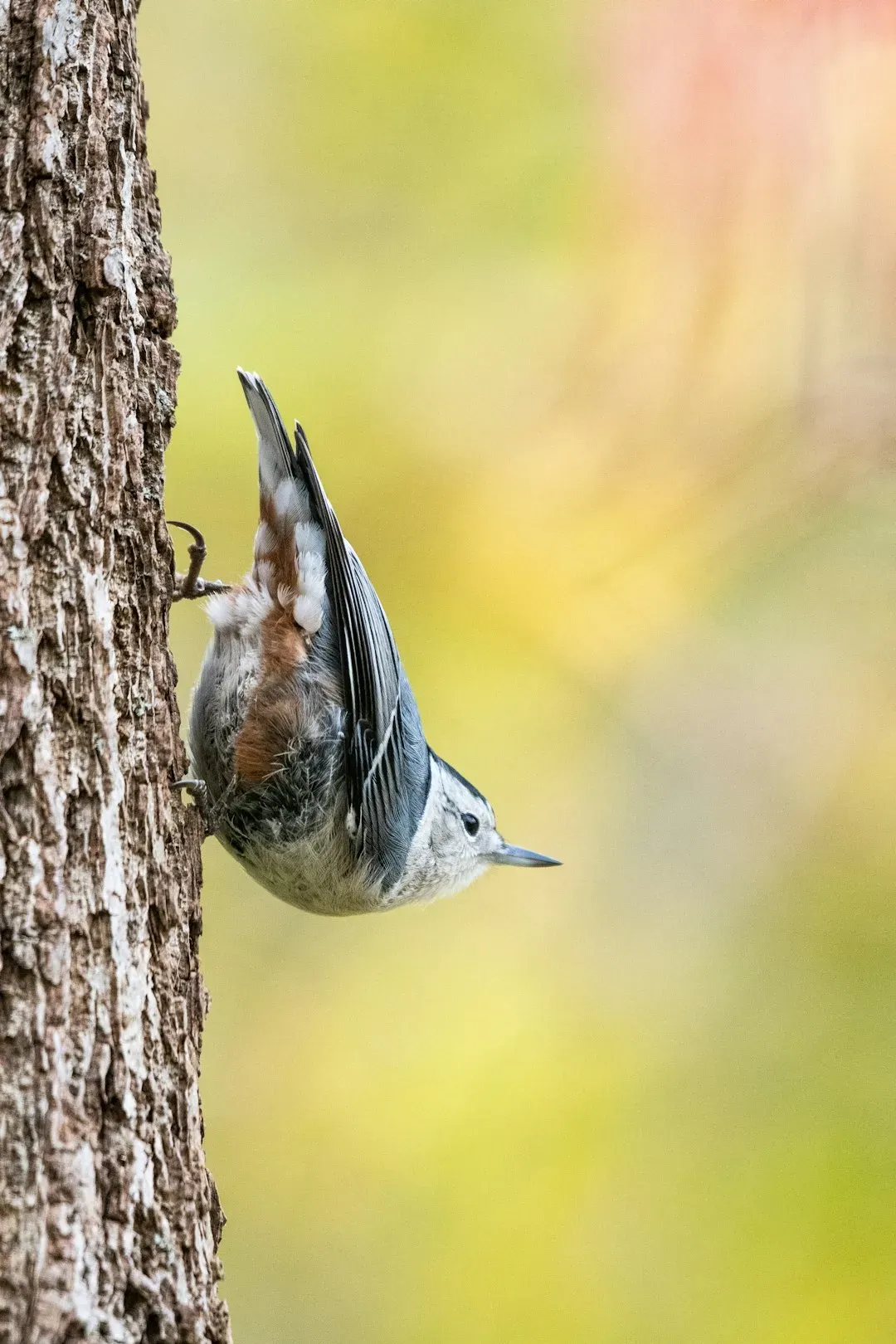
When nights turn brutal, some songbirds stop acting like individuals. They start acting like a crowd, and the results are a little ridiculous.
Many small birds fluff their feathers to trap air, tuck their bills into their back feathers, and pull one foot up. Others go further and crowd into tight spaces together. Eastern bluebirds and wrens are known to pack into cavities for warmth. Pygmy nuthatches in the western U.S. have been recorded squeezing dozens into one tree cavity.
Seasonal visitors add to the mix. Dark-eyed juncos, nicknamed “snowbirds,” often arrive in yards in winter after spending summer farther north. To them, your yard is the warm part of the map.
- Fluffed feathers trap an insulating layer of air.
- Shared roosts save body heat on the coldest nights.
Many people assume birds that stay all winter are tough enough to take anything. Experts would call that a myth. Winter is the biggest bottleneck for small birds, and sheltered roosting spots can matter as much as food.
If that surprised you, the next predator does something even stranger.

2 Pcs Halloween Pet Hat Bandana Set, Witch Pumpkin Costumes for Dogs
Check Price on AmazonAs an Amazon Associate, we earn from qualifying purchases.
10/9/2026 2:45 pm GMTi

Orthopedic Extra Large Dog Bed, Waterproof Washable XL Pet Bed 44"
Check Price on AmazonAs an Amazon Associate, we earn from qualifying purchases.
10/7/2026 1:32 pm GMTi

Professional 7 in 1 Dog Paw Cleaner for Dogs & Cats - Includes 1 Portable Paw Washer, 1 Bath Brush
Check Price on AmazonAs an Amazon Associate, we earn from qualifying purchases.
10/7/2026 1:26 pm GMTi
Dog Stairs for Bed 18" H, 4-Step Dog Steps for High Bed
Check Price on AmazonAs an Amazon Associate, we earn from qualifying purchases.
10/9/2026 2:42 pm GMTi

Halloween Cat Costume Cloak Witch Hat Pet Accessories
Check Price on AmazonAs an Amazon Associate, we earn from qualifying purchases.
10/9/2026 2:44 pm GMTi
#2 – Foxes Pounce On Prey They Can’t See
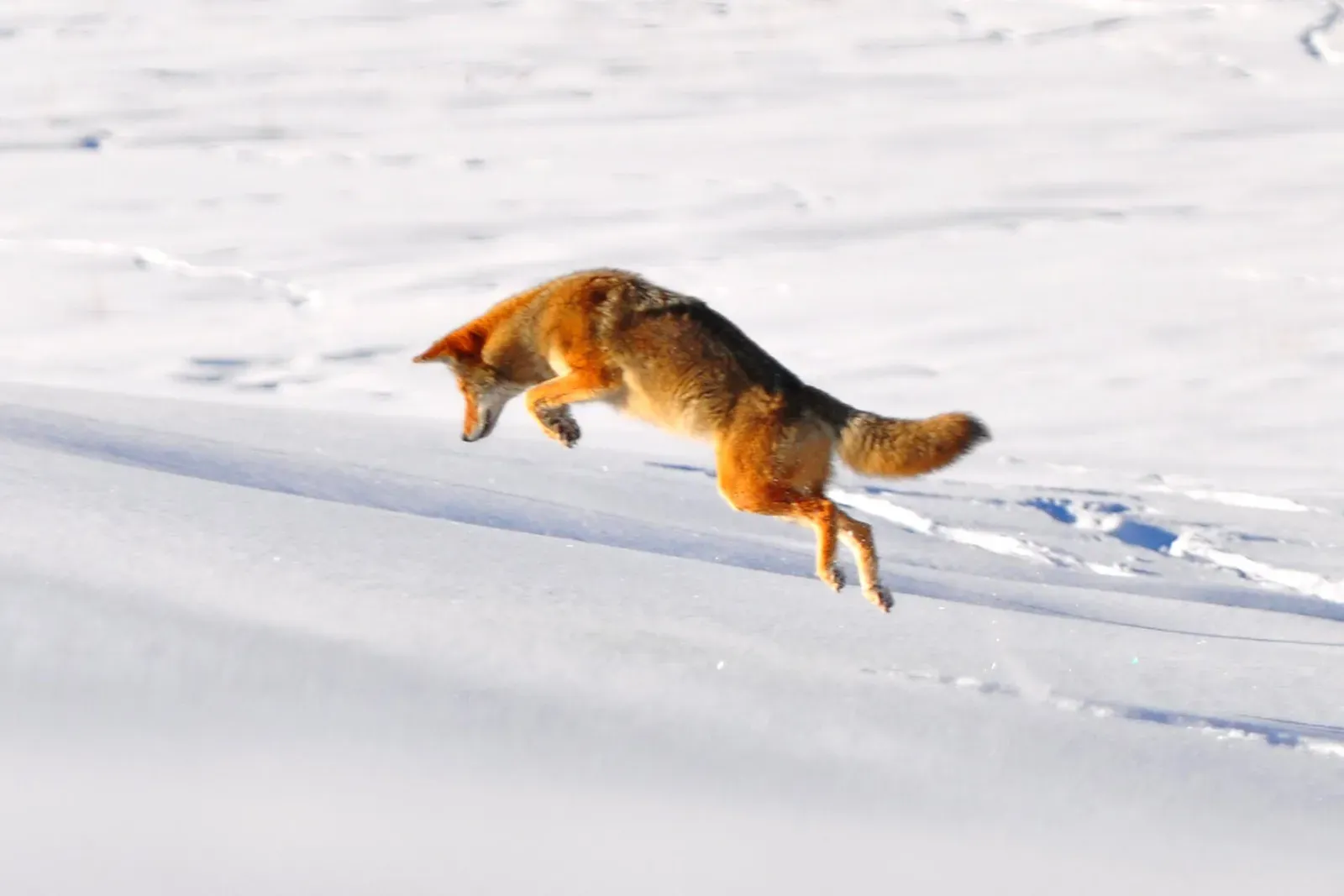
A red fox standing in a snowy field is often listening, not looking. To an onlooker it seems like daydreaming, but it’s actually precision targeting.
Foxes hunt voles and mice moving beneath the snow. They stop, tilt their heads, and wait. Then they leap high and dive nose-first into the drift. Their hearing is sharp enough to pinpoint small animals under a blanket of snow.5
Their body design helps in the cold. Foxes curl up with the tail wrapped around the face and feet, using it as a built-in scarf. A thick coat does the rest. They often cache extra food, too, rather than finishing every catch at once.
- Listen, then lock on to the sound.
- Leap, then punch through the snow with front paws.
Their tracks tell the story. Fox prints tend to run in a nearly straight line, as if the animal is walking a tightrope. If you find a tidy line of prints crossing your yard, you likely had a night visitor on a hunting run.
But the real action is happening right where the foxes are listening.
#1 – A Whole Secret Town Opens Up Under The Snow
The most surprising winter animal activity in your yard is the one you can’t see. It’s happening a few inches beneath your boots right now.
Beneath a deep enough snowpack lies the subnivean zone, a gap between ground and snow. Voles, mice and shrews live and travel there through tunnels. Snow is an insulator, so the space under it stays far warmer than the air above. For small mammals, that’s a cozy, protected corridor.6

Glass Hummingbird Feeder for Outdoors Hanging, 16 oz Leak-Proof Nectar Feeder with Bee Guards & Ant Moat
Check Price on AmazonAs an Amazon Associate, we earn from qualifying purchases.
10/7/2026 1:22 pm GMTi

Smart Bird Feeder with Camera Solar Powered, 2K HD Live Video, 10,000+ Bird Species AI Identification
Check Price on AmazonAs an Amazon Associate, we earn from qualifying purchases.
10/7/2026 1:22 pm GMTi
PetSafe Oasys Pet Fountain, 1/2 Gallon (64 oz), Small Dogs & Cats
Check Price on AmazonAs an Amazon Associate, we earn from qualifying purchases.
10/8/2026 8:14 am GMTi

Air Purifiers for Home Pets Large Room Up to 3000 Ft²,HEPA Air Cleaner with Washable Double-Side Filter, PM2.5 Air Quality Monitor,15dB Sleep Mode for Bedroom Odor Dust Pollen,White
Check Price on AmazonAs an Amazon Associate, we earn from qualifying purchases.
10/8/2026 8:23 am GMTi
Fast Facts
- The zone usually needs roughly 6 to 8 inches of snow to form properly.6
- Fresh snow is mostly trapped air, which is why it insulates so well.
- Residents include voles, mice and shrews.
- Weasels are the main visitor, and they’re not here to socialize.
The zone isn’t free of danger. Weasels slip into the tunnels to hunt.7 Owls and foxes listen from above. Great gray owls are known to detect prey beneath snow and plunge through to grab it.
- Insulation: snow cover keeps the ground close to freezing.
- Protection: snow blocks wind and hides small animals from sight.
There’s an uncomfortable truth here for gardeners. A patchy, thin snow cover means a weaker subnivean zone, and the animals lose their insulation. Snow, as it turns out, isn’t just cold. It’s a heating system, a roof and a hiding place all at once.
Winter doesn’t empty your yard. It sorts it. Some animals sleep, some stash, some huddle, and some live in a tunnel city under the snow. The biggest mistake is assuming the yard is dead because it’s quiet.
My opinion: the spotless, raked-clean yard is the real winter hazard. A brush pile, a patch of shrubs and some standing seed heads do more for wildlife than a store-bought gadget. Feeders can help, but cover matters just as much.
Do you think a messy corner is worth the neighbors’ raised eyebrows?
- Baffling the Bandits (NWF): https://www.nwf.org/Magazines/National-Wildlife/2008/Science-Sleuths-How-Squirrels-Hide-Nuts
- Chickadee Body Temperature Study: https://www.researchgate.net/publication/317077491_Body_temperature_responses_to_handling_stress_in_wintering_Black-capped_Chickadees_Poecile_atricapillus_L
- Groundhog Hibernation Heart Rate: https://www.reconnectwithnature.org/headlines/news/more-to-hibernation-than-you-think
- Minnesota DNR Deer Woodland: https://files.dnr.state.mn.us/assistance/backyard/privatelandhabitat/managing_woodland_deer_flat.pdf
- Fox Mousing Hunting Study: https://pmc.ncbi.nlm.nih.gov/articles/PMC3097881/
- Northern Woodlands Subnivean Zone: https://northernwoodlands.org/outside_story/article/subnivean-shelter-snow
- Schlitz Audubon Subnivean Zone: https://www.schlitzaudubon.org/2019/12/20/beneath-the-snow-exploring-the-subnivean-zone-schlitz-audubon/