
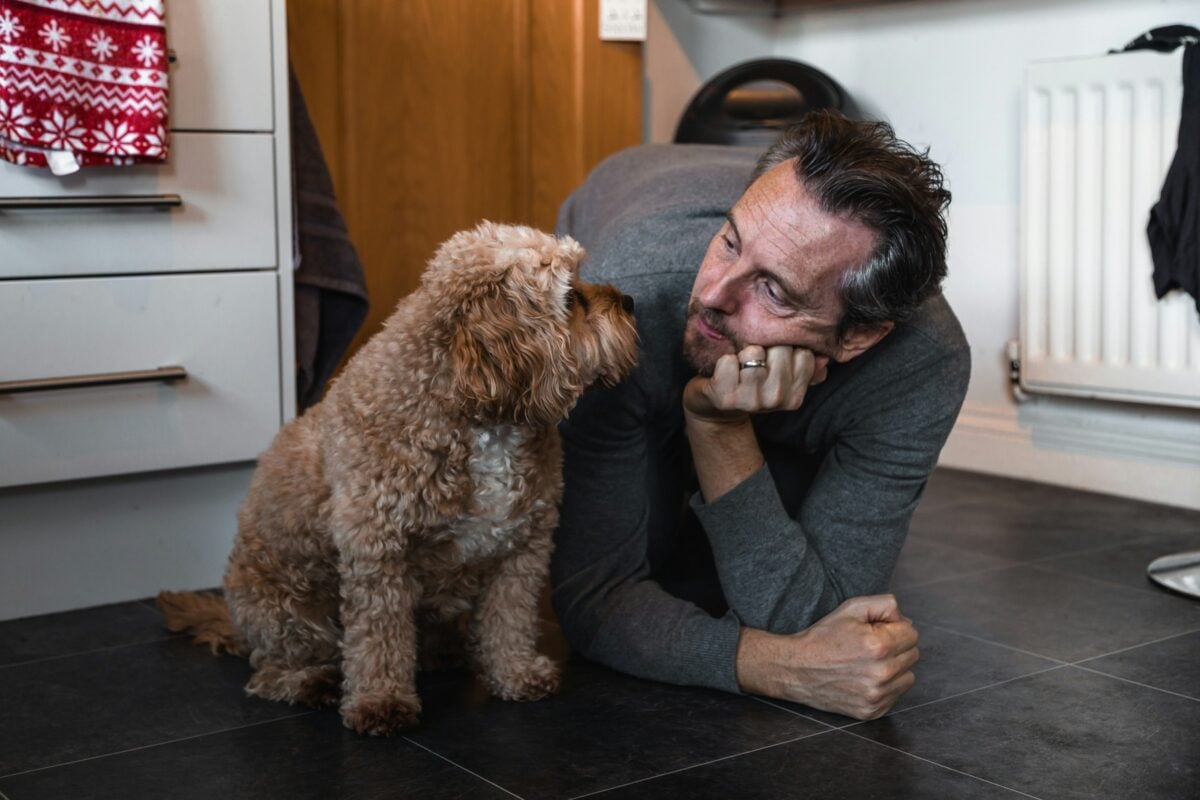
You walk through the door and your dog loses its mind. Most of us file that under “unconditional love” and move on. People who watch dogs reunite with their owners every day file it under something more useful: information.
That frantic hello is a mix of arousal, attachment, stress and habit, and the proportions change from dog to dog. Below are nine things clinic staff tend to read in those first seconds, backed by what the research does and doesn’t say. The wag you’re proudest of may be the least reliable clue of all, and the one waiting at #1 is the sign most owners miss for months.
#9 – The First Ten Seconds Say More Than the Wag
🔥 Would you like to save this?
We'll email this post to you, so you can come back to it later!
The way a dog covers the distance between you and the door tells you more than the wag that follows.
Reception desks at veterinary clinics are reunion central. Owners arrive to collect dogs after checkups, procedures and boarding stays, and staff see every style of hello. There’s the sprinter, the trotter, the dog that freezes and then approaches, and the dog that hangs back by the counter.
Research on separation and reunion gives some context. In one experimental study, the first responses at reunion were tail wagging and vocalisations. Dogs rarely open with subtlety. They open with motion and noise.
Here is what staff tend to scan for first:
- Speed: a direct approach versus a hesitant one
- Body tension: loose and bouncy versus stiff and braced
- Sound: whining, yipping or total silence
A dog collected after a stressful visit may hold back for reasons that have nothing to do with you. Lingering nerves, a sore spot, grogginess after sedation or a strange smell on your clothes can all slow the approach. Some dogs take a moment to work out who is standing there, then explode with joy.
A slow approach is not proof of a weak bond. Temperament, age and context all shape that first move, and one reunion is a snapshot, not a verdict.
But that’s nothing compared to what the tail is actually doing in #8…
#8 – The Tail Doesn’t Mean What You Think
🔥 Would you like to save this?
We'll email this post to you, so you can come back to it later!
“A wagging tail means a happy dog” is the most repeated myth in dog ownership.
Wagging is a sign of arousal first and emotion second. Researchers note that mouth licking and tail wagging have been associated with both positive and negative emotional situations. The same movement can show up in a delighted dog and a tense one, which is why clinic staff never judge a dog by the wag alone.
That doesn’t make the wag meaningless. In one study, dogs that wagged their tails more were rated as being in a more pleasant emotional state, and the wag is considered a typical sign of a positive state. The catch is that the style of wag matters as much as the presence of one.
Height, speed and stiffness all count. A loose, sweeping wag that moves the hips along is a different message from a high, rigid, fast flick. A tail held low or tucked tells yet another story, no matter how fast it moves.
Quick Compare
- Loose, sweeping wag with moving hips: usually a relaxed, friendly hello
- High, rigid, fast flick: high arousal that needs more context before you call it joy
- Low or tucked tail: a different message, however fast it moves
A small, widely cited 2007 experiment also reported that dogs wagged more to the right when looking at their owner. They wagged more to the left when facing an unfamiliar dominant dog. The direction of the wag may carry information that people can’t easily see with the naked eye. The finding is fascinating, but it’s no substitute for reading the whole dog.
Breed adds another wrinkle. Dogs with tightly curled, very short or docked tails give you far less to work with, so staff lean harder on the rest of the body.
Wait until you see what the body does when the tail joins in. That’s #7…
#7 – The C-Shaped Wiggle Is the Real Green Light
🔥 Would you like to save this?
We'll email this post to you, so you can come back to it later!
When the whole dog bends like a banana, you’re seeing the hello most behavior writers love.
Some dogs greet with a curved, “C-shaped” body. One behavior-focused piece describes it as the nose and tail almost touching while the dog vibrates with intensity. The same article calls it the hallmark of a secure, joyful attachment. Treat that as a popular interpretation, not a lab-confirmed diagnosis.
It also notes that this greeting is often paired with a low, sweeping tail wag. The loose curve matters. A dog that is wriggling is also a dog that isn’t braced to defend itself, because a body bent into a curve is hard to hold rigid.
Look for this cluster:
- A soft, curved spine rather than a rigid line
- Relaxed ears and a loose mouth
- A low, wide wag that moves the back end
The same piece suggests the wiggle may be a release of tension that built up while you were gone. In other words, the dog isn’t only happy. It’s also unwinding, like someone who has held their breath all afternoon and finally gets to exhale.
The wiggle may be as much a release of tension as an expression of joy. That reframes the whole scene at your front door.
That raises a bigger question: does the length of your absence change the show? Check #6…
#6 – The Greeting Grows With Your Absence
🔥 Would you like to save this?
We'll email this post to you, so you can come back to it later!
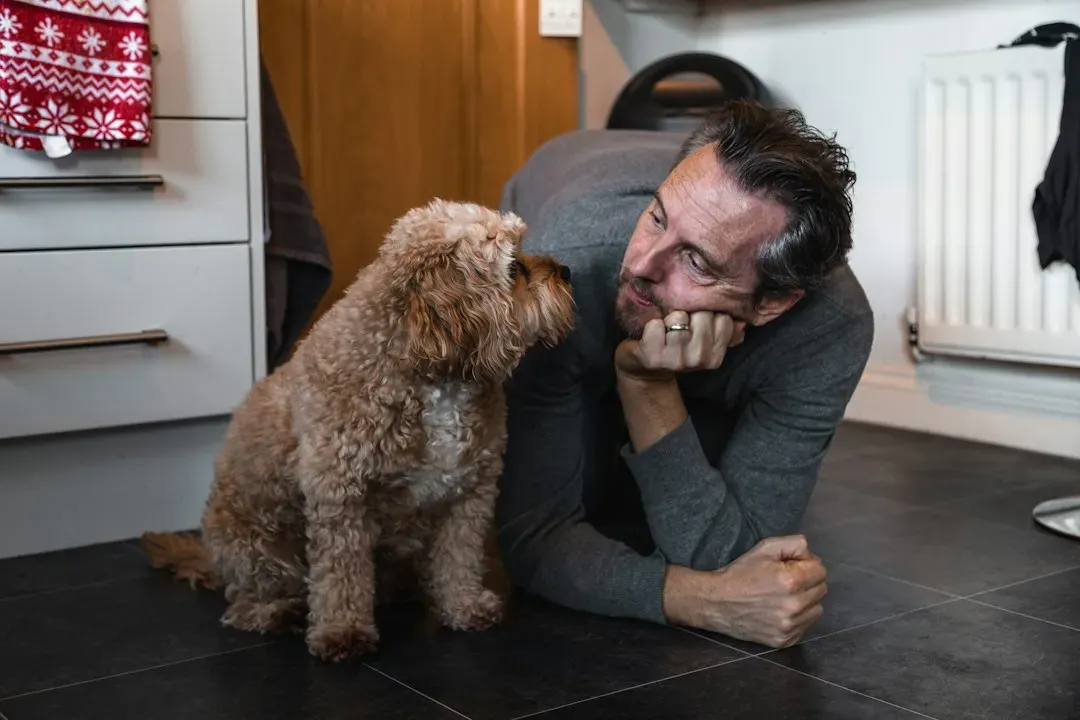
Your dog’s welcome isn’t a fixed setting. It scales with how long you were gone.
A study of separation and reunion behavior points to a clear pattern. The longer the separation, the more interaction the dog initiates with the owner, and the more tail wagging and owner-directed attention the dog displays. That was measured in the ten minutes after the owner arrived.
Another review adds a twist. For dogs without separation anxiety, the duration of the owners’ absence, but not the owners’ behavior, affected greeting behaviors. So it’s the clock that moves the dial, not your performance at the door.
Fast Facts
- What moves the dial: how long you were away
- When it was measured: the first ten minutes after the owner arrived
- What showed up more after longer absences: dog-initiated interaction, tail wagging and owner-directed attention
- What didn’t change it: the owner’s own behavior, in dogs without separation anxiety
That challenges a popular belief. Many owners think a bigger hello means a deeper bond. The data suggests greeting intensity partly tracks time apart, not just love.
A calm greeting after a short, predictable absence isn’t a red flag. It can simply mean your dog expected you back. The dog that goes berserk when you return from a long weekend and shrugs when you come back from the mailbox is behaving exactly as the research would predict.
Of course, there’s a point where a very big hello stops being cute. That’s #5…

Halloween Cat Costume Cloak Witch Hat Pet Accessories
Check Price on AmazonAs an Amazon Associate, we earn from qualifying purchases.
10/9/2026 2:44 pm GMTi

2 Pcs Halloween Pet Hat Bandana Set, Witch Pumpkin Costumes for Dogs
Check Price on AmazonAs an Amazon Associate, we earn from qualifying purchases.
10/9/2026 2:45 pm GMTi

PetSafe Oasys Pet Fountain, 1/2 Gallon (64 oz), Small Dogs & Cats
Check Price on AmazonAs an Amazon Associate, we earn from qualifying purchases.
10/8/2026 8:14 am GMTi

Halloween Dog Collar with Bow, Orange Cute Ghost Collar,
Check Price on AmazonAs an Amazon Associate, we earn from qualifying purchases.
10/9/2026 2:43 pm GMTi

Smart Bird Feeder with Camera Solar Powered, 2K HD Live Video, 10,000+ Bird Species AI Identification
Check Price on AmazonAs an Amazon Associate, we earn from qualifying purchases.
10/7/2026 1:22 pm GMTi
#5 – The Over-the-Top Hello Isn’t Always a Diagnosis
🔥 Would you like to save this?
We'll email this post to you, so you can come back to it later!
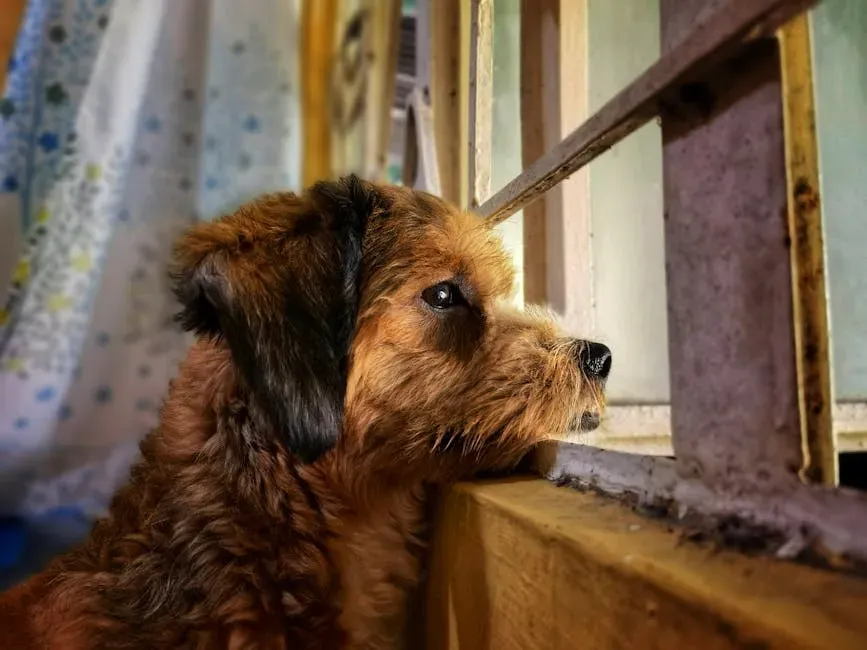
Excessive greeting is often listed as a sign of separation anxiety, but the evidence is messier than the internet makes it sound.
One review lists three signs commonly associated with the problem. Affected dogs follow the owner about the house, become distressed as distance increases, and become distressed when the owner prepares to leave, while also greeting excessively on return. A survey cited in the same review reported that these dogs excitedly greeted their owners for over 2 minutes.
Other work complicates the picture. A video analysis in the same review did not find that dogs with separation anxiety showed more or more intense greeting behavior. The authors also say it isn’t clear whether the motivation behind excessive greeting reflects hyperattachment or insecure attachment.
Another study found that owner-reported separation-related disorder was linked to being more active during greeting than in dogs without it. Owners sometimes only learn about their dog’s separation behavior indirectly, by noticing the intensity of the greeting.
Greeting alone can’t confirm or rule out separation anxiety. The pattern around departures and the time spent alone matter more.
If you’re worried, the questions that help are about the hours you’re away. Does your dog howl, destroy things or soil the house only when alone? Does it panic as you pick up your keys? Those details tell a vet far more than the reunion does.
Next comes a behavior that looks sweet but has a flip side. Keep reading for #4…
#4 – The “Velcro Shadow” After the Hello
🔥 Would you like to save this?
We'll email this post to you, so you can come back to it later!
What a dog does after the greeting can matter more than the greeting itself.
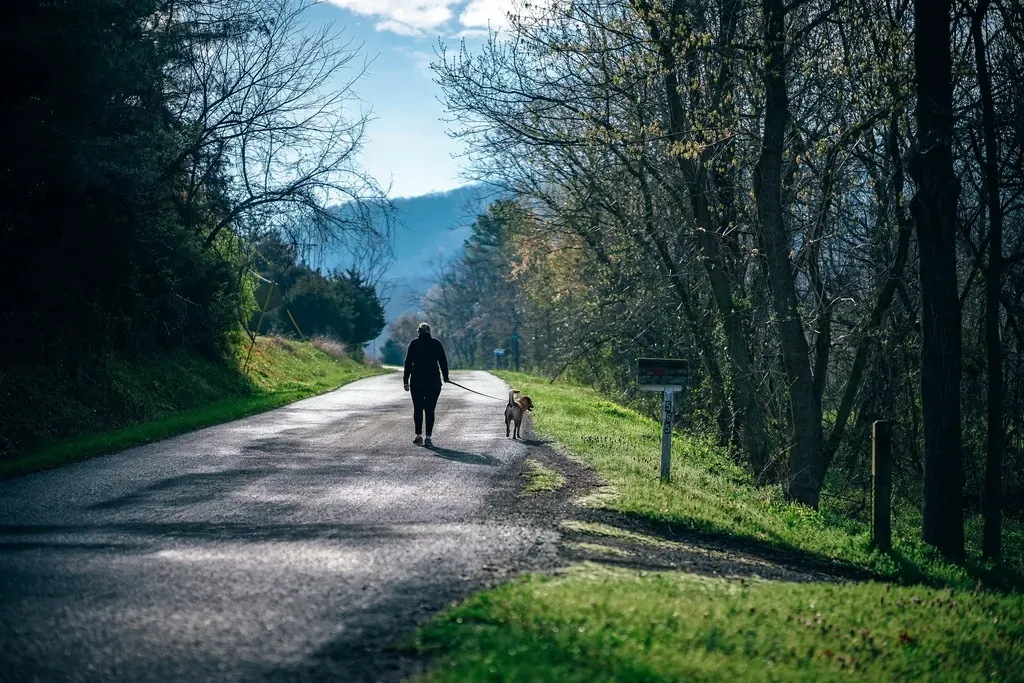
Some dogs say hello and then glue themselves to your heels. A review of separation anxiety notes that affected dogs were more likely to follow their owners around the house than unaffected dogs. That is one reason staff pay attention to the behavior that follows the reunion.
The same trait isn’t always a problem. One article describes it, in a healthy context, as a “highly tuned” bond. It adds that such a dog is incredibly sensitive to your movements and looks to you for direction.
So how do you tell the difference? Look at the context:
- Settling: does the dog relax within a few minutes of the reunion?
- Distress: does it panic when you go into another room?
- Flexibility: can it nap while you’re out of sight?
Picture two dogs trailing you to the kitchen. One flops down by the fridge and sighs. The other paces, whines at the closed bathroom door and can’t settle until you reappear. They look similar for the first ten seconds and completely different after that.
Following you isn’t a problem. Being unable to cope without you might be.
Many people assume a clingy dog is just “very loyal.” Clinicians and behaviorists would say that label can hide a dog that is genuinely struggling.
The next clue is a sneaky one, because it hides inside what looks like a happy greeting. See #3…
#3 – The Stress Signals Hiding Inside a Happy Hello
🔥 Would you like to save this?
We'll email this post to you, so you can come back to it later!
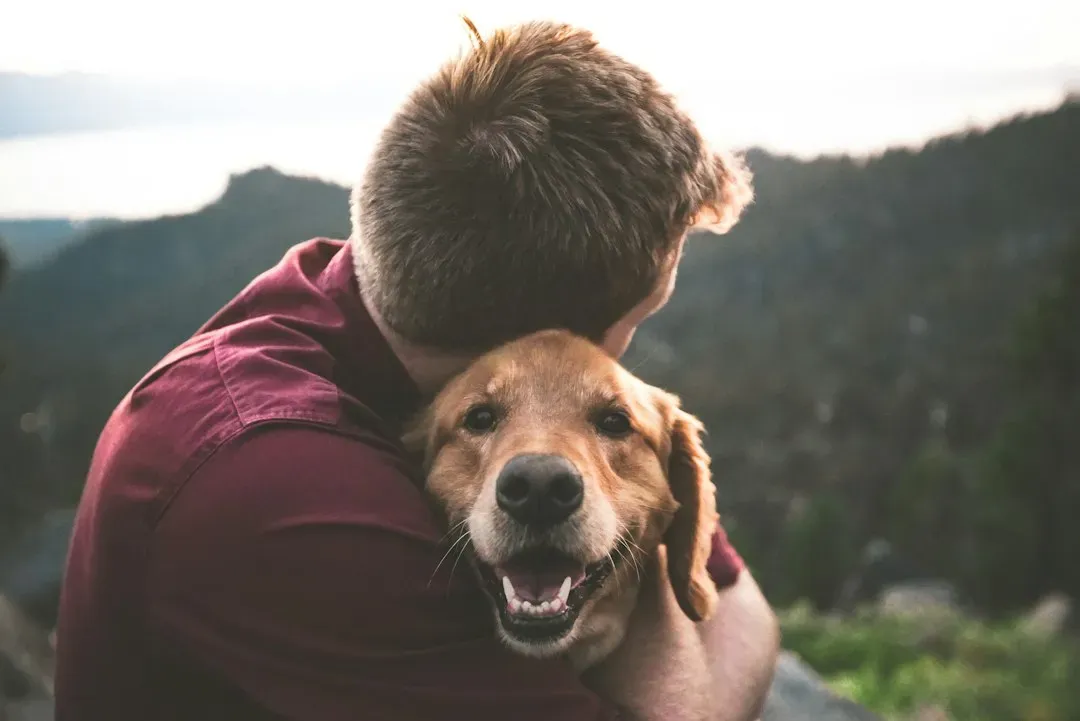
Some dogs look thrilled and stressed at the same time.
Arousal and emotion are not the same thing. A study of owner-dog relationships found that owners’ arousal assessments correlated positively with panting and tail wagging, showing that owners recognized arousal during positive emotions. High energy is high energy, and it needs context before it gets a label.
Signals worth a second look include:
- Lip licking or repeated mouth movement
- Heavy panting that doesn’t match the temperature
- Whining or yipping that doesn’t settle
- Urinating during the greeting, which is common with excited young dogs
None of these is a verdict on its own. The same behaviors can show up in a delighted dog and a worried one, which is why the full picture counts.
Veterinary teams are trained to watch clusters. A wiggly body, soft eyes and quick settling point one way. A stiff body, tense mouth and a dog that can’t calm down point another.
The practical test is recovery. A happy, overexcited dog usually comes back down within a few minutes. A dog that stays wound up long after the door has closed deserves a closer look.
But how you behave at the door might matter, and the experts don’t agree on how. #2 is next…

Dog Stairs for Bed 18" H, 4-Step Dog Steps for High Bed
Check Price on AmazonAs an Amazon Associate, we earn from qualifying purchases.
10/9/2026 2:42 pm GMTi

Air Purifiers for Home Pets Large Room Up to 3000 Ft²,HEPA Air Cleaner with Washable Double-Side Filter, PM2.5 Air Quality Monitor,15dB Sleep Mode for Bedroom Odor Dust Pollen,White
Check Price on AmazonAs an Amazon Associate, we earn from qualifying purchases.
10/8/2026 8:23 am GMTi

Orthopedic Extra Large Dog Bed, Waterproof Washable XL Pet Bed 44"
Check Price on AmazonAs an Amazon Associate, we earn from qualifying purchases.
10/7/2026 1:32 pm GMTi

Portable Dog Water Bottle Foldable Dog Travel Water Bottle
Check Price on AmazonAs an Amazon Associate, we earn from qualifying purchases.
10/7/2026 1:29 pm GMTi

Glass Hummingbird Feeder for Outdoors Hanging, 16 oz Leak-Proof Nectar Feeder with Bee Guards & Ant Moat
Check Price on AmazonAs an Amazon Associate, we earn from qualifying purchases.
10/7/2026 1:22 pm GMTi
#2 – The Great “Ignore Your Dog” Debate
🔥 Would you like to save this?
We'll email this post to you, so you can come back to it later!
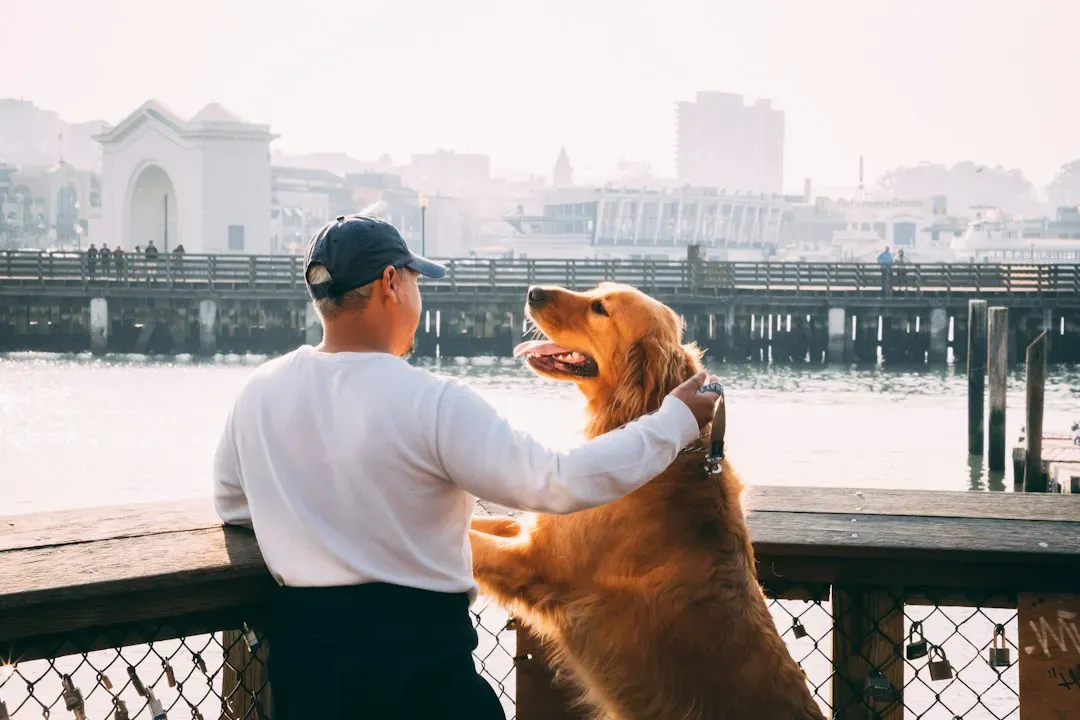
The old advice to ignore your dog when you get home is quietly falling out of favor.
For years, owners were told to keep arrivals boring. The thinking was that calmly ignoring the dog and skipping greeting or departure rituals would produce “low arousal” comings and goings. The idea was that big rituals could feed anxiety.
Older guidance went further. One paper notes that earlier work suggested owners should ignore excessive greeting behavior until the dog is relaxed. The same paper adds that more recent protocols no longer suggest this.
The evidence doesn’t back a hard rule either way. A study of newly adopted adult dogs was correlational, so a causal link between owner behavior and separation-related behavior has not been found. The authors also raise the possibility that lively arrivals may not cause separation-related problems in these dogs.
Worth Knowing
- The old rule: ignore the dog until it calms down
- The newer view: more recent protocols no longer suggest it
- The research gap: correlational findings can’t prove that owner behavior causes problems
- The takeaway: no strong evidence supports a rigid either-way rule
The popular “never greet your dog” rule rests on weaker evidence than people think. Many owners follow it with total confidence anyway.
A sensible middle ground is to stay warm but low-key. Don’t punish excitement, and don’t whip it up.
The last item on this list is the one that most owners miss entirely. #1 is next…

Glass Hummingbird Feeder for Outdoors Hanging
Check Price on AmazonAs an Amazon Associate, we earn from qualifying purchases.
10/7/2026 1:21 pm GMTi

Hand Blown Glass Hummingbird Feeders for Outdoors Hanging, 24oz Wild Bird Nectar Feeder
Check Price on AmazonAs an Amazon Associate, we earn from qualifying purchases.
10/7/2026 1:23 pm GMTi

Earth Rated XL Dog & Puppy Pee Pads, Discreet Top, Max Absorbency
Check Price on AmazonAs an Amazon Associate, we earn from qualifying purchases.
10/7/2026 1:28 pm GMTi

Professional 7 in 1 Dog Paw Cleaner for Dogs & Cats - Includes 1 Portable Paw Washer, 1 Bath Brush
Check Price on AmazonAs an Amazon Associate, we earn from qualifying purchases.
10/7/2026 1:26 pm GMTi
#1 – The Day the Greeting Quietly Changes
🔥 Would you like to save this?
We'll email this post to you, so you can come back to it later!
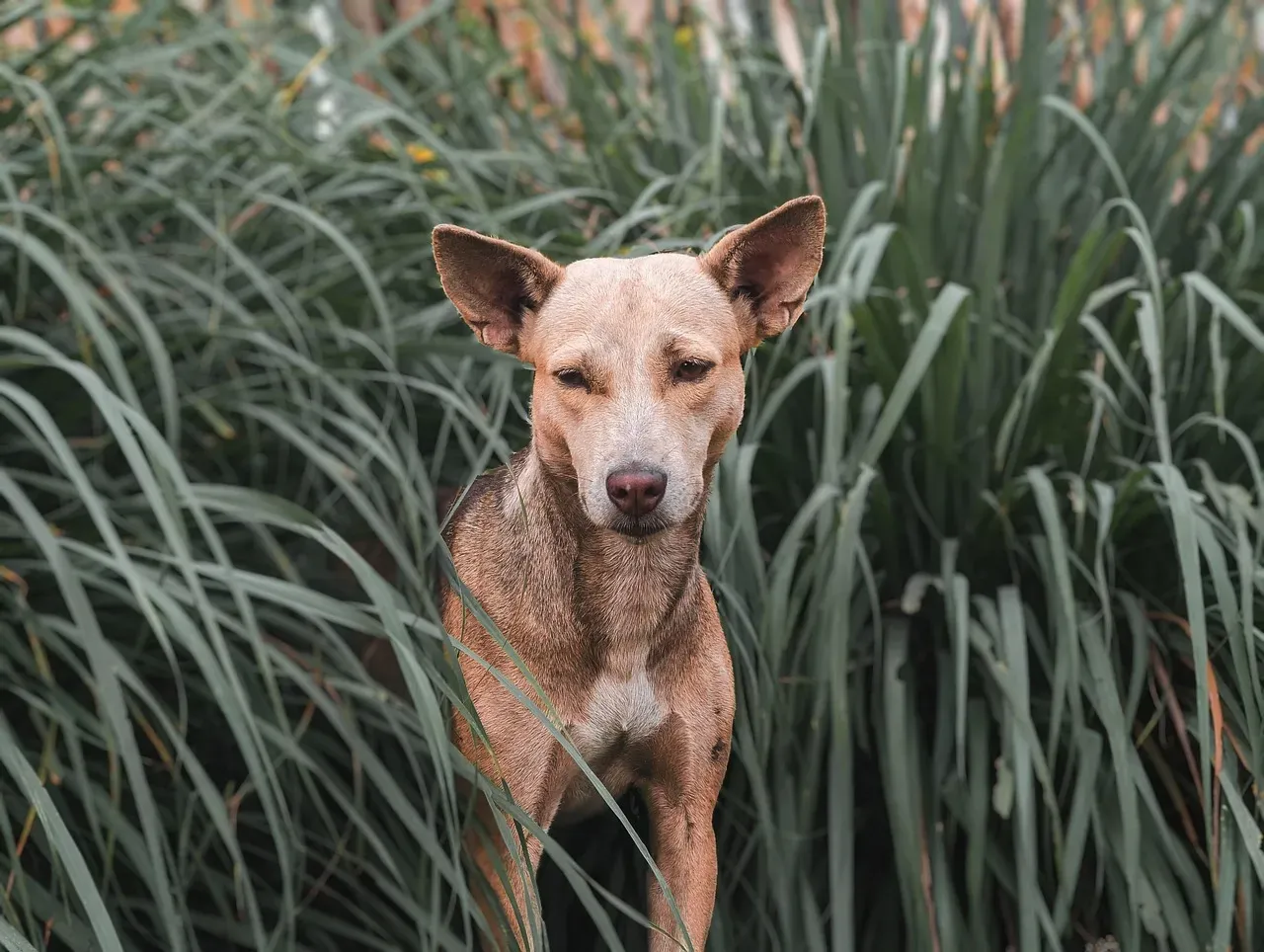
The most important greeting is the one that stops looking like itself.
A dog that once raced to the door and now lifts its head from the bed is communicating something. It might be age, or it might be discomfort. Veterinary teams care about change because they can’t always see what is wrong from a single visit, and you see your dog every day.
Changes worth noting include:
- A dog that used to bounce and now greets from a lying position
- A greeting that comes later than it used to
- A dog that no longer jumps up or climbs stairs to reach you
- A dog that seems startled by your arrival, which can point to hearing or vision changes
A slower hello can be one of the earliest things an owner notices about pain or aging, long before anything dramatic happens. It isn’t a diagnosis, and it isn’t proof of illness. But it’s a good reason to ask a vet.
Many people write it off as “just getting older.” That’s the mistake. Age can bring real, treatable problems, and a changed greeting is a clue that something has shifted.
That is why the greeting is worth watching long after the novelty wears off.
Your dog’s hello is not a loyalty test, and it was never meant to be graded like one. A huge welcome can be joy, arousal or both. A quiet one can mean confidence, tiredness or discomfort. The tail alone proves very little, and one greeting proves even less.
Here’s my opinion: the daily doorway reunion is the most underrated health check in your house. It’s free, it happens on a schedule, and it shows you the baseline your vet never gets to see. Stop judging the volume and start tracking the pattern: how your dog approaches, how quickly it settles, and whether the usual ritual has changed. Is your dog’s greeting loud, wiggly or quiet, and have you noticed it shift lately?

- 9 Things Veterinary Nurses Notice About How a Dog Greets Its Owner - November 8, 2026
- 14 Things Veterinary Staff Can Tell About a Home in One Visit - November 8, 2026
- 9 Quiet Signs a Cat Settled In - November 8, 2026