
Worried about unexpected vet bills?
Pet insurance can cover thousands in unexpected vet costs. Get a free quote from Lemonade in under 2 minutes.
Get My Free Quote →Sponsored · Opens Lemonade.com
There’s something quietly humbling about an animal that stays. Not because it has to, not out of habit, but because something deeper holds it in place. Across centuries and continents, animals have done things that no training manual could explain, from crossing mountains alone to grieving in ways that mirror our own.
These aren’t folk tales or embellished legends. Most of the stories collected here were investigated, documented, and confirmed by journalists, scientists, or humane organizations. What they share is a common thread: that the bond between humans and animals can run every bit as deep as any family tie we know.
Hachiko: The Dog Who Turned a Train Station into a Promise
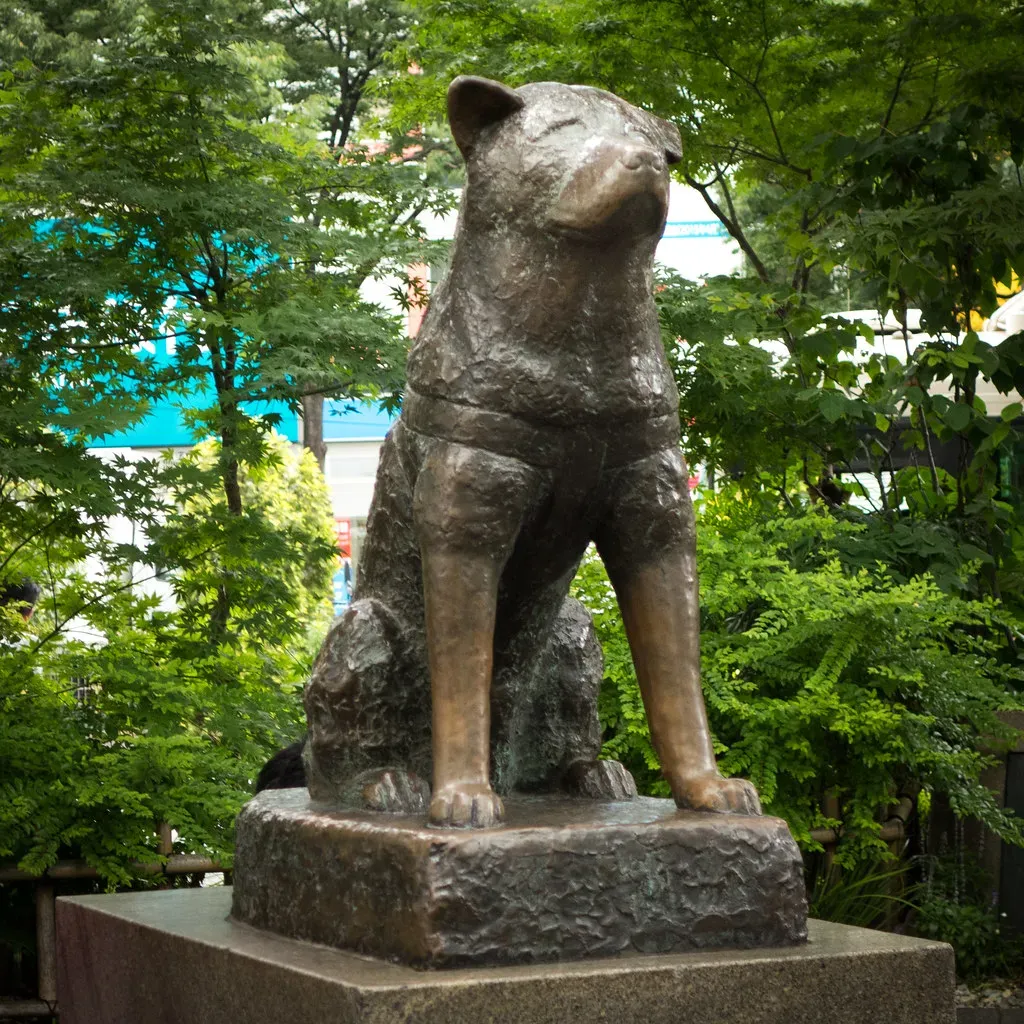
Hachiko was an Akita dog remembered for his extraordinary dedication to his owner, Hidesaburo Ueno, for whom he continued to wait for almost ten years following Ueno’s death in 1925. The routine had been simple enough. Each evening, Hachiko would walk to Shibuya Station in Tokyo to meet his professor returning from work.
On May 21, 1925, Hachi accompanied Ueno to the station as usual, but shortly after a faculty meeting, the professor suffered a cerebral hemorrhage and abruptly died, aged 53. Hachi went to the station in the evening to greet the professor, returning home after he failed to appear. He huddled in the room with the clothing the professor had worn that day. Somehow sensing his master was in trouble, he grew sullen and refused food for three days.
Despite having been with Ueno only about 15 months, Hachiko waited for Ueno, commuting almost daily for the next nine and a half years, and eventually attracted the attention of others. In 1932, one of his articles published in Asahi Shimbun placed the dog in the national spotlight. Visitors came from far and wide to meet Hachiko. His faithfulness to his master’s memory impressed the people of Japan as a spirit of family loyalty to which all should strive to achieve.
After his death, Hachiko’s remains were cremated and his ashes were buried in Aoyama Cemetery, where they rest beside those of his beloved master, Professor Ueno. To this day, the name Hachi in Japan is synonymous with the word loyalty.
Bobbie the Wonder Dog: 2,500 Miles Back to Family
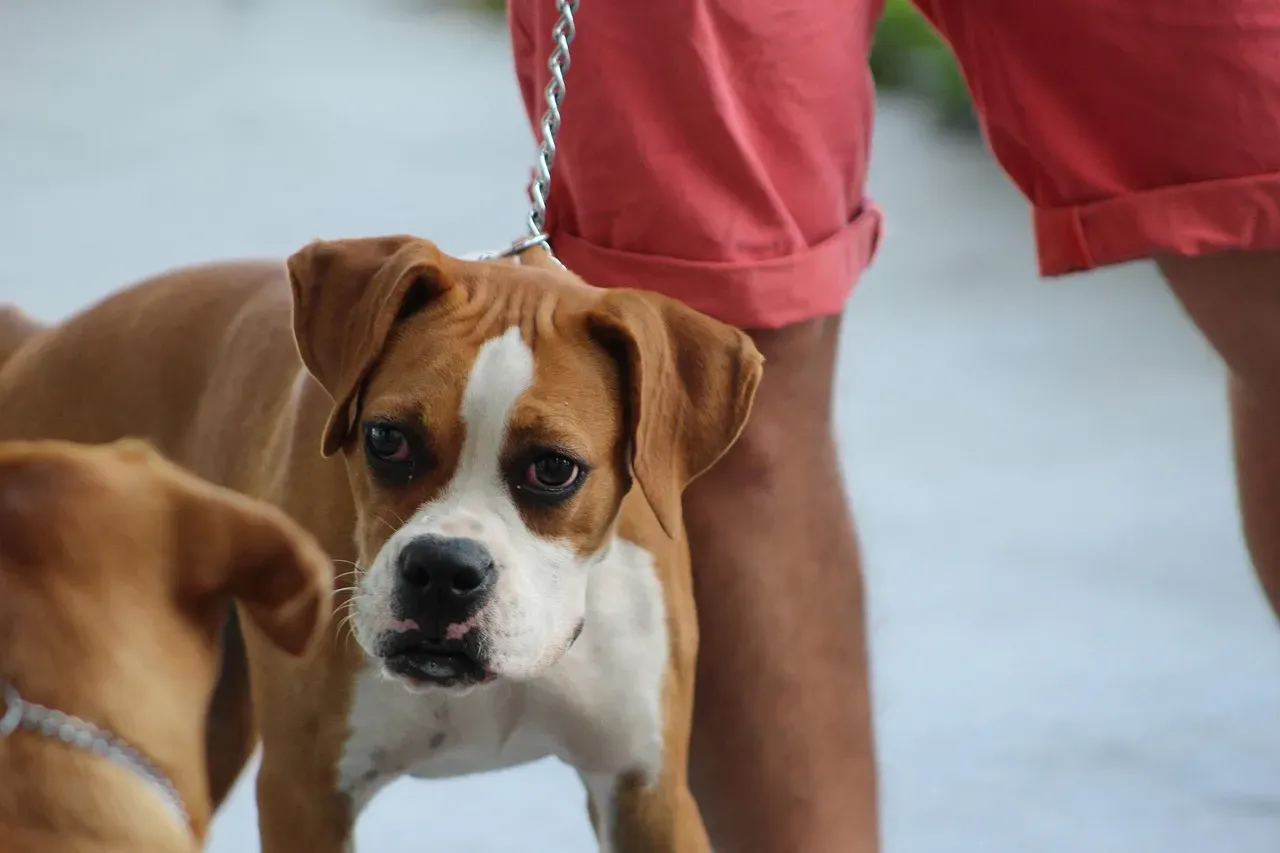
Bobbie the Wonder Dog was acclaimed for walking roughly two and a half thousand miles on his own to return home to Silverton, Oregon, after he was lost while his owners were visiting family in Wolcott, Indiana. The family searched exhaustively and, heartbroken, drove home without him.
On February 15th, 1924, six months later, Bobbie returned to Silverton. He showed all the signs of having walked the entire distance, including swimming rivers and crossing the Continental Divide during the coldest part of winter. He crossed roughly two and a half thousand miles to return home, averaging approximately fourteen miles per day.
Officials from the Oregon Humane Society launched an investigation into the Braziers’ claims and were able to confirm that Bobbie had indeed traveled the distance in the dead of winter to return home. A much-celebrated dog, Bobbie received medals, keys to cities, and a jewel-studded harness and collar. He was the guest of honor at the Portland Home Show, where over forty thousand people came to view him.
Upon his death in 1927, he was buried at the Oregon Humane Society’s pet cemetery in Portland, and German Shepherd film star Rin Tin Tin laid a wreath at his grave. Few tributes in American animal history come close to that one.
Fido: Fourteen Years at the Bus Stop
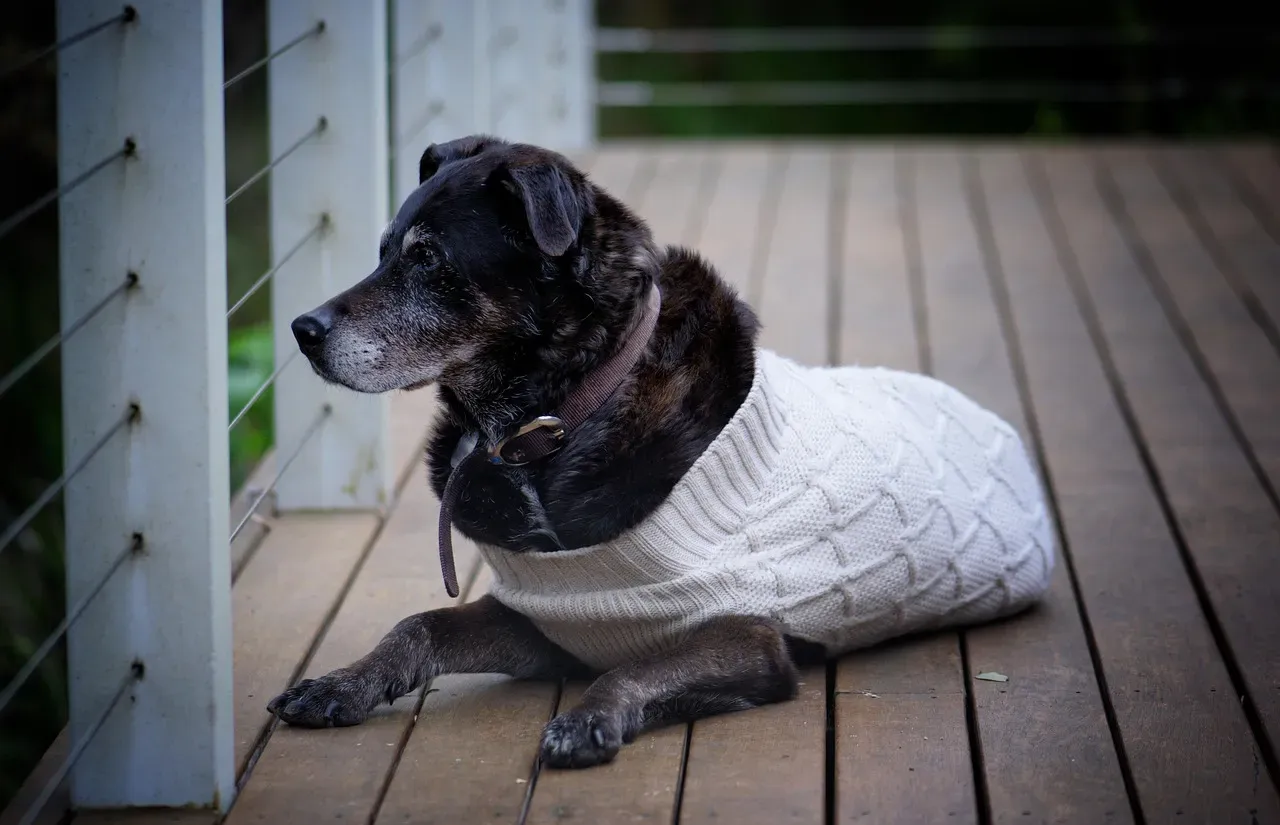
This Italian street dog garnered wide public attention for his demonstration of unwavering devotion for his deceased master. On December 30, 1943, during the Second World War, Borgo San Lorenzo was subjected to a violent air raid. Fido’s owner, who worked in a nearby town, was killed in that raid and never came home.
The same evening, Fido, as usual, went to the bus stop awaiting his master’s arrival from work. On not spotting the master get off the bus, Fido went back home disheartened. But his hopes did not die out, because from that day on, he visited the bus stop every day for fourteen years hoping to see the man he had been missing.
In the fourteenth year, on June 9, 1958, Fido died at the bus stop while still waiting for his master. The town of Borgo San Lorenzo later honored him with a bronze statue, a quiet acknowledgment of a grief that needed no words.
Tommy the Dog: Sitting by the Altar
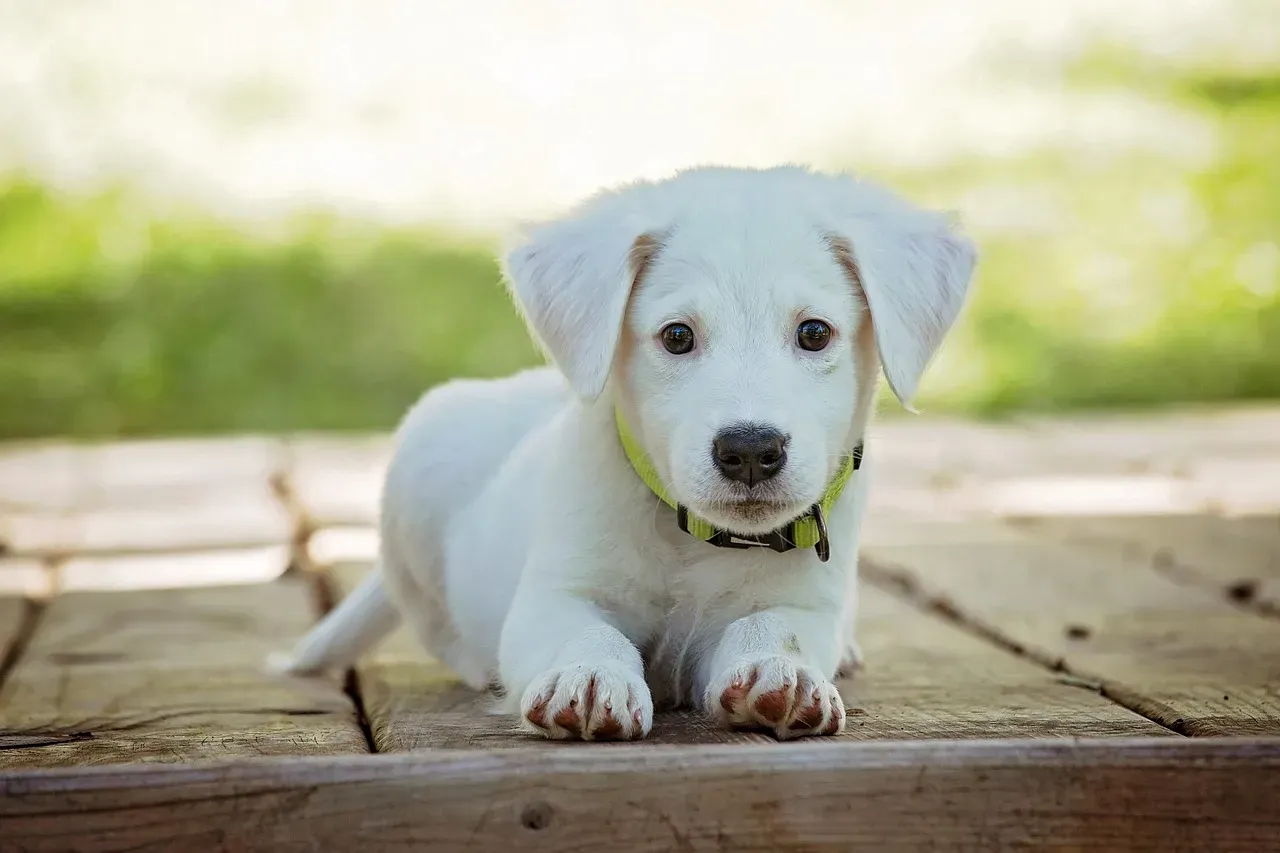
Tommy used to visit Santa Maria Assunta church in Italy with his owner, Margherita Lochi. After Margherita passed away, Tommy followed her coffin and was present at her funeral. From then on, Tommy regularly made visits to the church and sat by the altar, silently.
There was nothing aggressive about his presence, nothing disruptive. He simply arrived, found his spot near the altar, and waited through each mass as he once had when Margherita sat beside him. The parish priest, moved by the dog’s quiet faithfulness, allowed him to stay.
What makes Tommy’s story remarkable isn’t drama. It’s the stillness of it. He didn’t bark or search. He returned to the one place where he and his owner had shared something regular and sacred. That kind of continuity is hard to dismiss as instinct alone.
Koko and Penny Patterson: A Bond Built in Sign Language
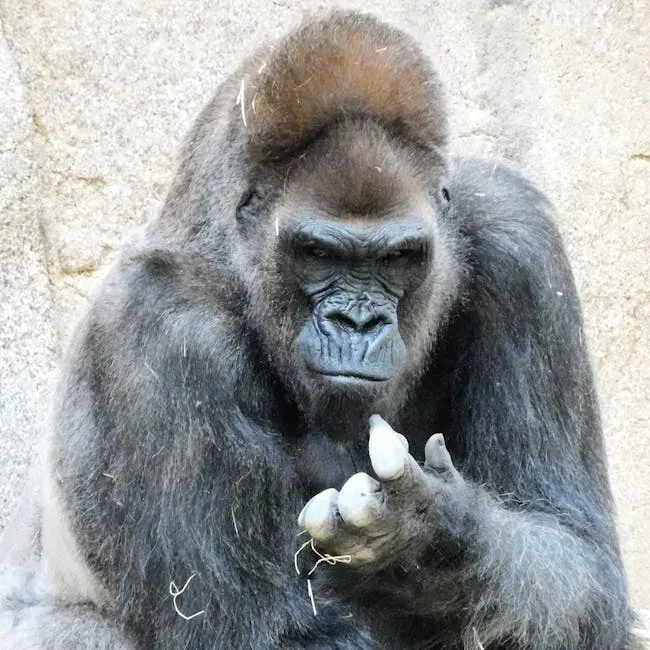
In 1972, a Stanford graduate student named Penny Patterson met a young gorilla named Koko at the San Francisco Zoo and set out to teach her sign language. What began as a scientific experiment quietly became one of the most remarkable cross-species relationships ever documented.
Koko learned many signs throughout her life, reportedly around a thousand, and also understood approximately two thousand spoken words. It became clear that the bond between Patterson and Koko was like that of mother and child, which endured over the years.
Koko chose a grey and white kitten from a litter, named him All Ball, and was seldom separated from him until he was tragically killed by a car. After this, Koko showed signs of grieving for several months, and subsequently looked after a succession of kittens, always treating them very gently.
The late Robin Williams visited Koko a few times, and when news of his death was communicated to Koko, she became very sad and somber. She seemed to remember not only who he was but that he was no longer with them. The scientific debate around Koko’s language use is legitimate and ongoing, but the emotional authenticity of her attachments was hard to argue with.
Christian the Lion: A Wild Reunion That Defied Expectation
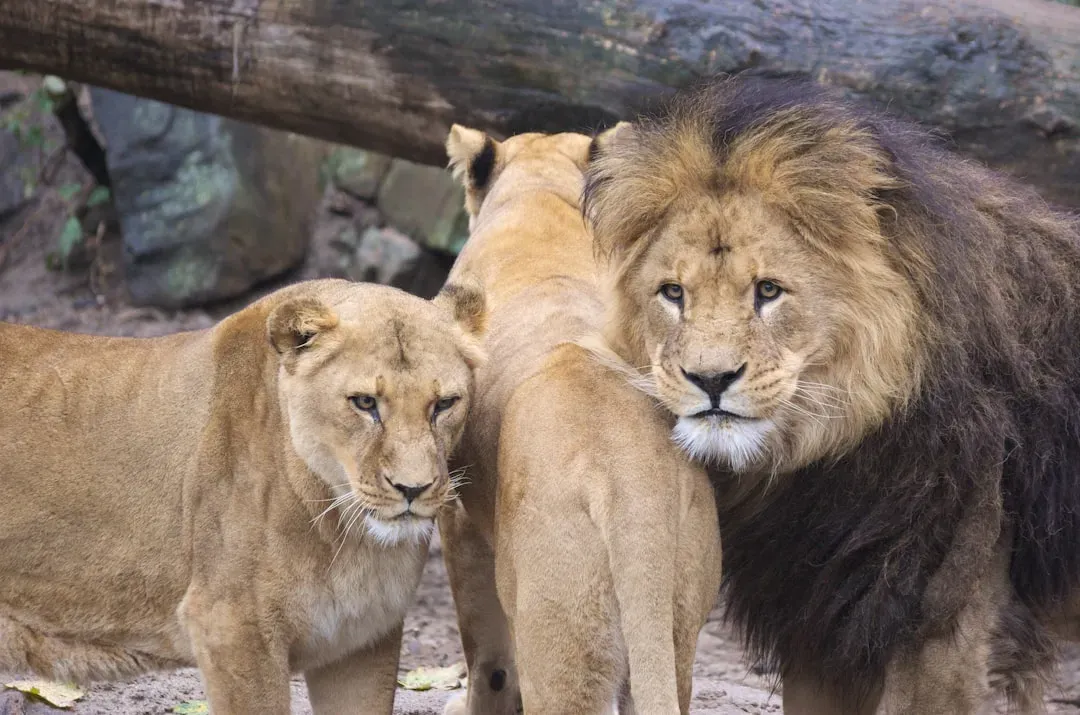
In the late 1960s, John Rendall and Anthony “Ace” Bourke bought a lion cub from Harrods department store in London. They raised Christian in their flat until he became too big, and then they reintroduced him to the wild in Kenya.
A year later, they returned to visit Christian, uncertain if he would remember them. Remarkably, Christian greeted them with affectionate recognition, reaffirming the depth of their bond. The footage of that reunion, showing a fully grown wild lion bounding toward the two men and embracing them, has since been seen by millions of people around the world.
What the video captures isn’t a trick or performance. It’s something quieter and more arresting. A wild animal, fully capable of surviving without human contact, chose to cross the distance between its world and the men who had raised it. That choice says something about what connection means, even across species lines.
Jane Goodall and David Greybeard: Trust Built Over Years
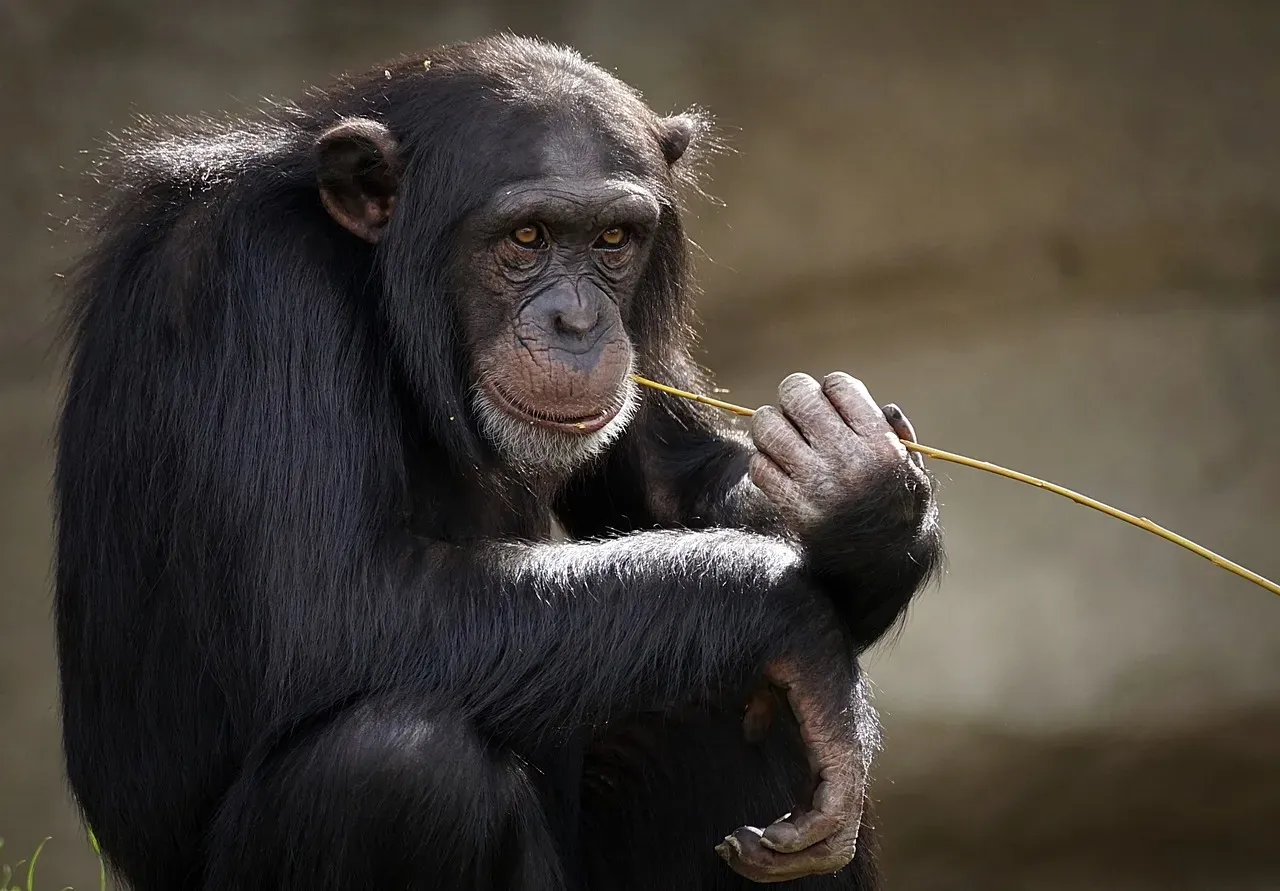
Jane Goodall’s relationship with the chimpanzees of Gombe Stream National Park in Tanzania is one of the most iconic examples of human-animal friendship, and has significantly contributed to our understanding of chimpanzee behavior. Goodall began her groundbreaking research in 1960, and over the decades she developed deep bonds with many of the chimpanzees she observed. These relationships were built on trust and patience, allowing Goodall to make her pioneering observations on chimpanzee tool use, social structures, and emotional lives.
One of the most notable bonds was with a chimpanzee named David Greybeard, the first chimpanzee to lose his fear of Jane, allowing her to observe and interact closely with him and other chimpanzees. This breakthrough was monumental, not only for Goodall’s research but also for the broader scientific understanding of primates.
David Greybeard showcased behaviors such as making and using tools, which was a significant discovery proving that humans were not the only species capable of making tools. This fundamentally altered the scientific community’s perception of chimpanzees, highlighting their intelligence and emotional complexity. The trust David Greybeard extended to Goodall wasn’t trained into him. It was earned, slowly, through decades of respectful presence.
Talero: Guardian in the Snow

Bernardo Leónidas Quirós died in a snowstorm in Argentina and his dog Talero took the charge of keeping his owner protected for days after he passed away. According to a Chilean newspaper, Talero even appeared to have warded off wild animals from attacking his deceased master, and for his own survival in the snow, he hunted small animals. In the cooler nights, he slept beside his master, with the intention of keeping him warm and sheltered from harsh winds.
Talero’s story reaches into territory that’s hard to categorize. He wasn’t waiting for his owner to return. He knew, on some level, that things had changed. Yet he stayed. He protected. He refused to abandon the one he had belonged to, even when there was nothing left to protect except the memory of that belonging.
This particular kind of loyalty, that which persists beyond any rational hope of reward, is the one that tends to stay with people longest. It asks nothing of us except that we notice it, and perhaps take it seriously.
The Science and Soul of Animal Loyalty
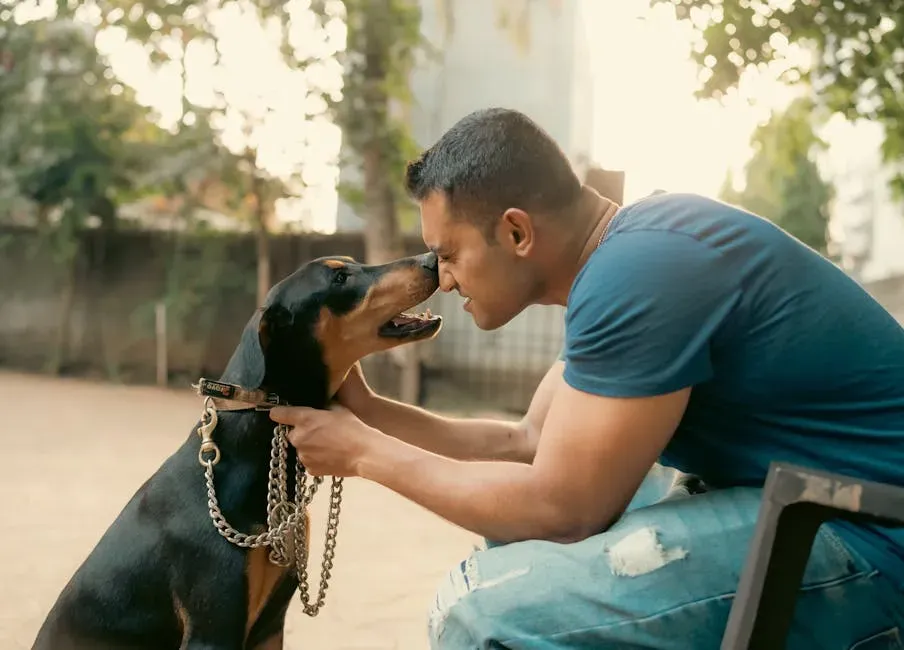
These stories aren’t just emotionally compelling. They point to something measurable as well. Research into the human-animal bond has revealed fascinating insights: interactions with animals can trigger the release of oxytocin, often referred to as the “love hormone,” which plays a crucial role in social bonding. This biochemical response underpins the feelings of trust and affection that characterize our relationships with animals.
Studies have shown that pet ownership can lead to lower blood pressure, reduced cholesterol levels, and improved cardiovascular health. These physical benefits are complemented by psychological gains, such as decreased feelings of loneliness and increased opportunities for socialization. The bond isn’t one-sided, and the science increasingly reflects that.
The profound connection between humans and animals has long been a source of fascination, joy, and solace. This bond transcends the simple act of companionship; it is a deeply rooted relationship that often defines the very essence of our lives. Across centuries and cultures, stories of unbreakable connections between humans and animals have illuminated the extraordinary ways in which these bonds enrich our existence, offering lessons in loyalty, love, and mutual respect.
Conclusion: What These Animals Teach Us About Family
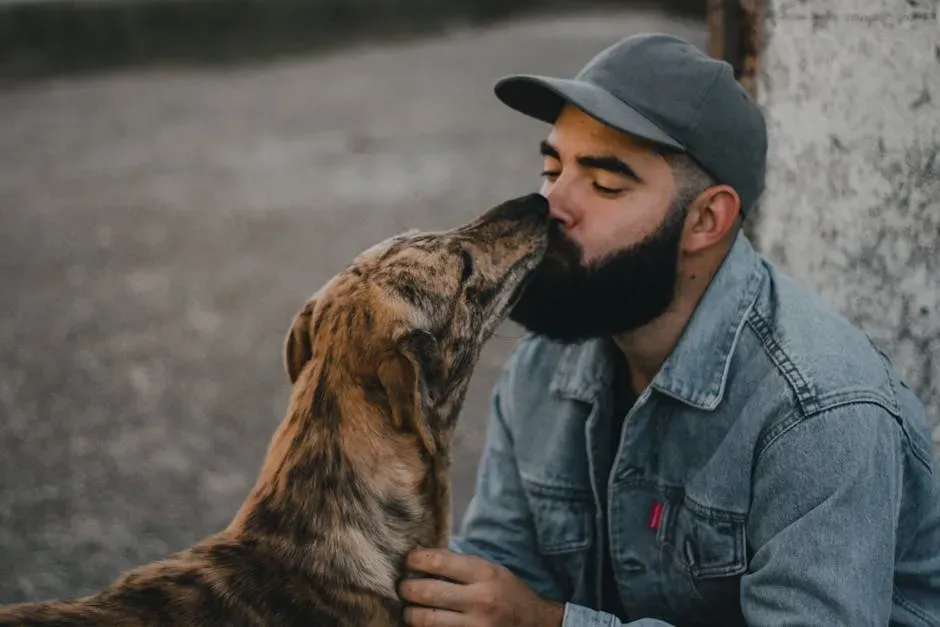
Family, at its most essential, is about showing up. It’s about staying when leaving would be easier, returning when the distance seems impossible, and grieving genuinely when someone is gone. Every animal in these nine stories did exactly that, without any guarantee of reciprocation.
What’s striking is how little these animals asked for. Hachiko didn’t need understanding, only the chance to keep waiting. Bobbie didn’t need a map, only a direction. Fido didn’t need explanation, only the familiar shape of a bus door opening each day.
If these stories redefine family bonds at all, they do so quietly. They remind us that loyalty isn’t a human invention. It’s something much older, and in the right company, much simpler than we tend to make it.
Worried about unexpected vet bills?
Pet insurance can cover thousands in unexpected vet costs. Get a free quote from Lemonade in under 2 minutes.
Get My Free Quote →Sponsored · Opens Lemonade.com

- Did You Know Tigers Mimic The Calls of Their Prey - June 7, 2026
- Eagles in Alaska Are Changing Their Migration Routes - June 7, 2026
- 7 Ways to Create a Wildlife-Friendly Backyard Habitat - June 7, 2026