
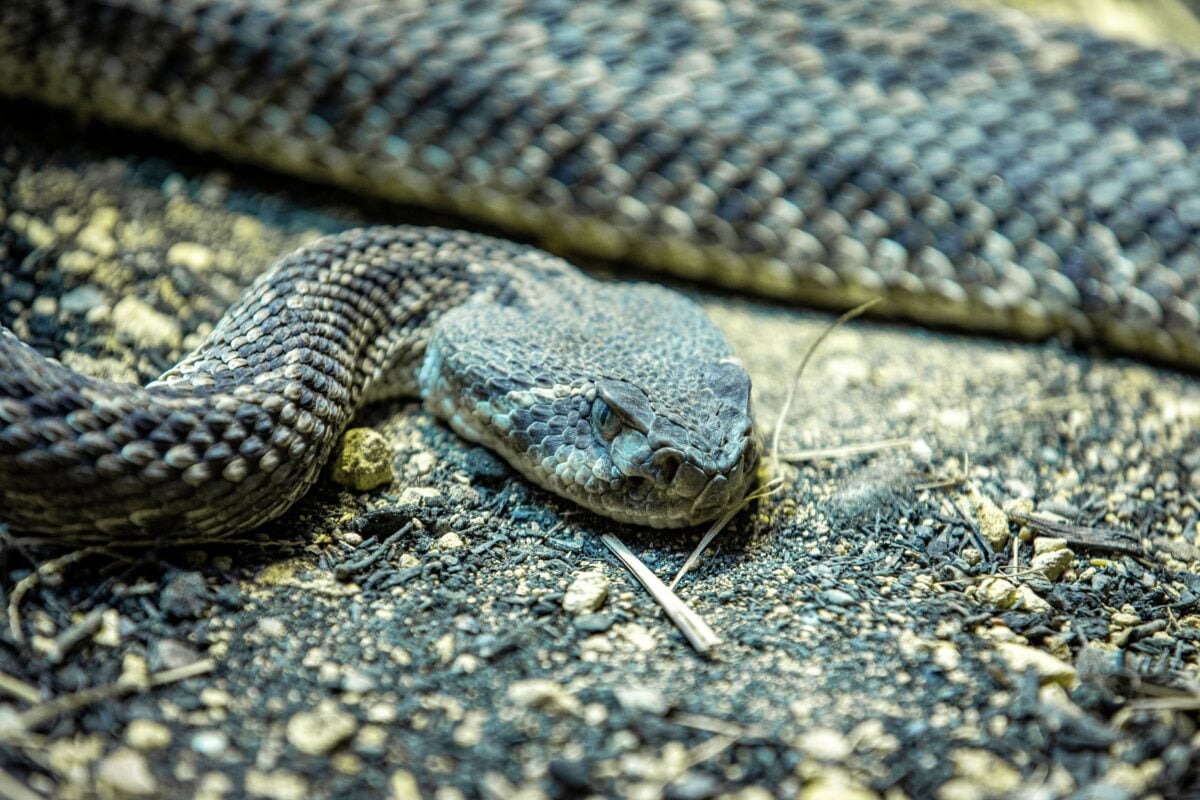
Most hikers picture the dangers of a trail as steep drop offs, bad weather, or a wrong turn at a junction. Rattlesnakes tend to land lower on that list, right up until the moment you hear that dry, rapid buzz from a rock pile a few feet away. Then your whole body reorganizes itself around one thought.
The truth is a bit calmer than the fear. Rattlesnakes aren’t hunting people, and bites on hikers are uncommon compared with the number of people who walk through snake country every day. Still, where you hike changes how likely a meeting is, and a handful of states stand out because of habitat, climate, and sheer variety of species. Here are nine worth knowing about before you lace up.
Arizona
🔥 Would you like to save this?
We'll email this post to you, so you can come back to it later!
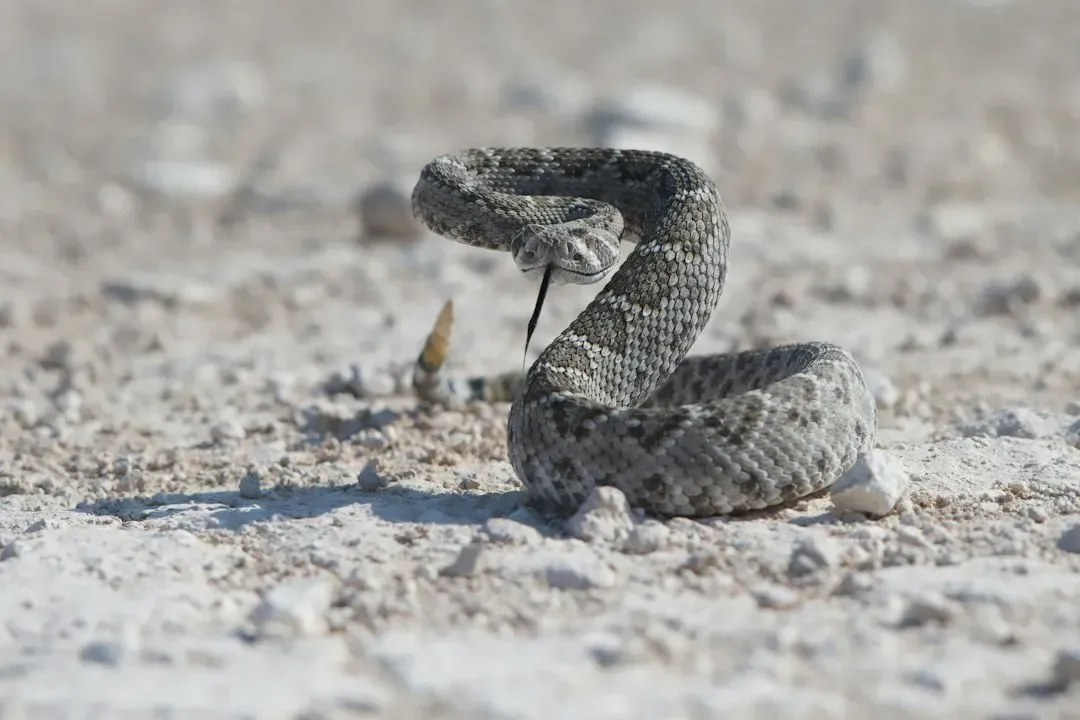
Arizona is often described as the rattlesnake capital of the country, and the reputation is earned. It’s commonly cited as home to more rattlesnake species than any other state, including the Mojave, western diamondback, sidewinder, and the striking black tailed rattlesnake. The Sonoran Desert, with its rocky slopes and washes, gives them plenty of shelter.
Popular hiking areas around Phoenix, Tucson, and Sedona all overlap with snake habitat. Warm evenings in spring and summer are when many snakes get active, so early morning and dusk hikes deserve extra attention. Keep your eyes on the trail ahead, and never reach onto a ledge you can’t see.
Texas
🔥 Would you like to save this?
We'll email this post to you, so you can come back to it later!
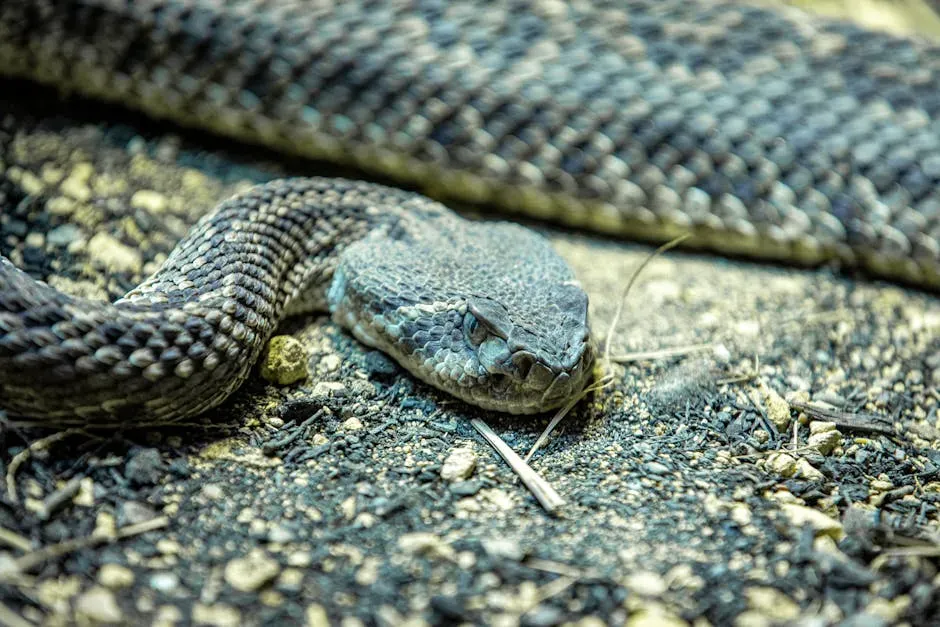
Texas is huge, and its rattlesnake story changes depending on the region. The western diamondback is the one most people picture, and it ranges widely across the state’s drier areas. Hill Country, West Texas, and the Big Bend region all have trails where snakes are a regular part of the landscape.
The state has several rattlesnake species in total, from the prairie rattlesnake in the west to the timber rattlesnake in the east. Rocky canyons and brushy ground are common hiding spots. Wear closed shoes and long pants if you’re heading into thick scrub, because it’s a simple habit that adds a real layer of protection.
California
🔥 Would you like to save this?
We'll email this post to you, so you can come back to it later!
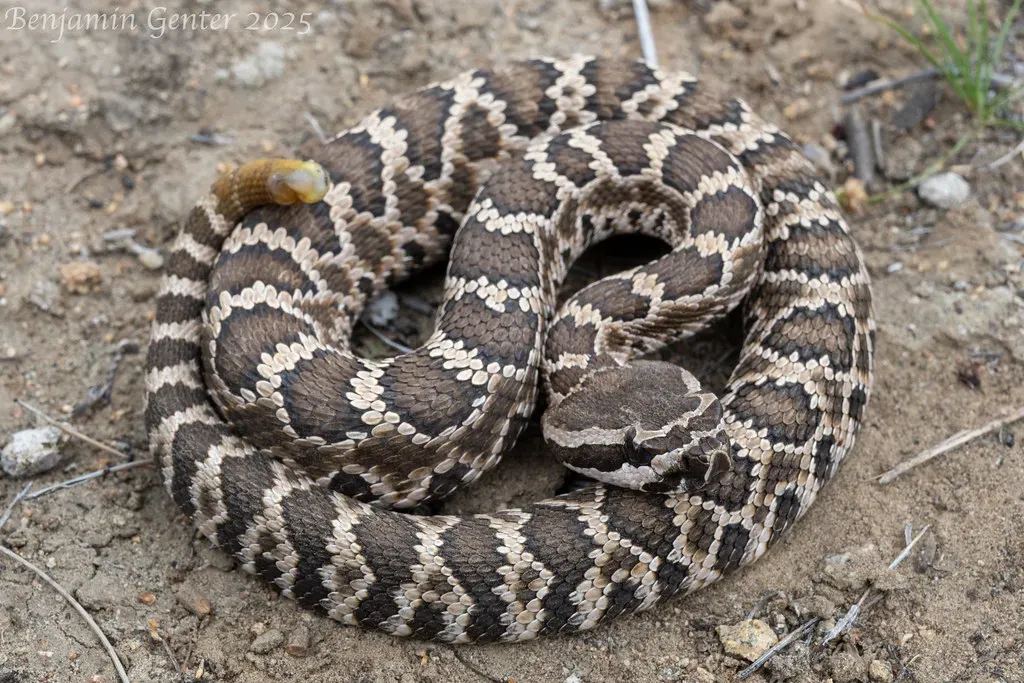
California surprises people. Many assume rattlesnakes live only in remote desert corners, yet the Southern Pacific rattlesnake turns up in foothills, chaparral, and canyon trails close to big cities. Hikers around San Diego, Los Angeles, and the Bay Area’s drier hills can run into them on well known routes.
Spring is a busy time as snakes emerge and warm themselves on sunny trail edges. They’re often seen stretched across a path soaking up heat, which makes them easy to step near without noticing. Slow down on narrow single track sections, and give any snake you spot plenty of room to move along on its own.
New Mexico
🔥 Would you like to save this?
We'll email this post to you, so you can come back to it later!
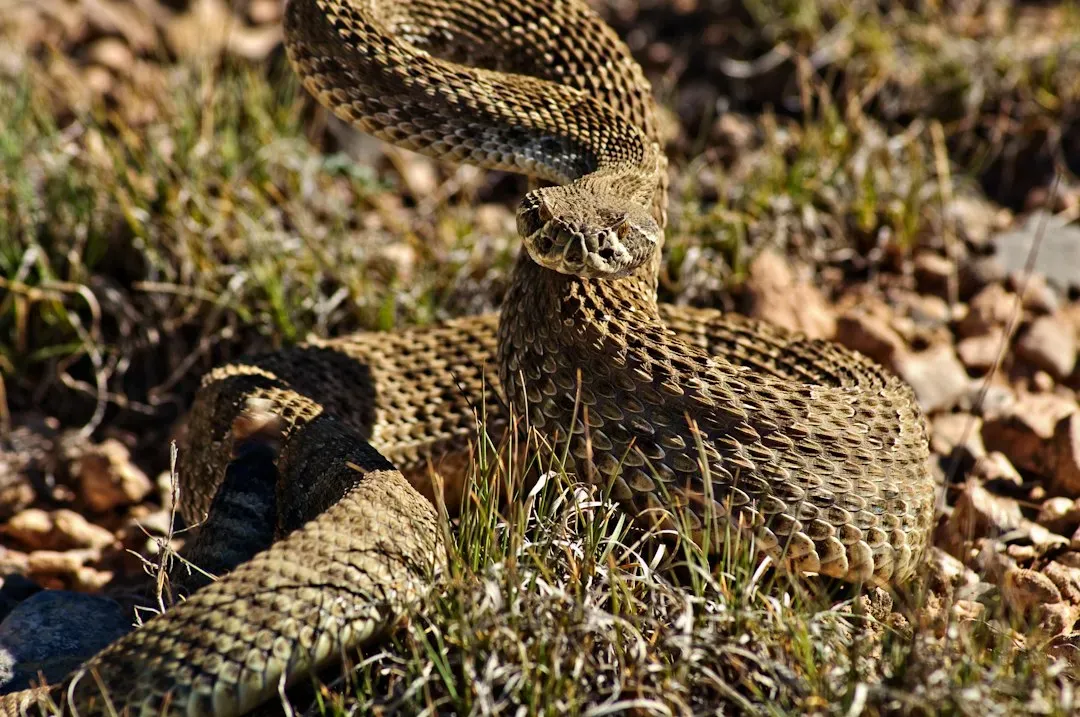
New Mexico mixes desert, mesa, mountain, and grassland, and rattlesnakes show up across much of that range. The western diamondback and prairie rattlesnake are among the species hikers may meet, along with smaller, more camouflaged types in rocky country. Trails near Albuquerque, Santa Fe, and the Gila region pass through plenty of suitable habitat.
Some of New Mexico’s snakes are quite good at blending into gravel and dry grass. That means the buzz you hear may come before the snake you see, if you see it at all. Stop, locate the sound, and back away calmly in the opposite direction.

Glass Hummingbird Feeder for Outdoors Hanging, 16 oz Leak-Proof Nectar Feeder with Bee Guards & Ant Moat
Check Price on AmazonAs an Amazon Associate, we earn from qualifying purchases.
10/7/2026 1:22 pm GMTi

Orthopedic Extra Large Dog Bed, Waterproof Washable XL Pet Bed 44"
Check Price on AmazonAs an Amazon Associate, we earn from qualifying purchases.
10/7/2026 1:32 pm GMTi

PetSafe Oasys Pet Fountain, 1/2 Gallon (64 oz), Small Dogs & Cats
Check Price on AmazonAs an Amazon Associate, we earn from qualifying purchases.
10/8/2026 8:14 am GMTi

Professional 7 in 1 Dog Paw Cleaner for Dogs & Cats - Includes 1 Portable Paw Washer, 1 Bath Brush
Check Price on AmazonAs an Amazon Associate, we earn from qualifying purchases.
10/7/2026 1:26 pm GMTi

2 Pcs Halloween Pet Hat Bandana Set, Witch Pumpkin Costumes for Dogs
Check Price on AmazonAs an Amazon Associate, we earn from qualifying purchases.
10/9/2026 2:45 pm GMTi
Nevada
🔥 Would you like to save this?
We'll email this post to you, so you can come back to it later!
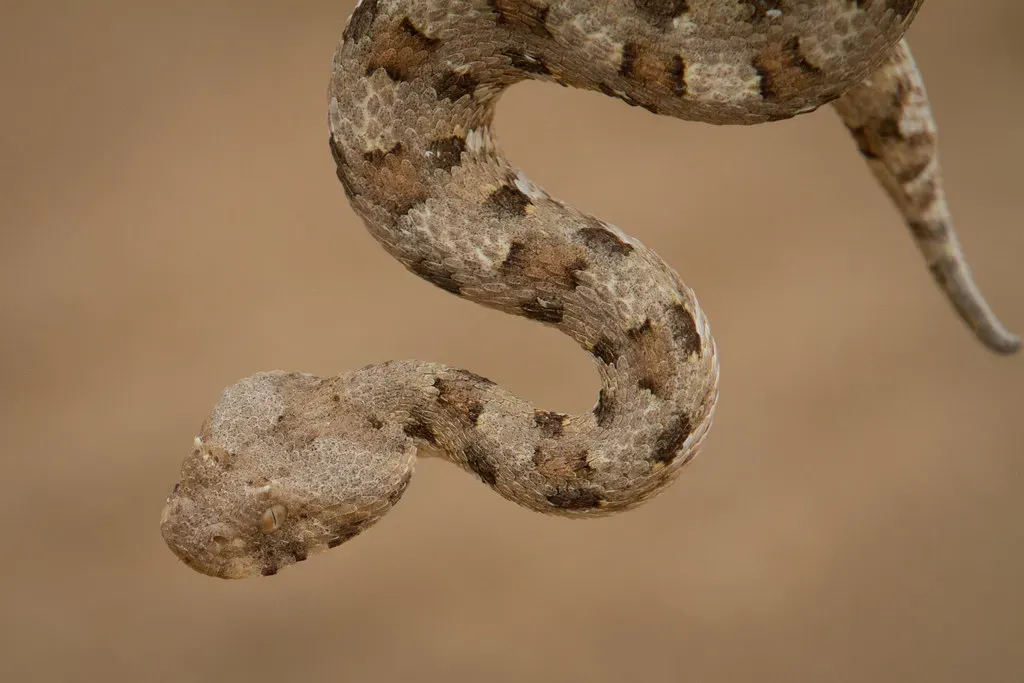
Nevada’s wide open basin and range terrain is a natural fit for desert rattlers. The Mojave rattlesnake and the sidewinder are among those found in the southern part of the state, where trails around Las Vegas, Red Rock Canyon, and the surrounding desert see lots of foot traffic. Cooler months slow snakes down, though a warm winter day can still bring one out.
Hikers here often head out in the heat of summer, so the smartest move is to go early or late in the day. Snakes tend to avoid the hottest hours by resting in shade, which means crevices and shrubs are places to be careful around. Keep dogs leashed too, since curious pets are bitten more often than they should be.
Utah
🔥 Would you like to save this?
We'll email this post to you, so you can come back to it later!
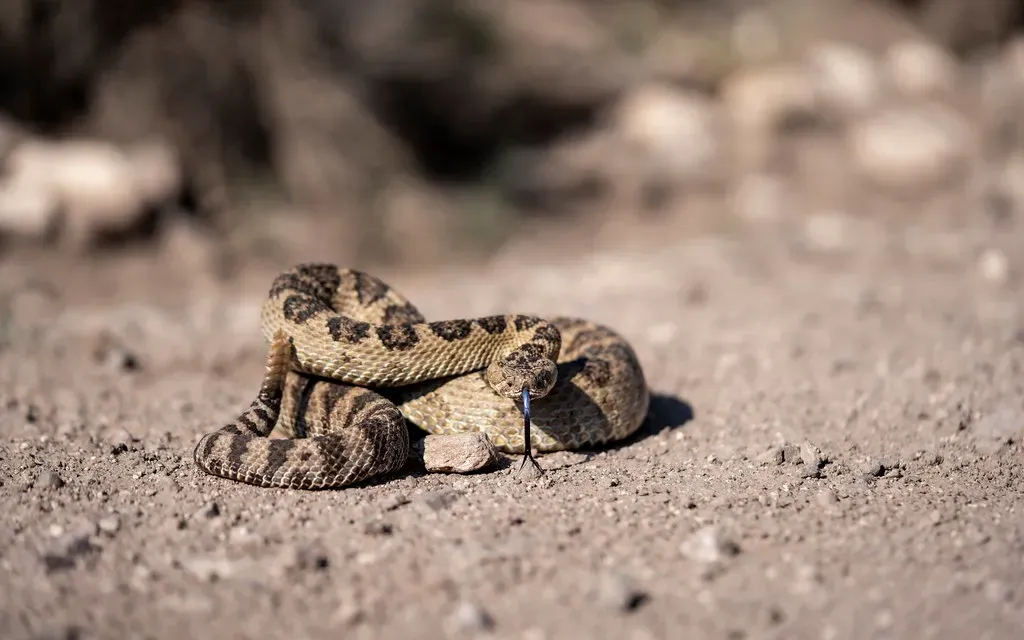
Utah’s red rock country feels made for snakes, with sun warmed ledges, rocky crevices, and plenty of small prey. Several rattlesnake species live in the state, including the Great Basin rattlesnake and, in the south, the Mojave and the speckled rattlesnake. Trails around St. George, Zion, and Moab pass through the sort of terrain they like.
Because many Utah hikes involve scrambling, hands and feet end up in places you can’t fully see. That’s where a little caution pays off. Look before you grab a rock or step over a log, and use trekking poles to test uncertain ground if it helps you feel more settled.
Colorado
🔥 Would you like to save this?
We'll email this post to you, so you can come back to it later!
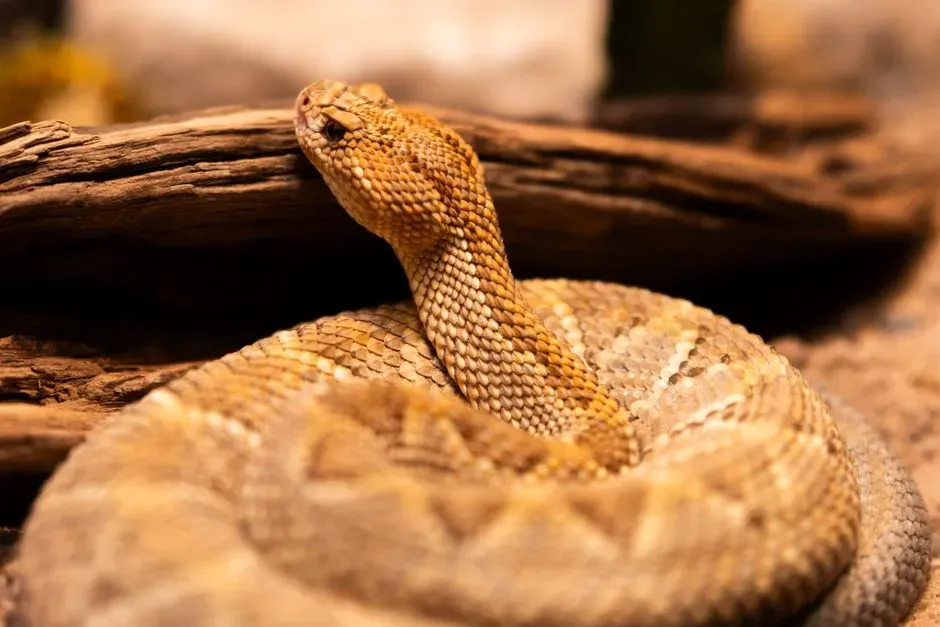
Colorado isn’t the first state people link with rattlesnakes, yet they’re a real presence on the Front Range and across the western and southeastern parts of the state. The prairie rattlesnake is the species most hikers encounter, usually at lower elevations in grasslands, foothills, and canyon country. Trails near Denver, Boulder, and Colorado Springs can all cross their range.
High alpine routes are a different story, because rattlesnakes generally stay at lower and warmer elevations. That surprises hikers who assume Colorado’s mountains keep them out of snake territory altogether. If you’re walking a sunny, rocky foothill trail in summer, stay alert and keep to the path.

Portable Dog Water Bottle Foldable Dog Travel Water Bottle
Check Price on AmazonAs an Amazon Associate, we earn from qualifying purchases.
10/7/2026 1:29 pm GMTi

Hand Blown Glass Hummingbird Feeders for Outdoors Hanging, 24oz Wild Bird Nectar Feeder
Check Price on AmazonAs an Amazon Associate, we earn from qualifying purchases.
10/7/2026 1:23 pm GMTi

Glass Hummingbird Feeder for Outdoors Hanging
Check Price on AmazonAs an Amazon Associate, we earn from qualifying purchases.
10/7/2026 1:21 pm GMTi

Earth Rated XL Dog & Puppy Pee Pads, Discreet Top, Max Absorbency
Check Price on AmazonAs an Amazon Associate, we earn from qualifying purchases.
10/7/2026 1:28 pm GMTi

Smart Bird Feeder with Camera Solar Powered, 2K HD Live Video, 10,000+ Bird Species AI Identification
Check Price on AmazonAs an Amazon Associate, we earn from qualifying purchases.
10/7/2026 1:22 pm GMTi
Oklahoma
🔥 Would you like to save this?
We'll email this post to you, so you can come back to it later!
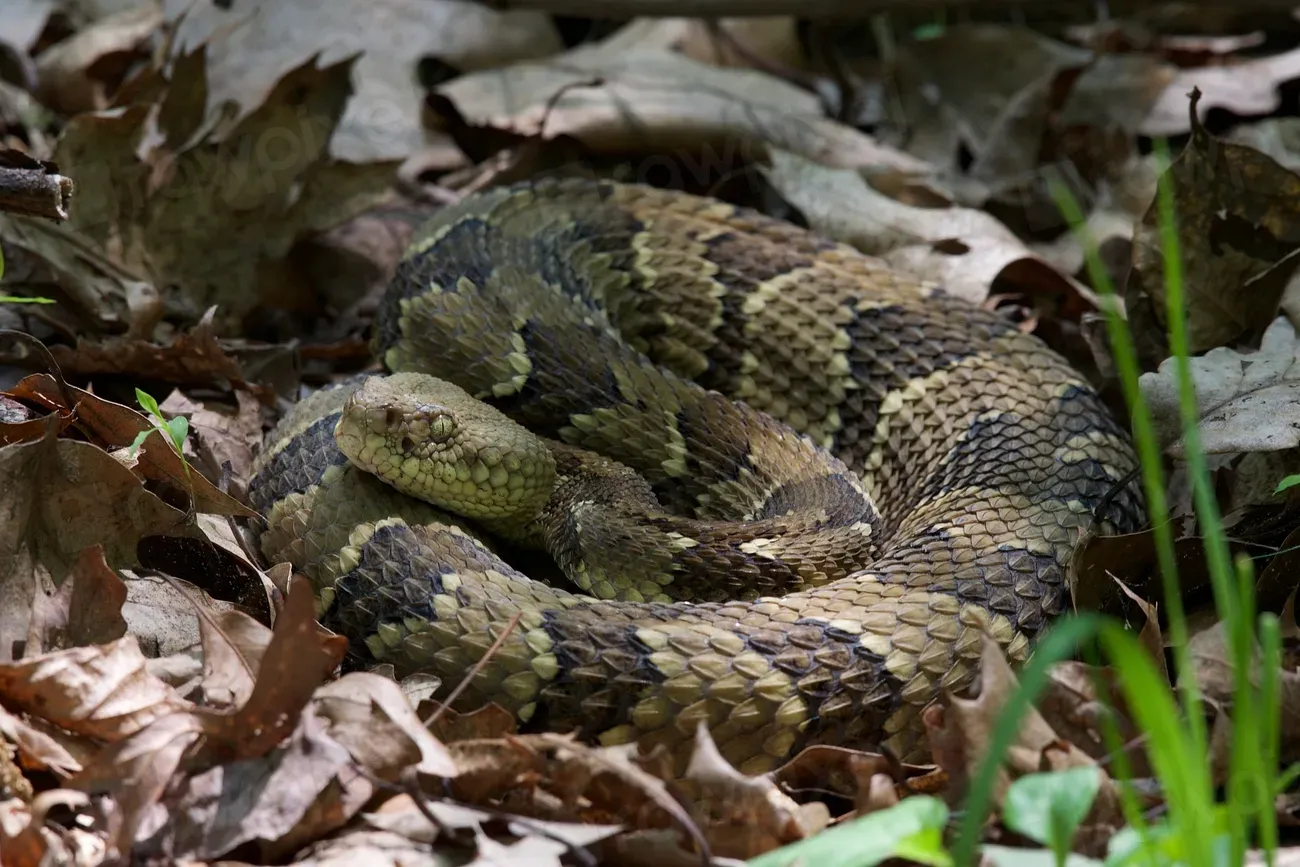
Oklahoma sits where several ecosystems meet, which gives it a mix of snake species. The western diamondback, prairie rattlesnake, timber rattlesnake, and the smaller pygmy rattlesnake are among those found in the state. Hikers in areas like the Wichita Mountains and the Ouachita range may find rocky outcrops and woodland edges that suit them well.
Here the encounter can feel less dramatic, since many snakes simply sit still and trust their camouflage. That makes them easy to miss in leaf litter or tall grass. Step on top of logs rather than over them, and scan the ground a few paces ahead as you walk.
Florida
🔥 Would you like to save this?
We'll email this post to you, so you can come back to it later!
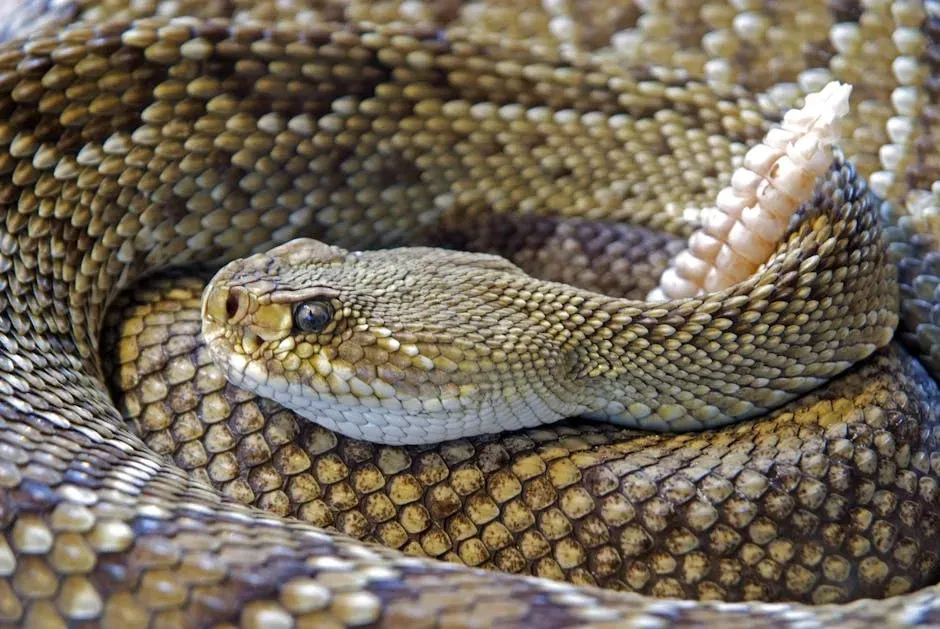
Florida may not be what you expect on a list like this, but it’s home to the eastern diamondback, the largest rattlesnake in North America. Alongside it live the timber rattlesnake in parts of the north and the smaller pygmy rattlesnake. Pine flatwoods, scrub, and coastal habitats are the places to be careful.
Many Florida trails are flat, sandy, and open, so it’s tempting to look up at the scenery and forget the ground. Resist that. Eastern diamondbacks are often shy and tend to avoid people when they can, so the main job is giving them space and never trying to move them yourself.

Halloween Cat Costume Cloak Witch Hat Pet Accessories
Check Price on AmazonAs an Amazon Associate, we earn from qualifying purchases.
10/9/2026 2:44 pm GMTi

Air Purifiers for Home Pets Large Room Up to 3000 Ft²,HEPA Air Cleaner with Washable Double-Side Filter, PM2.5 Air Quality Monitor,15dB Sleep Mode for Bedroom Odor Dust Pollen,White
Check Price on AmazonAs an Amazon Associate, we earn from qualifying purchases.
10/8/2026 8:23 am GMTi

Halloween Dog Collar with Bow, Orange Cute Ghost Collar,
Check Price on AmazonAs an Amazon Associate, we earn from qualifying purchases.
10/9/2026 2:43 pm GMTi

Dog Stairs for Bed 18" H, 4-Step Dog Steps for High Bed
Check Price on AmazonAs an Amazon Associate, we earn from qualifying purchases.
10/9/2026 2:42 pm GMTi
Final Thoughts
🔥 Would you like to save this?
We'll email this post to you, so you can come back to it later!
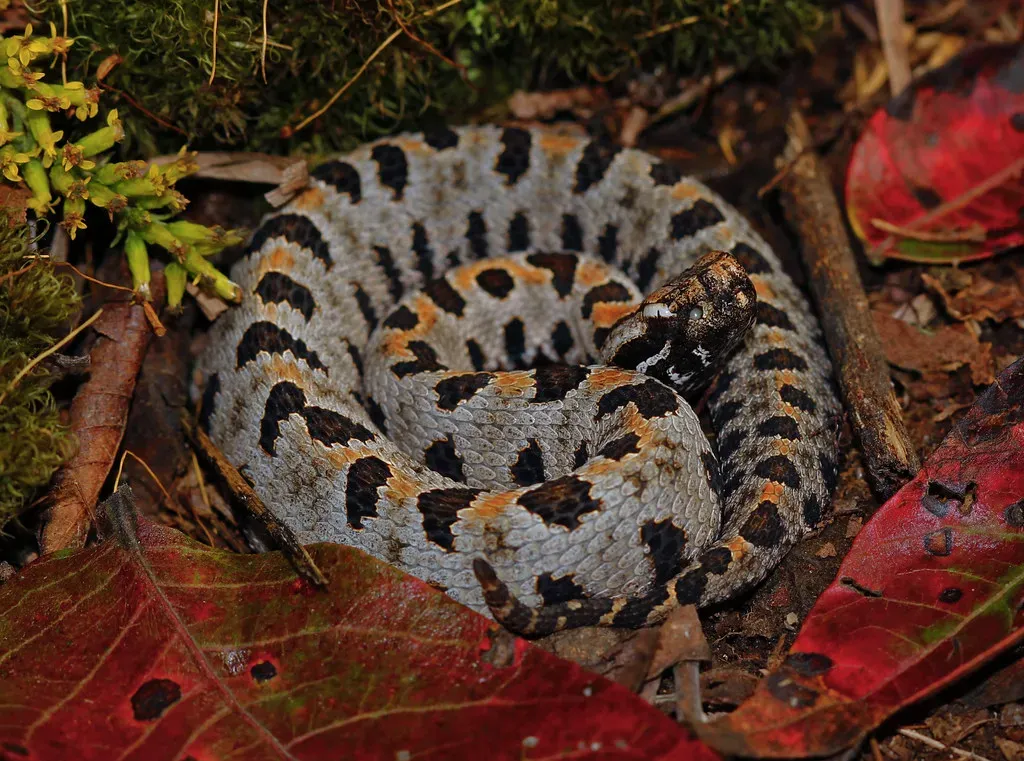
My view is that rattlesnakes get more fear than they deserve and less respect than they need. A hiker who watches the trail, wears sensible shoes, and keeps a calm head is very unlikely to have a serious problem. The people who get into trouble are usually the ones who try to touch, move, or photograph a snake up close.
If someone is bitten, stay calm, keep still as much as possible, and call emergency services right away. Skip the old tricks like cutting the wound or sucking out venom, because they don’t help. Treat these states as invitations to hike smarter, not reasons to stay home, because the snake you give room to is almost always the one that lets you walk on.

- 9 U.S. States Where Hikers Are Most Likely to Encounter Rattlesnakes - November 7, 2026
- 10 Animals That Mate for Life and What Science Says About Their Bonds - November 7, 2026
- What It Means When the Birds in Your Backyard Suddenly Go Silent - November 7, 2026