
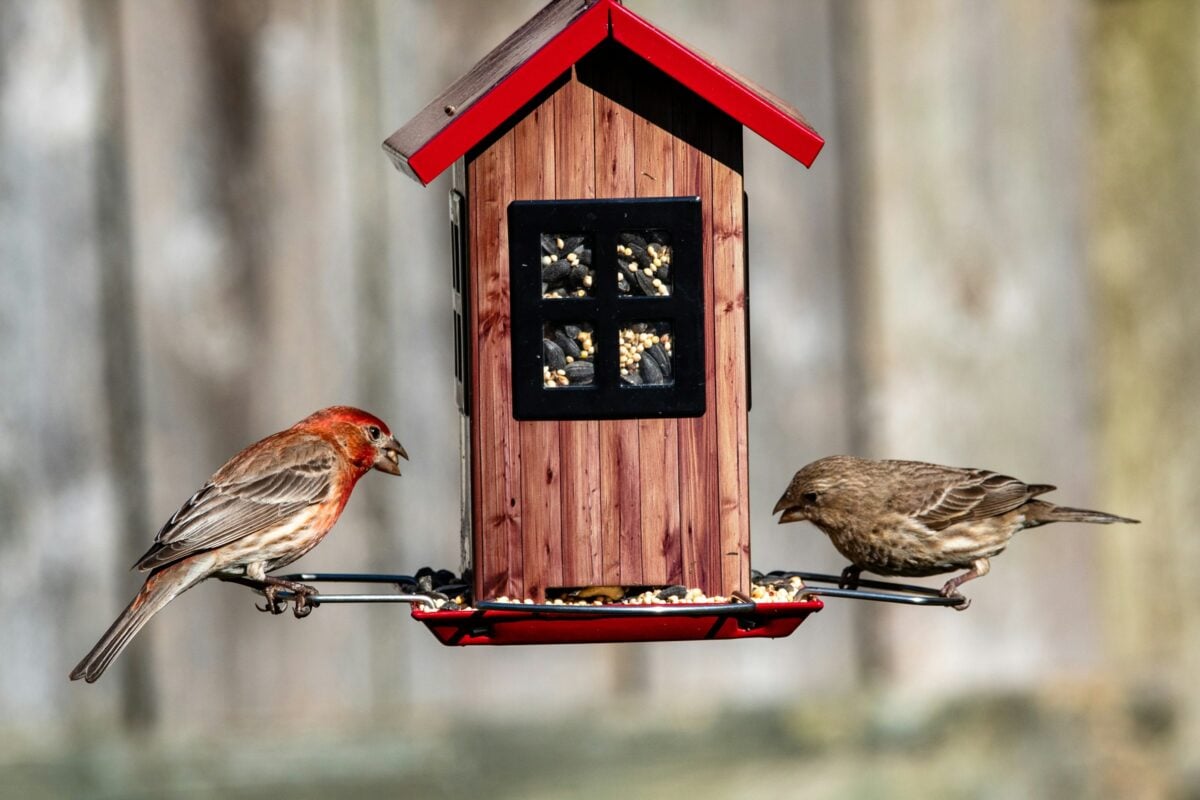
You step outside with your coffee, and something feels off. The feeders are still full, the trees look the same, yet the usual chatter has vanished. It’s the kind of quiet that makes you look up and wonder what you missed.
Sudden silence in a backyard rarely has one single cause. Sometimes it’s as ordinary as the calendar, and sometimes it’s a signal worth paying attention to. Here are seven explanations, ranging from the harmless to the more serious.
A Predator Is Nearby
🔥 Would you like to save this?
We'll email this post to you, so you can come back to it later!
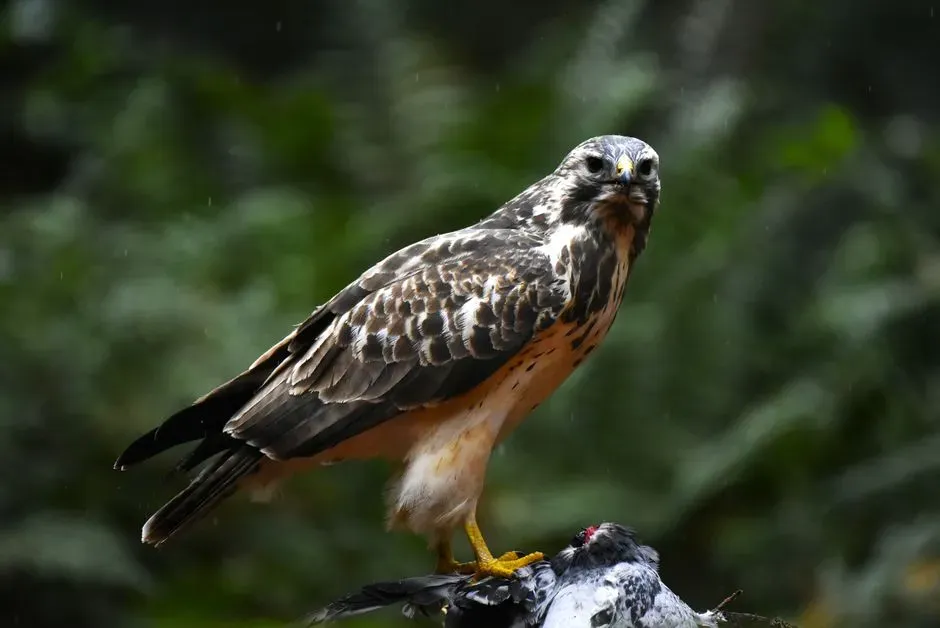
The most common reason for a hush is also the most immediate. Songbirds are quick to read danger, and they respond to hawks, cats, owls, and even snakes by freezing, hiding, or falling quiet. Many species also give alarm calls that nearby birds understand, even across species.
Often the silence lasts only a few minutes. A hawk may perch in a neighboring tree, and the whole yard seems to hold its breath until the threat moves on. If the quiet breaks and the chatter returns within a short time, you’ve probably just witnessed a close call you never saw.
The Season Has Shifted
🔥 Would you like to save this?
We'll email this post to you, so you can come back to it later!
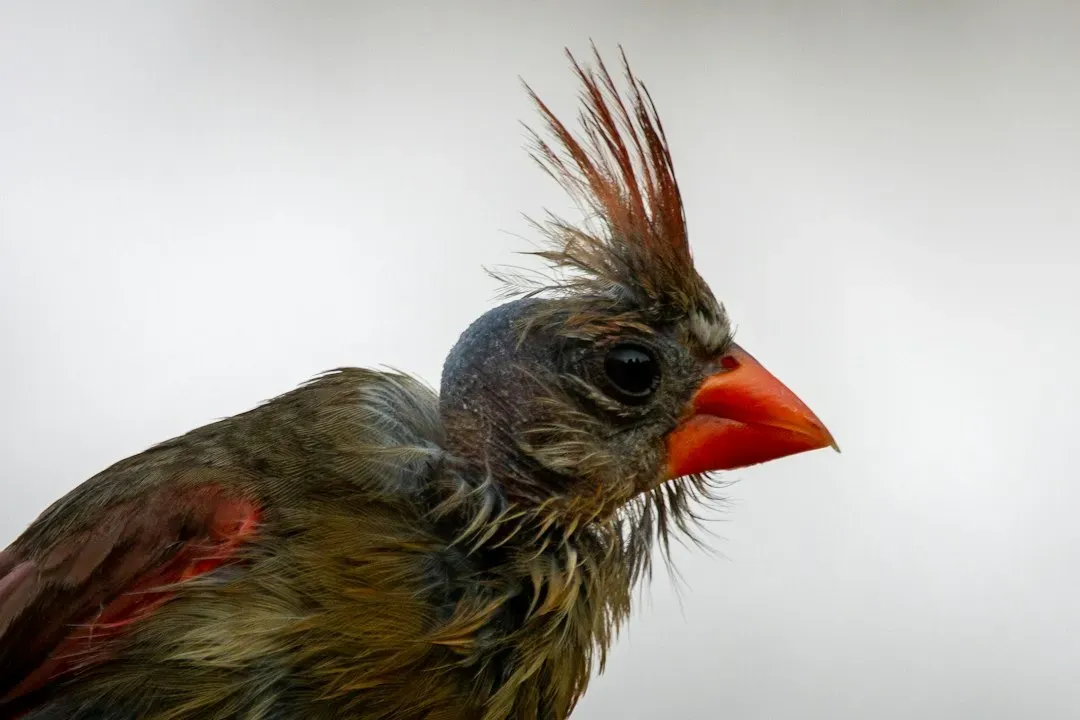
Birdsong follows a yearly rhythm. Much of the singing you hear in spring is tied to claiming territory and attracting mates, so it tends to fade once nesting wraps up. By late summer and into fall, many birds sing far less, and some are quietly going through their annual molt.
Molting can make birds shy, since replacing feathers is tiring and can leave them less able to fly well. They often stay tucked in dense cover during this stretch. So a calm August yard doesn’t automatically mean something is wrong, it may just mean the performance season has ended.
Migration Has Moved Through
🔥 Would you like to save this?
We'll email this post to you, so you can come back to it later!
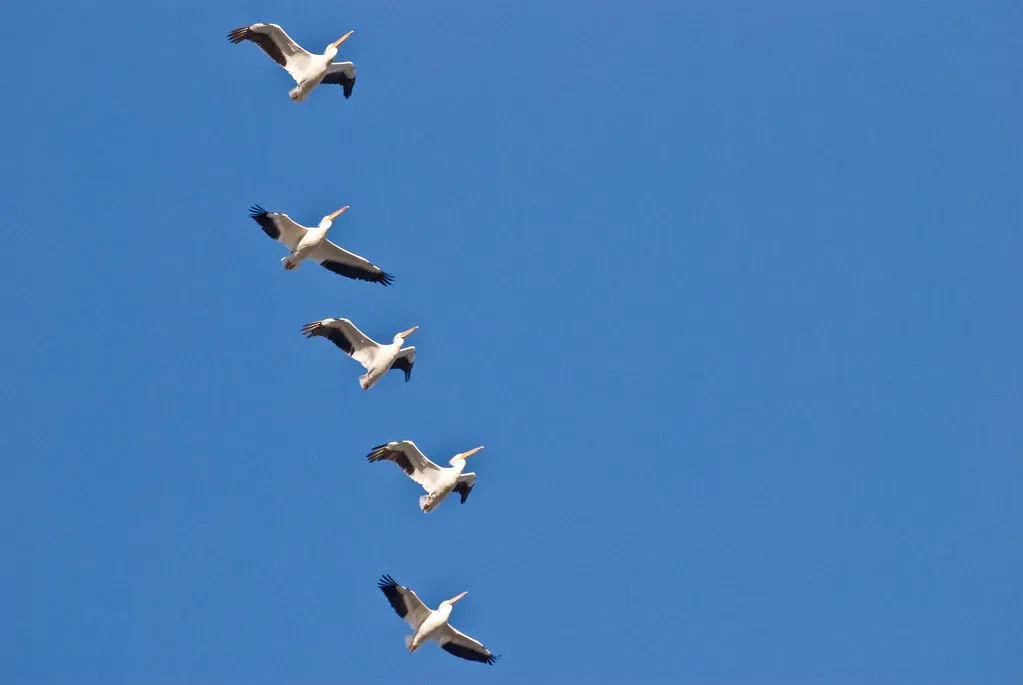
Your backyard population isn’t fixed. Birds that spent the summer near you may have left for warmer regions, while winter visitors haven’t yet arrived. That gap can create a surprisingly empty stretch, especially in autumn.
Timing varies by species, region, and weather, so the lull can come at different times from one year to the next. Cold fronts can push birds along quickly, leaving a yard that was busy one week and still the next. If you live along a major flyway, you may notice this shift more sharply.
Weather Is Changing
🔥 Would you like to save this?
We'll email this post to you, so you can come back to it later!
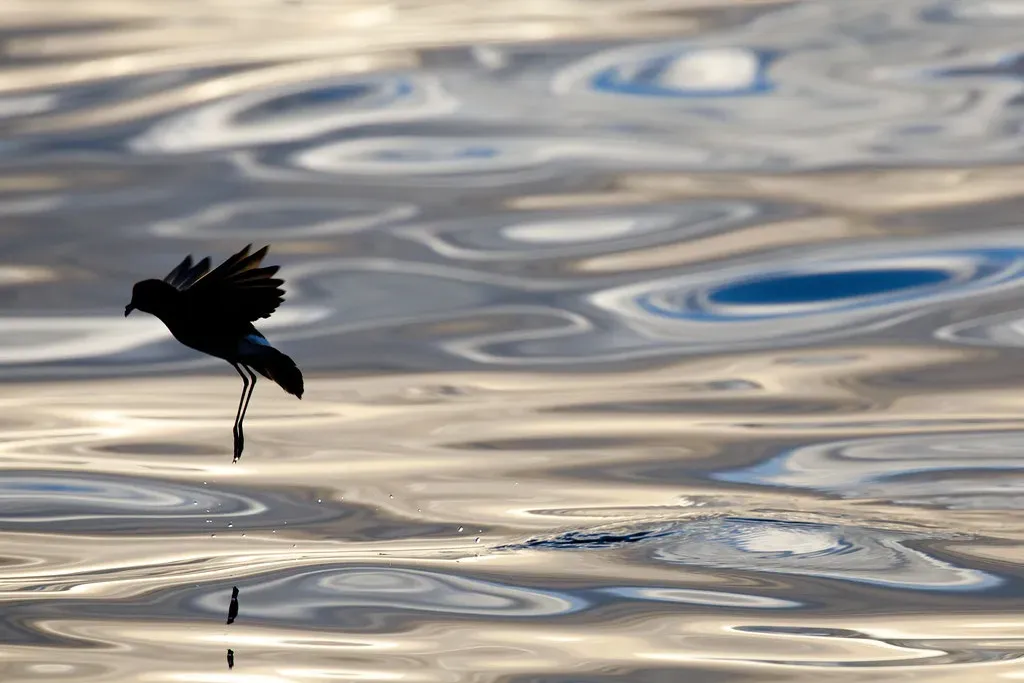
Birds are sensitive to conditions we barely register. Heavy rain, strong wind, and sharp temperature drops often send them into shelter, where they conserve energy rather than sing or forage. Many are known to feed heavily before a storm and then hunker down during it.
Extreme heat can have a similar effect, as birds tend to rest in shade during the hottest part of the day. If the silence lines up with rough weather, give it time. Activity usually bounces back once conditions settle, often with a burst of feeding.

Earth Rated XL Dog & Puppy Pee Pads, Discreet Top, Max Absorbency
Check Price on AmazonAs an Amazon Associate, we earn from qualifying purchases.
10/7/2026 1:28 pm GMTi

Halloween Cat Costume Cloak Witch Hat Pet Accessories
Check Price on AmazonAs an Amazon Associate, we earn from qualifying purchases.
10/9/2026 2:44 pm GMTi

Glass Hummingbird Feeder for Outdoors Hanging, 16 oz Leak-Proof Nectar Feeder with Bee Guards & Ant Moat
Check Price on AmazonAs an Amazon Associate, we earn from qualifying purchases.
10/7/2026 1:22 pm GMTi

Portable Dog Water Bottle Foldable Dog Travel Water Bottle
Check Price on AmazonAs an Amazon Associate, we earn from qualifying purchases.
10/7/2026 1:29 pm GMTi

Halloween Dog Collar with Bow, Orange Cute Ghost Collar,
Check Price on AmazonAs an Amazon Associate, we earn from qualifying purchases.
10/9/2026 2:43 pm GMTi
Food or Water Has Run Short
🔥 Would you like to save this?
We'll email this post to you, so you can come back to it later!
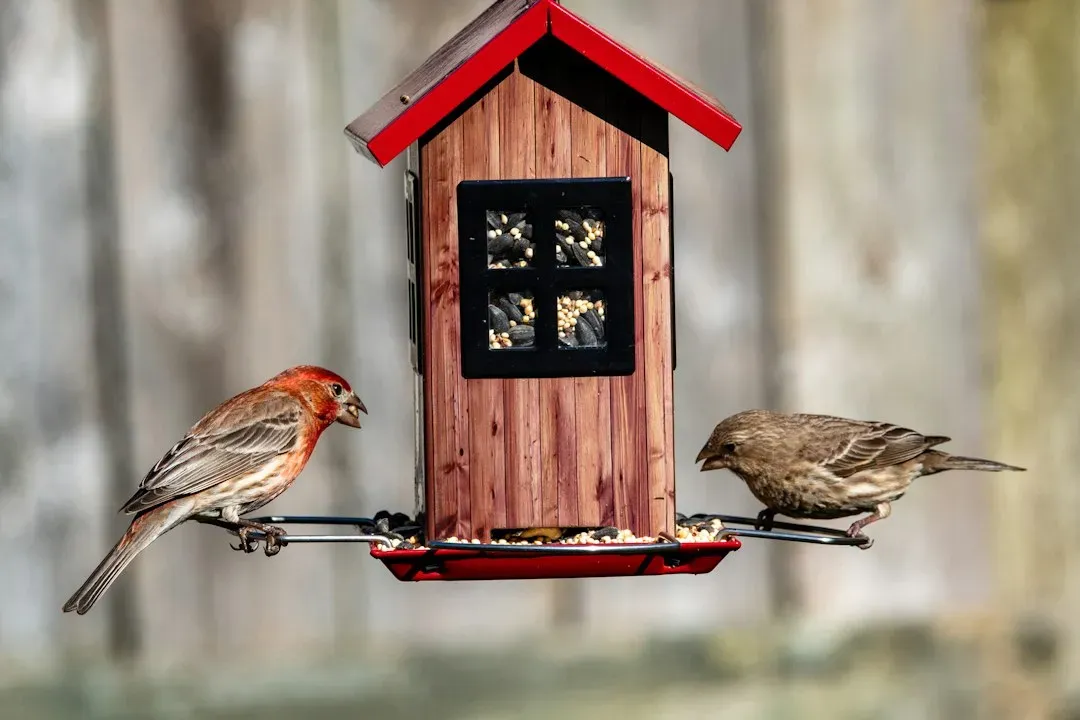
Birds go where the resources are. If a natural food source such as berries, seeds, or insects has run out locally, they may shift to another area. A feeder that has grown moldy, or one that has sat empty for a while, can also lose its regulars.
Water matters too, especially in dry spells and freezing weather. Keeping feeders clean and offering fresh water can make a yard more reliable. Wildlife organizations commonly recommend regular feeder cleaning, partly to reduce the spread of disease among visiting birds.
Disease or Habitat Disruption May Be Involved
🔥 Would you like to save this?
We'll email this post to you, so you can come back to it later!
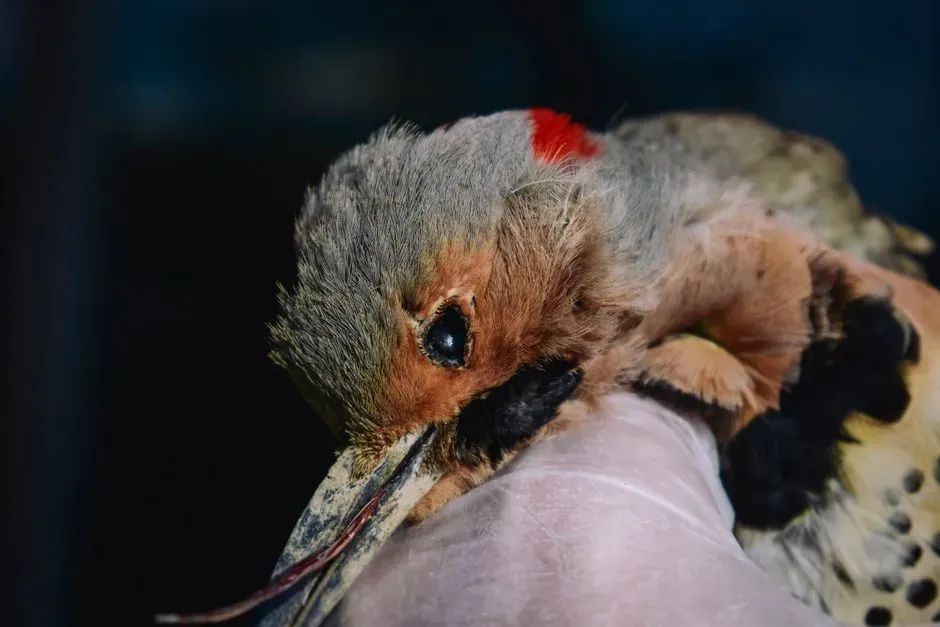
Sometimes the quiet points to something more serious. Illnesses can spread at crowded feeders, and in some past outbreaks, wildlife agencies have asked people to take feeders down temporarily. If you see sick or dead birds, or birds that look lethargic or have swollen, crusty eyes, it’s worth checking guidance from your local wildlife agency.
Habitat changes matter as well. Construction, tree removal, pesticide use, or new lighting nearby can push birds out, and long term declines in bird numbers have been documented across North America. Still, one quiet week in your yard isn’t proof of a larger problem, so look for patterns over time rather than a single day.

Orthopedic Extra Large Dog Bed, Waterproof Washable XL Pet Bed 44"
Check Price on AmazonAs an Amazon Associate, we earn from qualifying purchases.
10/7/2026 1:32 pm GMTi

PetSafe Oasys Pet Fountain, 1/2 Gallon (64 oz), Small Dogs & Cats
Check Price on AmazonAs an Amazon Associate, we earn from qualifying purchases.
10/8/2026 8:14 am GMTi

Air Purifiers for Home Pets Large Room Up to 3000 Ft²,HEPA Air Cleaner with Washable Double-Side Filter, PM2.5 Air Quality Monitor,15dB Sleep Mode for Bedroom Odor Dust Pollen,White
Check Price on AmazonAs an Amazon Associate, we earn from qualifying purchases.
10/8/2026 8:23 am GMTi

Smart Bird Feeder with Camera Solar Powered, 2K HD Live Video, 10,000+ Bird Species AI Identification
Check Price on AmazonAs an Amazon Associate, we earn from qualifying purchases.
10/7/2026 1:22 pm GMTi

Professional 7 in 1 Dog Paw Cleaner for Dogs & Cats - Includes 1 Portable Paw Washer, 1 Bath Brush
Check Price on AmazonAs an Amazon Associate, we earn from qualifying purchases.
10/7/2026 1:26 pm GMTi
Your Own Hearing and Habits Have Changed
🔥 Would you like to save this?
We'll email this post to you, so you can come back to it later!
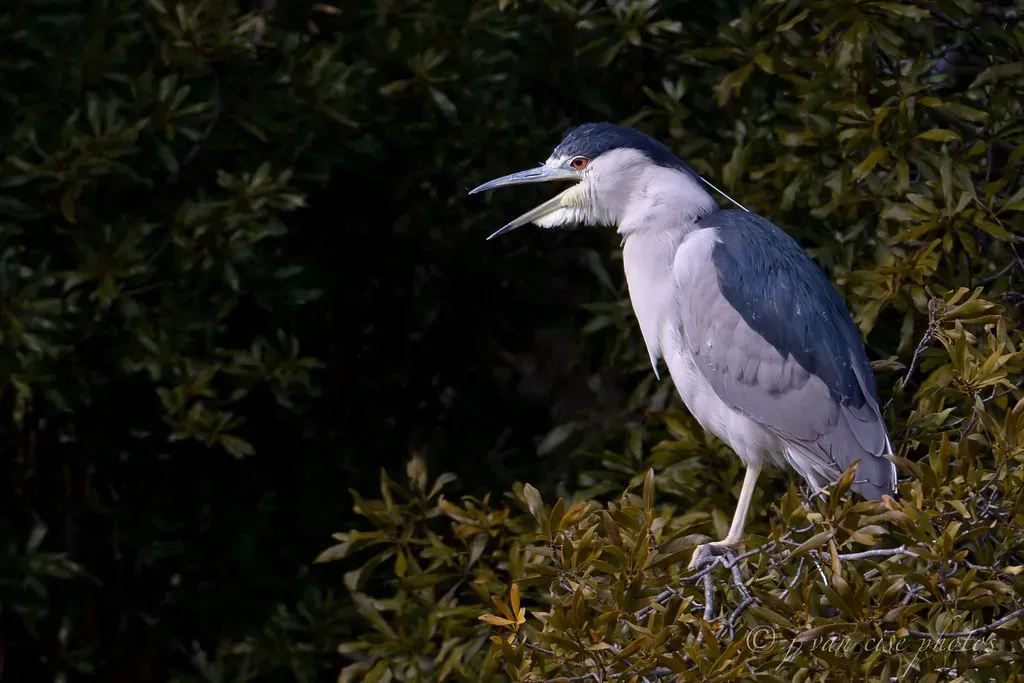
It’s worth considering the human side, too. Noise from traffic, leaf blowers, or construction can mask the sounds you’d normally pick up, and birds may sing less in loud places. Even a change in the time of day you step outside can alter what you hear, since activity tends to peak around dawn.
If you’re curious, try a simple routine. Sit outside for ten minutes at the same time each morning for a couple of weeks, and jot down what you notice. Apps and community projects such as eBird make it easy to log sightings, and your notes might reveal that the yard is quieter than usual, or just quieter than you remembered.

Dog Stairs for Bed 18" H, 4-Step Dog Steps for High Bed
Check Price on AmazonAs an Amazon Associate, we earn from qualifying purchases.
10/9/2026 2:42 pm GMTi

Glass Hummingbird Feeder for Outdoors Hanging
Check Price on AmazonAs an Amazon Associate, we earn from qualifying purchases.
10/7/2026 1:21 pm GMTi

2 Pcs Halloween Pet Hat Bandana Set, Witch Pumpkin Costumes for Dogs
Check Price on AmazonAs an Amazon Associate, we earn from qualifying purchases.
10/9/2026 2:45 pm GMTi

Hand Blown Glass Hummingbird Feeders for Outdoors Hanging, 24oz Wild Bird Nectar Feeder
Check Price on AmazonAs an Amazon Associate, we earn from qualifying purchases.
10/7/2026 1:23 pm GMTi
Final Thoughts
🔥 Would you like to save this?
We'll email this post to you, so you can come back to it later!
My view is that silence deserves curiosity, not panic. Most of the time it’s a hawk, a storm, or the turning of the seasons, and the birds return on their own schedule. Still, treating the quiet as a prompt to look closer is a good habit.
Clean your feeders, keep water out, and plant native species if you can. If the silence drags on for weeks and comes with signs of sick birds, speak up and contact local wildlife officials. A backyard is a small place, but it’s often the first to tell you when something has shifted.

- What It Means When the Birds in Your Backyard Suddenly Go Silent - November 7, 2026
- 3 U.S. States Where Javelinas Regularly Wander Through Neighborhoods - November 7, 2026
- 9 Animals That Sleep in the Strangest Positions - November 7, 2026