

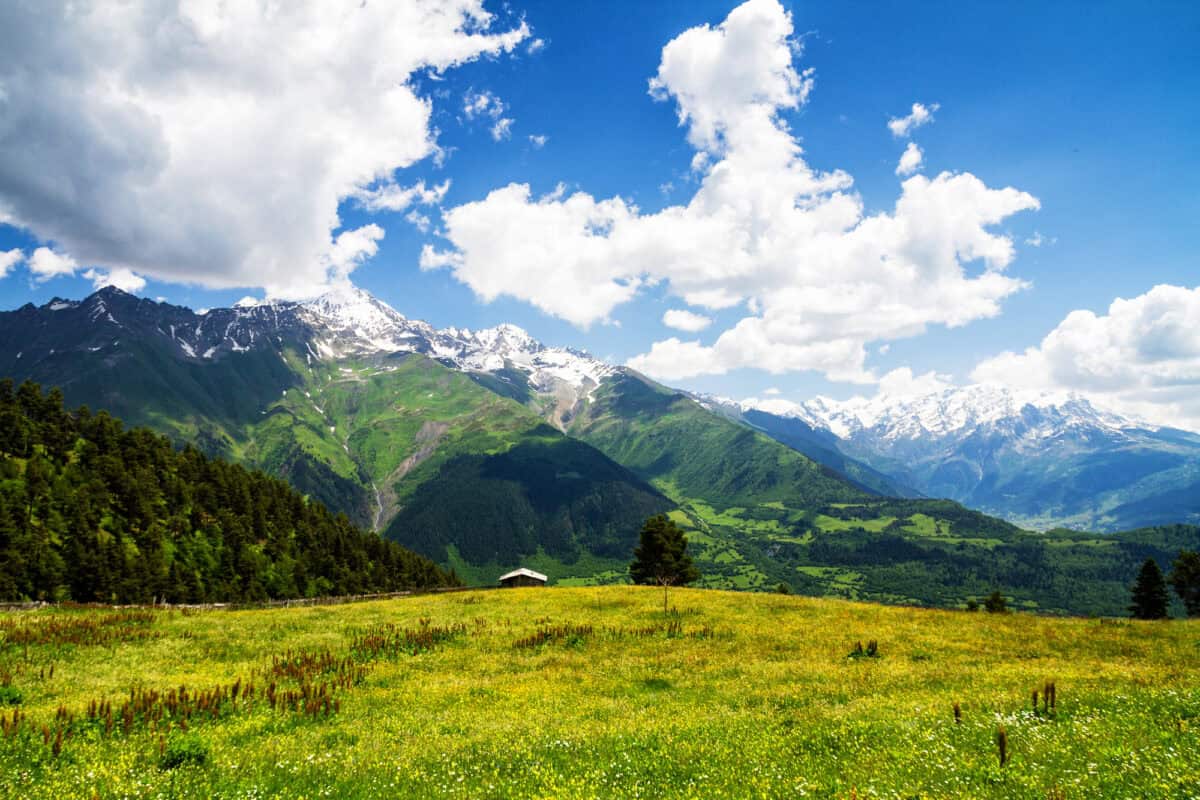
Georgia, a state brimming with diverse landscapes ranging from lush forests and vast wetlands to rugged mountains, is a haven for a stunning array of wildlife. Its rich ecosystems support a wide variety of animals, many of which are unique to the region. In this article, we explore the top 10 animals and wildlife species that inhabit Georgia, showcasing the state’s natural beauty and ecological significance.
White-tailed Deer
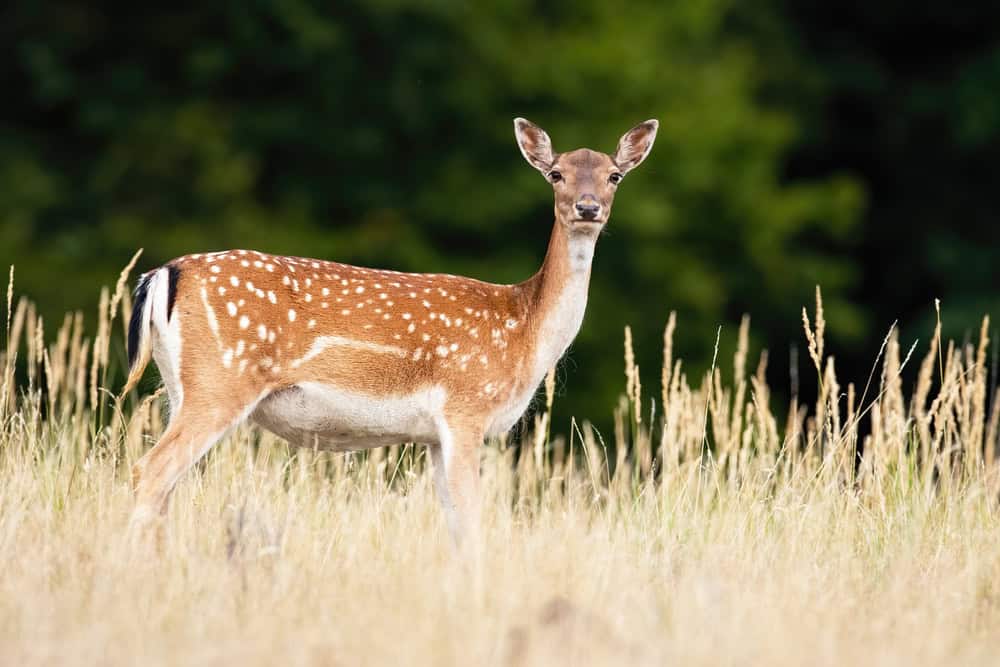
The white-tailed deer is one of Georgia’s most iconic mammals. Known for their distinctive white underside of the tail, which they raise as an alarm signal, these deer are abundant throughout the state. They thrive in Georgia’s varied landscapes, from dense forests to open fields, where they feed on a diet of leaves, twigs, and fruits. The white-tailed deer play a crucial role in the ecosystem, influencing vegetation patterns and serving as prey for predators like the bobcat.
American Alligator

The American alligator is a prominent feature of Georgia’s wetlands and coastal marshes. These massive reptiles can be found basking in the sun near freshwater lakes, rivers, and swamps. Alligators are top predators in their environment, feeding on fish, turtles, and occasionally mammals. While they may appear intimidating, they are typically shy around humans and are a vital part of the wetland ecosystem, contributing to the balance of aquatic habitats.
Eastern Box Turtle
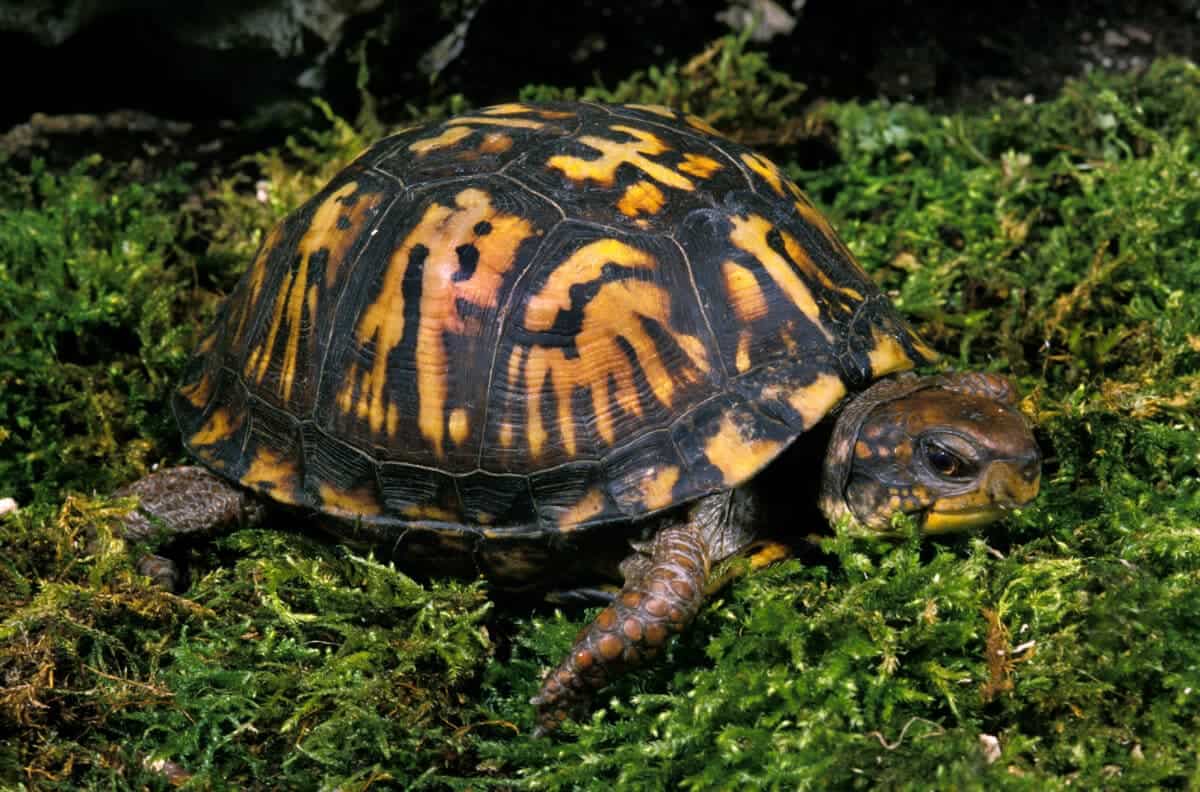
The eastern box turtle is a small but fascinating reptile commonly found in Georgia’s woodlands and fields. Its domed shell and vibrant markings recognize it. These turtles are known for their long lifespans, often exceeding 50 years. Eastern box turtles have omnivorous diets, feeding on insects, fruits, and vegetables. Unfortunately, habitat loss and road mortality threaten their populations, making conservation efforts crucial for their survival.
Red-shouldered Hawk

The red-shouldered hawk is a striking bird of prey often spotted soaring through the skies of Georgia’s forests and swamps. Named for the reddish plumage on their shoulders, these hawks are skilled hunters, preying on small mammals, amphibians, and reptiles. Their sharp, piercing calls are a common sound in their habitats, and they play a vital role in controlling pest populations.
Florida Manatee
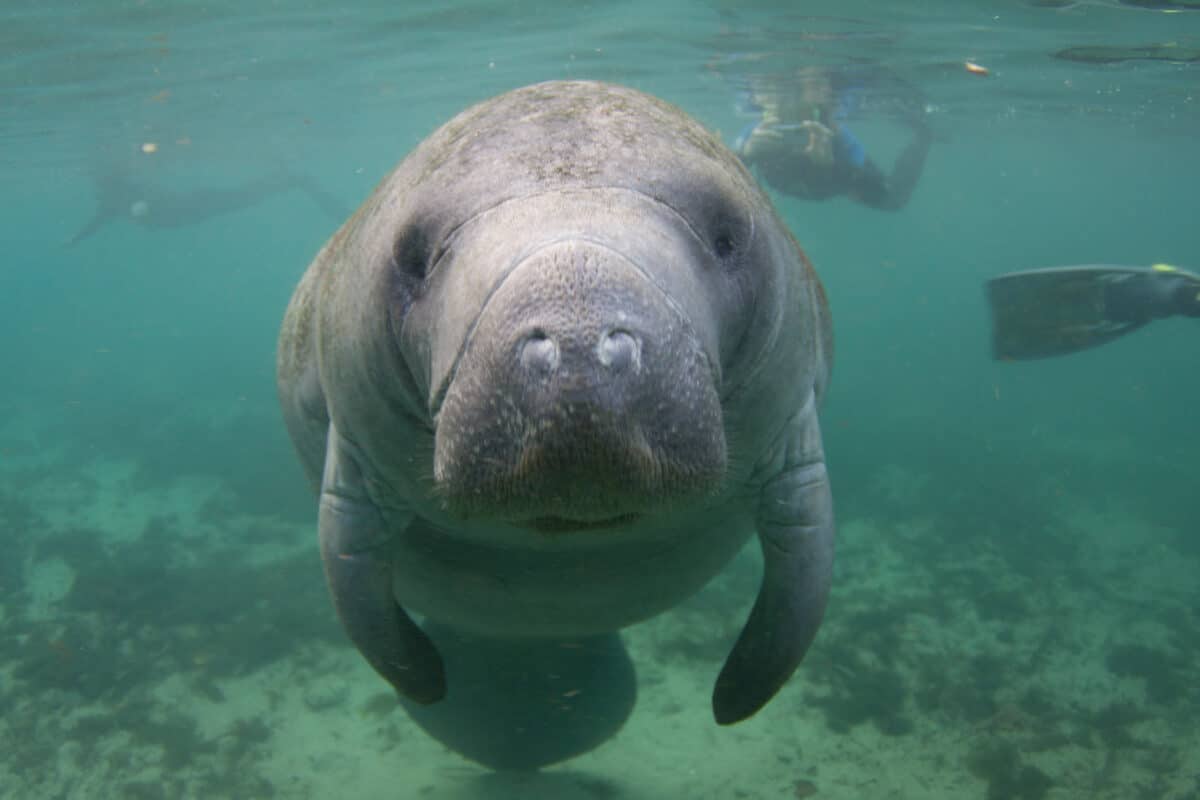
The Florida manatee, also known as the West Indian manatee, is a gentle giant that occasionally visits Georgia’s coastal waters. These aquatic mammals are distinguished by their large, paddle-like tails and slow movement. Manatees graze on seagrasses and other aquatic vegetation, contributing to the health of their marine habitats. While they face threats from boat collisions and habitat loss, conservation initiatives are underway to protect these beloved creatures.
Eastern Indigo Snake

The eastern indigo snake, the longest native snake species in the United States, is a magnificent resident of Georgia’s pine forests and scrublands. This nonvenomous snake is known for its iridescent blue-black coloration and plays a role in controlling pest populations by preying on small mammals, birds, and other reptiles. Habitat destruction has threatened their populations, making them a focus of conservation efforts in the state.
Gopher Tortoise

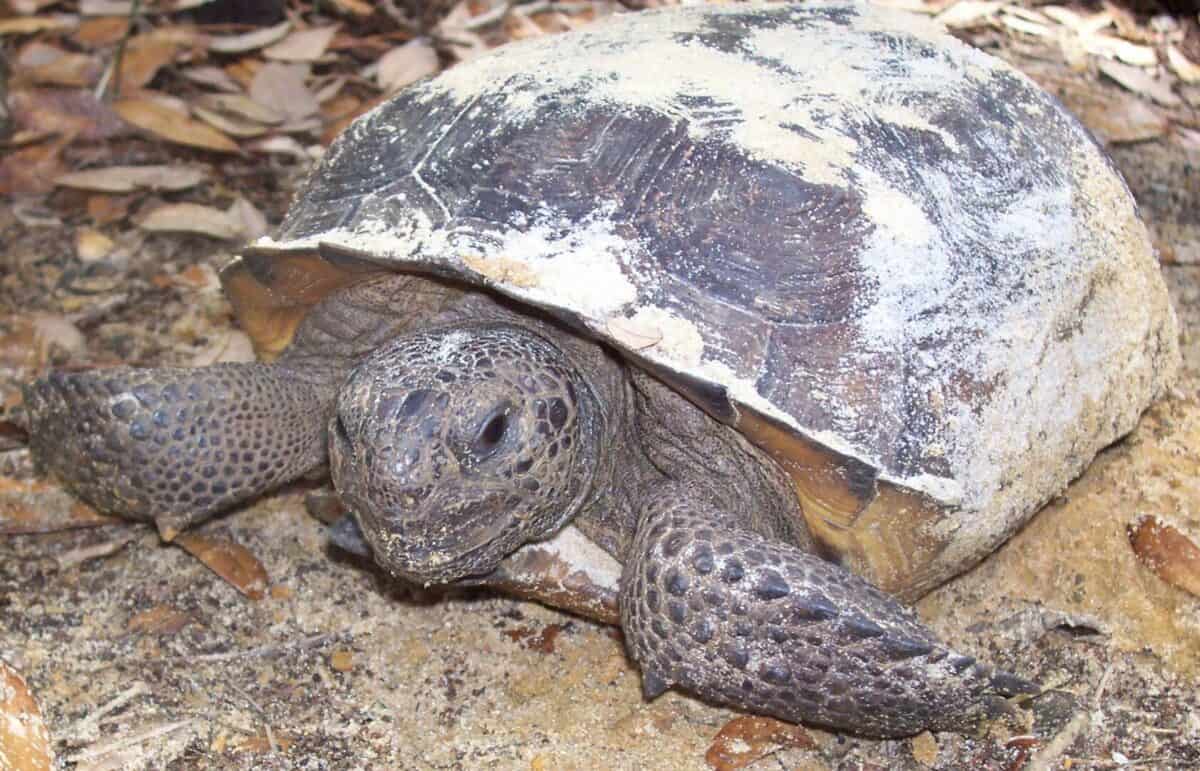
The gopher tortoise is a keystone species found in Georgia’s sandy, dry habitats. Known for their burrowing behavior, these tortoises create extensive underground tunnels that provide shelter for numerous other species. Gopher tortoises are primarily herbivores, feeding on a wide variety of plants. Their conservation is critical, as their populations have been declining due to habitat loss and fragmentation.
Eurasian Collared-Dove

Although not native to Georgia, the Eurasian collared dove is a common sight in urban and rural areas alike. These medium-sized doves are readily identified by the distinctive black “collar” around their necks. They feed on seeds and grains and have adapted well to human-altered landscapes. Their rapid population growth demonstrates the species’ remarkable adaptability.
River Otter

The river otter is a playful and charismatic member of Georgia’s aquatic wildlife. Found near rivers, lakes, and coastal areas, these otters are skilled swimmers and hunters. They feed on fish, crabs, and other small aquatic creatures. Their presence indicates healthy water ecosystems. Conservation efforts focus on maintaining clean waterways, which is essential for the survival of river otter populations.
Cerulean Warbler

The cerulean warbler, a small songbird with striking blue plumage, is a treasured sight for bird enthusiasts visiting Georgia’s forests during migration periods. These birds breed in mature deciduous forests and are known for their melodious songs. Habitat loss both in breeding and wintering grounds has led to declines in cerulean warbler populations, sparking international conservation initiatives to protect these vibrant creatures.
Conclusion
Georgia’s diverse wildlife offers a captivating glimpse into the complexity and beauty of nature. From majestic mammals and prominent reptiles to elegant birds and elusive amphibians, Georgia’s ecosystems provide vital habitats for a wide range of animal species. Conservation efforts continue to play a crucial role in safeguarding these natural treasures, ensuring that future generations can appreciate and learn from Georgia’s rich wildlife heritage.

As a little kid, I fell in love with nature, wildlife, and animals. Living in the USA, South Africa, Italy, China and Germany gave me the opportunity to discover the world's Wildlife. My favorite animals are Mountain Gorillas, Siberian Tigers, and Great White Sharks.
I'm a certified PADI Open Water Diver, went to Everest Base Camp and Trekked Gorillas in Uganda. I hold a Master of Science in Economics and Finance.
Please send any feedback to feedback@animalsaroundtheglobe.com
- 15 Cat Breeds Known for Being Extra Cuddly - July 26, 2026
- 13 Shark Species That Are Far More Dangerous Than You Think - July 26, 2026
- 15 Worst Dog Breeds For Seniors Who Want A Calm Pet Companion - July 26, 2026