
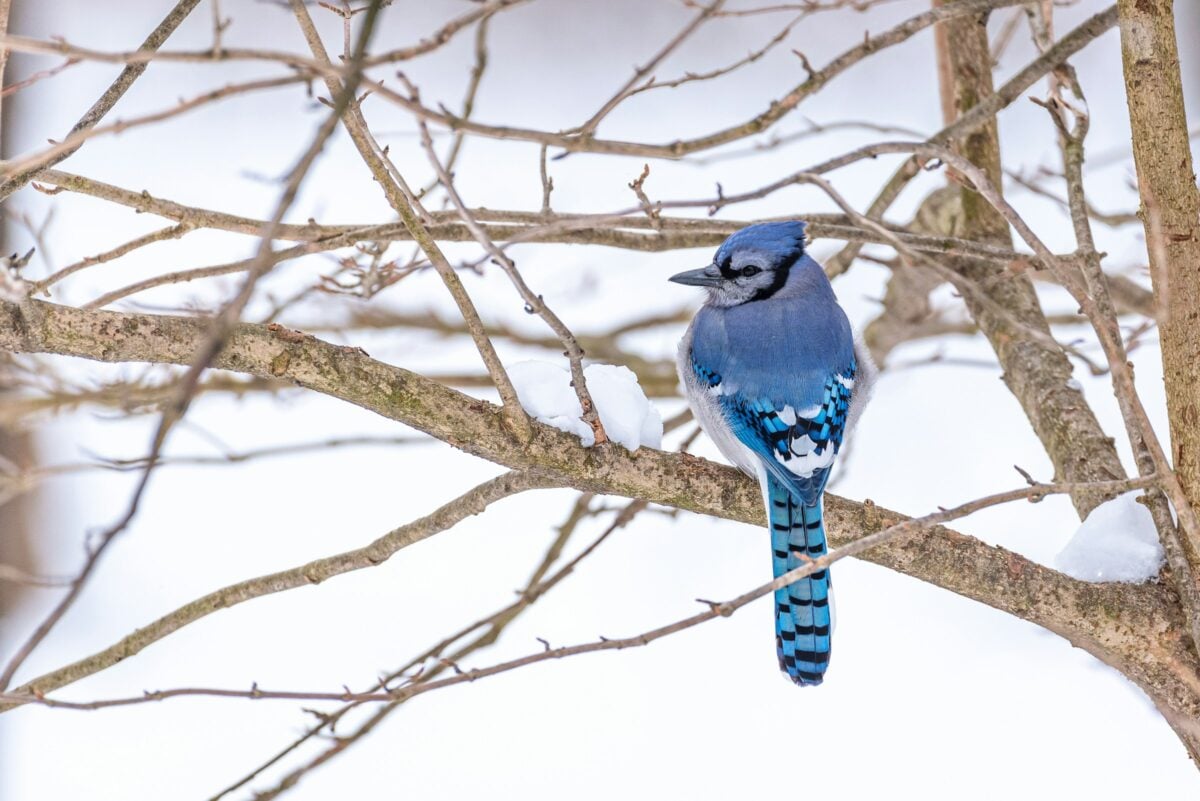
You know that sharp, metallic scream a blue jay makes when a hawk flies over the yard? Turns out, that’s only half the story. Behind the noise and attitude, blue jays are running a kind of neighborhood watch system in the trees, quietly tipping off other birds about which predators are around and how worried they should be.
Once you start paying attention, you realize their calls are not just random chatter. They shift tone, rhythm, and volume depending on whether they’ve spotted a cat sneaking under the feeder, a hawk cruising above the treetops, or a harmless crow just passing through. And other birds are listening closely. Let’s pull apart what animal science has uncovered about these noisy, brilliant, and surprisingly considerate birds.
The Blue Jay’s Reputation: Loud Bully Or Smart Lookout?
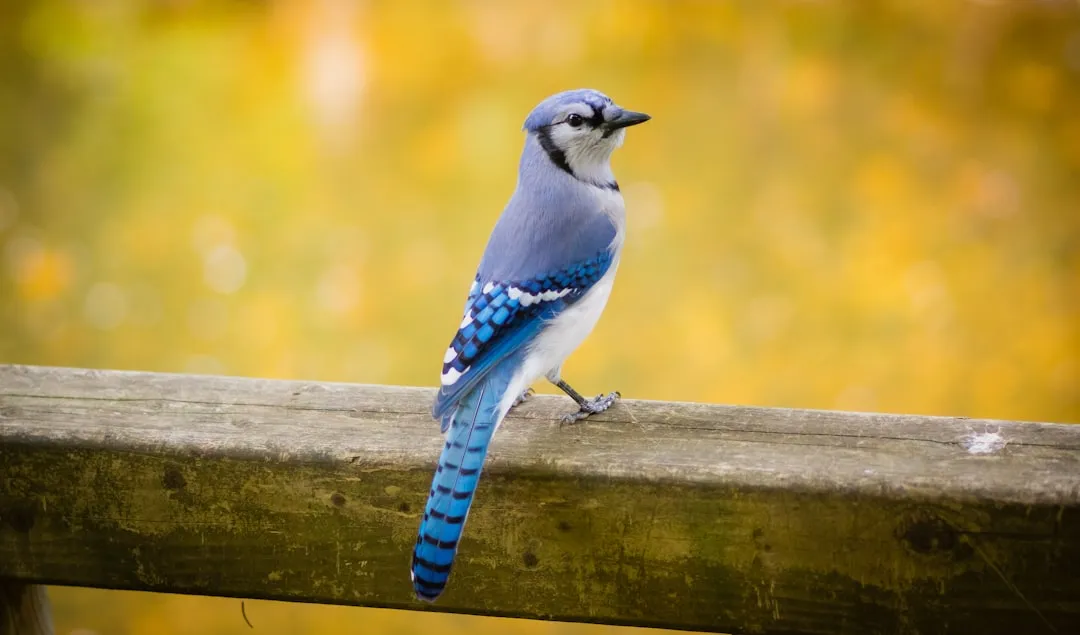
Ask most people about blue jays and you’ll hear the same thing: they’re loud, bossy, and kind of jerks. They chase smaller birds, steal food, and seem to scream for no reason at all. On the surface, it looks like chaos and aggression, the avian version of that one neighbor who yells at everyone from the porch.
But research into bird communication and behavior has been shifting that story. When scientists actually record, map, and analyze blue jay calls, a different picture shows up: they’re observant, socially savvy, and often acting as first responders when danger appears. What sounds like obnoxious shouting is, in many cases, a warning system that benefits a lot more than just the jay making the noise.
Alarm Calls: Subtle Codes Hidden In The Noise
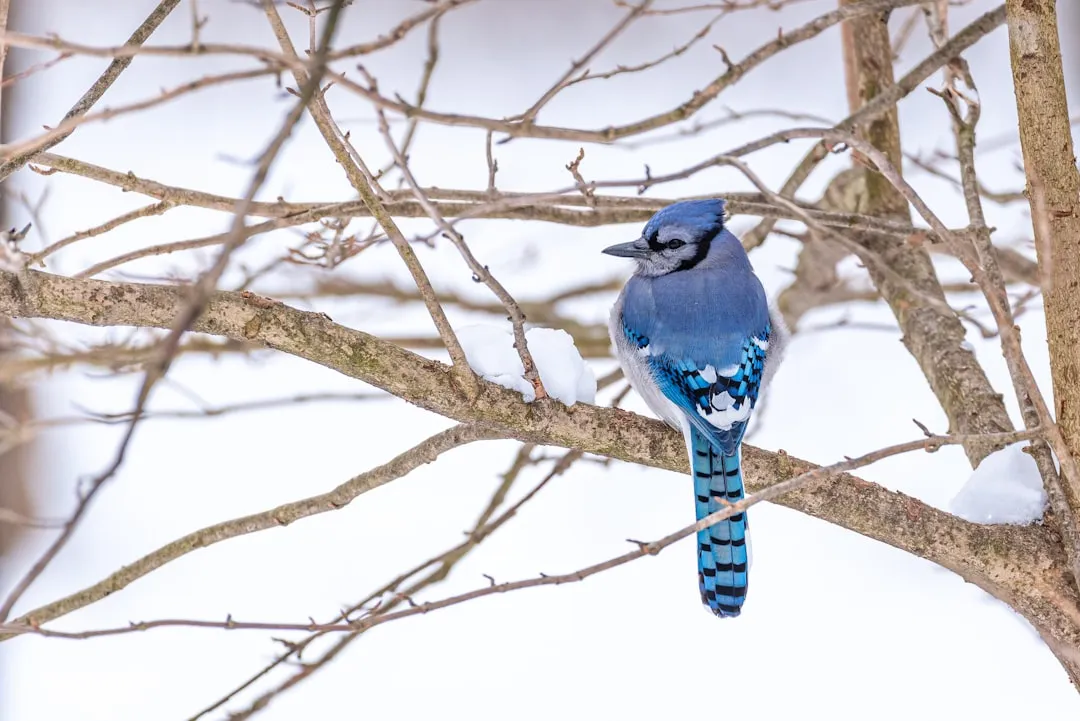
Here’s the surprising part: not all blue jay calls are those obvious screams we notice. They also make softer, more subtle sounds when a threat is present but not immediately attacking. Think of it like the difference between someone calmly saying there’s a suspicious car on the street versus someone yelling that the house is on fire. Both are warnings, just with different urgency.
Researchers who study alarm calls have found that birds often use different patterns for different types of danger – flying predator versus perch predator, fast threat versus distant one. Blue jays fit right into this broader pattern. Their calls can shift in pitch, speed, and intensity depending on whether the neighborhood hawk is far off, actively hunting, or sitting in a tree watching. Other birds learn that code and react accordingly, even if they don’t “speak” jay themselves.
How Other Birds Eavesdrop On Blue Jays
One of the wildest things in animal communication is how much eavesdropping goes on. Many species pay close attention to the alarm calls of completely different birds and then use that information as if it came from their own kind. A chickadee, for example, doesn’t need to speak “blue jay” fluently to understand that a sudden spike in loud, harsh jay calls means danger is near.
This cross-species listening is called “information sharing” or “public information use,” and blue jays are a big part of that soundscape in North American forests and suburbs. When they start up warning calls, you’ll often see a chain reaction: sparrows dive into bushes, woodpeckers freeze on tree trunks, squirrels scamper higher, and the whole yard falls silent. The jay becomes a kind of living siren, and everyone else adjusts their behavior based on what it just announced.
Recognizing Specific Predators: Not All Danger Is Equal
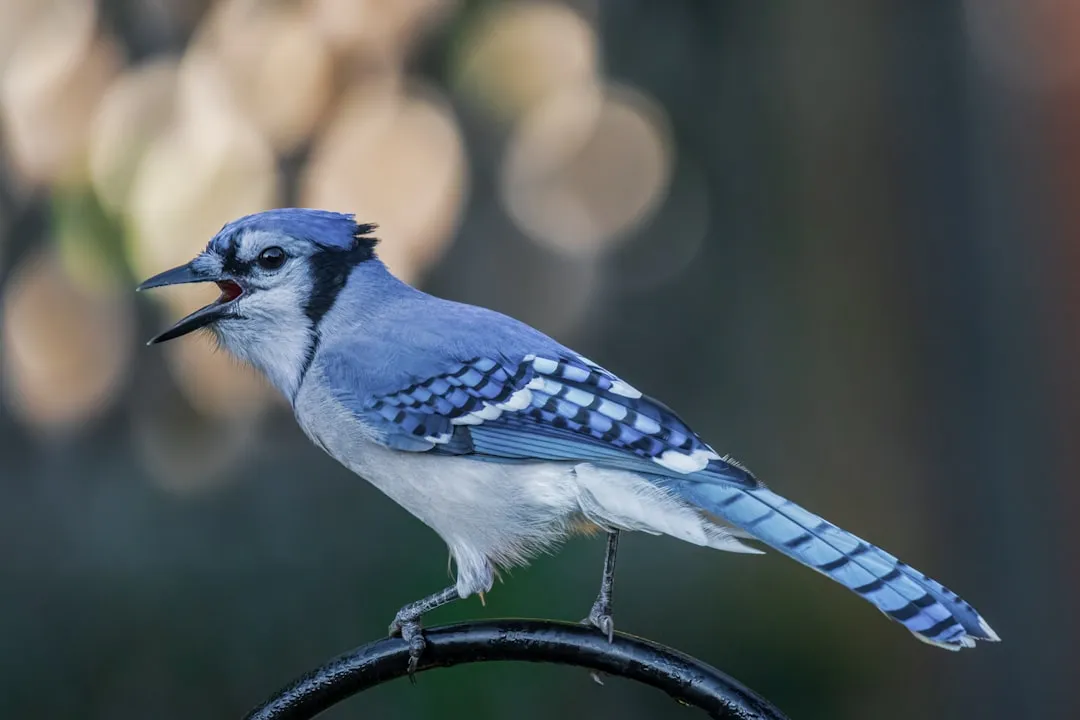
What makes this even more impressive is that blue jays don’t just call for “generic danger.” They can distinguish different threats and respond differently to each, and other birds seem to pick up on that nuance. A stealthy cat on the ground is a very different risk than a fast, agile hawk cutting across the sky, and the jay’s reaction reflects that difference.
Studies of alarm calls in related species show that birds often dial up or down their alarm intensity based on how serious and immediate the threat is. Blue jays, with their complex repertoire, appear to do something similar. A relaxed, scolding call might mean a predator is nearby but not actively attacking, while a sudden, piercing scream can signal a high-speed chase or a swooping raptor. Over time, the whole backyard community learns which calls mean “keep an eye out” and which ones mean “drop everything and hide.”
Deception, Mimicry, And The Fine Line Between Warning And Trickery
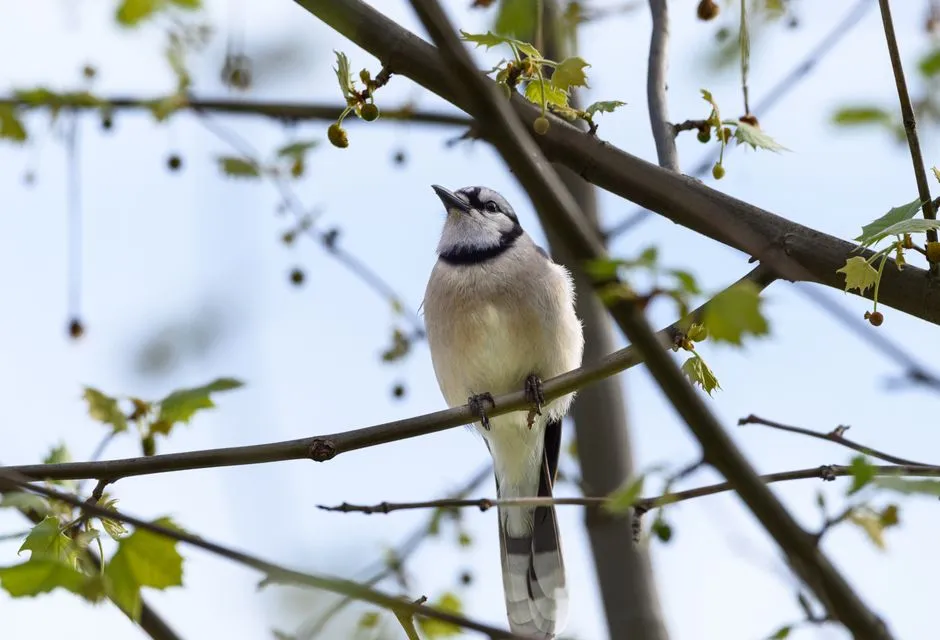
Blue jays are famous for copying the calls of hawks, especially species like red-shouldered or red-tailed hawks. At first glance, that sounds like a prank: a jay pretending to be a hawk to clear a feeder or scare competitors off food. And yes, sometimes that kind of deception likely happens. Animals are not above gaming the system when it helps them get a meal or avoid a fight.
But mimicry can also play a legitimate role in warning others. I remember standing in my backyard one fall, hearing what I was sure was a hawk, only to see a blue jay perched high in a maple, sounding the alarm. Even if some calls blur the line between honest warning and strategic bluffing, the end result is that other birds often respond as if a predator is present. In a world where being wrong can mean becoming lunch, it makes sense to take those warnings seriously, even if the messenger is occasionally dramatic.
Why It Pays For Blue Jays To Help Other Birds
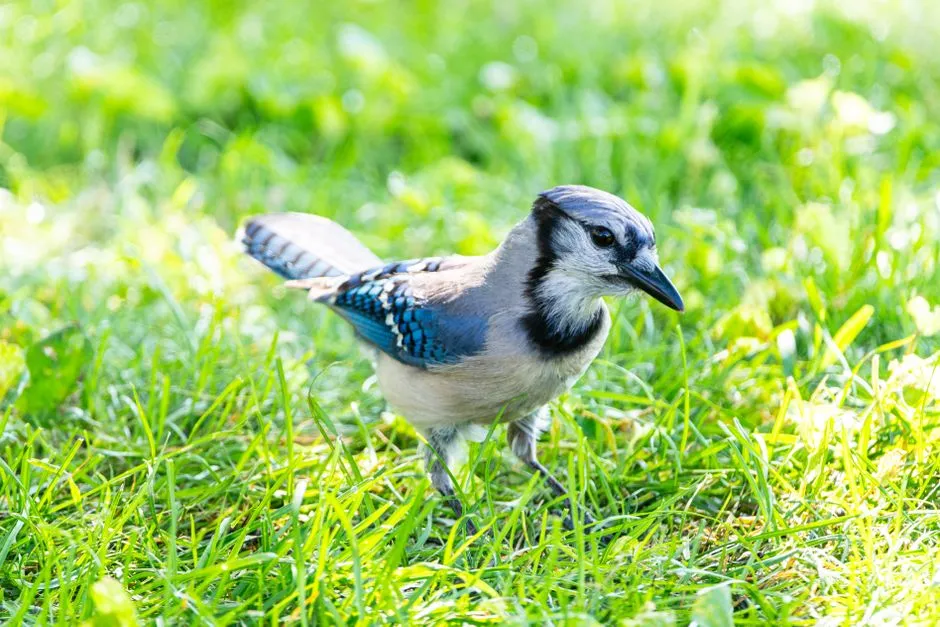
You might wonder why a blue jay would bother warning other species at all. Why share the advantage? The answer lies in how predator detection really works. The more eyes, ears, and alarm systems you have in a habitat, the safer it is for everybody, including the jay. When other birds also spot danger and react, predators lose their element of surprise, and hunting gets harder.
This creates what scientists sometimes call a “collective defense” or “information network.” Blue jays benefit when titmice, chickadees, crows, and even tiny sparrows also sound off, mob predators, or suddenly vanish into cover. Helping to keep the neighborhood informed is not just kindness; it is self-interest dressed up as community spirit. In a forest full of mouths to feed and claws to avoid, your survival odds go up when others stay alive and alert too.
How You Can Actually See This Science In Your Own Backyard
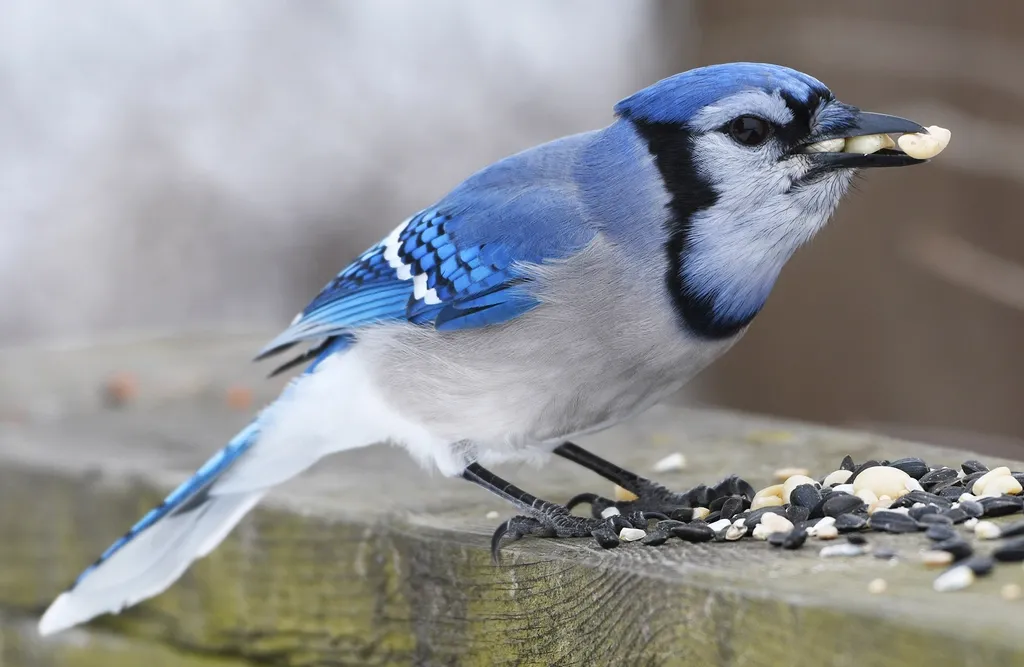
One of the coolest things about blue jays is that you do not need a research permit or fancy equipment to watch this behavior. If you have a yard, a park, or even a single big tree nearby, you can start paying attention to their calls and what follows. Notice what happens when a jay suddenly starts screaming from the top of a pine or oak. Do the smaller birds vanish from the feeder? Do squirrels freeze or run? Does the whole soundscape go oddly quiet?
Over time, you will start to recognize patterns: the relaxed contact calls when everything is calm, the raspy scolds when something suspicious appears, the explosive alarms when a predator is actively hunting. Once you see it, you cannot unsee it. The neighborhood turns into a living, shifting information web, and blue jays sit right at the center of it, like feathered radio towers broadcasting live danger updates every day.
Conclusion: The Bird We Love To Blame Is Secretly The Neighborhood Guardian
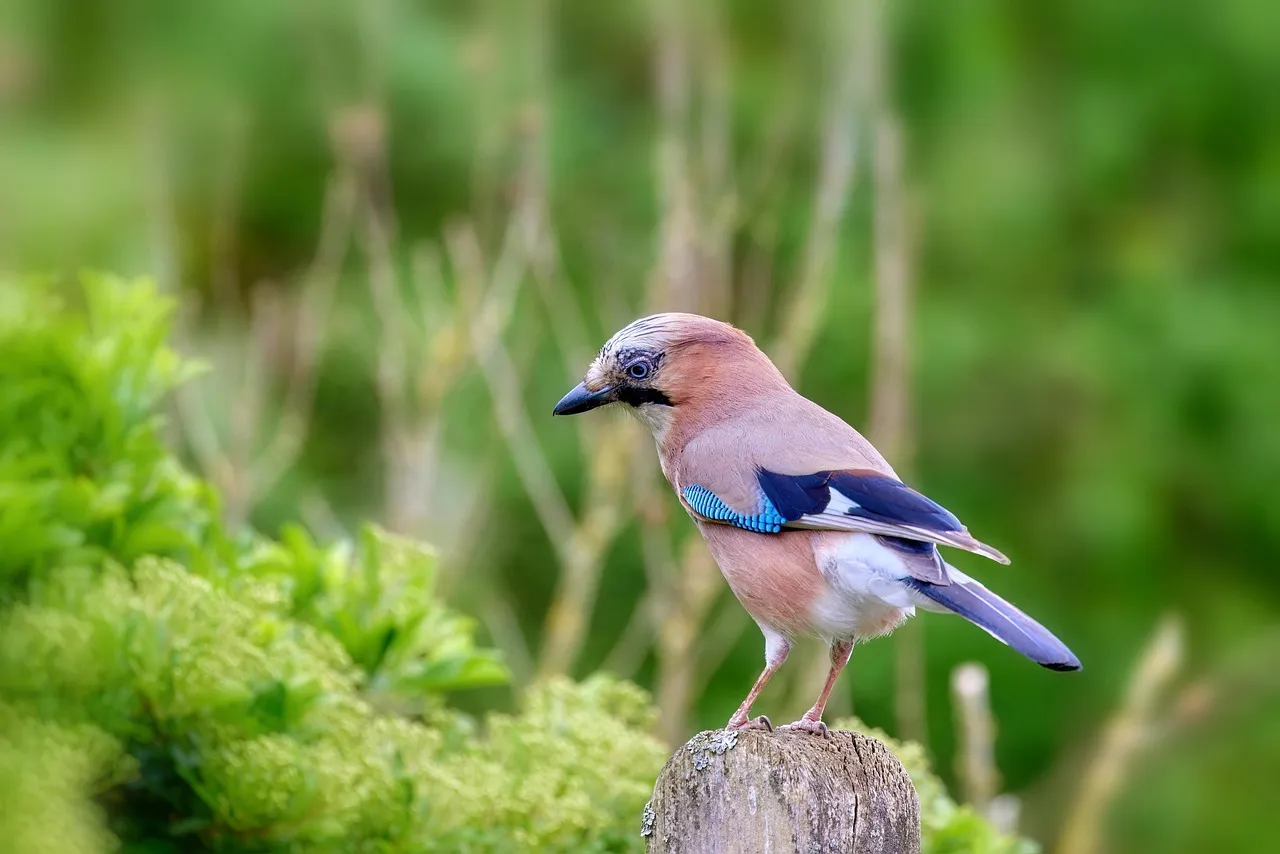
I think blue jays get a wildly unfair reputation. We focus on the flash, the noise, the food-stealing, and we miss the quieter truth: they are running a free early-warning service that keeps countless other animals, and frankly our feeders, a lot safer. The science around bird alarm calls and cross-species communication is still growing, but what we know already makes it hard to see jays as simple bullies once you look closely.
To me, they feel more like that blunt, loud neighbor who always knows what is going on and is first to shout when something’s wrong. You might roll your eyes at the noise, but you are secretly glad they are there when it really counts. Next time a blue jay screams from the treetops, maybe do what the other birds do: take it seriously, look around, and appreciate that someone is watching the skies for you. Did you expect the so-called backyard troublemaker to be the quiet guardian all along?
