
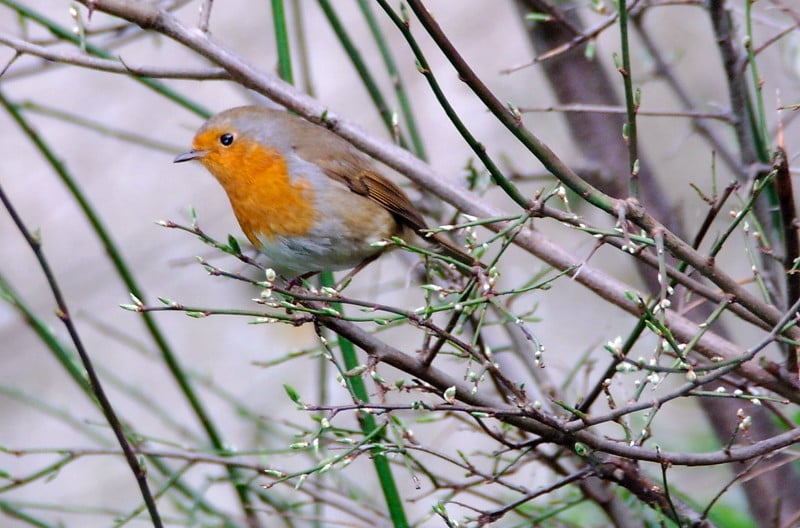
If it feels like the same robin shows up on your lawn every spring, staring you down while yanking worms from the soil, you’re probably not imagining it. Robins are creatures of habit, and once they decide your yard is “good territory,” it can become part of their annual routine for years. There’s something strangely comforting about that flash of rusty-red chest reappearing with the first warm days, like nature’s way of saying, “We’re back. You survived winter.”
I remember one spring when I was convinced a particular robin was “mine” because it always perched on the exact same corner of the fence at sunrise. Was it the same bird? Maybe, maybe not – but the behavior was real: robins return to spots that work. Let’s dive into why your lawn keeps making the cut on their spring migration map, and what that really says about your backyard ecosystem.
Reason 1: Your Lawn Is a Reliable All‑You‑Can‑Eat Buffet
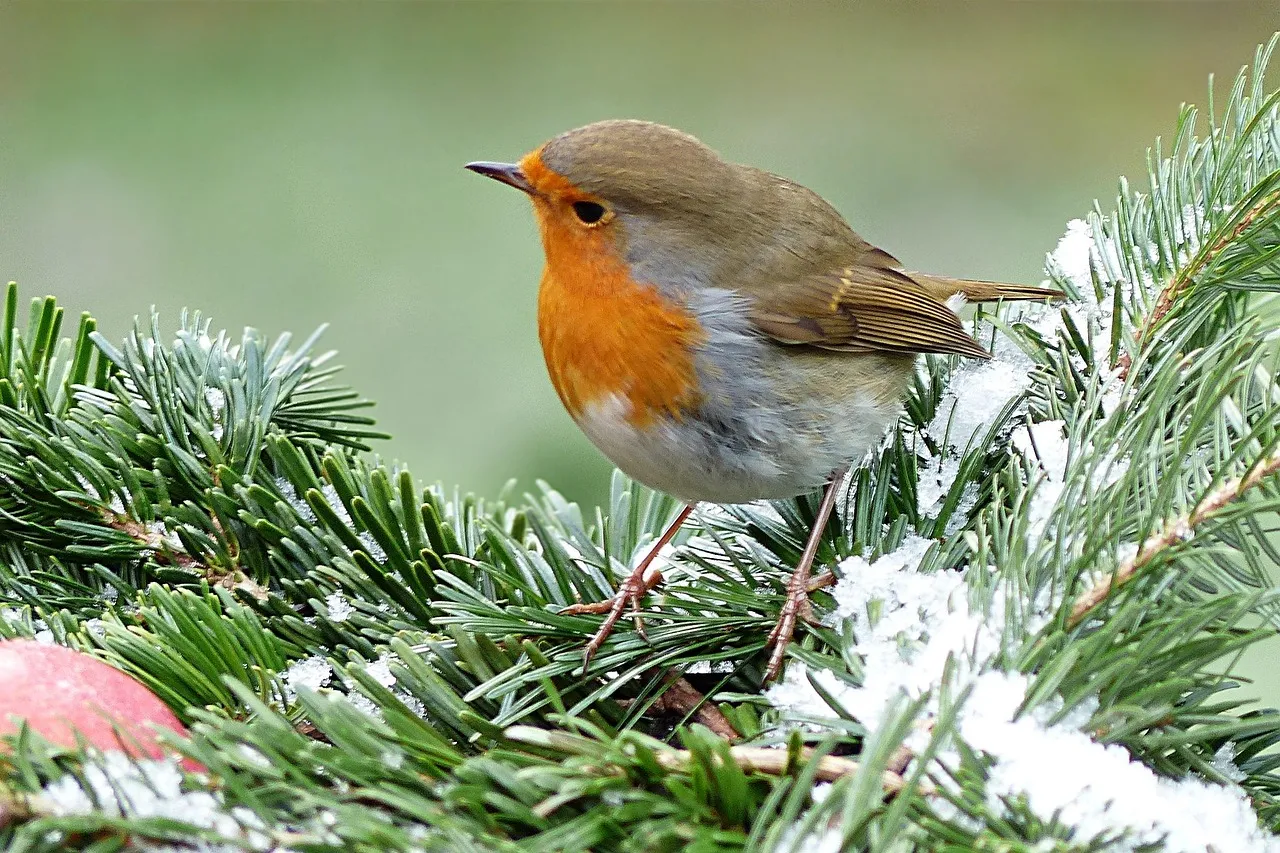
The simplest, most powerful reason robins keep coming back: your lawn feeds them well. Robins are obsessed with invertebrates, especially earthworms, beetles, and soft-bodied insects that live just under the surface of the soil. If your grass is moist, healthy, and not drenched in insecticides, it likely supports a thriving underground snack bar that robins learn to trust year after year.
Robins are surprisingly skilled hunters; they’re not just randomly pecking at the ground. They use both sight and hearing to detect movement beneath the soil, tilting their heads like tiny detectives. Once they’ve tested your yard and confirmed that a few minutes of foraging equals plenty of calories, they mark that mental note and are very likely to return every spring when they need energy the most.
Reason 2: They Remember Good Territories and Show Strong Site Fidelity

Robins do not wander at random each spring; they show what scientists call site fidelity, which basically means they’re likely to return to areas that worked well in previous seasons. It’s like choosing the same favorite coffee shop over and over, not because there are no other options, but because you already know this one delivers. For a bird that burns through energy and risks predators daily, predictability is a survival strategy.
Once a robin has nested or successfully raised young in a particular neighborhood, that area gets mentally bookmarked as “safe and productive.” This isn’t sentimental – it’s practical. Returning to a familiar lawn means the bird already knows where the best food patches are, which trees offer fast cover, and where potential hazards lurk. Every spring, that knowledge saves time and energy when it matters most.
Reason 3: Your Trees, Bushes, and Structures Offer Perfect Nesting Spots
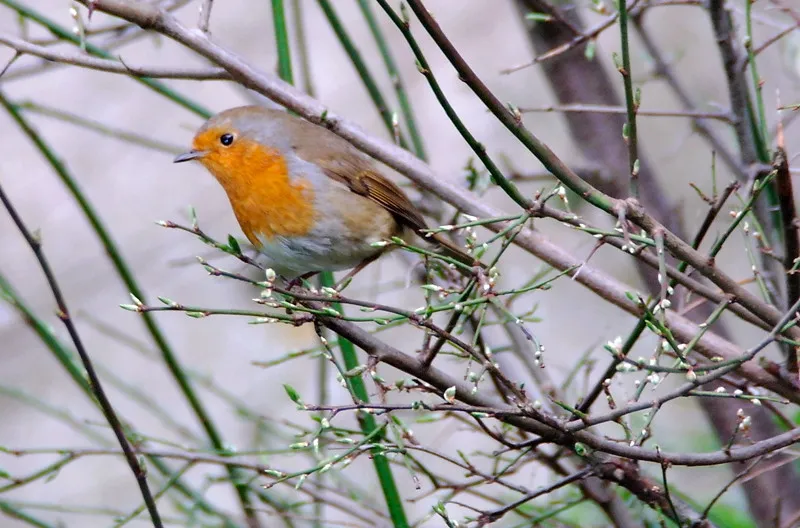
If you see robins every spring, look up, not just down: your yard might be prime real estate for nests. Robins like to build their nests on sturdy horizontal branches, in dense shrubs, or on sheltered ledges such as porch lights, eaves, or trellises. They want a spot that’s stable, hidden from obvious predators, and reasonably close to food and water. A yard with a mix of trees, hedges, and quiet corners becomes a robin magnet.
Once a female robin finds a nesting site that works, she may come back to the same general area in later years, even if the exact nest changes. That mix of good support branches, moderate human disturbance, and nearby open lawn is almost like the bird version of a suburban dream home: safe neighborhood, short commute, good schools – for hatchlings, of course.
Reason 4: Your Lawn’s Microclimate Makes Spring Life Easier
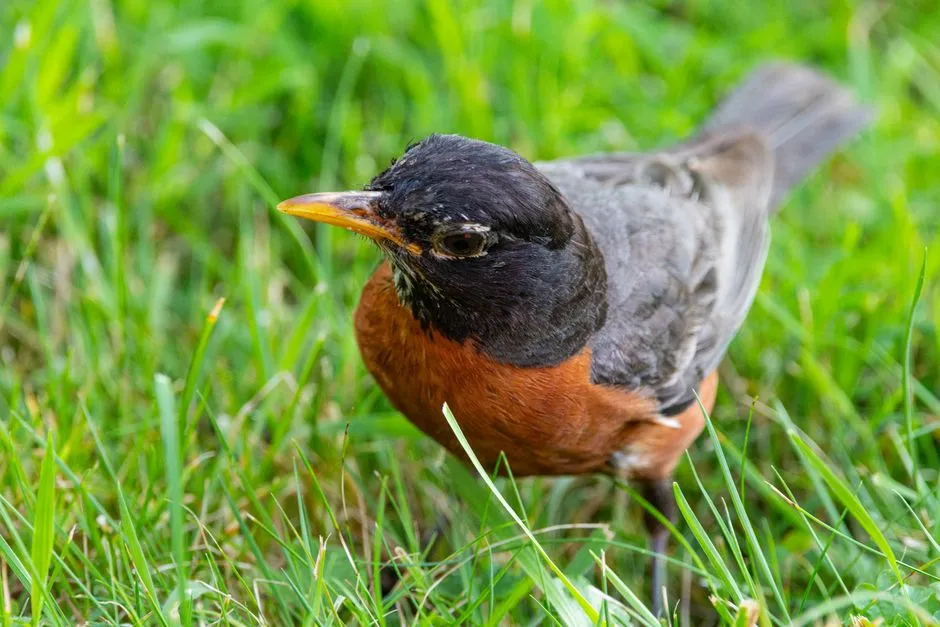
Not all lawns feel the same to a bird. Some warm up faster, dry out more slowly, or offer better shelter from cold winds, and robins notice these differences. A south-facing backyard, for instance, can thaw earlier in the season, unlocking worms and insects sooner than shaded or exposed areas. To a returning robin that just finished migrating, that early food availability is a huge advantage.
Landscape features like fences, hedges, and even your house itself can create subtle windbreaks and warmer pockets of air. These microclimates can mean less energy spent staying warm and more energy available for nesting and feeding. If your lawn consistently feels like a comfortable early-spring “bubble,” it becomes an obvious place to revisit every year.
Reason 5: You (Probably) Don’t Use Many Harsh Chemicals
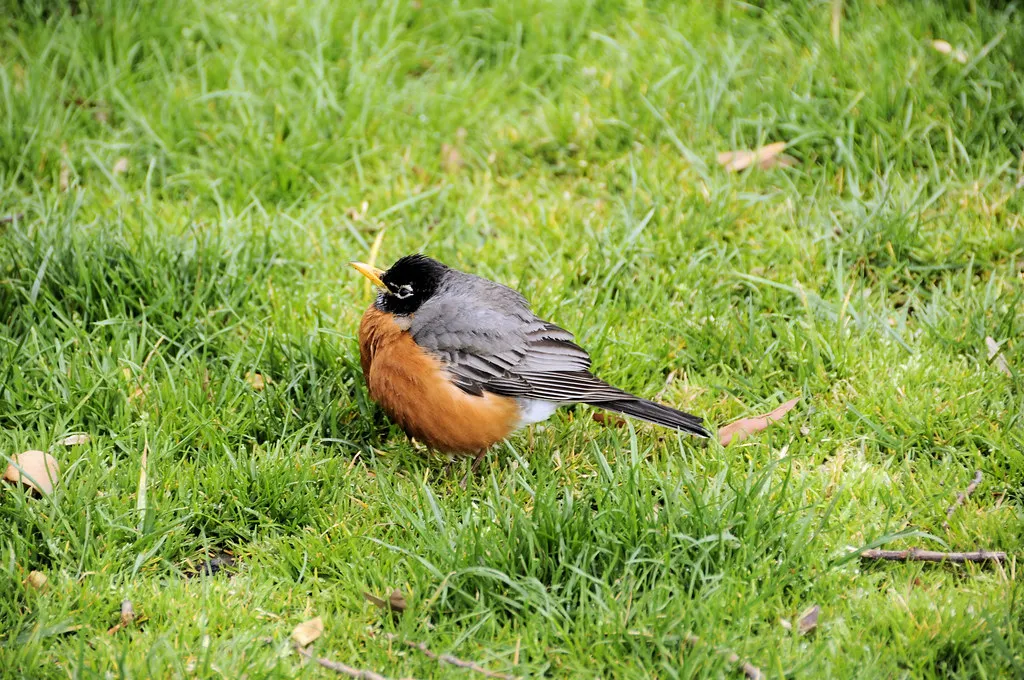
Robins are insect-eaters and ground-foragers, so they are especially exposed to whatever you put on your lawn. Lawns treated heavily with broad-spectrum insecticides or certain weed-and-feed products can reduce insect life or even create toxic conditions. Yards that are more pesticide-light, or that use targeted or organic methods, tend to support richer insect communities – which robins quickly recognize as safer and more rewarding foraging grounds.
If a robin forages in your yard and consistently finds food without feeling sick or stressed, your lawn gets mentally tagged as a “low-risk, high-reward” zone. Over seasons, these subtle experiences shape where birds choose to return. In a way, every time you skip a harsh treatment and tolerate a few dandelions, you’re quietly casting a vote in favor of more robins and a healthier backyard food web.
Reason 6: Your Neighborhood Feels Safe Enough From Predators
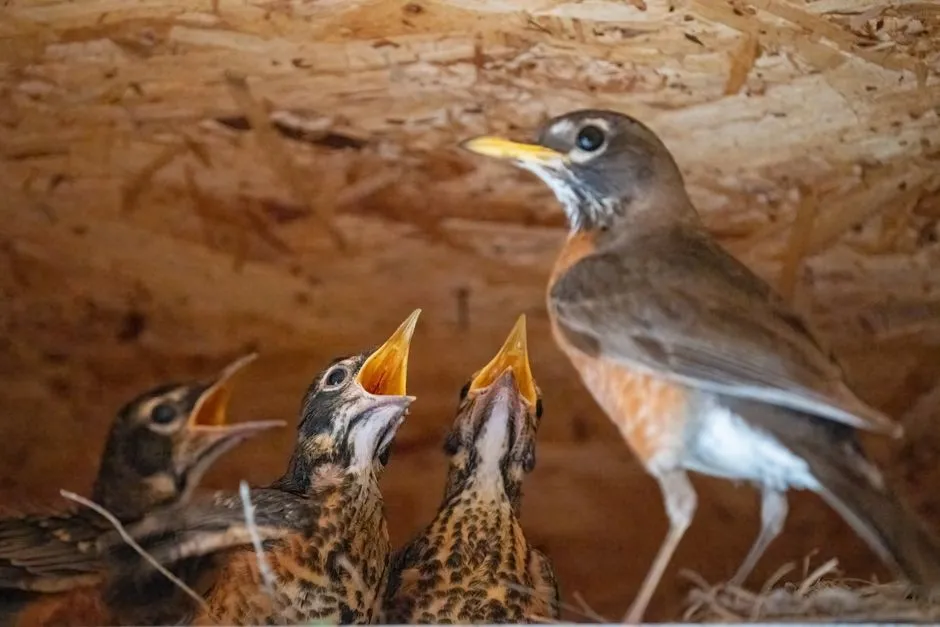
Robins are constantly doing a mental balancing act between getting enough food and not becoming food. If your area has some predators – think cats, hawks, or corvids – but not an overwhelming number, robins can learn to navigate that risk. They remember where they’ve successfully escaped danger, raised chicks, or foraged without constant harassment, and those “good enough” territories go on their internal map for future years.
They also pay attention to cover. If your yard offers quick escape routes – trees, thick shrubs, fences, or even outdoor furniture they can dive behind – that helps robins feel more secure while feeding on the exposed lawn. Over time, a place where they’ve survived multiple seasons becomes familiar ground. From a bird’s perspective, that familiarity can be safer than a completely unknown, possibly riskier new territory.
Reason 7: Your Lawn Sits in a Convenient Spot Along Their Seasonal Route
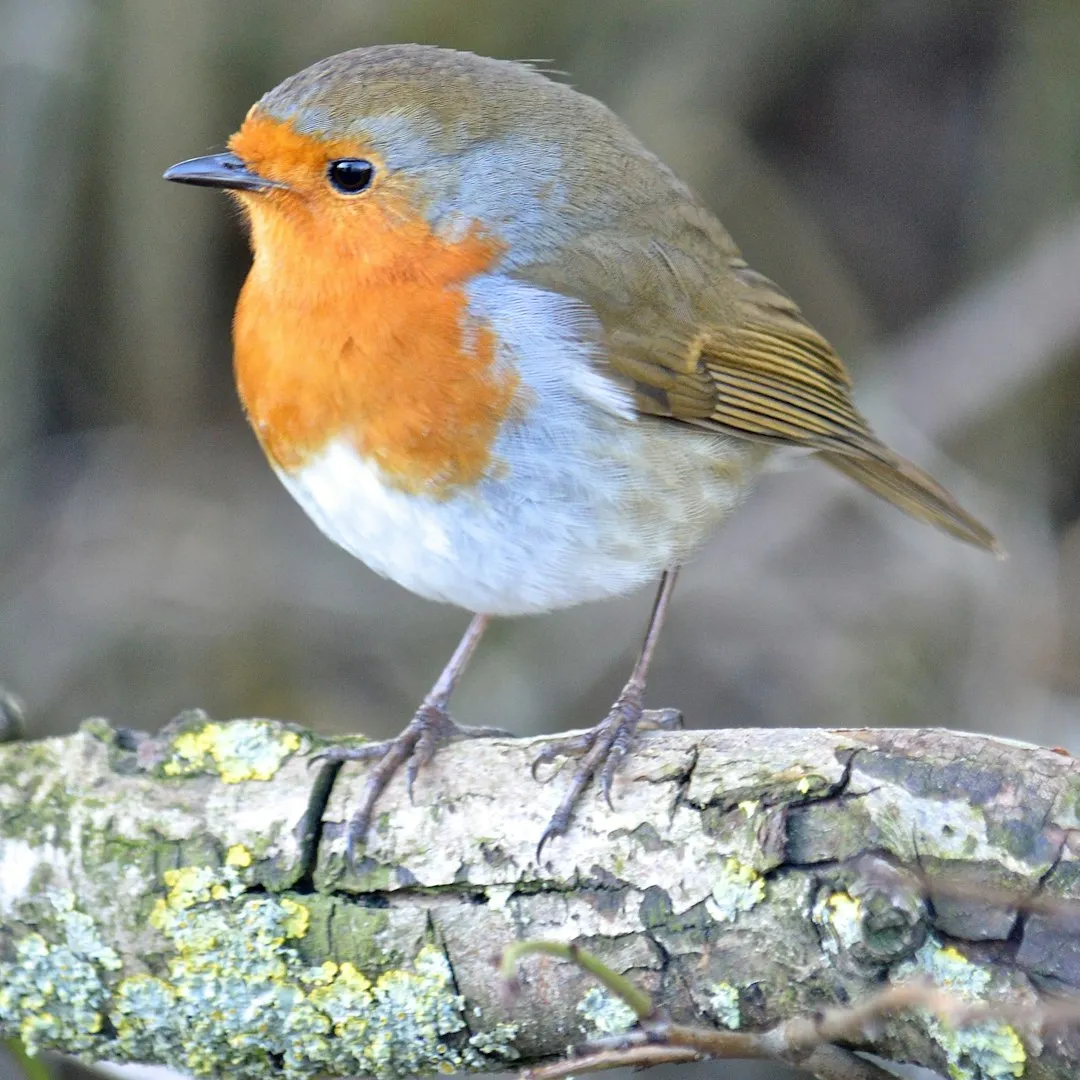
Robins are partially migratory, and many individuals move along the same flyways and regional paths every year. If your lawn happens to sit in a corridor that offers food, rest, and nesting opportunities all in one place, it becomes a natural recurring stop. It may look like one ordinary yard to you, but to a robin, it is a perfectly placed pit stop on a long and demanding journey.
In many towns and suburbs, certain streets or blocks essentially function as tiny bird highways – lined with trees, connected green spaces, and yards that are not totally sterile. If your property falls along that line, robins will keep using it because it fits into a wider pattern that works for them. Returning every spring is less about personal loyalty to your house and more about your yard being a consistently useful puzzle piece in their yearly cycle.
Conclusion: Your “Ordinary” Lawn Is More Important Than It Looks
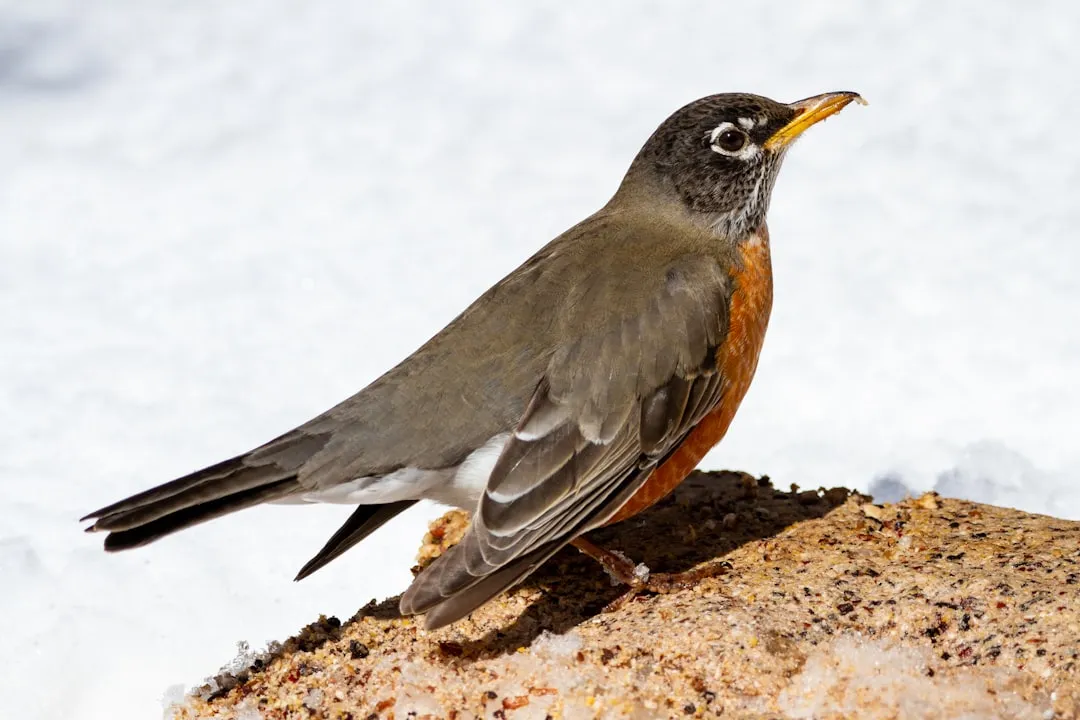
The truth is, robins are not returning to your lawn every spring because they are romantically attached to your mailbox; they are coming back because your little patch of Earth works. It feeds them, shelters them, keeps them mostly safe, and fits into the rhythm of their migration and breeding cycle. To them, your yard is not just decoration – it is infrastructure, as real and necessary as a grocery store or a safe neighborhood is to us.
In my view, that puts a quiet responsibility on all of us with grass, trees, and fences. You do not need to turn your property into a full-blown wildlife sanctuary, but small choices – fewer chemicals, more shrubs, a tolerance for messy corners – can make sure those robins keep choosing your lawn year after year. Next spring, when you see that familiar red breast hopping confidently across your grass, will you see just another bird, or a tiny neighbor casting a vote of trust in your backyard?
