


The giant panda (Ailuropoda melanoleuca) has long fascinated both scientists and the general public, not just because of its distinct black-and-white coloring and endearing appearance, but also due to its notoriously low birth rates. Despite being a globally recognized symbol of wildlife conservation, giant pandas have perplexed researchers and conservationists with their persistent reluctance to breed. Several biological and environmental factors contribute to this issue, which has significant implications for their survival both in the wild and in captivity.
Biological Factors Affecting Panda Reproduction
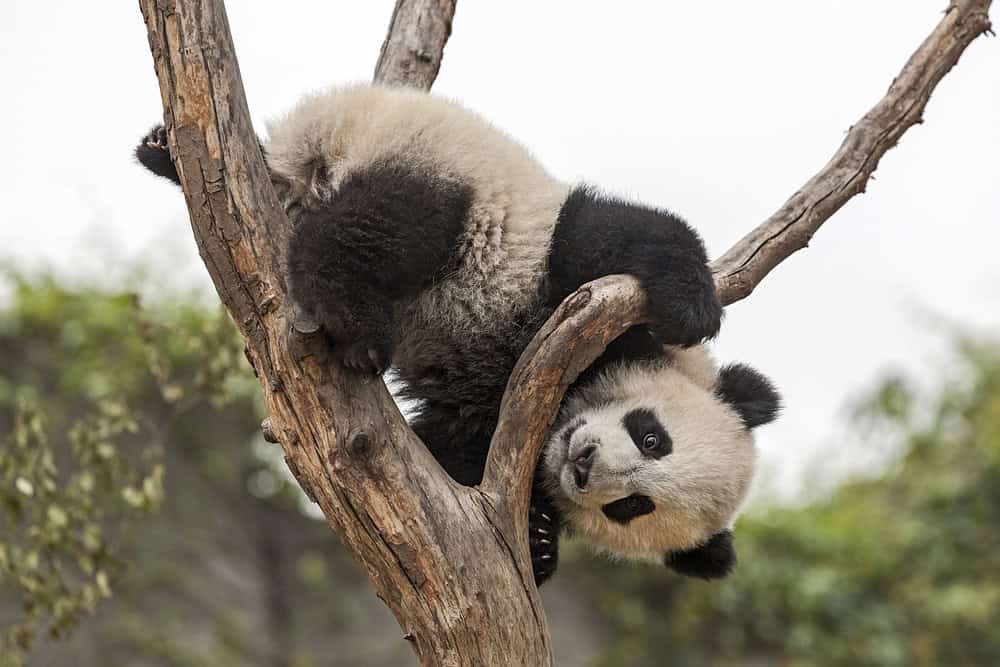
From a biological perspective, giant pandas face several inherent reproductive challenges. First and foremost is the female panda’s extremely brief estrus period, which occurs only once a year and lasts for just 24 to 72 hours. This narrow window of fertility poses a significant challenge for successful mating. Additionally, pandas are solitary animals, which means males and females interact infrequently. This solitary nature results in a lack of experience and, consequently, a lack of confidence in mating behaviors.
Furthermore, male pandas often suffer from a low libido, which complicates matters even more during the already limited mating period. The anatomy of male pandas can also present challenges; their retractable penises make natural copulation difficult, especially since males may not have the chance to practice mating behaviors frequently.
Environmental Influences on Panda Breeding

In addition to biological impediments, the environment plays a crucial role in panda reproduction. In the wild, giant pandas are heavily dependent on specific habitats that must provide the right conditions for mating, birthing, and rearing cubs. Habitat fragmentation due to human activities such as deforestation and construction can lead to isolated panda populations. This isolation reduces the likelihood of pandas encountering potential mates, which is critical given their solitary nature.
Even in captivity, environmental factors can be a barrier. Enclosures that do not accurately mimic the pandas’ natural habitat might contribute to stress or discomfort, further reducing the likelihood of mating. Additionally, changes in diet or disruptions to their daily routine can also negatively impact reproductive success.
Panda Reproduction in Captivity: Innovations and Successes
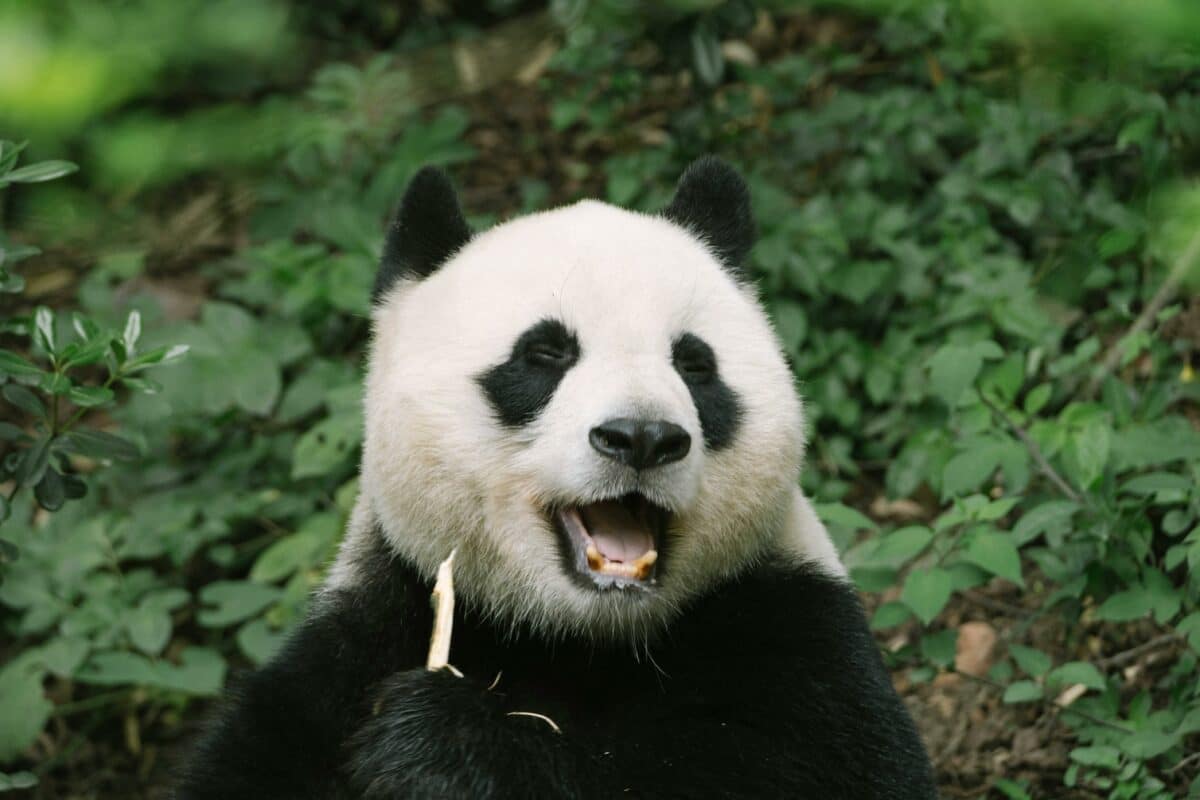
To counter these challenges, researchers and conservationists have implemented various captive breeding programs that employ innovative techniques to encourage panda reproduction. Artificial insemination has become one of the most successful methods for overcoming the species’ reproductive hurdles. By collecting and preserving sperm, scientists can ensure that females are inseminated at the optimal time during their brief estrus period.
Moreover, zoos and breeding centers have developed hormone monitoring techniques to predict the fertile window of female pandas more accurately. These methods allow for better-timed introductions between males and females. Some facilities have even attempted to stimulate natural mating behavior by exposing pandas to “panda porn” videos that encourage mating instincts.
Behavior enrichment is another pivotal component of captive breeding programs. By creating environments that closely mimic their natural habitat, including features like climbing structures and varying foliage, pandas can engage in natural behaviors that increase their comfort and readiness to breed.
The Future of Giant Panda Conservation
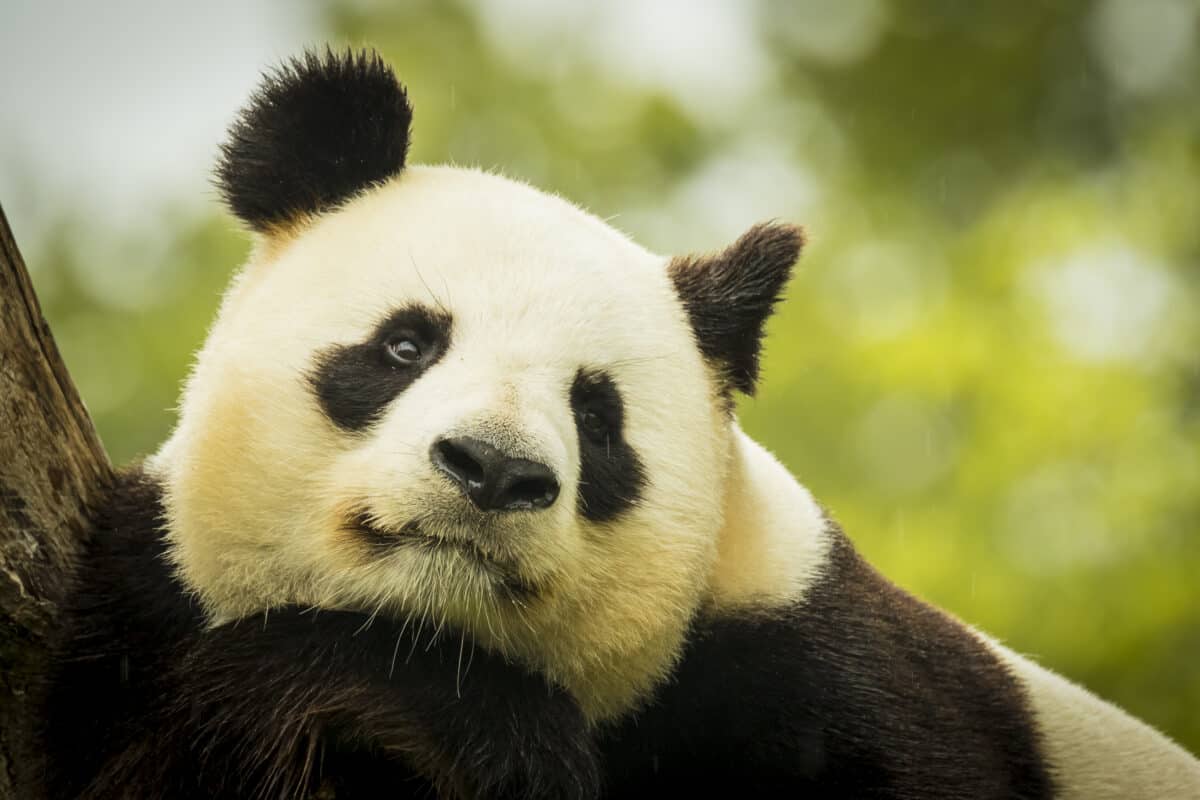
Despite the many challenges, there have been notable successes in panda breeding programs worldwide. These successes offer hope for the future of giant panda conservation. Continued research and investment in sophisticated breeding techniques remain critical to ensuring the long-term survival of this iconic species.
Ultimately, the story of the giant panda’s reproductive challenges and the efforts to overcome them illustrate the complex interplay of biology, environment, and human intervention. As we learn more about these remarkable creatures, we continue to refine and innovate solutions that not only help save the giant panda but also provide valuable insights into the protection of other endangered species.

From exploring the marine wonders in the Azores and witnessing the vast savannas of Kenya, to delving deep into the rich biodiversity of South Africa and traversing iconic landscapes in Australia and the US like Yellowstone, Chris's experiences are vast.
With a penchant for diving alongside sharks, the ocean holds a special place in his heart.
Through his academic insights, he champions wildlife conservation, striving with 'Animals Around The Globe' to cultivate a profound connection between humans and animals, enhancing our mutual appreciation.
Connect with him at Feedback@animalsaroundtheglobe.com.
- The Role of Giant Pandas in U.S. (China Diplomacy) - July 15, 2026
- These Psychedelic Sea Slugs Steal Venom and Glow Neon Bright - July 15, 2026
- Orcas of the Pacific Northwest: A Struggle for Survival - July 15, 2026