

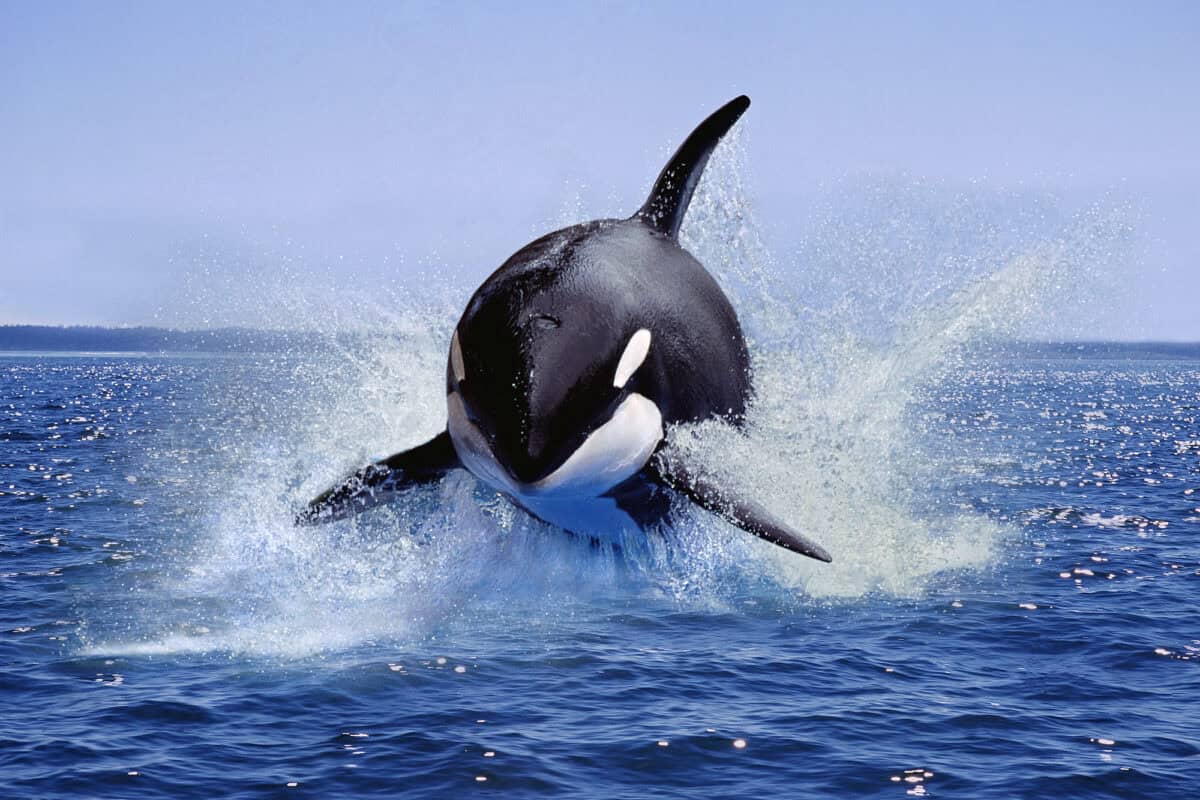
The iconic black and white orcas, or killer whales, of the Pacific Northwest are more than just magnificent marine mammals—they are cultural icons, ecological keystones, and sadly, a population in crisis. Swimming through the cold, nutrient-rich waters of the Salish Sea, these intelligent creatures have captivated scientists and the public alike with their complex social structures, distinctive dialects, and remarkable hunting strategies. Yet despite their cultural significance and protected status, the Southern Resident killer whales face an uncertain future, with their numbers dwindling to critically low levels. Their story is one of resilience and adaptation, but also of mounting challenges from human activities that threaten their very existence. From depleted salmon stocks to toxic contamination and underwater noise pollution, these orcas are fighting for survival against a tide of environmental changes. This article explores the lives of these magnificent animals, the threats they face, and the conservation efforts that may determine whether future generations will still witness their majestic dorsal fins breaking the surface of Pacific Northwest waters.
The Distinct Populations of Pacific Northwest Orcas
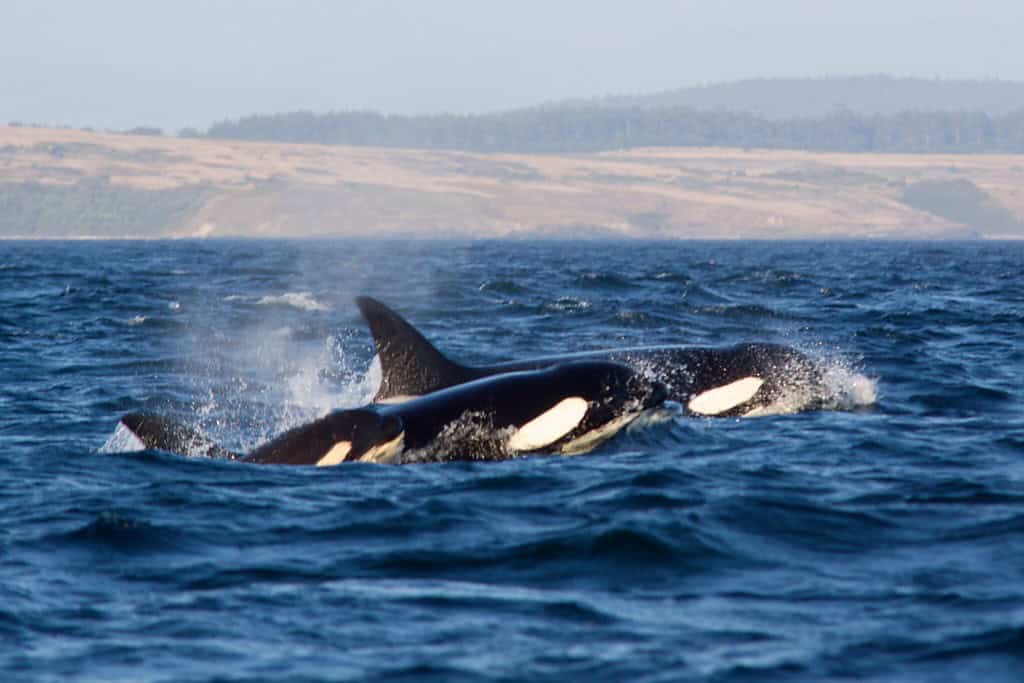
The waters of the Pacific Northwest are home to several distinct populations of orcas, each with unique behaviors, diets, and ranges. The three primary ecotypes found in these waters are Resident, Transient (also known as Bigg’s), and Offshore killer whales. The Southern Resident killer whales (SRKW), the most well-studied and critically endangered group, typically consist of three pods—J, K, and L—that historically spent much of their time in the Salish Sea between Washington State and British Columbia. Meanwhile, Northern Residents range from central Vancouver Island to southeastern Alaska, and though they face similar challenges, their population has been slowly increasing.
Transient orcas, by contrast, have a different social structure and diet, primarily hunting marine mammals like seals and sea lions rather than fish. This dietary difference has actually served them well in recent years, as their prey hasn’t suffered the same population declines as salmon. Offshore orcas, the least understood population, travel in large groups far from coastlines and appear to specialize in hunting sharks and other fish. Each of these populations is genetically distinct and rarely interbreeds, having evolved separate cultures and hunting strategies over thousands of years of isolation from one another.
The Remarkable Social Structure of Resident Orcas
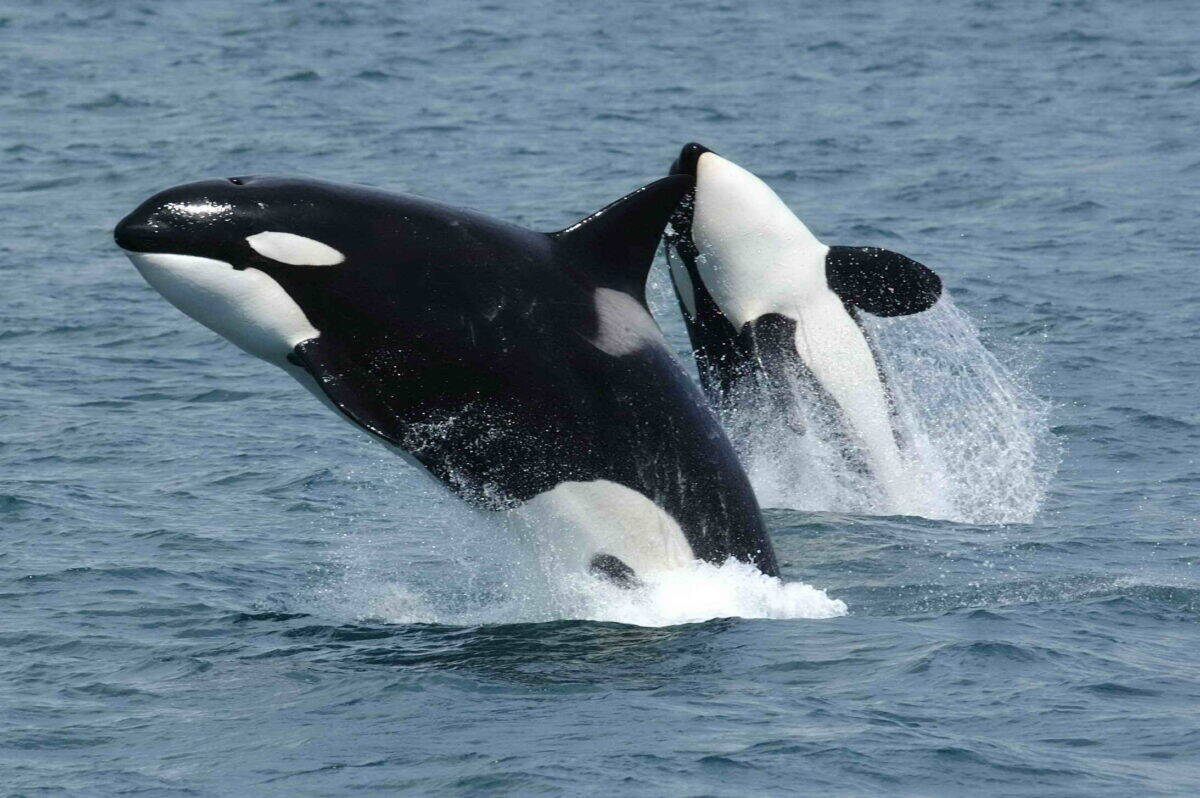
Southern Resident killer whales maintain one of the most stable and complex social structures known in the animal kingdom. They live in matrilineal family groups led by the oldest female, with offspring of both sexes typically remaining with their mother throughout their lives. This creates multi-generational pods where knowledge, traditions, and hunting techniques are passed down through decades. The bond between a mother orca and her offspring is particularly strong, with documented cases of adult males experiencing significantly higher mortality rates following the death of their mothers.
Within these family pods, orcas communicate using a sophisticated system of clicks, whistles, and calls that is unique to each pod—essentially a distinct dialect that helps maintain group cohesion and identity. Research has shown that Southern Residents have approximately 25 discrete calls in their acoustic repertoire, which young calves must learn from their family members. This cultural transmission extends beyond vocalizations to hunting techniques, salmon bank locations, and even preferences for certain rubbing beaches where orcas engage in what appears to be a form of social grooming. This rich cultural heritage makes each pod’s survival critical not just for genetic diversity but for preserving irreplaceable knowledge systems developed over countless generations.
The Critical Decline of Chinook Salmon
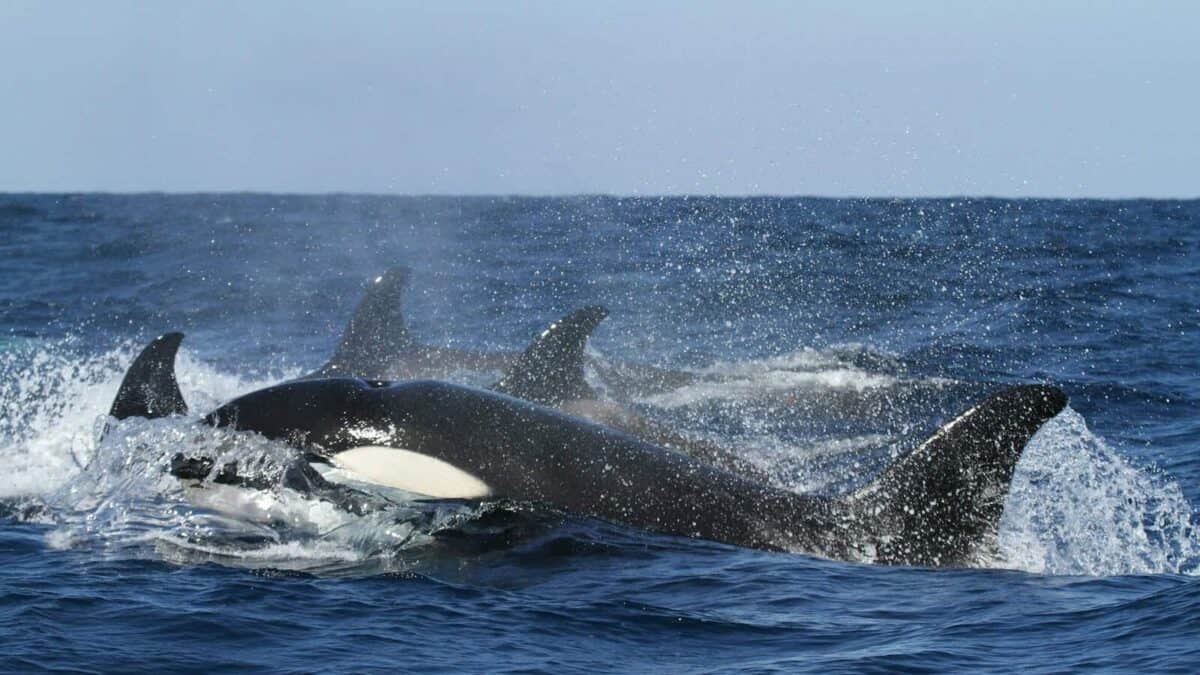
The fate of Southern Resident killer whales is inextricably linked to Chinook salmon, which constitutes roughly 80% of their diet. Unlike their mammal-eating Transient cousins, Resident orcas have evolved specialized hunting techniques specifically for pursuing these large, fatty fish that provide the caloric density they need. Historical records indicate that the Pacific Northwest once saw Chinook salmon runs numbering in the millions, with fish often weighing over 100 pounds. Today, many Chinook runs are at 10% or less of their historical abundance, with the average size of the fish also significantly reduced.
This dramatic decline in the orcas’ primary food source has multiple causes: habitat degradation from logging and development, water diversion for agriculture, numerous hydroelectric dams blocking spawning routes, historical overfishing, climate change altering ocean conditions, and competition from hatchery-raised salmon with reduced genetic diversity. During winter months, when Southern Residents once feasted on abundant Columbia River Chinook runs, they now face critical food shortages. Researchers using drone footage have documented “peanut head”—a depression behind the blowhole indicating severe malnutrition—in numerous individuals. Food scarcity not only directly threatens survival but also forces orcas to metabolize their blubber, which releases stored toxins into their bloodstream, creating a cascade of health problems during periods of nutritional stress.
Toxic Contamination: A Silent Killer
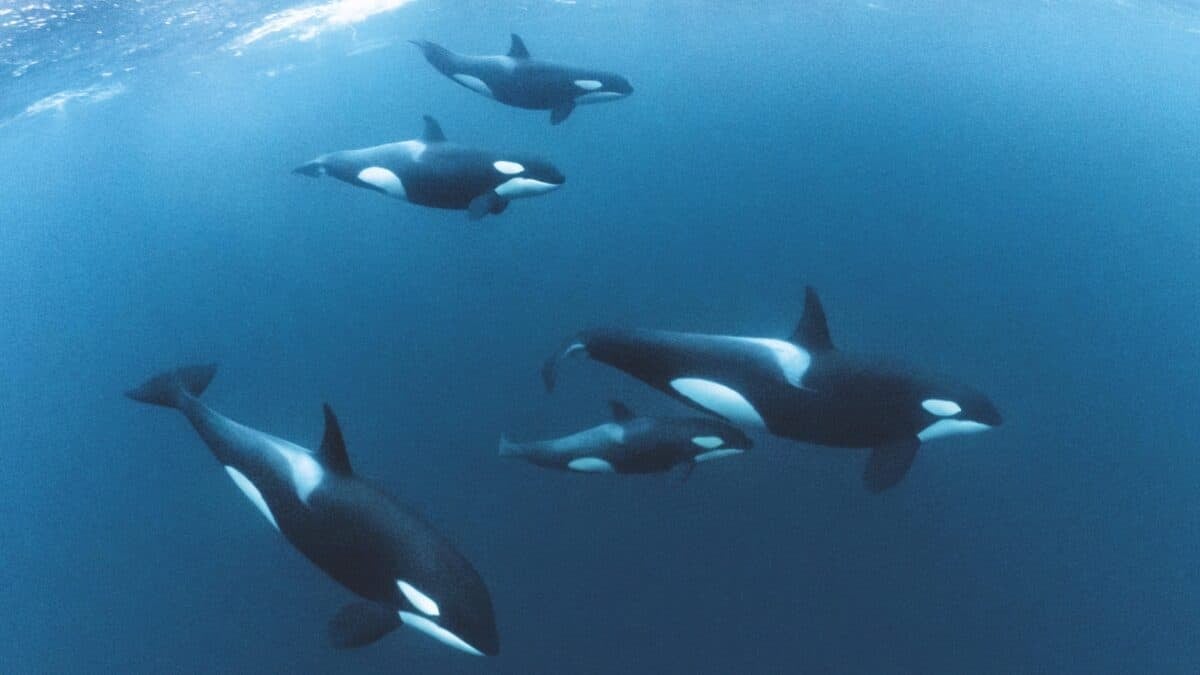
The waters of the Pacific Northwest, particularly the inland waters of Puget Sound, harbor a toxic legacy from decades of industrial activity. Southern Resident killer whales have accumulated alarming levels of persistent organic pollutants (POPs), including polychlorinated biphenyls (PCBs), flame retardants (PBDEs), and pesticides like DDT. These fat-soluble compounds become concentrated in the marine food web through a process called biomagnification, with top predators like orcas carrying the highest burdens. Tissue samples from Southern Residents show PCB concentrations that rank among the highest of any marine mammals globally—levels known to cause reproductive failure, immune suppression, and developmental abnormalities.
The consequences of this toxic burden are especially severe for females and their calves. During pregnancy and lactation, a female orca transfers a significant portion of her accumulated toxins to her offspring through the placenta and fat-rich milk. First-born calves receive particularly high doses, which may explain their lower survival rates. This toxic inheritance presents a tragic paradox: the very act of reproduction, essential for the population’s recovery, places both mother and calf at heightened risk. Despite bans on many of these chemicals, their persistence in the environment means that even decades later, new generations of orcas begin life with a dangerous chemical burden that compromises their health and development from their first moments.
Vessel Traffic and Underwater Noise Pollution
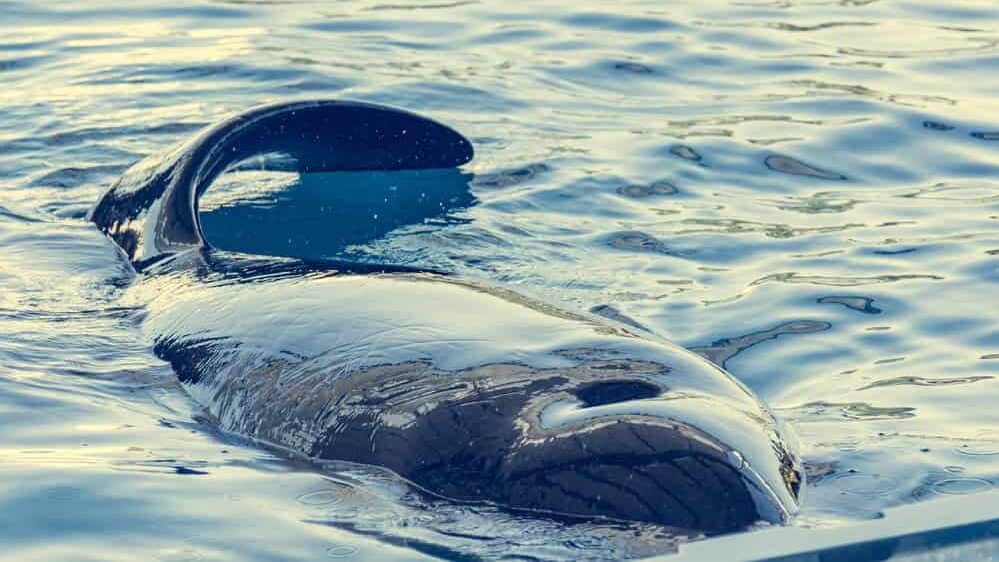
The waters of the Salish Sea have become increasingly crowded and noisy, presenting another significant challenge for acoustically sensitive orcas. Commercial shipping, recreational boating, whale-watching vessels, and ferry traffic create an underwater soundscape dramatically different from the one in which these animals evolved. Orcas rely on echolocation—producing clicks and listening for echoes—to hunt, navigate, and communicate. Studies using hydrophones have documented how vessel noise directly masks these critical sounds, reducing the orcas’ “acoustic space” by up to 97% in high-traffic areas.
This acoustic interference forces Southern Residents to alter their behavior in multiple ways. Researchers have observed orcas increasing the amplitude and duration of their calls in noisy conditions—essentially “shouting” to be heard by pod members. They also spend less time foraging and more time traveling when vessels are nearby, resulting in an estimated 18% reduction in feeding opportunities. With each passing year, new vessel traffic records are set in the Salish Sea. The Port of Vancouver alone saw over 3,100 large vessel movements in 2022, with projections for continued growth. While vessel distance regulations and “No-Go” zones offer some protection, the cumulative impact of noise pollution remains one of the most pervasive threats to the population’s recovery, affecting every aspect of their daily lives from hunting to social bonding.
The Reproductive Crisis and Declining Birth Rates

The Southern Resident killer whale population faces a reproductive crisis that threatens its long-term viability. Healthy female orcas should be capable of producing a calf every 3-5 years throughout their reproductive lifespan, which typically extends from age 12 to around 40. However, successful births among Southern Residents have become increasingly rare. Between 2015 and 2022, nearly 70% of pregnancies detected through hormone analysis of fecal samples ended in miscarriage or early calf mortality. This reproductive failure is strongly correlated with periods of nutritional stress, as pregnant females require approximately 25% more calories to support gestation.
The few calves that do survive face daunting odds. The Center for Whale Research, which has monitored this population since 1976, reports that calf mortality rates have exceeded 50% in recent decades—far above historical norms. Perhaps most concerning is the demographic imbalance within the population. As of 2023, there are only about a dozen reproductive-age females remaining, and several have not produced viable offspring in over a decade despite reaching sexual maturity. This reproductive bottleneck, combined with the advanced age of many breeding females, creates a precarious situation. Population viability models suggest that without immediate improvements in reproductive success, the Southern Resident population may become functionally extinct—unable to sustain itself—within 50-100 years.
The J-Pod’s Tragic Losses

The story of J-pod, one of the three family groups making up the Southern Resident population, illustrates the heartbreaking decline these orcas are experiencing. In 2018, the world watched the unprecedented 17-day “tour of grief” as female J35 (Tahlequah) carried her dead newborn calf for over 1,000 miles through the Salish Sea. This powerful display of mourning brought international attention to the orcas’ plight. Sadly, this wasn’t an isolated incident. Between 2015 and 2019, J-pod lost seven members, including two reproductive-age females and several calves, dropping from 26 to 19 individuals.
Particularly devastating was the loss of J50 (Scarlet), a young female who slowly starved to death despite unprecedented intervention attempts by both U.S. and Canadian wildlife agencies. Drone footage documented her deteriorating condition over months as scientists attempted to provide medication and supplemental food—efforts that ultimately proved futile. The following year, iconic male J1 (Ruffles), easily identifiable by his six-foot tall curved dorsal fin and estimated to be over 60 years old, disappeared and was presumed dead. His passing represented not just the loss of a magnificent individual but also decades of ecological knowledge and cultural leadership. These personal stories behind the statistics reveal the true cost of inaction—not anonymous numbers, but the systematic dismantling of irreplaceable family units with complex social bonds and cultural traditions.
Legal Protections and Their Limitations

Southern Resident killer whales receive substantial legal protection on paper. They were listed as endangered under the U.S. Endangered Species Act in 2005 and Canada’s Species at Risk Act in 2003, which mandates the development of recovery strategies and critical habitat designations. In 2021, NOAA Fisheries expanded their designated critical habitat to include 15,910 square miles of Pacific coastal waters between Washington and California. These protections theoretically prevent federal agencies from authorizing activities that would destroy critical habitat or jeopardize the species’ existence.
Despite these legal safeguards, implementation and enforcement have fallen short of what’s needed for recovery. Court challenges have repeatedly found government agencies failing to adequately protect orca habitat or prey resources. For example, a 2019 legal victory for conservation groups forced Washington State to improve salmon passage at culverts, but similar barriers remain throughout the watershed. Vessel regulations establishing minimum approach distances and go-slow zones have proven difficult to enforce across the vast marine territory. Perhaps most fundamentally, the cross-jurisdictional nature of the challenges—spanning international borders, tribal territories, state and provincial boundaries, and multiple federal agencies—creates coordination difficulties and accountability gaps. The orcas’ decline continues despite their protected status, highlighting the limitations of environmental laws in addressing complex, multi-faceted threats requiring ecosystem-wide solutions.
Conservation Efforts and Emergency Interventions

As the Southern Resident population has continued to decline, conservation efforts have intensified and diversified. In 2018, Washington Governor Jay Inslee established the Southern Resident Orca Task Force, bringing together scientists, tribal representatives, industry stakeholders, and conservation groups to develop comprehensive recovery recommendations. Their work resulted in $1.1 billion in state funding for orca recovery initiatives, including salmon habitat restoration, hatchery improvements, and enhanced enforcement of vessel regulations. Particularly notable was the allocation of $26 million for increasing spill over Columbia River dams to improve juvenile salmon migration survival rates.
More controversial have been discussions around breaching the four Lower Snake River dams to restore critical Chinook salmon habitat. While many scientists and tribal nations have advocated for dam removal as the most effective recovery action, economic interests dependent on the hydropower and transportation benefits have created political gridlock. Meanwhile, innovative approaches continue to emerge. The Whale Sanctuary Project is developing plans for a seaside sanctuary where captive orcas could be retired while also serving as a rehabilitation facility for wild orcas requiring intervention. Conservation technology is advancing rapidly, with new tools like eDNA sampling, infrared cameras for nighttime vessel detection, and real-time hydrophone networks providing better monitoring capabilities. These efforts represent the largest coordinated species recovery initiative in the region’s history, though whether they can be implemented quickly enough and at sufficient scale remains uncertain.
The Cultural Significance to Indigenous Peoples
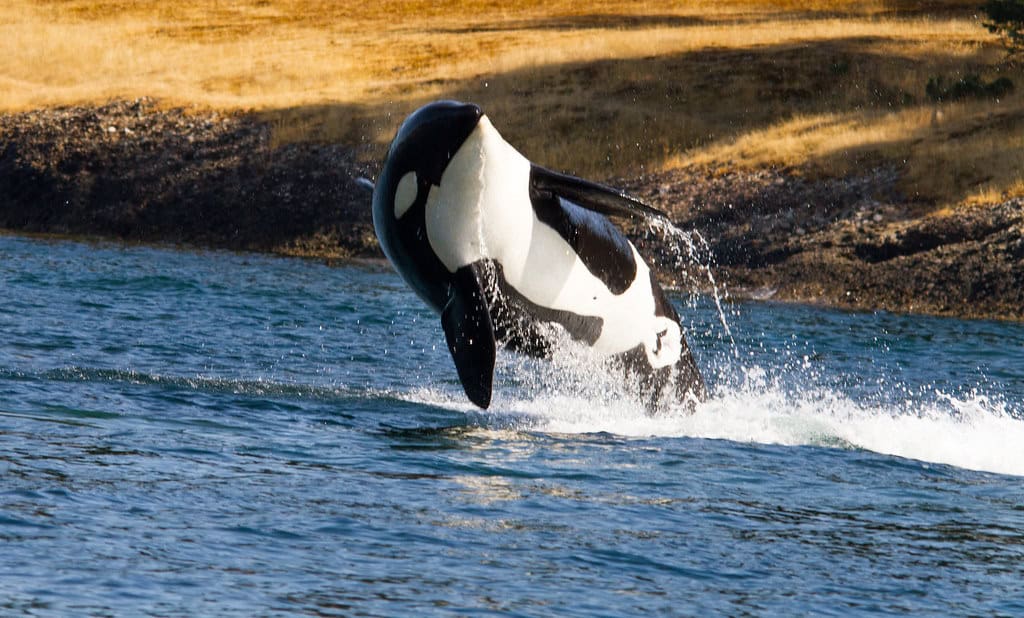
For Coast Salish peoples, including the Lummi, Samish, Suquamish, and many other tribes of the Pacific Northwest, orcas are not merely animals but relatives and ancestors—qwe’lhol’mechen in the Lummi language, meaning “our relations below the waves.” Tribal oral histories speak of orcas as transformed humans who chose to live in the sea but retained their human spirit and family connections. These stories emphasize reciprocal responsibilities between humans and killer whales that extend back thousands of years. Many tribal ceremonies and artworks feature orcas prominently, and traditional practices included leaving offerings before fishing to honor the killer whales’ primacy.
Today, indigenous leadership has been at the forefront of orca conservation efforts. The Lummi Nation has conducted ceremonial feedings of Chinook salmon at locations where malnourished orcas have been spotted and led the “Totem Pole Journey” to raise awareness about the connection between salmon, orcas, and indigenous rights. The Swinomish Tribe has pioneered innovative estuary restoration techniques benefiting juvenile salmon, while the Tulalip Tribes have developed beaver dam analogs to improve stream habitat. At policy tables, tribal representatives consistently advocate for holistic, ecosystem-based approaches that honor traditional knowledge. As Kurt Russo, former executive director of the Coast Salish Foundation, observed: “The fate of the orcas and the fate of the indigenous peoples of this region are intertwined. Both have suffered from similar forces of displacement, resource depletion, and cultural disruption. The recovery of one cannot happen without the recovery of the other.”
Climate Change: An Emerging Threat

While immediate threats like prey scarcity and pollution demand urgent attention, climate change looms as a growing challenge for Southern Resident killer whales. Rising ocean temperatures are already altering the marine ecosystem of the Pacific Northwest in ways that generally disadvantage Chinook salmon. Warmer rivers increase mortality during spawning migrations, while changing ocean conditions shift the timing and composition of the food web that juvenile salmon depend upon. Research suggests that for every 1°C increase in sea surface temperature, Chinook salmon marine survival decreases by 4-7%. By mid-century, many scientists project that without intervention, Chinook returns could decline by an additional 20-40% due to climate impacts alone.
Beyond affecting prey availability, climate change creates additional stressors for the orcas. Ocean acidification, caused by increasing carbon dioxide absorption, threatens the foundation of the marine food web by impacting shell-forming organisms. More frequent and severe algal blooms, fueled by warmer waters and agricultural runoff, produce neurotoxins that can accumulate in the food chain. Changing precipitation patterns are increasing winter flooding and summer drought in salmon watersheds, further degrading spawning habitat. The urgency of addressing immediate threats to Southern Residents must be balanced with longer-term climate adaptation strategies, such as identifying and protecting potential climate refugia for salmon, enhancing watershed resilience, and reducing additional stressors that would compound climate impacts.
Conclusion: The Future of Pacific Northwest Orcas

The Southern Resident killer whales stand at a crossroads, their future hanging in the balance of human decisions and actions taken in the coming decade. With only around 70 individuals remaining, their survival depends on addressing a complex web of threats, including declining salmon populations, noise pollution from vessel traffic, and toxic chemical accumulation in their habitat. These orcas are not just apex predators—they are cultural icons, integral members of the Pacific Northwest ecosystem, and a living testament to the intricate interdependence of species and environment.
Protecting the Southern Residents will require bold, coordinated efforts across government agencies, Indigenous nations, scientists, conservationists, and the public. Actions such as restoring salmon habitats, regulating marine traffic, and reducing pollution are essential steps toward recovery. But beyond policy and science, saving these whales demands a collective recognition of our responsibility to safeguard Earth’s biodiversity. The future of the Southern Resident killer whales is a test of our willingness to coexist with the natural world, and our success or failure will echo far beyond the waters of the Pacific Northwest.

From exploring the marine wonders in the Azores and witnessing the vast savannas of Kenya, to delving deep into the rich biodiversity of South Africa and traversing iconic landscapes in Australia and the US like Yellowstone, Chris's experiences are vast.
With a penchant for diving alongside sharks, the ocean holds a special place in his heart.
Through his academic insights, he champions wildlife conservation, striving with 'Animals Around The Globe' to cultivate a profound connection between humans and animals, enhancing our mutual appreciation.
Connect with him at Feedback@animalsaroundtheglobe.com.
- Orcas of the Pacific Northwest: A Struggle for Survival - July 15, 2026
- The Florida Panther Is Making a Comeback - July 15, 2026
- The Largest Earthquake Ever Recorded and How It Affected The World - July 15, 2026
Leave a comment
You must be logged in to post a comment.