

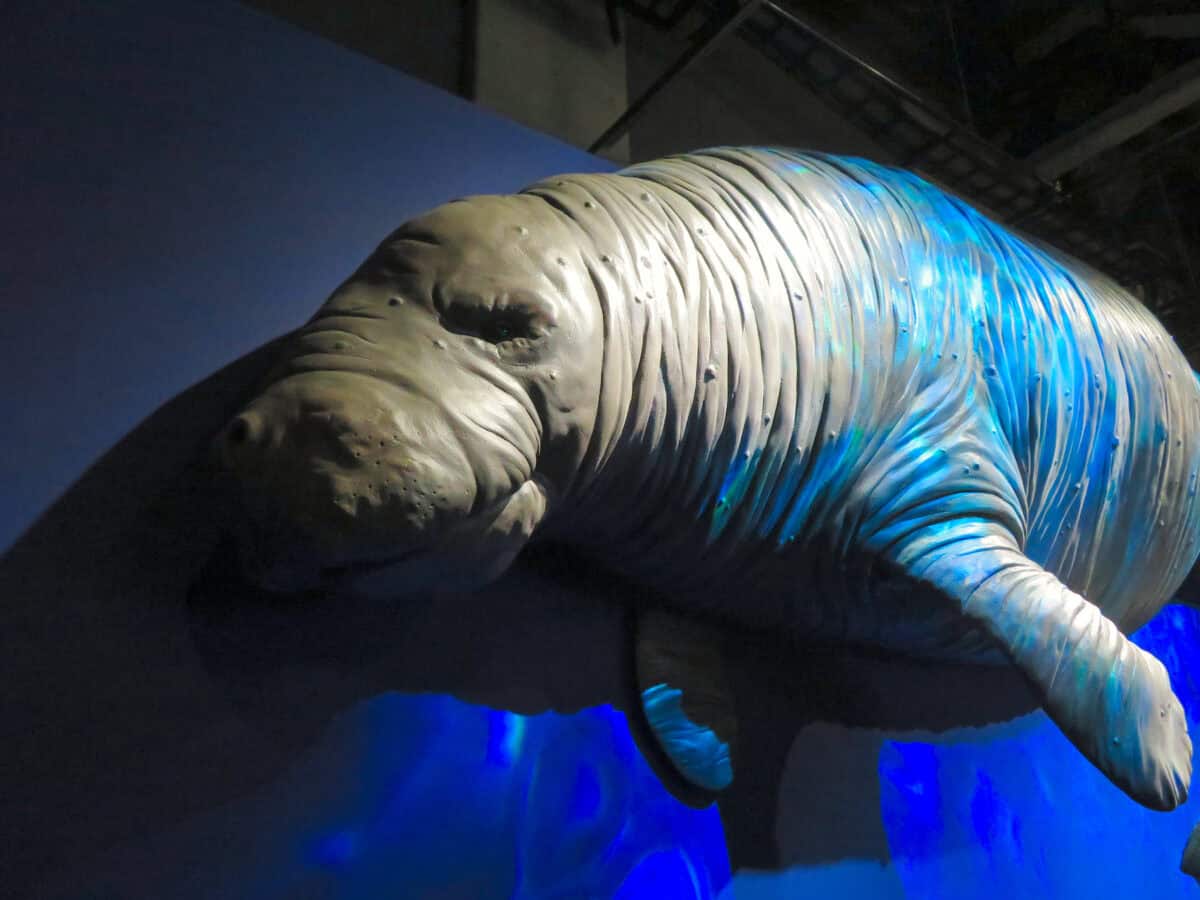
The dugong, often dubbed the “sea cow,” is a marine mammal that has roamed the warm coastal waters from East Africa to Australia for millions of years. It is closely related to the manatee, with both species belonging to the order Sirenia. Dugongs are unique for their fluked tails and down-turned snouts that are perfectly adapted for grazing on seagrass. Despite their peaceful existence, these gentle giants are facing an alarming decline in numbers. This article explores the reasons behind the disappearance of dugongs from our oceans and why their survival is critical to marine ecosystems.
Habitat Destruction The Silent Killer

One of the primary reasons for the dwindling dugong population is habitat destruction. Dugongs inhabit shallow waters where they feed on seagrass meadows. However, these habitats are increasingly threatened by coastal development, agricultural runoff, and industrial pollution, leading to habitat degradation and loss. The destruction of seagrass meadows not only forces dugongs to venture farther in search of food but also reduces food availability, compromising their health and reproductive success.
Climate Change An Urgent Threat
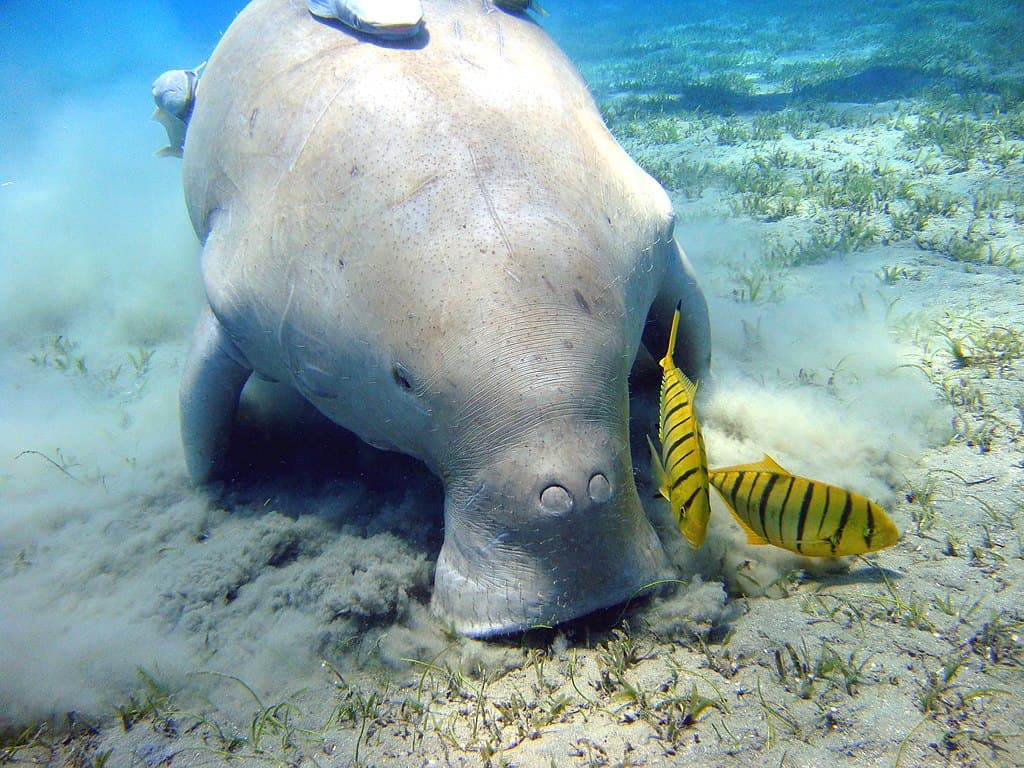
Climate change poses another significant threat to dugong populations. Rising sea temperatures and ocean acidification are affecting the growth and health of seagrass beds. Additionally, increased frequency and intensity of extreme weather events, such as cyclones and storms, further damage these critical habitats. As a result, dugongs struggle to find sufficient food, leading to malnutrition and decreased population resilience. Protecting these marine mammals requires urgent action to mitigate the impacts of climate change on their habitats.
Bycatch and Illegal Hunting The Unseen Dangers

Dugongs are often victims of bycatch, where they become unintentionally trapped in fishing nets targeting other marine species. Their slow movement and dependency on coastal areas make them particularly vulnerable to this threat. Furthermore, despite legal protections in many countries, illegal hunting for dugong meat and oil continues to be a problem. This unregulated hunting has substantially contributed to the decline in dugong numbers, especially in regions with insufficient enforcement of wildlife protection laws.
Pollution A Growing Concern

Marine pollution poses yet another challenge for dugong survival. Oil spills, plastic waste, and chemical pollutants contaminate their habitats, directly impacting their health and the quality of seagrass they consume. Ingesting or being exposed to pollutants can cause a range of health issues in dugongs, from weakened immune systems to reproductive problems. Combatting marine pollution is crucial for the conservation of these gentle mammals.
Conservation Efforts Turning the Tide
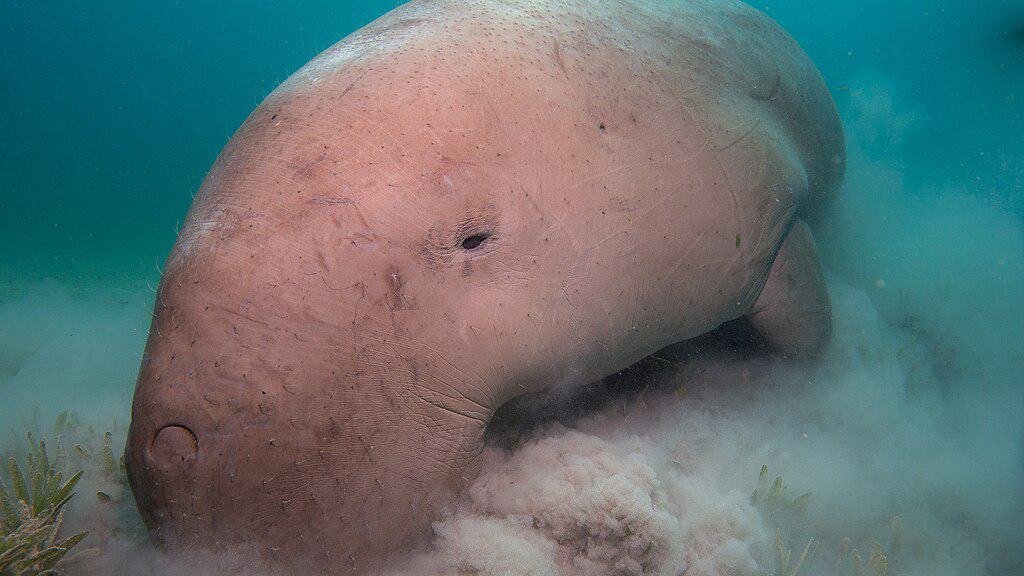
Despite the challenges, several conservation efforts are underway to protect dugongs and their habitats. Initiatives include seagrass restoration projects, stronger legal protections, and increased awareness and education campaigns. Local communities are being engaged to promote sustainable fishing practices and to partake in monitoring and conservation activities. International cooperation is also crucial, as dugongs migrate across national boundaries and require a coordinated effort for effective protection.
The Importance of Dugongs in Ecosystems

Dugongs play a vital role in maintaining healthy marine ecosystems. As they graze on seagrass, they help keep these meadows healthy and productive, which in turn supports a wide range of marine life. Their feeding habits also promote nutrient cycling and sediment flow, which are essential for coastal stability and resilience. Losing dugongs would not only mean the loss of a unique marine species but could also lead to significant shifts in marine biodiversity and ecosystem function.
Conclusion A Call to Action
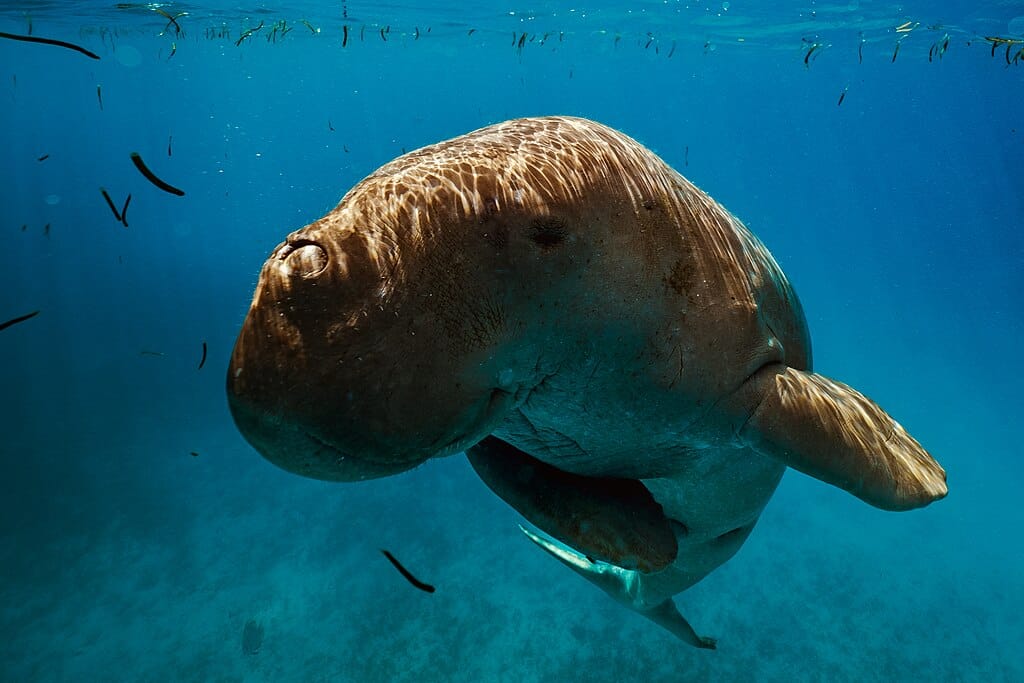
The disappearance of dugongs from our oceans is a pressing conservation issue that demands immediate attention. Protecting their habitats, enforcing fishing regulations, and addressing climate change and pollution are critical steps toward ensuring their survival. Through concerted global efforts and a commitment to sustainable practices, we can work to safeguard the future of dugongs and the health of the marine ecosystems they inhabit. It is our responsibility to ensure that these gentle giants continue to grace our oceans for generations to come.

As a little kid, I fell in love with nature, wildlife, and animals. Living in the USA, South Africa, Italy, China and Germany gave me the opportunity to discover the world's Wildlife. My favorite animals are Mountain Gorillas, Siberian Tigers, and Great White Sharks.
I'm a certified PADI Open Water Diver, went to Everest Base Camp and Trekked Gorillas in Uganda. I hold a Master of Science in Economics and Finance.
Please send any feedback to feedback@animalsaroundtheglobe.com
- 14 Most Beautiful Bird Songs You Can Hear in America - July 15, 2026
- The Longest Snake Ever Found Slithering in the U.S. - July 15, 2026
- Why Humpback Whales Are Singing Louder Off U.S. Shores - July 15, 2026