

Nature is full of surprises, and some creatures are so strange they seem almost unreal. From deep-sea oddities to land-dwelling wonders, these bizarre animals will leave you amazed with their unusual features and behaviors!
26. The Axolotl: The Walking Fish
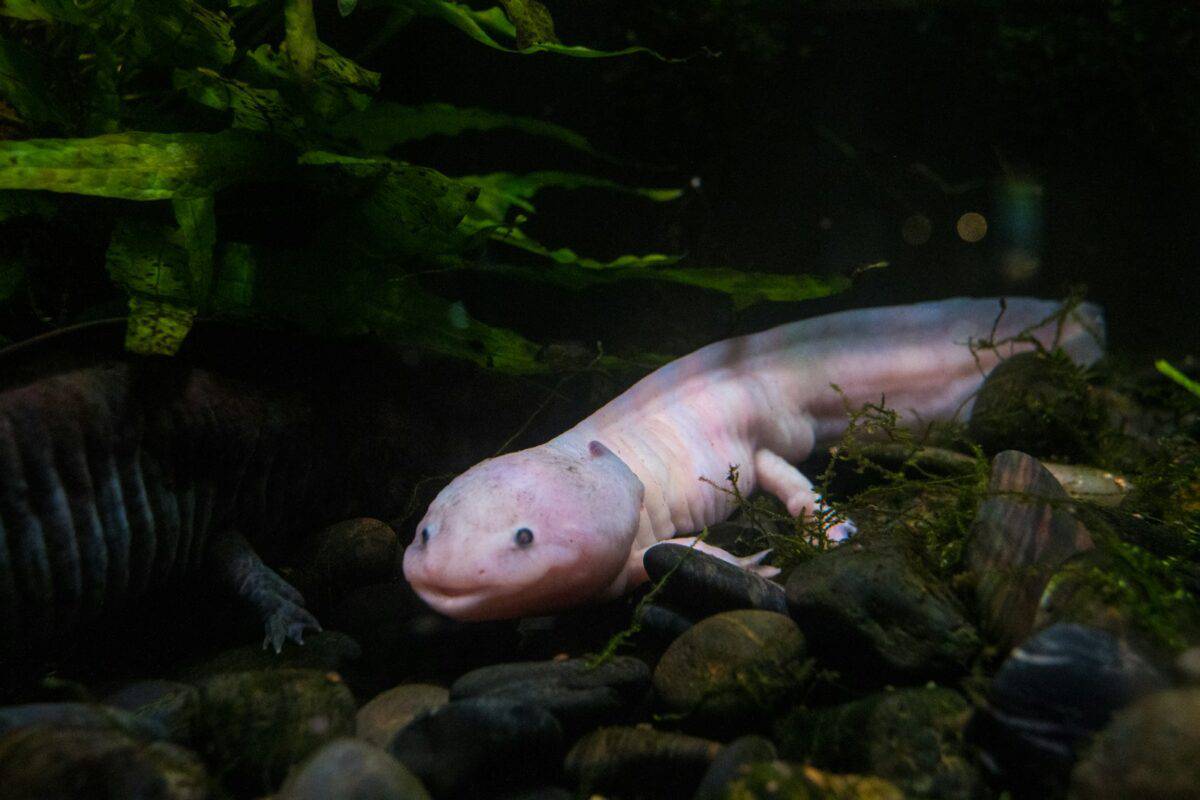
The axolotl, a type of salamander native to the lakes of Mexico City, possesses a remarkable ability to regenerate lost body parts. Unlike most amphibians, axolotls retain their larval features throughout their life, which means they never actually undergo a full metamorphosis. Known for their distinctive frilled gills and wide smiles, these critically endangered creatures are a favorite among scientists studying regeneration.
25. Pink Fairy Armadillo: The Desert Dweller

The pink fairy armadillo, the smallest species of armadillo, is found primarily in central Argentina. Measuring about five inches in length, this extraordinary mammal lives in dry grasslands and sandy plains. Its unique pink shell is soft and allows the creature to burrow into the ground swiftly, practically swimming through the earth to escape predators.
24. Leafy Sea Dragon: An Ocean Camouflage Expert
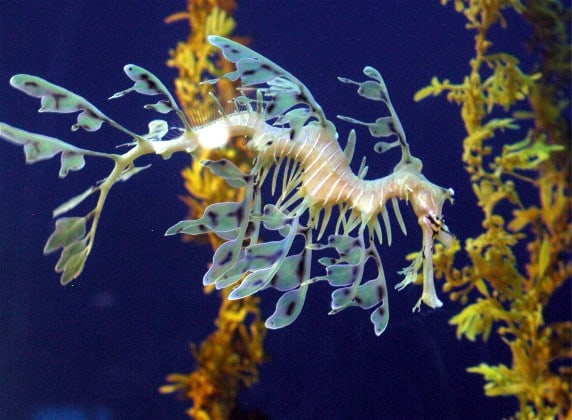
Native to the southern and western coasts of Australia, the leafy sea dragon belongs to the same family as seahorses. Its unique appearance, adorned with leaf-like appendages, allows it to blend seamlessly with seaweed. These stunning creatures lack teeth and feed mainly on plankton and small crustaceans.
23. Saiga Antelope: The Prehistoric Survivor
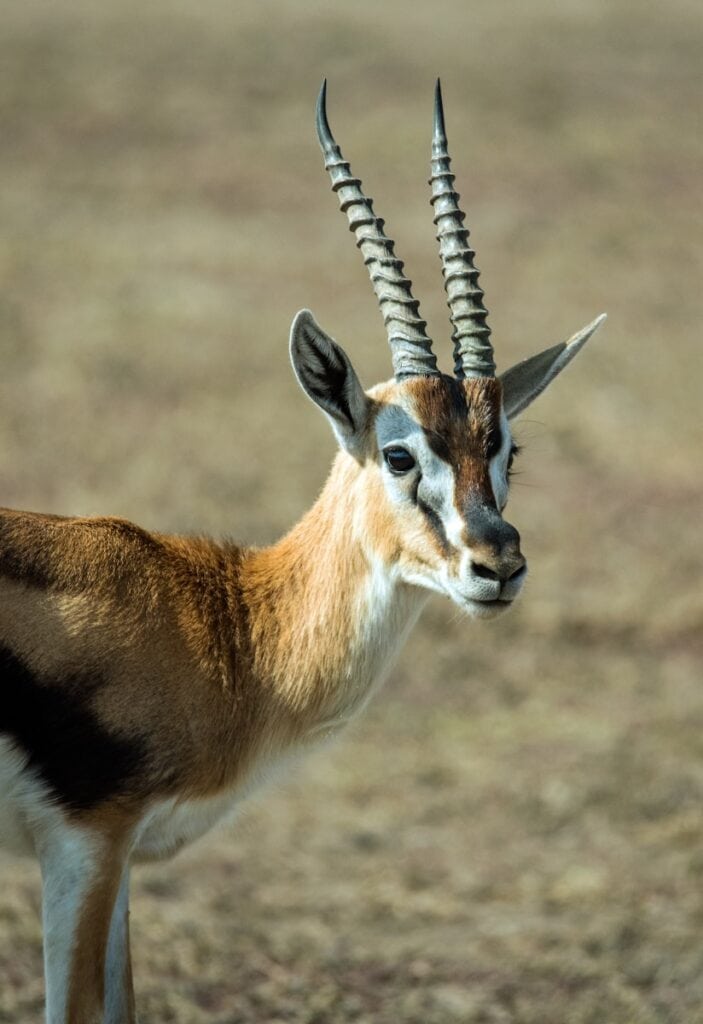
The saiga antelope, known for its oversized, bulbous nose, roams the steppes of Central Asia. This impressive nasal structure is not only distinctive but functional, helping to warm and filter the dusty air of the steppe environments. Sadly, the saiga has faced severe population declines due to habitat destruction and poaching.
22. Goblin Shark: The Deep-Sea Mystery

The goblin shark, often referred to as a “living fossil,” inhabits deep-sea waters and is rarely seen by humans. It is named for its distinct appearance, featuring an elongated, flattened snout and protrusible jaws lined with nail-like teeth. This shark’s eerie look has fascinated marine biologists and enthusiasts alike.
21. Okapi: The Giraffe’s Forest Cousin
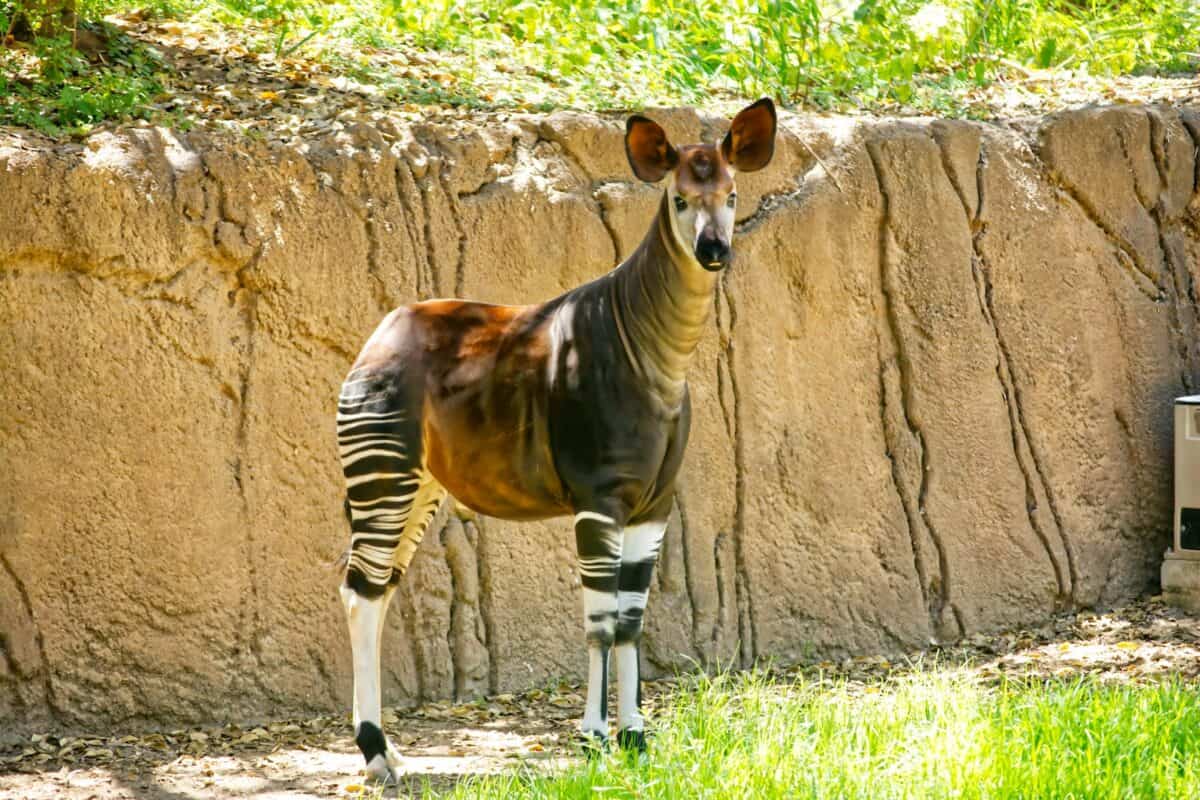
Though they appear zebra-like at first glance, okapis are actually relatives of giraffes. Native to the dense rainforests of the Democratic Republic of the Congo, these elusive animals are well-camouflaged. Their long tongues are used not just for feeding on foliage, but also for cleaning their eyes and ears.
20. Tardigrade: The Indestructible Microbe

Tardigrades, or water bears, are microscopic organisms that can survive some of the harshest environments, from boiling volcanic springs to the freezing vacuum of space. These resilient creatures are found worldwide and fascinate scientists due to their ability to endure extreme conditions that would be fatal to most life forms.
19. Aye-Aye: The Nocturnal Nutcracker

The aye-aye, native to Madagascar, is a peculiar primate known for its large eyes and bat-like ears. Its most distinct feature is its elongated middle finger, which it uses to forage for insects inside tree bark. This unique adaptation has associated the aye-aye with many myths and superstitions in its native land.
18. Mantis Shrimp: The Rainbow Boxer
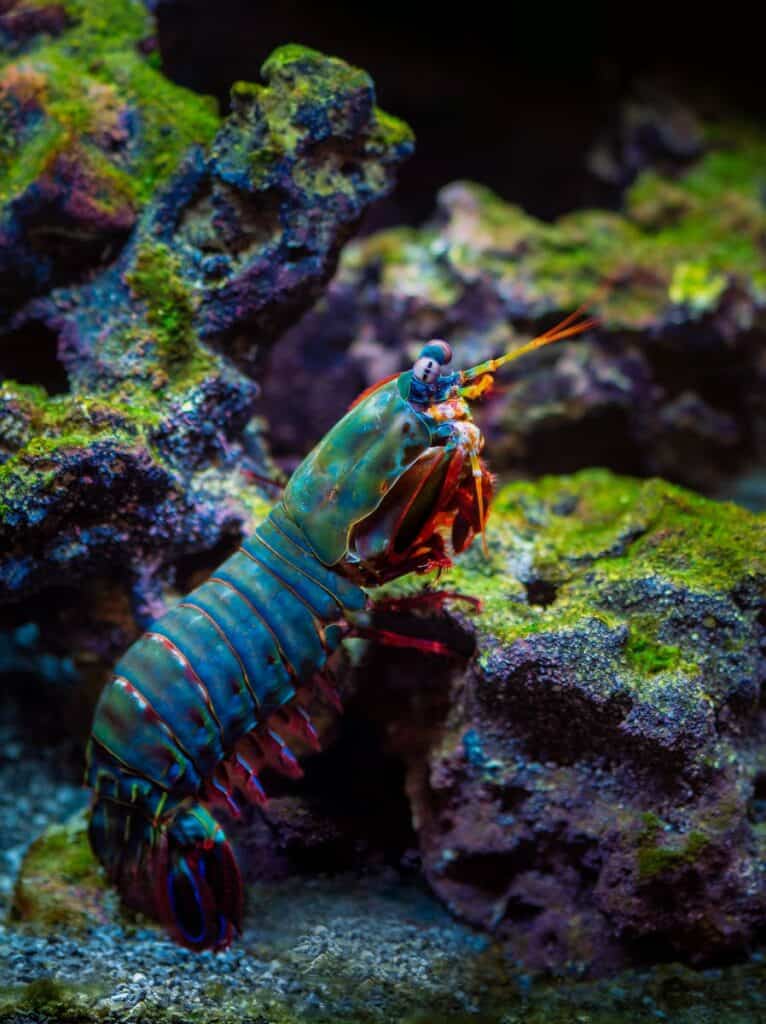
The mantis shrimp is a formidable marine crustacean known for its extraordinary vision and powerful front claws, which it uses to stun prey with incredible speed and force. With the ability to see polarized light and an extensive range of colors, the mantis shrimp’s complex eyes are one of the most advanced in the animal kingdom.
17. Blobfish: The Deep-Sea Oddity
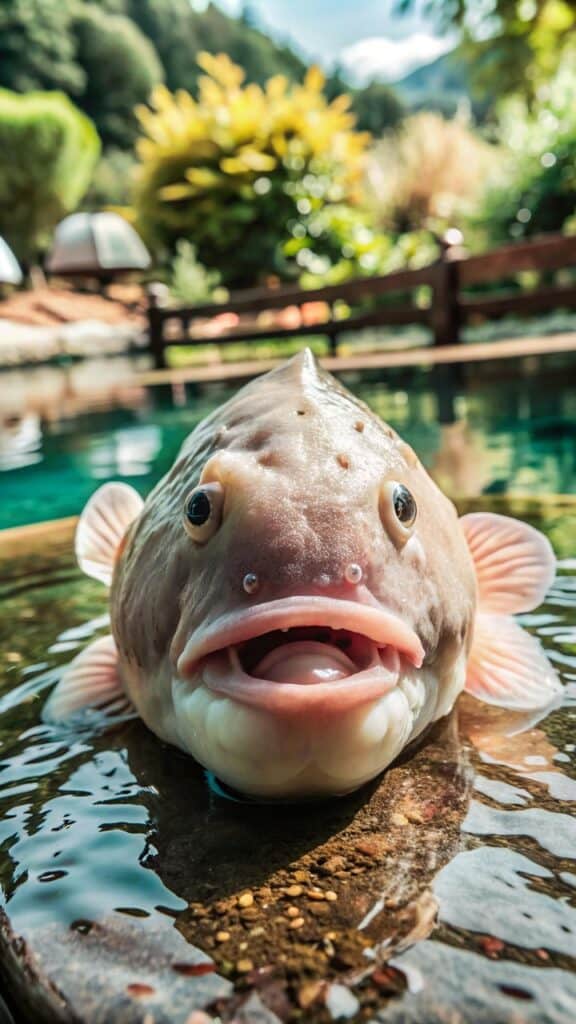
The blobfish gained fame as one of the most bizarre-looking animals due to its gelatinous form when viewed outside its high-pressure deep-sea habitat. Native to the waters off Australia and New Zealand, the blobfish spends its life floating above the sea floor, primarily feeding on sea invertebrates.
16. Komondor: The Majestic Mop Dog

The Komondor, also known as the Hungarian sheepdog, is easily recognizable by its distinctive corded coat resembling a mop. This breed was developed to guard livestock and has a protective nature. Its unique fur is not only striking but provides excellent protection from harsh weather and predators.
15. Pangolin: The Scaled Mammal

Pangolins are unique among mammals as they are wholly covered in protective keratin scales. Found across Africa and Asia, these solitary, mainly nocturnal animals, are threatened by poaching and habitat loss. Pangolins use their long, sticky tongues to feed on ants and termites, which they dig out with their impressive claws.
14. Blue Dragon: The Oceanic Drifter
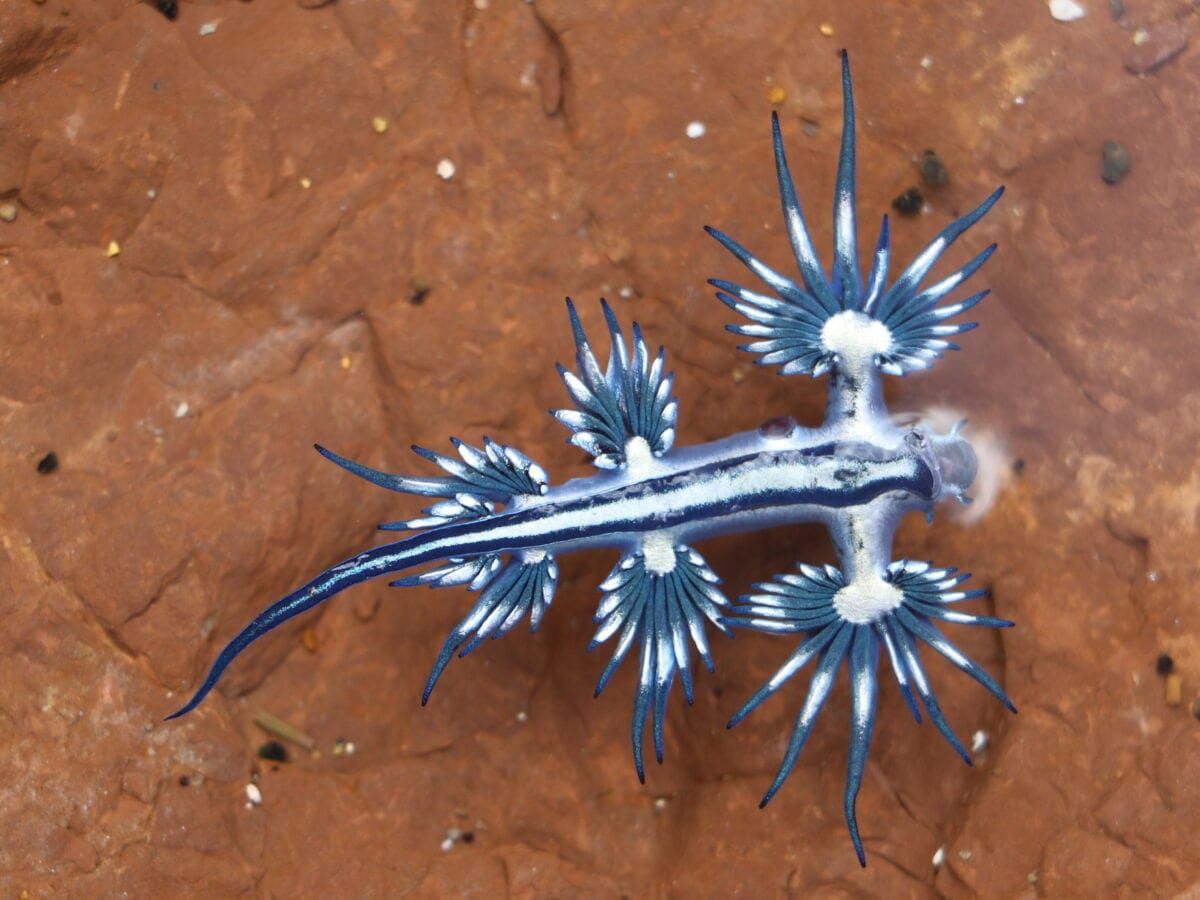
The blue dragon, or Glaucus atlanticus, is a type of nudibranch found floating on the open ocean. Its vibrant blue coloration serves as camouflage against the ocean’s surface. This tiny sea slug feeds on venomous hydrozoans, storing their stinging cells to use against predators.
13. Glass Frog: Nature’s Transparency

Glass frogs, native to Central and South America, have a unique translucent skin that allows you to see their internal organs, including the heart and intestines. This incredible adaptation aids in camouflage, allowing them to blend into the foliage of their lush forest habitat to avoid predators.
12. Velvet Ant: The Furry Wasp
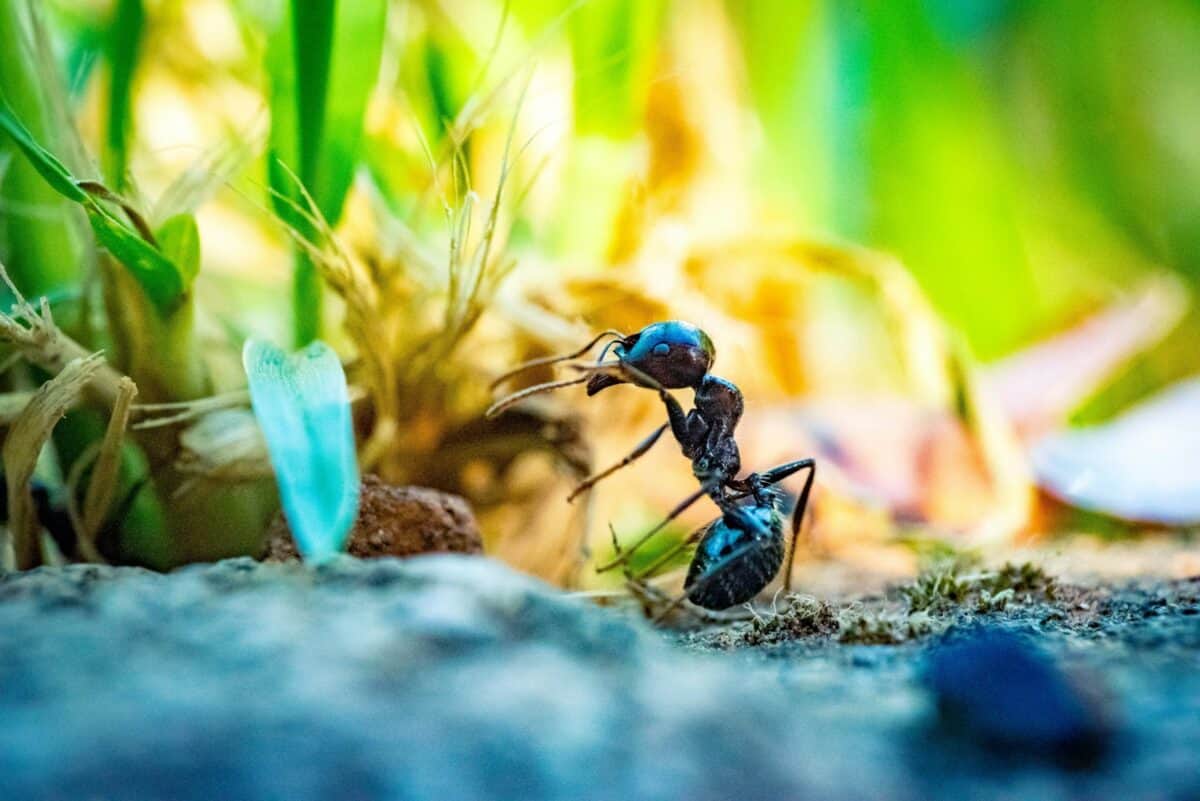
Despite its name, the velvet ant is a solitary wasp with a striking appearance characterized by a hairy body. Found in the United States and Mexico, female velvet ants lack wings and have an unbelievably painful sting, which has earned them the nickname “cow killer.”
11. Gerenuk: The Long-Necked Grazer
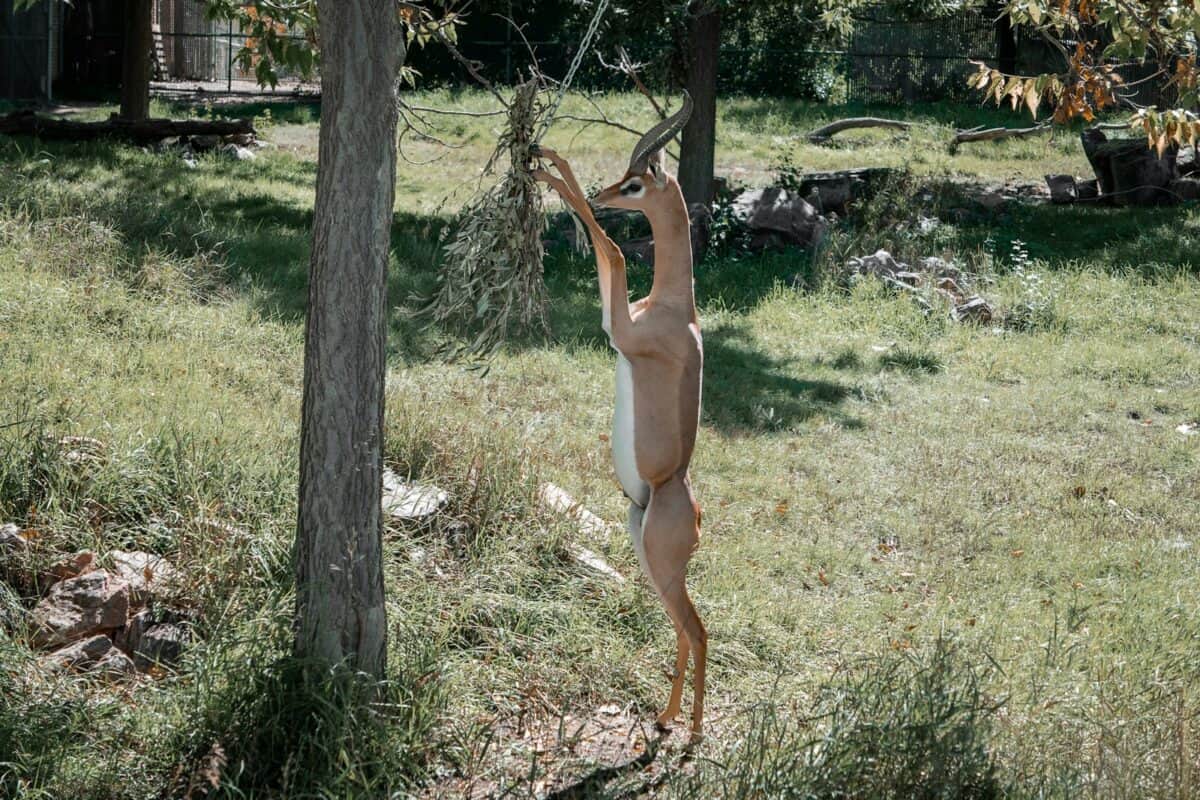
The gerenuk, or “giraffe-necked antelope,” is native to East Africa. Its exaggerated neck and limbs allow it to feed on bushes and trees beyond the reach of other antelopes. This fascinating adaptation helps them survive in their arid, open-country habitats.
10. Fossa: The Lemur Hunter
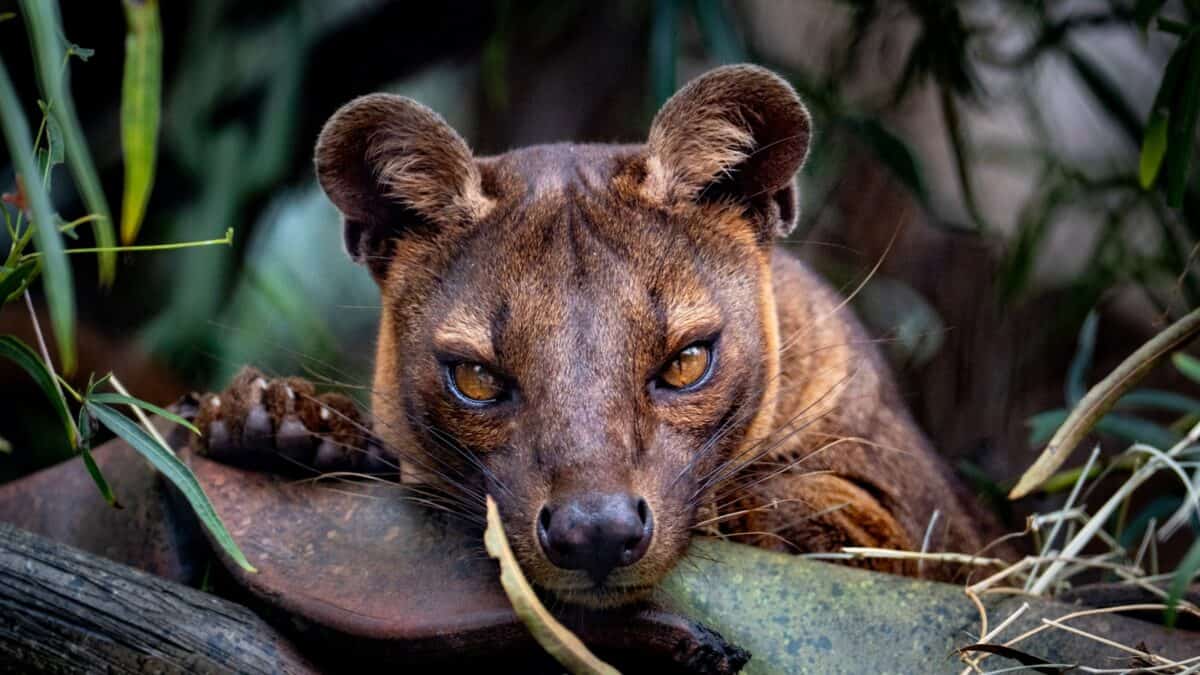
The fossa, native to Madagascar, is the island’s largest carnivorous mammal. Often compared to a small puma, the fossa thrives in its forest habitat, hunting lemurs with great agility. Despite their important ecological role, fossas face pressures from habitat destruction and competition with introduced species.
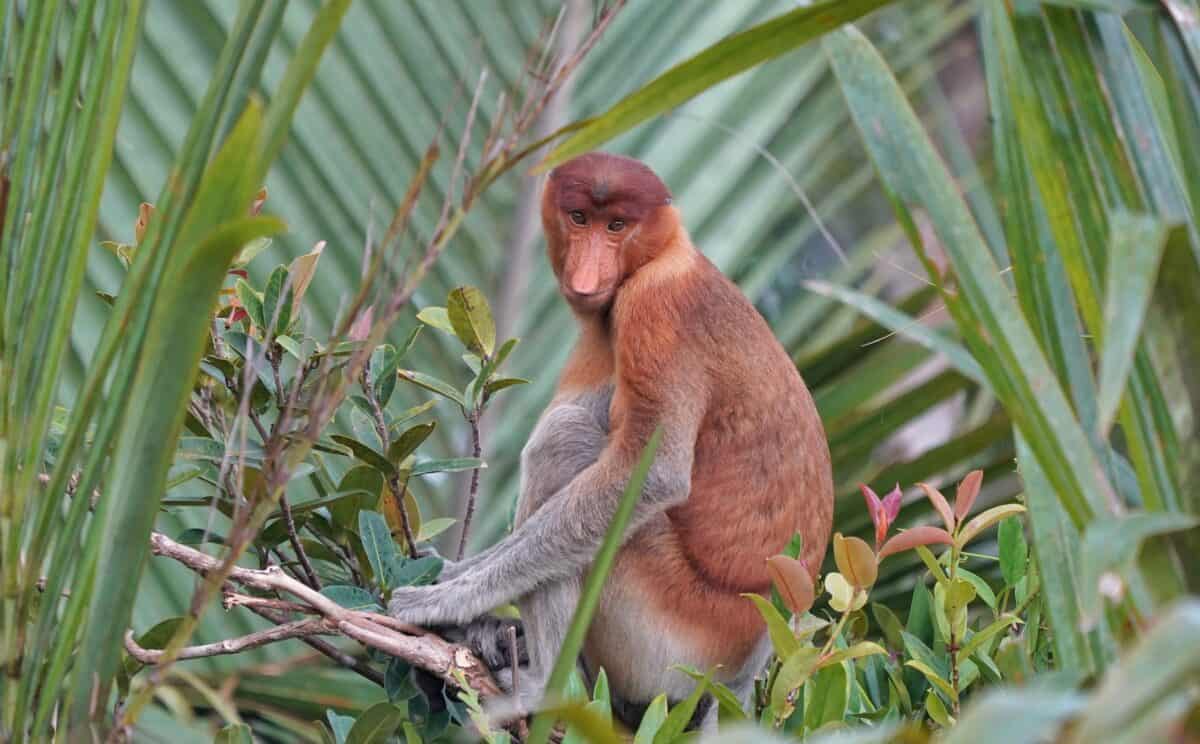
9. Proboscis Monkey: The Long-Nosed Primate
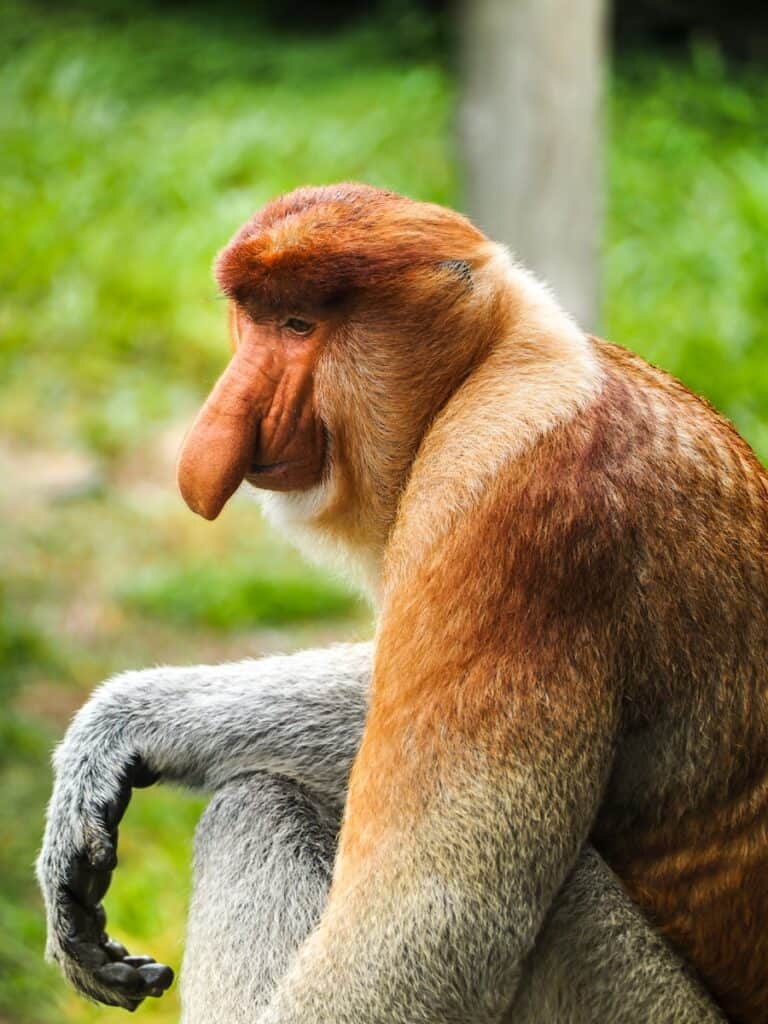
The proboscis monkey, found in the jungles of Borneo, is famous for its large, protruding nose, which is thought to attract mates and enhance vocalizations. These monkeys are excellent swimmers and often remain close to rivers, feeding primarily on leaves, fruit, and seeds.
8. Yeti Crab: The Furry-Clawed Deep-Sea Explorer

The yeti crab, discovered in the hydrothermal vents of the Pacific Ocean, is remarkable for its hairy, bristle-covered pincers, which appear white, reminiscent of the abominable snowman. These crustaceans cultivate bacteria on their claws to supplement their diet, a fascinating adaptation to their extreme habitat.
7. Tufted Deer: The Fanged Herbivore

Native to the forests of China and Myanmar, the tufted deer is easily recognizable by its large, tufted hair on its forehead. More unusual yet, males possess fang-like canines, giving them an almost vampire-like appearance. These deer are shy and elusive, favoring dense understory for cover.
6. Markhor: The Spiral Horned Goat

Markhors are wild goats inhabiting the mountainous regions of Central Asia and scattered pockets in the Middle East. Their spiral-shaped horns, which can grow over five feet long, are truly a sight to behold. This unique adaptation is used in dominance displays during mating seasons.
5. Quokka: The World’s Happiest Animal

The quokka, a small marsupial found mainly on Rottnest Island off Australia’s west coast, is often dubbed the happiest animal on Earth due to its cheerful, smile-like expression. Quokkas are nocturnal herbivores and live in small family groups or colonies.
4. Star-Nosed Mole: The Sensory Specialist

The star-nosed mole, found in eastern North America, possesses one of nature’s most peculiar appendages—a set of 22 pink tentacles circling its nostrils. Specialists in detecting seismic vibrations, these sensory organs enable the mole to navigate and find prey effectively underground.
3. Horseshoe Crab: The Ancient Relic
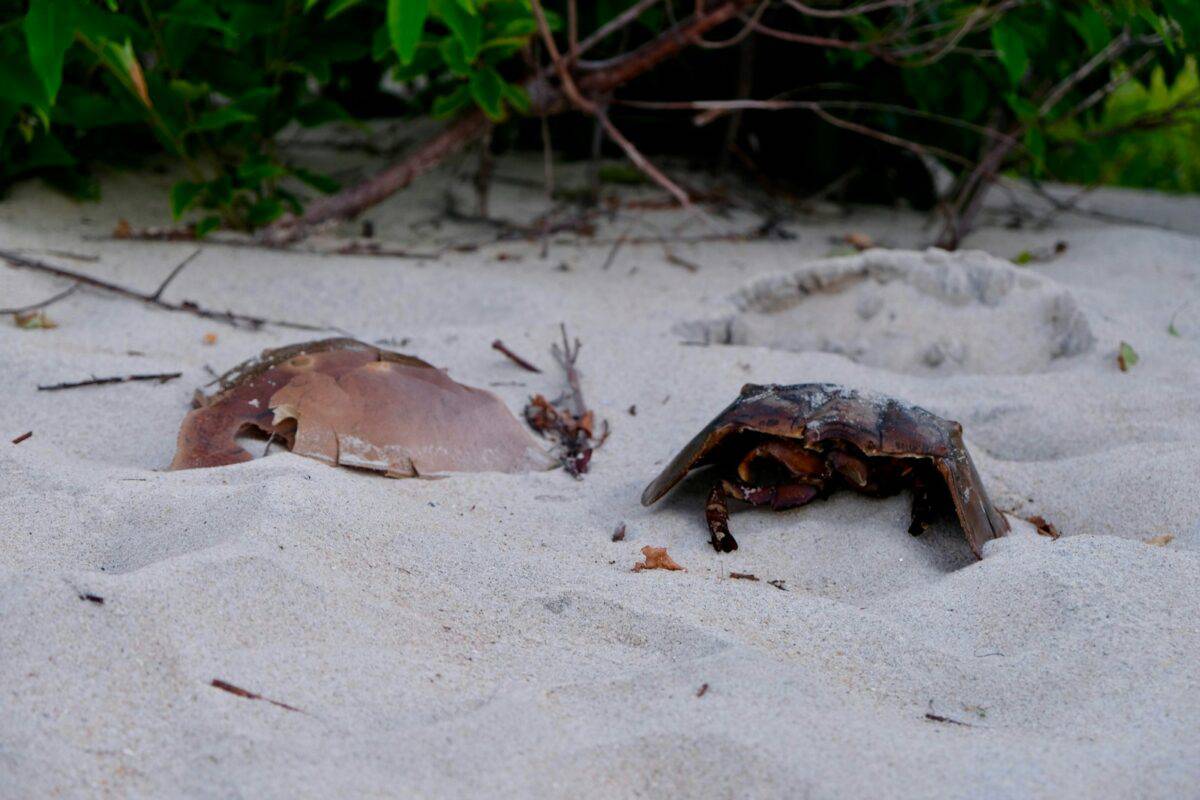
With a lineage dating back 450 million years, the horseshoe crab is often considered a living fossil. Found along the Atlantic and Gulf coasts of North America and Asia, these fascinating creatures have remained relatively unchanged over time. Their blue blood is vital for biomedical applications.
2. Babirusas: The Curved Tooth Wonder
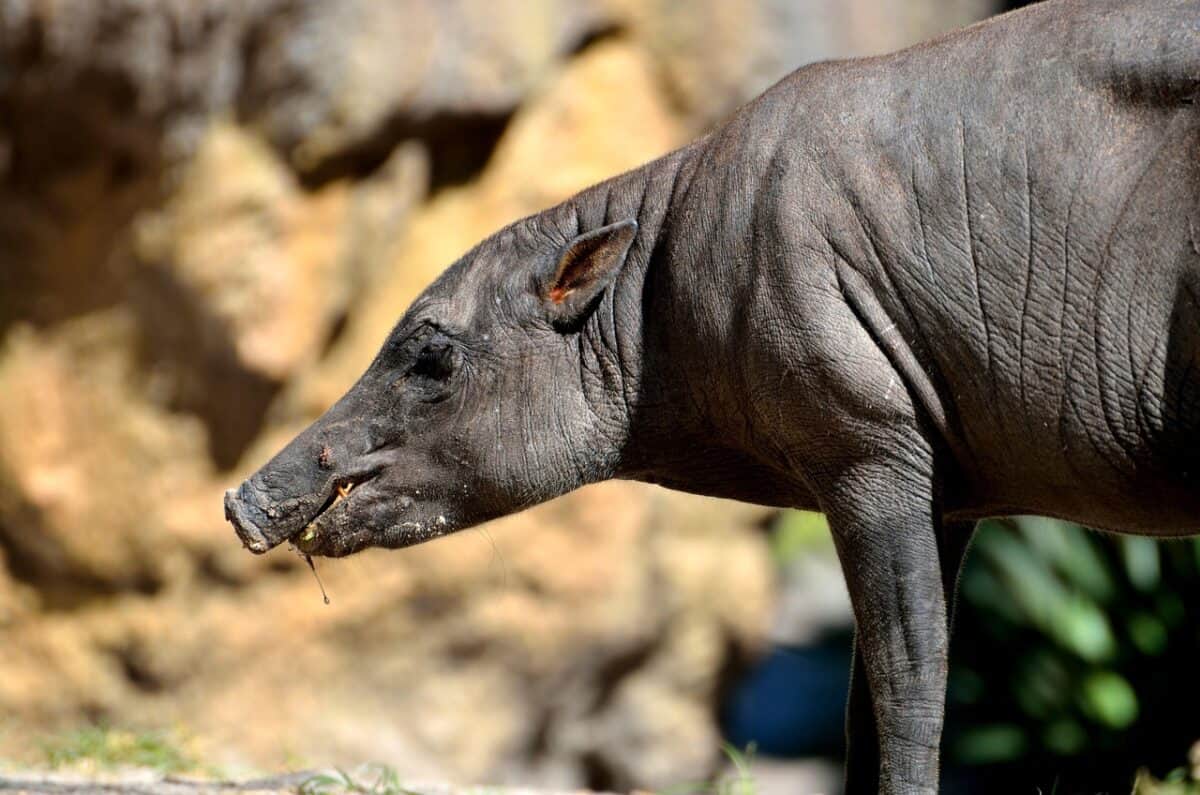
Endemic to the Indonesian islands, babirusas, or “deer pigs,” are known for their unique curling tusks that sometimes grow through their own snouts. These bizarre upper canines play a role in sparring and are an evolutionary marvel. Babirusas are generally solitary, foraging for fruits and leaves.
1. Moon Crab: The Colorful Night Dweller
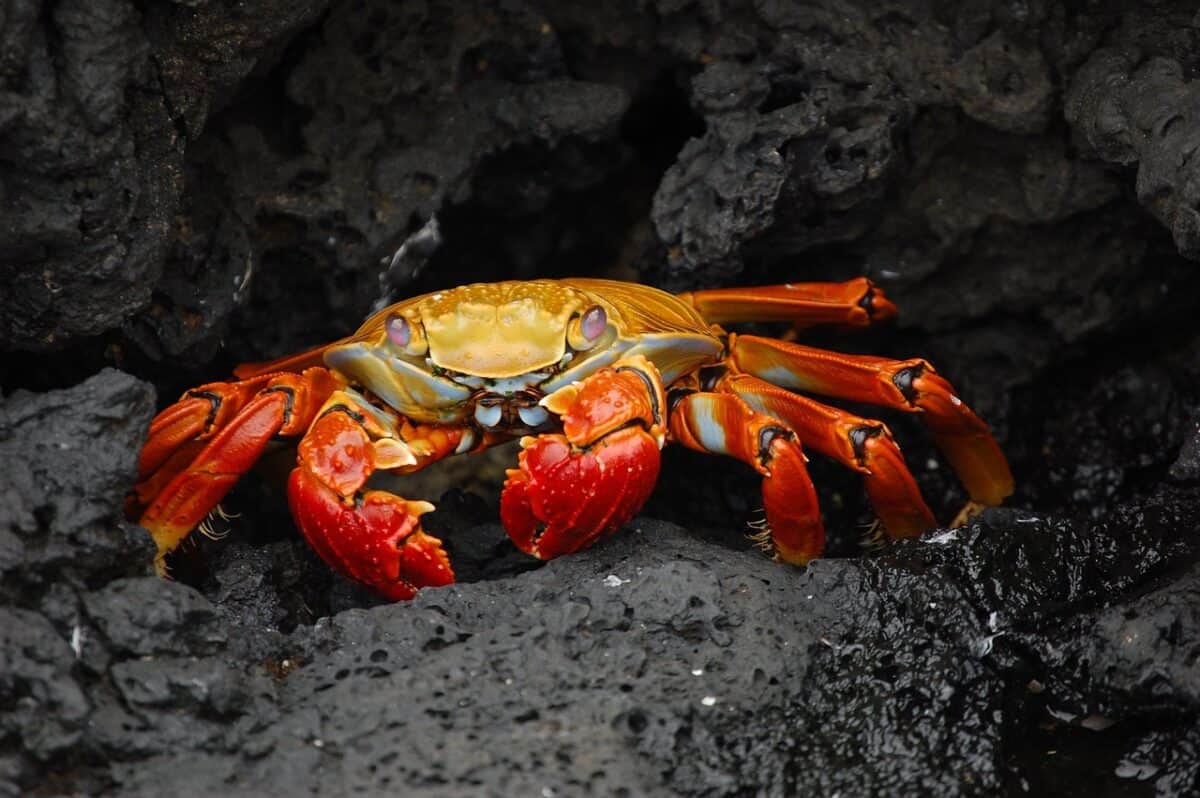
The moon crab, found along the coasts from Florida to Brazil, is known for its vibrant shell coloring of blue and orange, somewhat reminiscent of a lunar glow. Primarily nocturnal, these crabs are excellent diggers, creating burrows to rest during the day and avoiding beach-going predators.
These strange and fascinating creatures remind us of the incredible diversity of life on our planet. Each one has evolved unique characteristics tailored to their environments, offering a glimpse into the wonders of natural adaptation.

- Why Some Pets Prefer Kids Over Adults - July 28, 2026
- Why the American Horseshoe Crab Needs Federal Protection - July 28, 2026
- The Animals Thriving—and Dying—in a Warming World - July 28, 2026