


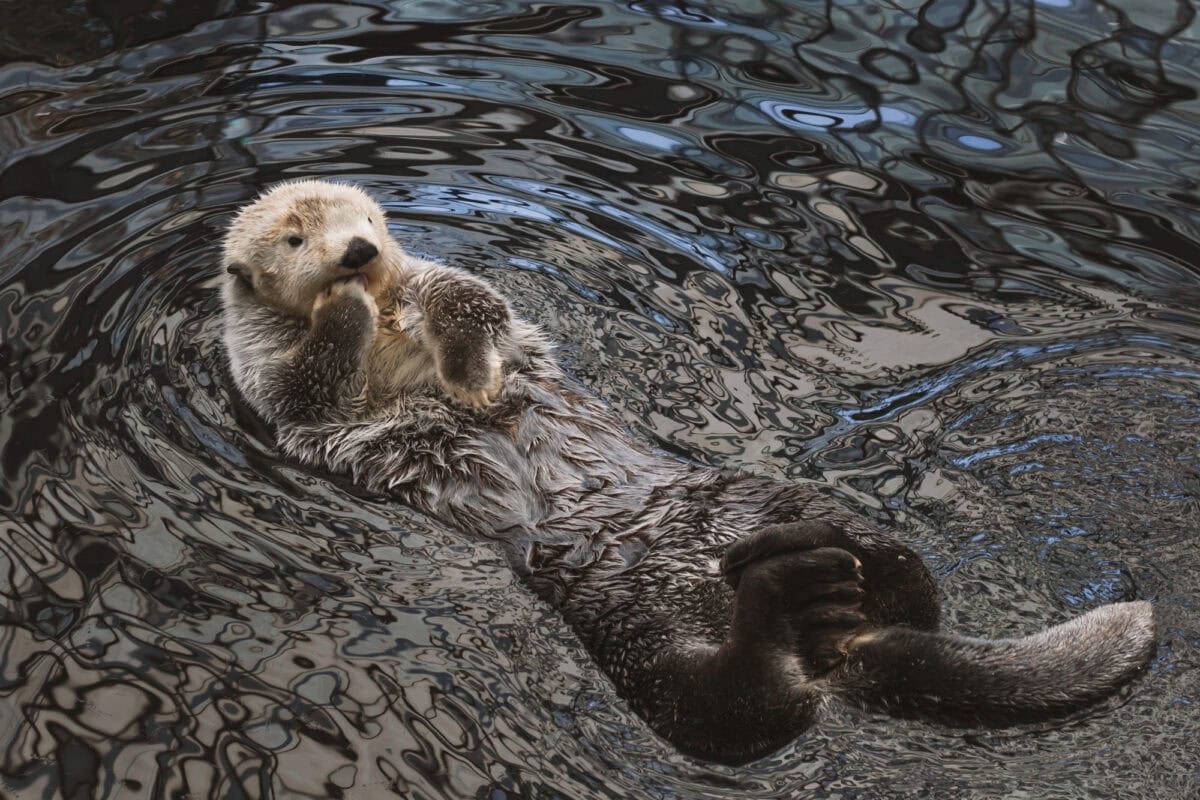
The sea otter, a charming marine mammal often seen floating on its back in coastal waters, is a creature of intrigue and wonder. Native to the North Pacific Ocean, its playful demeanor and skillful use of tools have captivated wildlife enthusiasts for generations. However, amid the captivating aspects of the sea otter’s life, there lies a mystery that has perplexed scientists: the relative silence of these animals. Unlike many marine and terrestrial mammals, sea otters do not frequently vocalize. This enigmatic silence opens up an array of questions about the species’ behavioral and communication strategies.
The Sea Otter’s Natural Habitat

Understanding the environment in which sea otters live is crucial for delving into their communication habits. Sea otters inhabit coastal areas with lots of kelp, which provides shelter and a rich feeding ground. These creatures are highly adapted to their aquatic lifestyle, with dense fur for insulation and webbed feet for swimming. Their habitats are often bustling with a medley of sounds, from the crashing of waves to the calls of other marine species. Yet amid this cacophony, sea otters maintain a surprising quiet.
Communication in the Animal Kingdom
Communication among animals is varied and complex, often vital for survival. In the marine world, sound is particularly important due to its ability to travel long distances through water. Many marine mammals, such as dolphins and whales, are renowned for their vocal abilities, using sound for navigation, hunting, and social interaction. This vocal communication can convey detailed information and is crucial for maintaining social bonds.
Characteristics of Sea Otter Communication
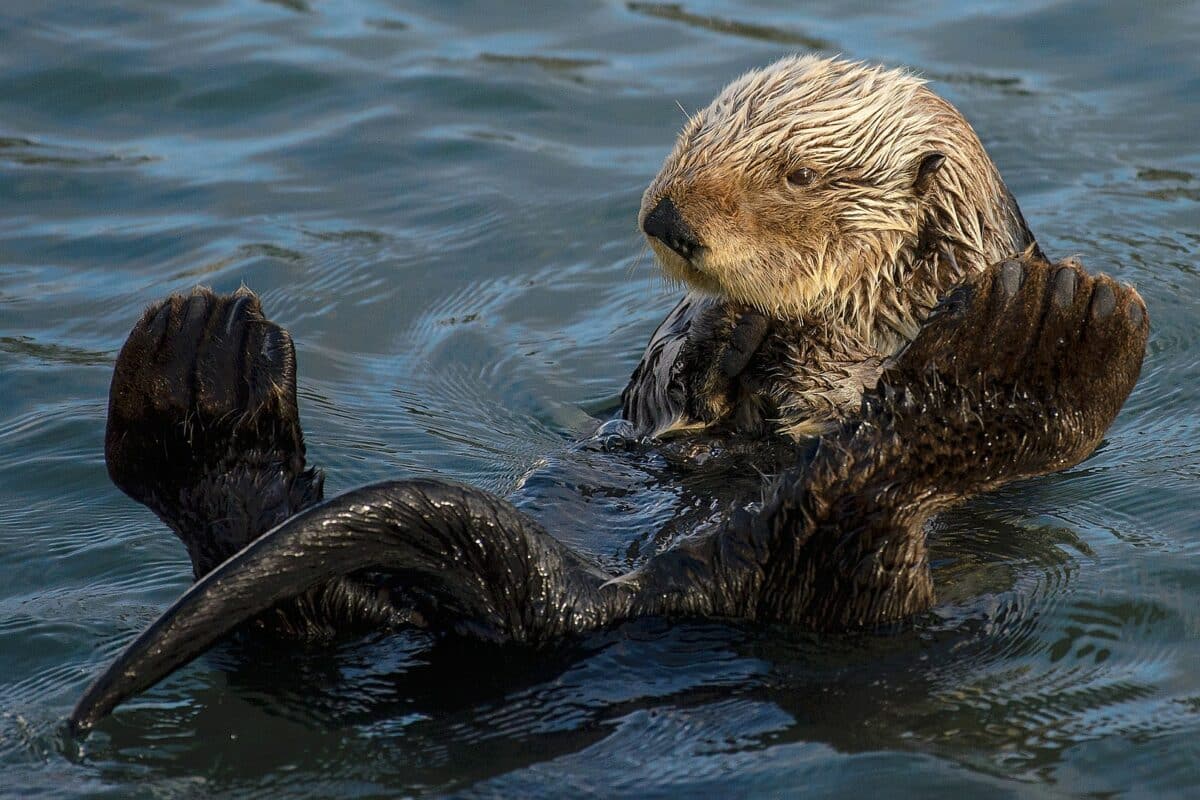
Sea otters possess a variety of vocalizations, including whistles, cries, and growls, yet they use them sparingly. Observations suggest that these sounds are primarily employed in specific contexts, such as distress calls from pups to their mothers. Adult otters tend to rely less on vocalizations, with more focus on visual and tactile communication, such as grooming and body language. This limited use of sound among adults leads to questions about its evolutionary advantage and necessity.
Theories Behind the Silence

Several theories attempt to explain the sea otter’s relative lack of vocal communication. One possibility is that their specialized lifestyle reduces the need for vocal interaction. Unlike many other marine species, sea otters often lead solitary lives, except during mating or when rearing young. Their foraging behavior does not require coordinated hunting efforts that might necessitate ongoing vocal exchanges.
Another theory considers predator avoidance. Loud vocalizations might attract unwanted attention from predators such as sharks and orcas. By remaining silent, sea otters may reduce their risk of detection, thus gaining a survival advantage.
The Role of Social Structure

The sea otter’s social structure may also contribute to their quiet demeanor. Females are often seen with pups, forming small family groups, while males might form bachelor rafts. These groupings do not require extensive communication, contrasting with species that live in large, complex social structures where vocalization plays a crucial role in maintaining group cohesion.
Research and Scientific Exploration

The mysterious silence of the sea otter is a field ripe for scientific investigation. Researchers utilize various methods to study these animals, including acoustic monitoring, behavioral observation, and tagging. By analyzing how and when sea otters use sound, scientists hope to uncover the broader implications of their communication patterns and gain insights into their survival strategies.
Conclusion

The sea otter’s silence is not just an absence of sound but a window into the complex and fascinating world of animal communication. As research continues, it will undoubtedly deepen our understanding of these captivating creatures and their adaptations to life in a challenging environment. The mystery surrounding their quiet existence serves not only as a reminder of the vast unknowns in the natural world but also as an invitation for further exploration and discovery. Through this ongoing journey, we gain a greater appreciation for the rich tapestry of life that inhabits our planet.

From exploring the marine wonders in the Azores and witnessing the vast savannas of Kenya, to delving deep into the rich biodiversity of South Africa and traversing iconic landscapes in Australia and the US like Yellowstone, Chris's experiences are vast.
With a penchant for diving alongside sharks, the ocean holds a special place in his heart.
Through his academic insights, he champions wildlife conservation, striving with 'Animals Around The Globe' to cultivate a profound connection between humans and animals, enhancing our mutual appreciation.
Connect with him at Feedback@animalsaroundtheglobe.com.
- The Great Lakes Are Now Home to Tropical Fish — Here’s Why - July 19, 2026
- Red Pandas Use Their Tails Like Blankets - July 19, 2026
- 15 Ways To Attract Ruby Throated Hummingbirds To Your Mississippi Garden - July 19, 2026