


The Maui dolphin, a subspecies of the Hector’s dolphin, is a marine wonder that is found exclusively in the coastal waters off the western shores of New Zealand’s North Island. Renowned for its playful nature and distinctive appearance, the Maui dolphin is a symbol of the region’s rich biodiversity. Unfortunately, this remarkable mammal is on the brink of extinction, classified as critically endangered with alarmingly few individuals remaining in the wild. Understanding the plight of the Maui dolphin is critical for its conservation and the protection of our planet’s marine ecosystems.
Physical Characteristics

Maui dolphins are among the smallest dolphins in the world, with adults measuring around 1.2 to 1.4 meters in length and weighing approximately 50 kilograms. They are easily identifiable by their rounded dorsal fins, which resemble the shape of a Mickey Mouse ear, distinguishing them from other dolphin species. Their unique physical features also include a short snout and a striking color pattern: predominantly gray with a white belly and distinctive black markings on the face and fins. These characteristics make the Maui dolphin not only unique but also vulnerable to various environmental and human-induced threats.
Habitat and Distribution
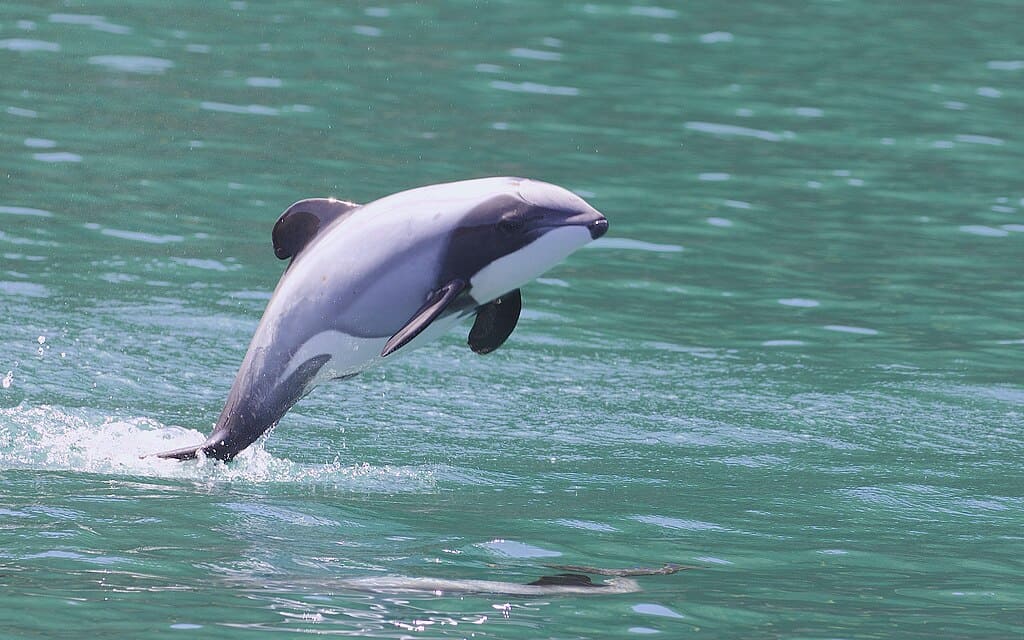
Maui dolphins inhabit shallow coastal waters, typically less than 20 meters deep. These areas are rich in marine life, providing essential feeding grounds for the dolphins. Historically, their range extended along much of the North Island’s west coast, but their habitat has severely contracted due to human activities. The dolphins are now largely restricted to a small pocket of water around the harbors of Taranaki and Waikato. This limited distribution makes them particularly susceptible to threats, as their entire population is concentrated in a narrow geographical area.
Behavior and Diet
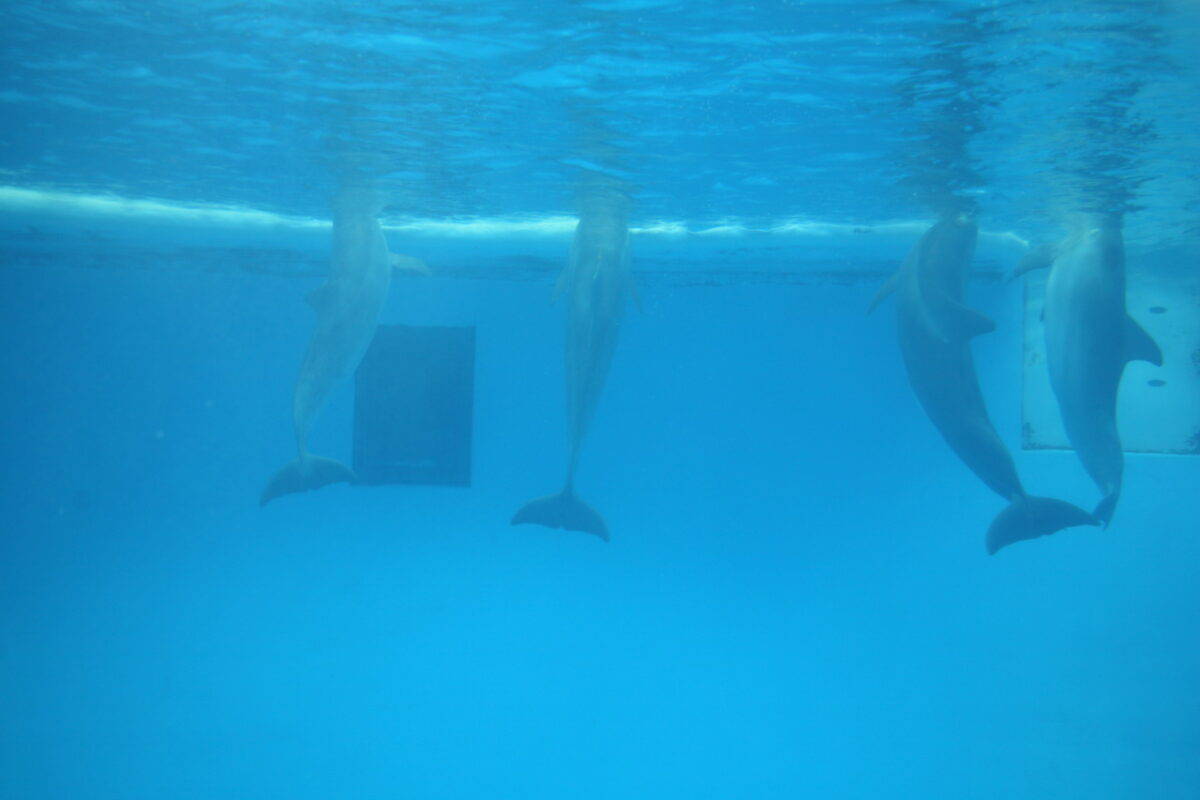
Maui dolphins are social animals, often found in small pods comprising two to eight individuals. They are known for their acrobatic behavior, frequently seen leaping from the water and playing in the surf. This playful nature is complemented by their complex communication, a symphony of clicks and whistles that facilitate group coordination and hunting. Their diet consists predominantly of small fish and squid, which they hunt using echolocation—a sophisticated sonar system that allows them to navigate and locate prey in murky waters.
Conservation Status and Threats
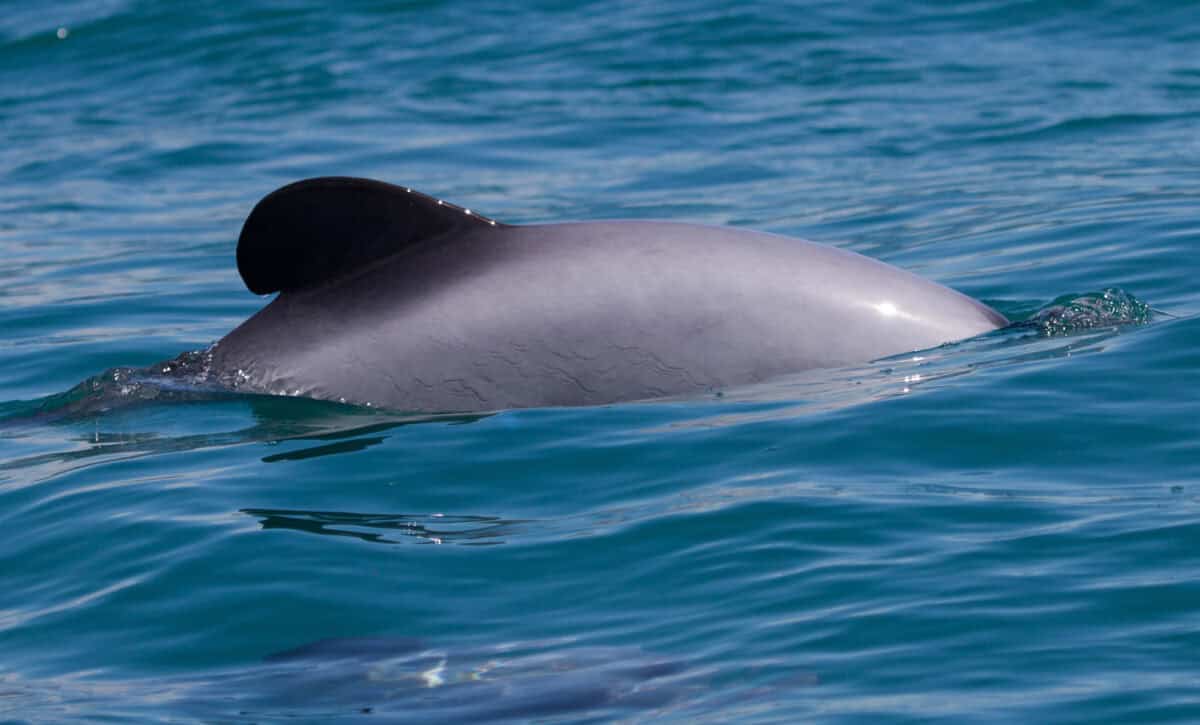
The IUCN lists the Maui dolphin as critically endangered, with estimates suggesting that fewer than 60 individuals remain. The steep decline in their population is attributed to a combination of human-induced threats. The primary threat is bycatch, where dolphins are inadvertently caught in fishing nets, especially gillnets and trawl nets. Habitat degradation, pollution, and the impacts of climate change further exacerbate their precarious situation. The introduction of diseases, such as toxoplasmosis, also poses a significant risk, with increasing incidences reported in recent years.
Conservation Efforts and Future Prospects
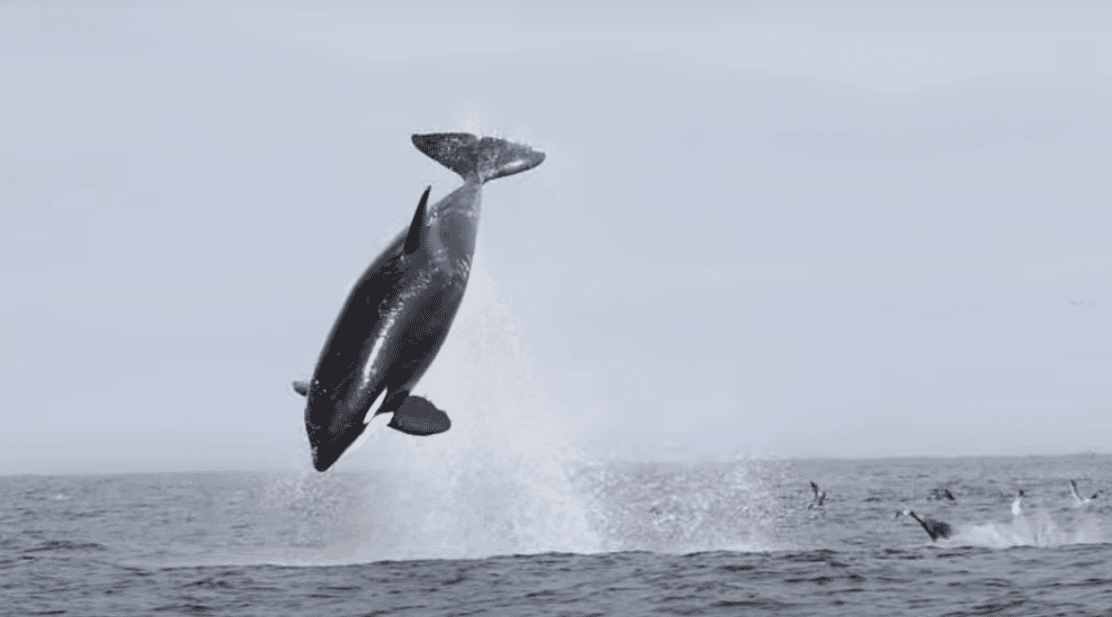
In response to the dire circumstances facing the Maui dolphin, several conservation measures have been implemented by both governmental and non-governmental organizations. Marine protected areas have been established to restrict harmful fishing practices, and public awareness campaigns aim to educate and engage communities in conservation efforts. Research initiatives focus on understanding the Maui dolphin’s ecology and threats to develop effective recovery strategies. However, despite these efforts, the survival of the Maui dolphin depends on continued and enhanced conservation actions, global awareness, and policy changes to ensure the preservation of their diminishing habitat.
Conclusion

The plight of the critically endangered Maui dolphin serves as a poignant reminder of the fragility of marine ecosystems in the face of human activities. Protecting these unique creatures is not just a regional imperative but a global responsibility. By fostering awareness, supporting conservation initiatives, and advocating for sustainable practices, we can contribute to the preservation of this charismatic species, ensuring that future generations can marvel at the wonder of the Maui dolphin in the wild.

As a little kid, I fell in love with nature, wildlife, and animals. Living in the USA, South Africa, Italy, China and Germany gave me the opportunity to discover the world's Wildlife. My favorite animals are Mountain Gorillas, Siberian Tigers, and Great White Sharks.
I'm a certified PADI Open Water Diver, went to Everest Base Camp and Trekked Gorillas in Uganda. I hold a Master of Science in Economics and Finance.
Please send any feedback to feedback@animalsaroundtheglobe.com
- 14 Dog Breeds That Live the Longest - July 26, 2026
- 15 Dogs That Stay Puppies Forever in Personality - July 26, 2026
- The Most Popular Mini Mammals in the Exotic Pet Trade - July 25, 2026