


The animal kingdom is full of incredible surprises. Often, animals demonstrate a level of intelligence and adaptability that rivals, or even eclipses, our own human capabilities. From elephants using their trunks as tools to crows solving complex puzzles, these moments of brilliance remind us that intelligence isn’t exclusive to humankind. This article explores 28 astonishing instances where animals showcased their remarkable intelligence, proving they could be just as clever—or even cleverer—than us.
27. Elephants That Outsmarted Poachers
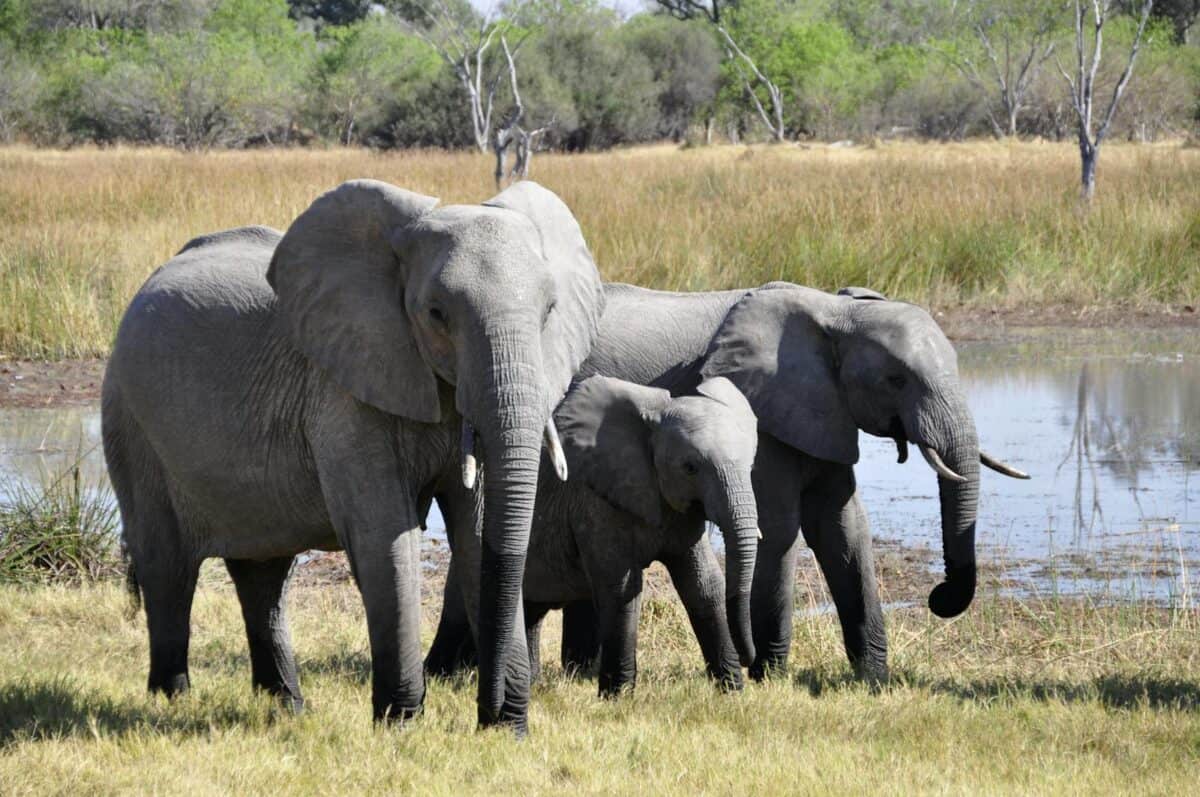
Elephants have long been recognized for their intelligence and strong social bonds. In Africa, some elephants have learned to recognize the sound of poachers’ helicopters, prompting them to hide in dense forests or travel at night to avoid danger. This adaptation highlights their capacity for complex thought and survival strategies.
26. Crows Solving Puzzles for Food

Crows are renowned for their problem-solving skills. In a study, crows were observed using a series of tools in the correct sequence to retrieve food that was out of reach. This feat, akin to a human using multiple steps to solve a problem, demonstrates a sophisticated level of intelligence often compared to that of a young child.
25. Dolphins Using Sponges as Tools
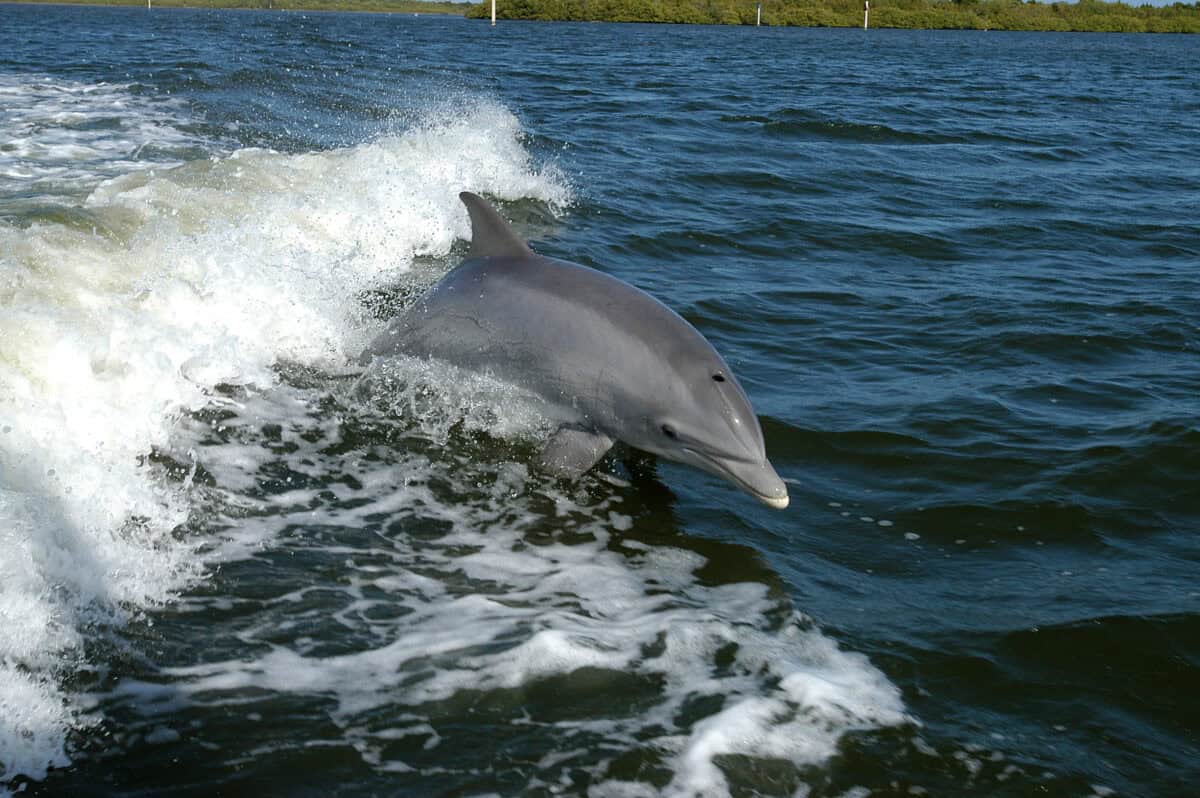
In the waters of Shark Bay in Australia, bottlenose dolphins have been spotted using marine sponges as protective coverings for their snouts while foraging along the seafloor. This behavior, passed from mother to calf, shows cultural learning and the ability to use tools in their natural environment.
24. Chimpanzees Planning for the Future

Chimpanzees share many traits with humans, including the ability to plan ahead. In the wild, they have been observed storing weapons such as stones and sticks to use later for hunting or defending their territory. This foresight is a clear indication of advanced cognitive capabilities.
23. Octopuses Escaping from Enclosures
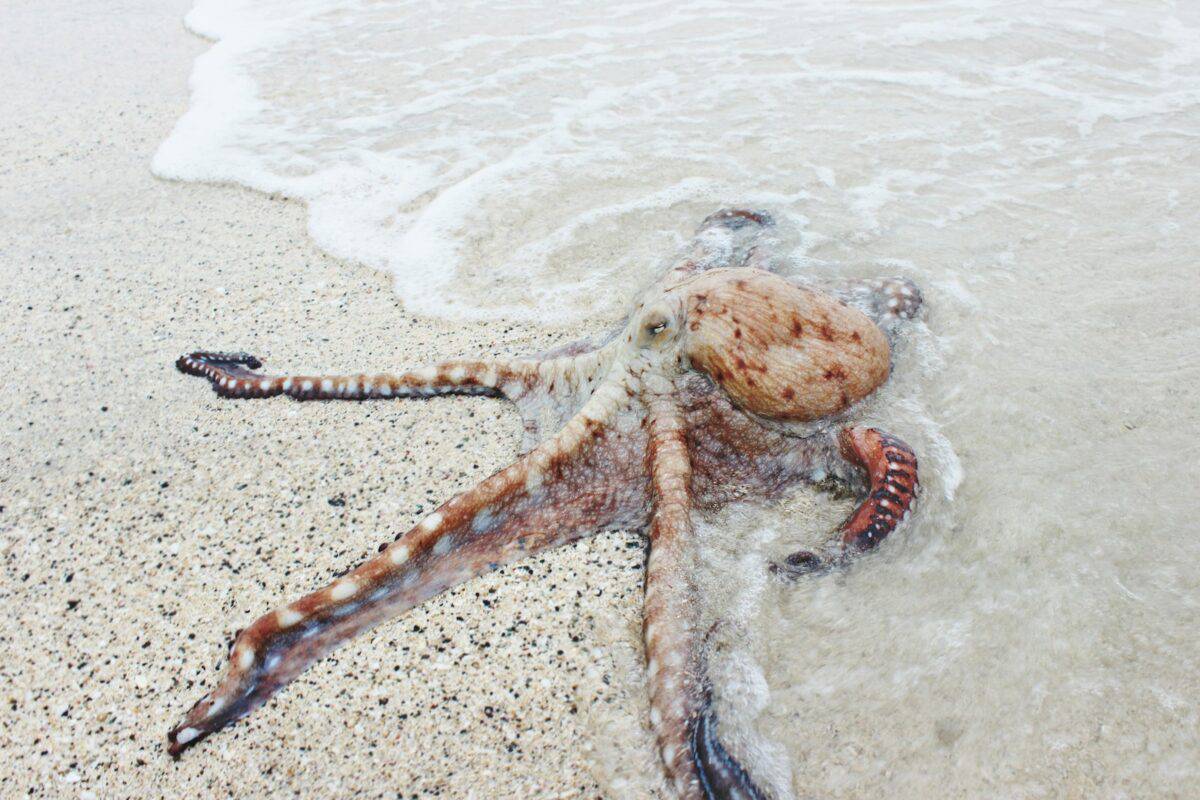
Octopuses are famous escape artists. In aquariums around the world, there have been numerous reports of octopuses unlocking tank lids or sneaking out through small openings to explore beyond their confines. Their dexterous arms and problem-solving skills make them one of the most intelligent invertebrates.
22. Parrots Understanding Human Language

Parrots are known for their ability to mimic human speech, but some, like the African Grey parrot, have demonstrated comprehension of words within context. Alex the parrot famously learned over 100 words and could identify colors and shapes, showcasing cognitive abilities akin to young humans.
21. Dogs Reacting Emotionally to Owners

Dogs have been man’s best friend for millennia, and their emotional intelligence is a significant part of why they hold this title. Studies have shown that dogs can understand human emotions, often comforting their owners when they sense sadness or anxiety, exhibiting empathy and strong social bonds.
20. Pigeons Navigating Complex Routes

Pigeons possess an incredible natural GPS. They have been used for centuries to carry messages due to their remarkable homing ability. Beyond just flying home, pigeons have been shown to navigate complex urban environments with ease, demonstrating spatial intelligence and navigation skills.
19. Bears Solving Problems in the Wild
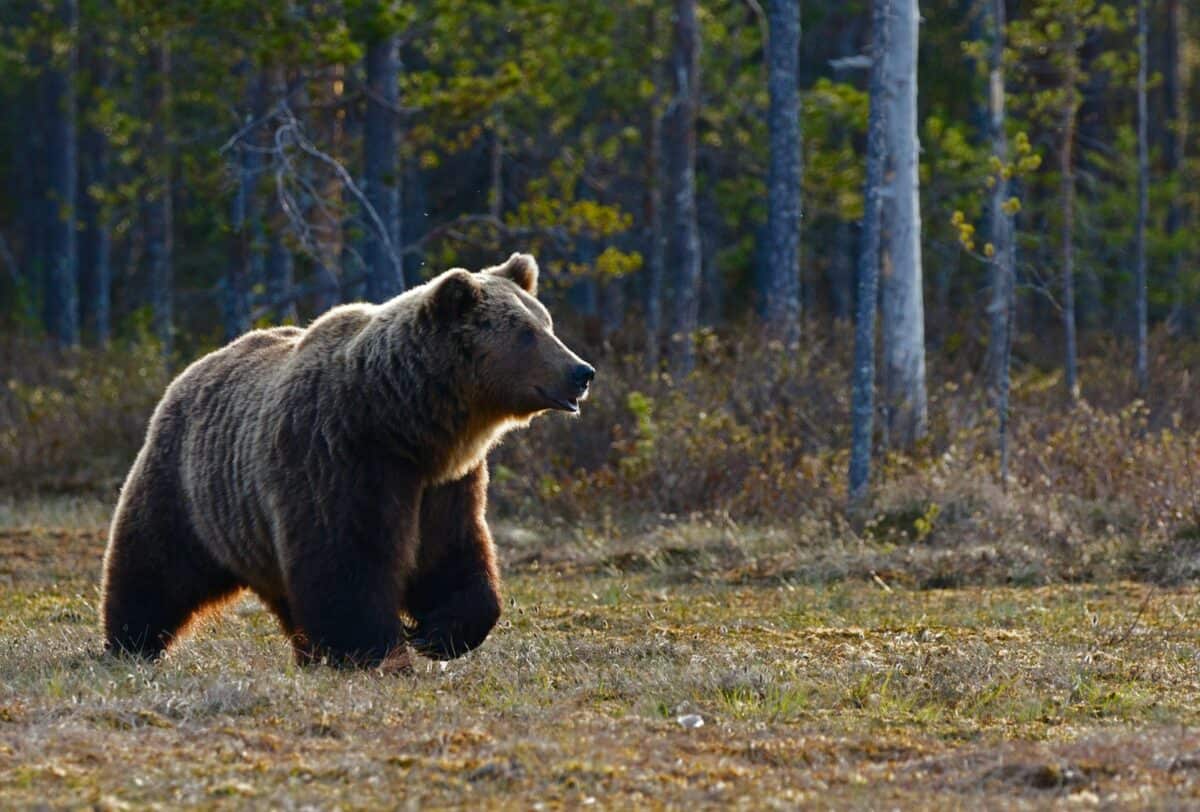
In various wildlife studies, bears have demonstrated problem-solving skills that are vital for their survival. For example, some have learned to open locks on food containers at campsites, revealing a level of intelligence necessary to manipulate objects to achieve their goals.
18. Rats Learning Complex Mazes

Rats have been the subject of countless behavioral studies and have shown impressive problem-solving abilities. They can navigate intricate mazes, remember routes, and even learn multi-step tasks to obtain rewards, reflecting cognitive skills that rival those of some larger mammals.
17. Bees Communicating Through Dance

Bees are vital to our ecosystem, and their method of communication is nothing short of remarkable. The “waggle dance” performed by bees conveys detailed information about the location of food sources to their hive mates, showcasing complex communication skills and cooperation.
16. Orcas Coordinating Hunts

Orcas, or killer whales, are apex predators with advanced hunting tactics. They use coordinated group strategies to capture prey, such as creating waves to knock seals off ice floes. This collaboration requires detailed communication and a shared understanding, emphasizing their intelligence and social structure.
15. Ants Building Complex Structures
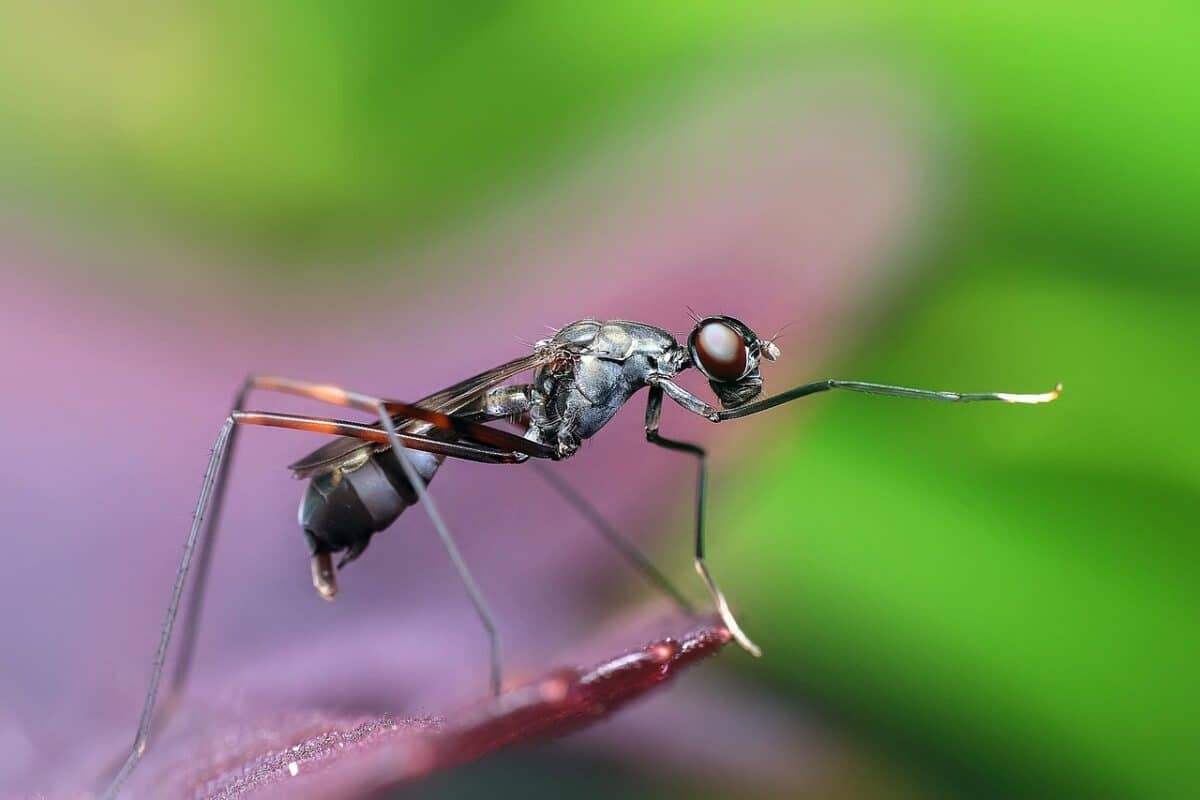
Ants work together in vast numbers to build intricate colonies with complex tunnel systems. These structures are carefully planned to ensure ventilation and defense against predators, implying a collective cognitive process that orchestrates such sophisticated engineering feats.
14. Seals Using Tools to Aid Hunting
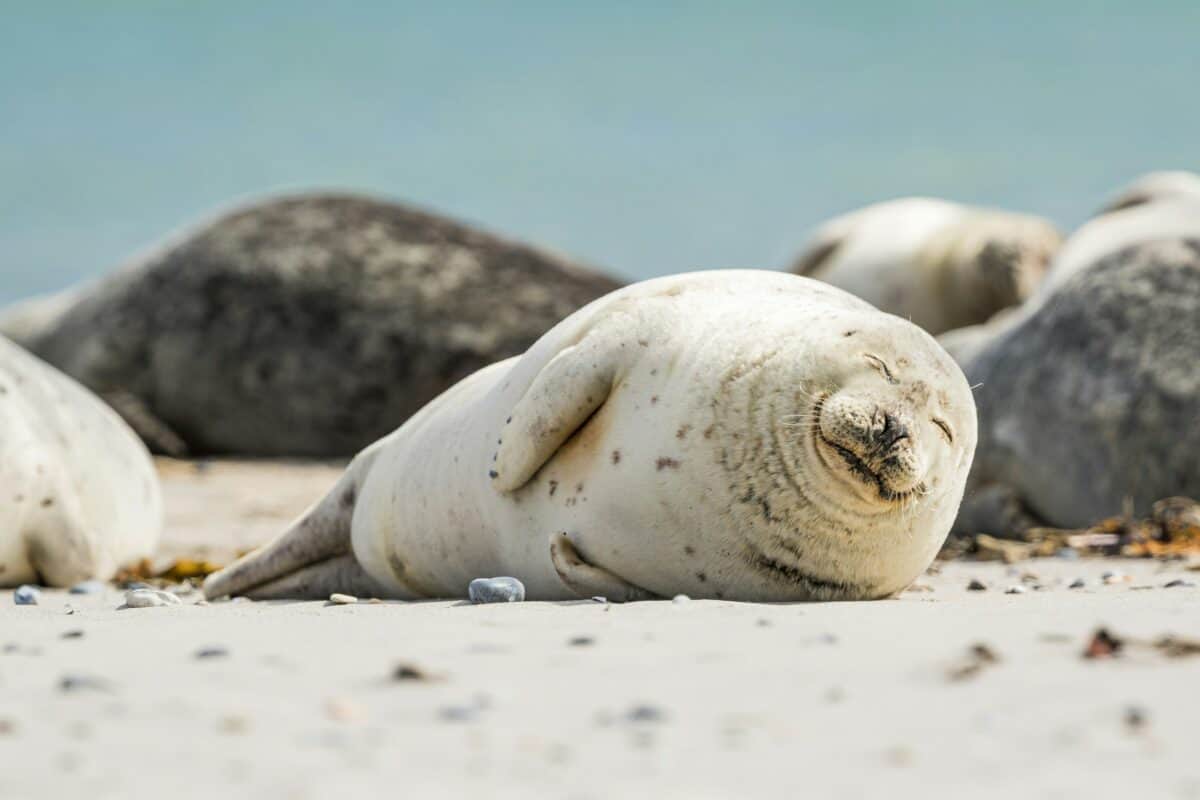
Seals have been observed using rocks and other objects to break open shellfish, demonstrating an ability to utilize tools to aid in hunting. This capability not only reflects adaptability but also showcases a level of intelligence that involves tool usage for survival.
13. Ravens Understanding Water Displacement
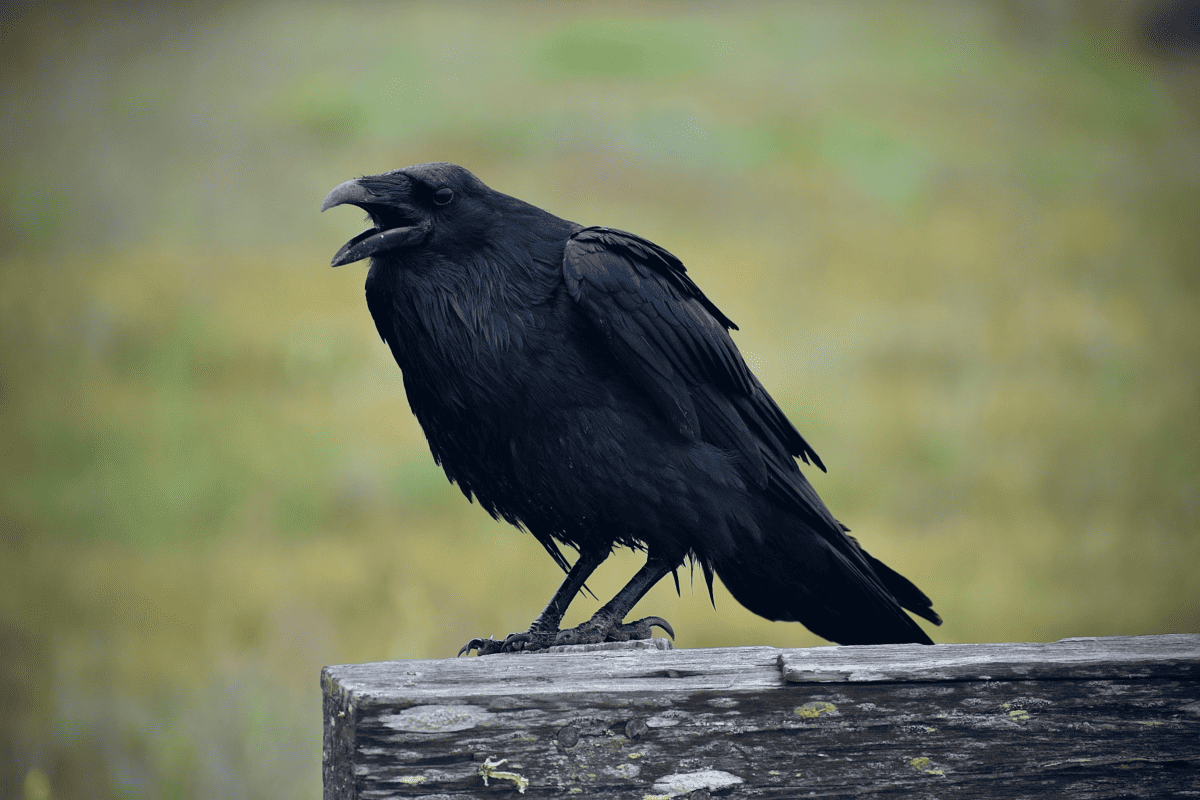
Ravens have shown a keen understanding of water displacement, a concept even some humans find challenging. In experiments, they have been seen adding stones to water-filled containers to raise the water level and access floating food, a clear sign of problem-solving intelligence.
12. Horses Recognizing Themselves in Mirrors

Self-awareness is a rare trait among animals, yet horses have shown signs of this ability through the mirror test. Some horses can recognize themselves in mirrors, often using their reflection to check their appearance or explore parts of their body they can’t see otherwise.
11. Squirrels Remembering Numerous Locations

Squirrels are known for their habit of burying nuts, but what’s more impressive is their ability to remember hundreds of locations where they’ve stashed food. This remarkable memory skill is essential for their survival through the winter months when food is scarce.
10. Pigs Playing Video Games

Pigs have demonstrated their intelligence in various studies, including their ability to play simple video games. Using a joystick, pigs can navigate mazes or complete tasks on a screen, showcasing cognitive skills similar to some primates.
9. Cats Opening Doors

Cats are often perceived as independent creatures, and their cleverness is evident in their ability to open doors. Whether by manipulating handles or nudging them open with paws, their resourcefulness in finding freedom or food shows an ability to solve practical problems.
8. Bonobos Showcasing Empathy

Bonobos are our closest relatives along with chimpanzees, and their emotional intelligence is profound. Observations in the wild reveal their use of empathy, cooperation, and complex social interactions to resolve conflicts peacefully, which mirrors human behavioral traits.
7. Penguins Using Rocks as Protection
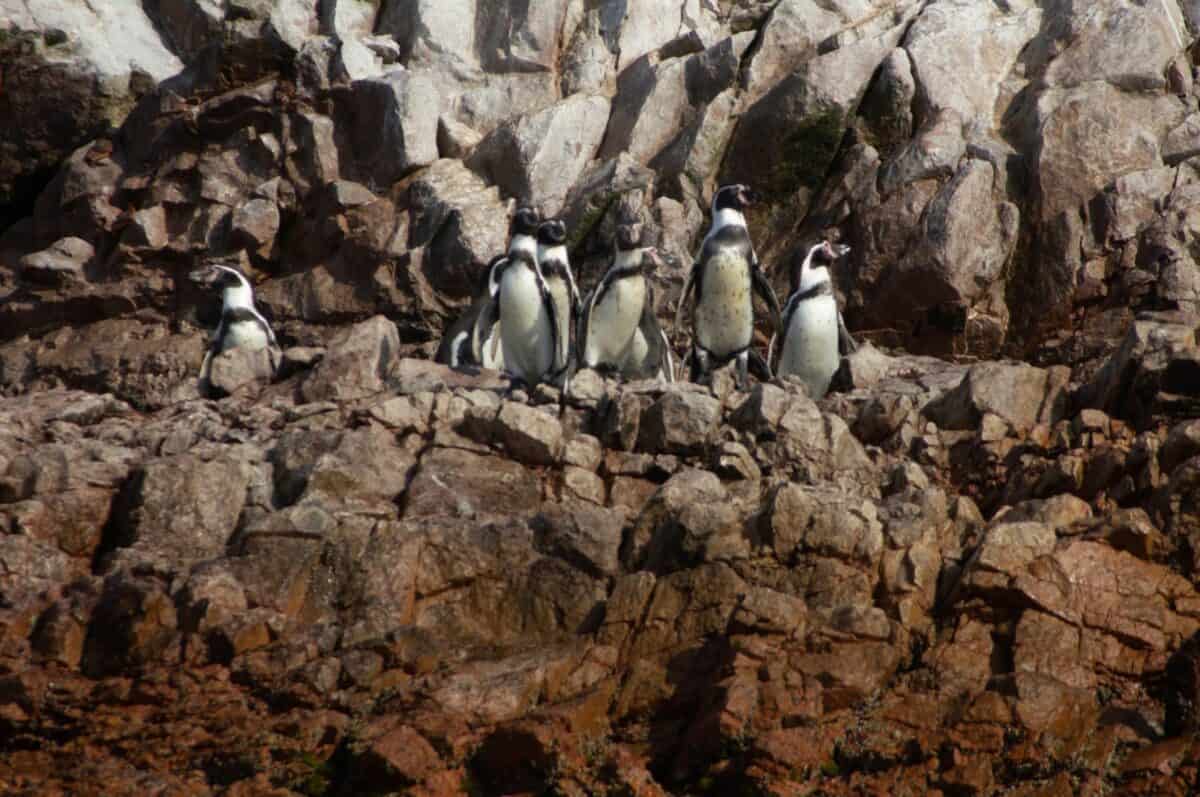
In the harsh climates where they live, penguins have been observed arranging rocks around their nests. This behavior protects eggs from harsh winds and predators, demonstrating problem-solving skills and foresight in ensuring the safety of future generations.
6. Raccoons Opening Locks

Raccoons are notorious for getting into places they shouldn’t be, thanks to their dexterity and intelligence. There have been reports of raccoons opening locks, latches, and even solving puzzles to access food or shelter, highlighting their curiosity and cleverness.
5. Fish Recognizing Human Faces
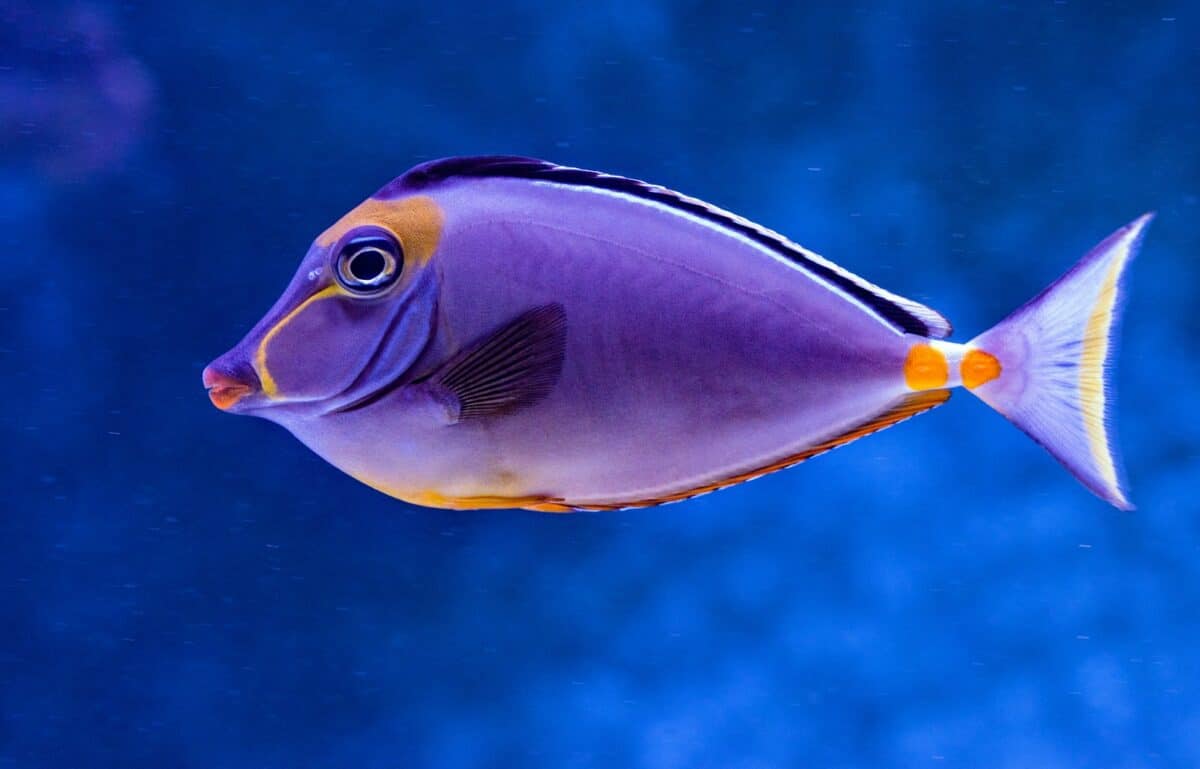
While fish might not typically be associated with advanced cognitive skills, some species like the archerfish have been found to recognize human faces. In experiments, they can differentiate between people and recall their interactions, displaying an unexpected level of visual recognition.
4. Swans Recognizing Themselves

Similar to horses, swans have displayed signs of self-recognition in mirrors. This rare ability in the avian world suggests a level of intelligence and self-awareness not commonly found in other bird species, adding to the depth of their complex social behaviors.
3. Gorillas Using Sign Language
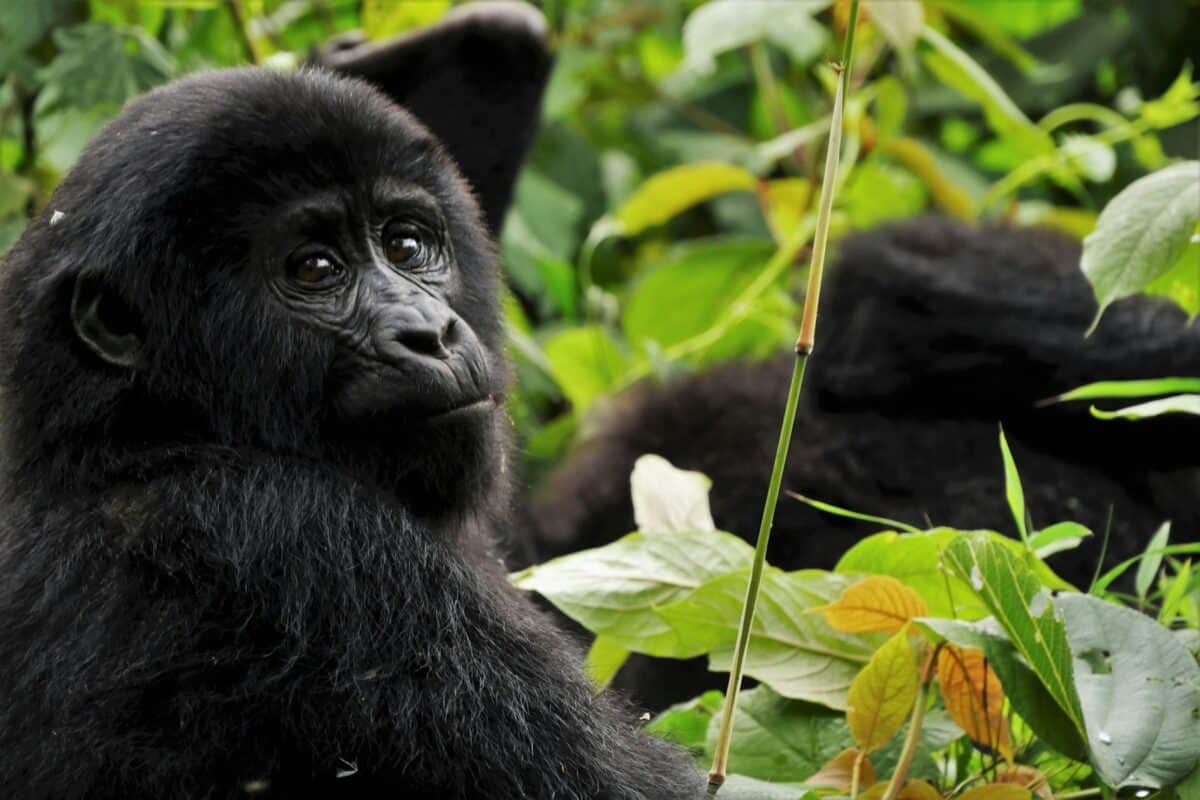
Koko the gorilla brought worldwide attention to primate intelligence by learning American Sign Language. With a vocabulary of over a thousand signs, she could communicate her emotions and thoughts directly with humans, challenging the boundaries of interspecies communication.
2. Sea Otters Using Rocks as Tools
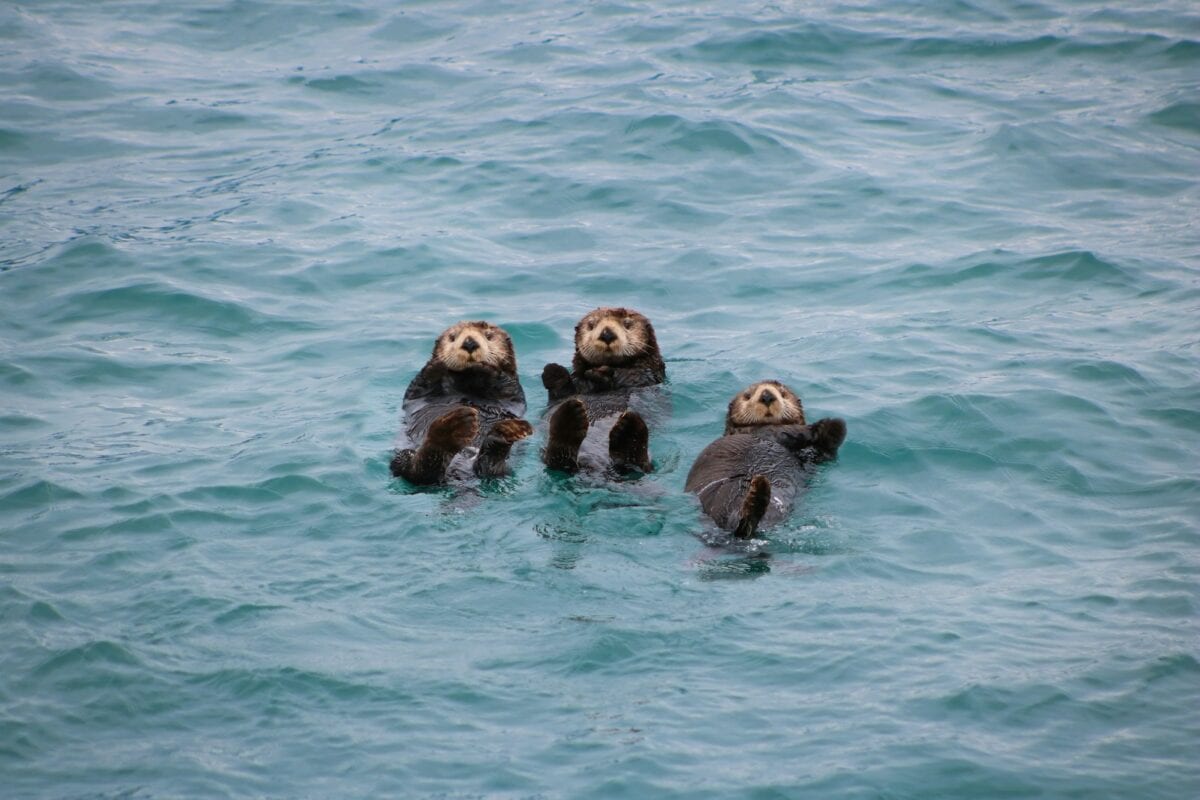
Sea otters are often seen using rocks to open shellfish. They select rocks based on size and shape for specific tasks, demonstrating an understanding of tool use tailored to their environment. This skillful use of tools signifies advanced cognitive abilities.
1. Chimpanzees Imitating Human Behaviors

Chimpanzees have frequently been observed mimicking human actions, from using sticks to fish for termites to engaging in activities seen among humans. This imitation suggests a capacity for learning through observation, a cornerstone of advanced intelligence.
The examples above illuminate the vast range of intelligence found across the animal kingdom. These creatures, from birds and mammals to invertebrates and marine life, showcase unique cognitive abilities that challenge our understanding of what it means to be “intelligent.” By observing and appreciating these amazing acts of animal ingenuity, we gain insights into the diverse ways intelligence can manifest in nature, encouraging us to respect and protect these remarkable creatures that share our planet.

- Why Some Pets Prefer Kids Over Adults - July 28, 2026
- Why the American Horseshoe Crab Needs Federal Protection - July 28, 2026
- The Animals Thriving—and Dying—in a Warming World - July 28, 2026