
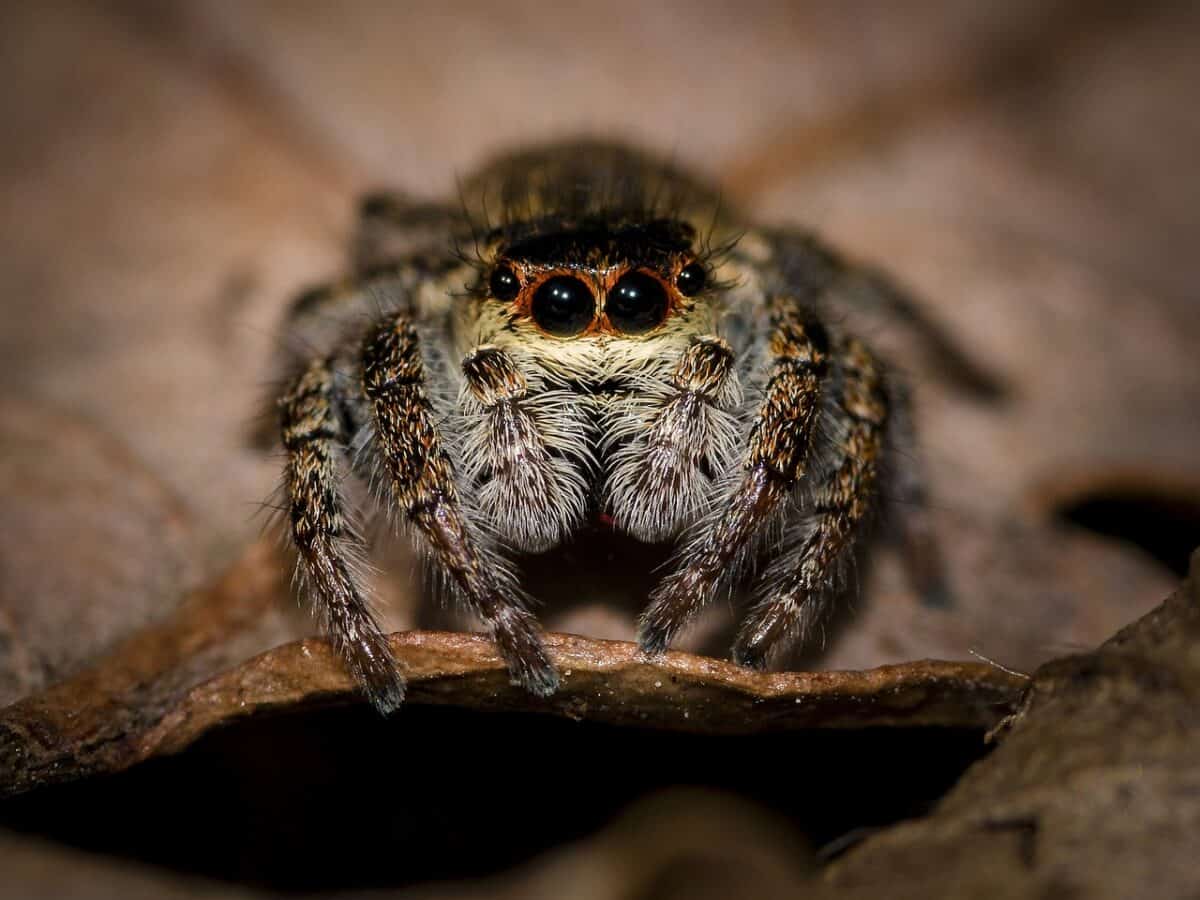
Jumping spiders are among the most captivating and diverse creatures within the arachnid family. Known for their exceptional vision and exuberant leaping abilities, these fascinating spiders have captured the interest of both scientists and pet enthusiasts. In this article, we delve into the intriguing world of jumping spiders and uncover 25 stunning facts that highlight their unique characteristics, behaviors, and roles in the ecosystem.
Masters of Vision

Jumping spiders possess some of the most advanced vision systems in the arachnid world. They have four pairs of eyes, with the two largest central ones providing acute vision that rivals even some vertebrates. This remarkable eyesight is crucial for identifying prey and navigating their environment.
Jumping Accurately without Muscles

Unlike other jumping creatures that rely on muscular power, jumping spiders use a hydraulic mechanism to leap. By altering the pressure within their bodies, they can propel themselves accurately over distances many times their body length.
Amazing Hunters
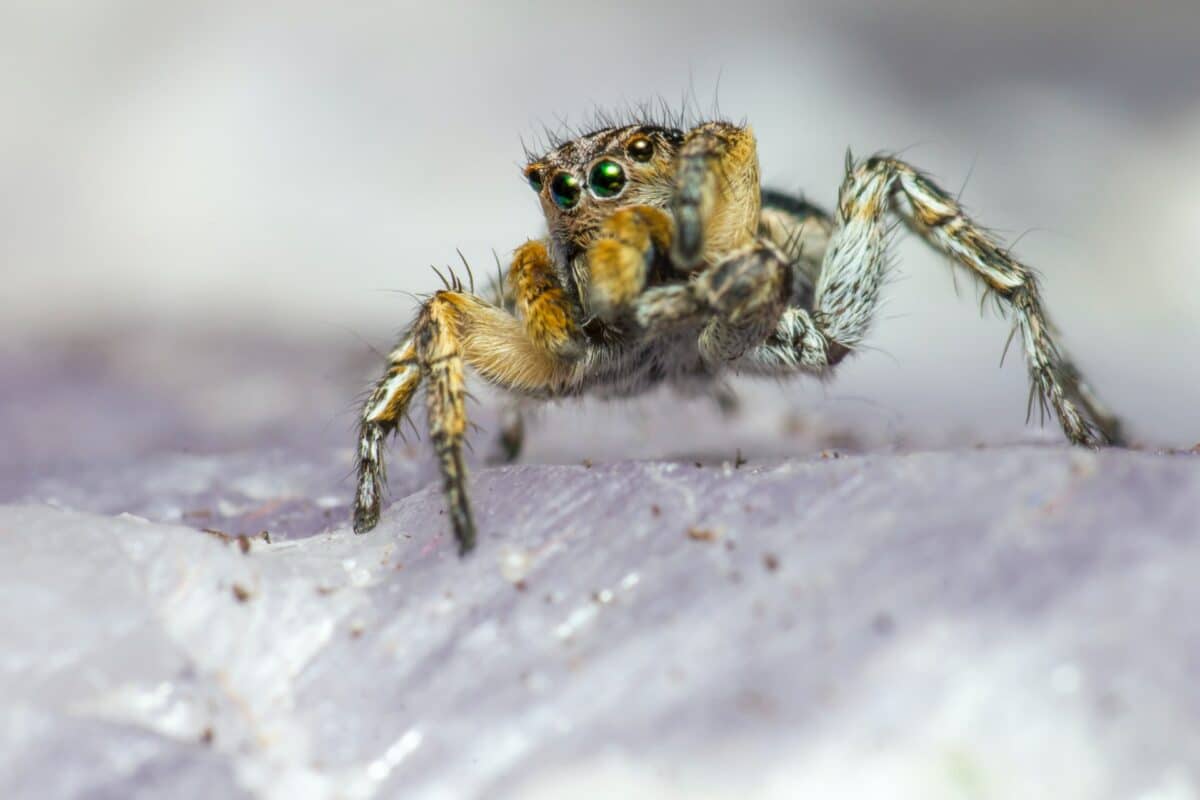
Armed with their excellent vision and leaping abilities, jumping spiders are formidable hunters. They typically stalk their prey rather than relying on webs, and they can execute precise jumps to capture unsuspecting insects.
Impressive Diversity

With over 6,000 species identified worldwide, jumping spiders exhibit immense diversity. They belong to the family Salticidae, which is the largest family of spiders, showcasing a wide range of colors, sizes, and behaviors.
Colorful Communication

Jumping spiders are known for their vibrant colors and patterns, which they use for communication during mating rituals. Males often perform elaborate dances to attract mates, showcasing their colorful displays to win over females.
They Have Personal Space

Unlike many spiders that prefer to web in dense communal spaces, jumping spiders are solitary and territorial. They stake out their own space and are known to be aggressive if another spider encroaches on their zone.
Remarkable Silk Usage

Although they don’t spin webs to catch prey, jumping spiders are skillful silk users. They produce silk draglines to anchor themselves as they jump and use silk to construct nests or retreats for resting and molting.
Brain Power

Jumping spiders have surprisingly large brains relative to their body size. These brains enable decision-making skills and allow the spiders to perform complex cognitive tasks such as learning and problem-solving.
Night Vision Experts

Some species of jumping spiders are equipped with a layer in their eyes that reflects light, enhancing their night vision. This adaptation allows them to hunt effectively in low-light conditions.
Mimicry Masters

Certain jumping spider species mimic ants and other insects to avoid predators or to get closer to their prey. This fascinating behavior is an excellent example of adaptive evolution in the animal kingdom.
Widely Distributed

Jumping spiders can be found on every continent except Antarctica. They are versatile and adaptable, thriving in diverse habitats ranging from rainforests and grasslands to deserts and human dwellings.
Pet Popularity
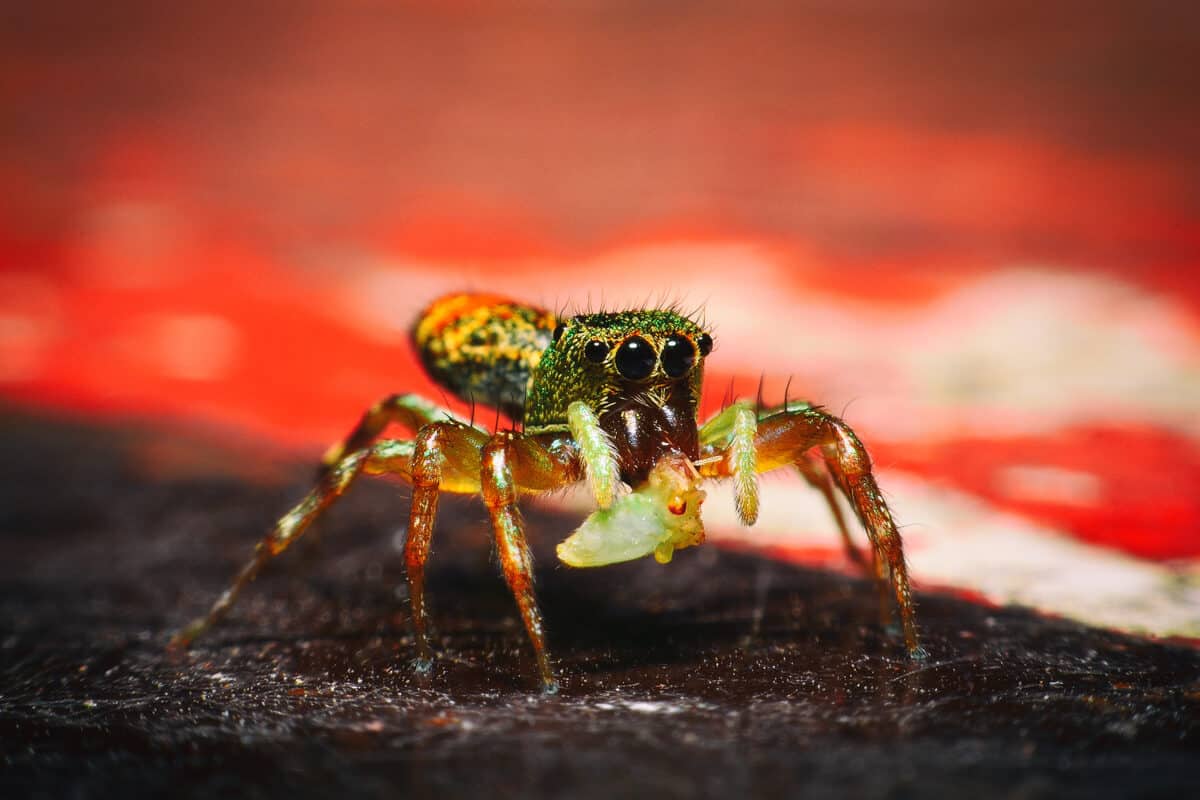
Due to their dynamic personalities and relatively easy care requirements, jumping spiders have become popular pets. They offer a fascinating glimpse into the arachnid world for enthusiasts willing to observe them in small terrariums.
Excellent Parents

Female jumping spiders exhibit protective maternal behaviors, guarding their egg sacs and young spiders against threats. This nurturing behavior increases the survival rate of their offspring significantly.
Unique Stridulation

Some species of jumping spiders produce sound by rubbing parts of their bodies together, a phenomenon known as stridulation. This communication method can be used for mating calls or to deter predators.
Temperature Tolerance

Jumping spiders demonstrate impressive resilience to temperature fluctuations. They can endure a range of temperatures, making them adaptable to various climates, though they do prefer warmer environments.
Conservation Concerns
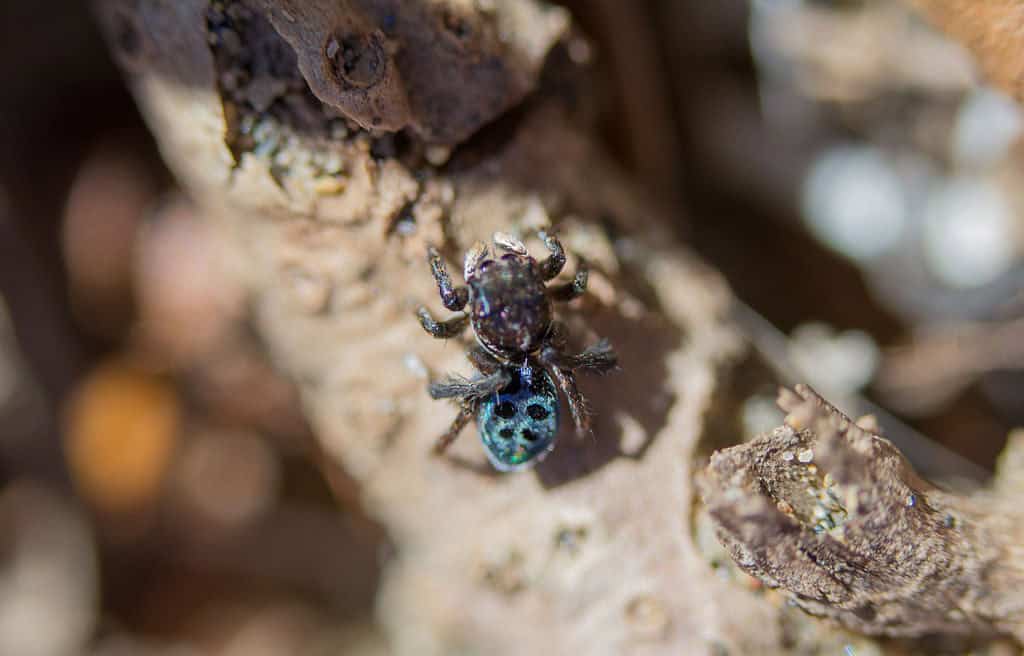
While jumping spiders are not currently endangered, certain species face threats from habitat destruction and climate change. Conservation efforts are crucial to protecting these important ecological players.
Fascinating Mating Rituals

Males perform complex courtship dances to impress females, often involving intricate leg movements and rhythmic tapping. These performances are not only displays of physical fitness but also demonstrate the males’ ability to deter rivals.
Spectrum of Sizes

Jumping spiders come in a variety of sizes, ranging from a mere few millimeters to several centimeters in length. Despite these size differences, their characteristic jumping skills and hunting prowess remain consistent.
Alert and Agile

Jumping spiders are naturally cautious creatures, perpetually alert to their surroundings. This vigilance, combined with their agility, aids in their survival and success as hunters.
Unique Time-Keeping Ability

Research has shown that jumping spiders can discriminate time intervals, an ability thought to be unique among invertebrates. They use this skill to judge distances and timing in their hunting and navigation.
Diverse Diet

Although primarily insectivorous, jumping spiders have a diverse diet that includes a variety of arthropods. They have also been known to consume nectar, making them occasional pollinators.
Web of Protection

Silk plays a crucial role in jumping spiders’ defense strategies. While not used traditionally for webbing, their silk provides a safety line during jumps and is instrumental in creating protective retreats.
Energy Efficiency

The hydraulic jumping mechanism of these spiders is energy-efficient, allowing them to leap great distances with minimal energy expenditure. This adaptation is crucial for their active hunting lifestyle.
Longevity

Jumping spiders typically have a lifespan of one to two years. Their relatively long life, combined with their rich behavioral repertoire, provides ample opportunity for studying arachnid intelligence and behavior.
Beneficial to Humans

Jumping spiders play an essential role in controlling insect populations, acting as natural pest controllers. Their presence in gardens and homes can reduce the need for chemical pesticides.
In conclusion, jumping spiders are remarkable creatures whose physical and behavioral characteristics set them apart as significant members of the arachnid family. Their adaptability and predatory efficiency make them fascinating subjects of study, while their role in ecosystems highlights their ecological importance. Whether as subjects of scientific research or as exotic pets, jumping spiders continue to captivate and intrigue us with their outstanding abilities and vibrant lifestyles.

- Why You Shouldn’t Chase Butterflies With Nets - July 22, 2026
- The Animal Kingdom’s Best Dads Ranked - July 22, 2026
- The Most Vulnerable Fish Species in U.S. Rivers Today - July 22, 2026