


The California coastline is a stunning natural wonder, stretching over 800 miles and boasting diverse marine life that captivates both locals and tourists alike. Yet underneath the shimmering waves lie some of the ocean’s most dangerous inhabitants. From toxic jellyfish to the apex predators of the deep, these creatures can be as fascinating as they are formidable. Understanding these deadly ocean residents not only enhances your appreciation for California’s marine biodiversity but also helps ensure safe interactions with the ocean.
The Intriguing Reign of the Great White Shark

The great white shark is perhaps the most infamous predator patrolling California’s waters. These apex predators are located along the coastline from San Diego to Northern California, with a significant concentration around the Farallon Islands. While incidents with humans are rare, their powerful jaws and serrated teeth command respect. Great white sharks feed primarily on seals and sea lions, and their presence is crucial for maintaining a balanced marine ecosystem.
The Venomous Enigma: Blue-Ringed Octopus

Lurking within the Pacific waters is the tiny yet deadly blue-ringed octopus. Though not native to California, they are occasionally spotted due to migration or being transferred via ballast water in ships. Despite their small size, their venom contains tetrodotoxin, capable of causing severe respiratory failure in humans. Recognizable by the vibrant blue rings that mysteriously appear when threatened, these octopuses demand cautious observation.
The Silent Threat: Jellyfish

Jellyfish such as the sea nettle and the moon jelly are common along the California coast. While many jellyfish stings cause only minor irritations, certain species like the Pacific sea nettle can deliver painful stings. Considering their translucent bodies and unpredictable movements, swimmers should remain vigilant. To avoid encounters, swimmers can opt for wearing protective suits when venturing into waters known for jellyfish blooms.
The Stealthy Hunter: Humboldt Squid
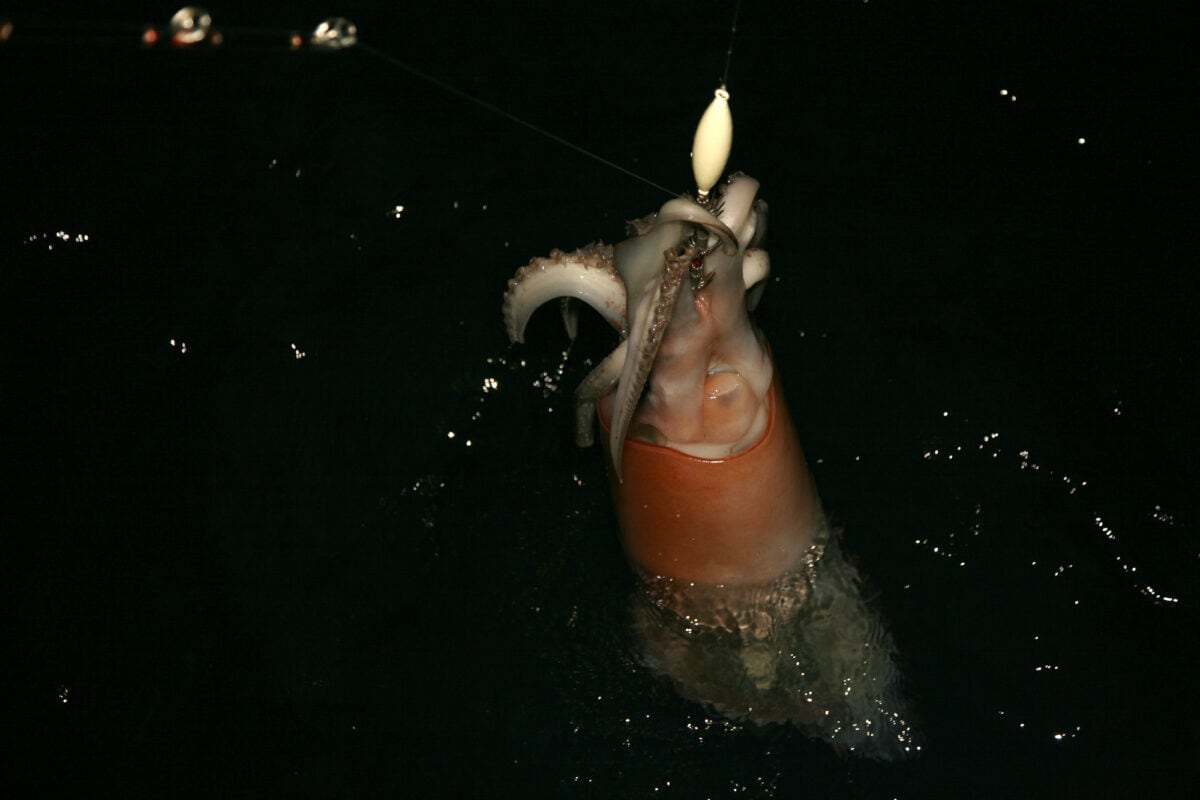
Known colloquially as “red devils,” Humboldt squid, prevalent in the waters off Southern California, can grow up to six feet long. They are known for their aggressive behavior and are often seen in large schools. Humboldt squid are voracious predators, using their sharp beaks to dismantle prey. While they usually do not attack humans, divers should exercise caution as they can become hostile if threatened.
The Mysterious Moray Eel

California’s kelp forests are home to the moray eel, slithering silently among the swaying algae. Their razor-sharp teeth and powerful bite make them formidable hunters of fish and crustaceans. While not overly aggressive, moray eels will defend themselves if cornered, and their ability to inflict severe wounds means divers should observe but not intrude upon their space.
Majestic Yet Menacing: The Orca
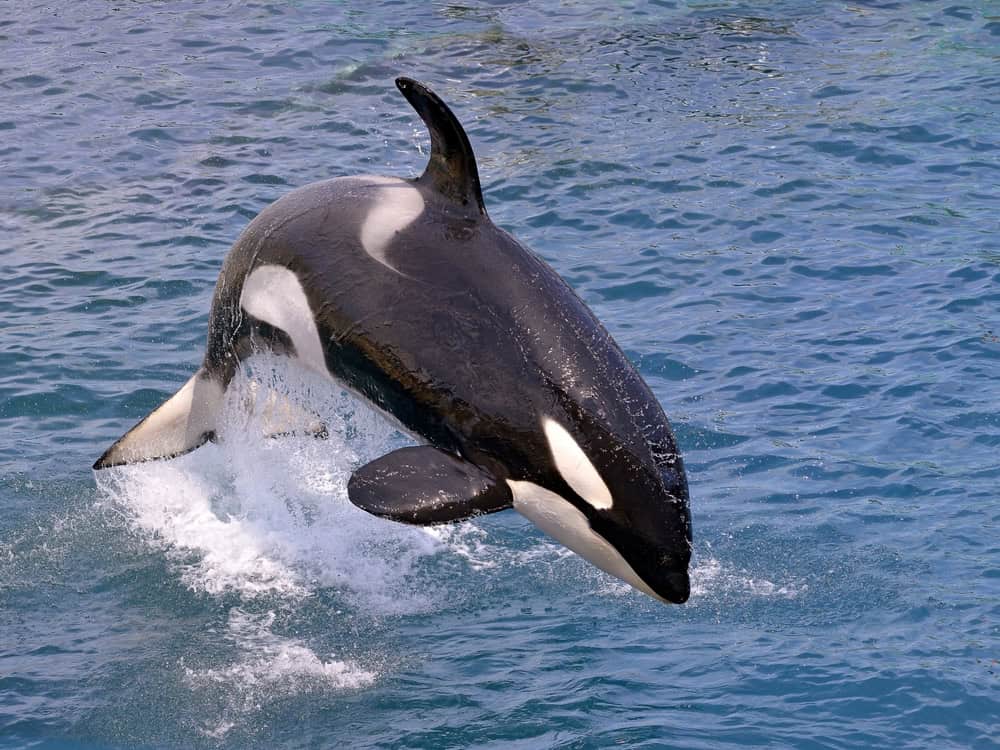
Orcas, or killer whales, are apex predators that traverse the Californian currents. Known for their intelligence and intricate social structures, orcas can hunt in coordination, preying on seals, dolphins, and even great white sharks. Though generally not a threat to humans, their sheer size and strength warrant a respectful distance when observed in the wild.
The Deceptive Stonefish

The stonefish, renowned for its impeccable camouflage, is one of the most venomous fish in the ocean. Found primarily in the subtropical waters, stonefish have spines that deliver a potent toxin. The pain caused by a sting is intense, and immediate medical attention is necessary. Always be vigilant while exploring the ocean floor, as these inconspicuous fish blend seamlessly into their surroundings.
The Elusive Portuguese Man o’ War
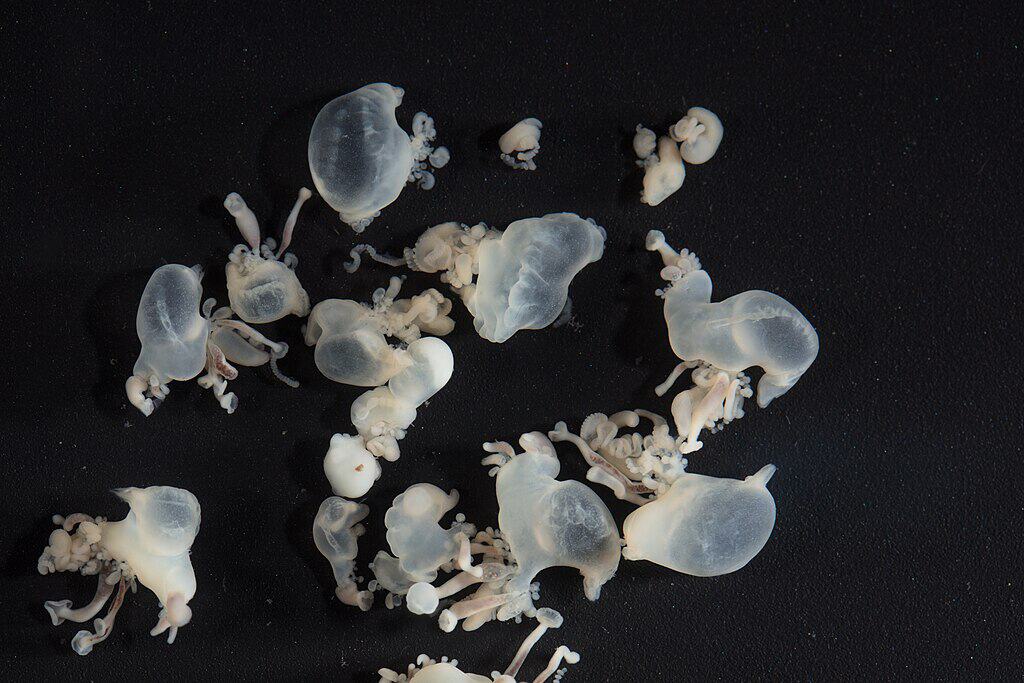
The Portuguese man o’ war, often mistaken for a jellyfish, is actually a colonial organism made up of specialized polyps. Its long tentacles can stretch over 30 feet, delivering painful stings that are both incapacitating and dangerous. While sightings in California are sporadic, the presence of these creatures is always a cause for concern. Avoidance is the best policy, as even dead tentacles can sting.
The Swift Attack of the Barracuda

Barracudas, with their sleek bodies and ferocious mouths filled with sharp teeth, are a common sight for divers along the sunny Californian shores. They are known to strike quickly and aggressively, especially when provoked or attracted by shiny objects. Although not typically a threat unless provoked, these formidable fish embody the unforgiving nature of the oceanic food chain.
Venomous Inhabitant: The Scorpionfish
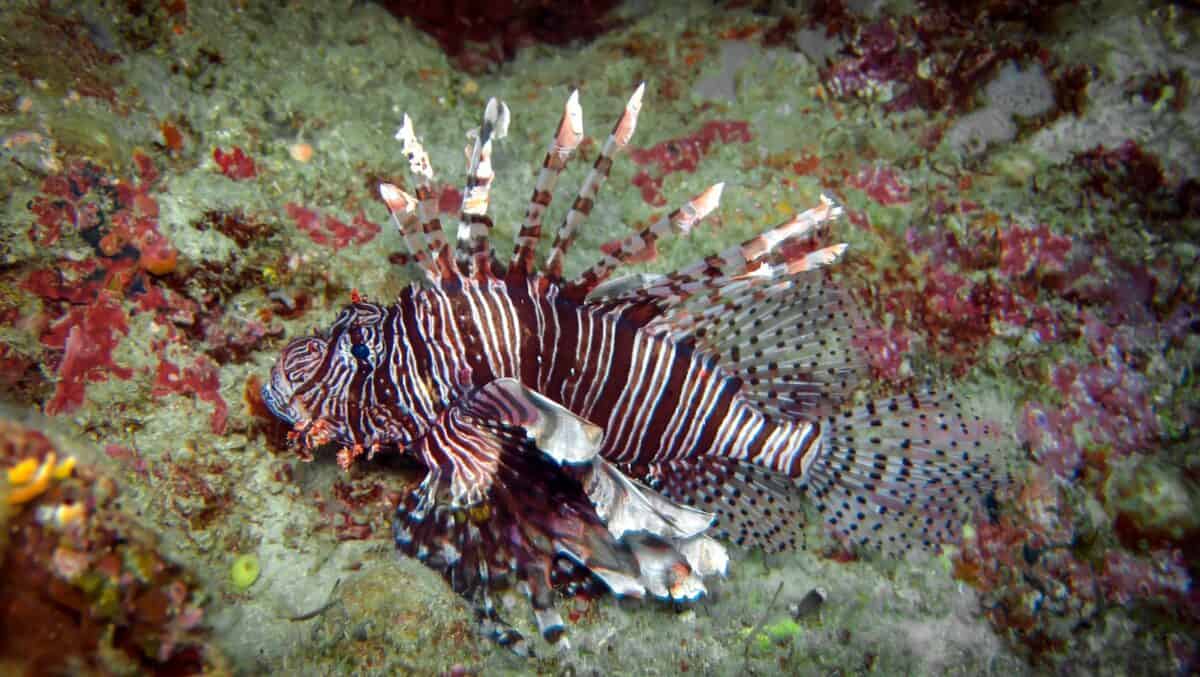
Camouflaged amongst the rocks, the scorpionfish ranks high among California’s venomous marine life. Their dorsal spines release venom that is immensely painful and may lead to severe symptoms if not treated promptly. Like their stonefish cousins, scorpionfish rely on ambush tactics and are usually detected too late by their prey.
The Intricate Web of the California Abyss: Poisonous Sea Snakes
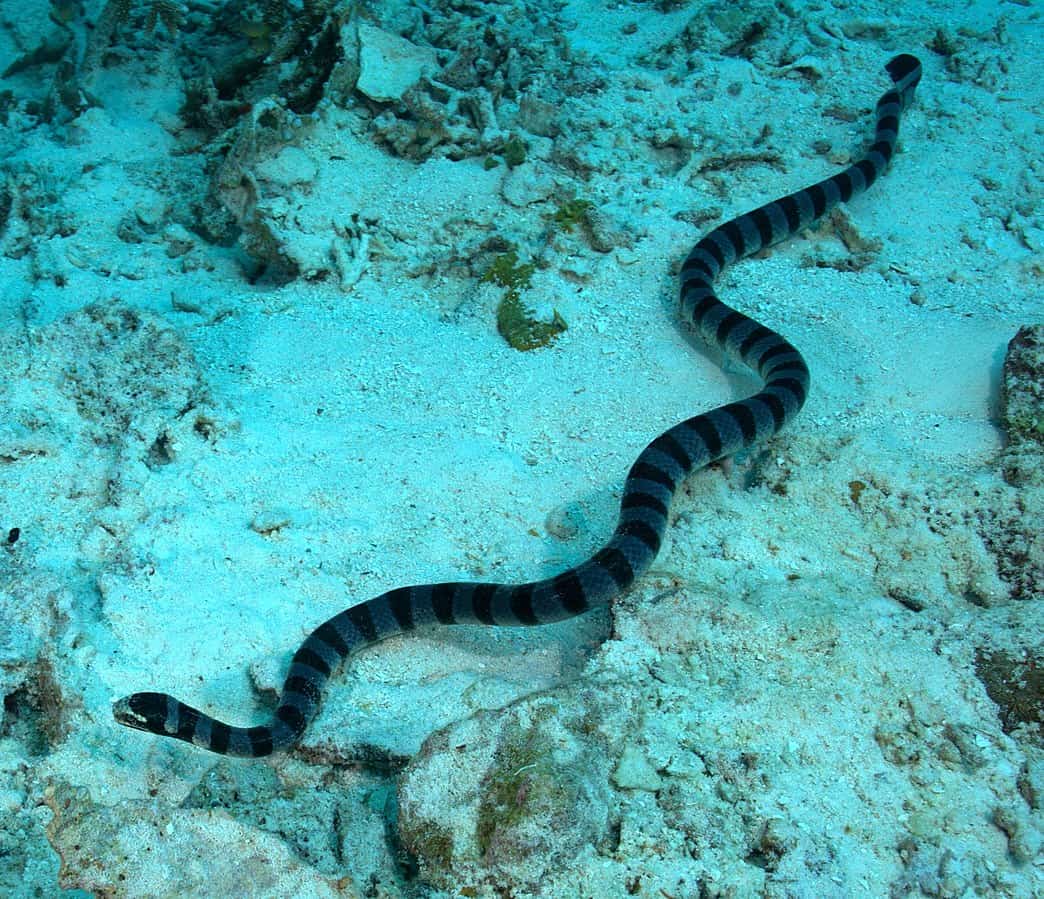
Though rare, sea snakes have occasionally been seen in the southern waters off California. Their potent venom can pose a threat to humans. Characterized by their flattened bodies and paddle-shaped tails, these reptiles are more common in warmer waters but can periodically appear due to climatic changes and ocean currents.
The Undersea Assassin: The Lionfish

Regal yet treacherous, the lionfish is an invasive species making its way up from the southern Pacific regions. With venomous spines and exquisite patterns, they have become an unfortunate but notable part of the ecology. Their unbalanced introduction to the ecosystem threatens local species, requiring careful monitoring and occasionally human intervention through controlled culling efforts to preserve native marine balance.
Conclusion: Deadly Coastline

In exploring California’s coastal waters and its deadly denizens, one begins to appreciate the intricate balance of nature at play. From the deadly precision of the great white shark to the deceptive calm of jellyfish-infested waters, each creature holds a unique position within the marine tapestry. While not all of these ocean dwellers pose an immediate threat to humans, their presence should instill respect and inspire a commitment to understanding and preserving the diverse ecosystems they help cultivate. By educating ourselves on these creatures’ behaviors and habitats, we can learn to coexist with them safely and respectfully.

From exploring the marine wonders in the Azores and witnessing the vast savannas of Kenya, to delving deep into the rich biodiversity of South Africa and traversing iconic landscapes in Australia and the US like Yellowstone, Chris's experiences are vast.
With a penchant for diving alongside sharks, the ocean holds a special place in his heart.
Through his academic insights, he champions wildlife conservation, striving with 'Animals Around The Globe' to cultivate a profound connection between humans and animals, enhancing our mutual appreciation.
Connect with him at Feedback@animalsaroundtheglobe.com.
- The Sacred Goose of Ancient Rome: Protector of the Capitol - July 21, 2026
- Top 10 Animal Encounters in Europe - July 21, 2026
- The Lizard That Shoots Blood From Its Eyes - July 21, 2026