


Horses have galloped through the pages of history, leaving their imprint on our civilization in profound and enduring ways. These majestic creatures have been more than just companions to humans; they have powered empires, inspired cultures, and transformed societies. Let’s explore the remarkable ways horses have shaped human history and contributed to our development as a global civilization.
14. The Dawn of Domestication

The relationship between humans and horses began around 4000-3000 BCE on the steppes of Central Asia. The domestication of horses marked a pivotal turning point, transforming them from prey to partners. This newfound alliance allowed humans to cover vast distances, facilitating communication and trade between far-flung communities.
13. Revolutionizing Agriculture
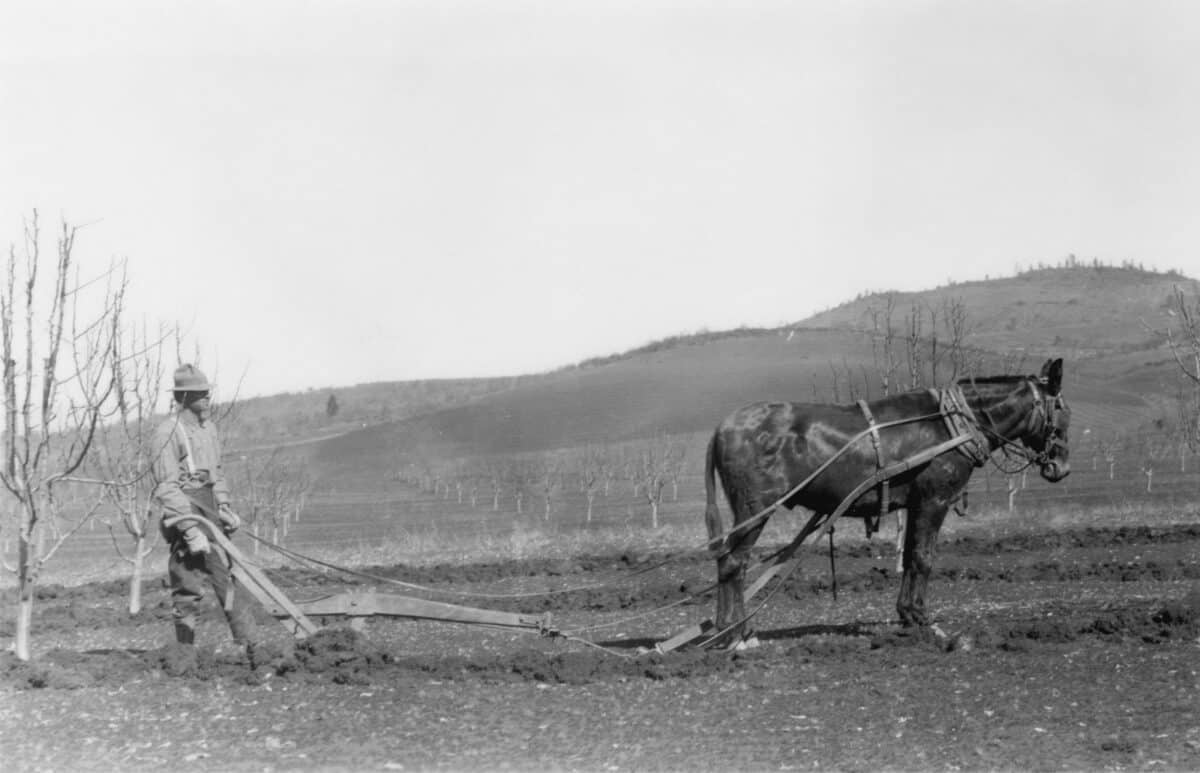
Horses revolutionized agriculture by performing tasks that were beyond human capabilities. They became the backbone of early farming societies, pulling plows and transporting heavy loads. This development led to increased agricultural output, facilitating population growth and the rise of civilizations.
12. The Birth of Equestrian Warfare
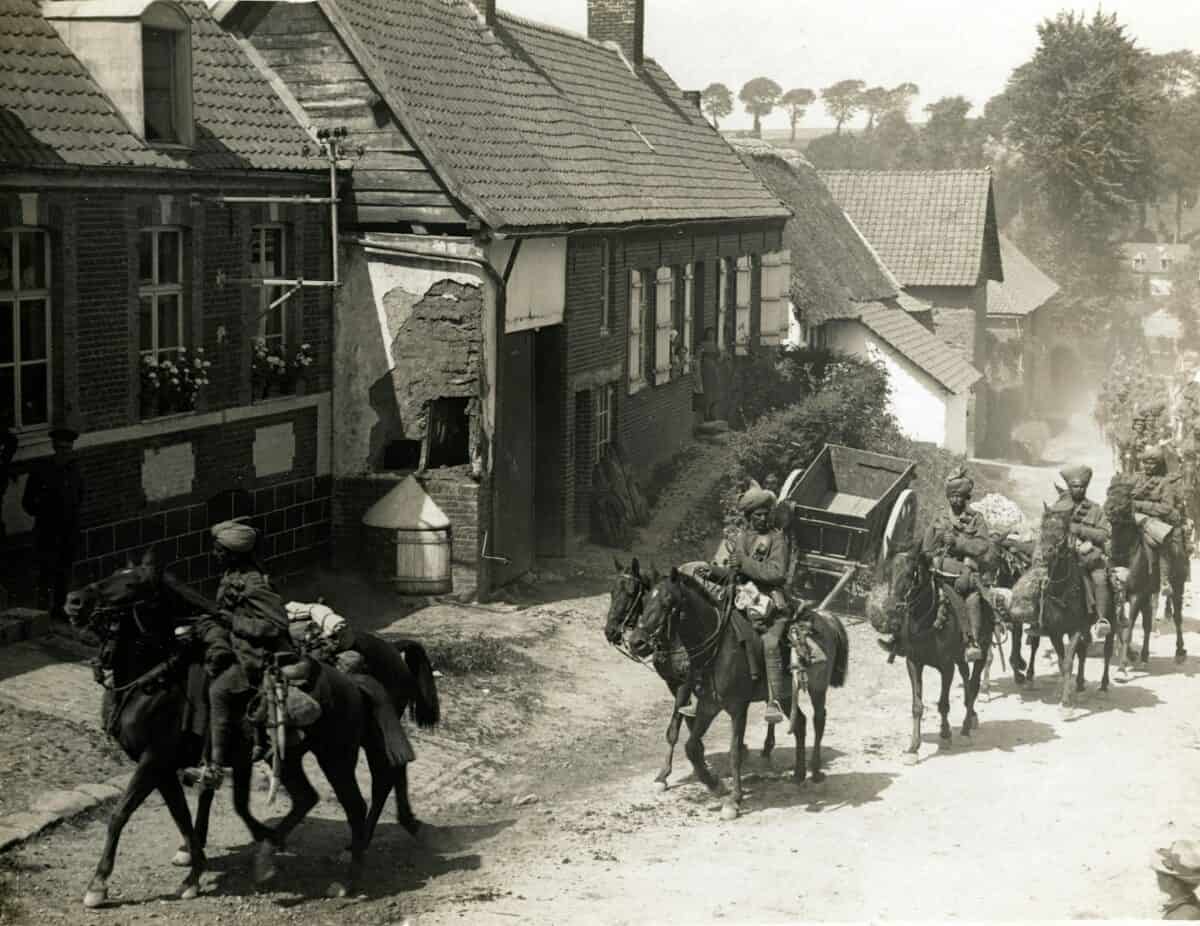
With their speed and agility, horses became integral to warfare, changing the dynamics of battlefields. Chariots, and later cavalry, were pivotal in ancient military strategies. Armies on horseback could maneuver quickly, execute surprise attacks, and cover vast territories, as seen in the conquests of Alexander the Great and the Mongol Empire.
11. Driving Economic Expansion

Horses played a central role in expanding trade networks and developing economies. They enabled merchants to transport goods across continents via trade routes, such as the Silk Road. This connectivity facilitated cultural exchanges and the spread of ideas, shaping the diverse tapestry of human societies.
10. Influencing Cultural Expressions
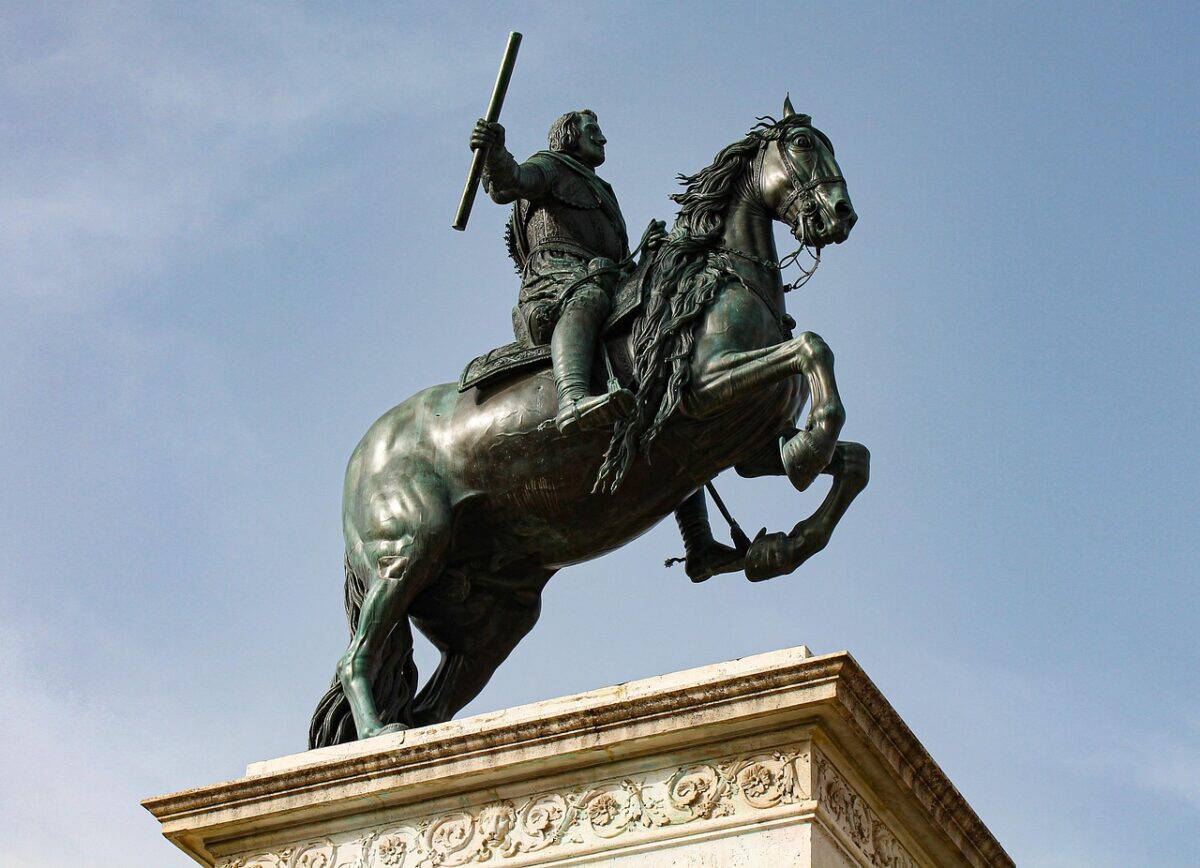
Throughout history, horses have been celebrated in art, literature, and folklore. They are depicted in cave paintings, featured in epic poems like the “Iliad,” and celebrated in cultural traditions such as the Spanish corrida. The horse’s grace and power have inspired countless artists and poets, leaving an indelible mark on cultural heritage.
9. Advancing Transportation
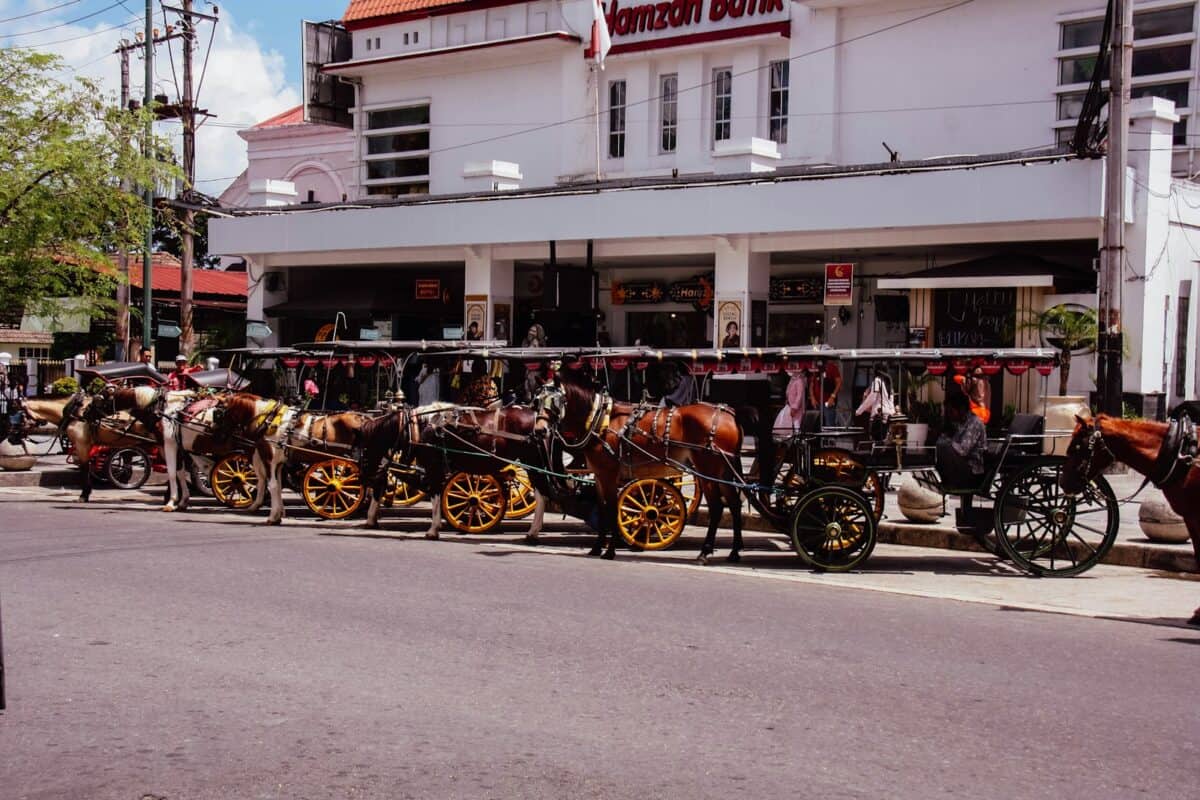
Before the advent of automobiles, horses were the primary mode of transportation. Stagecoaches, horse-drawn carriages, and mounted postal services connected cities and towns, shaping the development of infrastructure and laying the groundwork for modern transportation systems.
8. Sustaining Rural Communities
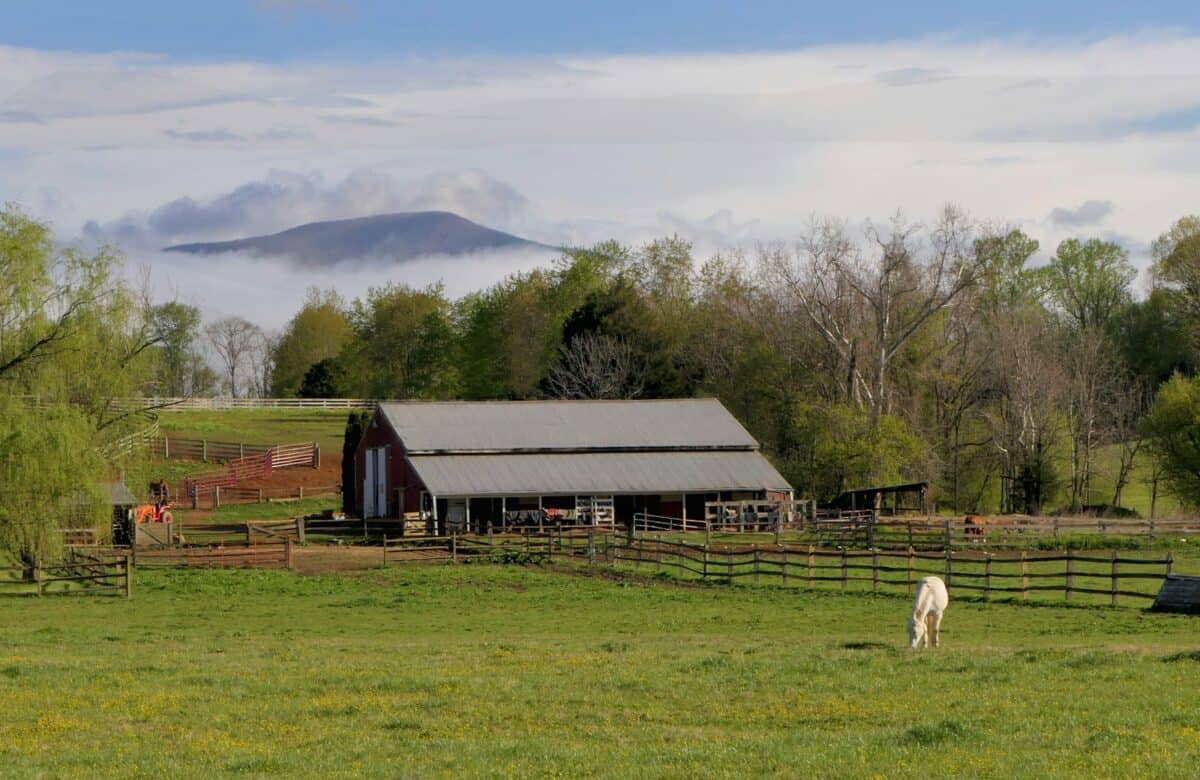
In rural areas, horses were indispensable for daily life. They facilitated transportation, labor, and communication, sustaining rural economies and communities. Even today, in many parts of the world, horses continue to play an essential role in agriculture and transportation.
7. Enabling Exploration

The age of exploration was fueled, in part, by the horse. As European explorers ventured into new territories, horses were among the valuable resources brought along. They enabled the conquest and settlement of vast lands such as the Americas, making exploration and colonization possible.
6. Promoting Leisure and Sport

The horse has been at the heart of leisure and sporting activities, from the ancient Olympic Games to modern-day events like show jumping and dressage. Horse racing, in particular, has spanned centuries and continents, evolving into a major industry that captivates audiences worldwide.
5. Shaping Military History

Beyond the battlefield, horses have shaped entire military strategies. The use of armored knights in medieval Europe, the formation of cavalry units, and even the unique tactics of the Mongolian horse archers highlight the horse’s strategic importance in military history.
4. Influencing Political Power
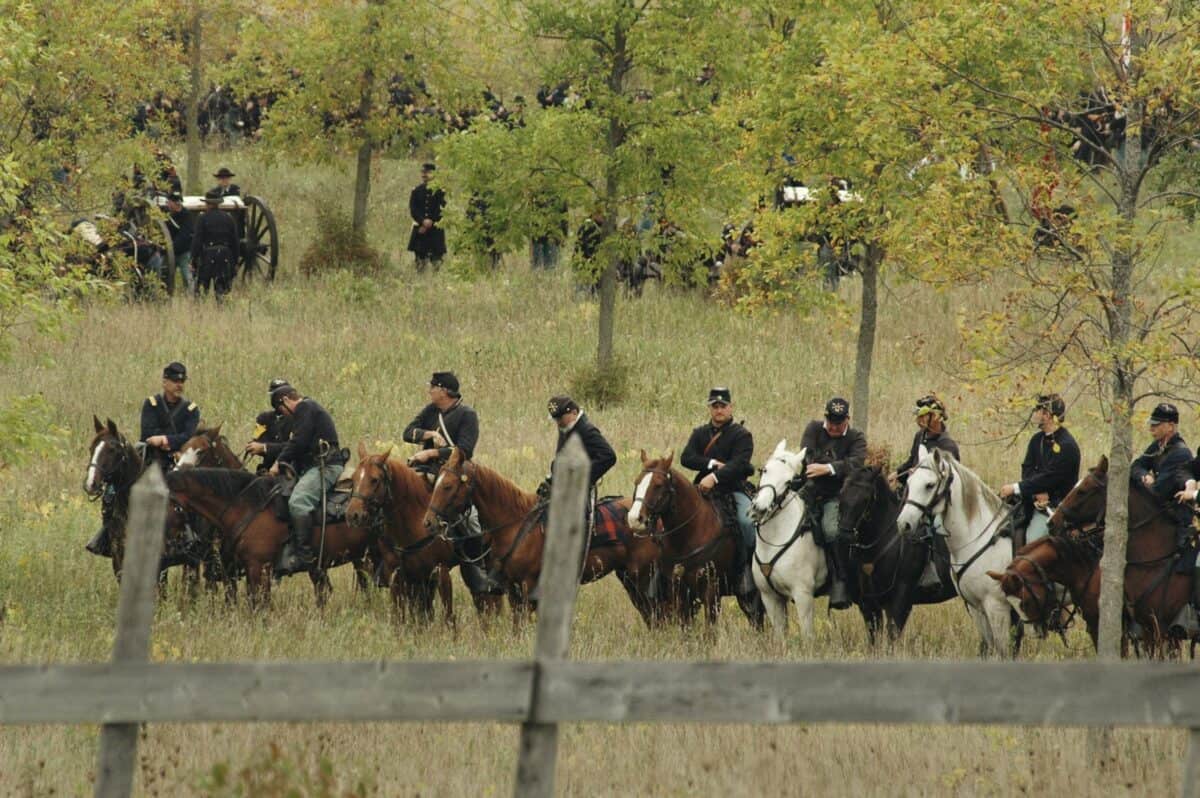
Control over horse-breeding and trading routes often translated into political power. Many empires and kingdoms sought to control equine resources, understanding the strategic advantage provided by a robust cavalry. Ownership of elite horse breeds symbolized wealth and power.
3. Inspiring Modern Innovations
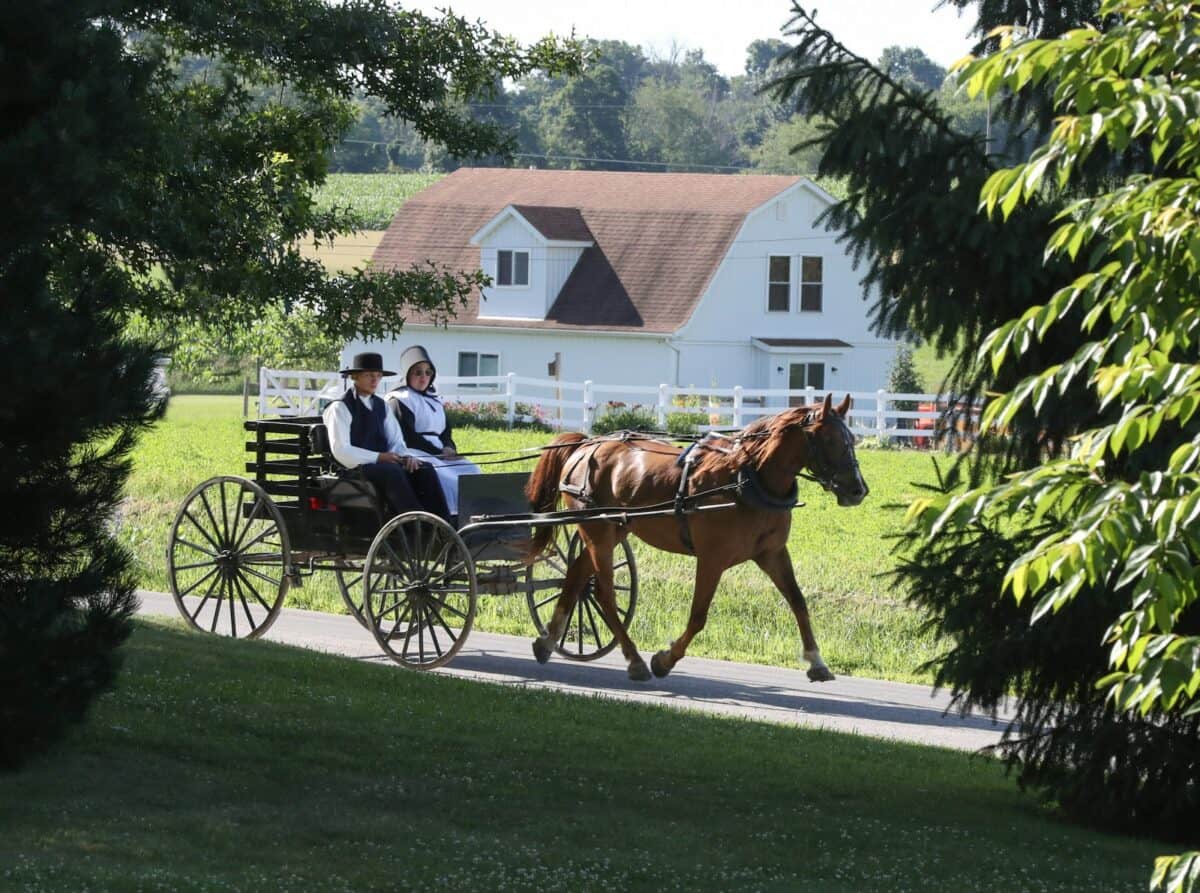
The significance of the horse has extended into modern times, inspiring innovations in technology and engineering. Early automobiles were termed “horseless carriages,” and modern-day equestrian sports continue to influence advancements in sports science and veterinary medicine.
2. Contributing to Therapeutic Practices

Today, horses are recognized for their therapeutic qualities, playing a vital role in equine-assisted therapy. This form of therapy helps individuals with physical and mental health challenges, fostering healing, personal growth, and improved quality of life through interaction with these compassionate animals.
1. A Symbolic Legacy
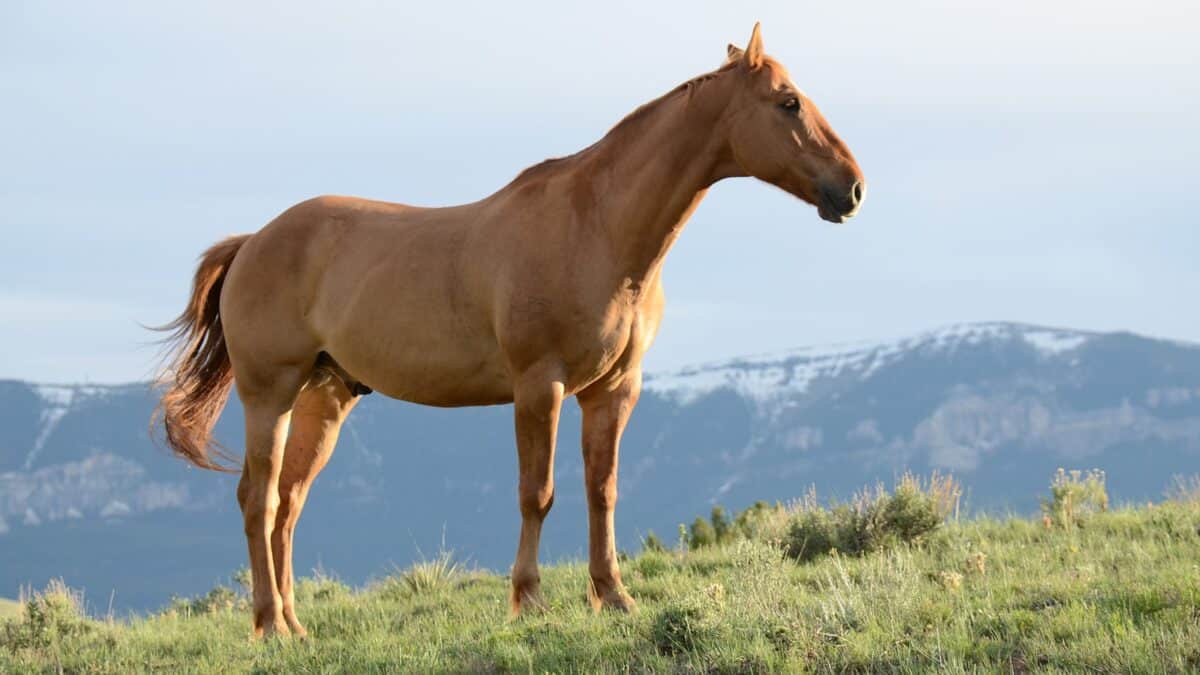
Horses have long been symbols of freedom, strength, and grace. Their enduring presence in cultural and national symbols, from equestrian statues to iconic logos, underscores the lasting impression horses have left on human identity and the collective imagination.
In conclusion, horses have profoundly influenced the course of human history, shaping cultures, economies, and nations. Their legacy is woven into the fabric of our past and continues to impact our present and future. As partners in our journey, horses remind us of the strength found in unity and the endless possibilities born through cooperation.

- Why Some Pets Prefer Kids Over Adults - July 28, 2026
- Why the American Horseshoe Crab Needs Federal Protection - July 28, 2026
- The Animals Thriving—and Dying—in a Warming World - July 28, 2026