

Jellyfish are often admired for their ethereal beauty as they glide gracefully through the ocean. However, lurking beneath their translucent allure is a defense mechanism that can pose serious threats to humans. While many species deliver harmless stings, others can be dangerous and even fatal. This article delves into the fascinating, yet perilous world of jellyfish stings, exploring their mechanisms and the potential consequences for humans.
What Are Jellyfish?

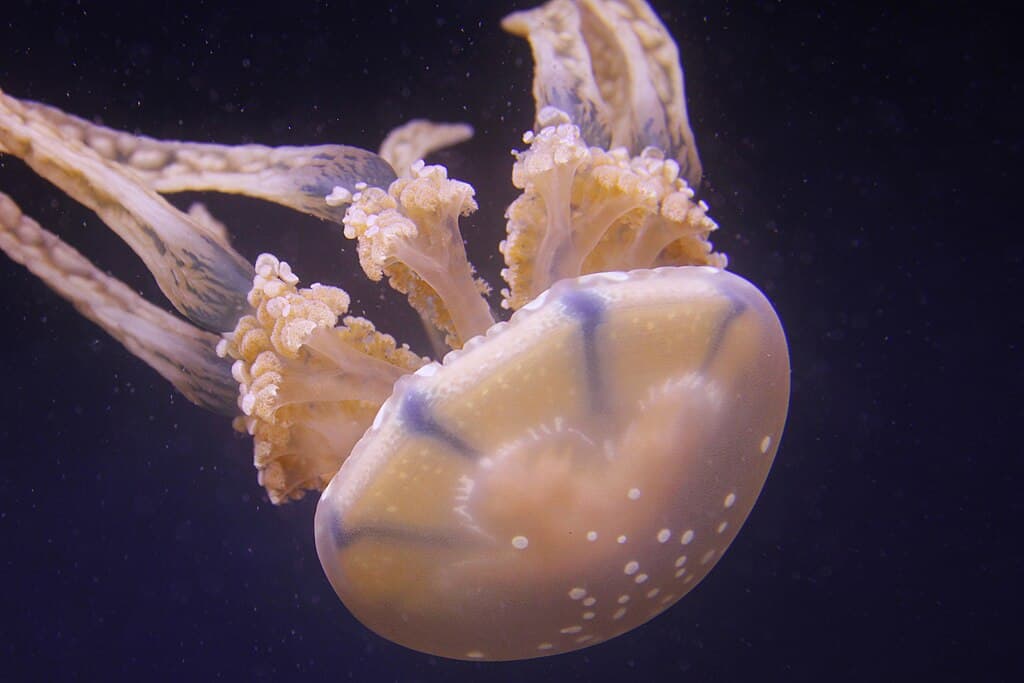
Jellyfish are gelatinous marine creatures belonging to the phylum Cnidaria. They are found in waters all over the world, from shallow coastlines to the deep sea. Despite their simple structure, jellyfish have existed for millions of years, with their umbrella-shaped medusa design proving highly effective for survival.
The Structure of a Jellyfish

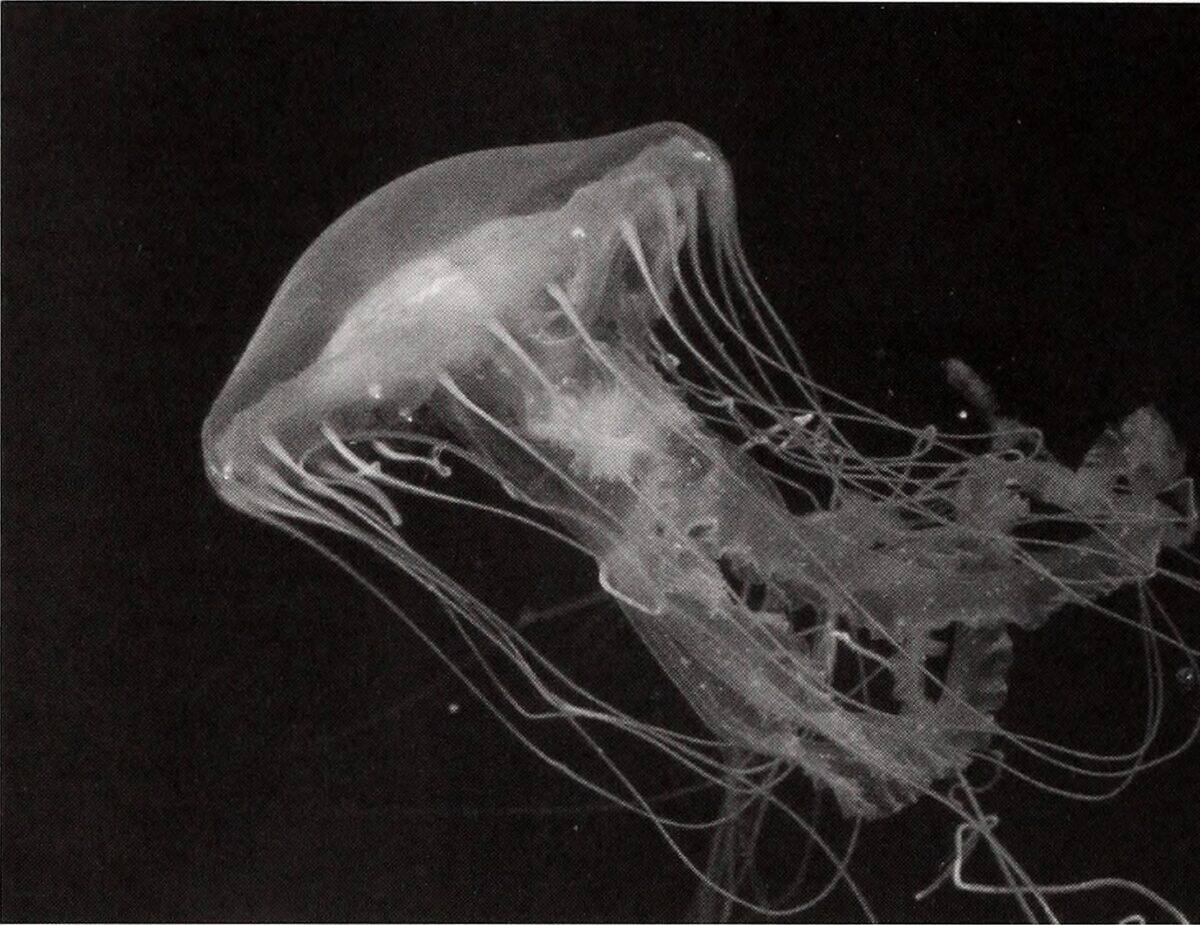
The jellyfish’s anatomy is as simple as it is effective. A jellyfish is composed mainly of a gelatinous umbrella-like bell and trailing tentacles. Inside their bell, they have a basic nerve net, which allows for movement and response to external stimuli. These tentacles hold the key to their infamous sting.
The Sting Mechanism

Jellyfish stings come from specialized cells known as cnidocytes, located on their tentacles. Within these cells are capsule-like structures called nematocysts, which contain a coiled, harpoon-like tubule filled with venom. When triggered, typically by contact, the nematocyst explosively ejects its tubule into the target, delivering venom.
Understanding Jellyfish Venom
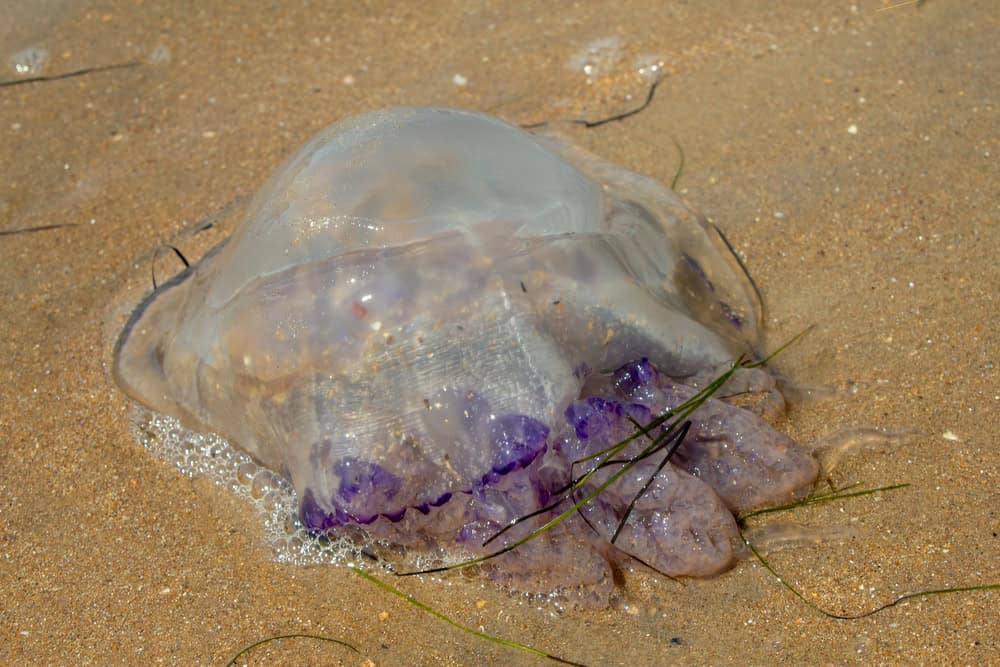
The venom of a jellyfish is a complex cocktail of proteins, peptides, and toxins. These substances serve multiple purposes — from immobilizing prey to deterring predators. The potency of the venom varies widely among species, with some capable of causing significant harm to larger animals, including humans.
Common Symptoms of a Jellyfish Sting

For most jellyfish encounters, stings result in immediate, sharp pain and discomfort. Affected individuals may experience redness, swelling, and surface skin irritation at the site of contact. Though typically mild, these symptoms can escalate depending on the jellyfish species involved.
Dangerous Species to Beware
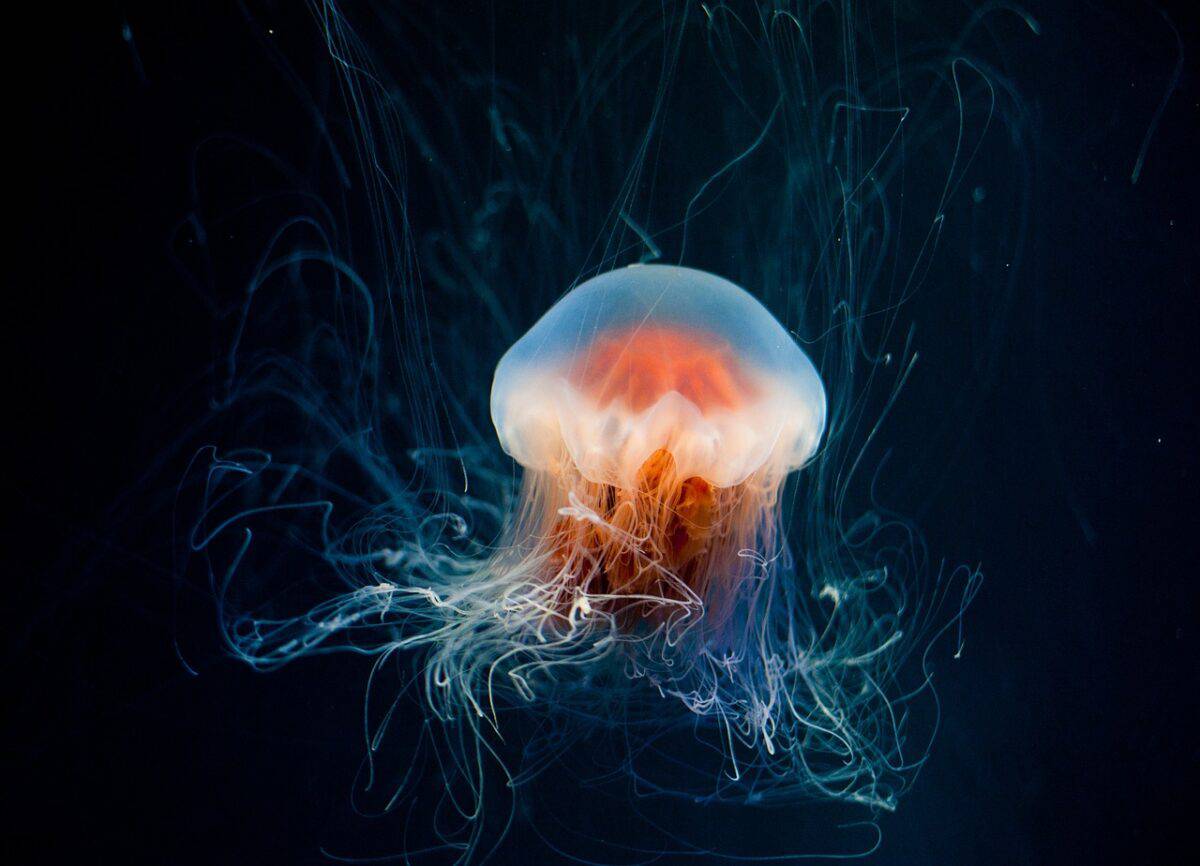
While not all jellyfish are a serious threat to humans, certain species are notorious for their dangerous stings. The box jellyfish, found primarily in the Indo-Pacific region, is one of the most venomous creatures on the planet. Irukandji jellyfish, though tiny, can cause severe systemic reactions known as Irukandji syndrome.
Potential for Fatal Stings
In rare cases, the sting from a particularly venomous jellyfish can result in fatal consequences for humans. The venom acts quickly to paralyze heart tissue, nervous system components, and other vital functions. Without timely medical intervention, the venom may lead to cardiac arrest or respiratory failure.
The Immediate Response to a Sting

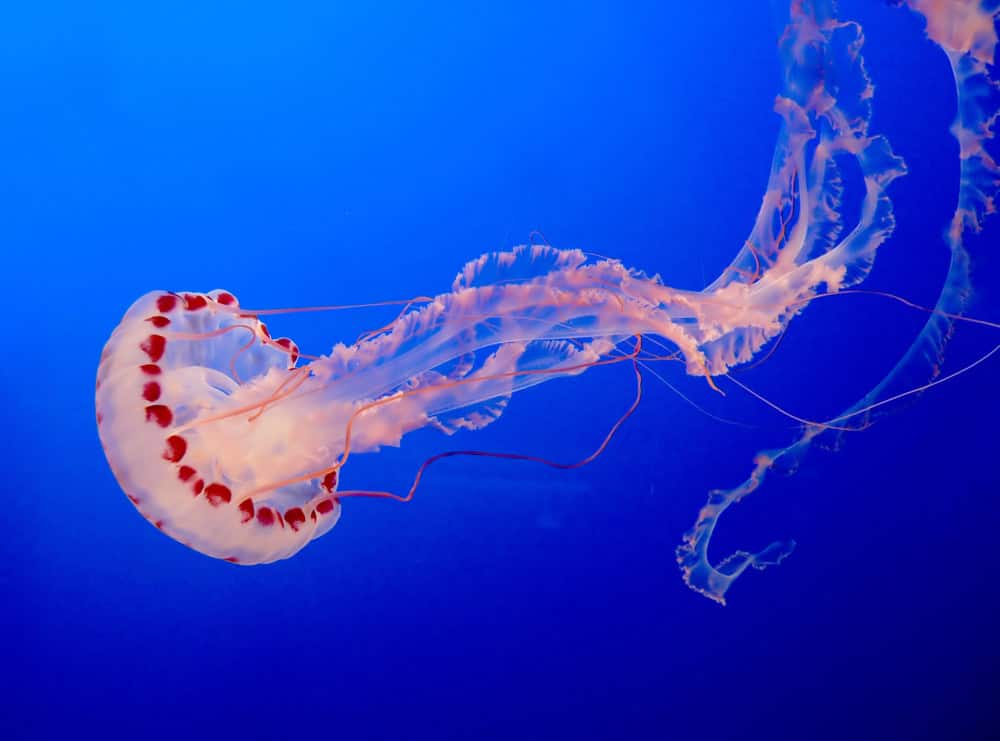
Beautiful red Jelly fishes in the aquarium. Image via Depositphotos.
Quick and effective first aid can make a significant difference in the outcome of a jellyfish sting. Rinsing the affected area with vinegar can help neutralize venom, while carefully removing tentacles with tweezers may prevent further envenomation. Seeking medical help is always advised for serious stings.
Medical Treatment and Advancements
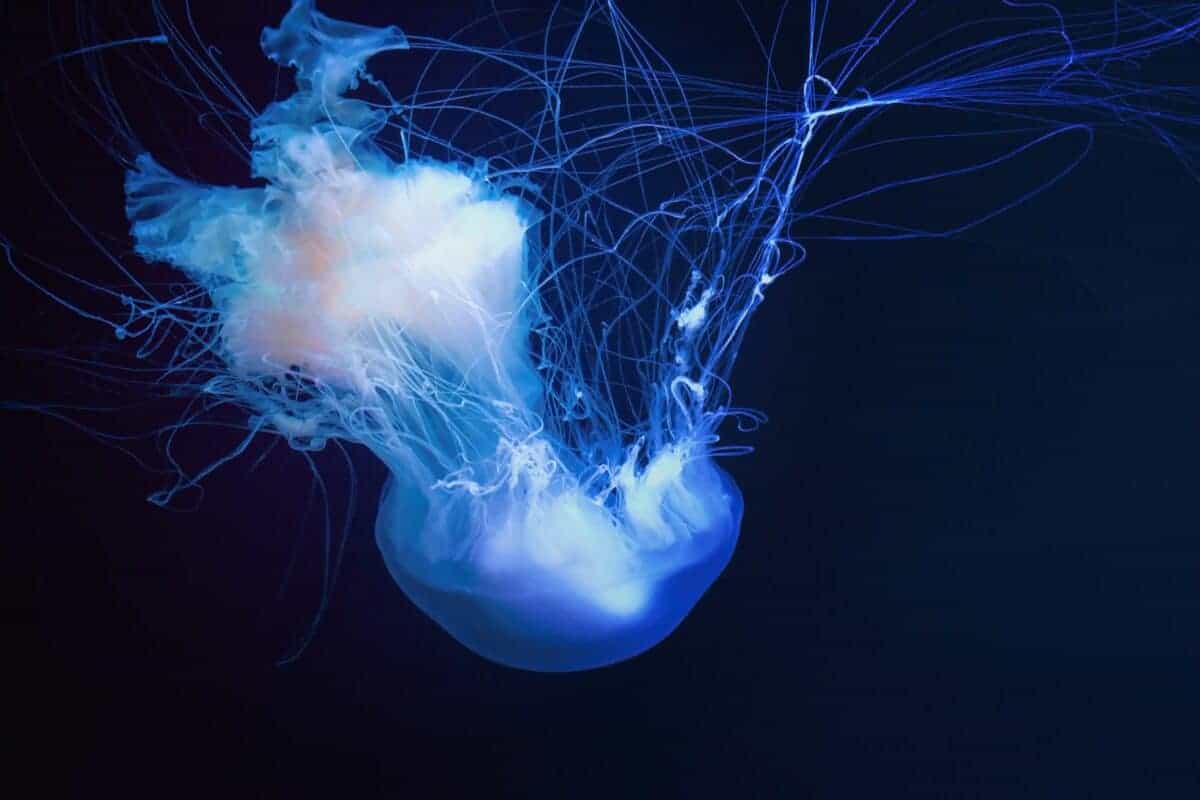
Medical treatment for jellyfish stings often involves managing pain and addressing symptoms. In severe cases, antivenoms and advanced life support may be necessary. Research continues into developing better treatments and understanding how jellyfish venom affects the human body.
Preventive Measures
Prevention is one of the best defenses against jellyfish stings. Wearing protective clothing, staying informed about jellyfish warnings in local waters, and avoiding areas known for dangerous species can help minimize risk. Swimmers and divers should remain vigilant and aware of their surroundings.
Environmental Impact on Jellyfish Populations

Interestingly, jellyfish populations are seemingly on the rise in certain areas, partly due to human impact on marine ecosystems. Overfishing, warmer ocean temperatures, and pollution can disrupt ecological balances, often leading to jellyfish blooms that increase interaction risks with humans.
Conclusion: Respecting the Ocean’s Fragility
Jellyfish serve as a reminder of the ocean’s beauty and potential dangers. While some of their stings can indeed be fatal, understanding and respecting these creatures’ roles in the marine ecosystem is crucial. As we deepen our understanding of their biology and develop better medical responses, we enhance our ability to coexist safely with these captivating yet formidable denizens of the sea.

- Why Some Fish Can Walk on Land—And What That Means for Evolution - July 13, 2026
- Could Drought Turn the Mississippi Basin into a Dust Bowl? - July 13, 2026
- This U.S. Island Has More Wild Horses Than People - July 13, 2026