


As climate change continues to alter ecosystems across the globe, numerous species face the daunting challenge of adapting to rising temperatures. Interestingly, some snakes display remarkable resilience to these environmental shifts. These cold-blooded reptiles have evolved various strategies to cope with heat, offering valuable insights into the adaptability of wildlife in a warming world.
12. Understanding the Impact of Rising Temperatures on Wildlife

The global increase in temperature poses threats to wildlife, influencing their habitats, food sources, and reproductive behaviors. With snakes being ectothermic, they rely heavily on external conditions to regulate their body temperature, making them particularly susceptible to climate change.
11. Why Some Snakes Exhibit Resilience

Snakes have adapted to diverse environments over millions of years. Their resilience to rising temperatures often stems from their ability to adjust behaviorally and physiologically. Some species can alter their daily activities, change habitats, or evolve metabolic processes to cope with the heat.
10. Snakes of the Desert: Masters of Heat
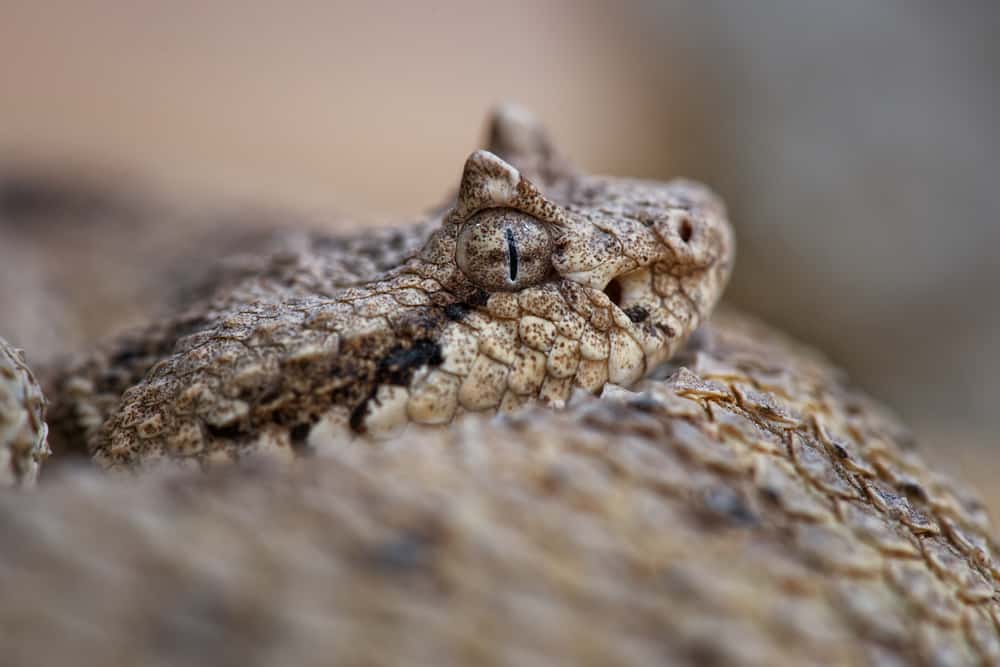
Desert-dwelling snakes, such as the Sidewinder Rattlesnake, have perfected the art of surviving in arid environments. They exhibit fascinating adaptations, like moving in sinusoidal paths to minimize contact with hot sand, demonstrating their resilience to extreme heat.
9. The Role of Habitat Selection

Some snakes respond to rising temperatures by seeking cooler microhabitats during the hottest parts of the day. For example, the Eastern Coral Snake tends to burrow or find refuge under logs to escape from midday heat, ensuring stability in its body temperature.
8. Flexible Feeding Habits as a Survival Strategy
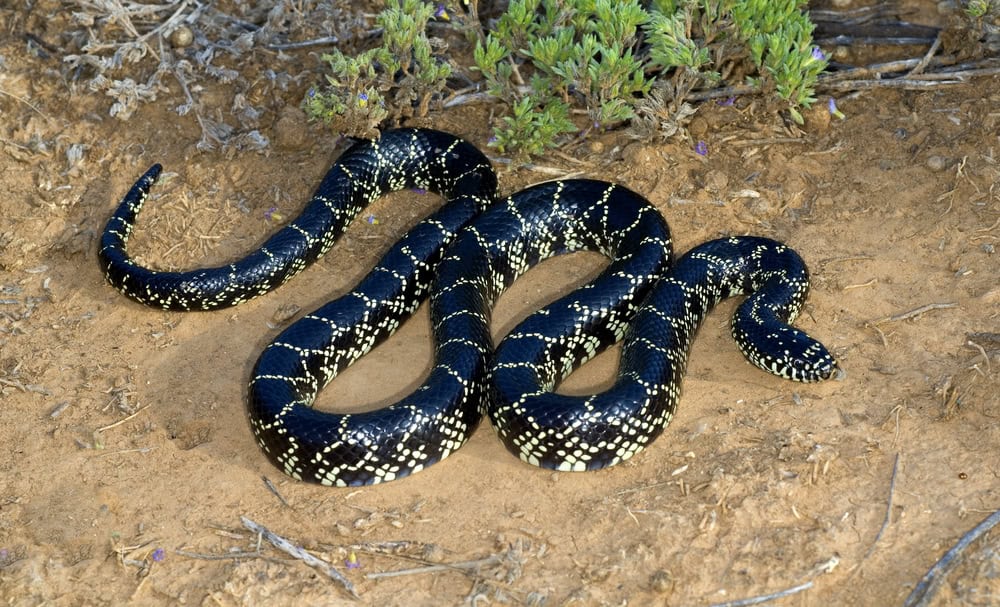
Adaptability in diet can enhance a snake’s resilience to environmental changes. Species like the Common Kingsnake have a varied diet, allowing them to thrive in changing conditions where their primary food sources might become scarce due to climate impacts.
7. Changing Activity Patterns
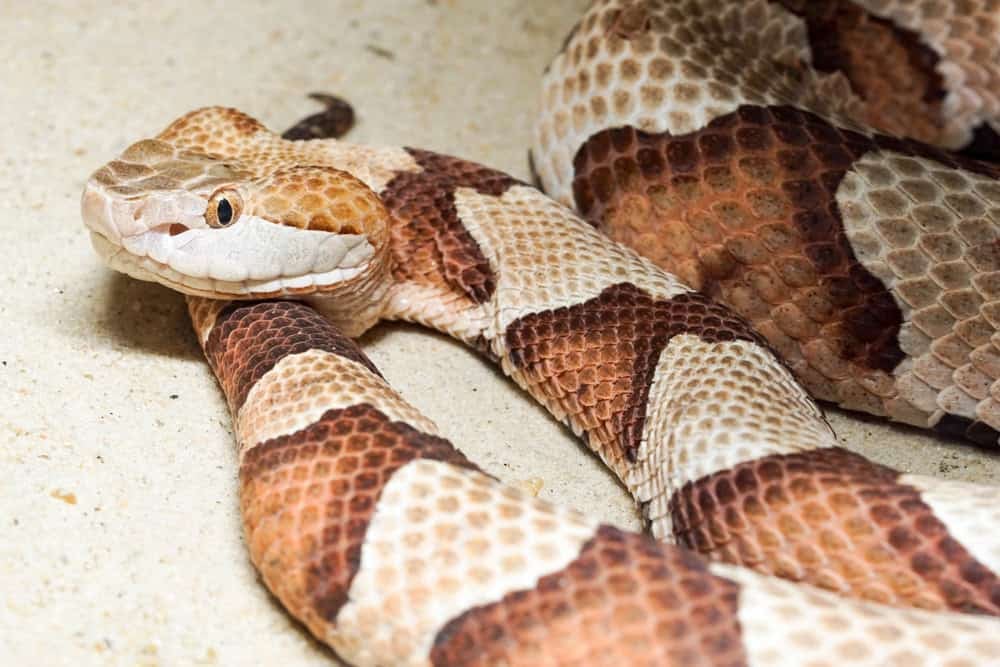
Many snakes adjust their active periods to avoid extreme temperature fluctuations. The Copperhead, for instance, is known to shift to nocturnal activities during hotter months, reducing exposure to daytime heat.
6. Physiological Adaptations to Heat

Some snakes possess physiological traits that afford them resilience. High heat tolerance, efficient water utilization, and metabolic adjustments help snakes like the Coachwhip Snake endure elevated temperatures more effectively.
5. Behavioral Adaptations Boosting Survival
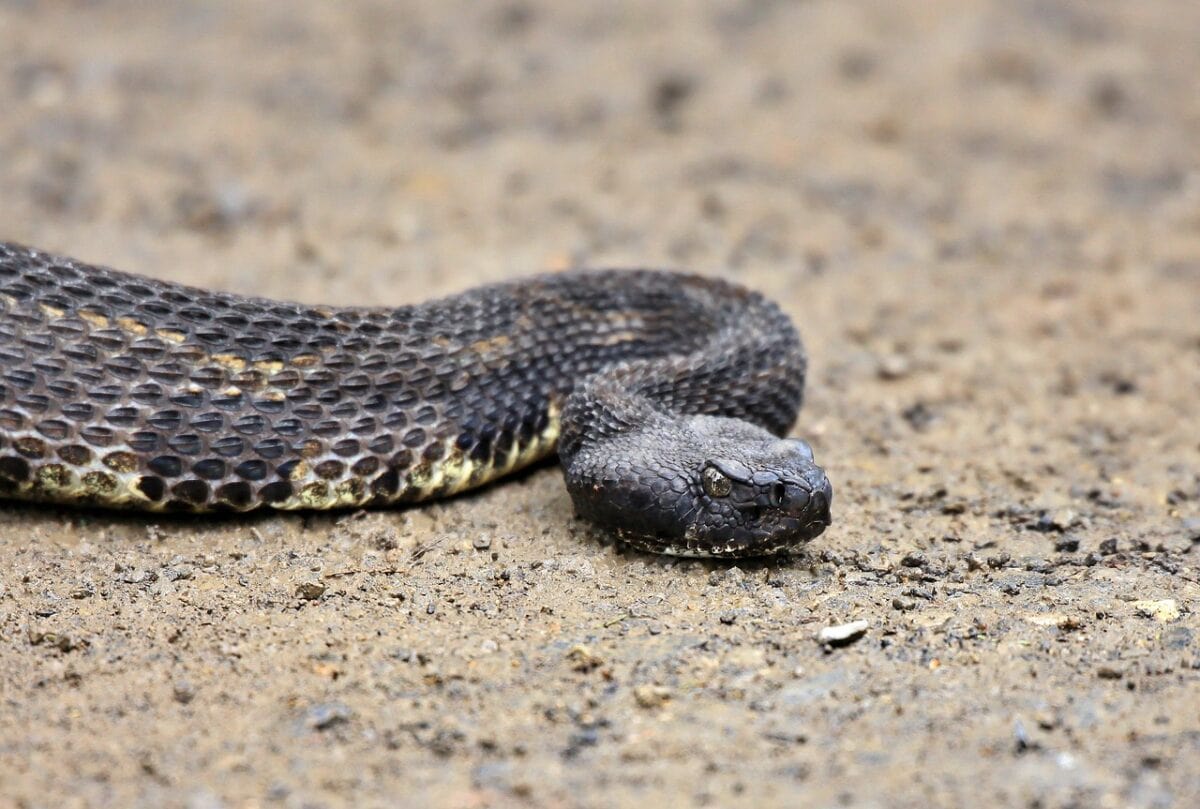
Snakes utilize various behavioral strategies to cope with high temperatures. The Black Rat Snake, known for its climbing abilities, often finds refuge in tree canopies, where it is slightly cooler during heatwaves.
4. The Influence of Genetics on Thermal Tolerance

Genetic diversity plays a crucial role in a species’ adaptability. Researchers have discovered that certain snake populations, such as the Rough Green Snake, show inherent genetic traits that enable greater resilience to thermal stress.
3. Conservation Efforts: Assisting Adaptation

Conserving snake habitats and promoting genetic diversity are vital in aiding their resilience. Protecting microhabitats and interconnected conservation areas can offer snakes the refuge they need to adjust to a changing climate.
2. Future Research Prospects

Ongoing studies aim to better understand snakes’ genetic and physiological mechanisms that confer resilience. Such research is crucial for predicting how these reptiles and similar species can adapt to future climate challenges.
1. Learning from Resilient Snakes

Studying snakes that withstand rising global temperatures sheds light on broader ecological resilience. It offers unique insights into survival strategies that can inform conservation practices and enhance understanding of climate change impacts on biodiversity.
As the planet continues to warm, understanding how snakes and other wildlife adapt to these changes is more critical than ever. By learning from these resilient reptiles, we can gain deeper insights into the evolutionary processes that allow life to persist and flourish under challenging conditions. It underscores the profound importance of preserving the natural world so that all species, including humans, can navigate a rapidly changing environment.

- How Otters Use Tools — And What It Reveals About Animal Intelligence - August 1, 2026
- Why You Should Stop Declawing Cats for Good - August 1, 2026
- 15 Amazing Facts About Parrots That Will Blow Your Mind - August 1, 2026