
Nature is full of surprises, and sometimes the smallest creatures pack the biggest punch. The loudest animal on earth is not a lion with its mighty roar or a whale with its far-reaching songs—it’s a tiny shrimp that could fit on your thumb. Join us as we explore the life and unique features of this intriguing creature, the remarkable pistol shrimp.
What Is the Loudest Animal?
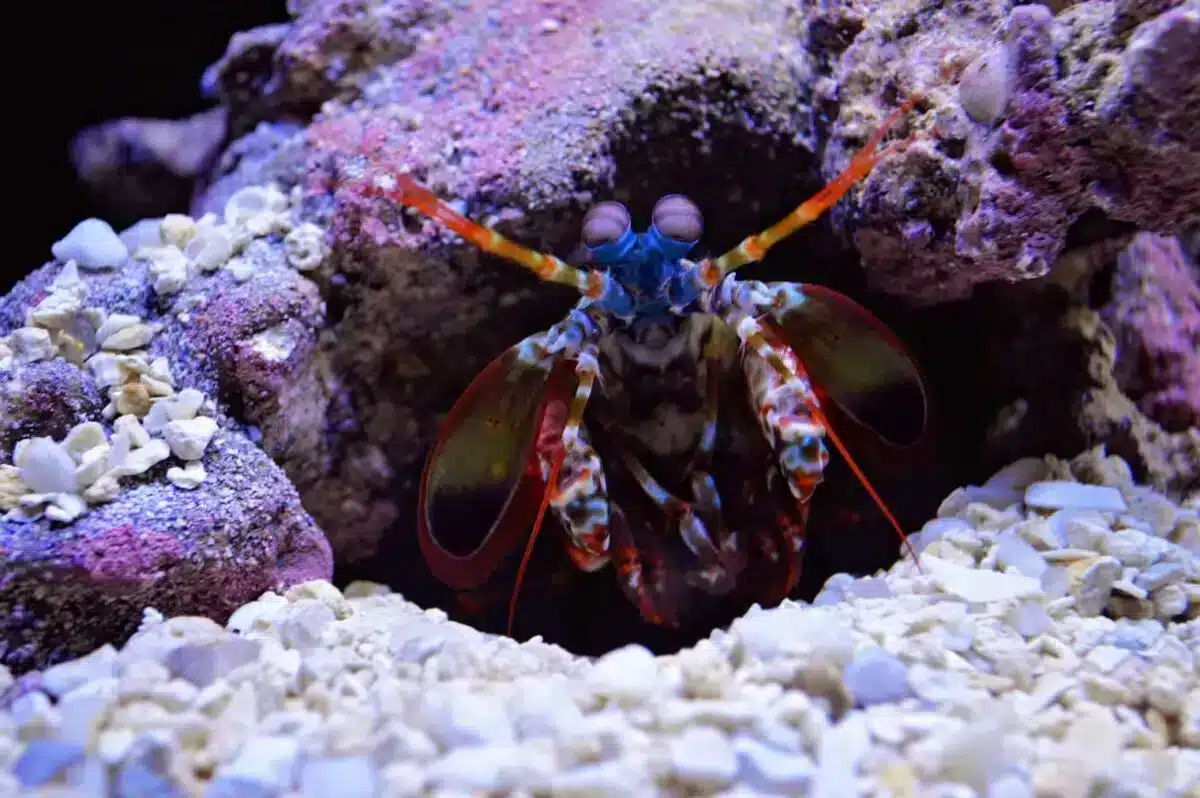
The title of the loudest animal on earth goes to the pistol shrimp, also known as the snapping shrimp. Despite its small size, this marine crustacean produces an extraordinary level of noise, reaching up to 210 decibels—louder than a gunshot. This sound is generated by a unique mechanism found in the claw of the shrimp.
How Does the Pistol Shrimp Make Noise?

The pistol shrimp creates its signature sound by rapidly closing its oversized claw. This movement generates a powerful jet of water, forming a cavitation bubble. When the bubble collapses, it produces an intense sound wave, akin to a tiny sonic boom, and a flash of light from the intense heat generated during the bubble’s collapse.
The Purpose of the Sound

The loud “snap” created by the pistol shrimp serves multiple purposes. It is primarily used for hunting by stunning or killing prey and for communication among other shrimp. The sound also plays a role in territorial disputes, deterring potential threats from encroaching on their territory.
Understanding Cavitation in Nature
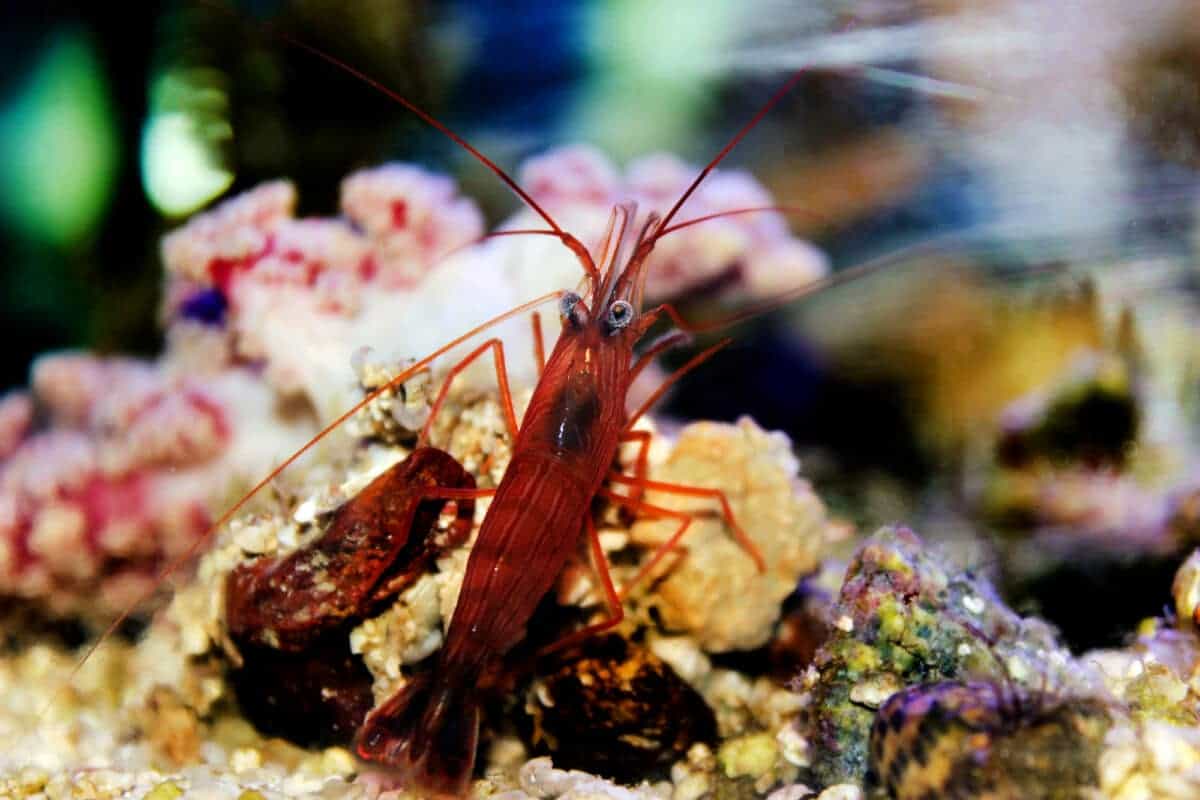
Cavitation is a process where rapid changes in liquid pressure create bubbles that collapse violently. In the case of the pistol shrimp, this process is harnessed to create a sound capable of incapacitating prey. Nature’s ability to utilize physics in the animal kingdom showcases an impressive adaptation strategy for survival.
Life and Habitat
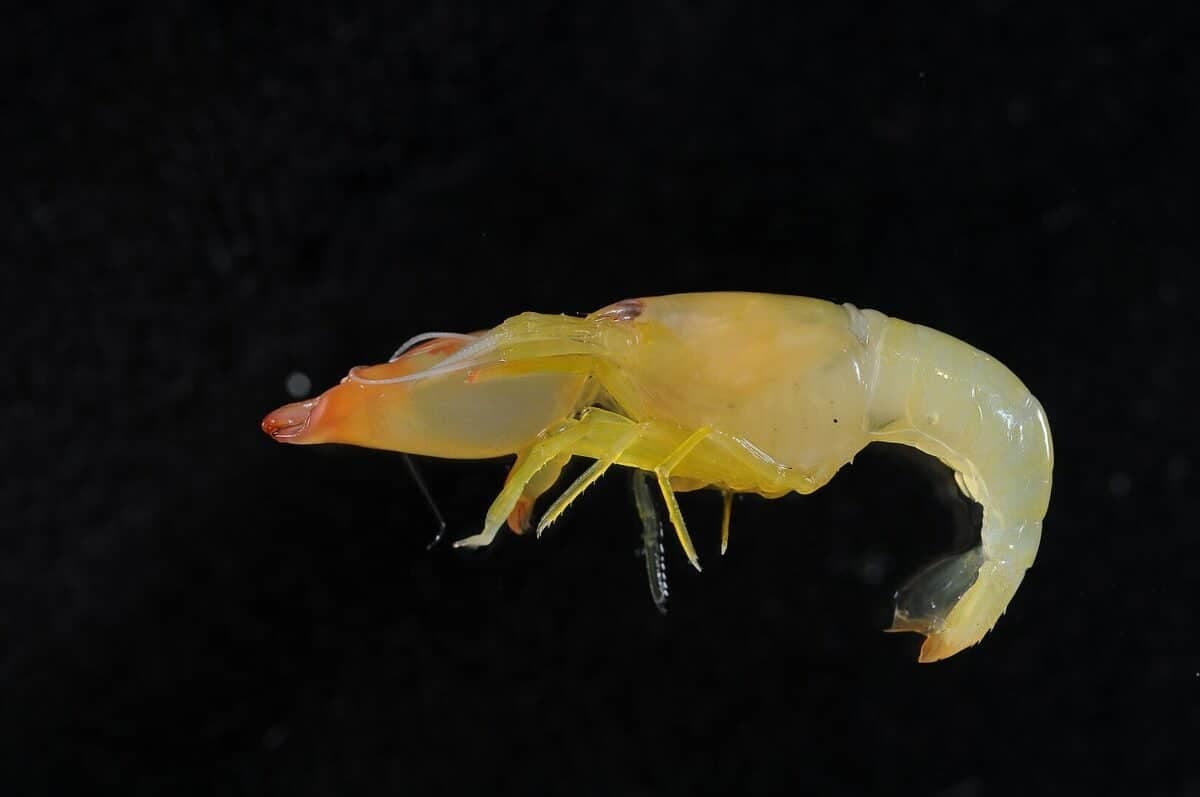
Pistol shrimp are predominantly found in warm, shallow waters across the Atlantic, Pacific, and Indian Oceans. These shrimps thrive in coral reefs, seagrass beds, and sheltered coastal areas, where they use their snapping ability to hunt small fish and other crustaceans.
A Closer Look at Pistol Shrimp Anatomy
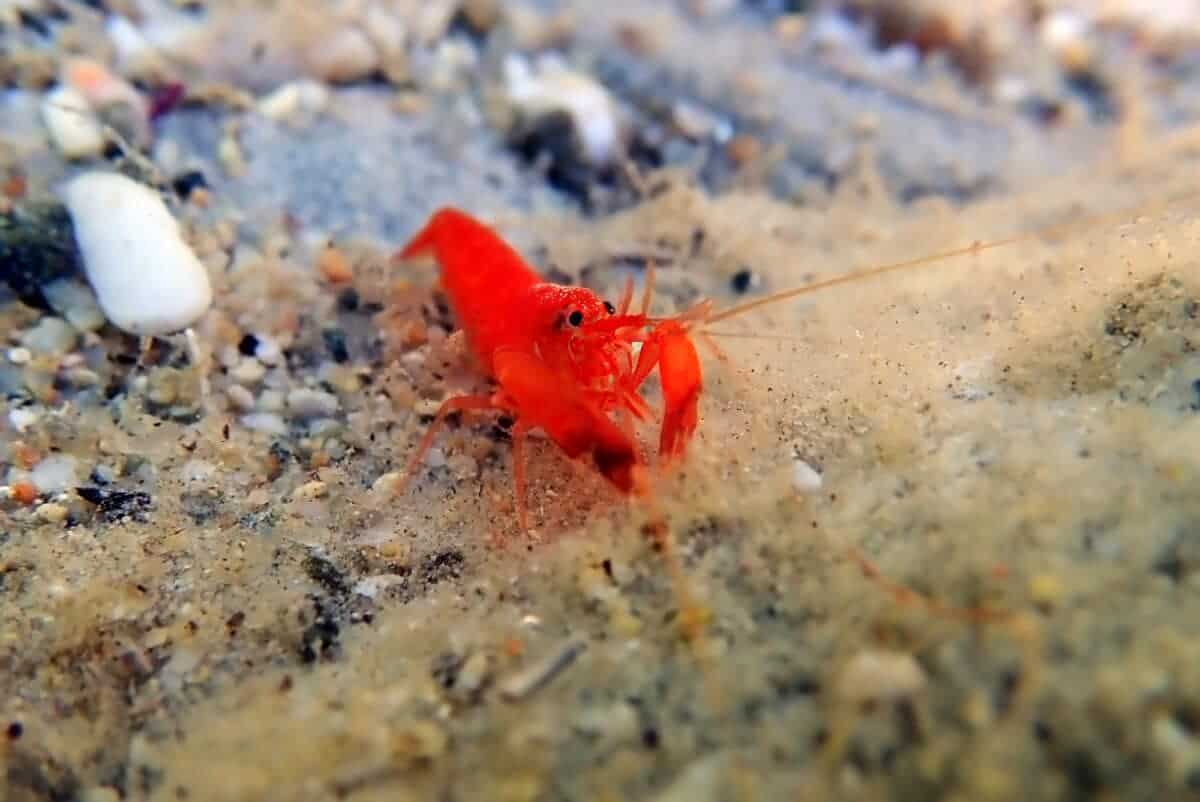
Aside from their extraordinary claw, pistol shrimp have a typical shrimp anatomy with a segmented body, long antennae, and multiple sets of legs. Their snapping claw can be on either the left or right side and may be regrown if lost, a common trait in crustaceans.
The Role of Symbiosis

Pistol shrimp often share burrows with goby fish in a mutualistic relationship. The shrimp benefit from the goby’s keen eyesight to spot predators, while the goby enjoys a safe retreat in the shrimp’s well-maintained burrow. This remarkable partnership highlights the interconnectedness of marine life.
Comparing Volume: How Loud Is Loud?

To put the pistol shrimp’s noise into perspective, consider that a typical human conversation is around 60 decibels, a busy city street is about 85 decibels, and a jet engine at takeoff is around 150 decibels. The pistol shrimp’s snap far exceeds these, demonstrating nature’s incredible capacity for sound production.
Potential Impacts on Marine Environments

The loud noise from a population of pistol shrimp can potentially influence underwater acoustics, affecting communication and navigation of other marine species. While fascinating, this natural cacophony serves as a reminder of the intricate balance within ocean ecosystems.
Research and Discoveries

Scientists continuously study the pistol shrimp to understand their role in the marine ecosystem and the technological implications of their snapping mechanism. This research could inspire innovations in acoustics and underwater technology, showcasing the shrimp as a source of inspiration beyond its size.
Conservation Perspectives

While pistol shrimp are not currently endangered, they face environmental challenges common to marine life, such as habitat destruction and pollution. Efforts to preserve healthy ocean habitats will support the ongoing survival of this intriguing species and its unique contribution to marine biodiversity.
Fascination With the Tiny Titan
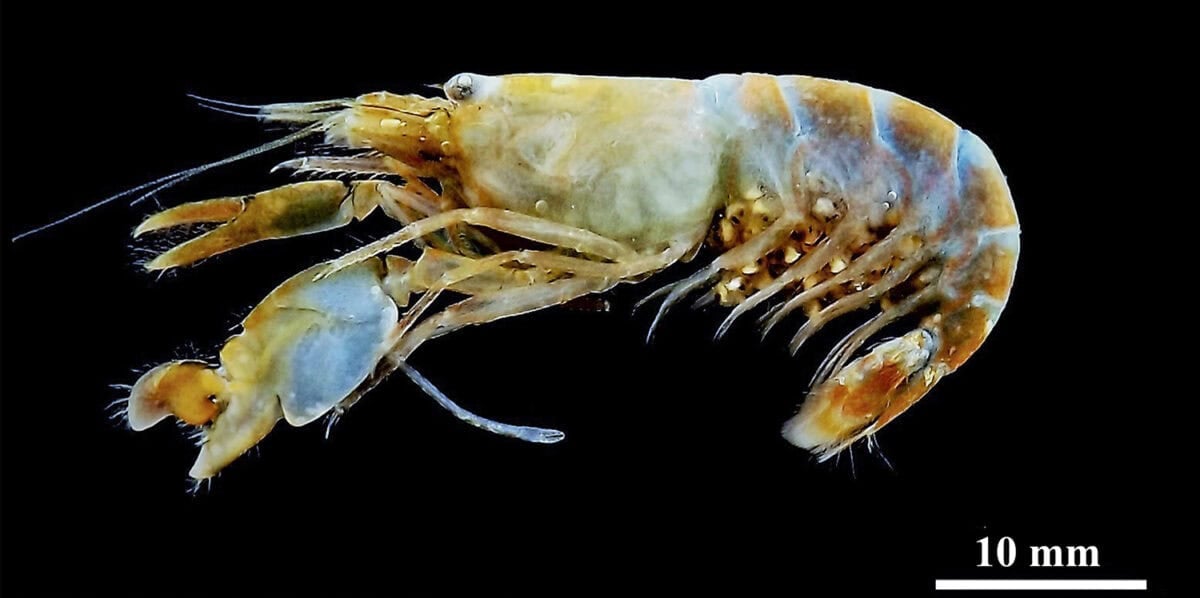
The pistol shrimp serves as a stark reminder that in nature, size does not always equate to power. This tiny creature demonstrates the wondrous adaptability of life’s forms, highlighting how even the smallest animal can captivate our imagination with its incredible abilities.
Conclusion

The pistol shrimp’s claim to the title of the loudest animal on Earth is a testament to the vast and varied adaptations of wildlife. This small but mighty creature illustrates the marvels of natural engineering and acoustic potential, providing important insights into the ecology and innovation of our world. As we continue to explore and understand this diminutive noise-maker, we gain a deeper appreciation for the diverse and vibrant tapestry of life beneath the waves.

- 10 Fastest Racing Dog Breeds You Must Know - July 19, 2026
- The Story of the Arctic Fox’s Incredible Seasonal Transformation - July 18, 2026
- 10 Most Venomous Snakes in US National Parks - July 18, 2026