


The rivers and streams of Appalachia flow with the history of millennia, nurturing ancient secrets beneath their surfaces. One of the most fascinating stories belongs to the giant salamanders, some of the oldest creatures inhabiting these waters. Known commonly as hellbenders, these remarkable amphibians have survived the test of time, showcasing nature’s resilience and diversity. Join us as we dive into the life and characteristics of these extraordinary salamanders, exploring their essential role in Appalachia’s ecosystems.
The Origin of the Hellbender Name
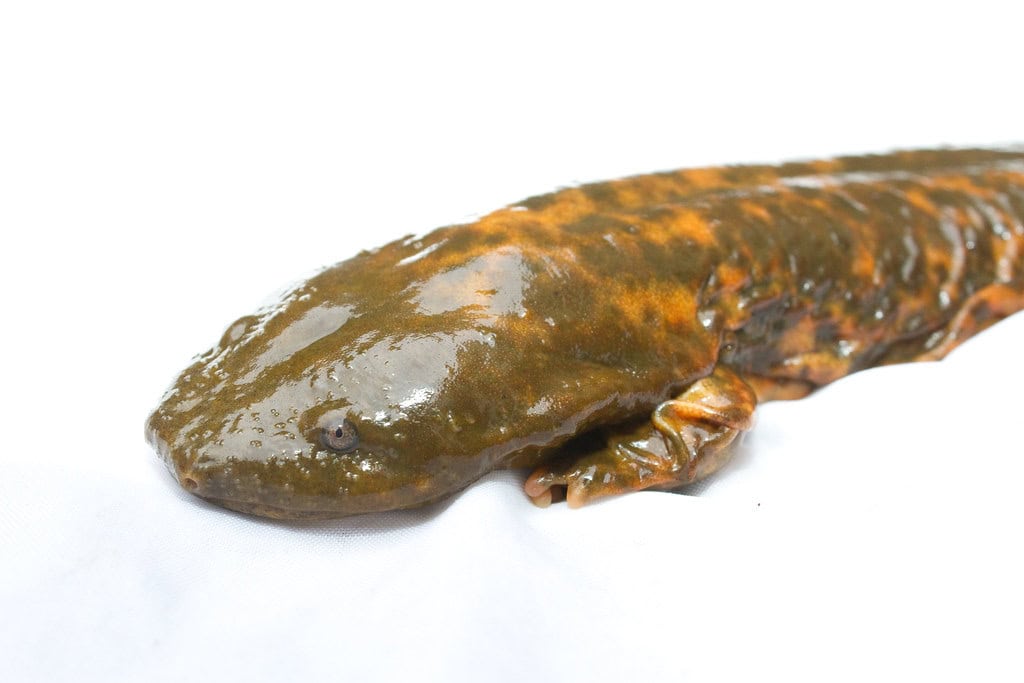
The term “hellbender” might evoke images of infernal, formidable creatures, but it’s a misnomer when describing these relatively gentle amphibians. The name likely originated from 19th-century settlers who, upon discovering the salamanders, imagined them to be hideous creatures deserving of such a diabolic name. Despite their intimidating moniker, hellbenders are harmless and play a crucial role in their ecosystems.
An Ancient Lineage

Giant salamanders have a lineage tracing back over 160 million years, predating many other species that now populate the land and water. Such ancient roots make them not only remarkable survivors but also living links to Earth’s distant past. Recognizing their long-standing heritage highlights their evolutionary success and adaptability.
Physical Characteristics and Adaptations

Hellbenders are distinguished by their flattened bodies, which allow them to navigate swiftly under rocks where they hunt and hide. Adults can reach lengths of over two feet, making them the largest amphibian in North America. Their loose, fleshy skin, which might seem peculiar, assists in respiration, allowing them to absorb oxygen directly from the water through their skin.
Habitat and Distribution
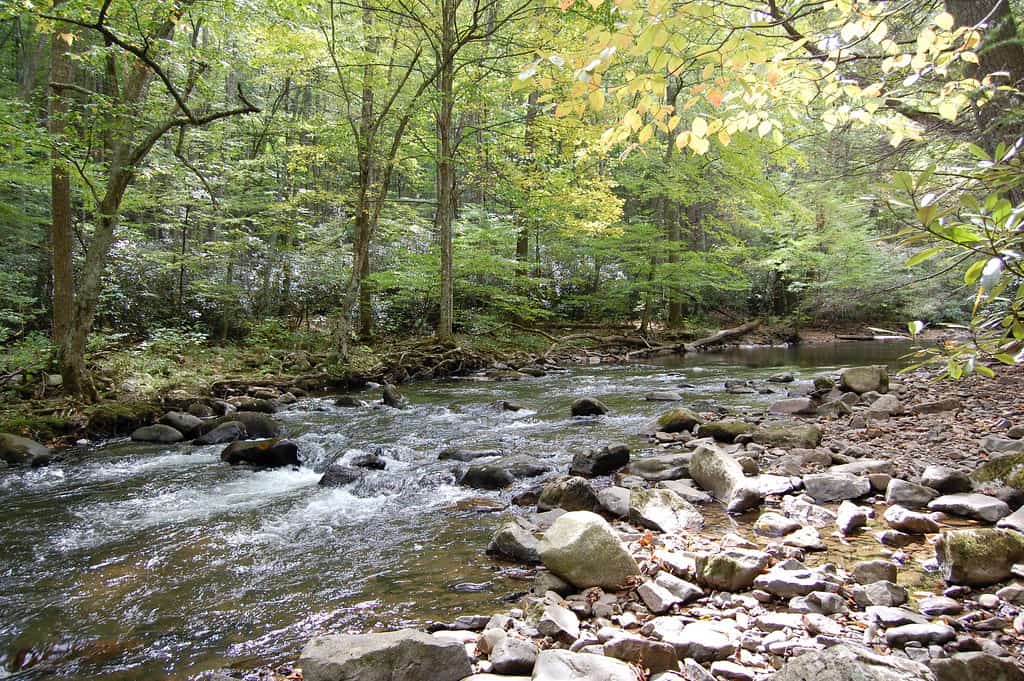
These remarkable salamanders are predominantly found in the cool, fast-flowing streams and rivers of the Appalachian region. Their preference for clean, well-oxygenated water bodies makes them susceptible to changes in their environment, particularly pollution and habitat destruction, which have posed significant threats to their populations.
The Secretive Lifestyle of the Hellbender
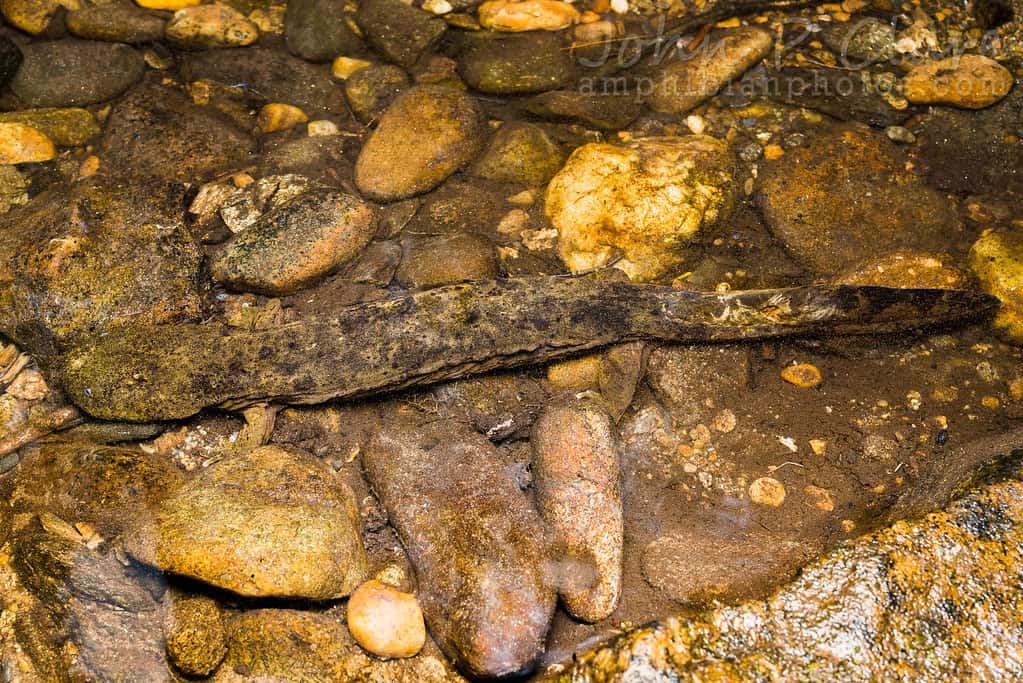
Primarily nocturnal, hellbenders spend much of their time hidden beneath rocks and debris, emerging at night to hunt for food. Their diet mainly consists of crayfish and small fish, which they capture with their impressive reflexes. This nocturnal, elusive lifestyle helps them avoid many predators and keep their existence clandestine.
Reproduction and Development

Hellbenders boast a unique reproductive process. During breeding season, males excavate nests under large rocks, where females lay their eggs. The male then fertilizes the eggs externally, a trait common among amphibians. Afterward, the males assume the role of nest guardians, protecting the developing eggs from potential threats until they hatch. This paternal investment ensures higher survival rates for their offspring.
Environmental Indicators
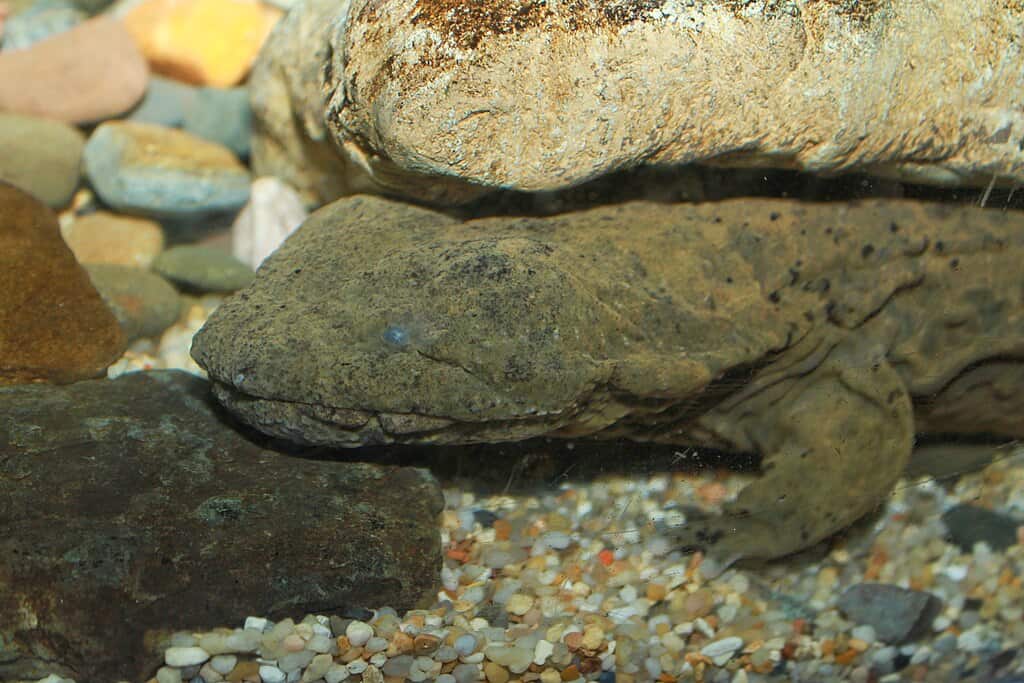
As sensitive indicators of ecosystem health, hellbenders reflect the conditions of their surroundings. Their presence often signifies a healthy, biodiverse waterway. Conversely, their decline can warn of ecological issues, such as pollution or habitat degradation, underscoring their importance in ecological conservation and monitoring.
Conservation Challenges
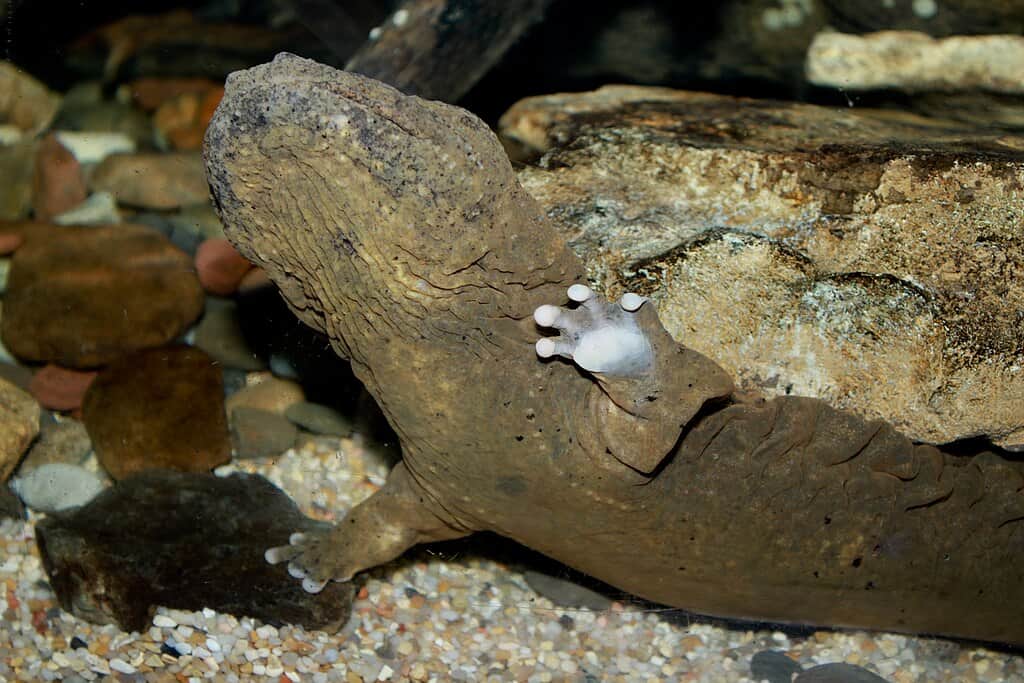
The hellbender faces numerous threats, including habitat destruction from damming and mining activities, pollution, and climate change impacts. Invasive species and disease further compound these challenges. Conservation efforts focusing on habitat protection and restoration are vital in safeguarding their future.
Conservation Efforts and Initiatives
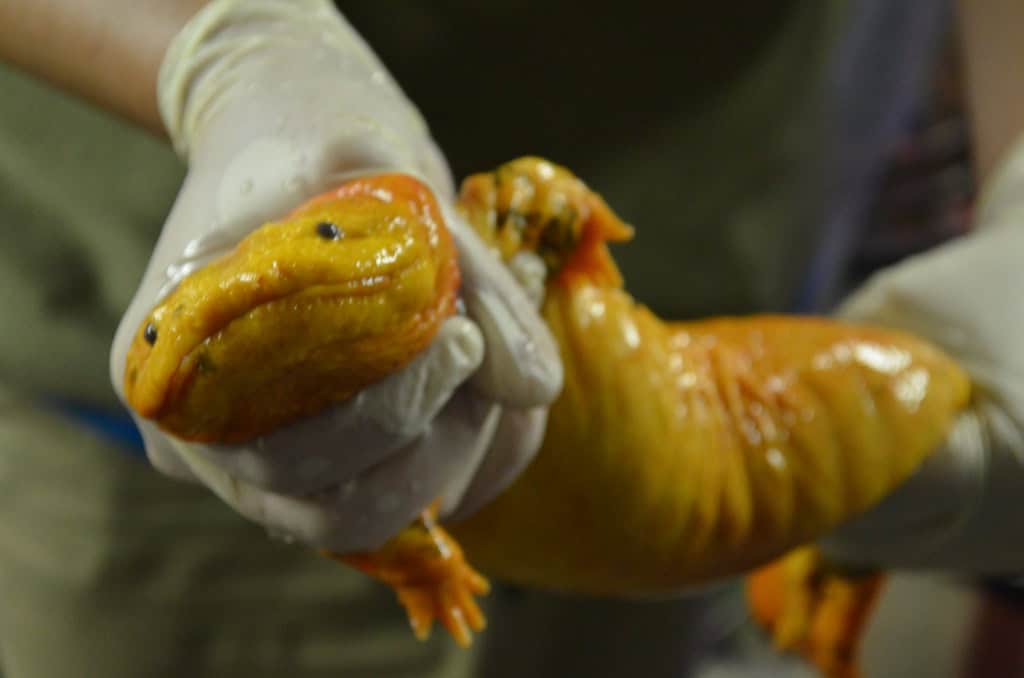
Several conservation programs aim to preserve hellbender populations by restoring habitats, regulating pollution, and raising public awareness. Captive breeding and reintroduction projects by zoos and environmental organizations also contribute to bolstering wild populations. These programs emphasize collaboration between scientists, policymakers, and communities to ensure these ancient creatures continue to thrive.
The Cultural Impact of the Hellbender

Beyond their ecological importance, hellbenders hold cultural significance in the Appalachian region. They feature in folklore and local traditions, representing resilience and the enduring spirit of nature. Raising awareness about their plight fosters cultural pride and a sense of responsibility toward preserving natural heritage.
Hellbenders in Scientific Research
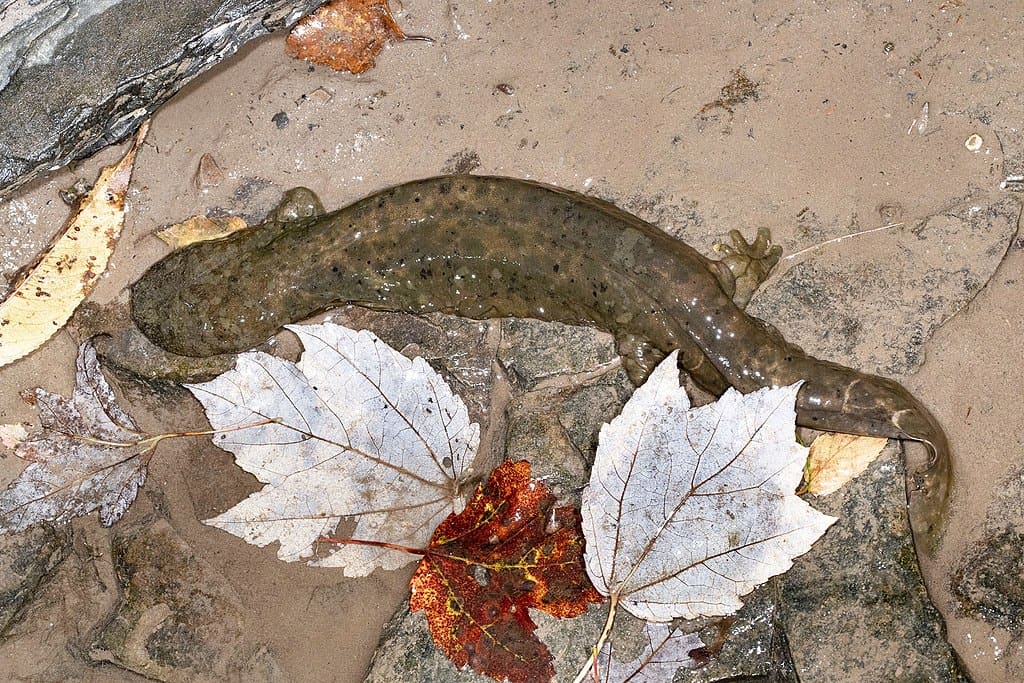
Research on hellbenders provides valuable insights into amphibian biology and ecology. Studies on their behavior, physiology, and genetics help scientists understand broader ecological processes and support conservation strategies. Ongoing research efforts continue to unravel the mysteries surrounding these enigmatic creatures.
The Future of Hellbenders in Appalachia

The future of the hellbender is intricately tied to our commitment to conservation and environmental stewardship. By addressing environmental threats and fostering a broader understanding of their role within ecosystems, we can ensure these ancient inhabitants continue to grace America’s rivers for generations to come.
The giant salamanders of Appalachia are not only a testament to nature’s enduring creativity but also key players in their aquatic ecosystems. Their ancient lineage and role as ecological sentinels highlight the interconnectedness of life and the need for comprehensive conservation efforts. Through protecting hellbenders, we preserve a part of our natural heritage, ensuring that the waterways of Appalachia continue to flow with life and history.

From exploring the marine wonders in the Azores and witnessing the vast savannas of Kenya, to delving deep into the rich biodiversity of South Africa and traversing iconic landscapes in Australia and the US like Yellowstone, Chris's experiences are vast.
With a penchant for diving alongside sharks, the ocean holds a special place in his heart.
Through his academic insights, he champions wildlife conservation, striving with 'Animals Around The Globe' to cultivate a profound connection between humans and animals, enhancing our mutual appreciation.
Connect with him at Feedback@animalsaroundtheglobe.com.
- Top 10 Animal Encounters in Europe - July 21, 2026
- The Lizard That Shoots Blood From Its Eyes - July 21, 2026
- What Happens If Fireflies Stop Glowing? - July 21, 2026