
In the intricate world of insects, communication is not simply a matter of sight or sound. These small creatures have developed remarkably sophisticated ways of exchanging information, predominantly through the use of pheromones. These chemical signals are akin to secret messages that convey information about a wide array of behaviors and intentions. Let’s dive into the world of insect pheromones and discover the complexity hidden within these tiny messengers.
What Are Pheromones?

Pheromones are chemicals secreted by insects to communicate with others of the same species. These signals can trigger a wide range of behaviors, from mating rituals to social organization. Unlike visual or auditory signals, pheromones can travel through air or water, making them an efficient means of communication for insects in varied environments.
The Discovery of Pheromones

The concept of pheromones was first recognized in 1959 when researchers isolated bombykol, a single pheromone used by female silk moths to attract mates. This discovery opened the door to a new understanding of how insects communicate chemically, highlighting a hidden layer of complexity in insect interactions.
Pheromones in Mating

Mating pheromones play a crucial role in the reproductive success of many insect species. For instance, female moths release pheromones that are picked up by male antennae, guiding them from miles away. This ensures that potential mates can find each other amidst vast distances and dense populations.
Alarm Pheromones

Alarm pheromones are vital in the defense mechanisms of some insects. Ants, bees, and certain beetles release these chemicals when threatened, alerting others to the presence of danger. This leads to synchronized defensive actions, such as fleeing or attacking potential predators, showcasing remarkable collective behavior.
Trail Pheromones

Certain insects use trail pheromones to map out paths to resources. Ants are infamous for creating intricate networks of scent trails that lead colony members to food sources. These trails optimize foraging efficiency and ensure that resources are utilized by the colony rather than being wasted.
Aggregation Pheromones

Aggregation pheromones serve to gather individuals of the same species together. Bark beetles, for example, release these pheromones to draw other beetles to suitable trees for feeding and reproduction. This social behavior enhances the survival and success of the species by ensuring a concentration of resources.
Caste-Determining Pheromones in Social Insects

In complex insect societies like those of ants, bees, and termites, pheromones determine caste roles. Queen pheromones can suppress the reproductive capabilities of worker insects, maintaining social order and division of labor essential for colony survival.
Pheromones in Parasitic Insects
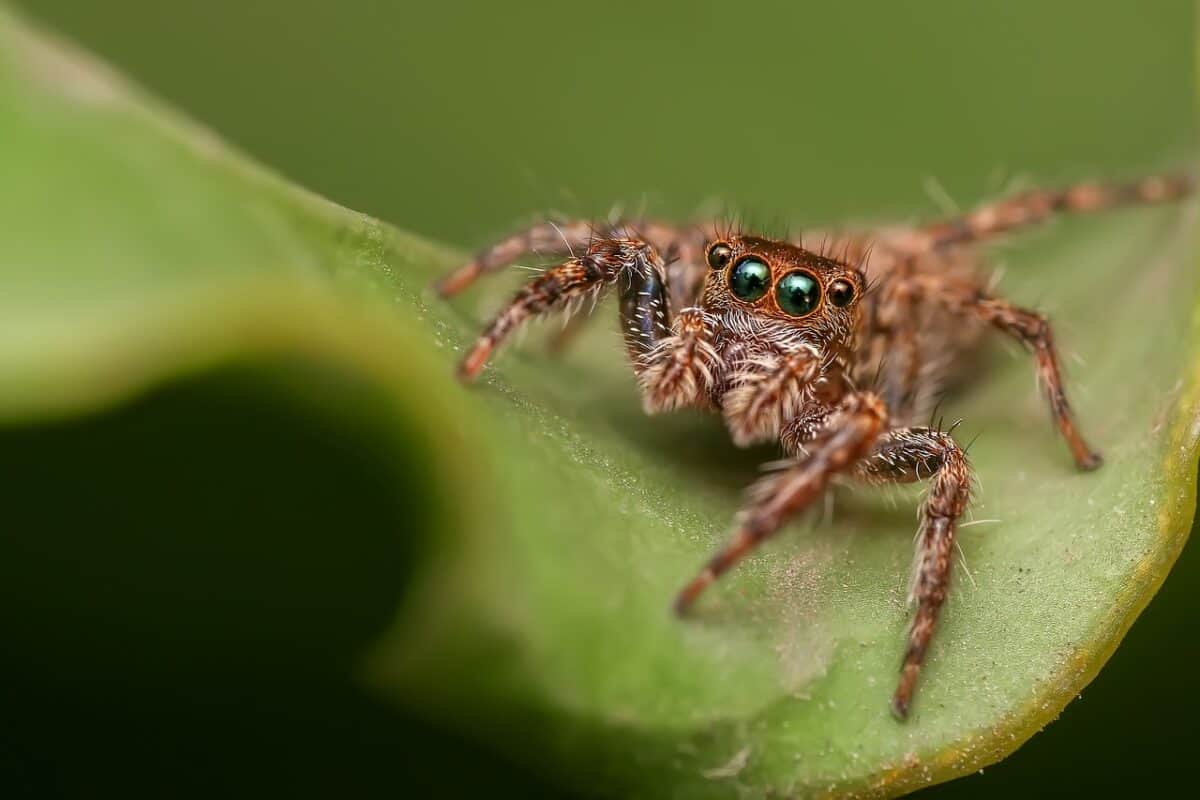
Some parasitic insects exploit pheromones to deceive their hosts. For instance, the bolas spider uses chemical mimicry to attract male moths. These spiders produce a compound similar to the moth’s mating pheromone, luring males into a trap rather than toward a mate.
The Complexity of Chemical Language

The language of pheromones is not simple; it involves precise ratios of various compounds that convey specific, nuanced messages. The ability of insects to interpret these complex signals is a testament to their evolutionary adaptability and sophistication.
Human Uses of Insect Pheromones

Understanding insect pheromones has significant implications for agriculture and pest control. Synthetic pheromones are used in traps to monitor or disrupt the mating patterns of pest insects, offering an environmentally friendly alternative to chemical pesticides.
Challenges in Pheromone Research

Researching insect pheromones poses challenges due to the minute quantities often involved and the complexity of the chemical compositions. Advanced technologies in chemical analysis are essential for deciphering these intricate signals and understanding their ecological roles.
The Future of Pheromone Studies
As our understanding of pheromones grows, we are likely to uncover even more complex ways in which insects use these chemical signals. Ongoing research into this hidden form of communication continues to reveal the remarkable adaptability and survival strategies of insects.
In conclusion, pheromones are a sophisticated form of communication that enriches our understanding of insect behavior. These secret chemical messages play an essential role in survival, reproduction, and social organization, underlining the complexity of life even at the smallest scales. As we delve deeper into the study of pheromones, we gain not only insight into the insect world but also potential solutions for ecological and agricultural challenges.

- The Bird That Can Recognize More Faces Than a Human - July 29, 2026
- How Army Ants Coordinate Massive Raids Without a Leader - July 29, 2026
- 13 Largest Horses in the World - July 29, 2026