


Winter storms can be breathtakingly beautiful, but they can also impose a near-complete halt to urban life. These phenomena are remarkable not only for their intensity but also for the sheer impact they can have on daily life. Below, we explore some of history’s most profound snowstorms that brought cities across the world to a standstill.
What Defines a Snowstorm?
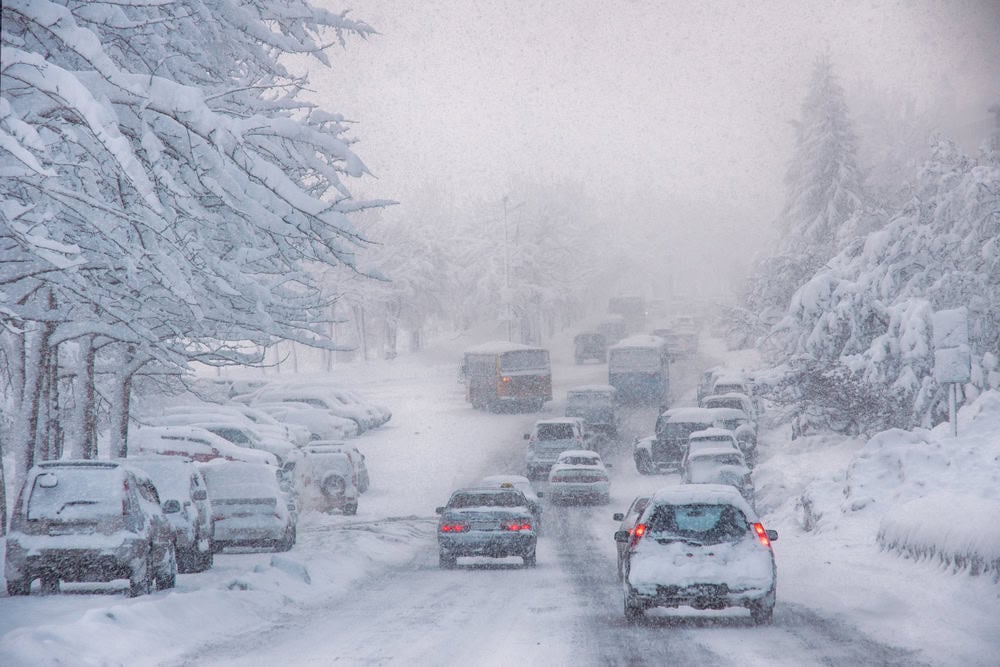
While all snowstorms involve snowfall, not all are classified as severe or disruptive. A snowstorm becomes significant when it comes with strong winds, low visibility, and large amounts of snowfall that complicate routine activities, transport, and infrastructure.
The Great Blizzard of 1888
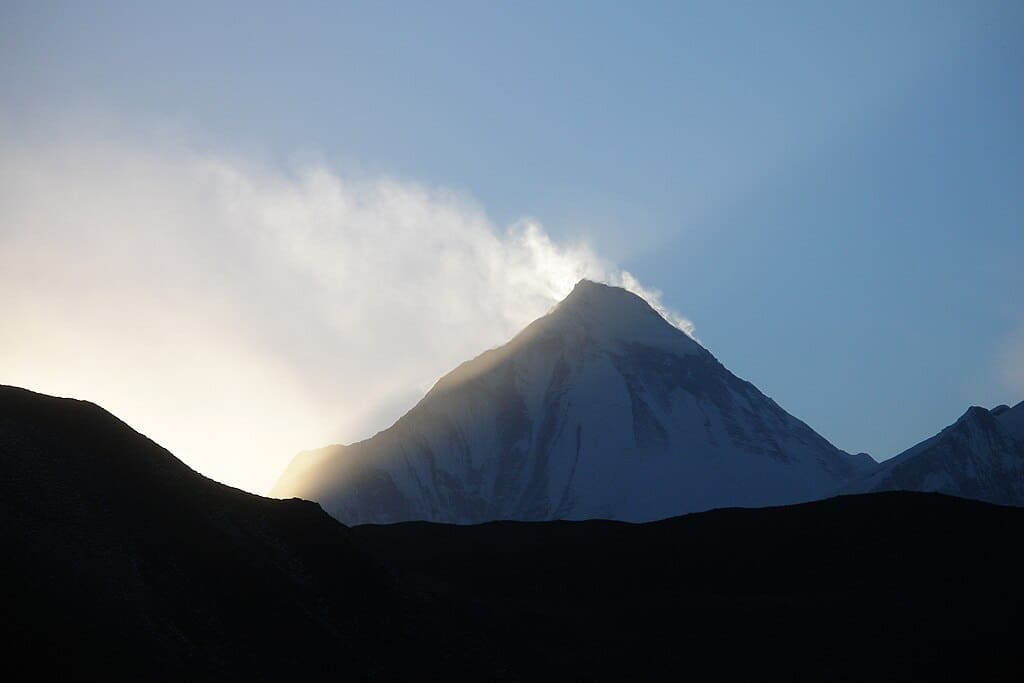
One of the most famous snowstorms was the Great Blizzard of 1888, which affected the northeastern United States. This blizzard dumped up to 55 inches of snow, severely disrupting transportation in cities like New York and Boston for several days. The storm left about 400 people dead and paralyzed the daily routines with snowdrifts reaching 50 feet in some areas.
The Storm of the Century 1993

Commonly referred to as the “Storm of the Century,” this massive cyclone affected the eastern United States in March 1993. It was unique in its coverage, stretching from Canada to Central America. With heavy snowfall, tornadoes, and flooding, the storm caused chaos, leading to 300 deaths and nearly $6 billion in damages.
The North American Blizzard of 1996

This storm was notable for affecting a broad corridor from northern Virginia to southern Pennsylvania and bringing Washington, D.C., to a standstill. Snowfall reached two to three feet in some areas, and the financial losses were estimated at around $1 billion as cities grappled with recovery efforts.
Canadian Snowstorm of 1971
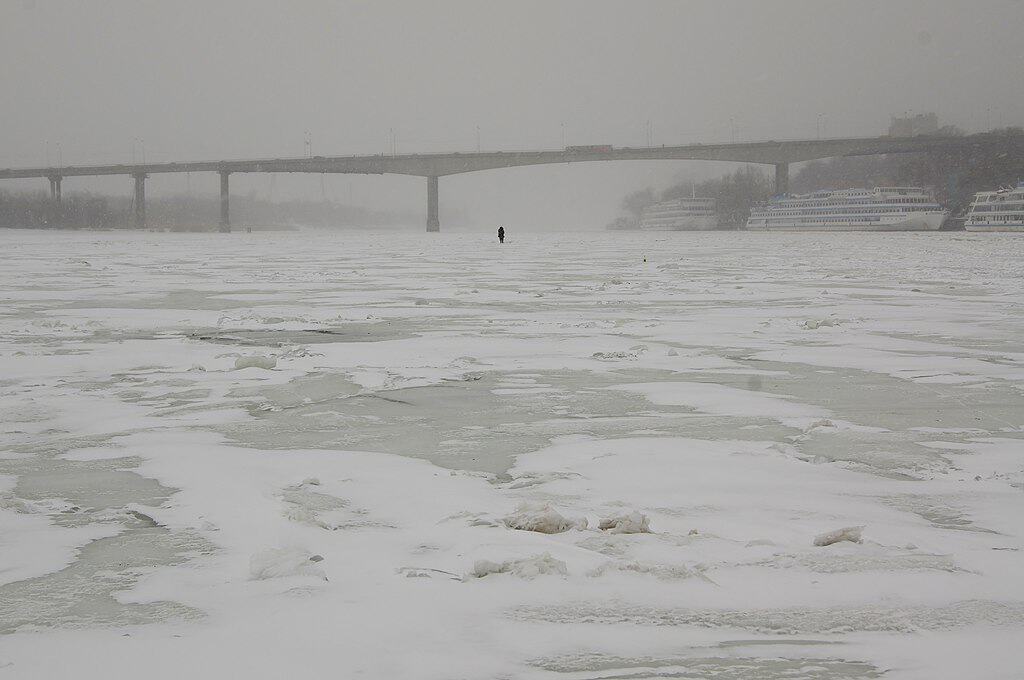
Hit by one of the most severe blizzards in Canadian history, Montreal received nearly 18 inches of snow over a single night. The storm brought 110 km/h winds, creating snowdrifts that buried cars and made streets impassable. Emergency measures and snow removal operations were overwhelmed as municipal services struggled to cope with the unexpected deluge.
The Blizzard of 1978

Striking the Midwest and the Northeast U.S., the Blizzard of 1978 is remembered for its hurricane-force winds, extensive snow accumulation, and temperatures plummeting well below freezing. The Ohio Valley and the Great Lake regions were hit hardest, rendering major cities entirely dormant under up to 40 inches of snow.
The Jonestown Blizzard of 1950

In November 1950, the eastern United States was battered by this notable blizzard, which brought extreme cold and snowfall. Ohio suffered a colossal snow accumulation, with storms hovering for four days, while temperatures across the region plunged dramatically, leading to significant disruptions.
The Snowmageddon of 2010
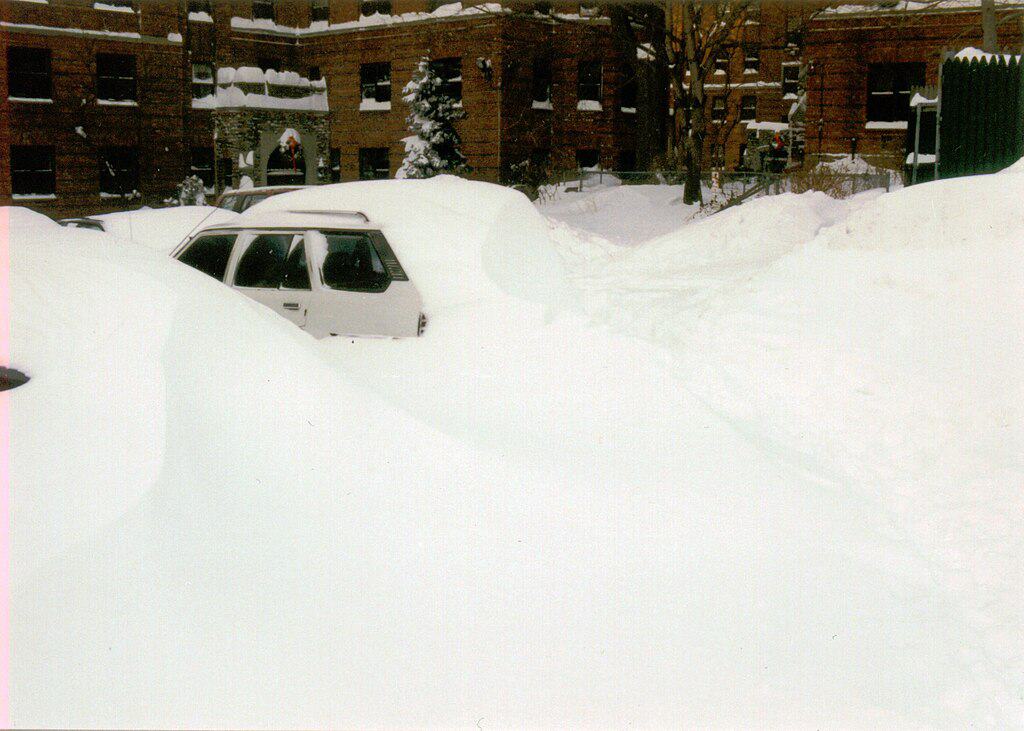
This snowstorm mainly affected the Mid-Atlantic states of the United States, including Washington D.C., Maryland, and Pennsylvania. With up to 40 inches of snow throughout February 2010, this storm resulted in power outages, transportation disruption, and a citywide shutdown that is ingrained in the collective memory of residents.
The Chicago Blizzard of 1967

Chicago was caught off guard by a sudden blizzard in January 1967 that delivered a record-breaking 23 inches of snow over two days. Public transit collapsed, thousands of vehicles were stranded, and residents faced unprecedented chaos and difficulty in proceeding with everyday life during what became the snowiest winter in the city’s history.
The Boston Blizzard of 2015
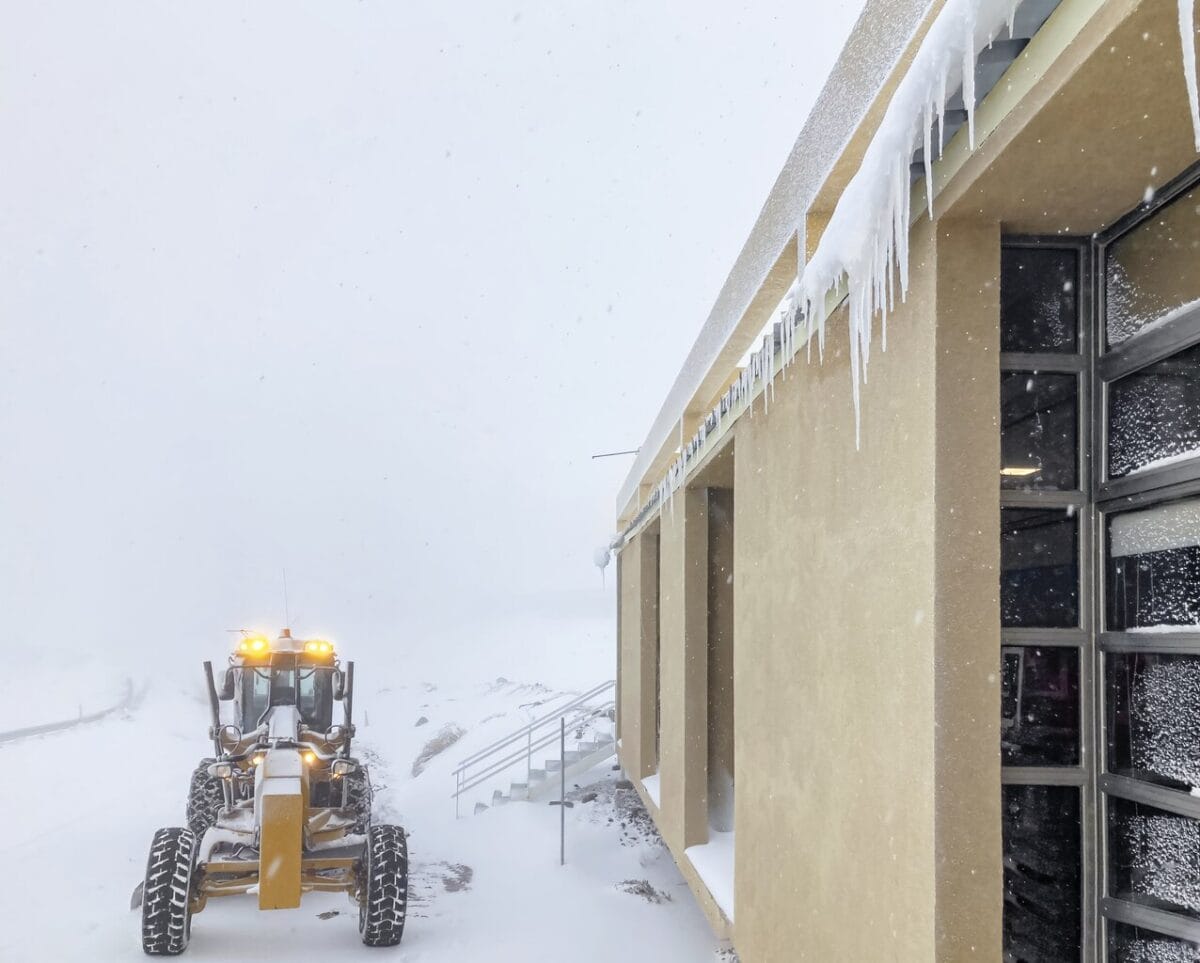
Boston experienced its snowiest February ever, thanks to the Blizzard of 2015. Over several days, snowfall reached nearly 40 inches, which effectively immobilized the city and caused widespread shutdowns of public transport and businesses, drawing attention to global climate phenomena.
The Atlanta Snow Jam of 2014

In January 2014, Atlanta, Georgia, traditionally unaccustomed to snow, was abruptly enveloped by a snowstorm that covered roads with ice. Transportation came to a screeching halt, with traffic gridlocks spanning miles, leaving schools, businesses, and the public in turmoil.
The Iranian Blizzard of 1972

In February 1972, Iran faced one of the deadliest snowstorms in recorded history, covering parts of the country under 26 feet of snow. With temperatures plummeting, entire villages were buried, and the storm tragically took over 4,000 lives, demonstrating the destructive potential of such natural events.
Conclusion:

Snowstorms, with their majestic yet perilous nature, remind us of both the beauty and sheer power of nature. These historical storms not only highlight the vulnerabilities of modern cities to extreme weather but also underscore the human spirit’s resilience against the challenges imposed by nature. As climate patterns continue to evolve, understanding and preparing for such weather events hold greater significance than ever before.

As a little kid, I fell in love with nature, wildlife, and animals. Living in the USA, South Africa, Italy, China and Germany gave me the opportunity to discover the world's Wildlife. My favorite animals are Mountain Gorillas, Siberian Tigers, and Great White Sharks.
I'm a certified PADI Open Water Diver, went to Everest Base Camp and Trekked Gorillas in Uganda. I hold a Master of Science in Economics and Finance.
Please send any feedback to feedback@animalsaroundtheglobe.com
- Why the Great Barrier Reef Is the Best Place to Spot Sea Turtles - June 3, 2026
- 2 Animals With Super Sized Body Parts and What They are For - June 3, 2026
- Explore The Azores - June 3, 2026