

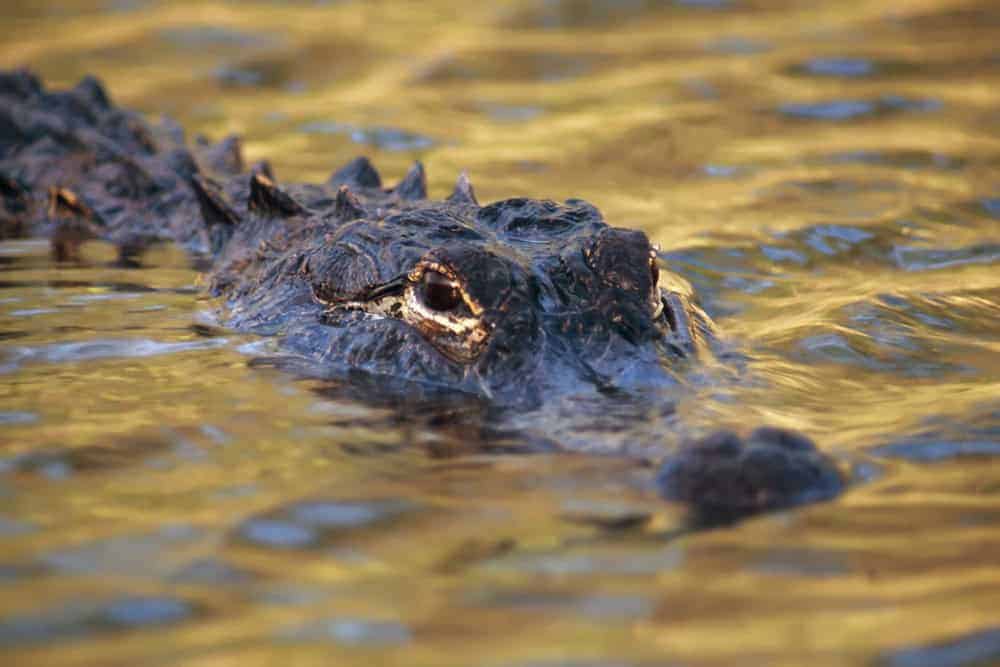
Animals have always been a fascinating part of our world, embodying a wide range of wonders from the unusual to the awe-inspiring. Many people dream of owning exotic creatures as pets to bring a touch of the wild into their lives. However, the responsibilities and potential risks associated with exotic pet ownership have led most US states to enforce strict regulations. In this article, we explore what animals are illegal to own in each state, helping you make informed decisions about potential pets while adhering to the law.
Alabama No Alligators Allowed
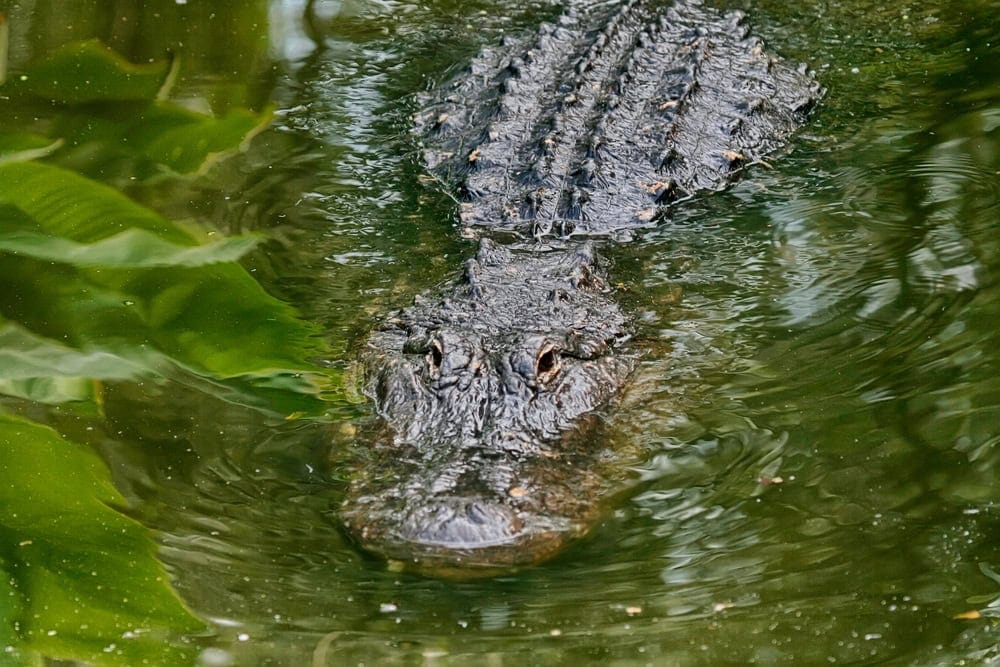
In Alabama, the regulations against owning exotic pets are relatively lenient compared to other states. However, alligators, crocodiles, and other large reptiles are strictly prohibited due to the safety risks they pose. The climate in Alabama could also mistakenly make it seem like a suitable environment for such creatures, further necessitating these laws.
Alaska Wolves and Primates Banned

Due to its unique ecosystem and wildlife preservation endeavors, Alaska has stringent rules regarding exotic animals. Wolves, primates, and even ferrets are not allowed as pets to protect local species and the environment. These regulations also help prevent the spread of diseases that could devastate the native animal populations.
Arizona Tigers are Off Limits

Arizona prohibits a wide range of exotic animals, including big cats like tigers and lions. The state enforces these restrictions to ensure public safety and animal welfare. Tigers require extensive space and care, often beyond the capacity of average pet owners, leading to potential harm to both humans and animals.
California Unconventional Animals Forbidden
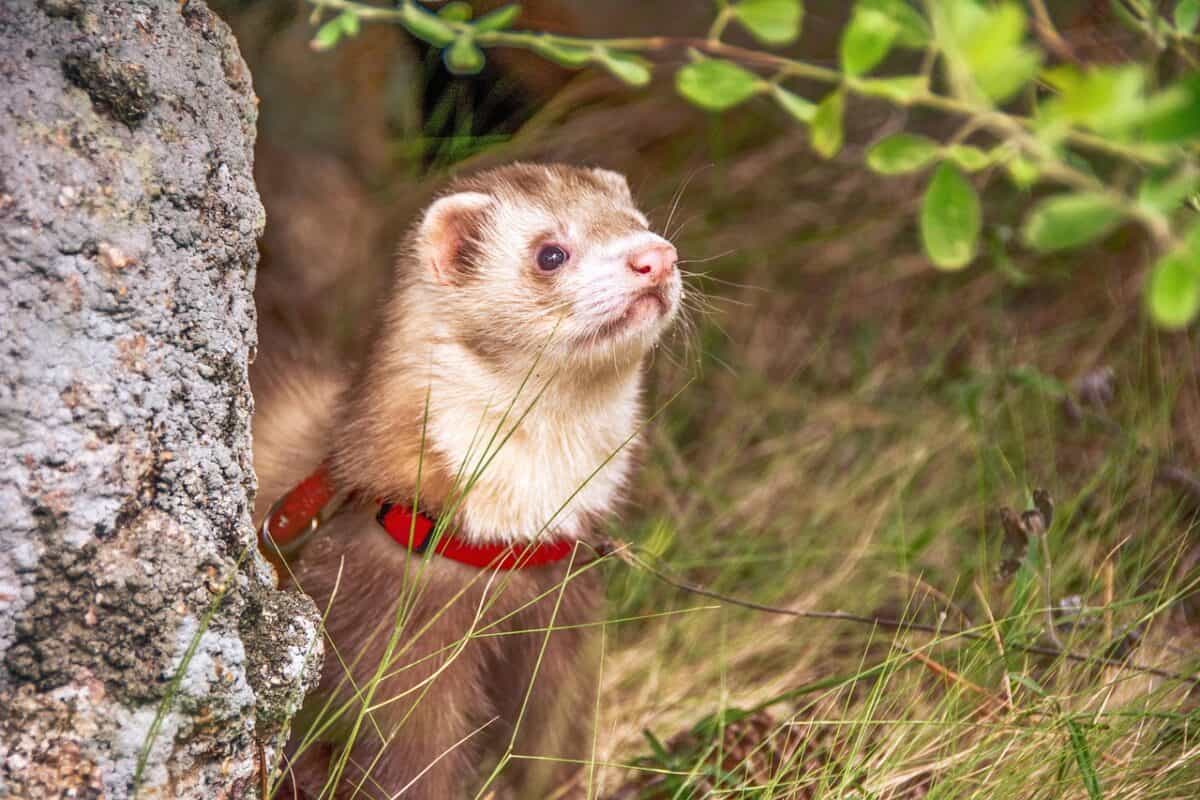
California has one of the most comprehensive lists of banned pets, including ferrets, hedgehogs, and even hamsters in some cases. The state prioritizes protecting agriculture and native wildlife through these bans, as non-native species could disrupt the delicate ecological balance.
Colorado Carnivorous Mammals Prohibited

In Colorado, it’s illegal to own broad categories of carnivorous mammals. This policy extends to animals like ferrets and raccoons, due to concerns the state has about disease transmission and threats to local ecosystems. Ensuring the protection of indigenous species is a top priority in these regulations.
Florida No Large Constrictors

Florida’s warm climate often makes it seem like a suitable environment for reptiles. However, the state bans the possession of large constrictor snakes, such as Burmese pythons, which have been known to wreak havoc on local ecosystems after being released or escaping into the wild.
Hawaii Exotic Animals Restricted
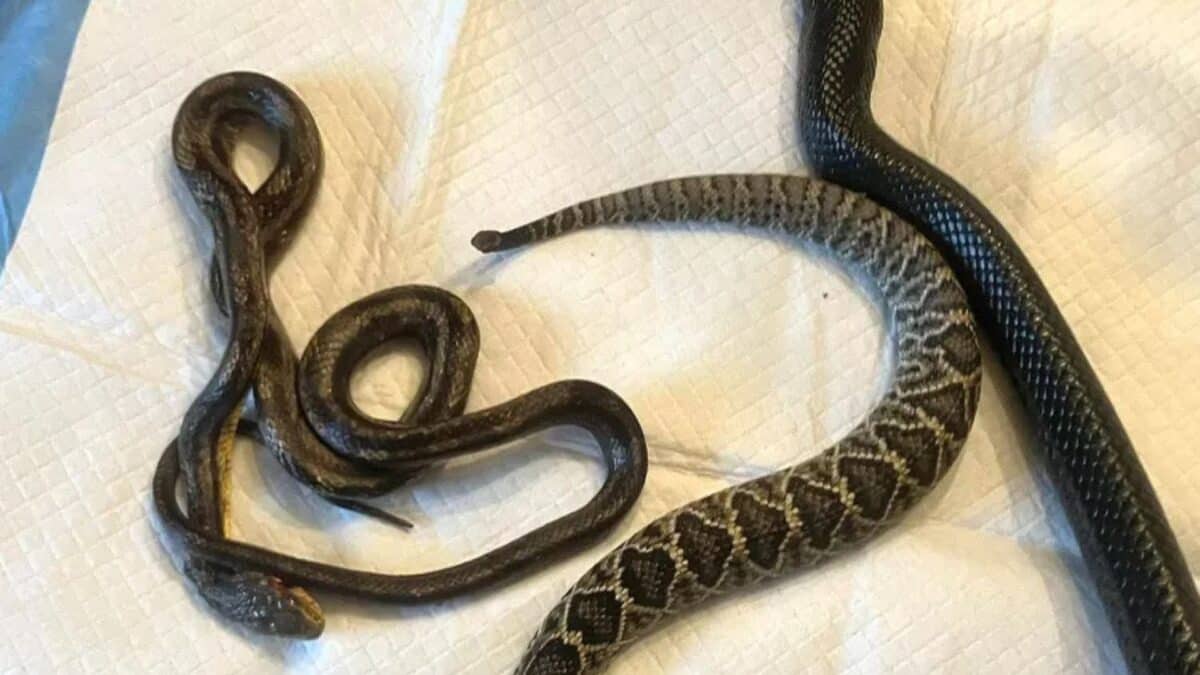
Because of its delicate ecosystem and isolated location, Hawaii has possibly the strictest laws regarding exotic pets. Nearly all non-native animals are banned, including snakes, hamsters, and even lizards. The state’s primary concern is the preservation of its unique environment and endemic species.
Indiana Wolf Hybrids Discouraged

Indiana’s laws allow for a range of unusual pets, but wolf hybrids are not one of them. These animals pose a significant threat to public safety due to their unpredictable nature, and state authorities have taken steps to restrict their ownership for this reason.
Kentucky Big Cats and Bears Banned

Kentucky restricts the ownership of big cats, bears, and other large carnivores, aligning with broader concerns over safety and proper care. These animals are challenging to manage, showcasing the necessity of facilities equipped to handle their complex needs.
Louisiana No Primates or Bears

Louisiana’s list of banned pets includes primates and bears. This decision stems from concerns over zoonotic diseases and the danger these animals pose to humans and other wildlife. The legal protections ensure that both humans and animals coexist safely and responsibly.
Nebraska Exotic Birds Prohibited

Owning certain exotic birds is illegal in Nebraska, a measure to prevent potential harm to local agriculture and indigenous bird species. Parrots, macaws, and other non-native birds are included in these restrictions, intended to upkeep ecological stability.
New York Ferrets and Hedgehogs Under Restrictions
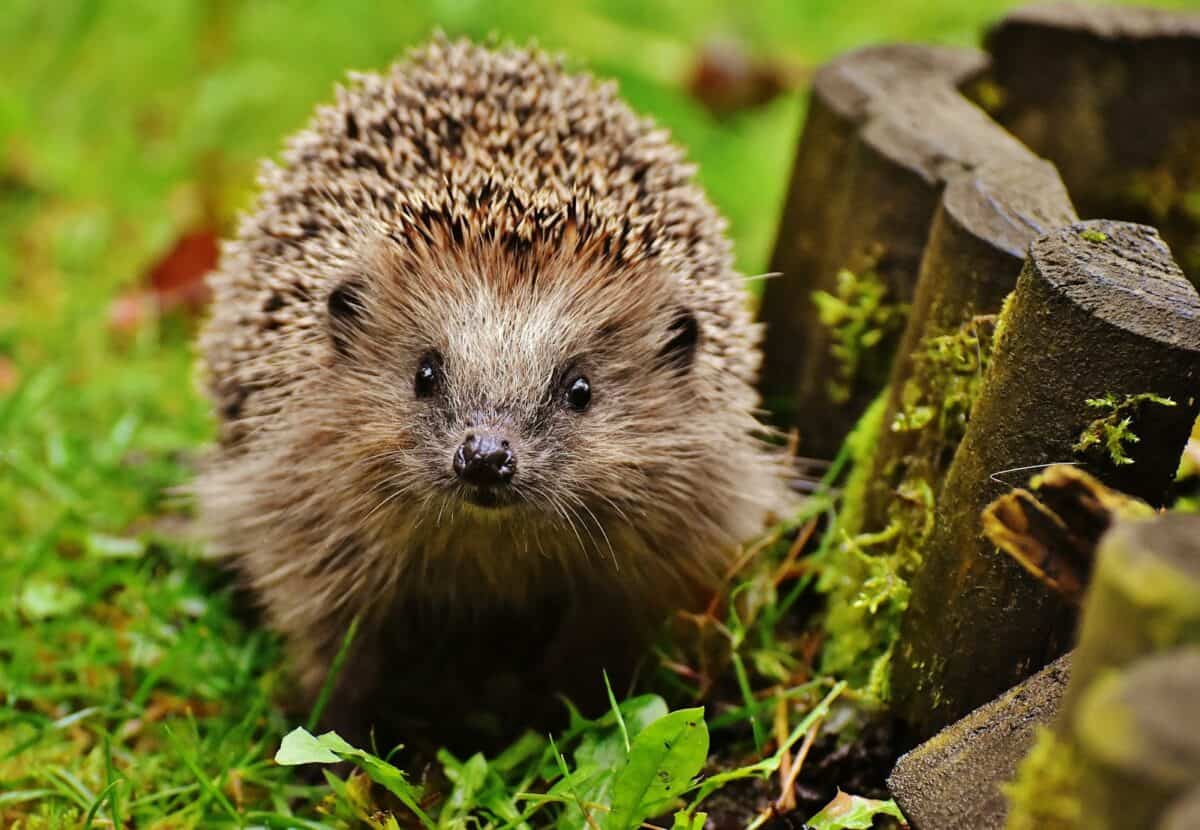
In New York City specifically, owning ferrets is banned, and hedgehogs fall under this regulation as well. While statewide bans are less stringent, the city’s dense population amplifies concerns over animal welfare and public health, justifying these specific restrictions.
Conclusion

With a plethora of bans across various states, it’s crucial for prospective exotic pet owners to understand the legal and ethical implications of their choices. Prioritizing the well-being of both humans and animals, these laws aim to forge a trustworthy framework for pet ownership. By adhering to these regulations, individuals can contribute to preserving the balance between human interests and wildlife conservation.

As a little kid, I fell in love with nature, wildlife, and animals. Living in the USA, South Africa, Italy, China and Germany gave me the opportunity to discover the world's Wildlife. My favorite animals are Mountain Gorillas, Siberian Tigers, and Great White Sharks.
I'm a certified PADI Open Water Diver, went to Everest Base Camp and Trekked Gorillas in Uganda. I hold a Master of Science in Economics and Finance.
Please send any feedback to feedback@animalsaroundtheglobe.com
- Ocean Science Says the Sound Recorded at the Bottom of the Mariana Trench Is Never Truly Silent – It Carries Distant Earthquakes Ship Engines and Whale Songs Simultaneously From Thousands of Miles Away - June 14, 2026
- 13 Bald Eagle Behaviors That Signal Something Important - June 14, 2026
- 12 Non-Venomous Snakes That Look Dangerous - June 14, 2026