


Worried about unexpected vet bills?
Pet insurance can cover thousands in unexpected vet costs. Get a free quote from Lemonade in under 2 minutes.
Get My Free Quote →Sponsored · Opens Lemonade.com
Feeding wildlife might seem like a kind and harmless gesture, but it can lead to numerous unforeseen consequences for both animals and humans. In this article, we’ll delve into the reasons why feeding wild animals disrupts natural behaviors, poses health risks, and leads to ecological imbalances. Understanding these points is crucial for fostering a harmonious coexistence with wildlife.
Altering Natural Behaviors

Wild animals are equipped with instinctual behaviors that guide them in foraging for food. When humans interfere by providing food, it can alter these natural behaviors. Animals may become dependent on human-provided food, which diminishes their survival skills and affects their ability to forage in the wild. This dependency can lead to a loss of innate instincts, making them more vulnerable if the human food supply is suddenly removed.
Disrupting Ecosystems

The introduction of non-natural food sources can disrupt local ecosystems. Wild animals may begin to congregate in areas where food is readily available, leading to overpopulation in certain zones. This not only creates an imbalance but also puts pressure on local resources. Changes in animal movement patterns can disrupt plant life and affect other species that rely on those animals for ecological functions such as seed dispersal.
Creating Unhealthy Diets

Wild animals thrive on specific diets tailored to their physiological needs. Human foods are often nutritionally inadequate or even harmful to wildlife. Foods high in sugars, fats, or salts can cause health issues, including malnutrition, obesity, and dental problems. For example, feeding bread to ducks and other waterfowl can lead to a disease called ‘angel wing,’ a condition that affects their ability to fly.
Increasing Disease Transmission

Feeding wildlife can increase the risk of disease transmission. Congregations of animals around feeding sites enhance the chances of spreading diseases among species. Additionally, human contact can introduce pathogens to wild animal populations, and vice versa, potentially leading to outbreaks that can affect human populations, too.
Encouraging Aggressive Behavior

Animals accustomed to receiving food from humans may exhibit aggressive behaviors when food is not provided. This can lead to dangerous encounters, especially with larger or more territorial wildlife, like bears or coyotes. The expectation of food can make these animals more prone to approaching humans, which can be a safety risk.
Attracting Unwanted Wildlife

Feeding animals in one area doesn’t just attract the intended recipients—it can draw in a range of other creatures, including potentially harmful pests. Rodents, for instance, may move into areas where food is left out, bringing with them diseases and sometimes larger predators, which can pose additional problems.
Legal Implications
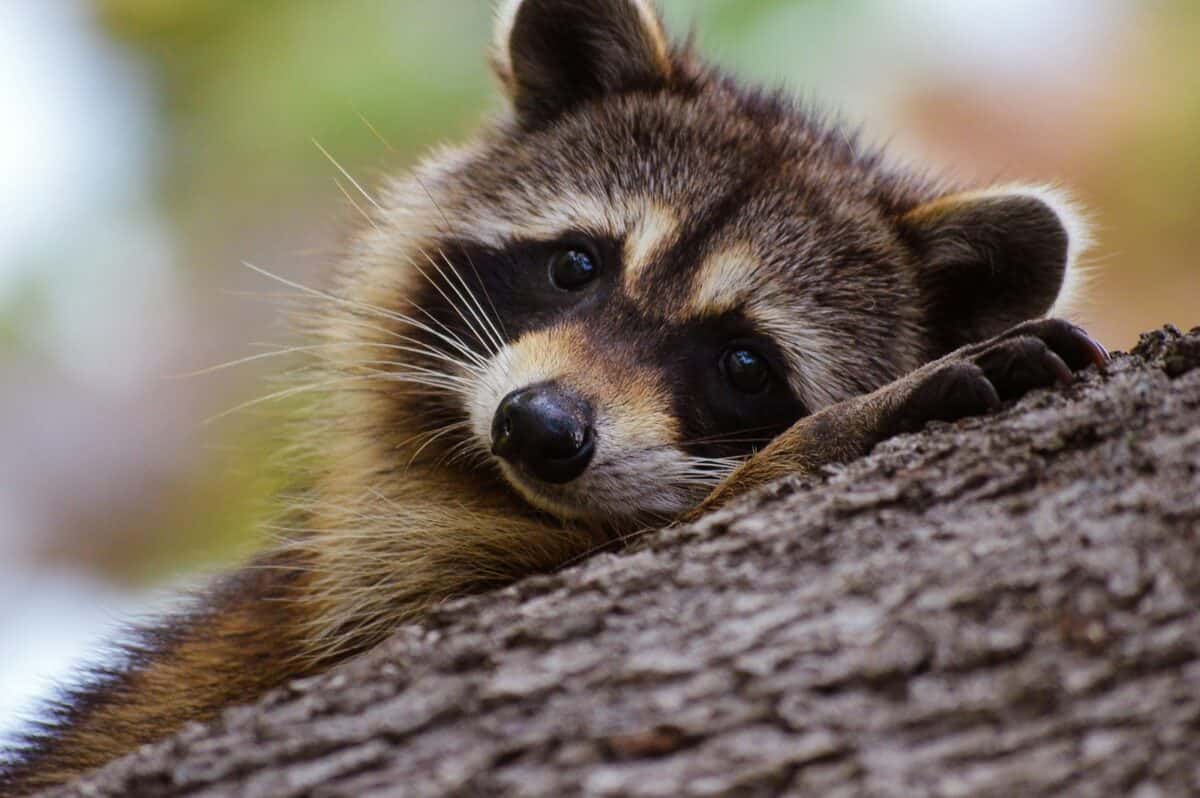
In many areas, feeding wildlife is illegal due to the risks it poses. Authorities implement these regulations to protect both animals and humans. Violating these laws can result in fines or other penalties. It is important to adhere to local guidelines to contribute to sustainable wildlife management efforts.
Impact on Human Safety

Feeding wildlife can compromise human safety. Animals that learn to associate humans with food may loiter around homes and picnic areas, leading to increased encounters that can endanger both parties. These interactions can lead to injuries or encourage wildlife to enter urban areas looking for food.
Reducing Wildlife Movement

By providing easy access to food, humans can inadvertently reduce the natural range and movement of wildlife. Animals that would otherwise travel significant distances foraging might become sedentary, leading to localized overpopulation and heightened competition for resources within a confined area.
Decreasing Reproductive Success

Wild animals conditioned to receive human food might experience decreased reproductive success. Malnutrition stemming from inadequate diets and heightened disease exposure can adversely affect their physical condition, leading to lower fertility rates and less viable offspring.
Ethical Considerations

It’s essential to consider the ethical implications of modifying wildlife behavior through feeding. While the intention might be benevolent, the long-term welfare of wildlife can be compromised. Ethical wildlife interaction principles underscore the importance of maintaining the natural independence of wildlife populations.
Promoting Natural Foraging

The best way to support wildlife is to let them forage naturally. This promotes ecosystem stability and ensures that animals remain in balance with their environment. By maintaining natural behaviors, wildlife can thrive autonomously without becoming reliant on human intervention.
While feeding wildlife can seem like a compassionate act, its repercussions can be substantial and lasting. Restoring and preserving natural behaviors, avoiding health risks, and preventing ecological imbalances are critical considerations. By understanding and respecting these principles, humans can foster a more sustainable and respectful relationship with the natural world.
Worried about unexpected vet bills?
Pet insurance can cover thousands in unexpected vet costs. Get a free quote from Lemonade in under 2 minutes.
Get My Free Quote →Sponsored · Opens Lemonade.com

From exploring the marine wonders in the Azores and witnessing the vast savannas of Kenya, to delving deep into the rich biodiversity of South Africa and traversing iconic landscapes in Australia and the US like Yellowstone, Chris's experiences are vast.
With a penchant for diving alongside sharks, the ocean holds a special place in his heart.
Through his academic insights, he champions wildlife conservation, striving with 'Animals Around The Globe' to cultivate a profound connection between humans and animals, enhancing our mutual appreciation.
Connect with him at Feedback@animalsaroundtheglobe.com.
- The World’s Smallest Mammal Could Fit on Your Fingertip - June 10, 2026
- How Turtles Use Earth’s Magnetic Field to Navigate Oceans - June 10, 2026
- Turtles as World-Bearers in Indigenous Beliefs - June 10, 2026