

Throughout human history, certain animals have played profound symbolic roles in indigenous cosmologies around the world. Among these sacred creatures, the turtle stands out as a recurring figure of immense significance. Across continents and civilizations separated by vast distances, turtles have emerged as world-bearers—cosmic beings that support the earth upon their shells. This remarkable convergence of belief speaks to both the turtle’s distinctive characteristics and humankind’s universal search for understanding our place within the cosmos. This article explores how diverse indigenous cultures from North America to Asia have independently developed rich mythological traditions centering on turtles as cosmic pillars and foundations of creation.
The Cosmic Turtle in North American Indigenous Traditions
Among many Native American tribes, particularly those of the Northeastern Woodlands like the Lenape, Iroquois, and Anishinaabe peoples, the Earth is frequently envisioned as resting on the back of a giant turtle. This widespread belief gave rise to the term “Turtle Island,” a name still used by many indigenous people to refer to North America.
In the creation myths of these cultures, when the world was covered in water, various animals attempted to dive to the bottom of the primordial sea to retrieve mud. The turtle, with its patient nature and strong shell, offered its back as the foundation upon which this mud could be placed. Over time, this small deposit expanded to form the land masses of the world. The turtle’s shell, with its thirteen central plates (in many species), is sometimes interpreted as representing the thirteen moons of the lunar calendar, further cementing its cosmic significance.
The World Turtle in Hindu Cosmology
In Hindu mythology, the cosmos has a similarly turtle-centric foundation. According to certain traditions, the Earth is supported by four elephants who stand upon the shell of a giant turtle named Akupāra or Kurma, who swims in the cosmic ocean. Kurma is also celebrated as the second avatar of the god Vishnu, who took the form of a turtle during the churning of the cosmic ocean (Samudra Manthan).
In this pivotal myth, the turtle’s shell served as the stable base upon which Mount Mandara could be placed and rotated to churn the cosmic waters. This churning produced amrita, the elixir of immortality, along with various divine beings and objects. The cosmic turtle in Hindu tradition thus represents stability, endurance, and the foundational support necessary for creation and cosmic order.
Chinese Mythology and the Cosmic Turtle
In ancient Chinese cosmology, the turtle occupies a position of profound significance. The Black Turtle (Xuanwu) is one of the Four Symbols of the Chinese constellations, representing the north and the winter season. Beyond astronomical significance, Chinese mythology includes references to a cosmic turtle named Ao who supports the world. According to some traditions, the legendary Yu the Great used the shell of this cosmic turtle, marked with mystical patterns, as the basis for developing the first written characters.
The turtle shell’s natural patterns were believed to contain the secrets of the universe, and oracle bone inscriptions—among China’s earliest forms of writing—were often made on turtle shells. Furthermore, the turtle was seen as a symbol of longevity, wisdom, and the unity of heaven and earth, with its domed shell representing the heavens and its flat underside symbolizing the earth.
Meso-American Turtle Symbolism
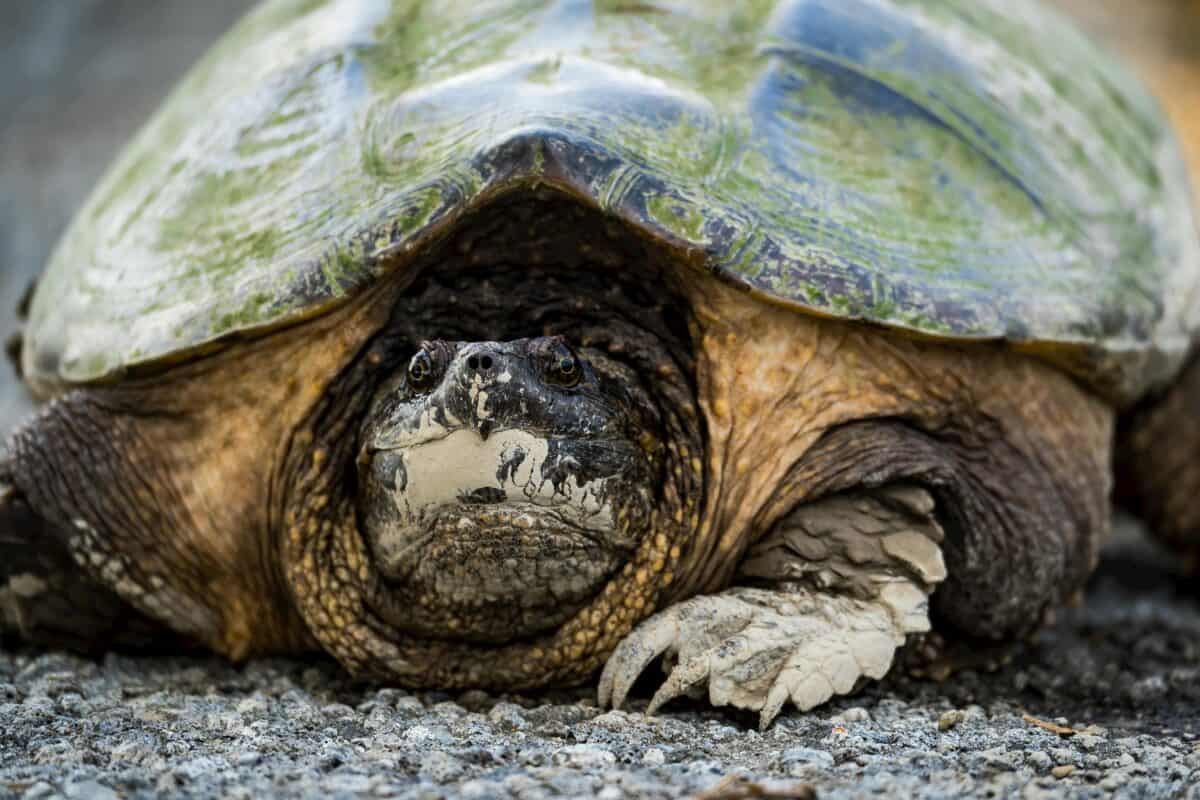
Among the Maya and other Mesoamerican civilizations, the turtle held cosmic significance as a symbol of the earth floating in primordial waters. In the Popol Vuh, the sacred book of the K’iche’ Maya, there are references to the earth as a turtle floating on the primeval sea. Archaeological evidence supports the importance of this symbolism—Maya art frequently depicts deities emerging from turtle shells, representing birth and creation.
The famous Maya Madrid Codex shows clear illustrations of the earth as a turtle floating on water. For the Maya, the turtle’s carapace also symbolized the dome of the sky, creating a complete cosmic model where the turtle represented both the foundation of the earth and the structure of the heavens. This dual symbolism reinforced the turtle’s role as a mediator between different cosmic realms and as a fundamental element in the structure of the universe.
The Cosmic Turtle in African Belief Systems

While perhaps less widely documented than in other regions, turtle cosmogony also appears in certain African traditions. Among some West African cultures, particularly in coastal regions, turtles feature in creation stories as beings that helped shape the world. In some narratives, the turtle’s shell represents the dome of the sky, while its body symbolizes the earth. The Yoruba people, for instance, include the turtle (ijapa) as a significant character in their folklore, often portrayed as wise and enduring.
In other African cosmologies, particularly those from regions where tortoises are common, the slow-moving reptile is frequently associated with wisdom, patience, and the foundation of creation. These beliefs reflect a widespread recognition of the turtle’s distinctive physical characteristics—its protective shell, longevity, and steady pace—as metaphors for cosmic stability and endurance.
Indigenous Australian Turtle Dreaming

For many Aboriginal Australian communities, particularly those in coastal and riverine regions, the turtle holds special significance in Dreamtime stories. While not always explicitly portrayed as a world-bearer, the turtle often features as an ancestral being involved in the creation of waterways, islands, and other geographical features. In the Torres Strait, the turtle is a central figure in cultural identity and cosmology, appearing in creation stories that explain the formation of islands and reefs.
The turtle’s ability to navigate between land and sea makes it a powerful symbol of connection between different worlds—a theme that resonates with the world-bearer concept found in other cultures. Aboriginal rock art dating back thousands of years frequently depicts turtles, testifying to their enduring cultural significance in the world’s oldest continuous cultures.
Scientific Parallels to Mythological World Turtles

While the world turtle may seem purely mythological, some scholars have noted intriguing parallels between these ancient beliefs and modern scientific understandings. The concept of turtles “all the way down”—a recurring motif in world turtle myths where one asks what the cosmic turtle itself stands on—bears a philosophical resemblance to the infinite regression problem in cosmology. Modern plate tectonics, with its vision of continental landmasses slowly moving across the planet’s surface, offers a scientific parallel to the image of land resting on a mobile creature.
Additionally, the turtle’s longevity (with some species living over 100 years) and its evolutionary resilience (having survived since the time of dinosaurs with relatively little change) make it a fitting symbol for the ancient, enduring earth. These parallels suggest that indigenous peoples’ observations of the natural world may have informed their cosmological models in ways that sometimes anticipated modern scientific insights.
Symbolism of the Turtle’s Physical Characteristics
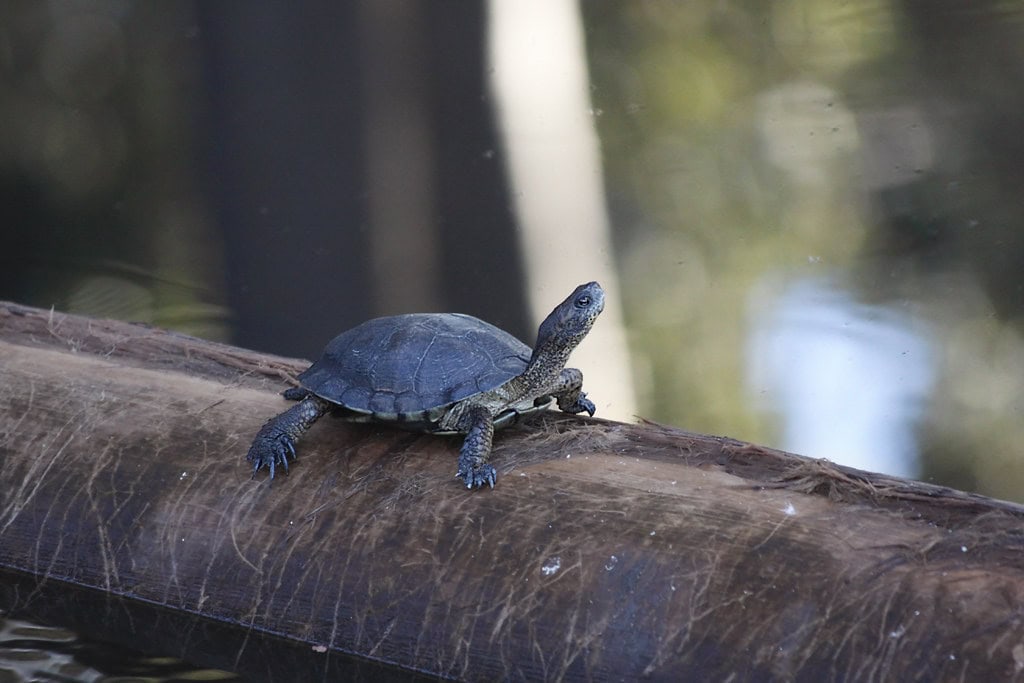
The turtle’s unique physical characteristics have profoundly influenced its mythological role as a world-bearer across cultures. Its domed carapace naturally evokes the curve of the sky or firmament, while its flat plastron (bottom shell) suggests a stable platform—perfect for supporting the earth. The turtle’s ability to withdraw into its shell mirrors the self-contained nature of the cosmos in many indigenous belief systems. Additionally, the patterns on turtle shells—often hexagonal and highly symmetrical—have been interpreted as maps of the cosmos or representations of order emerging from chaos.
The turtle’s slow, deliberate movement evokes the gradual unfolding of cosmic time, while its remarkable longevity aligns with the eternal nature attributed to cosmic forces. Perhaps most significantly, the turtle’s amphibious nature—existing between water and land—positions it as a mediator between different cosmic realms, capable of supporting the terrestrial world while remaining connected to the primordial waters from which creation emerged in many mythologies.
Modern Indigenous Perspectives on the World Turtle

For many contemporary indigenous communities, the world turtle remains a vital symbol that connects present generations to ancestral wisdom and provides a framework for understanding environmental responsibilities. The concept of “Turtle Island” has gained renewed significance in modern indigenous movements across North America, serving as a powerful reminder of traditional ecological knowledge and sovereign relationships to the land. Indigenous educators often use the world turtle as a teaching tool, explaining how the turtle’s patient, sustainable way of living offers lessons for human societies facing environmental crises.
Contemporary indigenous artists across cultures continue to depict world turtles in their work, reinterpreting these ancient symbols through modern media and perspectives. For many communities, the world turtle myth provides a compelling alternative to mechanistic worldviews, emphasizing interconnectedness, balance, and respect for the living earth. This enduring relevance demonstrates how these ancient cosmological concepts continue to evolve and speak to contemporary concerns about humanity’s relationship with the planet.
Comparative Mythology: World-Bearers Beyond Turtles

While turtles are remarkably common as world-bearers across cultures, they are not the only creatures assigned this cosmic role. In Norse mythology, the great serpent Jörmungandr encircles the world, while in some Hindu traditions, the world rests on the hood of the cosmic serpent Shesha. Various cultures envision world-elephants, world-bulls, or even world-whales supporting the earth. Comparing these diverse traditions reveals fascinating patterns: world-bearers are typically creatures associated with strength, longevity, and often an ability to bridge different elements (like water and land).
They frequently embody stability and patience—qualities necessary for their eternal cosmic task. The prevalence of reptiles in these roles may relate to their ancient evolutionary history and seemingly primordial nature. These comparative perspectives highlight the turtle’s special suitability as a world-bearer while placing turtle cosmogony within a broader framework of human mythological thinking about cosmic foundations.
Conservation Implications of Sacred Turtle Status
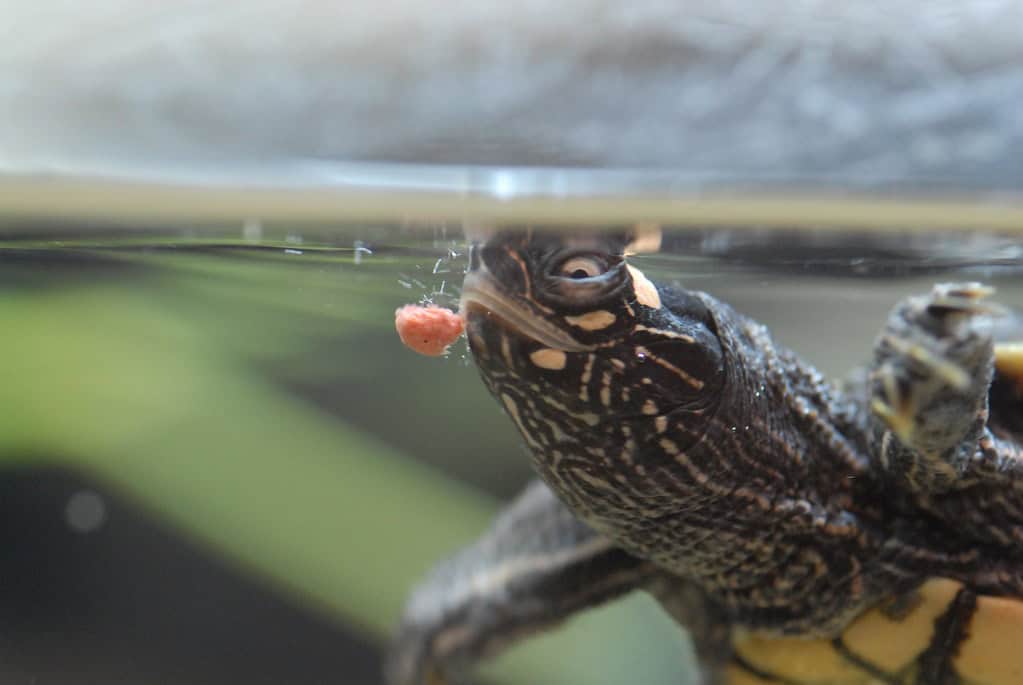
The sacred status of turtles in many indigenous belief systems has significant implications for conservation efforts in the modern world. In regions where turtles retain their cultural significance, traditional taboos and practices often protect these animals from exploitation. For example, some indigenous communities maintain restrictions on when and how turtles may be harvested, ensuring sustainable populations. Conservation organizations increasingly recognize the value of collaborating with indigenous communities to integrate traditional ecological knowledge into turtle protection efforts.
The symbolic power of the world turtle provides a compelling cultural narrative that can motivate conservation action across cultures. However, challenges remain—particularly where traditional beliefs have eroded or where economic pressures overwhelm cultural constraints. Several organizations now work specifically to connect turtle conservation with cultural revitalization, recognizing that protecting these ancient creatures requires both scientific management and cultural respect. As many turtle species face unprecedented threats from habitat loss, climate change, and direct exploitation, the world turtle mythology offers a powerful reminder of the deep connections between human cultures and these remarkable reptiles.
Conclusion: The Enduring Legacy of the World Turtle

The world turtle stands as one of humanity’s most profound and widespread mythological concepts, bridging cultures and epochs with its image of cosmic support and stability. From the Iroquois to the ancient Hindus, from Chinese cosmology to Mesoamerican symbolism, the turtle has repeatedly emerged as the ideal bearer of our world—a testament to both the creature’s remarkable physical characteristics and its ability to inspire human imagination. This cross-cultural convergence on the turtle as a cosmic foundation speaks to deep patterns in human mythological thinking and perhaps to universal aspects of our relationship with the natural world.
As contemporary societies face unprecedented ecological challenges, the world turtle offers a timely reminder of indigenous perspectives that view the earth not as an inert resource but as a living entity supported by ancient, sacred forces deserving of respect and protection. In the patient, enduring turtle—which has survived multiple mass extinctions through its 220 million years on Earth—we find both a biological miracle and a powerful symbol of the resilience our world needs in uncertain times.

From exploring the marine wonders in the Azores and witnessing the vast savannas of Kenya, to delving deep into the rich biodiversity of South Africa and traversing iconic landscapes in Australia and the US like Yellowstone, Chris's experiences are vast.
With a penchant for diving alongside sharks, the ocean holds a special place in his heart.
Through his academic insights, he champions wildlife conservation, striving with 'Animals Around The Globe' to cultivate a profound connection between humans and animals, enhancing our mutual appreciation.
Connect with him at Feedback@animalsaroundtheglobe.com.
- The Subtle Ways Animals Show Empathy Toward Each Other - July 26, 2026
- Did You Know Koala Fingerprints Are Almost Identical to Humans’? - July 26, 2026
- Animals and Wildlife in New York - July 26, 2026