


The American West is not only famous for its breathtaking landscapes but also for the majestic image of wild horses galloping freely across open plains. Yet, beneath this romanticized vision lies the stark reality of management challenges posed by these iconic creatures. One event, known as the largest roundup of wild horses in American history, stirred public and media attention, highlighting the ongoing struggle for balance between wildlife preservation and ecological management.
The Setting: American Wild Horses

Wild horses, often referred to as mustangs, roam across several states in the Western United States. These horses are descendants of once domesticated animals brought over by European conquerors in the 16th and 17th centuries. Since then, they have established themselves as symbols of freedom and the untamed spirit of the West. Yet, these symbolic herds often clash with land management objectives due to their growing populations.
Understanding the Need: Population Management
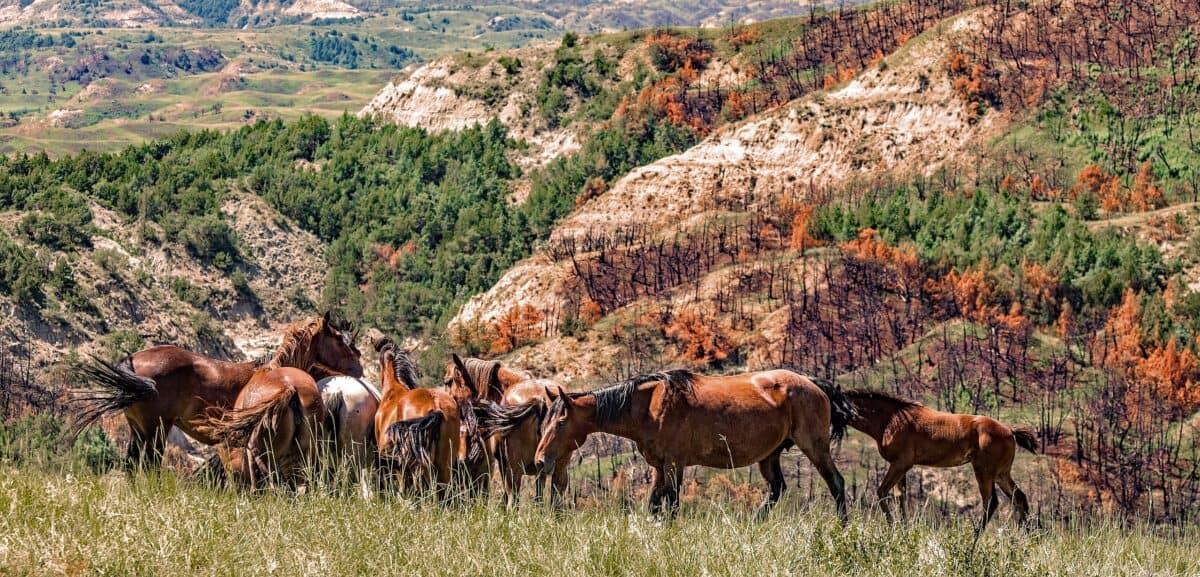
The Bureau of Land Management (BLM) is tasked with overseeing these herds, ensuring that their presence does not compromise the ecosystem. The necessity for the largest roundup emerged from concerns about overpopulation in areas where food and water resources are limited. Unchecked growth could lead to land degradation and the suffering of the horses themselves due to scarcity of resources.
The Event: The Largest Roundup

In 2021, the BLM undertook what became the largest roundup in history. With a goal to manage the wild horse population responsibly, the BLM employed helicopters and professional wranglers to guide thousands of horses into temporary holding corrals. This effort aimed to reduce the environmental pressure on public lands and ensure sustainable habitats.
The Logistics: How a Roundup is Conducted
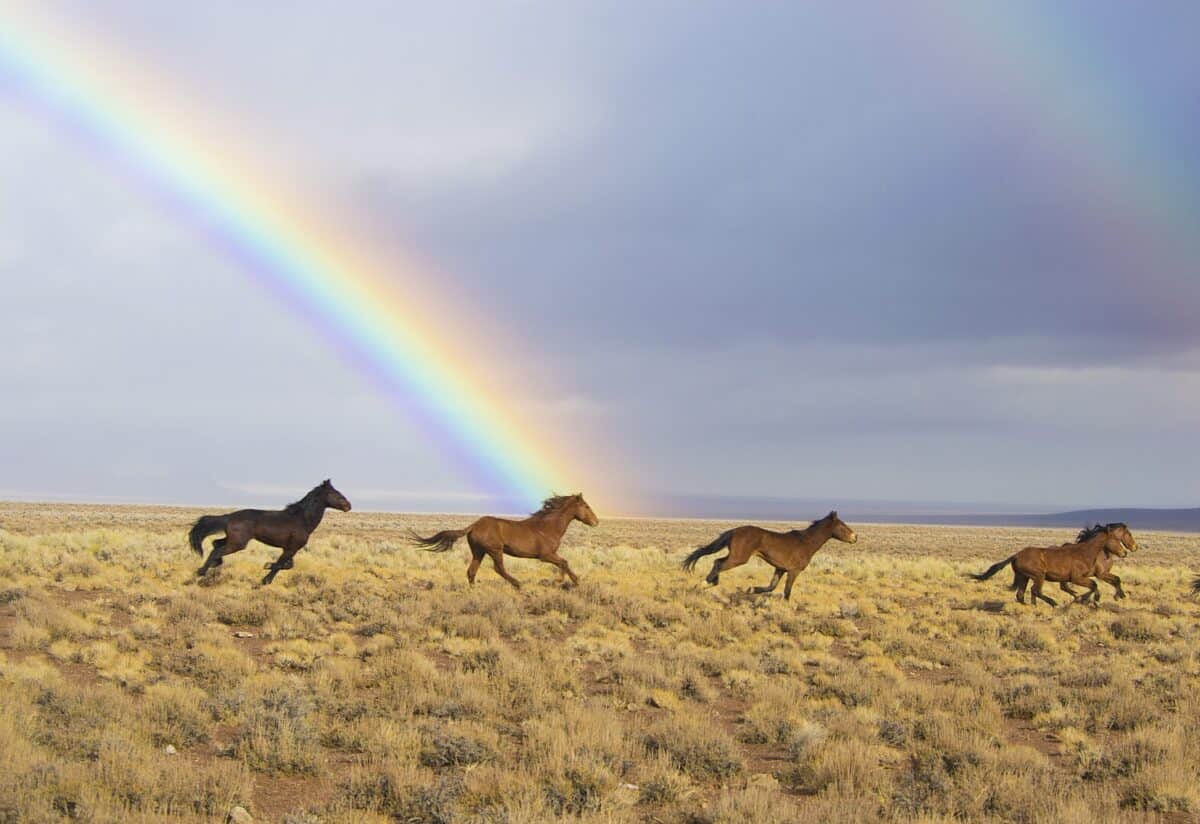
Roundups, or “gathers,” are meticulously planned operations. They involve the use of helicopters to gently nudge the herds toward pre-established corrals. Wranglers, both on horseback and on foot, work in unison to minimize stress to the animals. Though the sight of helicopters driving horses might seem distressing, it’s often managed with care to reduce the risk of injury.
The Figures: An Impressive Scale

This particular roundup saw nearly 3,500 wild horses being gathered from the intricate landscapes that stretch across Nevada’s public lands. The sheer number highlights the immense challenge faced by land management agencies in balancing ecological health and animal welfare.
The Aftermath: What Happens Next?

Post-roundup, the horses are health-checked, vaccinated, and aged before being sorted into two groups: those to be adopted out and others to be returned to different areas after the carrying capacity improves. Adoption events are held to find suitable homes, while some horses are enrolled in training programs to increase their chances of adoption.
Adoption Efforts: Finding New Homes

Adopting a wild horse is a commitment that enthusiasts around the country share. The BLM runs numerous adoption programs where citizens can apply to welcome these animals into their care. Adoption not only helps reduce the pressure on holding facilities but also fosters a connection between humans and these emblematic creatures.
The Controversy: Balancing Views

While many recognize the need for roundups to protect both horses and land, others argue against them, citing animal welfare concerns and advocating for alternative measures such as fertility control. The controversial nature of these events highlights the complex dynamics at play, requiring ongoing dialogue and research.
The Environmental Impact: More Than Horses

The wild horse management issue extends beyond equestrian interests; it encompasses broader ecological and environmental considerations. Excessive horse populations can lead to overgrazing, affecting the balance of local flora and putting pressure on other wildlife species reliant on the same resources.
Future Strategies: A Sustainable Approach
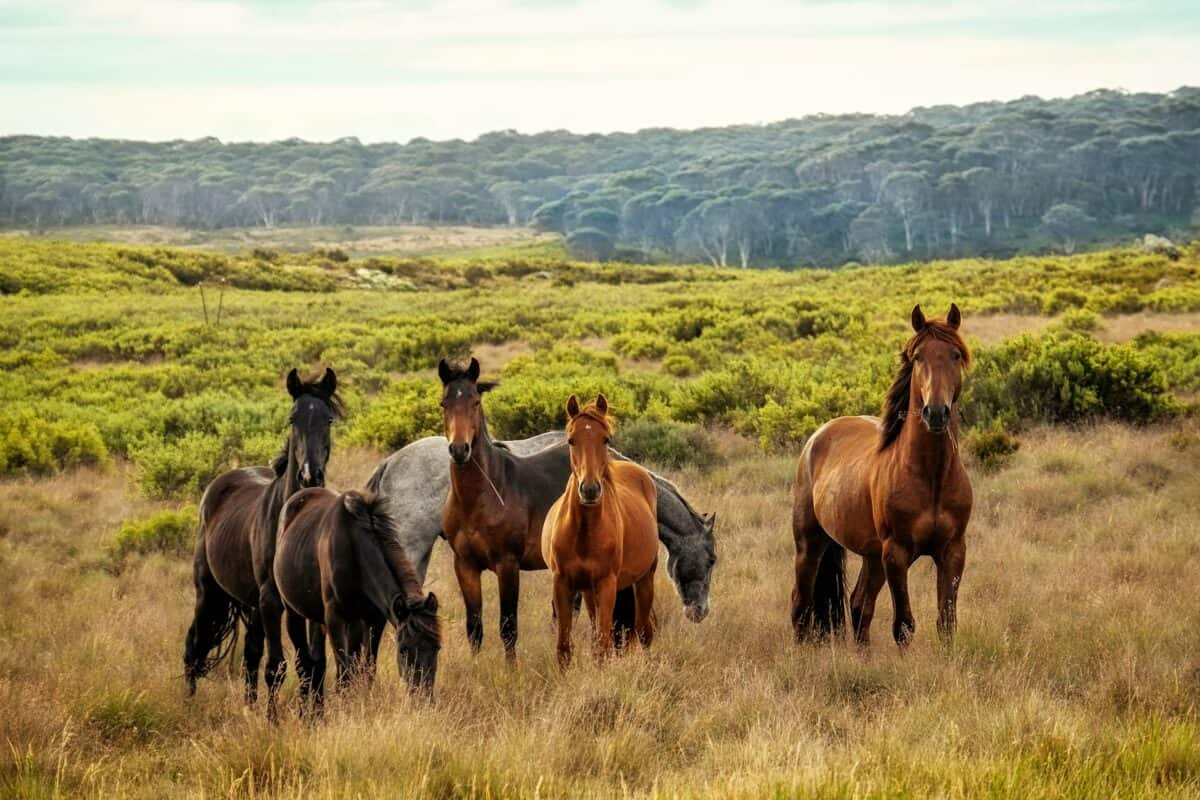
Looking ahead, the focus is on collaborative efforts among federal and state agencies, advocacy groups, and researchers to develop more sustainable solutions to wild horse management. Innovative approaches like fertility control and habitat restoration are under continuous exploration to prevent the need for large-scale roundups in the future.
Conclusion: A Complex Web of Harmony

The largest wild horse roundup in America highlights the intricate relationships between wildlife management, environmental stewardship, and cultural symbolism. As we strive toward solutions, it remains crucial to strike a balance that honors the spirit of these magnificent creatures while ensuring the sustainability of the lands they roam. Such efforts require empathy, innovation, and collaboration across diverse perspectives and disciplines.

From exploring the marine wonders in the Azores and witnessing the vast savannas of Kenya, to delving deep into the rich biodiversity of South Africa and traversing iconic landscapes in Australia and the US like Yellowstone, Chris's experiences are vast.
With a penchant for diving alongside sharks, the ocean holds a special place in his heart.
Through his academic insights, he champions wildlife conservation, striving with 'Animals Around The Globe' to cultivate a profound connection between humans and animals, enhancing our mutual appreciation.
Connect with him at Feedback@animalsaroundtheglobe.com.
- The Role of Giant Pandas in U.S. (China Diplomacy) - July 15, 2026
- These Psychedelic Sea Slugs Steal Venom and Glow Neon Bright - July 15, 2026
- Orcas of the Pacific Northwest: A Struggle for Survival - July 15, 2026