


Volcanoes have long fascinated humans with their explosive power and awe-inspiring beauty. However, beneath this natural spectacle lies a less visible yet incredibly dangerous phenomenon: volcano lightning. This rare and enigmatic event occurs when volcanic eruptions trigger electrical discharges in the atmosphere, creating lightning within the ash plume. While captivating to witness, volcano lightning poses significant hazards beyond the volcanic eruption itself. In this article, we’ll explore why volcano lightning is even more dangerous than it appears and why understanding it is essential for safety and scientific research.
The Mysterious Nature of Volcano Lightning
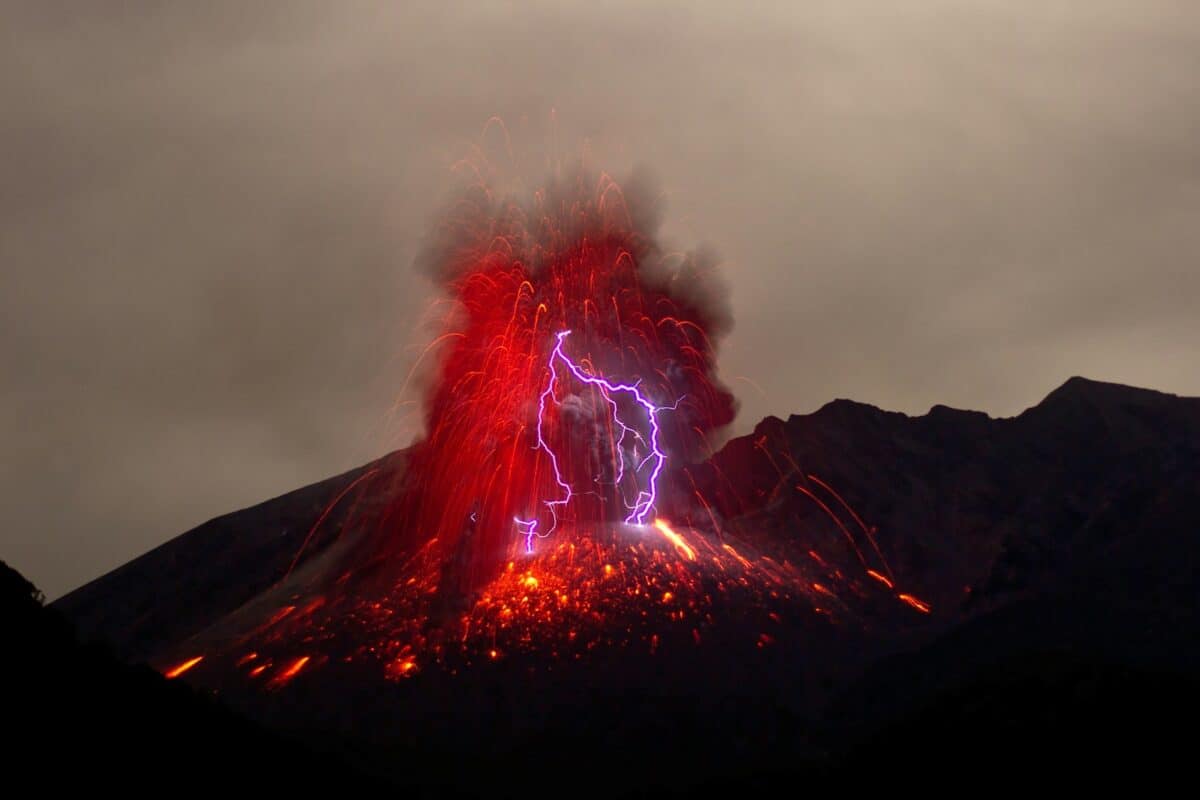
Volcano lightning is not yet fully understood, making it a subject of intense scientific study. This type of lightning occurs during volcanic eruptions when violently ejected materials create static charges. Charged particles in the ash cloud collide and generate electrical discharges, often resulting in spectacular lightning displays. However, the unpredictability and rarity of these events add to their danger.
The Unique Hazards of Volcano Lightning
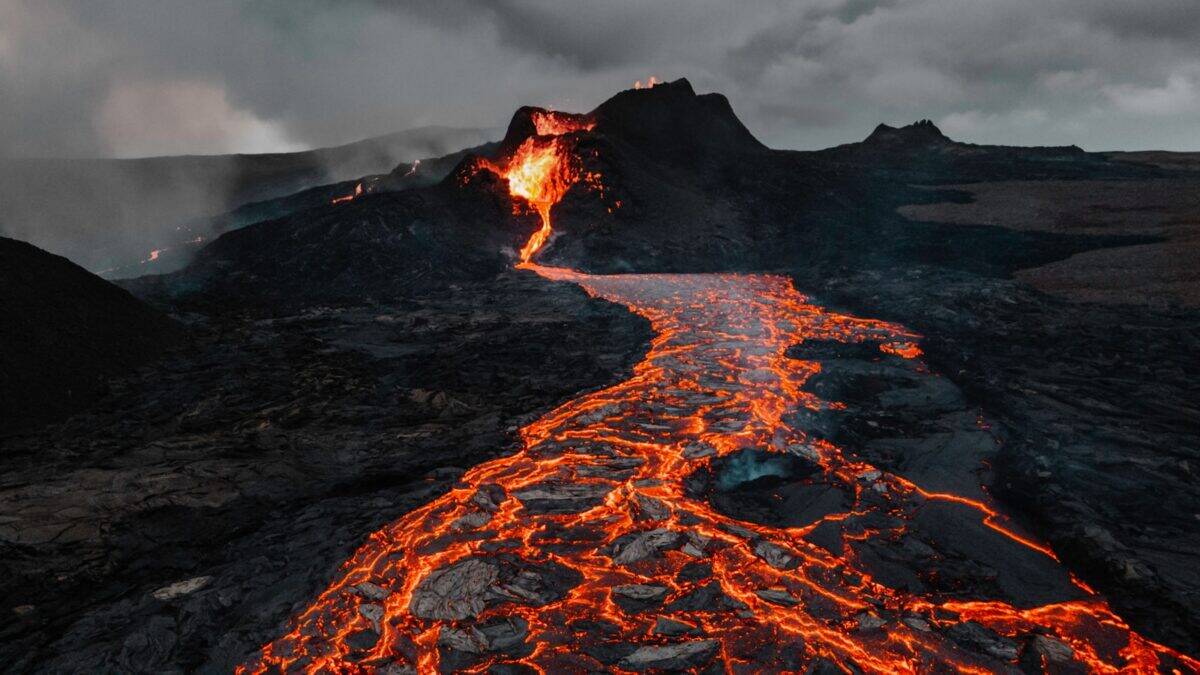
Unlike regular thunderstorms, the prime danger of volcano lightning is its occurrence in tandem with a volcanic eruption. This means that while lightning poses its own risks, it compounds with the inherent dangers of an erupting volcano, such as lava flows, ash clouds, and pyroclastic surges. The simultaneous threats can quickly overwhelm unprepared onlookers and emergency responders alike.
Impact on Air Travel Safety

Volcano lightning significantly affects air travel safety. When an eruption sends massive plumes of ash into the sky, lightning within the cloud can interfere with aircraft operations. Not only can the ash damage engines, but the visibility and turbulence caused by lightning make navigating through or around these clouds exceedingly dangerous, often leading to widespread flight cancellations and delays.
Challenge in Detection and Prediction
One major predicament of volcano lightning is the challenge it presents in detection and prediction. Unlike typical thunderstorm lightning, which can often be forecasted with improving accuracy, volcano lightning remains difficult to predict due to the complex factors influencing its occurrence. This unpredictability raises the stakes for those living near active volcanoes and those involved in disaster management.
Environmental and Climatic Consequences

Volcano lightning’s effects transcend immediate safety concerns. The electrical discharges can initiate chemical reactions in the atmosphere, impacting local and global climate patterns. Additionally, the potential for igniting wildfires, especially in areas with dry vegetation, poses a further threat to ecosystems and human settlements.
Electromagnetic Interference
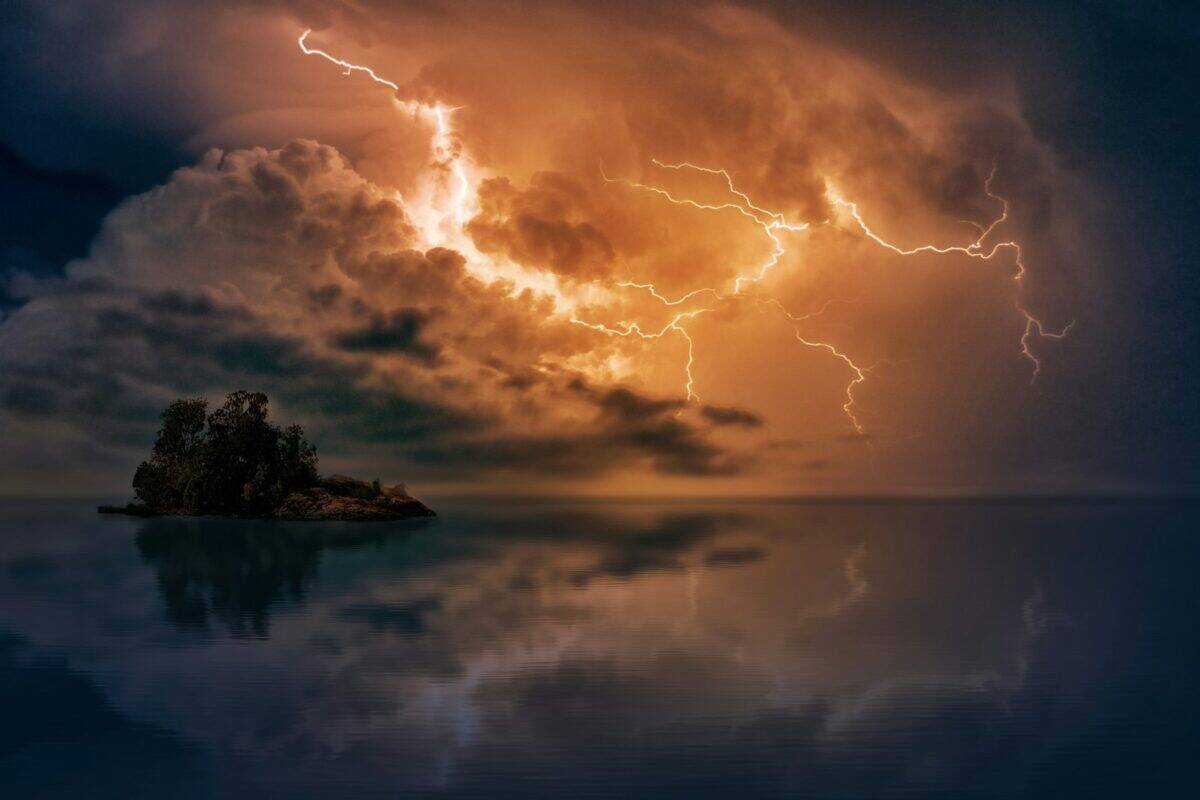
Volcano lightning generates electromagnetic disturbances that can disrupt electronic communication devices and equipment. This is particularly problematic for emergency response teams who rely on communication tools to coordinate actions during volcanic crises. The possibility of losing contact can hinder rescue and evacuation operations, complicating disaster management efforts.
Physical Threats to Infrastructure
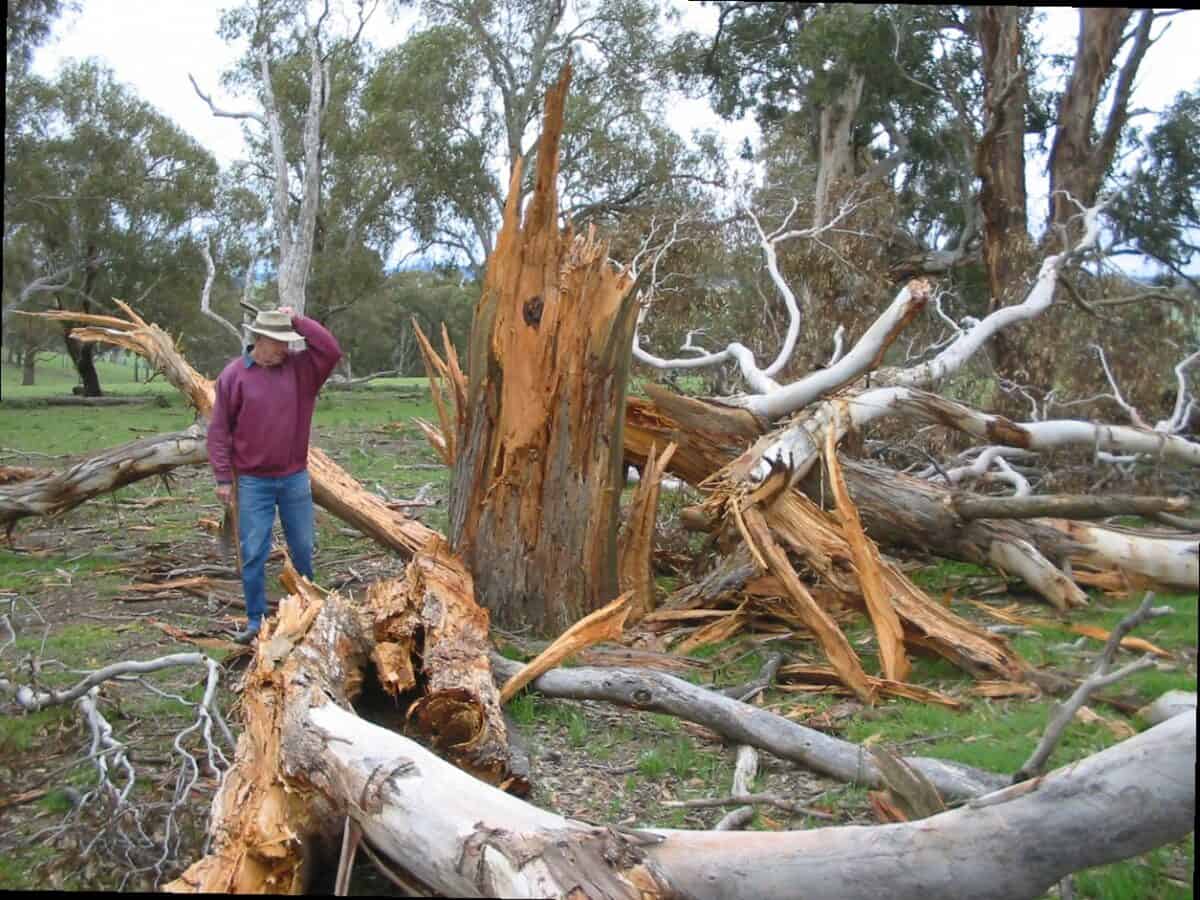
Beyond the immediate vicinity of the volcano, lightning strikes can severely impact infrastructure. Power lines, communication towers, and buildings can sustain serious damage if struck, resulting in outages and disruptions to vital services. The cost of repairing infrastructure and the economic impact of service interruptions can be substantial.
Public Health Risks
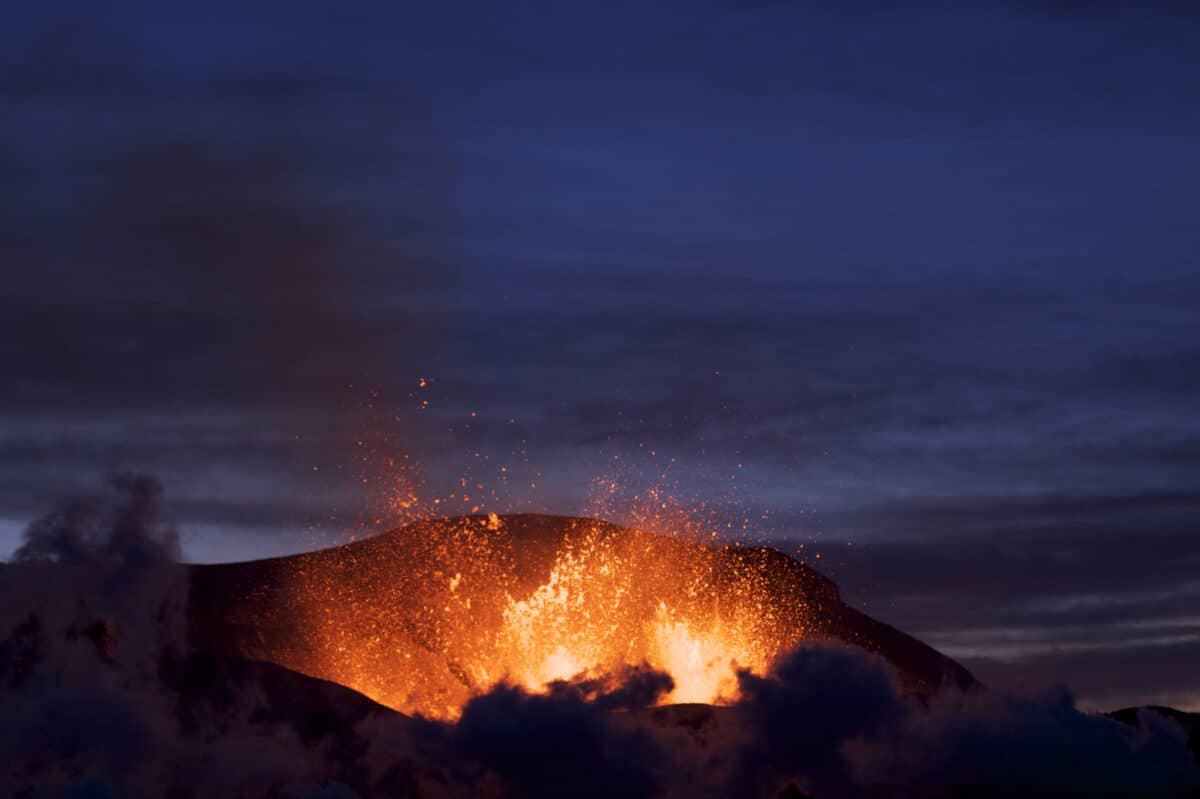
Volcanic eruptions pose numerous health risks, and the addition of lightning increases these dangers. The combination of ash and lightning poses respiratory threats and increases the likelihood of accidents caused by poor visibility. Communities near volcanoes must prepare to manage these compounded health hazards following an eruption with lightning.
Challenges in Mediating Public Perception

The dramatic visuals of volcano lightning can sometimes lead to public misunderstanding of the associated dangers. While visually captivating, it is crucial that communities understand the risks and are educated on appropriate safety measures. Effective communication can help mitigate the sensationalism that may arise during such events.
The Role of Technology in Understanding Volcano Lightning

Advancements in technology are providing new avenues for understanding and monitoring volcano lightning. High-speed cameras, satellite imagery, and remote sensing technologies are gradually unveiling the mysteries behind how and why these lightning events occur. Such insights may eventually enhance our ability to predict and mitigate the associated hazards.
Volcano lightning is more than just a spectacular natural phenomenon; it is a complex hazard that demands careful attention and respect. Understanding the dangers it poses to aviation, infrastructure, public health, and the environment is crucial for enhancing both safety and scientific knowledge. As technology continues to evolve, collaboration between scientists, policymakers, and local communities will be crucial for effectively managing the risks associated with this electrifying element of volcanic activity. With ongoing research and preparedness, we can reduce the dangers and appreciate the fascinating interplay of fire and lightning with greater awareness.

- Wildlife Mysteries That Took Decades to Solve - July 21, 2026
- The Largest Python Ever Captured in Florida’s Everglades - July 21, 2026
- How Crickets Chirp Using Their Wings - July 20, 2026