

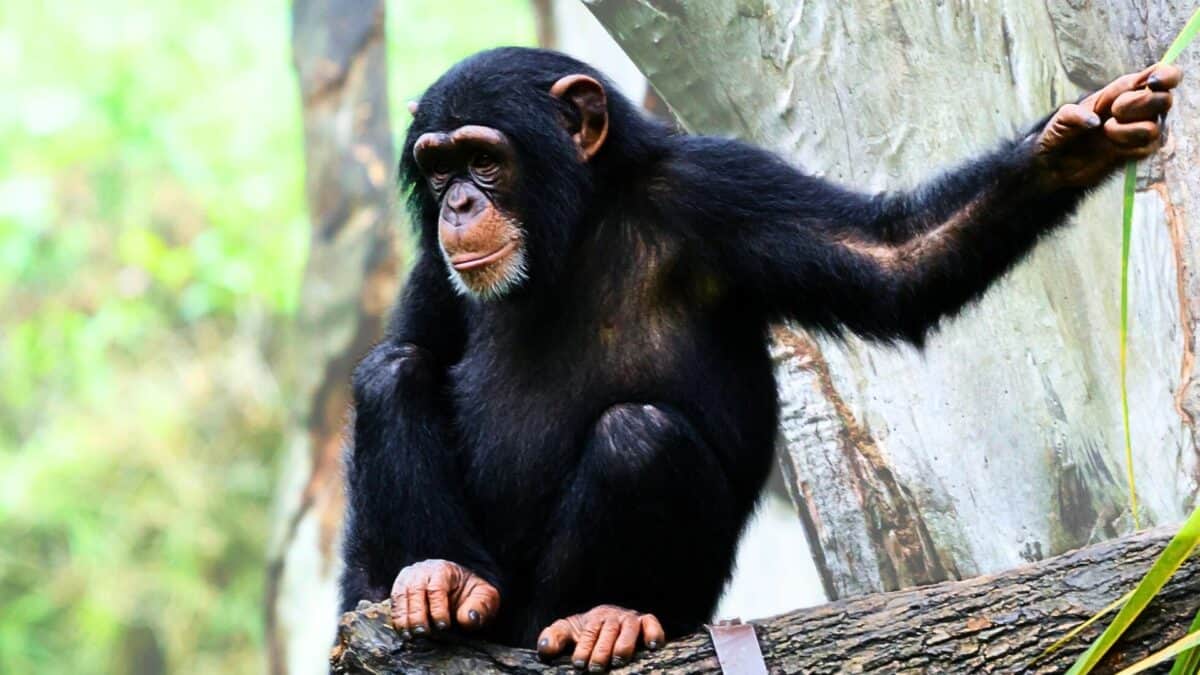
The impact of animals on scientific advancement has been monumental, influencing everything from medicine to behavioral science. These creatures, through their unique characteristics and interactions with humans, have catalyzed groundbreaking discoveries that continue to shape our understanding of the world. In this article, we’ll explore 14 animals that have significantly altered the course of science, highlighting their contributions to our collective knowledge.
Rhesus Monkeys Unlocking the Genetic Code

The humble rhesus monkey has played a pivotal role in the field of genetics. Their close genetic relationship to humans (over 90% similarity) made them ideal subjects for studying various aspects of biology and medicine. The Rhesus factor, an important protein found in blood, was first discovered in these monkeys, leading to critical advancements in understanding blood compatibility. This discovery vastly improved the safety of blood transfusions and prenatal care, potentially saving millions of lives.
Fruit Flies Genetic Pioneers

Fruit flies, or Drosophila melanogaster, are tiny insects that have had a gigantic impact on science, especially genetics. Their short life cycle and straightforward breeding patterns allowed scientists like Thomas Hunt Morgan to unveil the principles of inheritance and genetic mutation. The research on fruit flies paved the way for greater revelations about DNA and has become a cornerstone of genetic research. Because of them, we’ve made strides in understanding everything from cancer to aging.
Mice Models for Human Disease
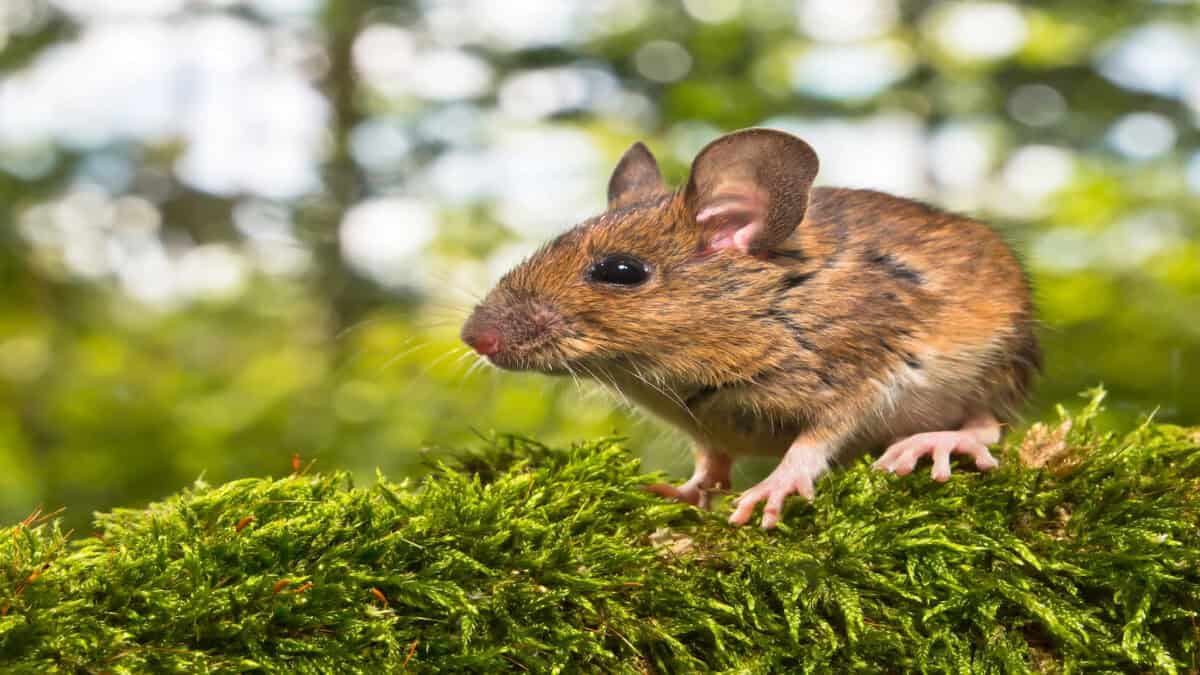
Laboratory mice are indispensable in scientific research, particularly in studying human diseases. Their genetic, biological, and behavioral characteristics closely resemble those of humans. With the ability to alter their genes, scientists have been able to replicate human illnesses in mice to study disease processes and trial new treatments. This has been crucial in developing therapies for cancer, diabetes, heart disease, and countless other conditions.
Dogs Unraveling Human Behavior

Humans and dogs have shared a unique bond for thousands of years, which has opened up pathways to study social and cognitive behavior. Research involving dogs has revealed much about domestication, collaboration, and social interaction. Moreover, studies on the canine genome have yielded insights into genetic diseases, some of which are shared with humans. Because of their empathetic nature, dogs are also used in therapy settings to improve human mental health.
Pigeons Masters of Navigation

Though they may be common sights in urban parks, pigeons have extraordinary navigational abilities that have fascinated scientists for centuries. These birds can return to their home nests over incredible distances, even when released from unfamiliar locations. Investigations into their homing skills have shed light on navigation skills, offering insights into the magnetic field, aural and visual cues, and potentially biological clocks.
Guinea Pigs Informing Immunology
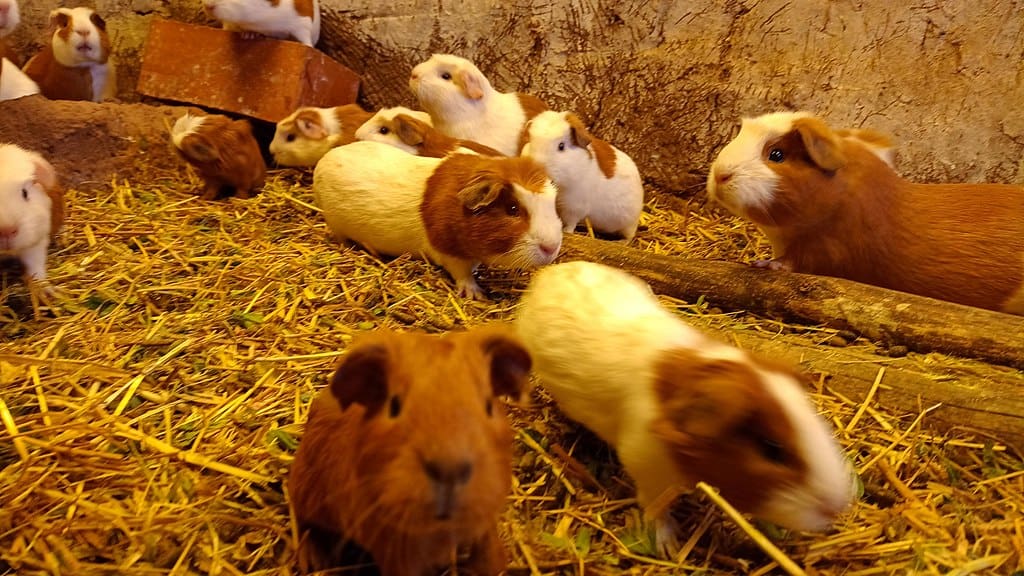
Guinea pigs, neither from Guinea nor related to pigs, have long held value in scientific endeavors. They played a crucial role in understanding diseases like tuberculosis and in the creation of vaccines. Their contributions were so significant that ‘guinea pig’ became synonymous with test subject. Research on them has helped shape modern immunology, making these animals central to studies on immune responses and allergy testing.
Octopuses Intelligent Invertebrates
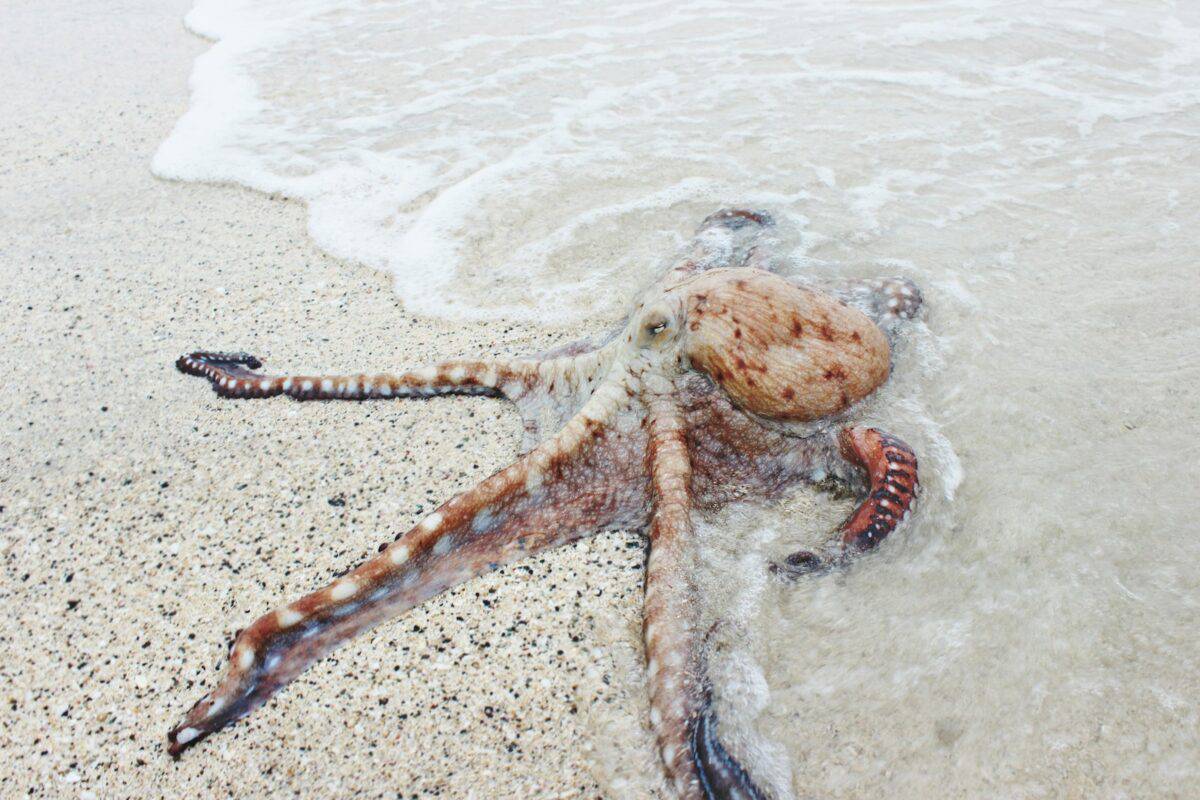
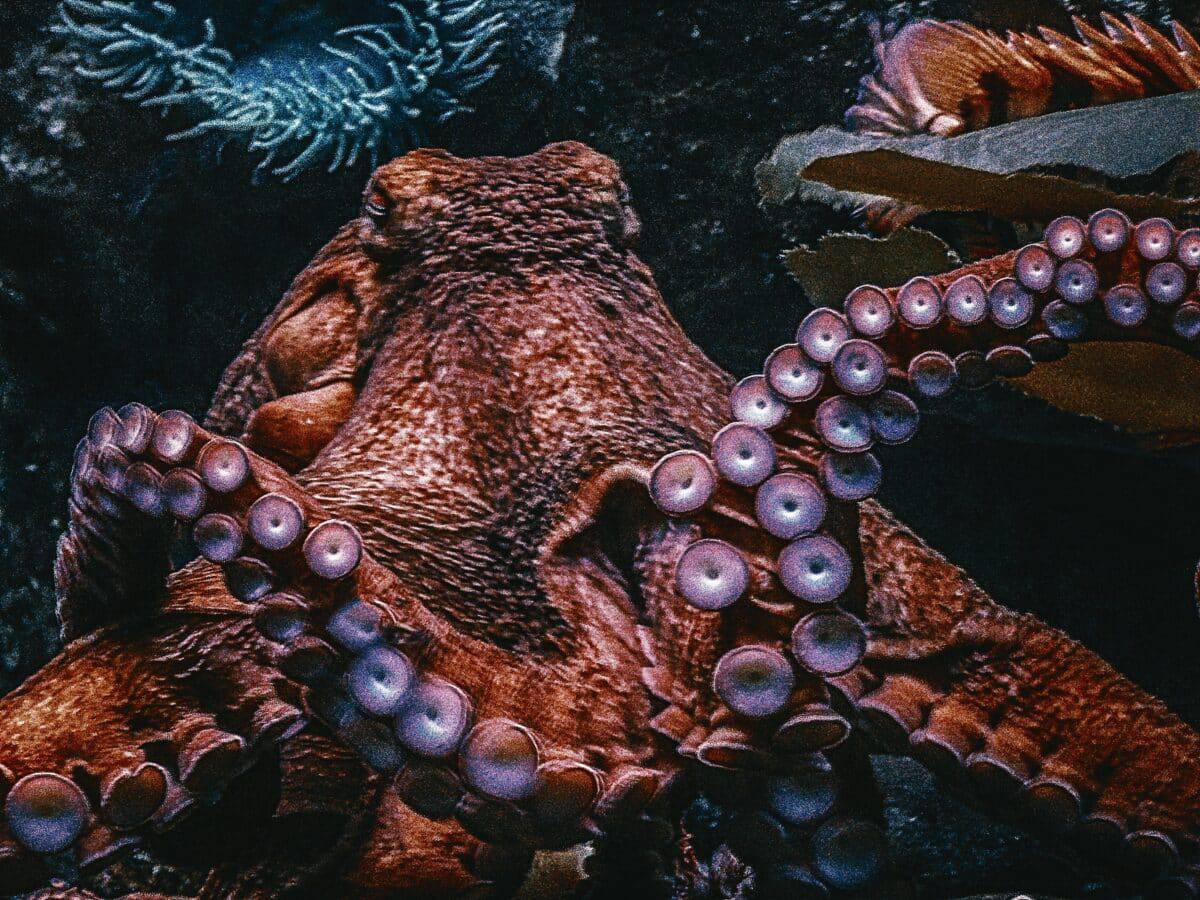
Octopuses, with their remarkable intelligence and problem-solving skills, have fascinated scientists for decades. Their complex nervous systems and unique behaviors challenge our understanding of intelligence separate from vertebrates. Studying octopuses has expanded our knowledge of neural architecture, cognition, and how distinct environments influence the evolution of intelligence.
Flies in NASA Experiments Space Pioneers
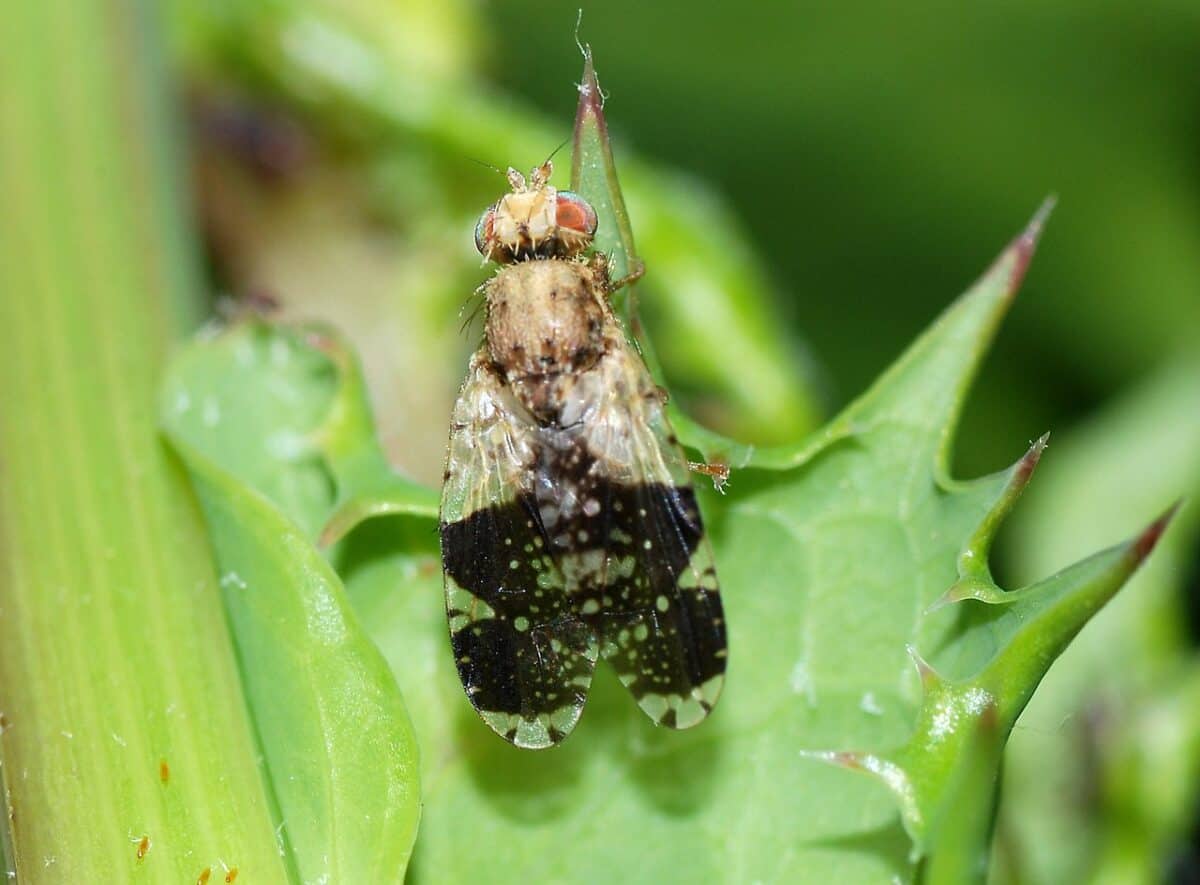
The common housefly has ventured into spaces where many animals haven’t — outer space. Selected by NASA for their resistance to radiation and adaptable biological systems, flies have been instrumental in space biology research. These spaceflies have helped scientists understand the effects of microgravity on biological organisms, improving the safety of long-term human space travel.
C. elegans Illuminating Molecular Pathways

The nematode C. elegans is a transparent worm whose simplicity belies its scientific importance. Often used in molecular and developmental biology, it was one of the first organisms to have its entire genome mapped. C. elegans has been instrumental in identifying key molecular pathways and genetic triggers that control development, aging, and behavior. Research using these nematodes led to Nobel-winning insights into programmed cell death and RNA interference.
Chimpanzees Exploring Our Closest Relatives

As our closest living relatives, chimpanzees have provided profound insights into human evolution, genetics, and behavior. Studies of wild chimps, notably by researchers like Jane Goodall, have illuminated social structures, tool use, and communication patterns. These studies highlight the incredible similarities between humans and chimps, broadening our understanding of what it means to be human.
Rabbits Pioneers of Vaccine Development

Rabbits have made significant contributions to vaccine development and ocular studies. Famous for being the initial test subjects for the rabies vaccine developed by Louis Pasteur, rabbits have continued to be vital in biomedical research. Their use has been critical in developing treatments for a variety of diseases, thanks to their well-studied immune systems.
Glowing Jellyfish Lighting Up the Cell

The glowing jellyfish Aequorea victoria has revolutionized cell biology through its green fluorescent protein (GFP). This protein, isolated in the 1960s, has become an essential tool in genetic tagging, allowing researchers to visualize and track processes within live cells. Its discovery dramatically transformed many fields of research, including neurobiology, cancer research, and developmental biology, earning its pioneers a Nobel Prize.
Rats Behavioral Research Champions

Rats are standard models in psychological and neurological studies of behavior and cognition. Their ability to learn and demonstrate complex behavior makes them ideal for studying mechanisms of learning, memory, and addiction. Rat experiments have provided critical insights into brain function and disorders, contributing to the development of treatments for mental illnesses and cognitive dysfunctions.
Conclusion: A Legacy of Learning
The contributions of these 14 animals to science are both profound and far-reaching. Through their unique attributes and interactions with humans, these creatures have been pivotal in enhancing our understanding of biology, medicine, and the very nature of life itself. As we continue to explore the natural world, we can anticipate that animals will remain integral to scientific discovery, leading to breakthroughs and enriching our knowledge of the universe.

As a little kid, I fell in love with nature, wildlife, and animals. Living in the USA, South Africa, Italy, China and Germany gave me the opportunity to discover the world's Wildlife. My favorite animals are Mountain Gorillas, Siberian Tigers, and Great White Sharks.
I'm a certified PADI Open Water Diver, went to Everest Base Camp and Trekked Gorillas in Uganda. I hold a Master of Science in Economics and Finance.
Please send any feedback to feedback@animalsaroundtheglobe.com
- 10 Animals That Embody the Zodiac Sign of Capricorn - July 21, 2026
- 25 Dangerous U.S. Lakes & Rivers Where Swimming Could Be Risky – Don’t Ignore #1 - July 21, 2026
- 13 Creatures That Survive Extreme Cold - July 21, 2026