


Natural disasters have continually shaped human history, and among them, storms stand as some of the most formidable forces. This article delves into the catastrophic power of 11 storms that effectively erased towns from existence, illustrating the sheer magnitude of nature’s wrath. Let’s explore these monumental events, unveiling the dramatic impacts they left behind.
Galveston Hurricane of 1900

The Galveston Hurricane, which struck Texas on September 8, 1900, remains the deadliest natural disaster in U.S. history. This Category 4 hurricane, with winds reaching 145 mph, claimed between 6,000 and 12,000 lives and obliterated the coastal city of Galveston. The storm surge completely submerged the island, leaving the town virtually unrecognizable. The disaster prompted substantial changes in infrastructure and hurricane preparedness across the country.
Bhola Cyclone of 1970
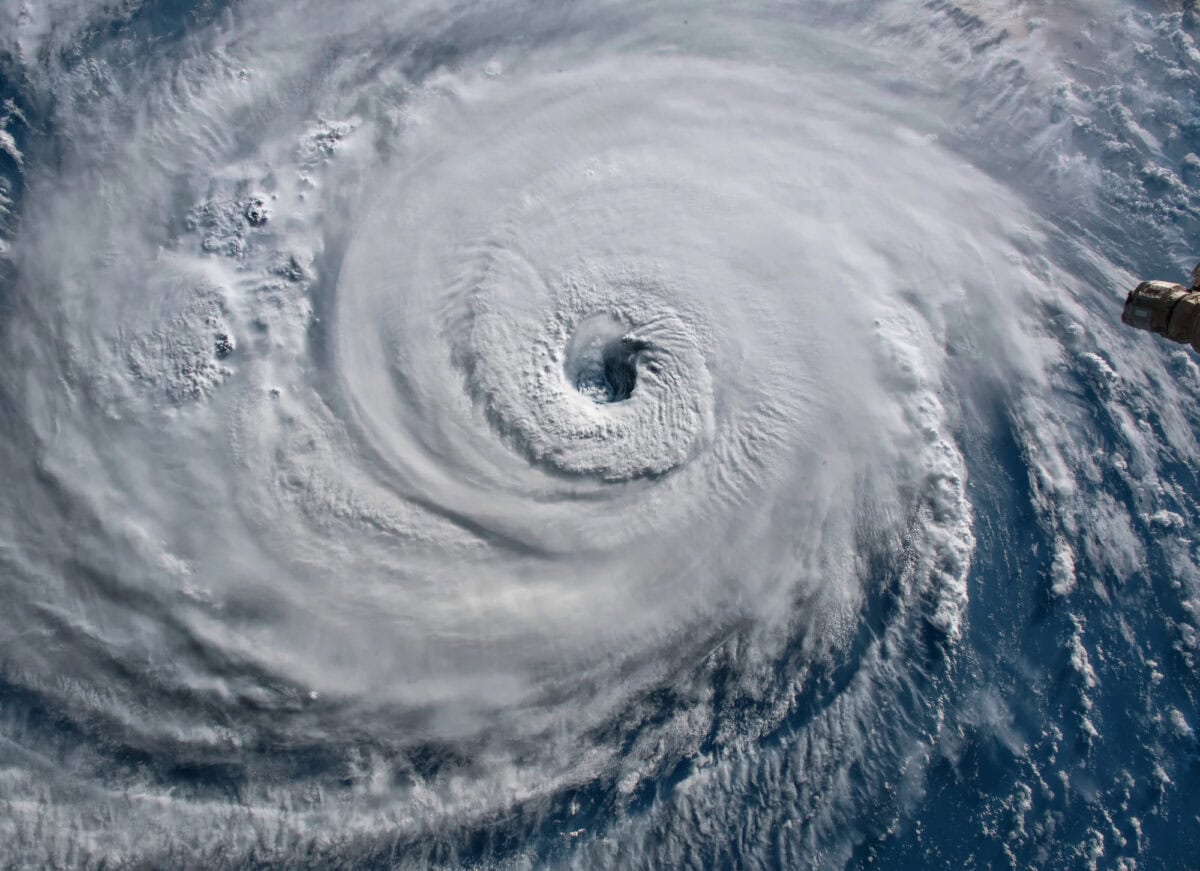
On November 13, 1970, the Bhola Cyclone struck East Pakistan (now Bangladesh) and the West Bengal area of India. This catastrophic event resulted in the highest recorded number of deaths from a tropical cyclone, with estimates of up to 500,000 lives lost. Entire villages were washed away by the 20-foot storm surge, and the profound devastation highlighted the severe vulnerability of the region to such natural calamities.
Hurricane Andrew in 1992
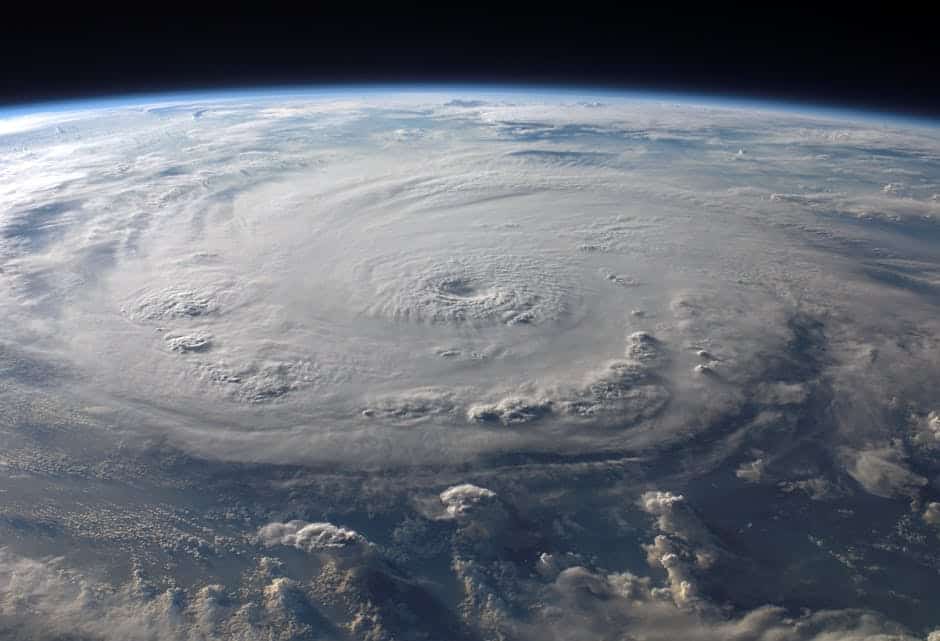
Hurricane Andrew made landfall in South Florida on August 24, 1992, as a Category 5 hurricane. The town of Homestead was particularly ravaged, with more than 63,500 homes destroyed. The devastation prompted vast advancements in building codes and hurricane preparedness. Andrew’s legacy is a reminder of the precariousness of human settlements along vulnerable coastlines.
Super Typhoon Haiyan in 2013

Super Typhoon Haiyan, known locally as Yolanda, hit the Philippines on November 8, 2013. As one of the most intense tropical cyclones ever recorded, Haiyan unleashed catastrophic destruction with wind speeds exceeding 195 mph. The city of Tacloban was nearly leveled by the storm surge, resulting in over 6,000 fatalities. This event underscored the severe impacts of climate change on storm intensity and frequency.
Katrina The 2005 Hurricane

Hurricane Katrina struck the Gulf Coast of the United States on August 29, 2005. New Orleans was particularly affected when levees failed, leading to catastrophic flooding. Coastal towns like Bay St. Louis and Waveland in Mississippi were nearly obliterated by the storm surge. Katrina’s aftermath highlighted the socio-economic disparities in disaster response and recovery.
1887 Yellow River Flood
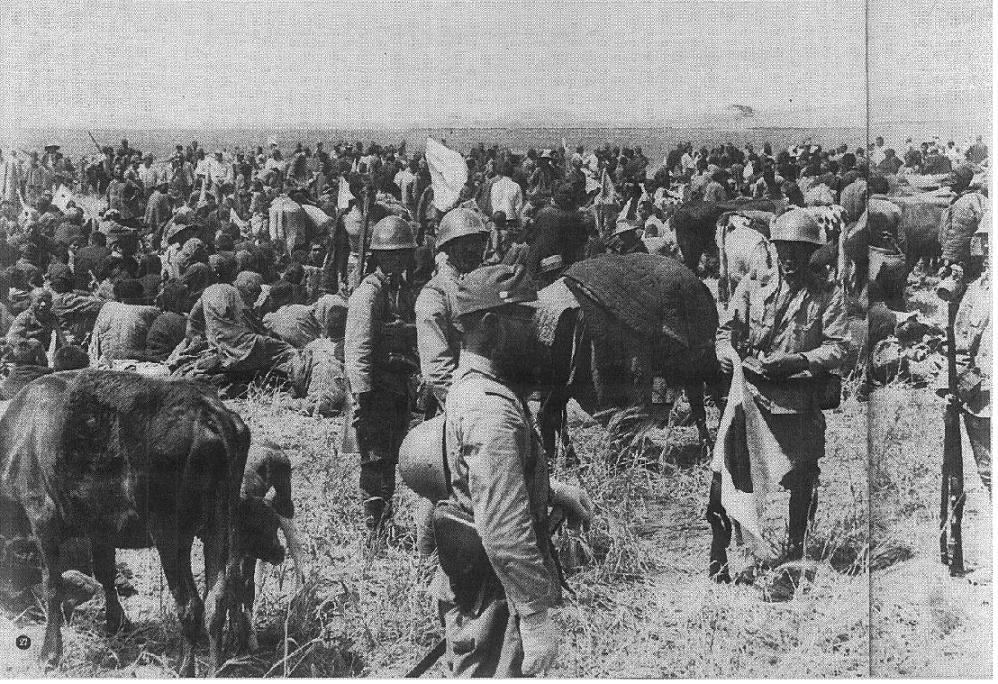
The 1887 Yellow River flood in China, although not a storm by classification, was induced by the failure of dikes following severe weather. With waters inundating low-lying areas, an estimated 900,000 to 2 million people perished. Entire towns along the river were submerged, marking one of the deadliest disasters in history and prompting a reevaluation of flood management practices.
Indian Ocean Tsunami in 2004
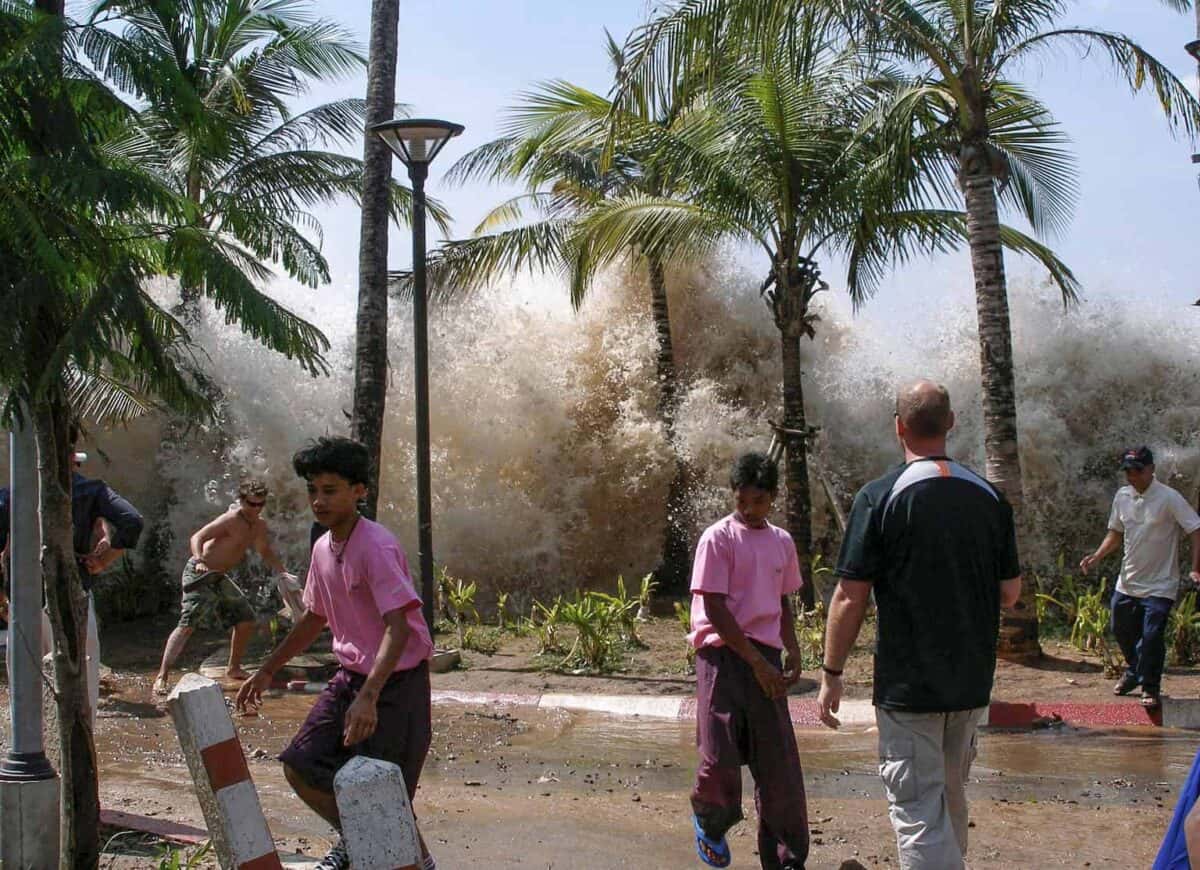
Resulting from an undersea megathrust earthquake on December 26, 2004, the Indian Ocean tsunami devastated coastal communities across 14 countries. Aceh, Indonesia, was one of the hardest-hit regions, with entire villages wiped off the map. The tragedy, which resulted in approximately 230,000 deaths, led to the establishment of a tsunami warning system in the Indian Ocean.
Mount Pelée Eruption in 1902
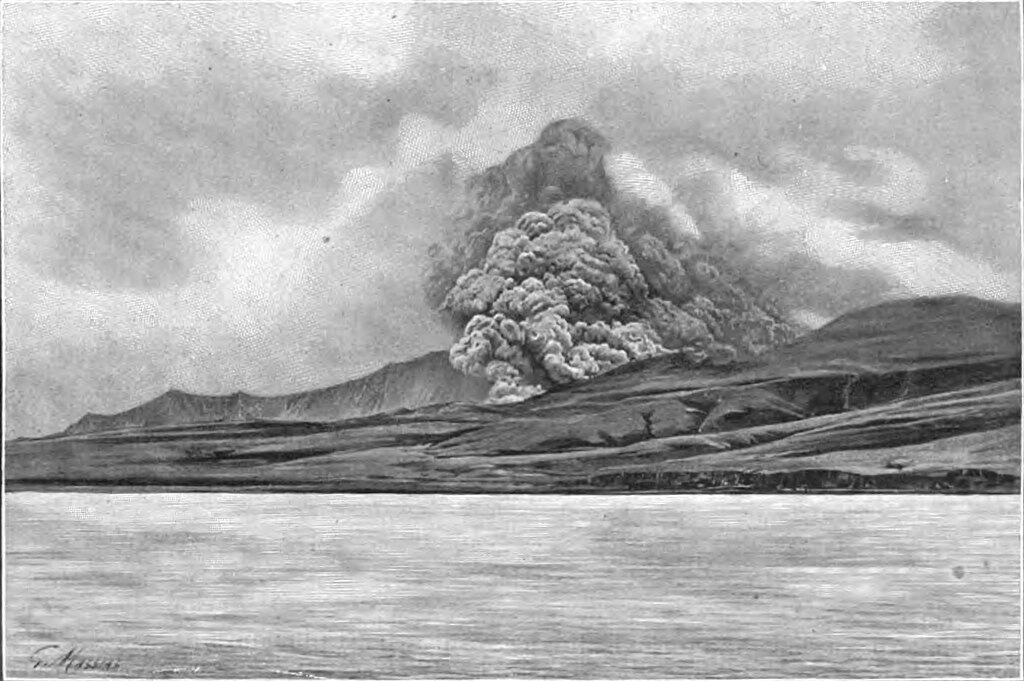
In May 1902, the eruption of Mount Pelée on the island of Martinique obliterated the city of Saint-Pierre. With scorching pyroclastic flows descending upon the city, around 30,000 inhabitants perished within minutes. This cataclysmic event serves as a testament to the devastating power of volcanic activity.
Hurricane Maria in 2017

Hurricane Maria made landfall in Puerto Rico on September 20, 2017, as a Category 4 hurricane, causing widespread destruction. Entire towns were left in ruins, and the island’s infrastructure was decimated. Maria’s impact underscored the importance of resilient infrastructures and adequate disaster response measures.
2011 Japan Tsunami

The Great East Japan Earthquake on March 11, 2011, generated a tsunami that obliterated coastal towns such as Minamisanriku. With nearly 16,000 deaths and thousands missing, the disaster had a profound impact on Japan’s nuclear policy and disaster preparedness, especially as it led to the Fukushima nuclear disaster.
Cyclone Nargis in 2008
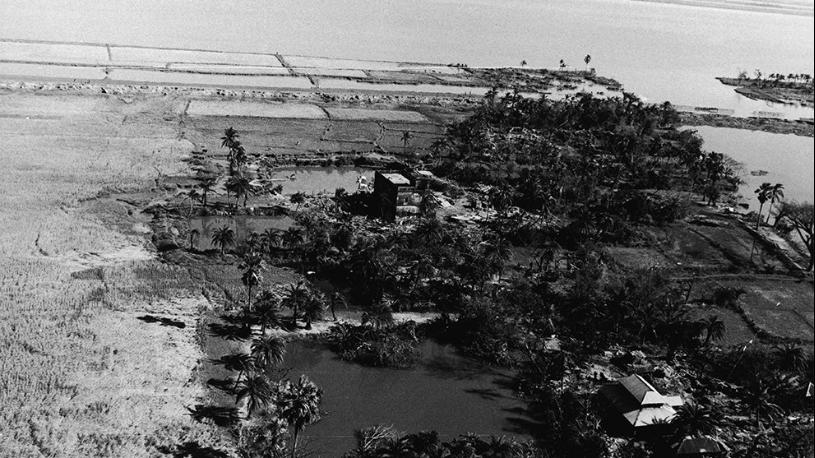
Striking Myanmar on May 2, 2008, Cyclone Nargis was the deadliest storm in the country’s recorded history. With a storm surge reaching 40 kilometers inland, it obliterated entire villages in the Irrawaddy Delta. The humanitarian response was hampered by political challenges, highlighting the critical role of governance in disaster mitigation.
Conclusion: Learning from the Past

These storms, ranging from hurricanes to cyclones and tsunamis, have left indelible marks on history. As climate change intensifies the severity of such events, understanding past calamities becomes imperative for forging resilient futures. Improved forecasting, infrastructure, and international cooperation are essential in mitigating the impacts of these formidable natural forces. Reflecting on these tragic episodes, we reaffirm our commitment to safeguarding communities against the inexorable power of nature.

As a little kid, I fell in love with nature, wildlife, and animals. Living in the USA, South Africa, Italy, China and Germany gave me the opportunity to discover the world's Wildlife. My favorite animals are Mountain Gorillas, Siberian Tigers, and Great White Sharks.
I'm a certified PADI Open Water Diver, went to Everest Base Camp and Trekked Gorillas in Uganda. I hold a Master of Science in Economics and Finance.
Please send any feedback to feedback@animalsaroundtheglobe.com
- 10 Most Unique Reptiles You will See in the US - July 21, 2026
- 3 Dangerous Invasive Species the USA Must Eradicate - July 21, 2026
- 10 Things That Calm Cats And 4 That Make Them Nervous - July 21, 2026