


The United States is home to a variety of natural wonders, ranging from sprawling national parks to majestic mountain ranges. Among these, a hidden gem lies beneath its surface—the deepest cave system yet discovered, a subterranean marvel that offers both challenges and opportunities for explorers and scientists alike.
Introduction to America’s Deepest Cave System
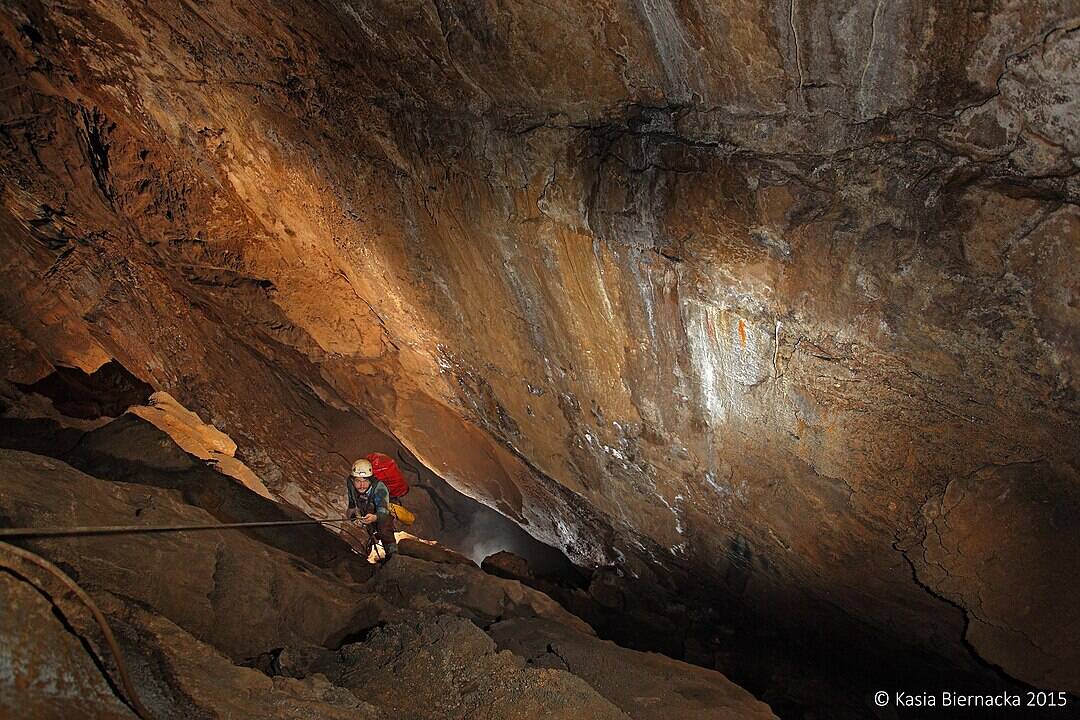
The exploration of the Earth’s underworld is a venture filled with mystery and intrigue. Recently, spelunkers and geologists have made a groundbreaking discovery beneath U.S. soil—the deepest cave system known in the country. This monumental find has sparked intense interest and a wave of new research into its geological significance and ecological diversity.
The Location of This Spectacular Find
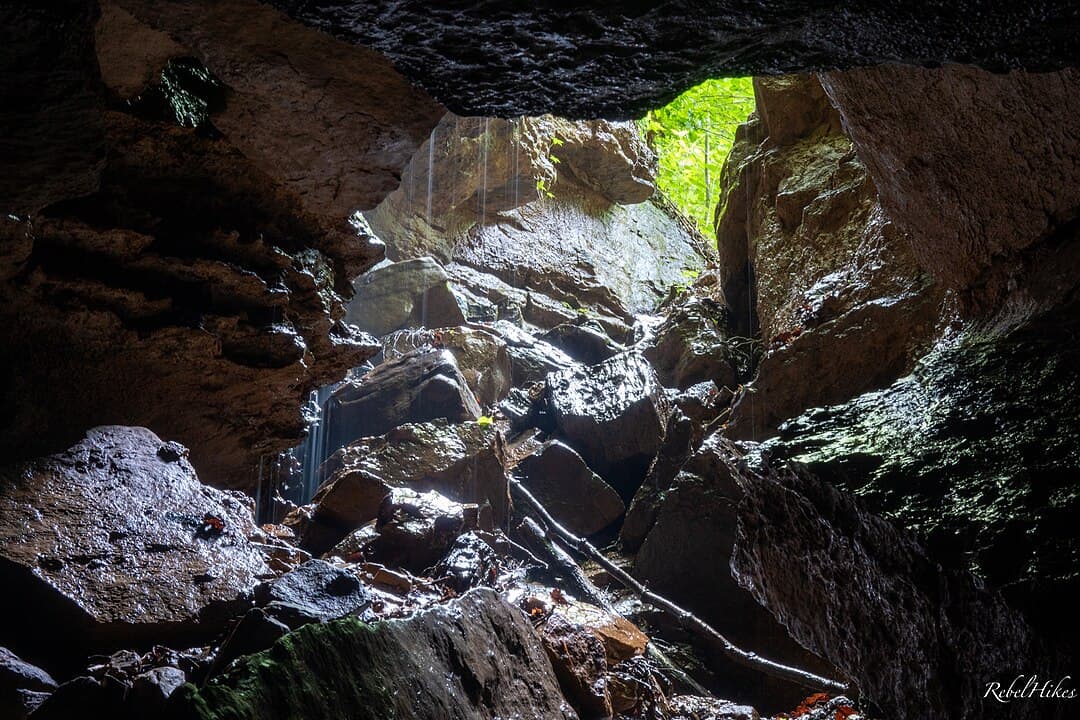
Hidden deep within the heartland of America, the cave system is located in a remote area, away from bustling urban centers. Its exact location is kept somewhat under wraps to preserve its delicate ecosystems and prevent unregulated exploration. Known only to a select group of researchers and trusted explorers, the site is a testament to the untouched beauty lying beneath our feet.
A Journey Into the Depths
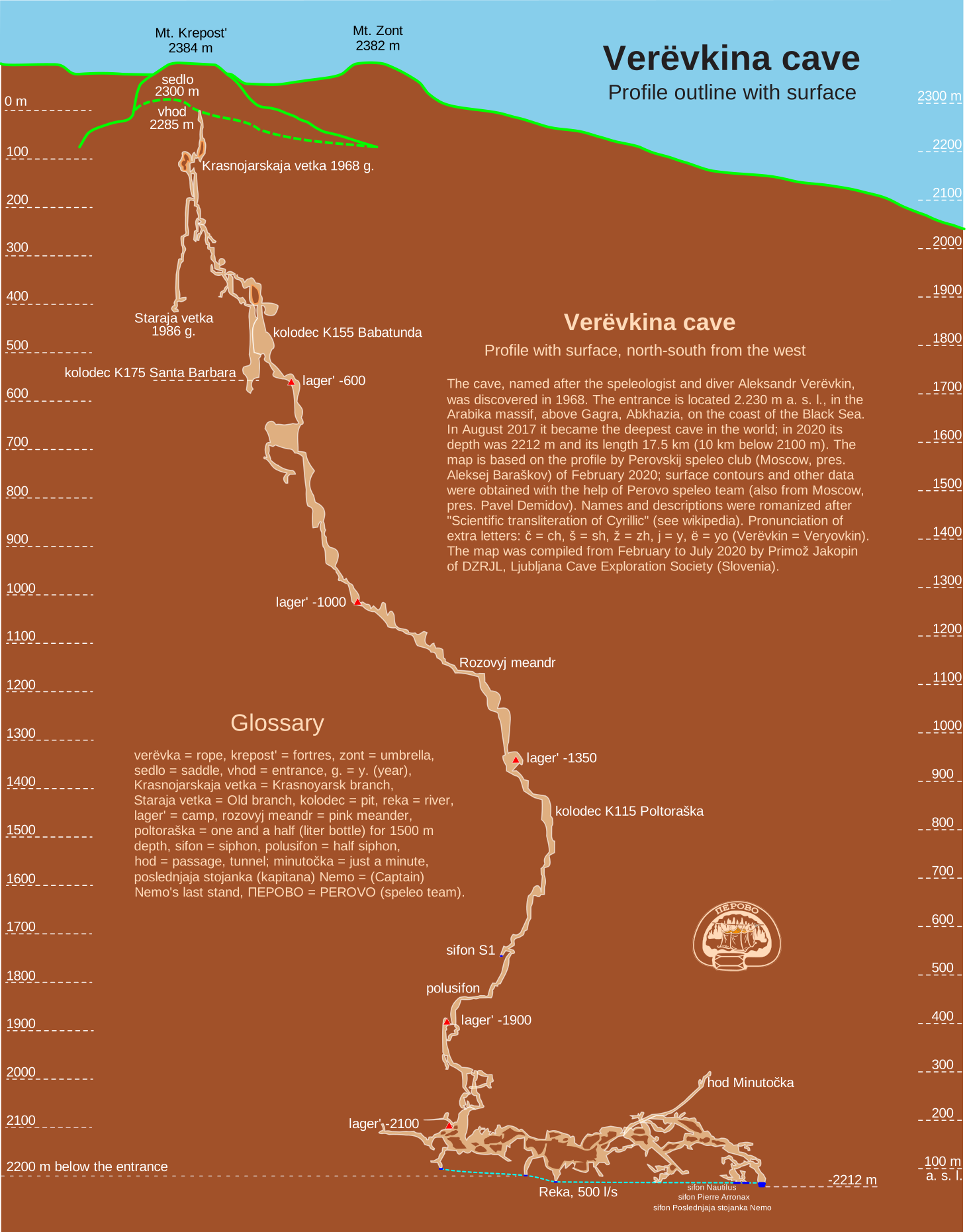
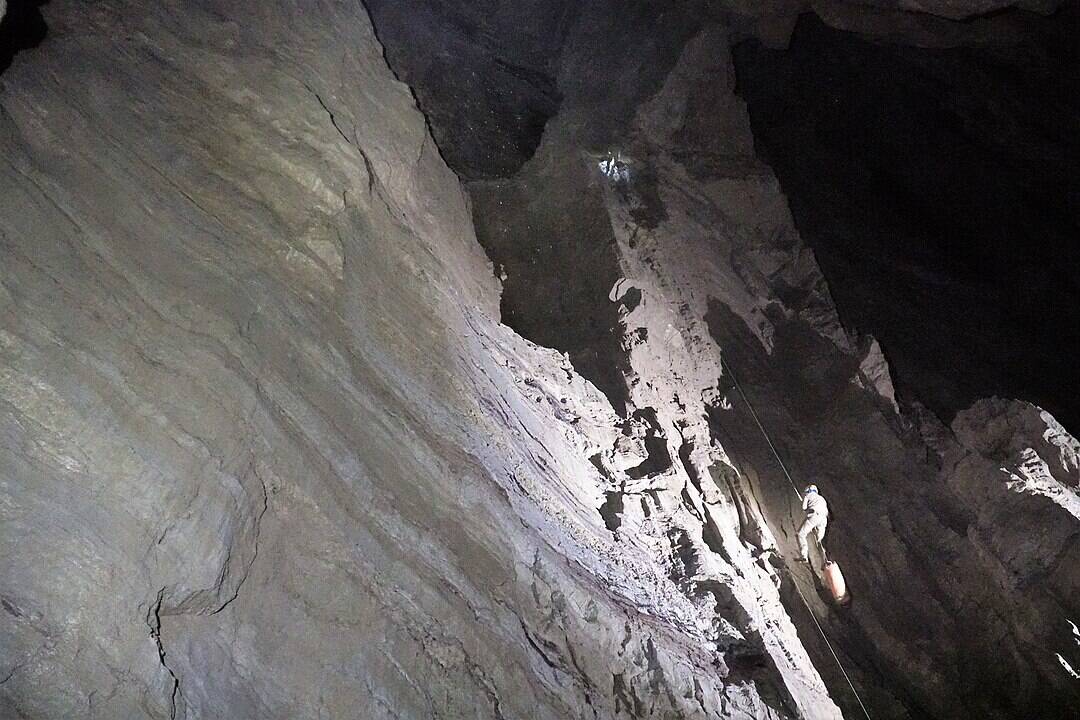
The cave system descends to unprecedented depths, reaching over 2,000 feet below the surface. This intricate labyrinth features a complex series of tunnels, vertical shafts, and expansive caverns that create a dramatic underground landscape. The depth and structure presented explorers with challenges, requiring advanced spelunking techniques and equipment to navigate safely.
Formation and Geological Significance

The formation of this deep cave system is attributed to millions of years of geological processes, including the slow erosion of limestone by acidic groundwater. Understanding the system’s formation provides essential insights into the region’s geologic history and the dynamic processes shaping our planet. Each stalactite and stalagmite is a testament to time’s unyielding passage and the ongoing evolution of the Earth.
Unique Ecosystems and Biodiversity
Within this shadowy underworld exists a hidden ecosystem teeming with life. Despite the absence of sunlight, various species have adapted to these harsh conditions, evolving unique traits to survive. Scientists have discovered rare and endemic species, some of which have never been documented before, making this cave system a hotspot for biological diversity and evolutionary studies.
Challenges in Exploration and Conservation

Exploring such a formidable environment poses significant challenges. The cave’s depth and structure require specialized equipment and expertise, making exploration a daunting task. Additionally, conservation efforts are critical, as human activity can severely impact the delicate balance of these subterranean ecosystems. Ensuring the preservation of this natural marvel is an essential part of ongoing exploration efforts.
Scientific Discoveries and Implications
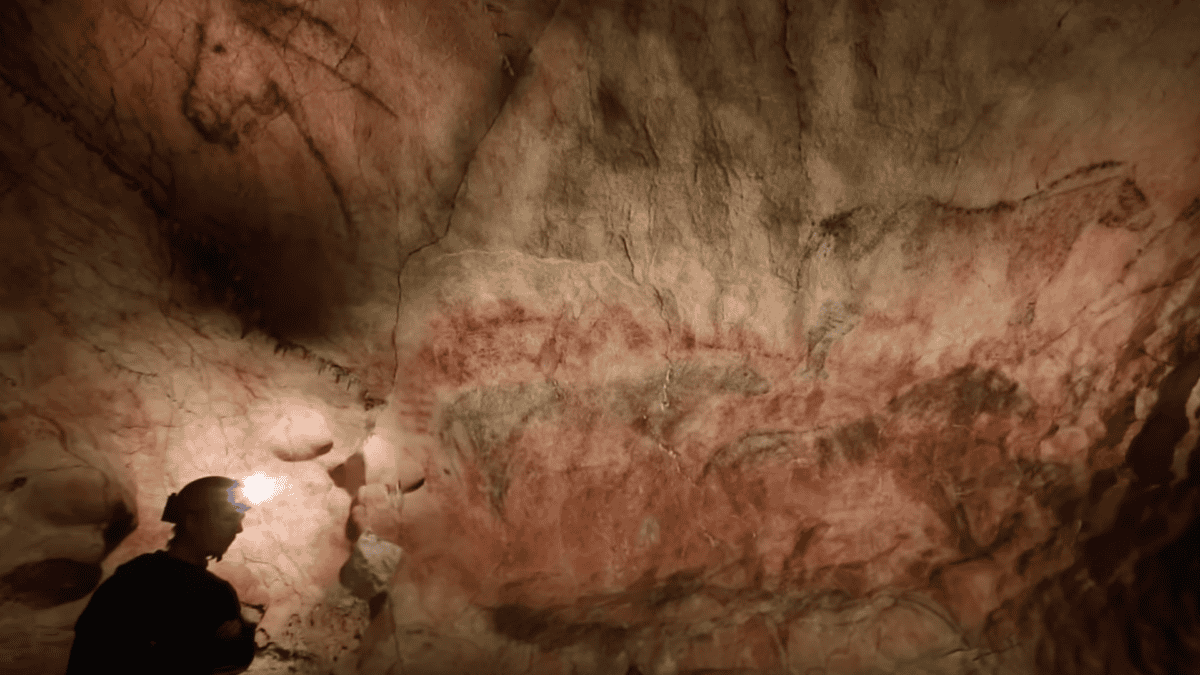
The discovery of the cave system has opened new avenues for scientific research. From studying geological formations to uncovering hidden ecosystems, the findings within this underground world have far-reaching implications across multiple scientific disciplines, including geology, biology, and climatology. Each expedition reveals new data that enhances our understanding of subterranean environments.
Technological Innovations in Cave Exploration

The challenging environment of the cave has driven technological advancements in exploration techniques. Innovative tools and devices, such as advanced mapping equipment and robotic explorers, have been developed to facilitate safer and more efficient exploration. These technologies not only aid in navigating complex cave systems but also help in documenting and preserving these hidden wonders.
The Global Context of Cave Exploration

While the United States celebrates its deepest cave discovery, it is part of a broader global community of cave exploration and research. Cave systems around the world offer complementary insights into Earth’s geological and ecological diversity. International collaborations are crucial in advancing the knowledge and conservation strategies necessary to protect these natural treasures.
Future Prospects for Cave Exploration
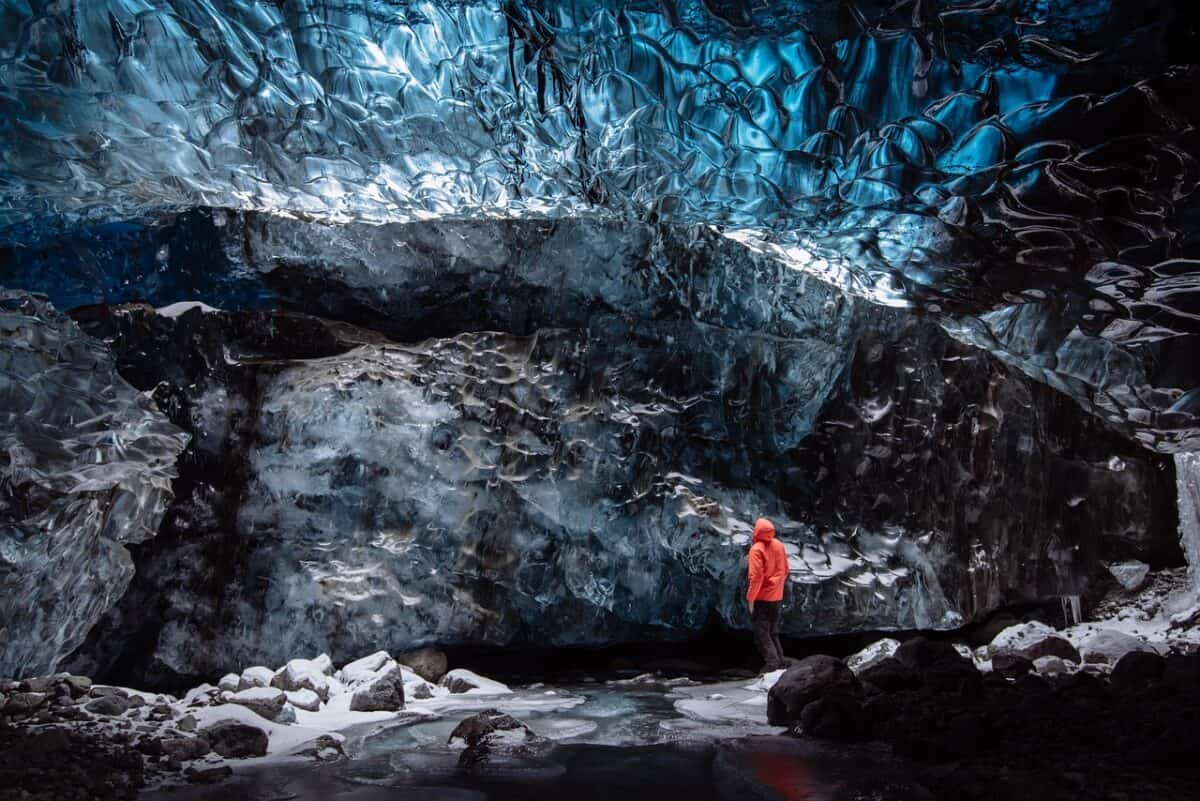
The discovery of this expansive cave system is only the beginning of a new era in subterranean exploration. Future expeditions promise to uncover even more mysteries, pushing the boundaries of human curiosity and resilience. Efforts are underway to involve more scientists, explorers, and conservationists in this ongoing journey, ensuring that this underground frontier continues to inspire and educate.
Impacts on Local Communities
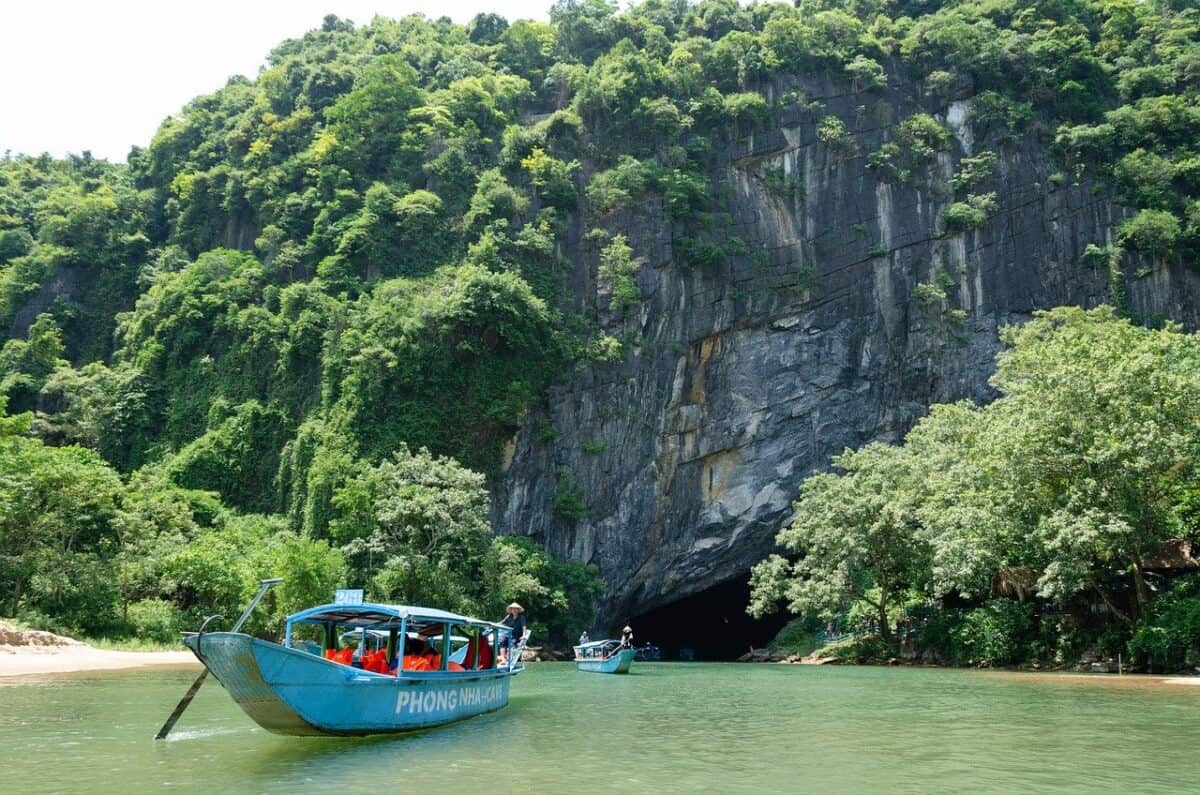
The discovery has not only piqued scientific interest but also influences the local communities near the cave’s entrance. It offers opportunities for economic growth through sustainable tourism while also presenting challenges regarding environmental impact and cultural heritage preservation. Balancing these aspects is crucial for the region’s development and ecological integrity.
A Call for Responsible Exploration

As interest in cave systems grows, it is imperative to approach exploration with responsibility and respect for the natural environment. Collaborative efforts between scientists, educators, and policymakers are essential in promoting awareness and fostering a culture of conservation that ensures these hidden worlds remain protected for future generations.
The discovery of the deepest cave system beneath U.S. soil marks a significant milestone in the study of Earth’s hidden wonders. It underscores the value of exploration, not just for scientific advancement but also for understanding and preserving our planet’s rich and diverse natural heritage. As we venture further into these depths, let us do so with a commitment to curiosity, conservation, and respect for the intricate tapestries woven beneath our feet.

- Fastest Fish in American Waters Identified - July 15, 2026
- How Ants Build Living Bridges - July 15, 2026
- Why Foxes Scream at Night—and What It Means - July 15, 2026