


The ocean is a vast, mysterious world that captures our imagination and curiosity. While humans have made significant strides in exploring the deep sea, there remain myriad sounds from beneath the waves that we have yet to decipher. These underwater noises tantalize the ears of scientists and enthusiasts alike, sparking intrigue and countless theories. Join us as we delve into some of the most captivating unidentified underwater sounds that continue to baffle experts worldwide.
The Bloop

The Bloop stands out as one of the most famous underwater sounds ever recorded. Detected in 1997 by the National Oceanic and Atmospheric Administration (NOAA), the Bloop was an ultra-low frequency sound picked up by hydrophones over 5,000 km apart. Its power and range had initially led some to speculate that it originated from an enormous marine creature. However, later analysis suggested it might have been caused by the cracking of an iceberg, yet the mystery still fuels imaginations.
The Upsweep

First recorded in 1991, the Upsweep is a long series of tsunami-like waves in sound that repeat multiple times a year. The source remains unknown, though it’s suspected to originate from volcanic activities within the ocean. Despite hypotheses, its exact nature and origin continue to elude experts, making it a much-discussed topic in scientific circles.
The Whistle

Detected in the Pacific Ocean, the Whistle is characterized by its high-pitched tonal quality. Efforts to locate its source have been inconclusive, with theories ranging from deep-sea creatures to underwater geological events. Its intermittent nature adds another layer of complexity to solving its mystery.
The Slow Down

Another intriguing sound captured by NOAA in May 1997, the Slow Down is aptly named for its gradually decreasing frequency. Similar to the Bloop, the prevailing theory suggests iceberg movements, although no confirmation has anchored this claim. The Slow Down remains an acoustic puzzle amid the ocean’s enigmatic depths.
The Train
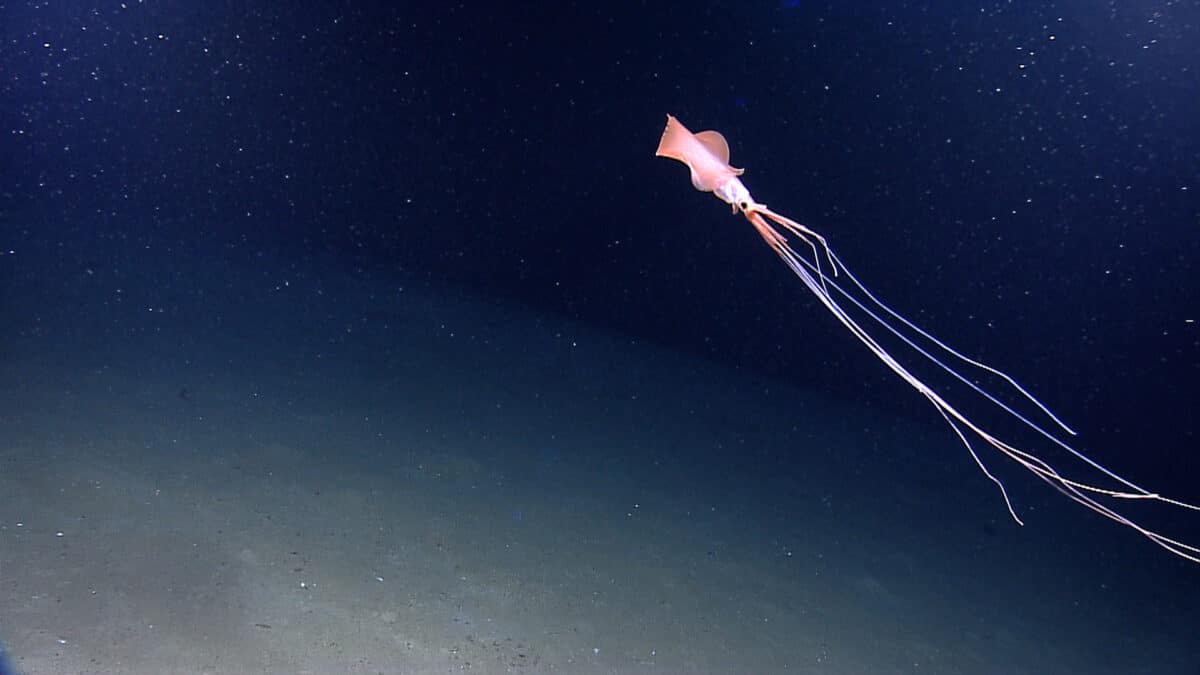
Resembling the rhythmic chug of a distant locomotive, this underwater sound was first reported in the North Atlantic Ocean. Despite its recognizable cadence, the Train’s source is shrouded in mystery. Oceanographers speculate on possible origins like volcanic activities or anthropogenic sources, but conclusive evidence is still unreachable.
The Julia

Named after its distinct sound pattern reminiscent of someone calling ‘Julia,’ this noise was first recorded in March 1999. Captured by an autonomous hydrophone array, its precise origins have yet to be pinpointed. Hypotheses include marine wildlife or geological structures, but its true source remains elusive.
The Star Wars Sound

Fascinating and eerie, this sound was detected near the equator in the Pacific Ocean. Its repeated pattern is likened to sound effects from the famous movie franchise, hence its name. Speculation suggests underwater volcanic activity, but this sound file continues to intrigue those striving to unlock its secrets.
The Ping

Reported frequently by local mariners in the Arctic, the Ping is a mysterious sound originating from the seabed. Indigenous communities and researchers have expressed concerns, yet its source remains undetermined. Theories have emerged about submarines or underwater surveillance activities, only adding to its enigma.
The Bio-duck
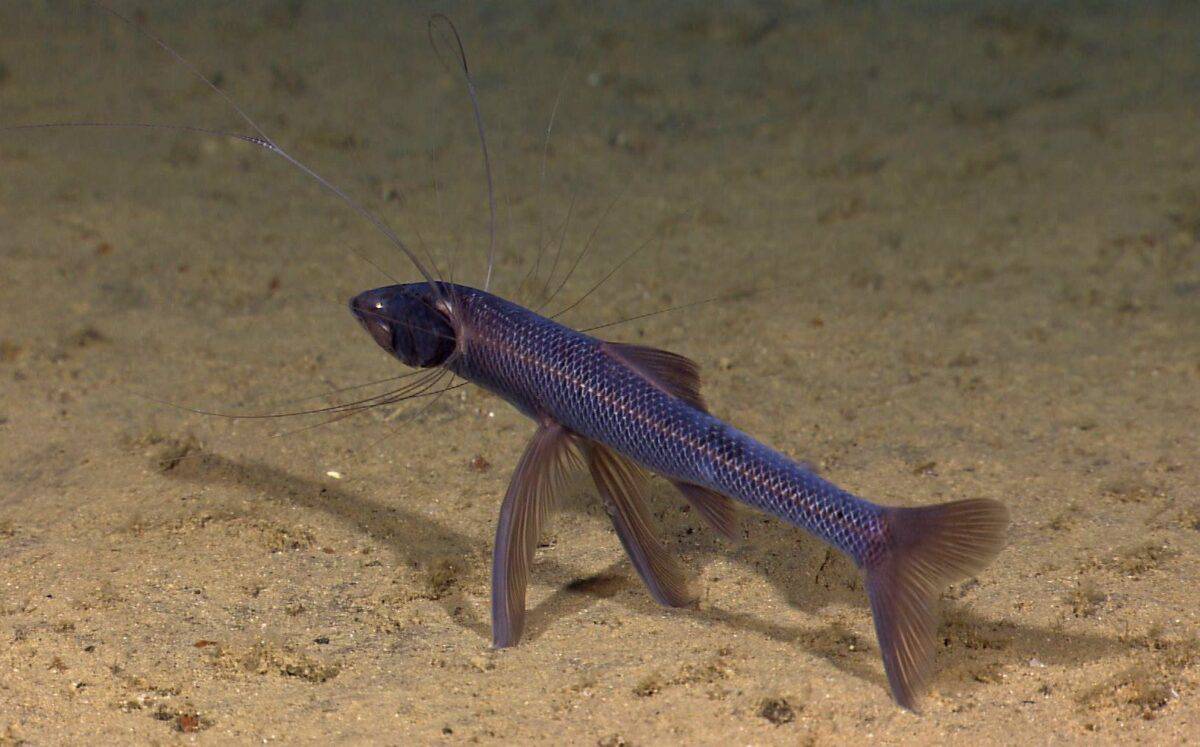
A sound that has baffled scientists since the 1960s, the Bio-duck was finally associated with minke whales in 2014. The seasonal quacking-like noise was identified using acoustic tags, but questions about its specific function in whale behavior remain, inviting further research into these marine giants’ lives.
The Ocean’s Hum
This low-frequency sound, barely audible to human ears, is akin to the planet’s background noise. Detected across various oceans, it’s often described as a mysterious hum without a clear origin. Scientists suggest possible sources like atmospheric pressure or sea currents, but the ocean’s hum retains its mystique.
The Roar
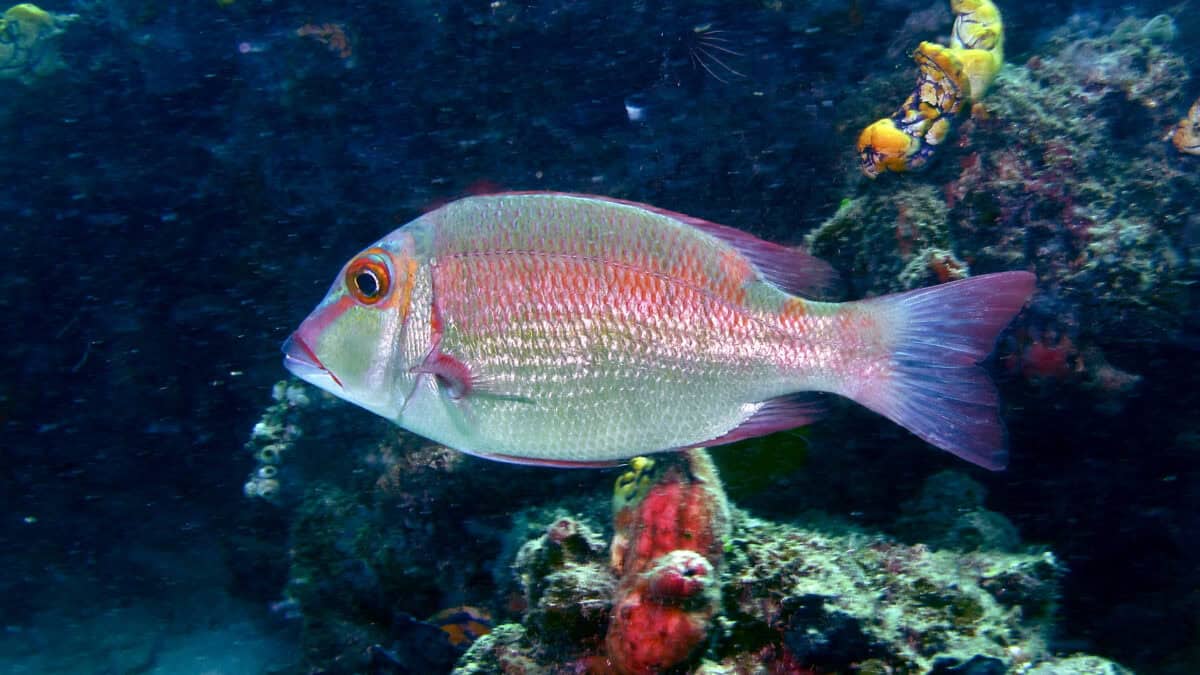
A peculiar sound identified off the coast of Oman, the Roar has defied explanation since its detection. Though seismic activities or era-specific phenomena have been suggested, the exact nature of this disturbing noise remains unconfirmed, challenging both oceanographers and sound engineers alike.
The Bubble
The Bubble is an unusual sound picked up in the South Atlantic, characterized by its peculiar bubbling noise. Researchers have yet to establish a clear link between the sound and known natural occurrences, leaving its analysis incomplete. This mysterious oceanic riddle continues to puzzle sound analysts.
Conclusion:

The world beneath the waves is teeming with sounds and stories we have yet to fully understand. From awe-inspiring phenomena like the Bloop to the ever-curious Ocean’s Hum, these unidentified underwater sounds remind us how little we truly know about the abyssal depths of our planet. As technology improves and our knowledge expands, perhaps one day, we will unlock these secrets. Until then, these acoustic enigmas continue to spark curiosity, wonder, and a sense of adventure.

As a little kid, I fell in love with nature, wildlife, and animals. Living in the USA, South Africa, Italy, China and Germany gave me the opportunity to discover the world's Wildlife. My favorite animals are Mountain Gorillas, Siberian Tigers, and Great White Sharks.
I'm a certified PADI Open Water Diver, went to Everest Base Camp and Trekked Gorillas in Uganda. I hold a Master of Science in Economics and Finance.
Please send any feedback to feedback@animalsaroundtheglobe.com
- 14 Most Beautiful Bird Songs You Can Hear in America - July 15, 2026
- The Longest Snake Ever Found Slithering in the U.S. - July 15, 2026
- Why Humpback Whales Are Singing Louder Off U.S. Shores - July 15, 2026