
Pelicans have long been a symbol of the serene beauty and intricate balance of our ecosystems. These magnificent birds, with their iconic long beaks and sizable wingspans, recently captivated the attention of wildlife enthusiasts and researchers alike when the largest flock ever recorded was spotted over the United States. But what makes this event so significant? Join us as we dive into the world of pelicans to explore the marvel of this extraordinary avian gathering.
Understanding Pelican Species
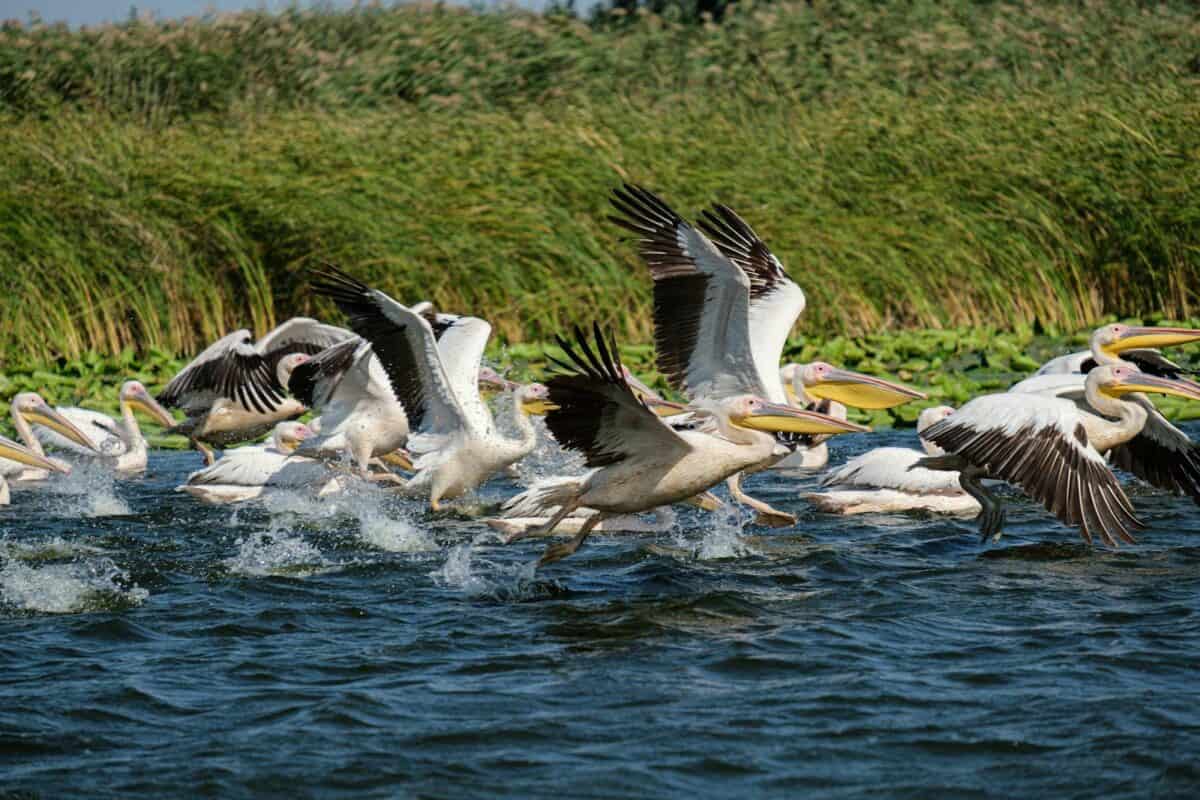
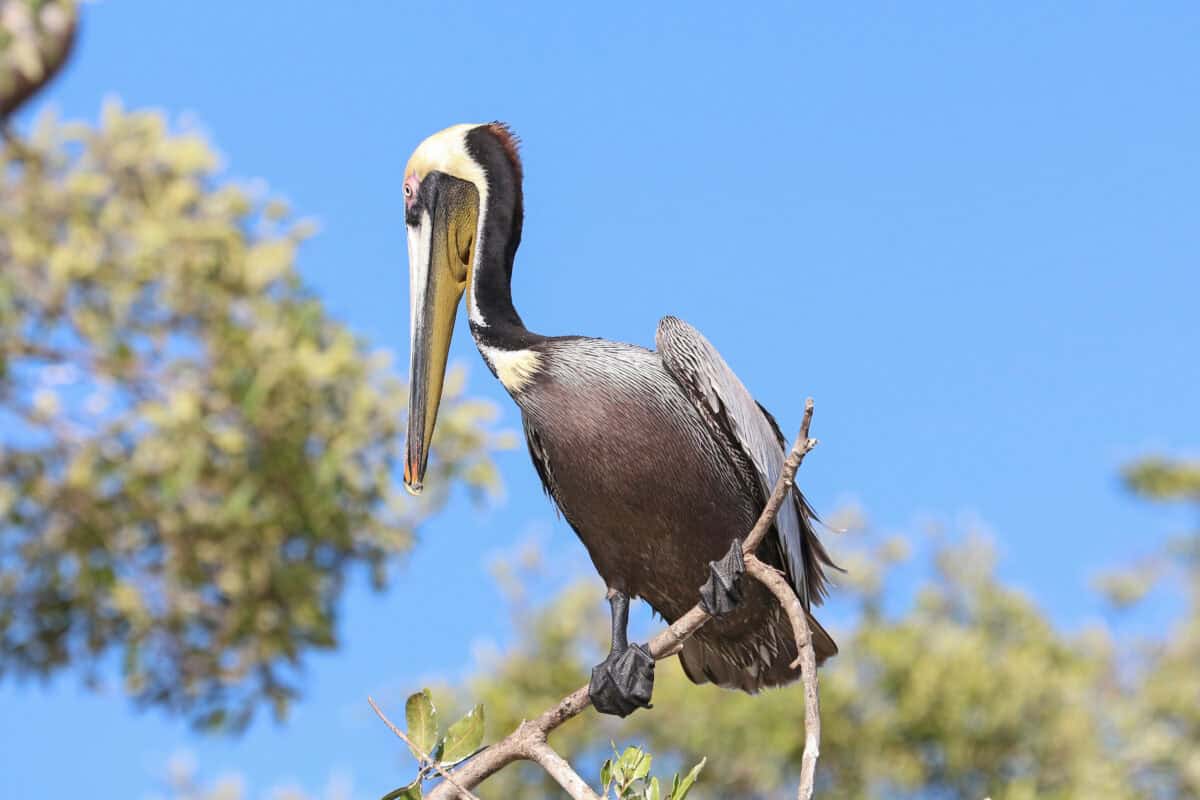
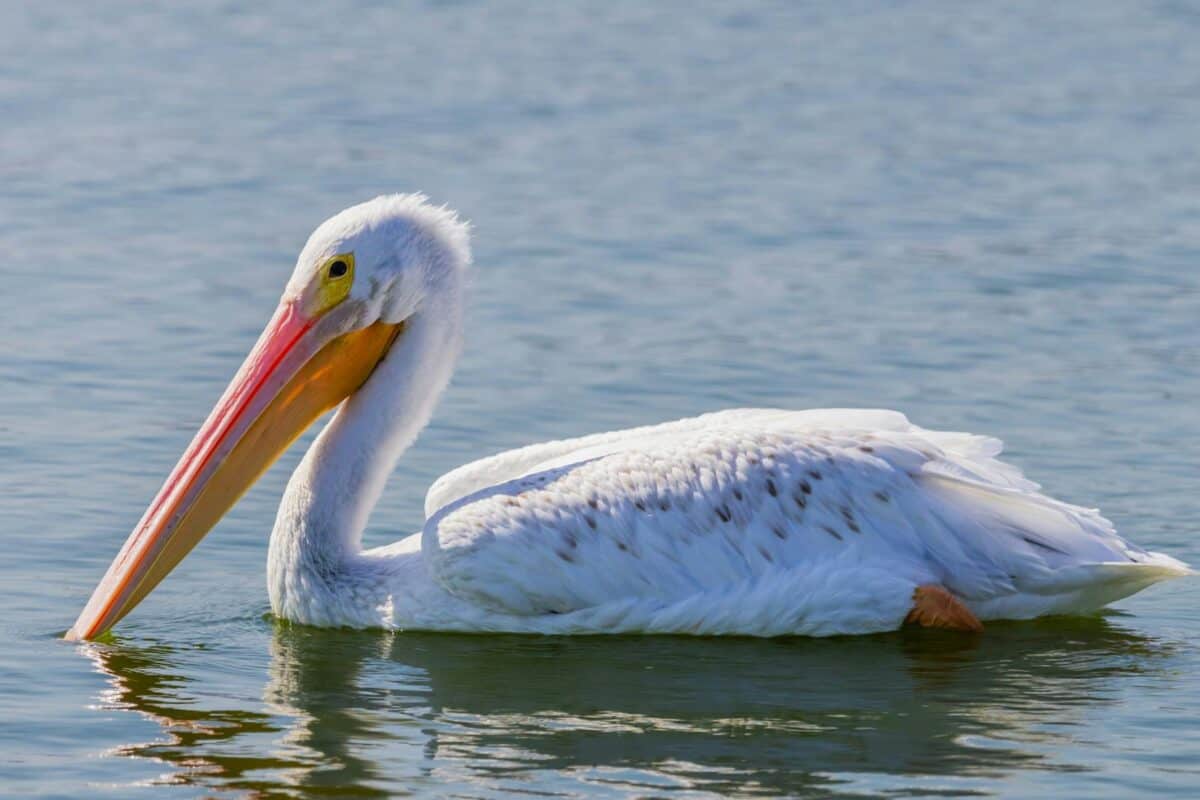
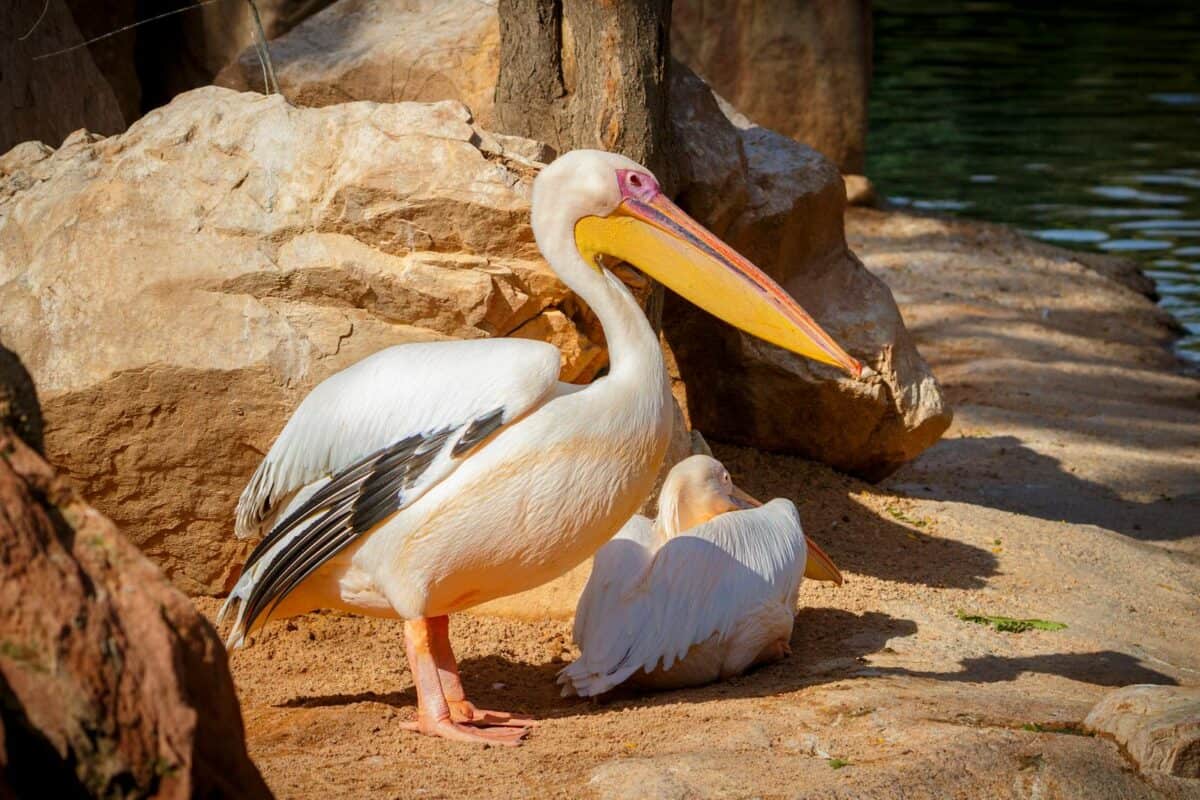
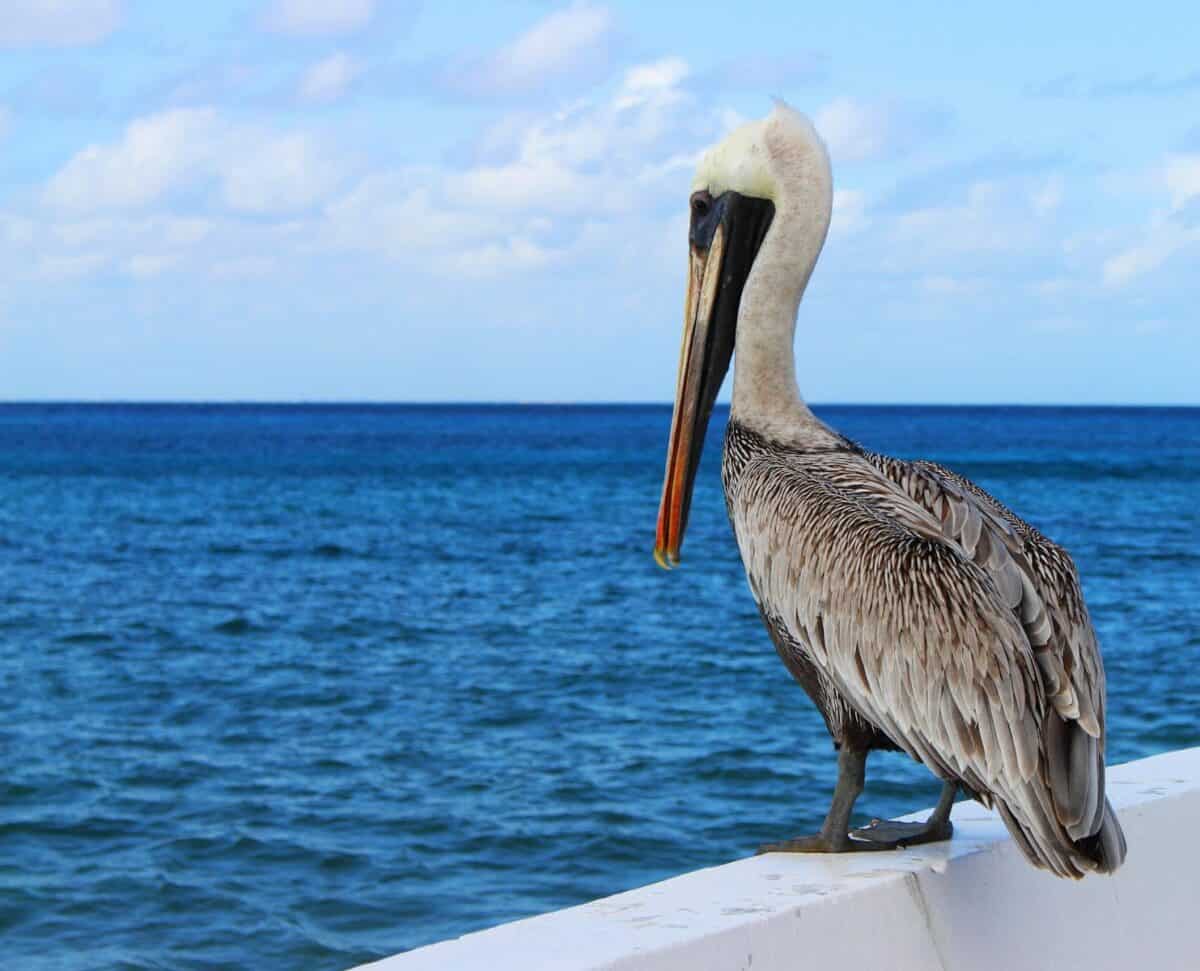
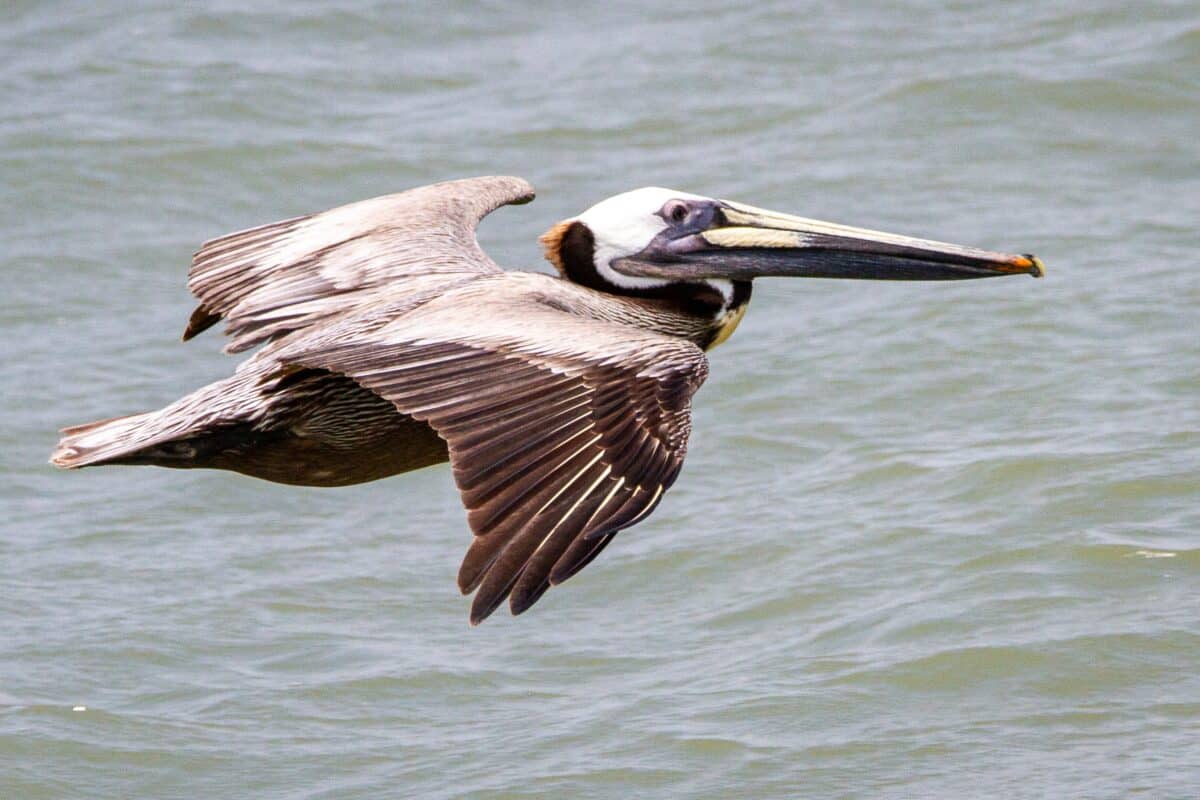
Pelicans belong to the Pelecanidae family and are easily recognized by their large bills and distinctive throat pouches. Within the United States, the two most common species are the American White Pelican and the Brown Pelican. The former tends to inhabit inland freshwater lakes, while the latter prefers coastal habitats, making them fascinating subjects for birdwatchers and researchers alike.
The Historical Context of Pelican Sightings
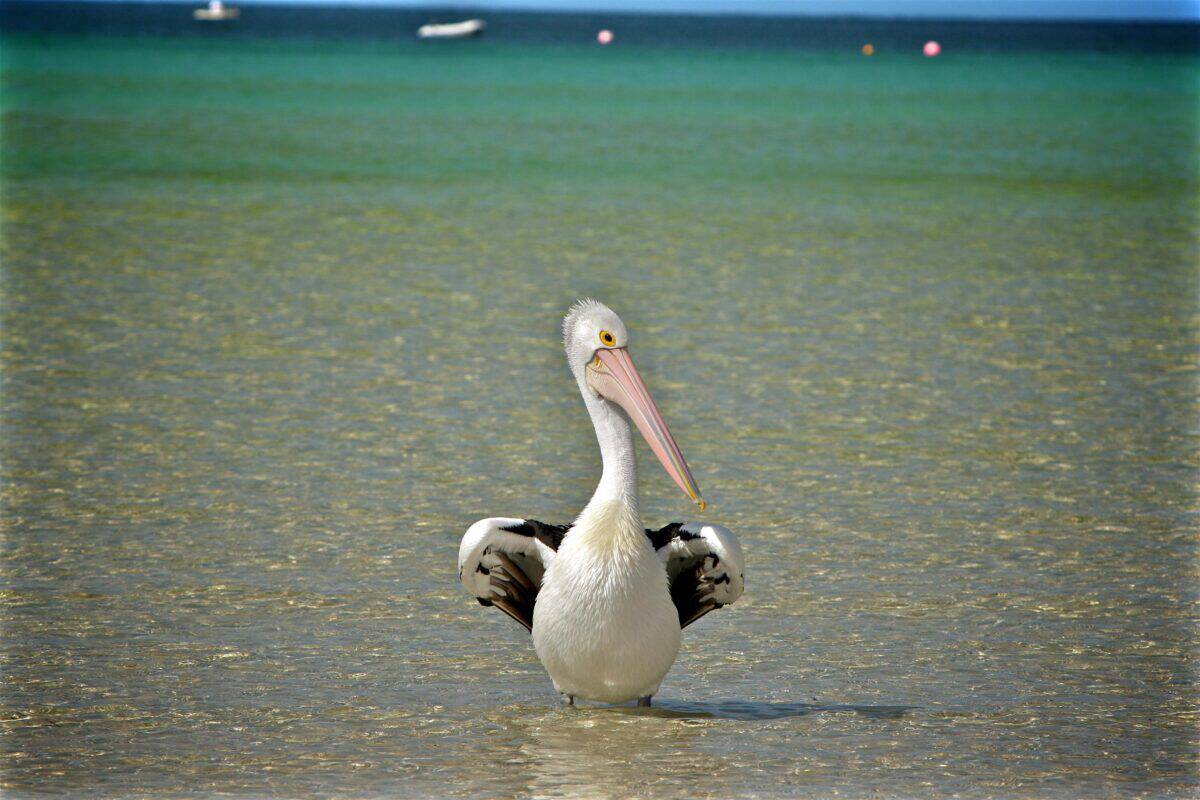
Pelican flocks have been documented for centuries, often serving as indicators of environmental health. In the past, large gatherings were less frequent due to changes in habitat and food sources. However, conservation efforts over recent decades have contributed to a notable resurgence in pelican populations across the country.
Why the Flock Size Matters

The recent sighting of the largest pelican flock is significant not only due to its sheer size but also because it reflects broader trends in avian behavior and population dynamics. Large aggregations can indicate plentiful food sources and healthy ecosystems, presenting opportunities for further ecological study.
Geographical Location of the Sighting
This record-breaking flock was spotted over one of the country’s premier wetlands. While the specific location is a closely held secret to protect the birds, such sizable flocks are typically found in regions that provide ample food and are relatively undisturbed by human activity.
Migratory Patterns and Their Influence
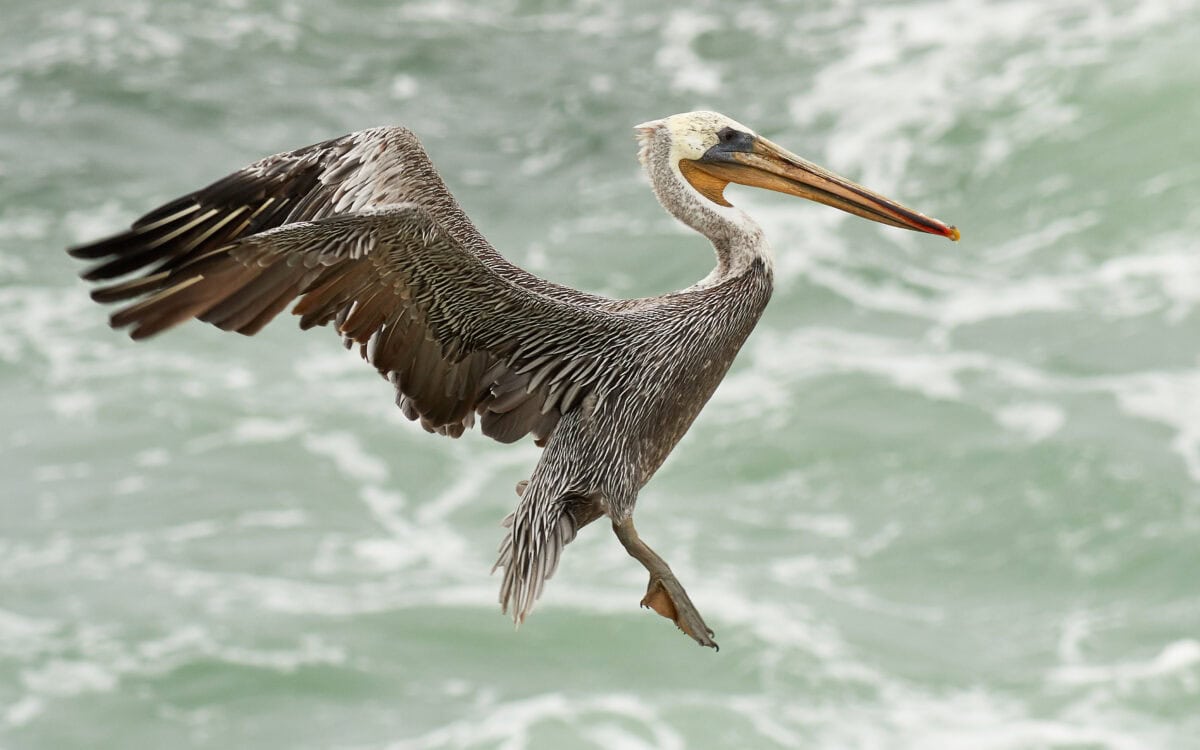
Pelicans are migratory birds, and their movements are influenced by seasonal changes and food availability. The convergence of these factors can lead to temporary gatherings that result in superflocks, as birds congregate in resource-rich areas to rest and feed during their long migratory journeys.
The Role of Climate and Environment
Environmental conditions and climate change have a profound impact on bird behavior. Altered weather patterns can shift migratory routes and timing, potentially leading to larger or smaller flock sizes. The recent sighting may be partially attributed to these changing conditions.
The Impact on Local Ecosystems
While the sight of such a large pelican flock is undoubtedly awe-inspiring, it also has significant ecological implications. Large gatherings can affect local ecosystems, influencing everything from water quality to the distribution of other wildlife, as pelicans are both predators and participants in local food webs.
Conservation Efforts and Their Success
Conservation measures over recent decades, including legal protections and habitat restoration projects, have played a key role in the resurgence of pelican populations. This historic sighting is a testament to the success of these efforts and highlights the importance of continued ecological stewardship.
The Role of Citizen Scientists

Birdwatchers and citizen scientists contribute invaluable data that help researchers monitor bird populations and migrations. The documentation of the largest pelican flock involved both professional ornithologists and amateur enthusiasts, showcasing the collaborative nature of wildlife conservation and research.
Implications for Future Research
This unprecedented event opens new avenues for scientific study. Researchers are particularly keen on understanding the dynamics of such large formations, their impact on ecosystems, and how they can inform broader conservation strategies in a changing climate.
Engaging with the Public

Public interest in wildlife can bolster support for conservation initiatives. By engaging people with the remarkable narrative of the pelican superflock, conservationists hope to inspire greater respect and care for natural habitats and the species that depend on them.
The Cultural Significance

Beyond their ecological importance, pelicans are imbued with cultural symbolism. They represent resilience and adaptability, values that resonate deeply as we strive to protect our natural world in the face of numerous challenges.
A Glimpse into the Future
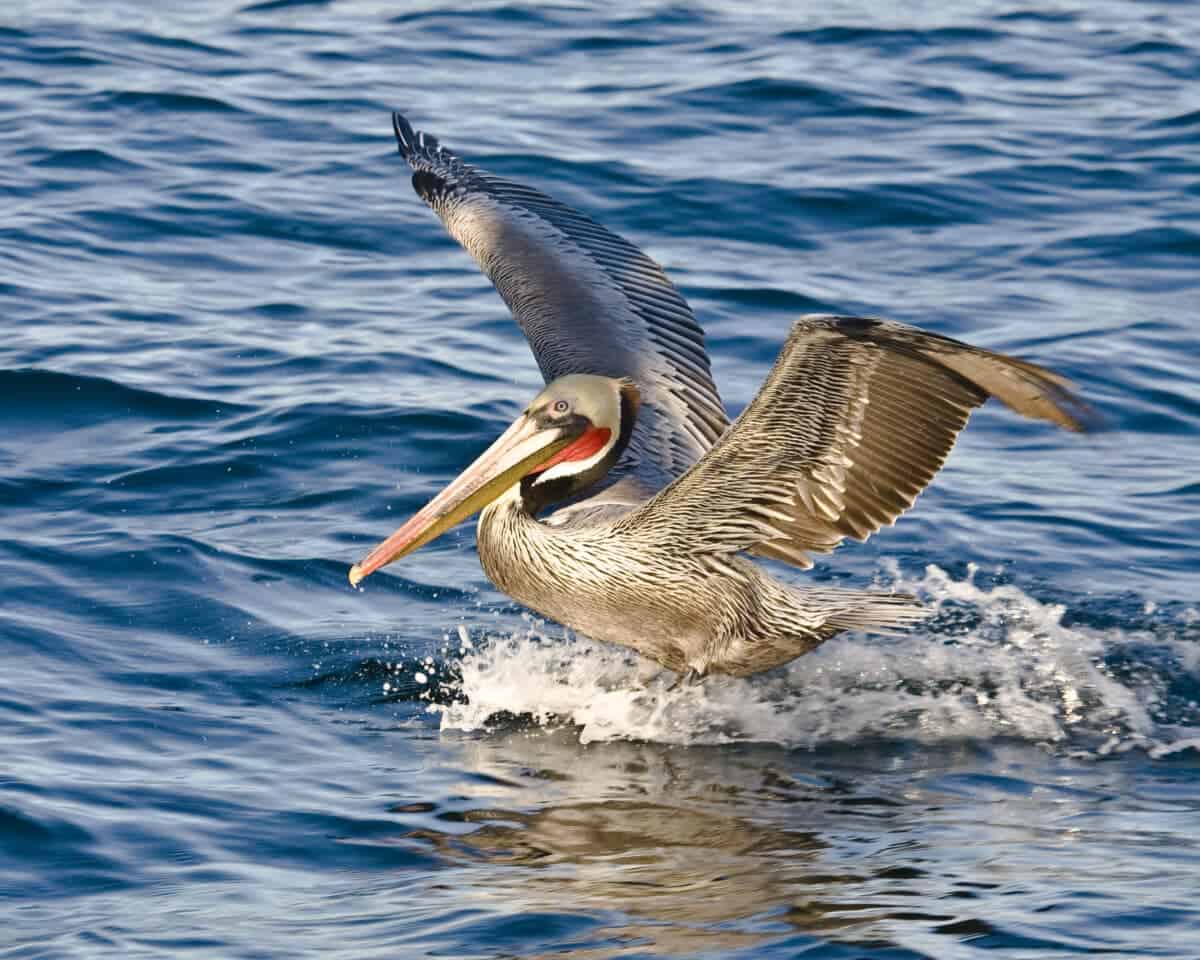
As we marvel at the sight of the largest pelican flock ever recorded over the U.S., it serves as a reminder of nature’s splendor and the critical importance of conservation efforts. With continued research and preservation initiatives, we can hope to witness more such spectacles, preserving these breathtaking experiences for future generations.
In conclusion, the magnificent sighting of the largest pelican flock over the U.S. is not merely a testament to the beauty of nature but also an inspiring indicator of successful conservation efforts. It underscores the interconnectedness of ecosystems and the role every individual plays in protecting our planet’s biodiversity.

- What Happens If You Lock Eyes With a Wild Leopard? - July 19, 2026
- 10 Fastest Racing Dog Breeds You Must Know - July 19, 2026
- The Story of the Arctic Fox’s Incredible Seasonal Transformation - July 18, 2026