


The Oregon coastline recently experienced an extraordinary event that has both scientists and wildlife enthusiasts buzzing with excitement. A giant, ancient sea turtle, believed to be around 100 years old, washed up on the shores and, miraculously, it was still alive. This unexpected visitor has captured the heart of the public and piqued the interest of the scientific community, offering a rare glimpse into the life and resilience of these incredible marine creatures.
Discovering the Marvel: Identification of the Species
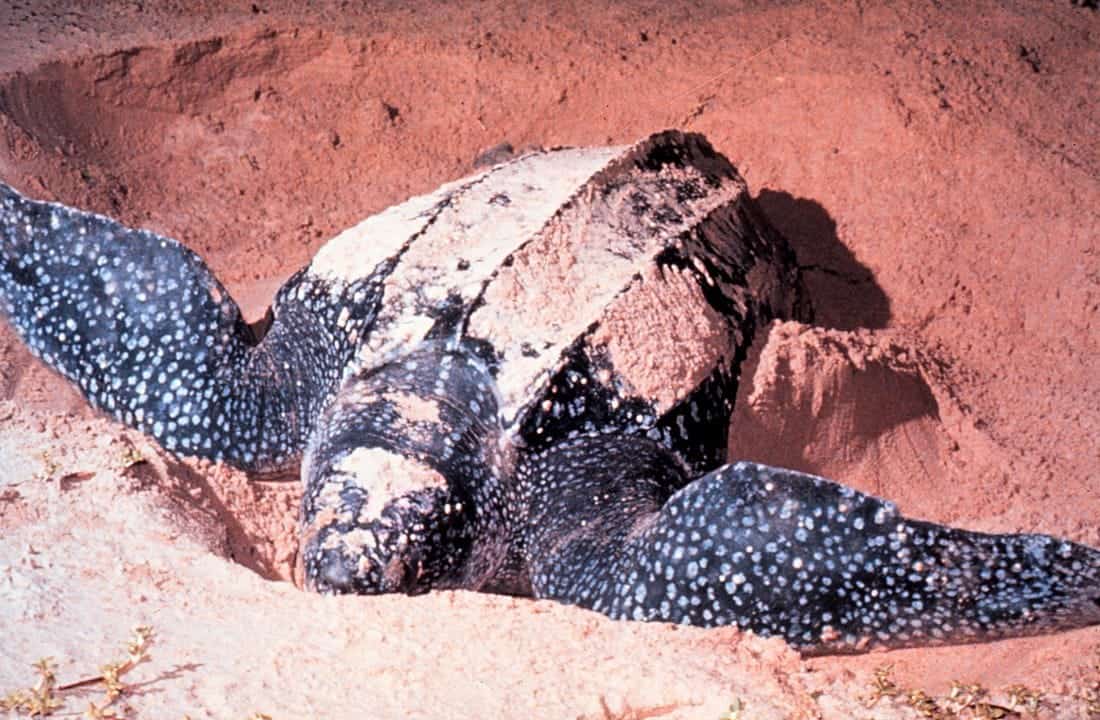
Upon its discovery, experts were called to identify the species of this venerable sea turtle. Initial assessments suggest it belongs to the leatherback turtle species, known for their immense size and longevity. Leatherbacks are the largest sea turtles in the world, with some reaching lengths of over seven feet and weights surpassing 2,000 pounds. Their usual habitat spans the vast expanses of the Atlantic, Pacific, and Indian Oceans, making their presence in Oregon quite unusual.
A Journey Across Oceans: The Migration Patterns of Sea Turtles

The presence of a leatherback turtle on the Oregon coast provides a unique opportunity to explore the migration patterns of these nomadic creatures. Leatherbacks are famous for their long-distance travels, often crossing entire ocean basins to reach their feeding and nesting grounds. They are known to follow jellyfish currents, their primary food source, traveling thousands of miles every year. This turtle’s journey to Oregon presents valuable insight into the adaptability and exploratory nature of these sea-faring reptiles.
The Remarkable Resilience: Surviving for 100 Years
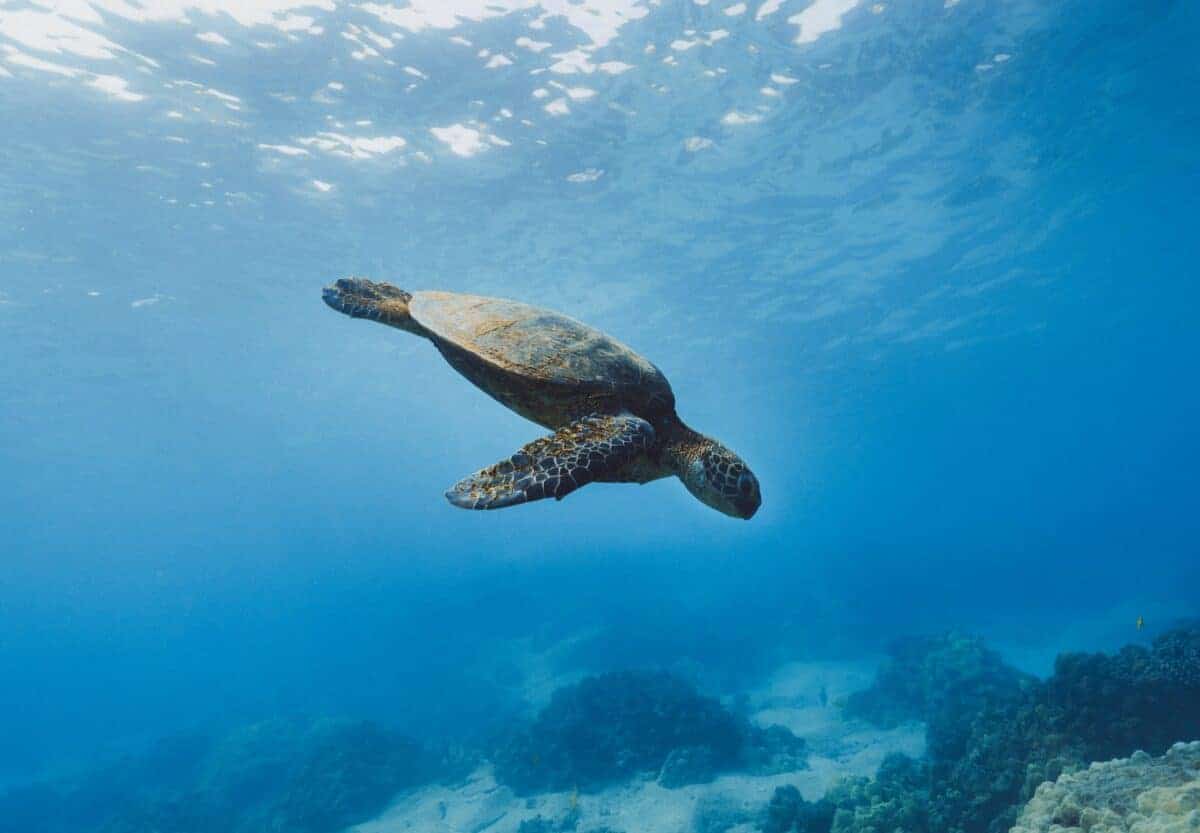
Living up to 100 years in the wild is an extraordinary feat, especially for a sea turtle. Their longevity is largely attributed to their incredibly adaptable physiology and protective shell, which offer a measure of safety against predators. Additionally, their ability to travel vast distances to access rich feeding grounds aids in their survival. However, living for a century in the modern world requires overcoming numerous challenges, including habitat destruction and pollution.
Challenges Faced by Sea Turtles: Modern Threats
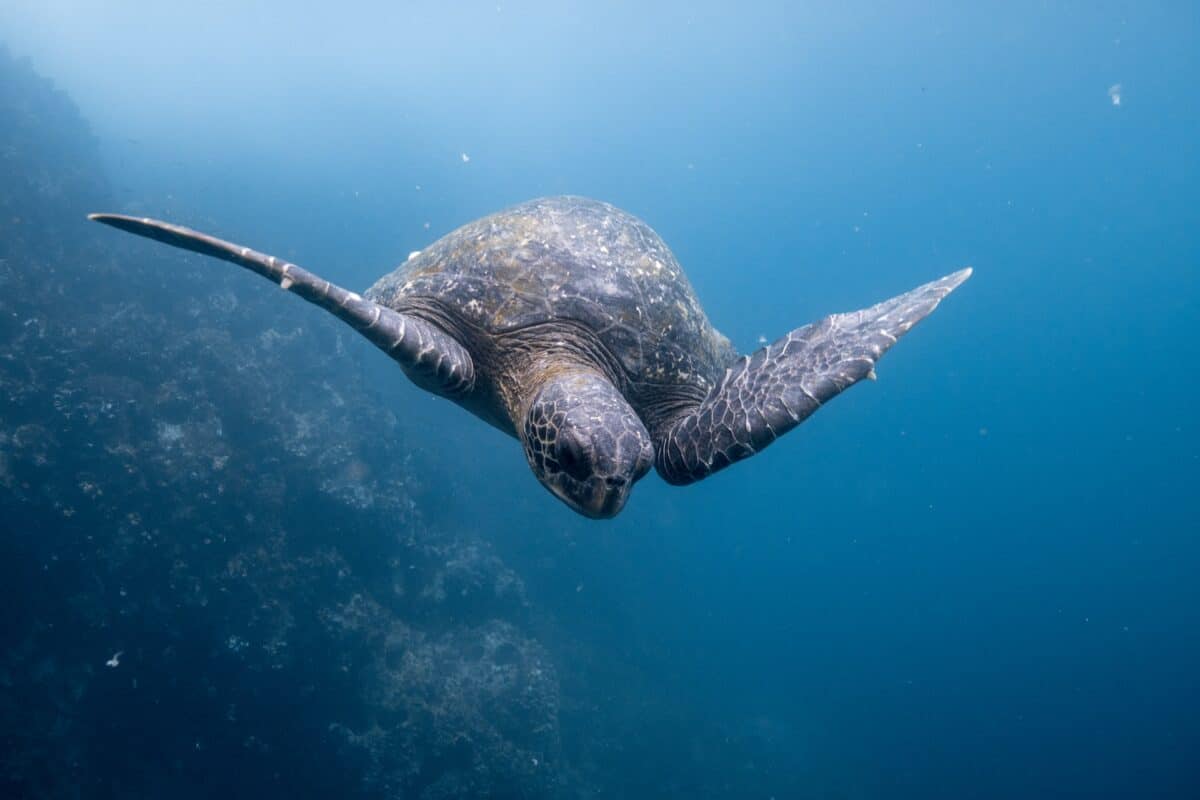
Despite their resilience, sea turtles, especially those as ancient as our centenarian guest, face increasing threats from human activity. Plastic pollution poses a particularly significant threat, as turtles often mistake plastic bags for jellyfish. Furthermore, climate change affects their natural habitat and nesting sites, while fishing practices result in unintended catches that can injure or kill them. These hurdles underscore the urgent need for conservation efforts to ensure the survival of sea turtles for future generations.
Conservation Efforts: Protecting Our Marine Giants
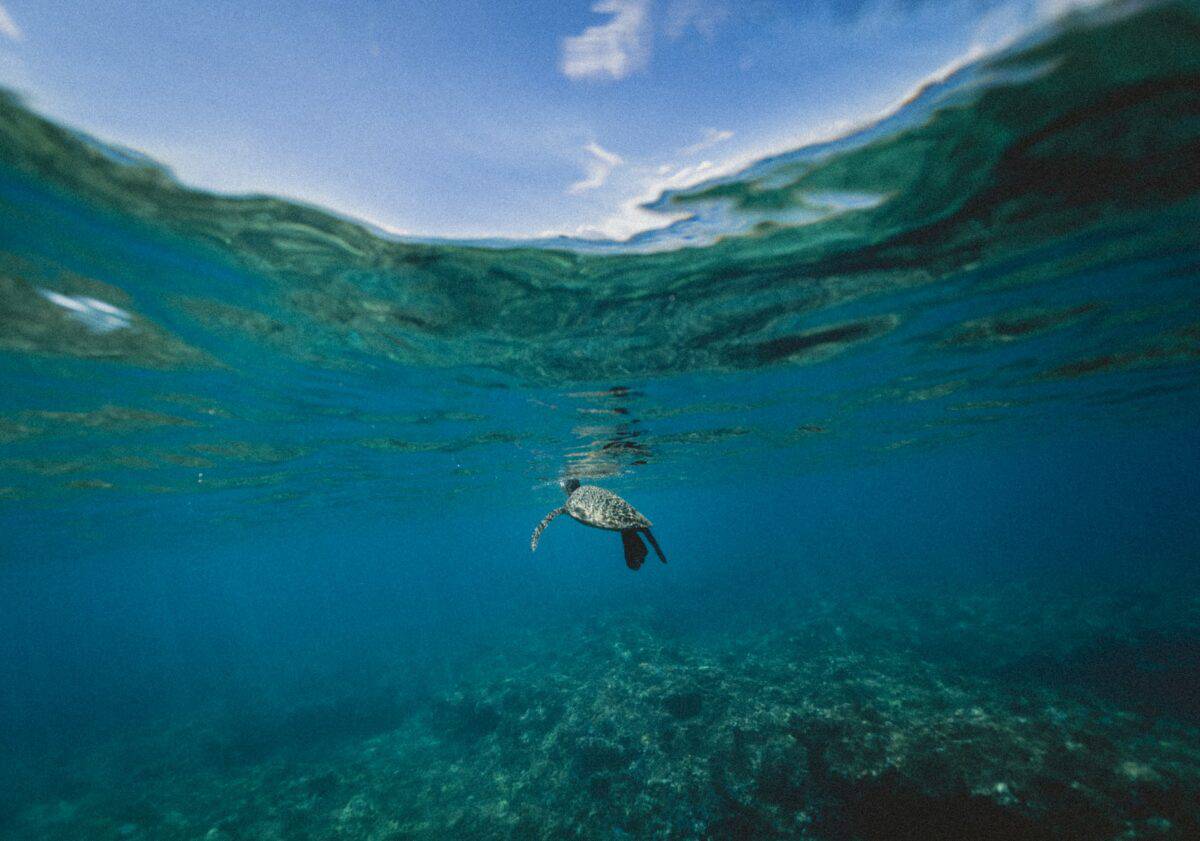
Conservationists worldwide are stepping up efforts to protect endangered sea turtle species. Initiatives include beach clean-ups, reducing plastic use, enforcing fishing regulations, and monitoring nesting sites. These efforts aim to create a safer environment for turtles to thrive. Education also plays a critical role, helping the public understand the impact of their actions on marine life and encouraging environmentally friendly practices.
The Local Response: Rescue and Rehabilitation

Following the turtle’s discovery, local wildlife authorities sprang into action to ensure its health and safety. The turtle was transported to a rehabilitation center, where it could receive the necessary medical care. These facilities are equipped to handle the specific needs of sea turtles, providing a controlled environment to aid in their recovery. The community’s rapid response highlights the importance of collaboration in wildlife conservation efforts.
Science in Action: Conducting Health Assessments

One of the primary tasks following the turtle’s rescue is conducting a thorough health assessment. Veterinarians and marine biologists perform a range of tests to check for injuries, parasites, and other health concerns. The results of these evaluations will guide the rehabilitation process, ensuring the turtle receives the appropriate treatment to recover fully and possibly return to the wild.
Data Collection: Gleaning Insights for Research

The unexpected appearance of such an old sea turtle also provides a valuable research opportunity. Scientists are collecting data on its physiology, genetics, and behavior, offering insights into the species’ lifespan, migration habits, and adaptability. This data is crucial in informing future conservation strategies and enhancing our understanding of these majestic marine animals.
A Symbol of Hope: The Public’s Embrace

The story of this resilient sea turtle has captured the imagination of the public, becoming a symbol of hope and the enduring spirit of nature. People from all walks of life are reminded of the incredible diversity and mystery of the ocean, as well as the collective responsibility to safeguard it. The turtle’s appearance serves as a poignant reminder of the beauty that exists below the waves and our role in preserving it.
Lessons for the Future: The Role of Environmental Stewardship

This event underscores the crucial role environmental stewardship plays in the survival of endangered species. It is a call to action for individuals, communities, and governments to take responsibility for their environmental impact. Small efforts, such as reducing plastic usage and supporting wildlife-friendly policies, contribute significantly to creating a sustainable environment for marine life and beyond.
Conclusion: Celebrating Nature’s Wonders

The remarkable journey of the 100-year-old sea turtle that washed up on the Oregon shores serves as a testament to the resilience and majesty of marine life. It is a moment that inspires curiosity, appreciation, and a renewed commitment to protecting these ancient creatures. As we celebrate this living piece of history, it is essential to carry forward the lessons of conservation, ensuring that future generations can marvel at the wonders of our world’s oceans.

From exploring the marine wonders in the Azores and witnessing the vast savannas of Kenya, to delving deep into the rich biodiversity of South Africa and traversing iconic landscapes in Australia and the US like Yellowstone, Chris's experiences are vast.
With a penchant for diving alongside sharks, the ocean holds a special place in his heart.
Through his academic insights, he champions wildlife conservation, striving with 'Animals Around The Globe' to cultivate a profound connection between humans and animals, enhancing our mutual appreciation.
Connect with him at Feedback@animalsaroundtheglobe.com.
- Why Spiders Don’t Get Stuck in Their Own Webs - July 20, 2026
- What Scientists Found in a 10,000-Year-Old Beehive - July 20, 2026
- This Spider Builds Fake Decoys of Itself - July 20, 2026