


The world of pets has been dominated by dogs and cats for decades, but a new contender is emerging: mini pigs. These charming, intelligent creatures are capturing the hearts of Americans and making their way into more homes across the country. Mini pigs, once considered a novelty or a farm animal, are now gaining popularity as domestic pets and companions. This shift is driven by their unique characteristics, lovable personalities, and the growing desire for unconventional pets.
What Are Mini Pigs?

Mini pigs, often referred to as teacup pigs or micro pigs, are smaller breeds of domestic pigs bred specifically for their petite stature and companion-friendly nature. These pigs can weigh anywhere from 50 to 150 pounds, which is significantly lighter than their larger, farm-dwelling relatives. Breeds such as the Juliana, KuneKune, and Vietnamese Potbellied Pig are among the most popular options for those seeking a mini-sized porcine pal.
The Rise of Mini Pigs in American Households
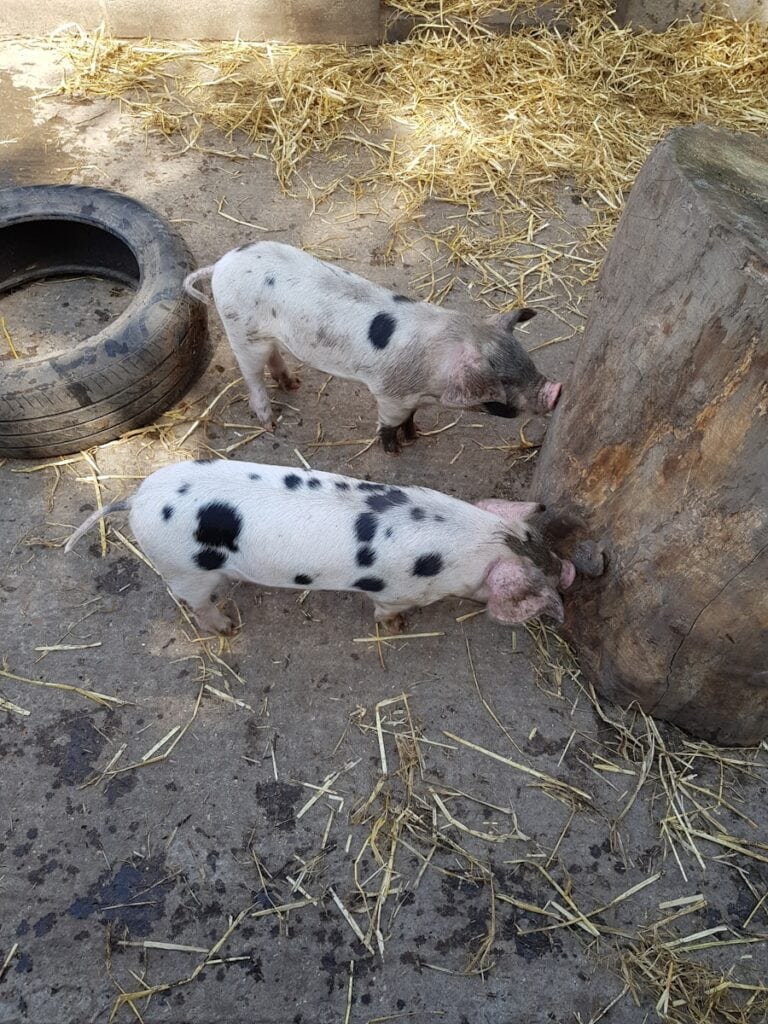
The growing trend of mini pigs as pets has been propelled by social media, where they often steal the spotlight with their cute, quirky antics. Influencers and celebrities have played a crucial role in popularizing these little pigs, showcasing their playfulness and intelligence. Their unique charm, coupled with the increasing desire for exotic pets, has fueled their popularity among a wide demographic, including urban dwellers and families with children.
Understanding Their Behavior and Intelligence
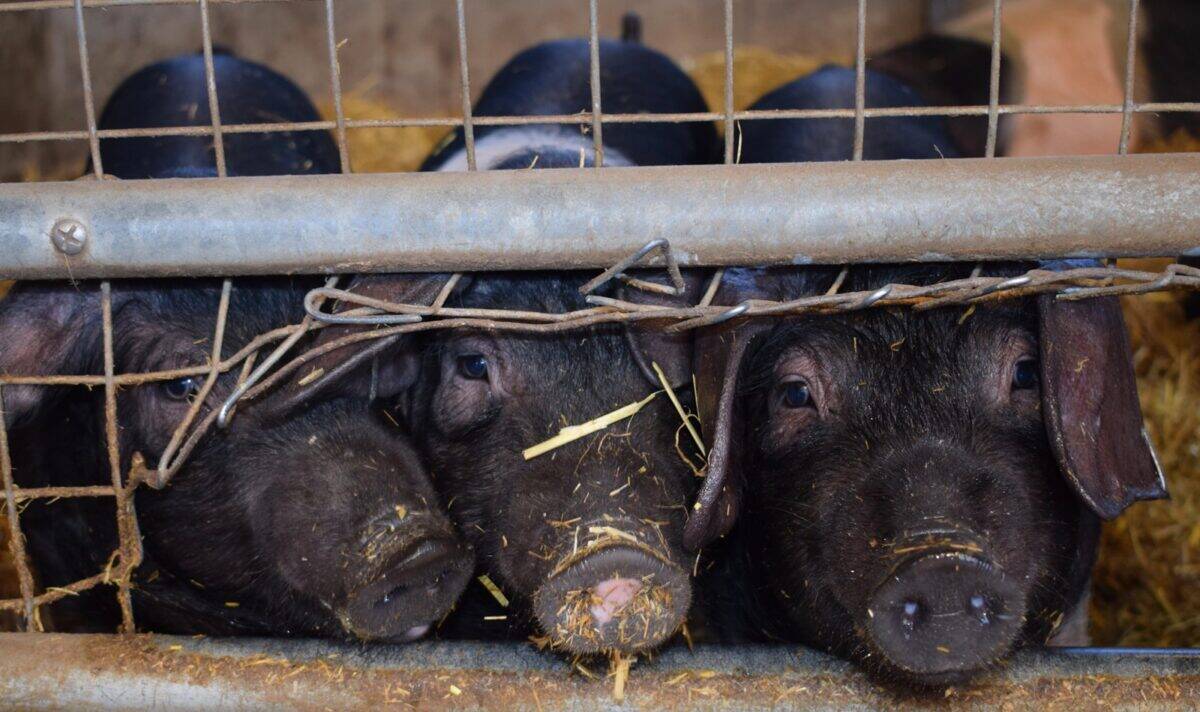
Mini pigs are known for their intelligence, often being compared to that of a three-year-old child. They can be trained to perform tricks, recognize words, and even solve puzzles. Their cognitive abilities make them fascinating pets that require mental stimulation and engagement. However, their intelligent nature can also translate into mischievous behavior if they become bored or feel neglected.
The Social Nature of Mini Pigs

Social creatures at heart, mini pigs thrive on interaction with both humans and other animals. They enjoy being part of a family dynamic and can form strong bonds with their human companions. This makes them excellent pets for those willing to invest time in socializing and nurturing these connections. However, potential owners should be aware that mini pigs can develop separation anxiety if left alone for extended periods.
Health and Nutritional Needs
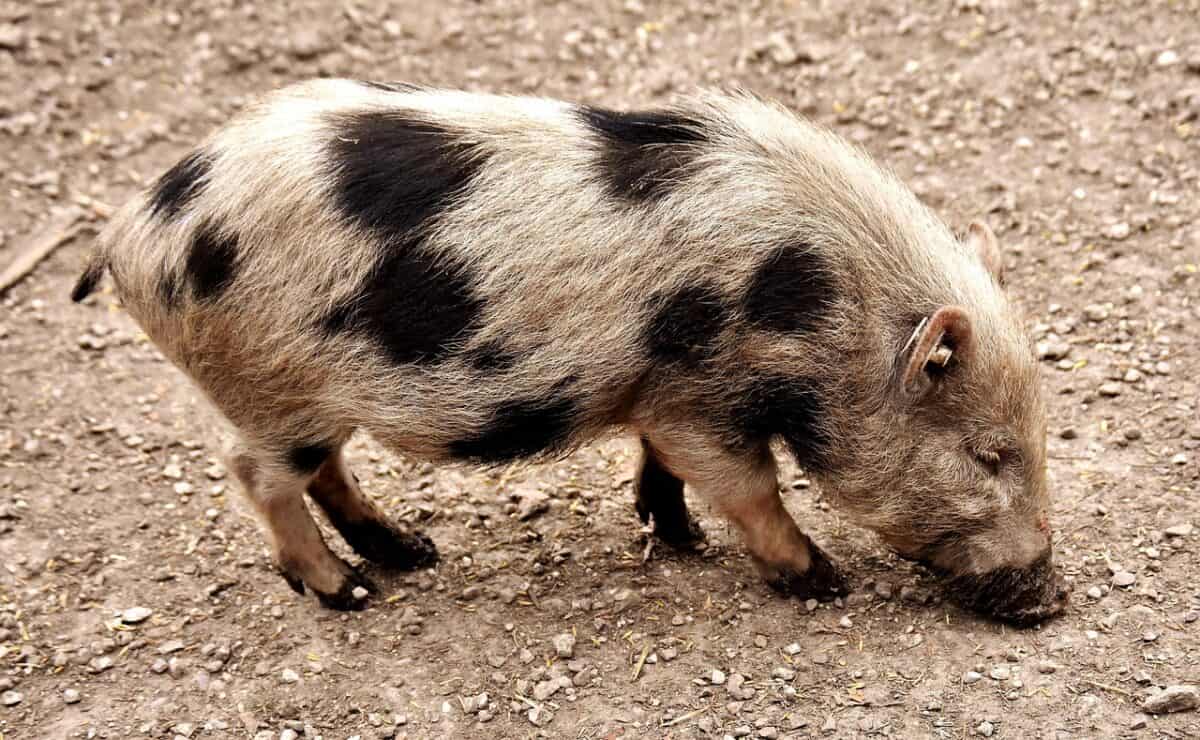
While mini pigs are generally robust and healthy, they do have specific dietary requirements that need careful attention. Their diet should primarily consist of specially formulated pig pellets, supplemented with fresh fruits and vegetables. It’s important to monitor their weight, as they are prone to obesity if overfed or fed inappropriate foods. Regular veterinary checkups are essential to ensure they remain healthy and receive necessary vaccinations.
Exercise and Enrichment for Mini Pigs

Staying active is crucial for mini pigs to maintain their physical and mental health. They require regular exercise, which can include walks, exploratory play, or obstacle courses. Enrichment activities such as rooting in designated areas or using puzzle feeders can help satisfy their natural foraging instincts and keep them engaged.
Housing and Living Space Requirements
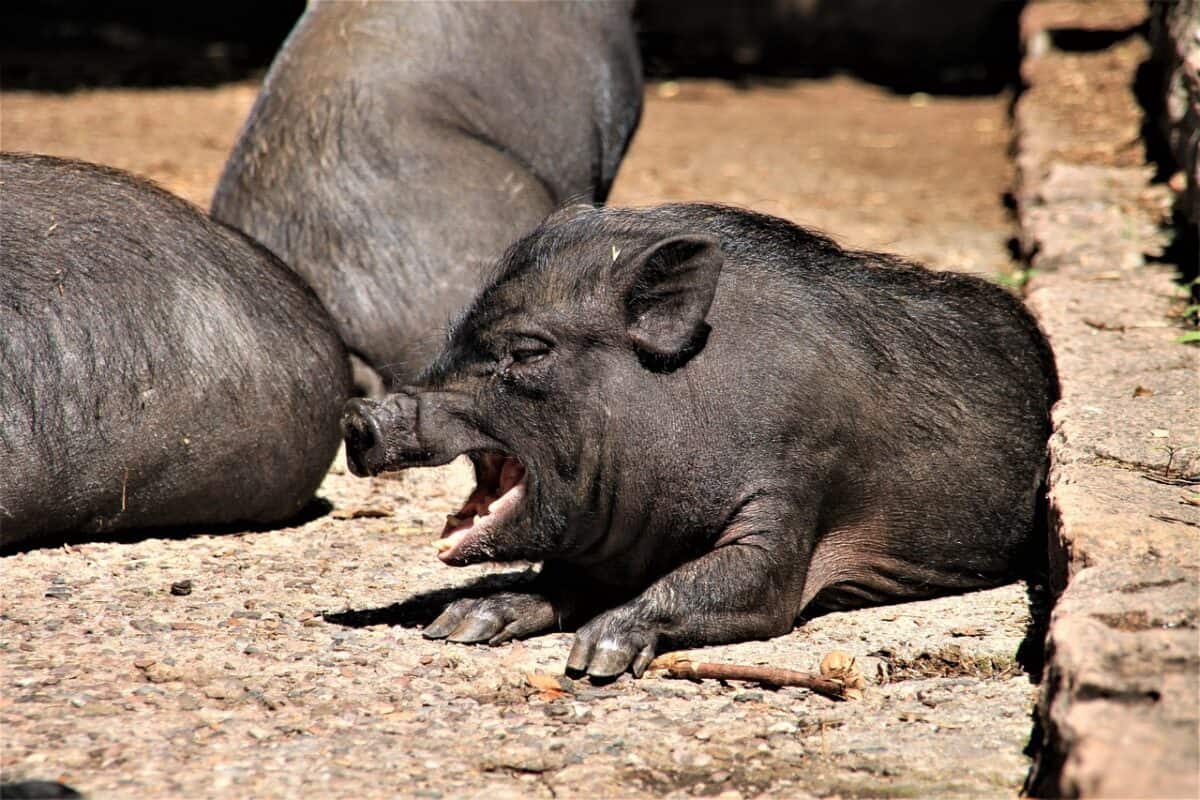
Providing a comfortable living space for a mini pig is essential. While they enjoy indoor companionship, they also need ample space to roam and explore. A secure yard is ideal for allowing them to engage in natural behaviors. Indoors, they should have a cozy area with bedding, toys, and water. Mini pigs can adapt well to indoor living if their space is safe, enriched, and set up to meet their specific needs.
Training Your Mini Pig
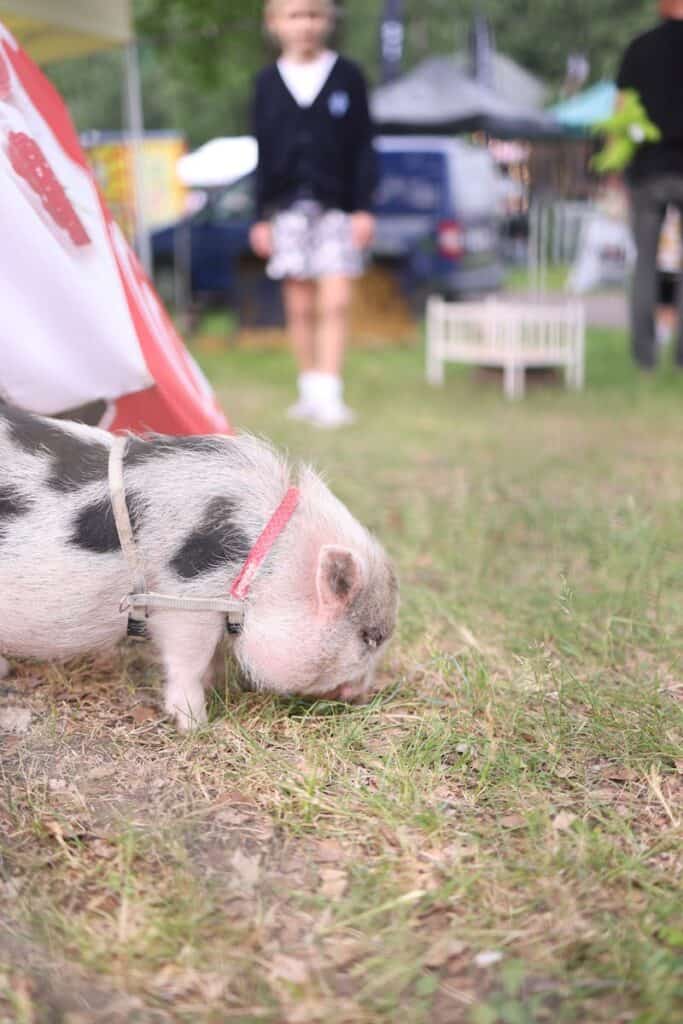
Training a mini pig can be a rewarding experience due to their intelligent and curious nature. They respond well to positive reinforcement techniques using treats and praise. Basic commands such as “sit” or “stay” can be taught relatively easily, while more complex tricks require patience and consistency. Proper training enhances their behavior and strengthens the bond between the pig and its owner.
Legal Considerations for Mini Pig Ownership

Before adopting a mini pig, it’s important to research local laws and regulations regarding pig ownership. Some areas have restrictions due to zoning laws or classify pigs as livestock rather than pets. Prospective owners should ensure compliance with all pertinent regulations to avoid any legal complications.
The Commitment of Mini Pig Ownership
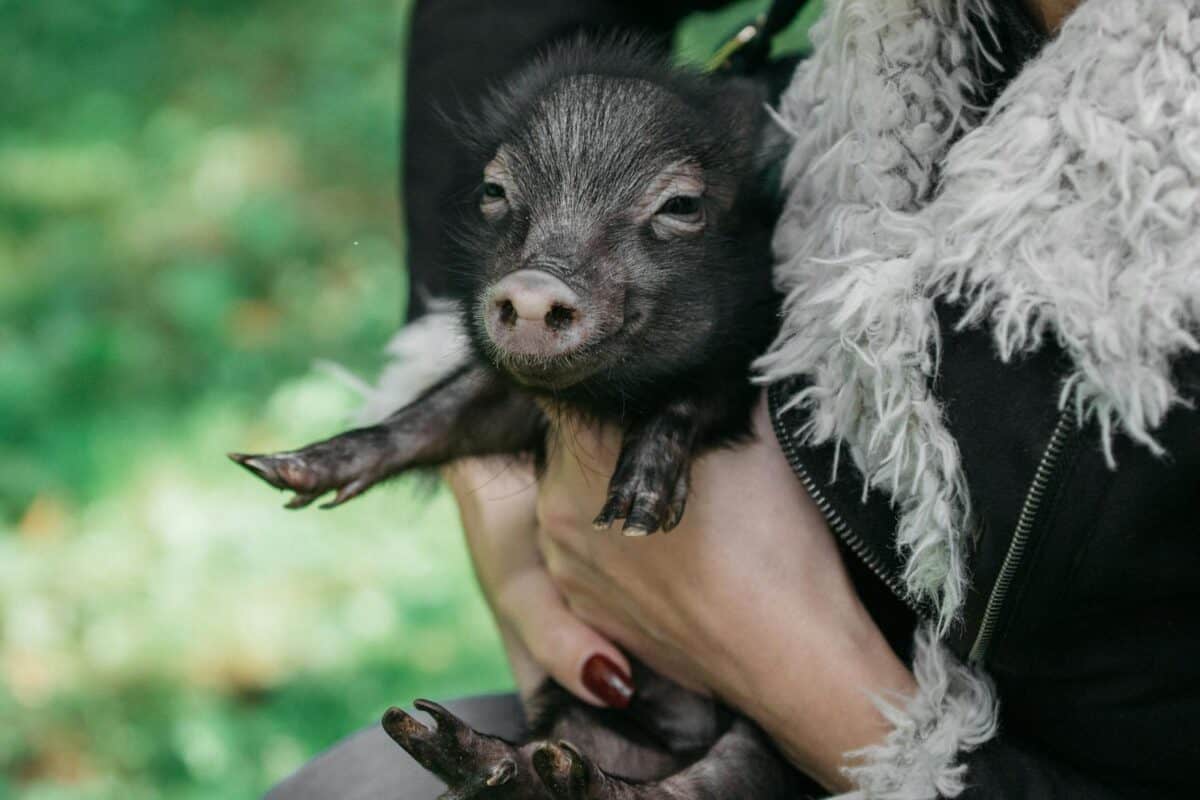
Owning a mini pig is a long-term commitment, as they can live for 12 to 20 years with proper care. Prospective owners must be prepared for the time, effort, and resources required to care for these unique animals. Understanding their needs and being equipped to meet them ensures a rewarding and fulfilling relationship between pig and owner.
The Emotional Connection with Mini Pigs
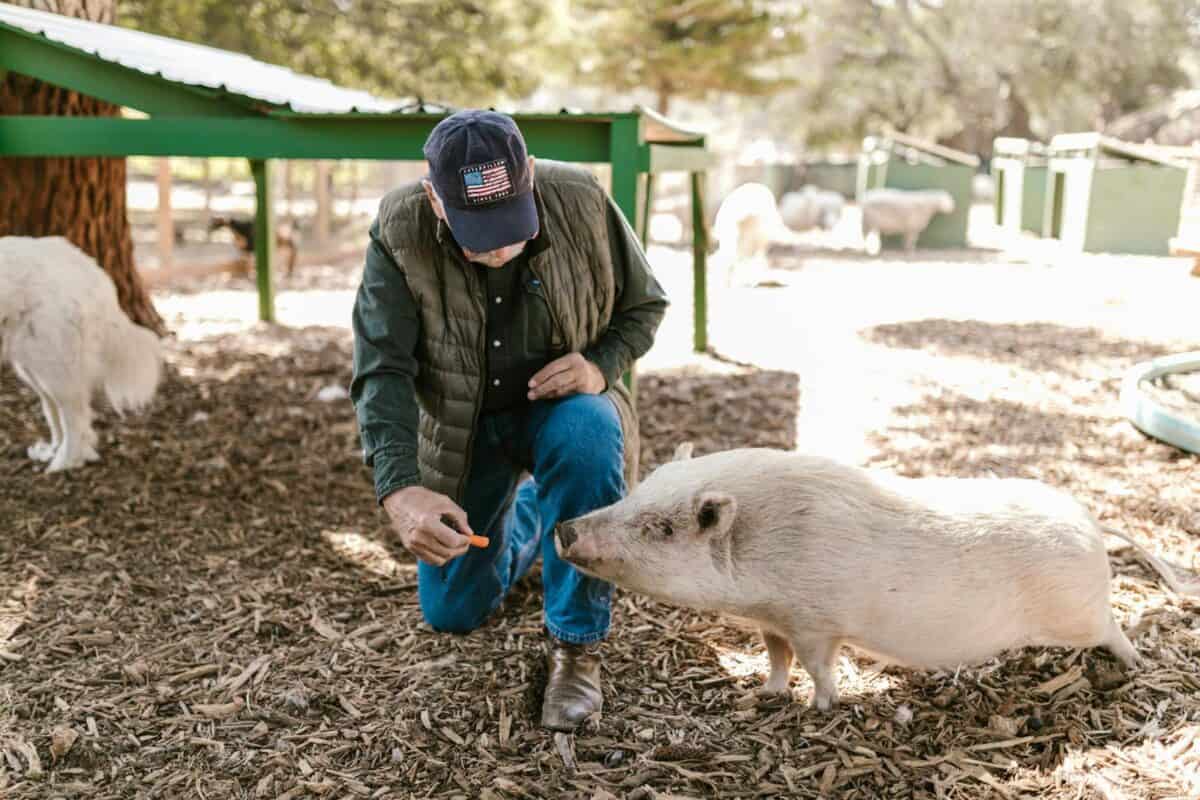
Many mini pig owners report deep emotional connections with their pets, highlighting their affectionate and endearing personalities. These connections often lead to a fulfilling companionship, with mini pigs offering companionship and entertainment through their playful antics and unique personalities.
Mini Pigs as Therapy Animals
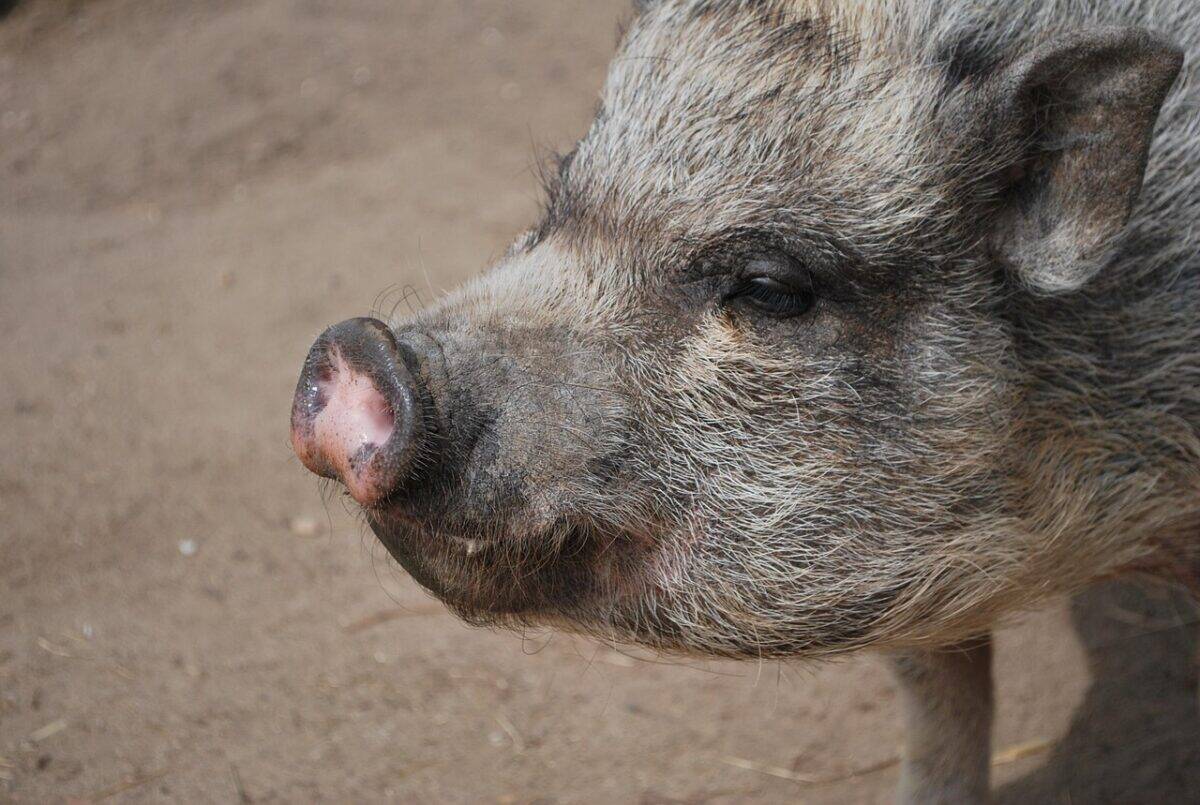
The therapeutic potential of mini pigs is also gaining recognition. Their calming presence and social nature make them suitable for therapy work in settings such as hospitals and nursing homes. These animals offer emotional support and comfort, contributing to the well-being of individuals through their calming presence and engaging interactions.
Mini pigs are an increasingly popular choice for those looking to break away from traditional pet options. Their intelligence, sociability, and unique charm make them appealing to a wide range of pet owners. However, aspiring mini pig parents must educate themselves about the responsibilities and commitments involved in their care. With proper understanding and preparation, mini pigs can become cherished family members, bringing joy, laughter, and love to households across America.

- Why Japanese Macaques Love Hot Springs - July 17, 2026
- Could Dogs Be Used to Detect Illness in Humans? - July 17, 2026
- Why Sloths Give Gentle Smiles - July 17, 2026