


The dark depths of our oceans are home to some of the most alien-like and fascinating creatures on Earth. Among these, life at ocean vents is perhaps the most astonishing. These vents, also known as hydrothermal vents, support ecosystems entirely independent of sunlight, relying instead on chemical energy. In this article, we explore twelve remarkable creatures that call these extreme environments their home, offering a peek into a world where survival depends on unique adaptations and intricate ecosystems.
12. Giant Tube Worms

Giant tube worms (Riftia pachyptila) are one of the most iconic inhabitants of hydrothermal vent ecosystems. These remarkable annelids can grow up to eight feet in length. Instead of a digestive system, they have a symbiotic relationship with bacteria that convert hydrogen sulfide from the vents into organic molecules they can use for nourishment. With vibrant red plumes for respiration, giant tube worms are a striking sight in the deep sea’s monochrome environment.
11. Pompeii Worms

Pompeii worms (Alvinella pompejana) are extremophiles living in one of the ocean’s most hostile environments. With their rear ends in superheated vent fluids and heads in cooler water, they can withstand temperatures up to 176 degrees Fahrenheit. These worms host heat-resistant bacteria on their backs, forming a protective layer that helps insulate them from the boiling water. Their adaptability to extreme temperature gradients distinguishes them as one of the ocean’s most resilient creatures.
10. Vent Fish

Several species of vent fish, such as the snailfish and eelpouts, have made the hydrothermal vent ecosystems their home. These fish have adapted to the high-pressure, pitch-dark environment of the deep sea. Their bodies are often equipped with special enzymes that allow them to live in an area devoid of light and full of toxic chemicals. These adaptations enable them to hunt and exist within this alien landscape effectively.
9. Deep-Sea Vent Snails

Deep-sea vent snails, like the scaly-foot gastropod, have developed unique adaptations to thrive in harsh vent conditions. The scaly-foot snail, for instance, possesses a shell coated with iron sulfide, providing protection against predators. These snails sustain themselves through a symbiotic relationship with bacteria residing in their gills, using the chemical compounds from the vent water to generate energy.
8. Rimicaris Shrimp

Rimicaris shrimp are small crustaceans that swarm around hydrothermal vents in large colonies. These shrimp have specialized adaptations such as photoreceptors on their backs, possibly used to detect light from the vents. Feeding primarily on the chemotrophic bacteria growing on the vent surfaces, Rimicaris shrimp are essential members of the hydrothermal vent community, contributing to the nutrient cycles within this ecosystem.
7. Vent Mussels

Vent mussels, notably Bathymodiolus, have developed the unique ability to host chemosynthetic bacteria within their gills. These bacteria produce food by oxidizing hydrogen sulfide, allowing the mussels to thrive without reliance on photosynthetic energy. These bivalves contribute significantly to the biomass at these depths and provide habitat complexity, supporting other marine life.
6. Vent Crabs

Vent crabs, such as the Bythograea thermydron, are adapted to survive in the competitive and dynamic environment around hydrothermal vents. These crabs play crucial roles as scavengers and opportunistic predators, feeding on dead organisms and other small creatures. Their ability to navigate and flourish in the extreme conditions of hydrothermal vents showcases the astonishing adaptability of life in these environments.
5. Dandelion-Like Cnidarians

Dandelion-like cnidarians are floating organisms that resemble delicate flower seeds adrift in the ocean currents. Despite their fragile appearance, they have adapted to life near hydrothermal vents, drifting through the water and capturing nutrients in the plume of vent effluents. Their presence illustrates the diverse strategies used by organisms to exploit the rich but challenging resources of the deep sea.
4. Vent Octopus
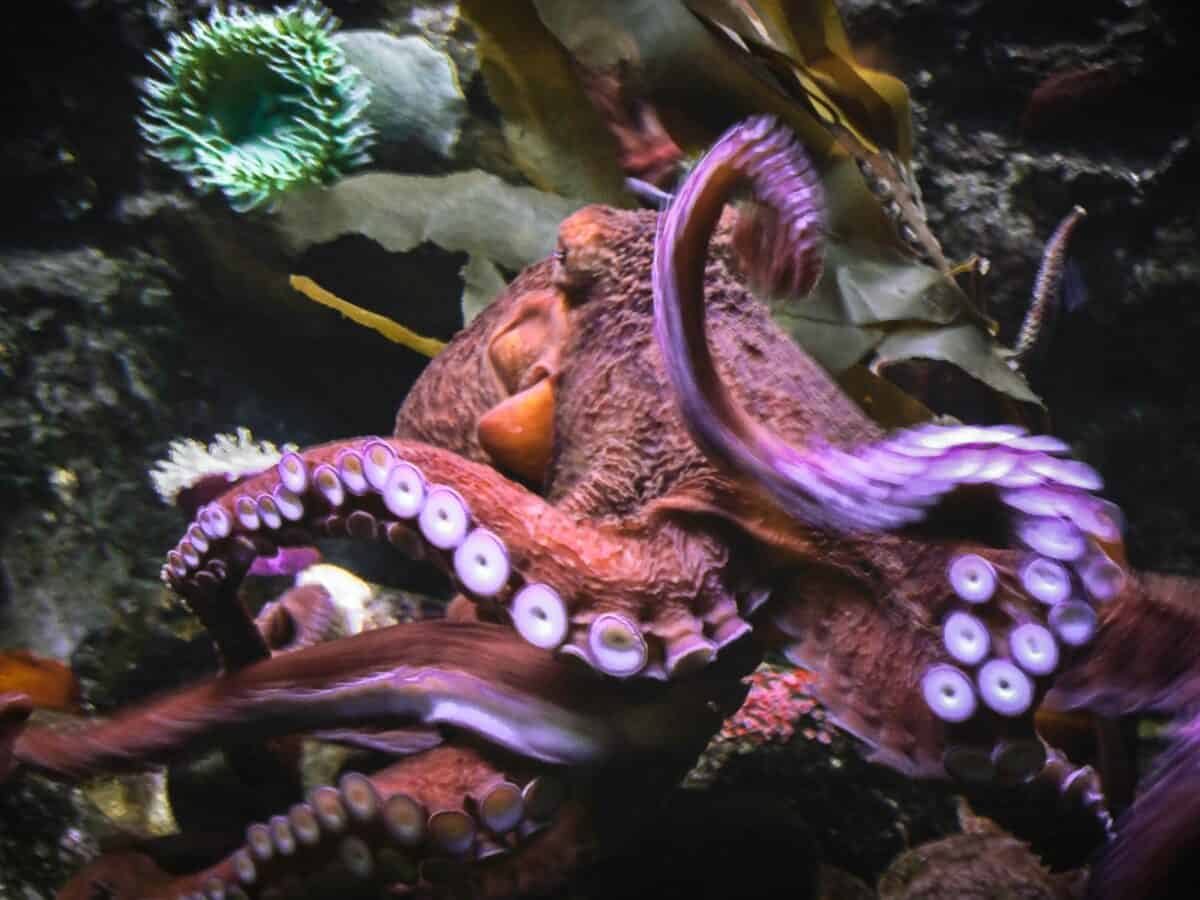
The vent octopus, such as Vulcanoctopus hydrothermalis, is a fascinating inhabitant of hydrothermal systems. These octopuses make use of the rocky terrain around vents for shelter and hunting grounds. They have adapted to the absence of light with heightened tactile sensitivity, allowing them to adeptly capture prey in this nutrient-rich but challenging environment.
3. Zoarcid Fish
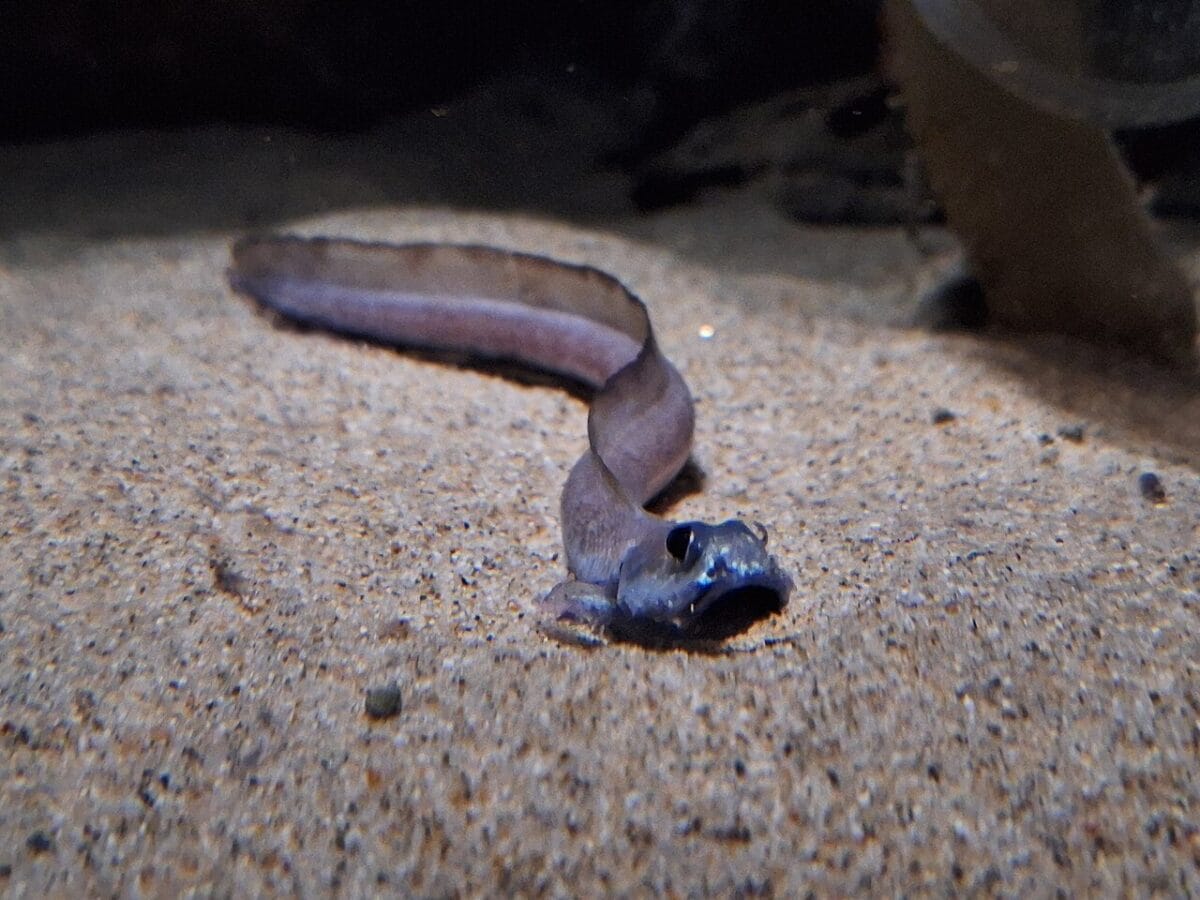
Zoarcid fish, particularly the vent-adapted species Pachycara, are known for their unique biochemical adaptations to the frigid temperatures of oceanic depths. These fish have evolved antifreeze proteins in their blood that help prevent ice formation, survival imbued by living around hydrothermal systems. Their existence speaks to the incredible resilience of life at the boundaries of conditions tolerable for life.
2. Vent Amphipods

Amphipods are small crustaceans that contribute significantly to the biomass of hydrothermal vent ecosystems. Vent amphipods thrive through a combination of scavenging and feeding on bacteria, consuming detritus from the vents. Their role in the food web underscores the critical exchanges of energy and nutrients that sustain life in these ocean frontiers.
1. Hydrothermal Vent Barnacles

Hydrothermal vent barnacles are unique adaptations of an organism typically found in coastal areas. These barnacles exploit the flowing currents of hot water to feed on bacteria and other organic materials. Their presence in such a challenging environment highlights the remarkable diversity of life forms that have extended their reach to take advantage of the resources available at such depths.
Conclusion:

In conclusion, the realm of hydrothermal vents is an extraordinary showcase of evolution’s ingenuity. Each creature, from the monumental giant tube worms to the diminutive vent amphipods, represents a triumph of life over adversity. These ecosystems challenge the very notions of survival and adaptation, offering profound insights into life’s potential beyond Earth’s familiar domains. As we continue to explore these alien landscapes, there is much to learn about resilience, the boundaries of life, and the interconnectedness of all living things in these unseen depths.

As a little kid, I fell in love with nature, wildlife, and animals. Living in the USA, South Africa, Italy, China and Germany gave me the opportunity to discover the world's Wildlife. My favorite animals are Mountain Gorillas, Siberian Tigers, and Great White Sharks.
I'm a certified PADI Open Water Diver, went to Everest Base Camp and Trekked Gorillas in Uganda. I hold a Master of Science in Economics and Finance.
Please send any feedback to feedback@animalsaroundtheglobe.com
- 14 Dog Breeds That Live the Longest - July 26, 2026
- 15 Dogs That Stay Puppies Forever in Personality - July 26, 2026
- The Most Popular Mini Mammals in the Exotic Pet Trade - July 25, 2026