


In the wild, predators are defined by their hunting behaviors—the stealthy stalk of a tiger, the coordinated pack tactics of wolves, or the patient ambush of a crocodile. These behaviors are deeply ingrained through millions of years of evolution, making hunting an essential part of a predator’s identity. But what happens when these instinctual behaviors stop? When a predator refuses to hunt, it creates a cascade of consequences that affect not only the individual animal but potentially entire ecosystems. This phenomenon occurs in both wild and captive settings, with causes ranging from illness to psychological factors. Let’s explore the fascinating and sometimes concerning world of predators that no longer follow their hunting instincts.
The Natural Hunting Imperative
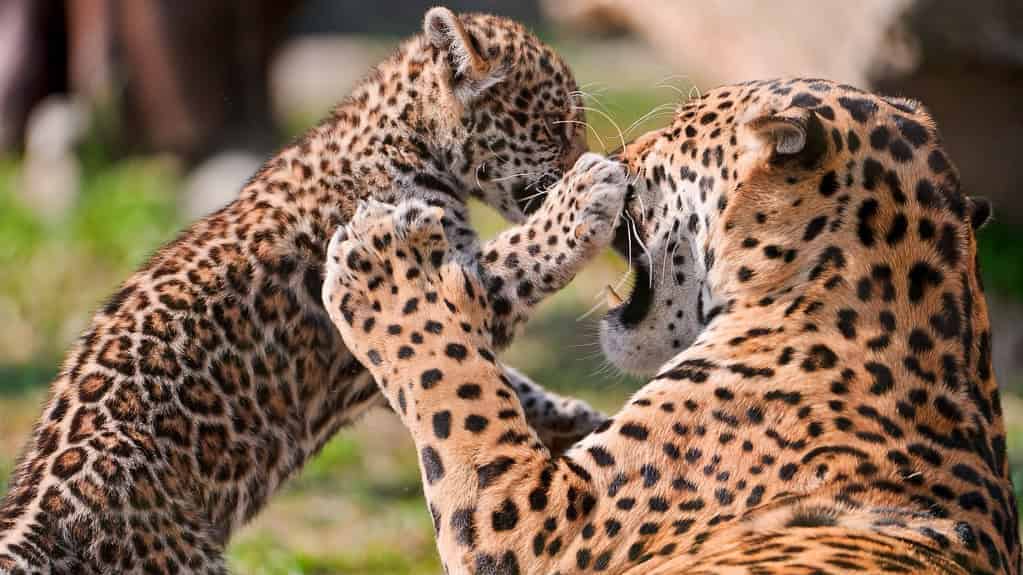
Predators evolved specific physical and behavioral adaptations designed expressly for hunting. From the razor-sharp claws of big cats to the echo-location abilities of bats, these specializations represent millions of years of evolutionary refinement. Hunting behavior isn’t just a learned skill—it’s hardwired into predators’ neural circuitry, with specific brain regions dedicated to stalking, pouncing, and killing prey. For most predatory species, this hunting imperative is as fundamental as breathing. Young predators often display play behaviors that mimic hunting movements, practicing skills they’ll need for survival long before they need to catch their first meal. This deep biological programming makes any deviation from hunting behavior particularly significant and usually signals that something unusual is occurring with the animal.
Physical Illness as a Cause
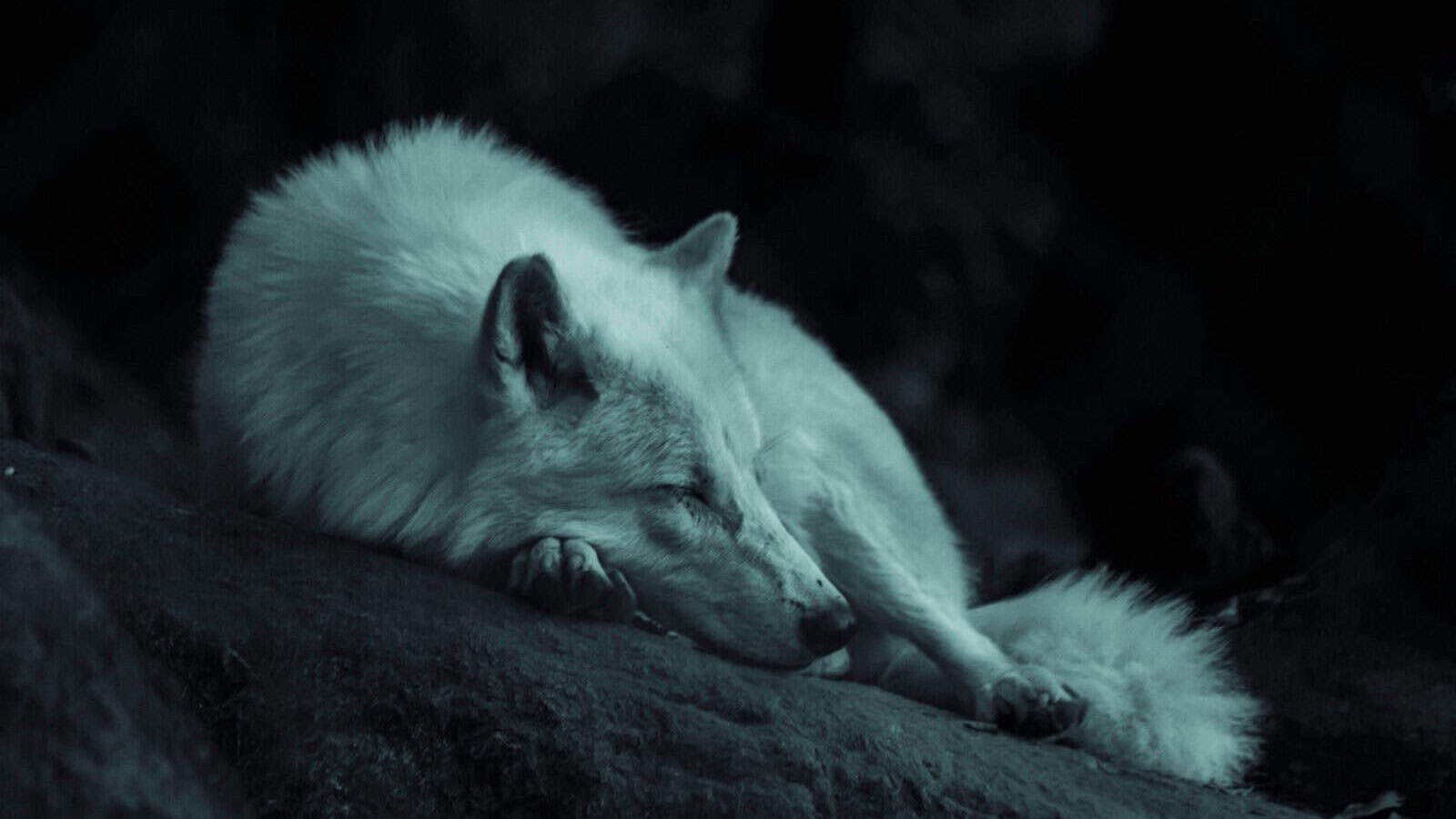
One of the most common reasons predators stop hunting is physical illness or injury. In the wild, hunting requires peak physical condition—a slight limp can make the difference between a successful hunt and starvation. Dental problems are particularly devastating for predators; a wolf with broken canines or a big cat with dental infection may be physically unable to deliver the killing bite. Internal illnesses like infections, parasitic infestations, or organ dysfunction can sap energy reserves needed for the high-intensity bursts required during hunting. Scientists studying predator populations can often identify sick individuals by observing their hunting behavior before physical symptoms become obvious. For example, research on African lions has shown that individuals may stop participating in group hunts up to two weeks before showing visible signs of illness, suggesting that hunting behavior can be a sensitive indicator of health status.
Psychological Factors Behind Hunting Refusal
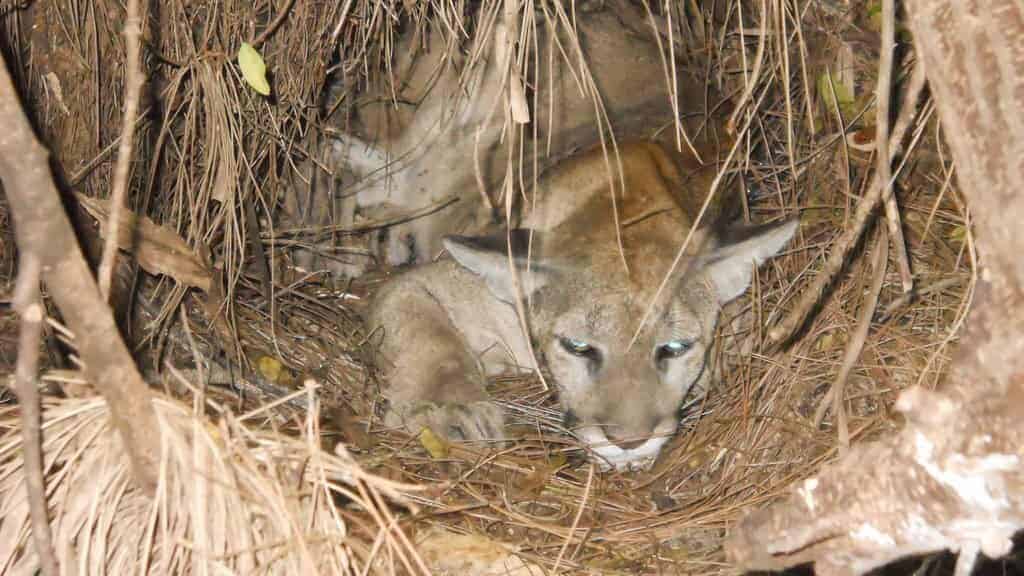
Beyond physical ailments, psychological factors can cause predators to stop hunting. Trauma from previous hunting attempts—like being injured by prey—can create powerful negative associations. In captive settings, predators raised by humans often lack the opportunity to develop proper hunting skills during critical developmental periods, resulting in adults that never learned to associate prey with food. Stress and anxiety disorders, particularly common in captive predators, can disrupt normal behavioral patterns including hunting. Some captive predators develop learned helplessness after long periods of having food provided, essentially “forgetting” their hunting instincts. In wild settings, researchers have documented cases where predators that experienced traumatic events—like being caught in traps or having negative interactions with humans—subsequently altered their hunting behaviors, sometimes avoiding certain prey types or hunting grounds entirely.
Social Disruption in Pack Hunters
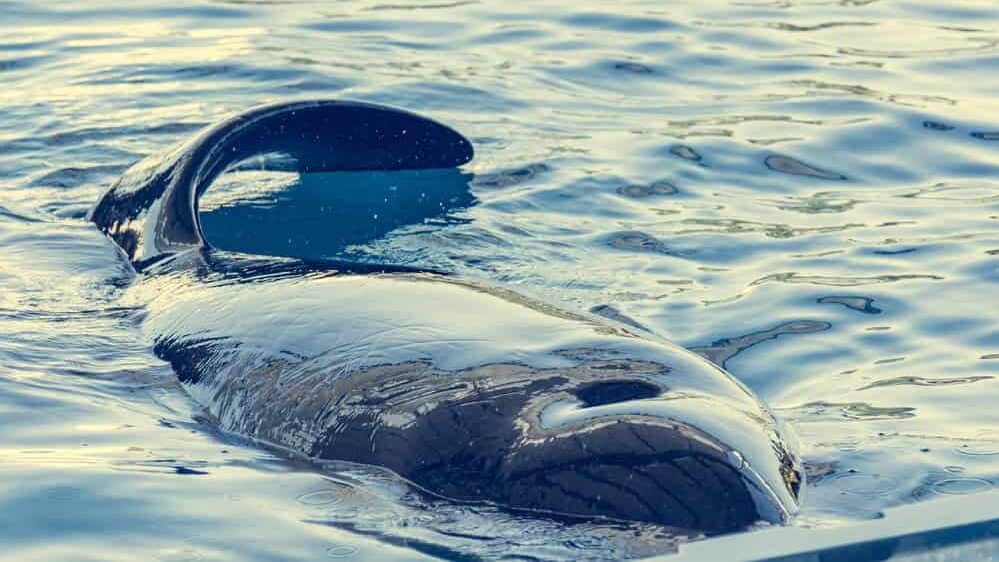
For social predators like wolves, lions, and killer whales, hunting is often a coordinated group activity that depends on established social hierarchies and communication. When social structures are disrupted—through the death of key individuals, territorial conflicts, or human interference—hunting behavior can break down across the entire group. Young predators in these societies learn hunting through observation and participation with experienced adults. If the social knowledge transfer is interrupted, entire generations may develop with impaired hunting abilities. Studies of wolf packs have shown that the loss of experienced hunters, particularly older females who often direct hunting strategy, can reduce hunting success by up to 25% for several months until new social dynamics emerge. In some cases, social disruption can be so severe that groups abandon their traditional prey entirely, sometimes leading to conflicts with humans as they seek easier food sources.
Environmental Changes and Prey Availability
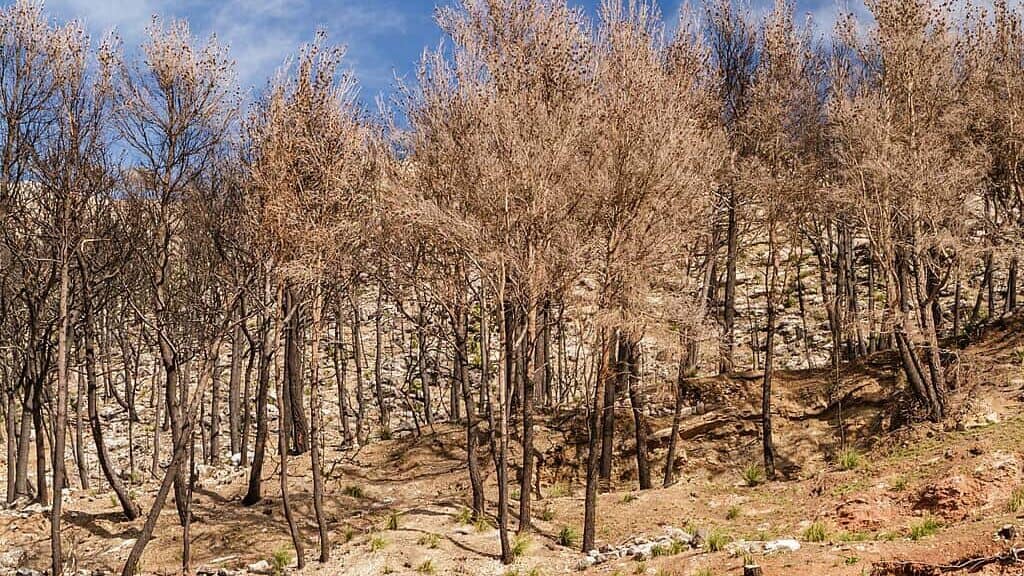
Environmental shifts can force predators to abandon hunting. When traditional prey populations collapse due to disease, human hunting, or habitat changes, predators face a critical choice: adapt hunting techniques for new prey or stop hunting altogether. Climate change is creating unprecedented challenges, with some predators finding their hunting strategies less effective as weather patterns shift. For example, polar bears are increasingly struggling to hunt seals as sea ice diminishes, forcing some to scavenge or fast for longer periods. Habitat fragmentation can separate predators from prey populations or create barriers that make hunting energetically inefficient. In some cases, predators respond by shifting to scavenging behavior—technically refusing to hunt while still obtaining animal protein. Research in Yellowstone National Park demonstrated that wolves altered their hunting patterns significantly following elk population declines, with some packs increasing scavenging behavior by over 30% during winter months.
The Captivity Factor
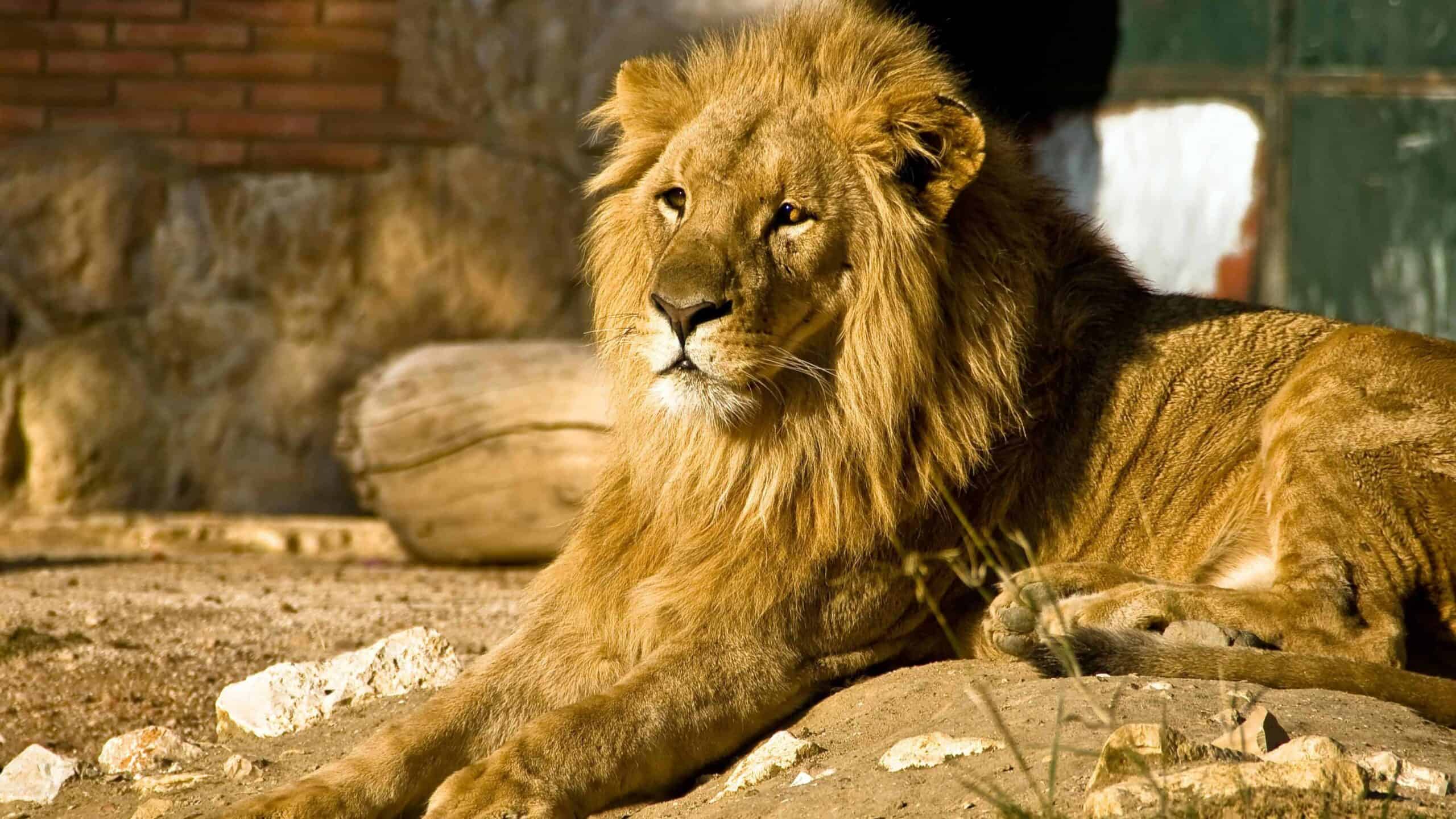
Captive environments present unique challenges to predators’ hunting behaviors. Zoo animals receive regular meals without exerting hunting effort, potentially leading to atrophy of hunting instincts. Many zoos and wildlife centers have implemented environmental enrichment programs specifically designed to stimulate natural hunting behaviors, like hiding food or using mechanical prey simulators. Interestingly, when captive-raised predators are released into the wild as part of reintroduction programs, their success often hinges on whether they can activate dormant hunting instincts. Success rates vary dramatically by species—some predators seem to easily “remember” hunting behaviors despite never having practiced them, while others struggle to make the transition. The most successful reintroduction programs incorporate pre-release hunting training, gradually teaching captive-raised predators to associate hunting behavior with food rewards before full release.
The Domestication Effect

Domestication represents the most dramatic example of predators refusing to hunt. Our domestic cats and dogs descended from dedicated hunters (wildcats and wolves), yet many modern pets show little interest in hunting despite retaining physical capabilities. This transformation occurred through generations of selective breeding that favored individuals with reduced predatory aggression. The process hasn’t eliminated hunting behaviors entirely but modified them—many dogs will chase but not kill, while house cats often hunt but may not eat their prey. The domestication process offers fascinating insights into how quickly hunting behaviors can be altered when selection pressures change. Recent research using brain imaging has revealed that domesticated predators show reduced activity in brain regions associated with predatory aggression compared to their wild counterparts, suggesting that hunting behavior can be modified at the neurological level within relatively few generations.
Nutritional Consequences of Not Hunting
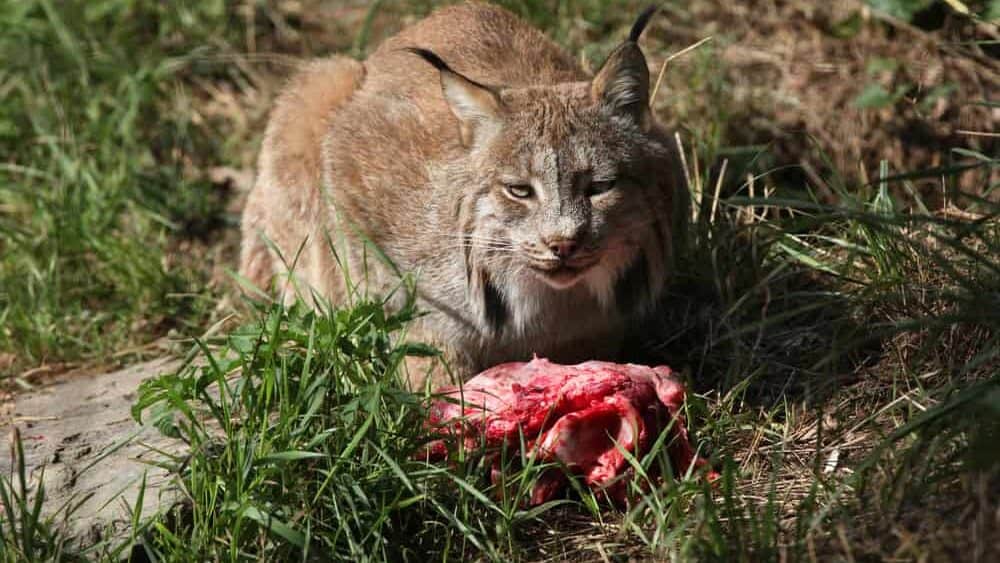
When predators stop hunting, their nutritional status often suffers dramatically. Wild predators typically consume whole prey, obtaining not just muscle meat but vital nutrients from organs, bones, and other tissues. Scavenged food generally provides lower nutritional value than fresh kills, as the most nutritious parts are often consumed by the original predator or decompose rapidly. In captivity, even well-designed diets may lack certain micronutrients found in whole prey. The physical act of hunting and processing prey also provides important digestive benefits—many predators’ digestive systems are optimized for feast-or-famine cycles rather than regular meals. Studies of captive big cats have documented higher rates of certain nutritional deficiencies and digestive issues compared to their wild counterparts, even when provided high-quality commercial diets. Some wildlife rehabilitation centers now emphasize “carcass feeding”—providing whole prey rather than processed meat—to maintain better nutritional health in predators that cannot hunt.
Impact on Physical Condition

Hunting requires and maintains peak physical condition, so predators that stop hunting often experience physical deterioration beyond mere nutritional impacts. Muscle mass typically decreases, particularly in the specialized muscle groups used for stalking, pouncing, and grappling with prey. Cardiovascular fitness declines when predators no longer engage in the intense bursts of activity hunting requires. Even jaw and dental health can suffer without the regular “exercise” of capturing and consuming prey. In captive settings, these physical changes contribute to health problems ranging from obesity to reduced reproductive success. Zookeepers and wildlife managers increasingly recognize these connections, implementing exercise programs and feeding strategies that require predators to use hunting-related skills. For example, some facilities use pulley systems that require large cats to pull and struggle with food items, simulating the physical exertion of subduing prey while providing necessary exercise for hunting-specific muscle groups.
Behavioral Changes and Stereotypies

Predators denied outlets for hunting behavior often develop abnormal behavioral patterns. In captivity, these can manifest as stereotypical behaviors—repetitive movements with no apparent purpose, like pacing or head-bobbing. These behaviors may represent redirected hunting energy or stress responses to the inability to perform natural behaviors. Wild predators that stop hunting may display increased aggression toward conspecifics or unusual territory-marking behaviors as hunting energy is channeled elsewhere. The psychological importance of hunting for predators cannot be overstated—it provides not just nutrition but mental stimulation and a sense of agency. Studies measuring stress hormones in captive predators have found significantly lower levels in individuals provided with opportunities to engage in hunting-like behaviors compared to those fed more passively. This research underscores the deep connection between hunting behavior and psychological well-being in predatory species.
Ecological Ripple Effects

When predators stop hunting in wild settings, the ecological consequences can be far-reaching. Prey populations normally kept in check may experience rapid growth, potentially leading to overgrazing or other ecological imbalances. The concept of “landscape of fear”—where prey animals modify their behavior based on predation risk—can disappear when predators stop hunting, changing habitat use patterns across ecosystems. Other predator species may expand into the vacated niche, sometimes with unexpected consequences. The classic example comes from Yellowstone National Park, where wolf reintroduction in the 1990s reversed ecological changes that occurred when this apex predator was removed. When wolves returned and resumed hunting elk, vegetation patterns changed as elk modified their browsing behavior, ultimately affecting everything from beaver populations to river morphology. This case demonstrates how predator hunting behavior shapes ecosystems in complex ways that extend far beyond simple predator-prey population dynamics.
Human Intervention and Management

When predators stop hunting, human management responses vary widely depending on context. In zoos and wildlife centers, specialized feeding enrichment programs aim to stimulate hunting behaviors through puzzle feeders, artificial prey, and food distribution systems requiring predators to search and “hunt” for meals. For endangered species in rehabilitation destined for release, pre-release hunting training has become standard practice. This might involve progressive exposure to live prey under controlled conditions or mechanical prey simulators that teach hunting skills without requiring actual kills. In wild settings, management becomes more complex—predators that stop hunting often turn to easier food sources, including livestock or human refuse, potentially creating conflict situations. Wildlife managers increasingly employ deterrent strategies and habitat modification rather than removing problem animals, recognizing that predators that stop hunting often do so because of human-caused changes to their environment. Success stories include programs that provide alternative food sources during critical periods while simultaneously working to restore natural prey populations and habitat connectivity.
When a predator refuses to hunt, it signals a fundamental disruption to natural processes that have evolved over millions of years. Whether caused by illness, psychological factors, environmental changes, or human interference, the cessation of hunting behavior creates ripple effects that extend from the individual animal to entire ecosystems. Understanding these dynamics is crucial for wildlife conservation, captive animal management, and maintaining ecological balance in a changing world. As humans continue to alter landscapes and climate patterns, predators face unprecedented challenges to their traditional hunting strategies, forcing adaptations that we’re only beginning to understand. By recognizing the complex interplay between predatory behavior and ecosystem health, we can develop more effective approaches to conservation that support natural hunting behaviors while mitigating human-wildlife conflicts—ensuring that the ancient dance between predator and prey continues for generations to come.

- How Wolves Changed Yellowstone’s Ecosystem—For the Better - July 26, 2026
- The Longest-Lived Bird Ever Tagged in North America - July 26, 2026
- Can You Train a Cat Like a Dog? - July 26, 2026