

The sky has a way of mesmerizing us with its vastness and beauty. But now and then, it takes a turn for the eerie, casting strange and unsettling hues that leave us in awe and sometimes in fear. These moments, when the sky transforms into a canvas of bizarre colors, have fascinated humans for centuries. Let’s delve into 13 occasions when the sky turned a creepy color, leaving onlookers spellbound.
Red Skies of the Sahara

One of the most striking phenomena occurs when dust from the Sahara Desert gets carried by strong winds across continents. This dust can travel thousands of miles, settling in places as far as Europe. When this happens, the sky turns an unsettling shade of red, reminiscent of apocalyptic movie scenes. As the sun sets, the red hues become even more pronounced, creating a surreal and eerie atmosphere. It’s a reminder of how interconnected our world is, with nature’s elements capable of crossing borders and creating visual spectacles miles away.
The Green Skies Before a Tornado

Green skies often herald the approach of a tornado, a sight both beautiful and terrifying. This green hue occurs when sunlight interacts with the water droplets in the storm clouds, uniquely scattering light. Those who have witnessed this phenomenon describe it as an ominous sign, a prelude to the raw power of nature. It’s as if the sky is warning us of the impending chaos, urging us to seek shelter. The contrast between the serene green color and the violent tornadoes that follow is stark and unforgettable.
Orange Haze of Wildfires

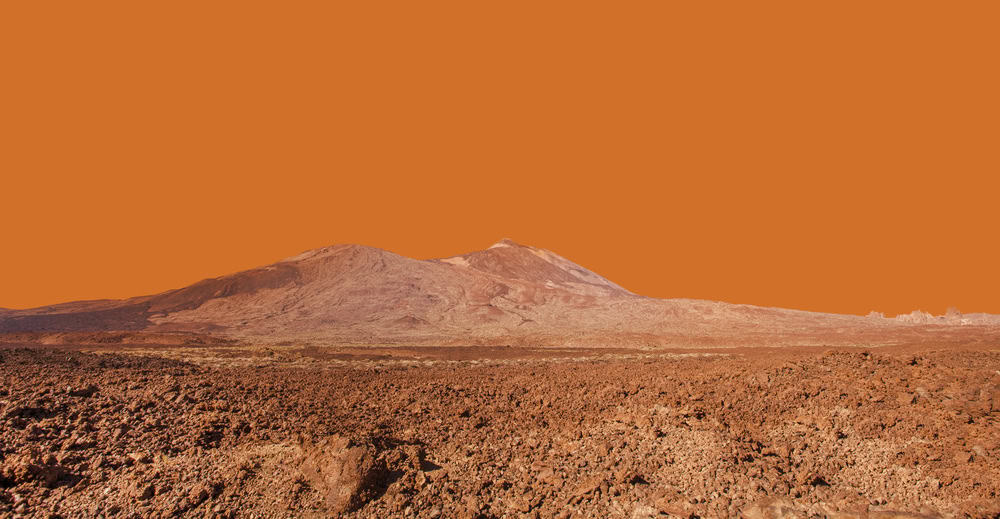
During wildfire season, the sky can turn a haunting shade of orange due to smoke particles from the fires. This thick smoke filters sunlight, casting an eerie glow over the landscape. The orange sky is a stark reminder of the devastation happening below, as fires consume vast areas of land. It creates an unsettling feeling, knowing that the beauty of the sky is a result of destruction. For those living in affected areas, the orange haze is a call to action, a reminder of the urgent need to address climate change and protect our environment.
Yellow Skies of Dust Storms

Dust storms, particularly in arid regions, can turn the sky a sickly yellow. These storms are often intense, with winds picking up particles and carrying them over long distances. The yellow sky signals reduced visibility and potential health hazards, as fine dust can be harmful when inhaled. It’s a phenomenon that disrupts daily life, with people staying indoors to avoid the dust. The yellow sky serves as a reminder of the power of nature and the importance of respecting the environment.
Violet Skies of the Aurora Borealis

The Aurora Borealis, or Northern Lights, is a natural light display typically seen in high-latitude regions. While it often appears in shades of green and pink, it can also turn the sky a mesmerizing violet. This occurs when charged particles from the sun collide with gases in Earth’s atmosphere, creating a stunning display of colors. The violet sky is a breathtaking sight, capturing the imagination of all who witness it. It’s a reminder of the beauty and mystery of our universe, a spectacle that has inspired countless myths and legends.
Dark Blue Skies of a Solar Eclipse

During a solar eclipse, the sky can turn an eerie dark blue as the moon passes between the Earth and the sun. This temporary dimming of the sun’s light creates a surreal atmosphere, as day turns to night and temperatures drop. People gather to witness this rare event, often using special glasses to protect their eyes. The dark blue sky is a powerful reminder of the celestial dance between the Earth, moon, and sun, a spectacle that has fascinated humans for millennia.
Pink Skies of Sunset and Pollution

While a pink sky at sunset can be a beautiful sight, it can also be a sign of air pollution. Particles in the air, such as dust and pollutants, scatter sunlight, creating vibrant pink hues. This phenomenon is particularly common in urban areas, where pollution levels are higher. The pink sky serves as a reminder of the impact of human activity on the environment, urging us to take action to reduce pollution and protect our planet. It’s a sobering thought, knowing that something so beautiful can be a result of something so harmful.
Brown Skies of Dust and Pollution

In heavily industrialized areas, the sky can turn a murky brown due to a combination of dust and pollution. This phenomenon is often accompanied by a strong smell, as pollutants fill the air. The brown sky is a stark reminder of the environmental challenges we face, as industries continue to release harmful emissions. It’s a call to action for governments and individuals alike, urging us to prioritize sustainability and work towards a cleaner, healthier planet.
Purplish Skies of Tropical Storms

Before a tropical storm hits, the sky can turn a deep purplish hue, signaling the impending arrival of heavy rain and strong winds. This color change is caused by the scattering of light by water droplets in the atmosphere. The purplish sky is both beautiful and foreboding, a reminder of the power of nature and the need to prepare for the storm ahead. It’s a phenomenon that captures the imagination, as people watch in awe and anticipation.
Gray Skies of Volcanic Eruptions

When a volcano erupts, it can spew ash high into the atmosphere, turning the sky a dark, ominous gray. This ash can travel great distances, affecting air travel and posing health risks to those in the vicinity. The gray sky serves as a stark reminder of the destructive power of volcanoes, as well as the importance of monitoring and understanding these natural events. The eerie atmosphere created by the gray sky is a powerful testament to the dynamic forces shaping our planet.
Golden Skies of Saharan Dust

Similar to the red skies caused by Saharan dust, the sky can also turn a golden hue when these dust particles are present in the atmosphere. This phenomenon is particularly common during sunrise and sunset, as the sun’s rays interact with the dust. The golden sky is a breathtaking sight, creating a sense of wonder and awe. It’s a reminder of the beauty and complexity of our world, as well as the interconnectedness of natural events across continents.
Blue-Gray Skies of Winter Storms

During winter storms, the sky can turn a blue-gray color, signaling the impending arrival of snow and ice. This phenomenon is caused by the scattering of light by ice crystals in the atmosphere. The blue-gray sky creates a sense of calm and stillness, as the world prepares for the blanket of snow to come. It’s a reminder of the beauty of winter and the importance of respecting the power of nature as we navigate the challenges of the season.
Lavender Skies of the Midnight Sun

In regions near the poles, the phenomenon of the midnight sun can create stunning lavender skies. This occurs when the sun remains visible for 24 hours, casting a soft, pastel glow over the landscape. The lavender sky is a unique and enchanting sight, capturing the imagination of all who experience it. It’s a reminder of the wonders of our planet, as well as the diverse and fascinating natural phenomena that exist across the globe.
Muddy Skies of Dust Devils

Dust devils, small and intense whirlwinds, can turn the sky a muddy color as they pick up dust and debris from the ground. These phenomena are most common in arid regions, where the dry ground provides ample material for the dust devil to lift into the air. The muddy sky serves as a reminder of the power of wind and the dynamic nature of our environment. It’s a fascinating sight, as the dust devil dances across the landscape, leaving a trail of dust in its wake.
Yellowish Skies of Autumn

In autumn, the sky can take on a yellowish hue as the angle of the sun changes, casting a warm glow over the landscape. This phenomenon is particularly pronounced during sunrise and sunset, creating a sense of nostalgia and reflection. The yellowish sky is a reminder of the changing seasons and the passage of time, as nature prepares for the winter months ahead. It’s a beautiful and poignant sight, capturing the essence of autumn and the cycle of life.
Conclusion

These 13 instances of the sky turning a creepy color remind us of the awe-inspiring power of nature. They serve as a reminder of the beauty and complexity of our world, as well as the interconnectedness of natural events across the globe. From the red skies of the Sahara to the violet skies of the Aurora Borealis, each phenomenon is a testament to the dynamic forces shaping our planet. As we marvel at these eerie and captivating skies, let us also be mindful of our responsibility to protect and preserve the natural world for future generations.

As a little kid, I fell in love with nature, wildlife, and animals. Living in the USA, South Africa, Italy, China and Germany gave me the opportunity to discover the world's Wildlife. My favorite animals are Mountain Gorillas, Siberian Tigers, and Great White Sharks.
I'm a certified PADI Open Water Diver, went to Everest Base Camp and Trekked Gorillas in Uganda. I hold a Master of Science in Economics and Finance.
Please send any feedback to feedback@animalsaroundtheglobe.com
- 13 Cat Breeds That Get Along with Dogs - July 20, 2026
- The 12 Largest Dog Breeds That Still Love to Cuddle - July 20, 2026
- 12 Pet Habits That Secretly Mean They Love You - July 20, 2026