


Nestled among the mysteries of Earth’s ancient past are extraordinary fossils that connect us to the chronicles of life long before our time. Among such remarkable discoveries is the oldest American bird fossil, an unparalleled find that casts light on avian history and evolution in North America. This fossil, unearthed from its earthly tomb, reveals a captivating narrative of life forms that once graced our planet with their presence. Join us as we delve into the significance of this ancient relic, its implications for science, and what it tells us about the avian world of the distant past.
Discovery of the Oldest American Bird Fossil
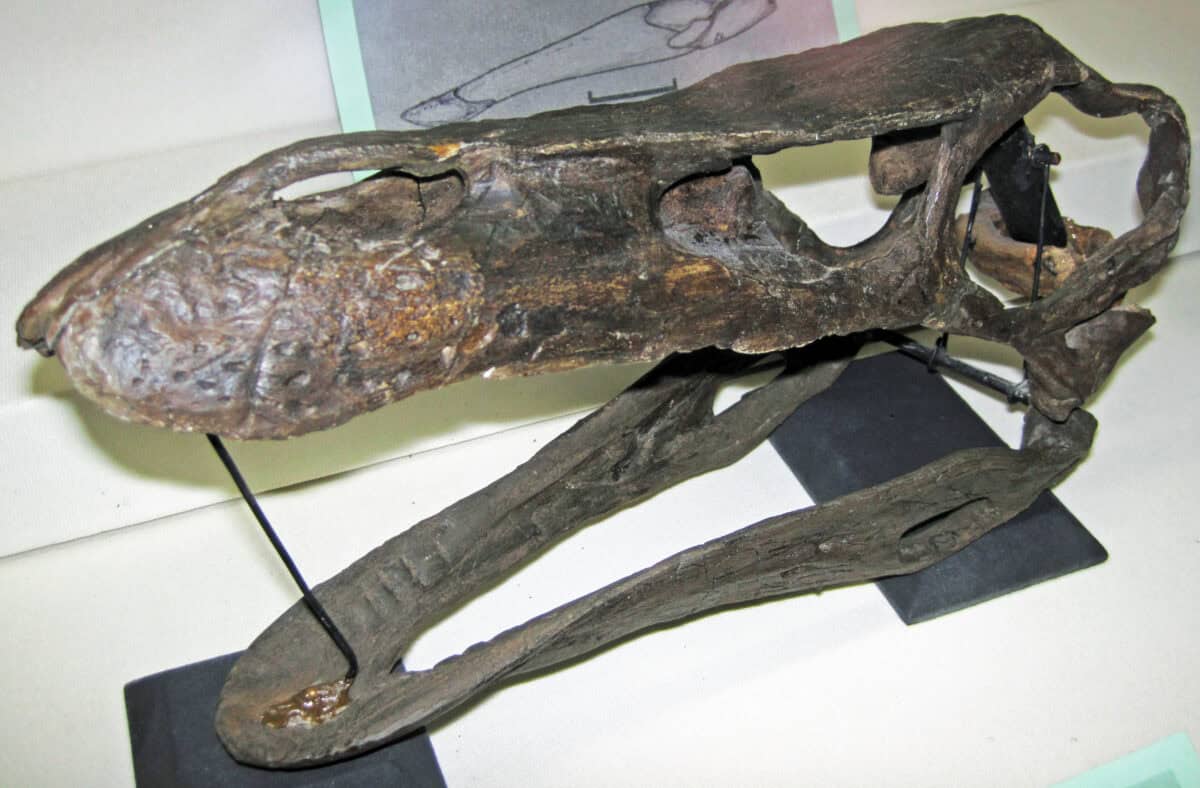
The oldest known bird fossil from America was discovered in rock formations dating back to the Late Cretaceous period, approximately 66 million years ago. The remarkable find was made in the Lance Formation in Wyoming, a site renowned for its well-preserved dinosaur fossils. Armed with delicate tools and careful precision, paleontologists uncovered this invaluable specimen, paving the way for groundbreaking insights into avian evolution.
Identifying the Fossil
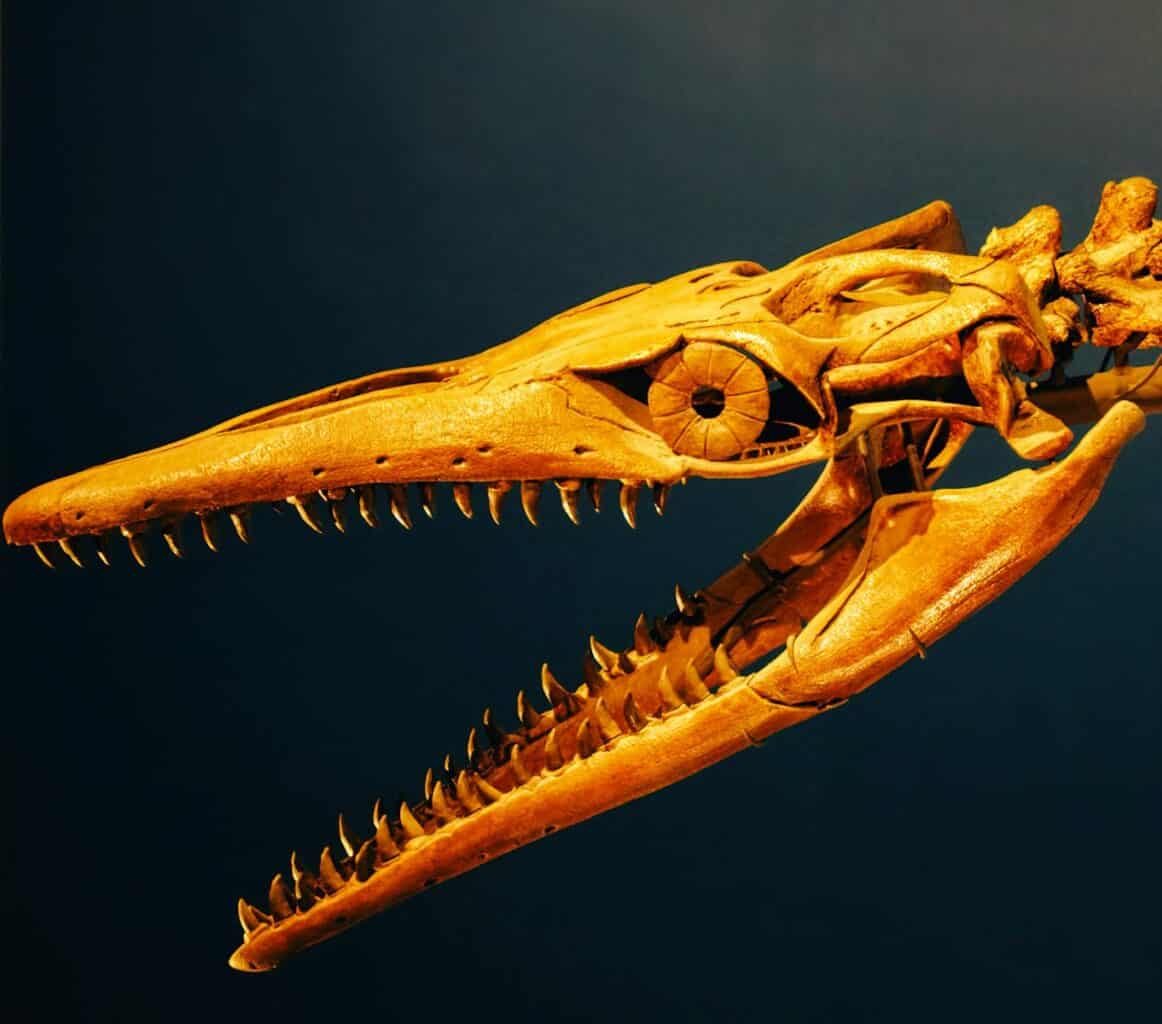
Upon recovery, the fossil underwent rigorous analysis by experts. The researchers identified it as belonging to an enantiornithean bird, a group of prehistoric avians that went extinct around the same time as the non-avian dinosaurs. Enantiornitheans were diverse and widespread, making them an essential puzzle piece in understanding the avian lineage.
Significance of the Enantiornitheans
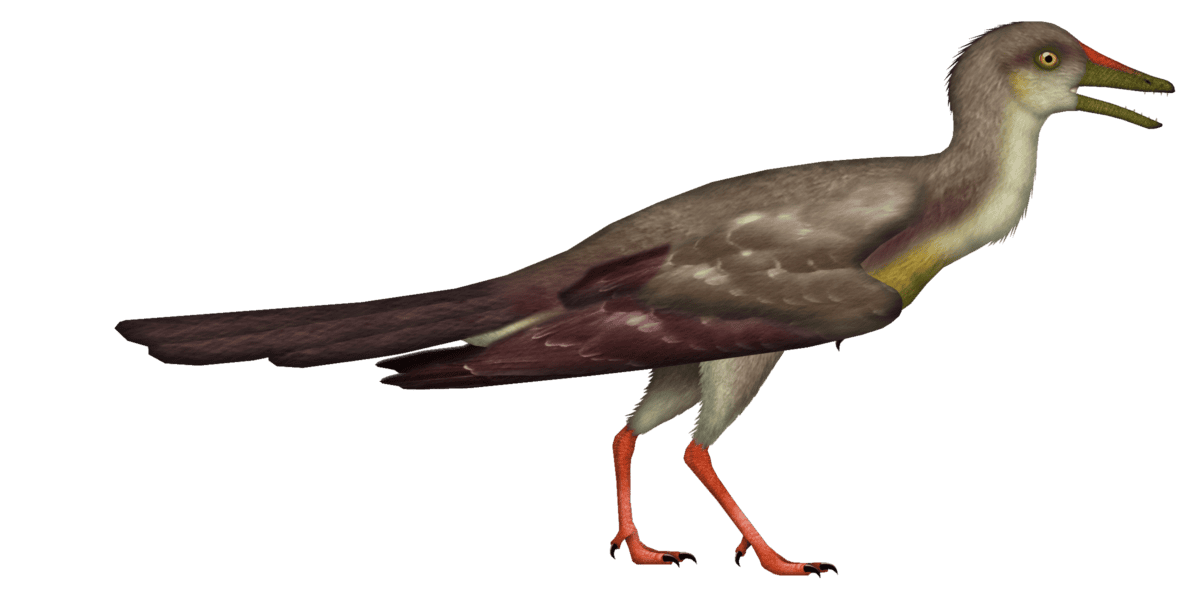
Enantiornitheans, unlike modern birds, exhibited a unique set of traits, such as unusual articulation in their shoulder bones and a toothed beak. Their dominance during the Cretaceous era underscores their successful adaptation to ancient environments. The discovery of this particular fossil not only enriches our understanding of enantiornithean biology but also provides a crucial link to the evolutionary journey of birds.
Cretaceous Period: A Time Capsule

The Cretaceous period was a time of significant global transformation. Dominated by dinosaurs, this era also fostered the rise of flowering plants and the first appearances of many modern vertebrate families. Avian species began to diversify and fill ecological niches, setting the stage for the diversified bird species we see today.
Fossilization Process and Preservation

Fossilization is a rare and extraordinary process that occurs under specific conditions favorable to the preservation of life forms. The sedimentary environment of the Lance Formation, rich in carbonate minerals, contributed to the preservation of this bird fossil, allowing us to glimpse a moment frozen in time with remarkable clarity.
Reconstructing Lifestyle and Habitat

Through meticulous examination of bone structure and comparative anatomy, scientists hypothesize that this bird lived in a lush, coastal environment teeming with life. Its anatomy suggests it was adapted for both flying and accessing varied food sources, showcasing the diversity of ancient bird lifestyles and their evolutionary adaptations.
Implications for Bird Evolution
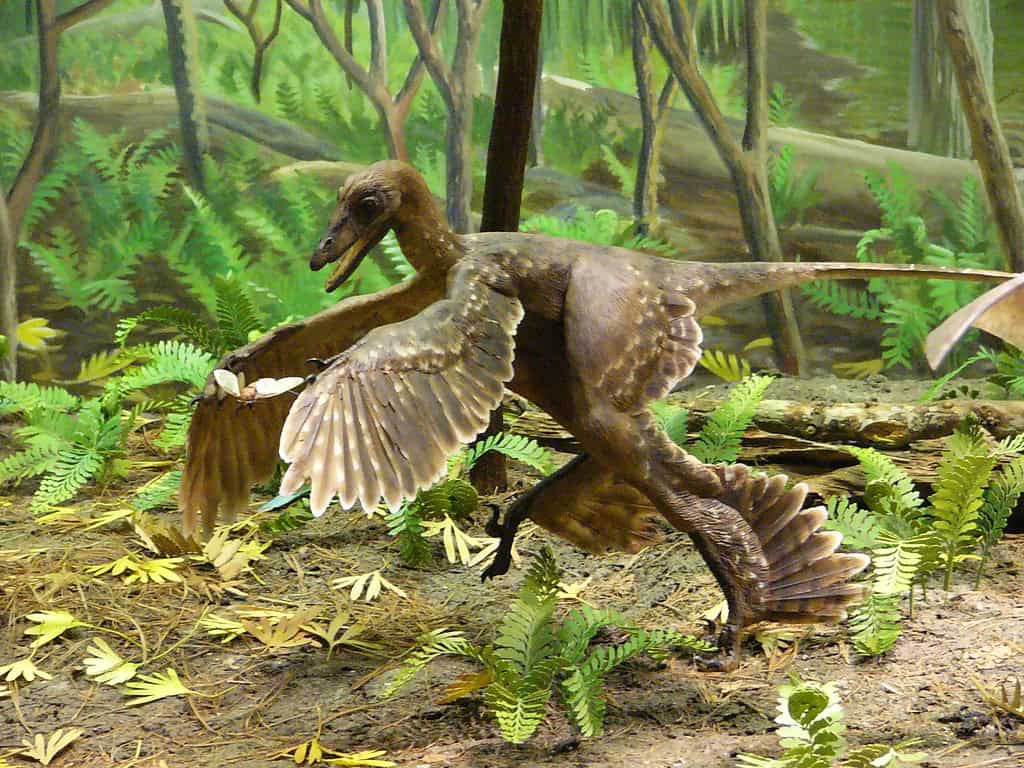
This ancient avian fossil provides critical evidence for understanding the evolutionary trajectory of birds. It highlights the diversity within ancient avian lineages and strengthens the evolutionary connections linking modern birds to their prehistoric ancestors, offering insights into how modern avians have evolved in response to environmental changes over millions of years.
Comparing Ancient and Modern Birds
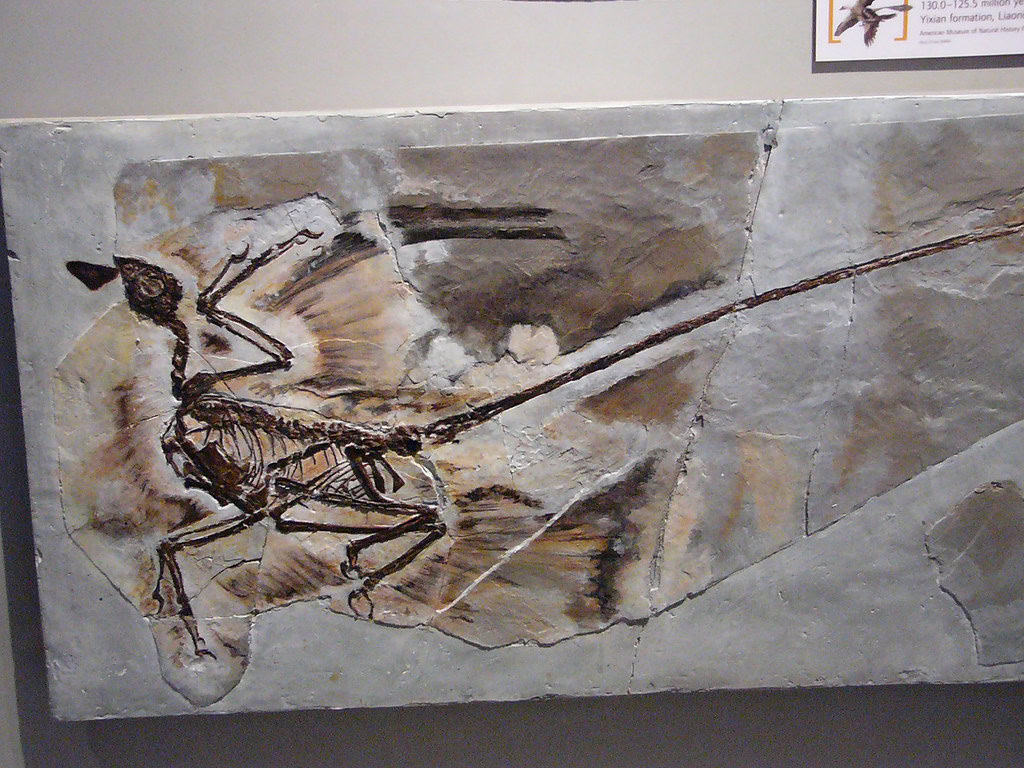
By examining the structural differences and similarities between ancient enantiornitheans and modern birds, researchers can infer changes in avian physiology and behavior. This comparison reveals that while modern birds have streamlined their skeletal structures for efficient flight, their core anatomy remains rooted in their ancient forebears.
The Role of Climate and Geography

The Late Cretaceous period was characterized by a warmer climate and dramatic geological activity, factors that greatly influenced avian evolution. The prevalence of new habitats and ecological opportunities likely fueled the diversification of bird species, illuminating how climate and geography play crucial roles in shaping life on Earth.
Challenges in Avian Fossil Research
Studying avian fossils presents unique challenges due to their fragility and the relatively scarce fossil record compared to other vertebrates. Advances in technology, such as high-resolution imaging and molecular analysis, are improving our ability to study these ancient specimens, offering new avenues for understanding avian history.
Contributions to Modern Science

The insights garnered from the oldest American bird fossil extend beyond academic inquiry, influencing fields as diverse as evolutionary biology, climate science, and paleogeography. By understanding how past species adapted to challenges, modern scientists can better predict how current ecosystems might respond to ongoing environmental changes.
The Legacy of the Discovery

The unearthing of the oldest American bird fossil is a testament to the painstaking efforts of paleontologists and the miracles of preservation. It stands as a narrative of the dynamic, ever-evolving tapestry of life on Earth. This finding encourages continued exploration and study, inspiring future generations to uncover the hidden stories locked within Earth’s ancient past.
Concluding, the discovery of the oldest American bird fossil has wielded a tremendous impact on our understanding of bird evolution, shedding light on the vibrant tapestry of life during the Cretaceous period. As a bridge to the past, it reinforces our connection to Earth’s history, illustrating the profound continuity of life and the enduring legacy of avian species on our planet.

From exploring the marine wonders in the Azores and witnessing the vast savannas of Kenya, to delving deep into the rich biodiversity of South Africa and traversing iconic landscapes in Australia and the US like Yellowstone, Chris's experiences are vast.
With a penchant for diving alongside sharks, the ocean holds a special place in his heart.
Through his academic insights, he champions wildlife conservation, striving with 'Animals Around The Globe' to cultivate a profound connection between humans and animals, enhancing our mutual appreciation.
Connect with him at Feedback@animalsaroundtheglobe.com.
- What Happens If Fireflies Stop Glowing? - July 21, 2026
- Coyotes Are Thriving in Every U.S. State — Even New York City - July 21, 2026
- The Best Cat Breeds for Highly Empathetic Owners - July 21, 2026