
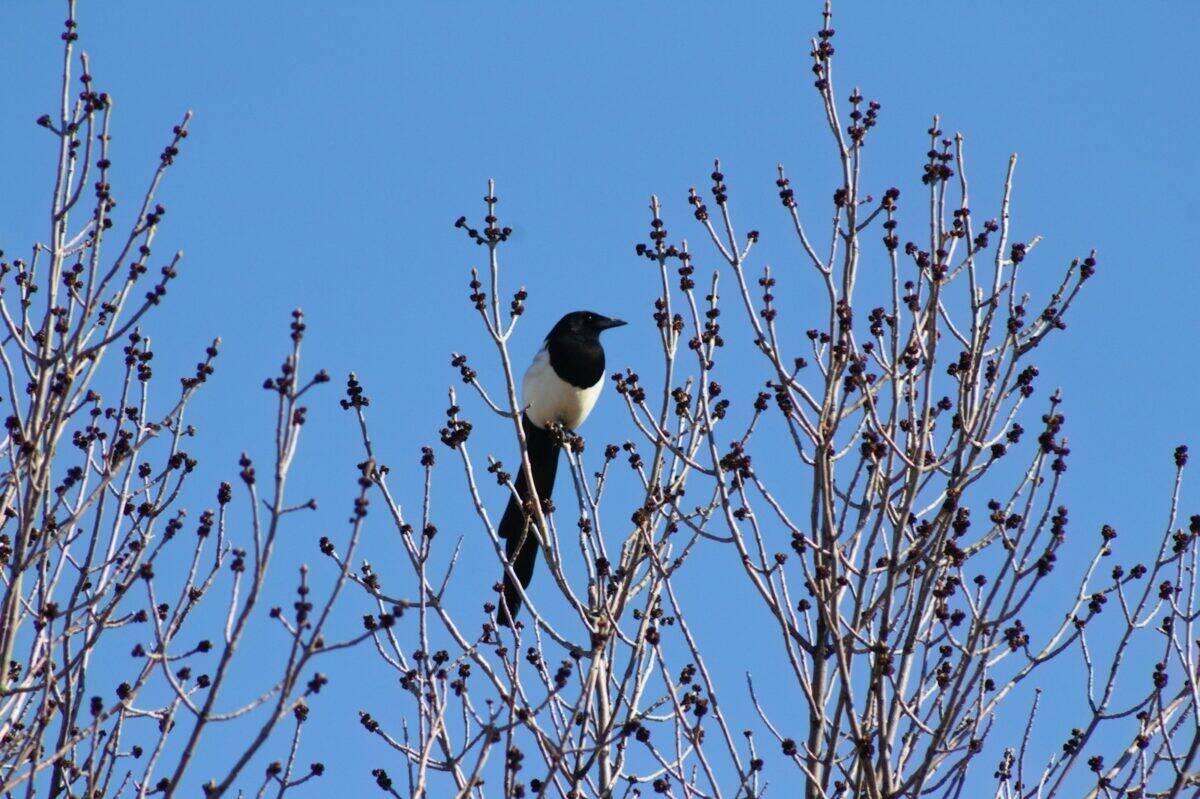
The natural world is full of mysteries and wonders, and among them is a bird that has taken scientists by surprise with its extraordinary nesting habits. Known for its intelligence and adaptability, this avian marvel has become the subject of intense study. Its ability to outsmart the typical expectations of bird behavior has intrigued ornithologists and nature enthusiasts alike. In this article, we delve into the fascinating life of this bird, exploring its remarkable nesting strategies and what makes it a unique subject of scientific interest.
Introduction to the Clever Bird
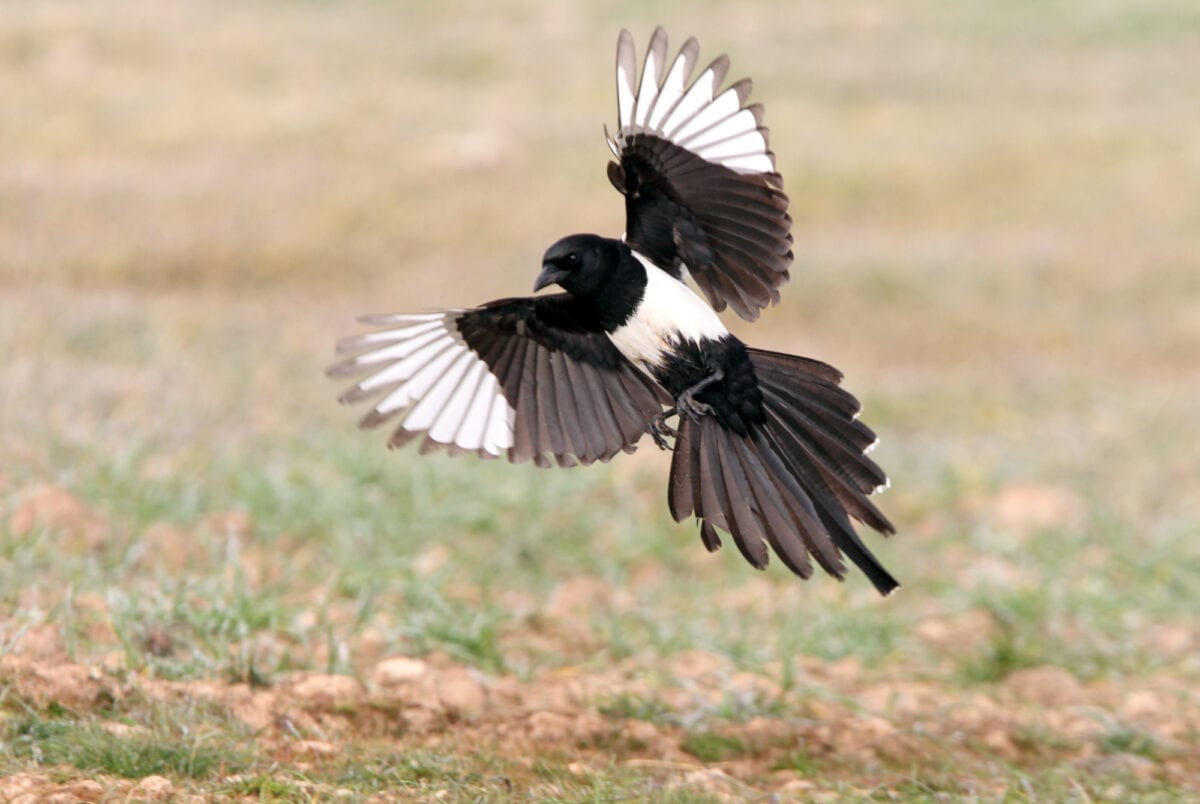
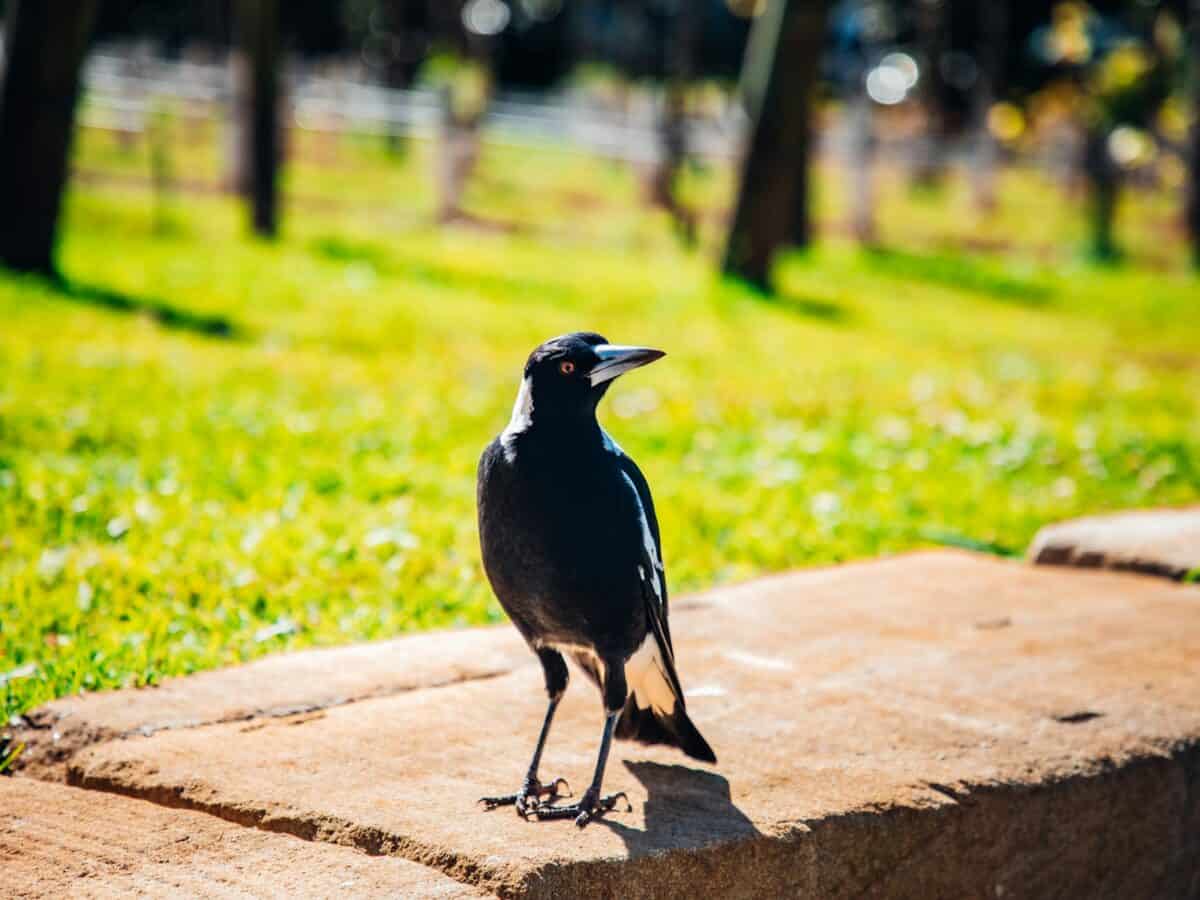
The intelligent bird in question is none other than the Australian magpie. Known for its striking black and white plumage and melodious song, the magpie is a common sight in Australia’s open environments. However, it’s not just its appearance and sound that make it remarkable. Recent studies have shown that its nesting habits are far more complex than previously understood.
The Enigma of Nest Construction
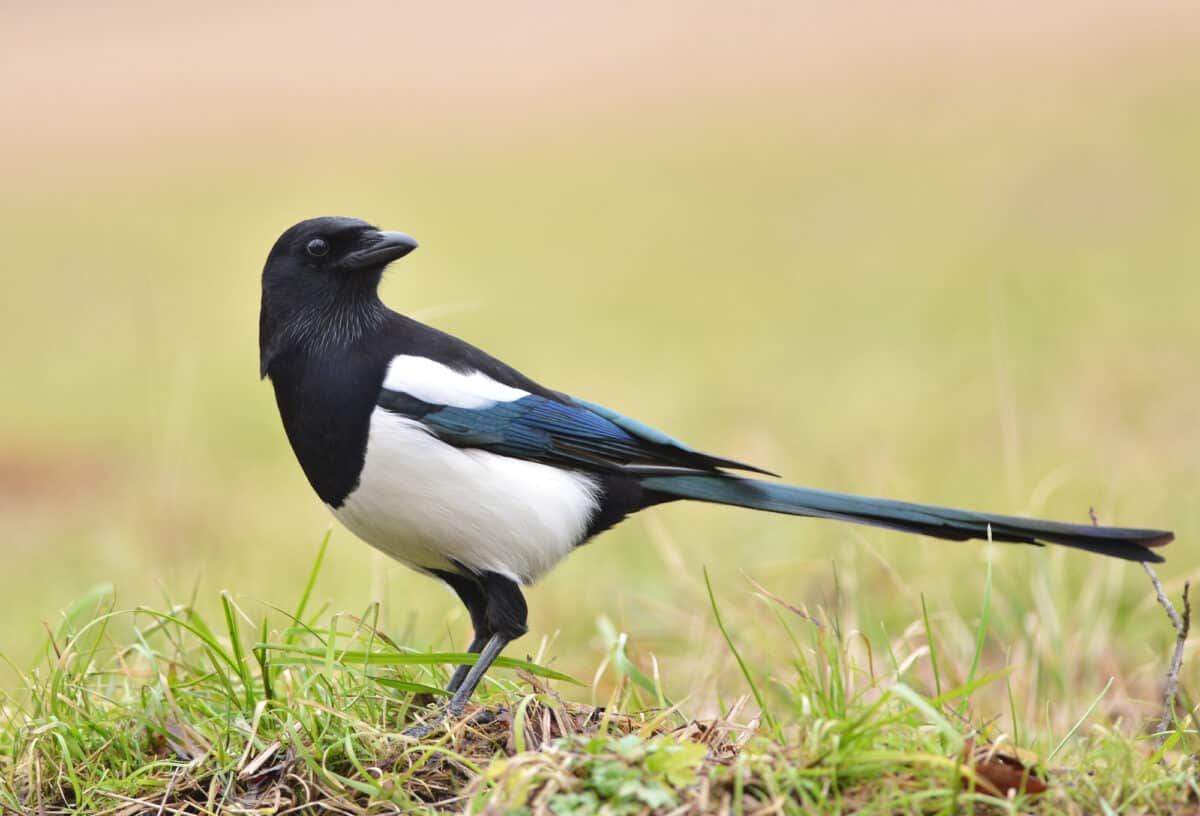
Magpies have been observed constructing nests in a way that leaves even seasoned zoologists scratching their heads. These birds use an eclectic mix of materials, ranging from twigs and grass to man-made items such as string, wire, and even plastic. This innovative use of urban materials reflects their ability to adapt to changing environments and incorporate new resources into their nesting routines.
Strategic Nest Placement
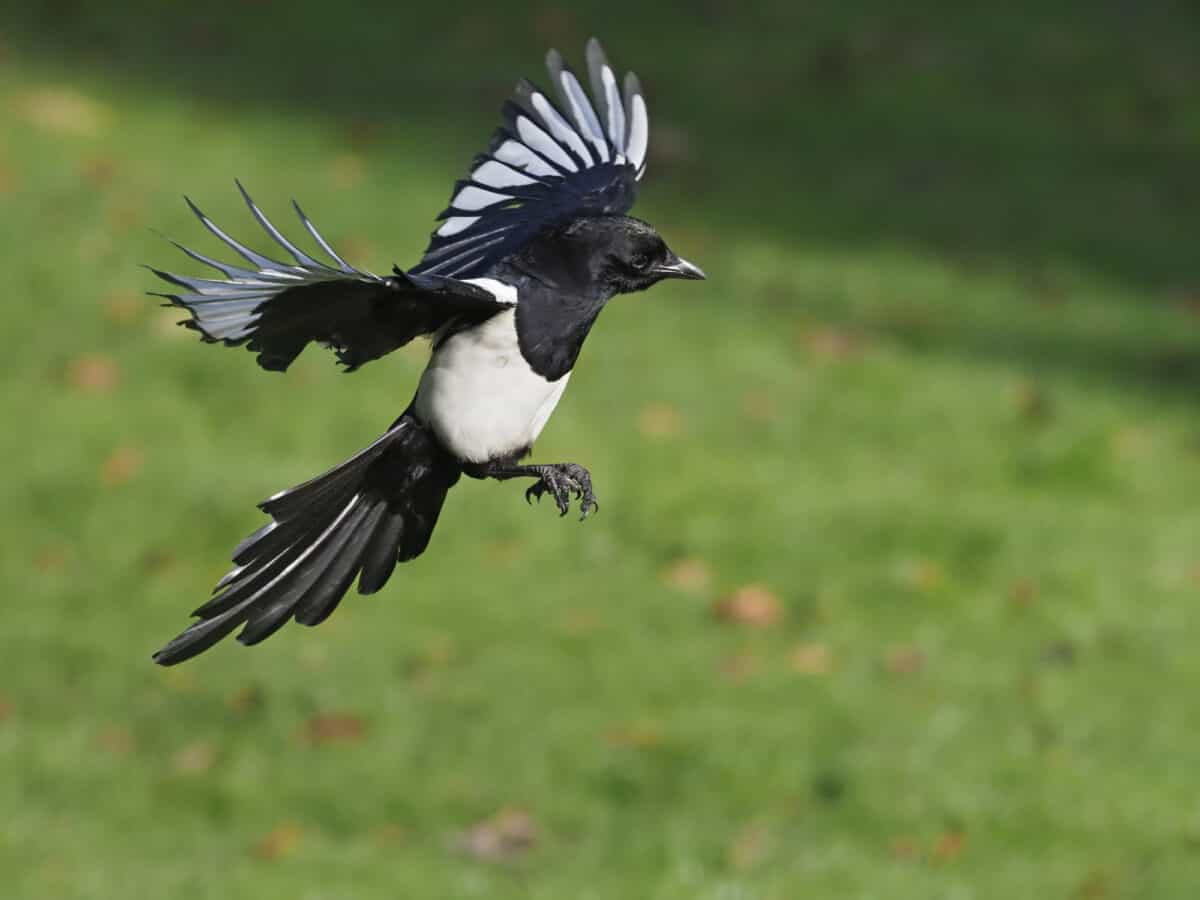
One of the most intriguing aspects of the magpie’s nesting behavior is its strategic choice of nest locations. Unlike many birds that prefer remote or elevated places to deter predators, magpies often nest in seemingly vulnerable positions. Some researchers hypothesize that these locations may actually afford magpies advantages in terms of climate control and predator monitoring, further complicating the mysteries of their nesting strategies.
The Role of Social Learning

Magpies are highly social birds, often living in groups. This social structure plays a critical role in their learning process and could be a key factor in their innovative nesting habits. Younger magpies learn from older, more experienced birds, rapidly acquiring and passing on new techniques to construct and place nests in optimal ways. This communal learning and adaptation help them thrive in diverse environments.
Communication and Nesting Dynamics
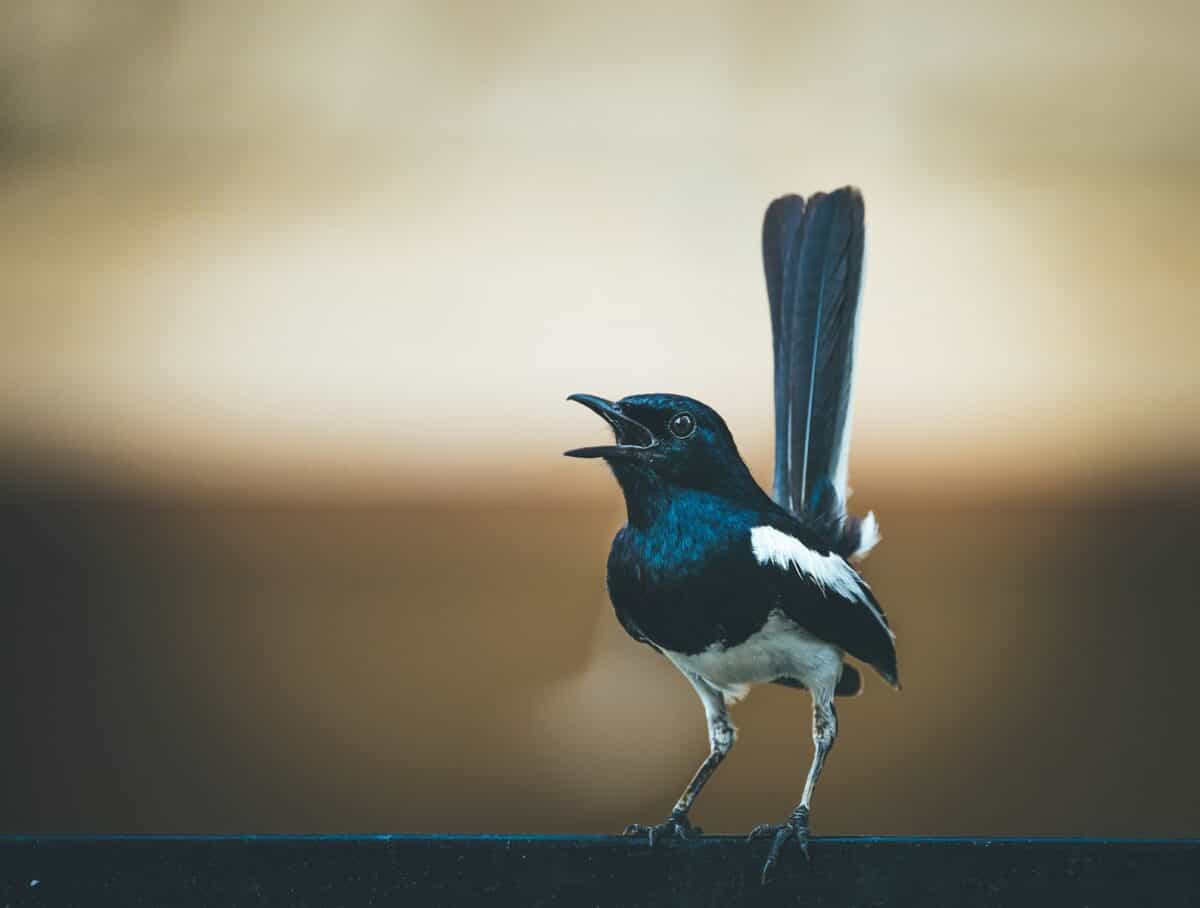
The communication skills of magpies are essential to their nesting success. They have a complex system of calls and songs that they use not only for mating but also for coordinating group activities, including nesting. Understanding these dynamics is vital because it sheds light on how magpies navigate challenges related to their nesting habits, with vocal communication playing a pivotal role.
The Impact of Urbanization
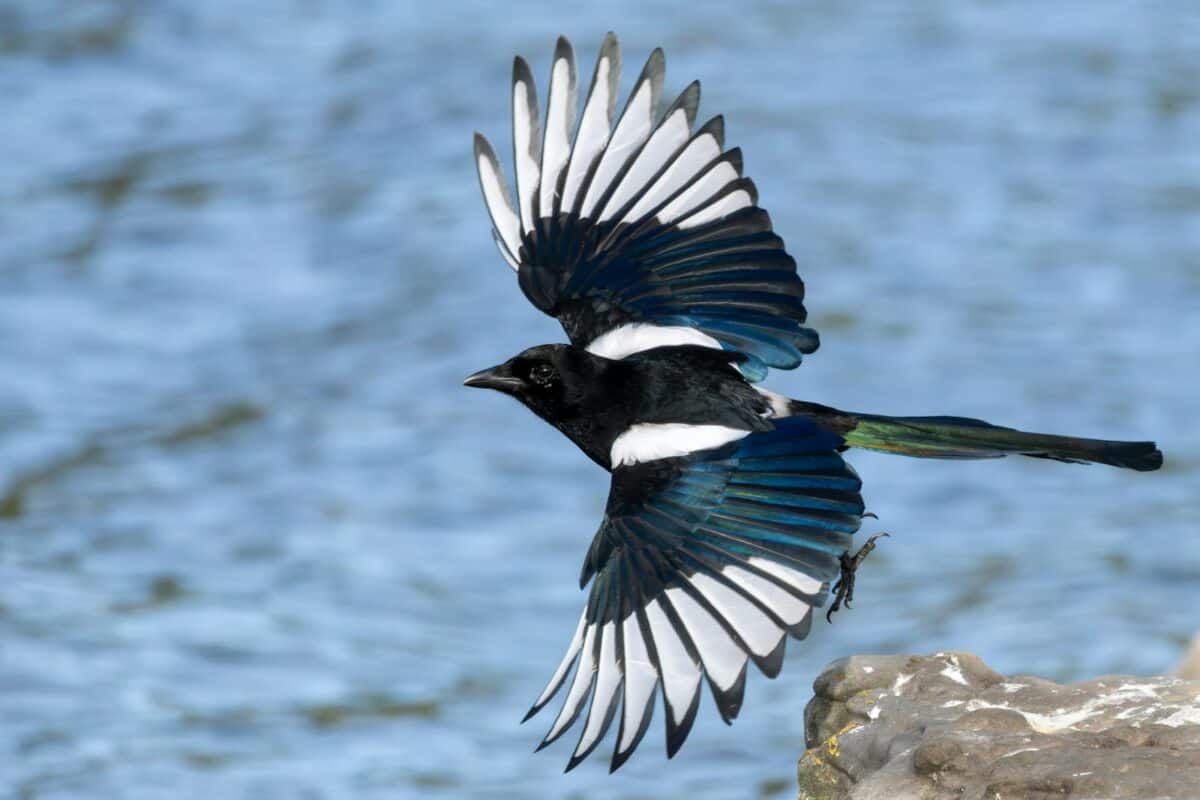
Urban environments pose unique challenges for nesting birds, but magpies have turned these challenges into opportunities. The adaptation of their nesting behavior in response to urbanization offers insights into how wildlife can cope with human-induced changes. For instance, their use of human-made materials in nests highlights a remarkable tolerance and resourcefulness in adjusting to urban landscapes.
Protection Against Predators

Despite their daring nest placement, magpies have evolved a range of defense mechanisms against predators. These include cooperative behaviors such as group defense and the employment of seemingly risky maneuvers to lure predators away from nests. Such strategies underscore the bird’s intelligence and strategic thinking in protecting their young.
The Importance of Nesting Seasonality
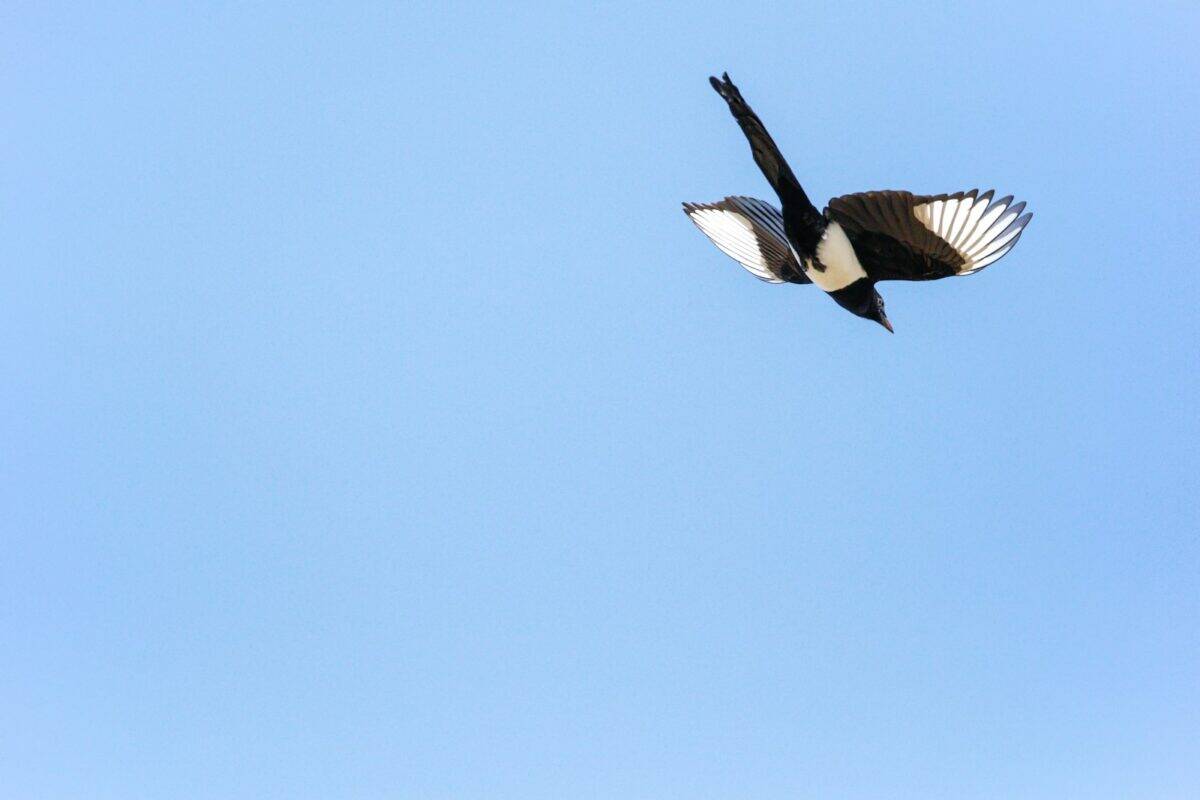
Seasonal timing also plays a significant role in magpie nesting habits. These birds have been found to adjust their breeding times to coincide with favorable environmental conditions, ensuring better survival rates for their offspring. This adjustment reflects an impressive understanding of climatic and environmental cues.
Ecological Implications
Magpies contribute significantly to their ecosystems, and their nesting behaviors have broader ecological implications. By understanding magpies’ nesting habits, scientists can gain insights into ecosystem dynamics, such as pest control and seed dispersal, showcasing how these birds help maintain environmental balance.
Challenges in Studying Magpies
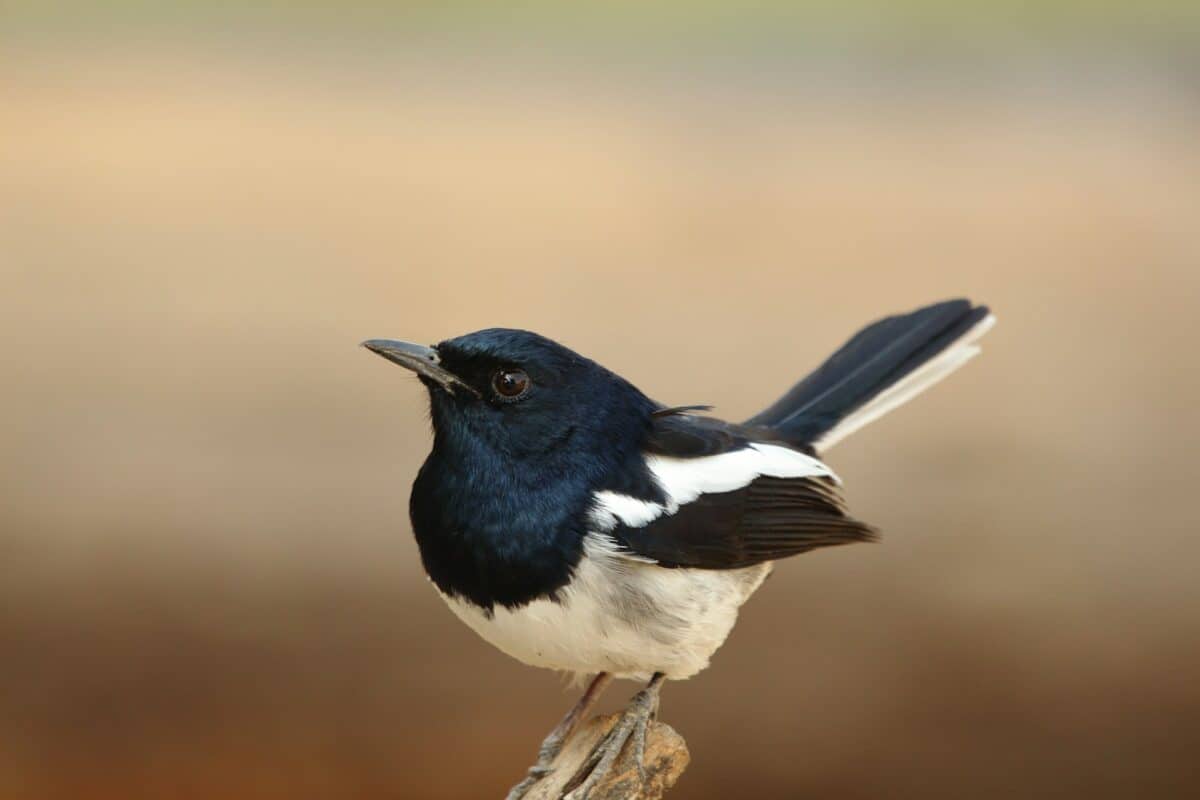
Despite significant observations, several challenges persist in studying magpies. Their intelligence often allows them to avoid traditional tracking and monitoring methods, necessitating more innovative approaches to understand their behaviors fully. This difficulty highlights the need for ongoing research to uncover the secrets of their nesting strategies.
The Future of Magpie Research
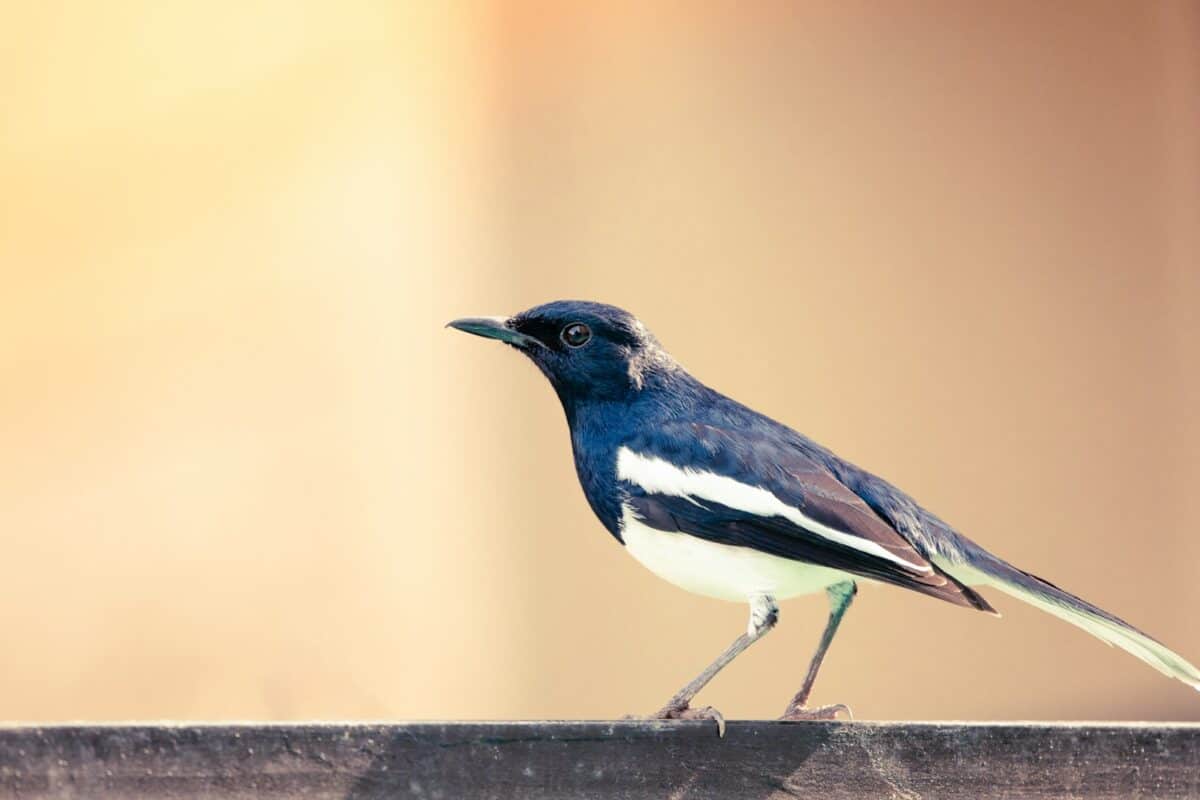
As more facets of magpie intelligence and nesting habits become revealed, future research will likely delve even deeper into understanding these clever birds. By continuing to observe their adaptability and resilience, scientists hope to uncover new ecological insights that could benefit broader environmental conservation efforts.
Conclusion: A Bird Worth Watching
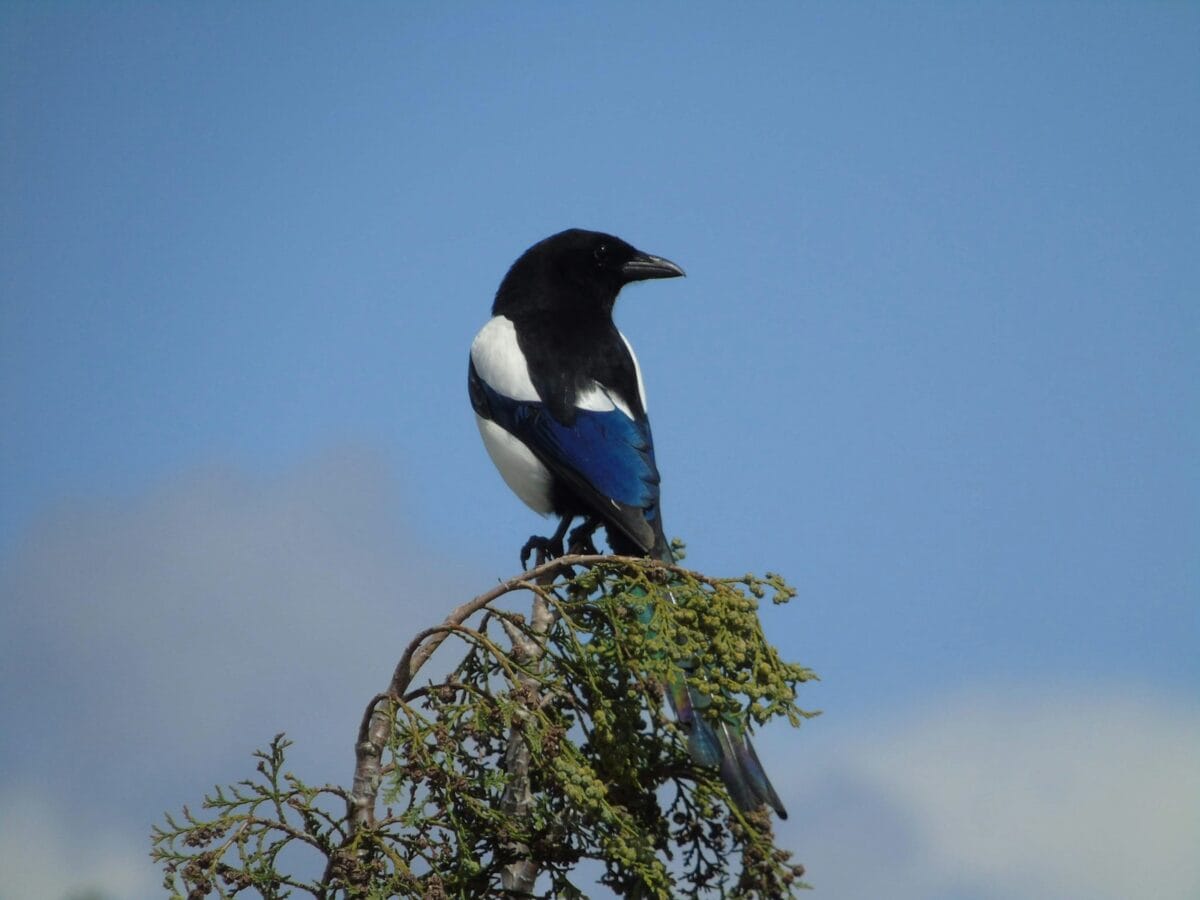
The Australian magpie represents a remarkable example of avian intelligence and adaptability. Its complex and innovative nesting habits challenge previous understandings of bird behavior, opening new avenues for research and insight. Observing the magpie not only enriches our appreciation for the natural world but also offers invaluable lessons in adaptability and survival amid changing environments.

- The Bird That Can Recognize More Faces Than a Human - July 29, 2026
- How Army Ants Coordinate Massive Raids Without a Leader - July 29, 2026
- 13 Largest Horses in the World - July 29, 2026