


When the cold whispers of winter echo through the forest, bears embark on a remarkable biological journey to survive the harsh, frigid months. Hibernation, a process that has captivated the curiosity of both scientists and nature enthusiasts, is not just a simple nap; it’s an intricate, life-sustaining phenomenon. As we delve into how these magnificent creatures prepare for hibernation, we unearth valuable insights that can teach us about resilience, conservation, and the undeniable wonders of nature.
The Purpose of Hibernation

Hibernation serves as a critical survival strategy for bears, allowing them to cope with food scarcity and freezing temperatures. During this period, their metabolism dramatically slows down, conserving energy by reducing heart rate, breathing, and body temperature. The purpose is clear: to use stored energy reserves efficiently until the abundance of spring returns.
Fat Accumulation: The Foundation of Survival

Before hibernation, bears engage in hyperphagia, a stage where they consume massive quantities of food to build essential fat reserves. These deposits become their primary energy source throughout the hibernation months. The strategic accumulation of both brown and white fat enables bears to maintain their core body temperature and survive prolonged periods without food intake.
Behavioral Changes Leading Up to Hibernation

As the days grow shorter and temperatures dip, bears exhibit noticeable behavioral changes. They become increasingly sedentary, minimizing energy expenditure, and their foraging patterns become more intense. This behavior assists them in gathering the needed nutrients and calories required to sustain them through the winter.
Choosing the Perfect Den

The selection of a suitable den is crucial for hibernation. Bears typically seek out secluded, insulated spots such as caves, hollow trees, or a burrow beneath a snowdrift. These dens offer protection from the elements and potential predators, providing a safe cocoon where hibernation can proceed undisturbed.
Physical Preparations: Changes in Physiology

During the pre-hibernation phase, bears undergo significant physiological adjustments. They experience hormonal changes that facilitate the storage and metabolism of fats, improve insulin sensitivity, and help minimize muscle atrophy. These adaptations ensure their bodies remain strong and capable throughout the dormant period.
Understanding Torpor: Not Just a Deep Sleep

While often compared to sleep, torpor is a state of significantly reduced physiological activity. In this phase, bears can reduce metabolic rates and temperatures, allowing them to survive for months without eating, drinking, or excreting waste. Remarkably, bears can wake from torpor if disturbed, showcasing their acute survival instinct even in deep hibernation.
Lessons from Bears: Metabolism and Energy Conservation

Studying bear hibernation offers valuable insights into metabolic processes and energy conservation, with potential applications in medicine and space travel. Understanding how bears avoid muscle wasting and maintain bone density during prolonged inactivity could inform treatments for human muscle atrophy and osteoporosis.
The Impact of Climate Change on Hibernation Patterns
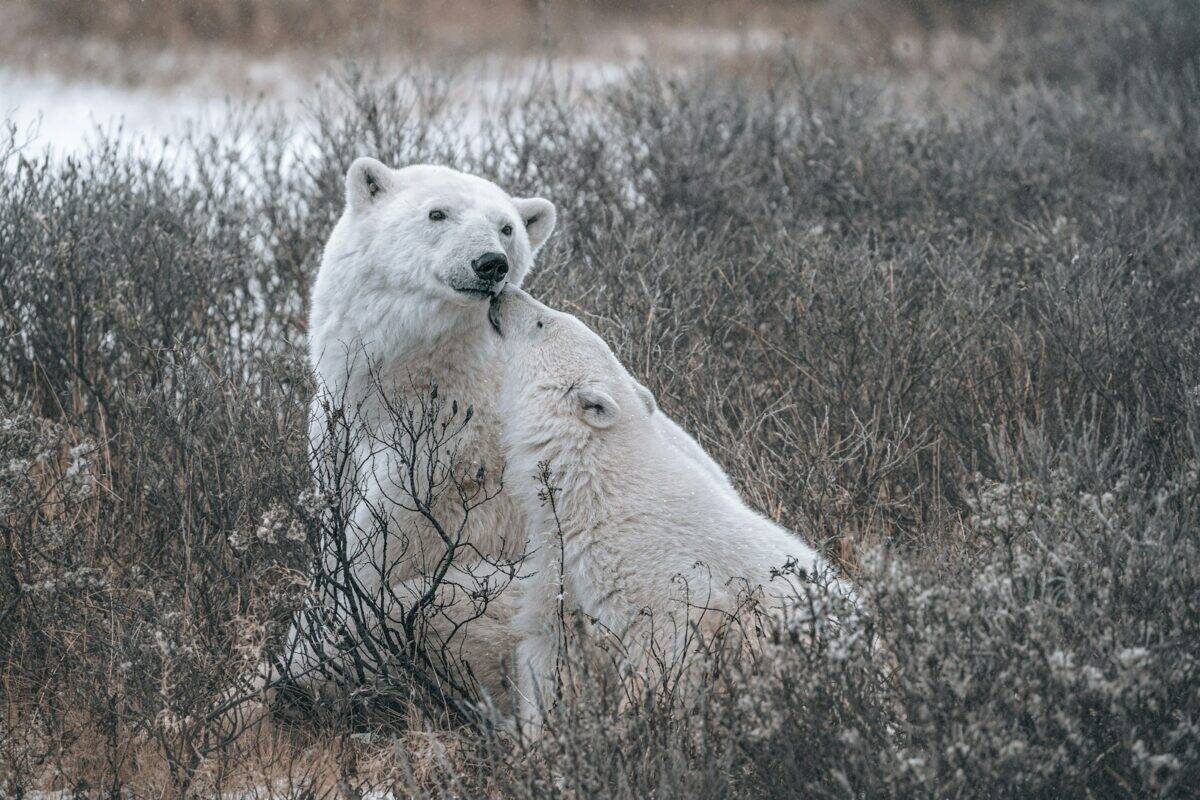
Climate change poses a significant threat to hibernation patterns, as shifting temperatures can disrupt the availability of pre-hibernation food sources. Warmer winters may result in shortened hibernation periods, affecting bears’ health and reproduction. These changes underscore the urgent need for conservation efforts to safeguard habitats and food supplies.
Human Influence: Preserving Bear Habitats

Human activity, such as deforestation and urban encroachment, leads to habitat loss, which can impede bears’ ability to prepare for hibernation effectively. Preservation of natural landscapes is crucial to maintaining the delicate balance required for bear populations to thrive. Efforts to minimize human impact and promote sustainable practices are pivotal in this endeavor.
Sustainable Practices Inspired by Bears

From the bears’ cyclical preparation for hibernation, we can glean lessons about sustainable living. Just as bears prepare carefully for scarcity, humans can adopt conscious consumption patterns and waste reduction strategies, ensuring resources are managed sustainably for future generations.
The meticulous preparations bears undertake for hibernation reveal the intricate tapestry of nature’s systems, teaching us resilience, adaptation, and the importance of conservation. By taking cues from these majestic creatures, we open ourselves to a deeper understanding of our environment and the pressing need to protect it. As we marvel at the wonders of bear hibernation, let it inspire actions that harmonize with nature’s rhythms, ensuring that both bears and humans can thrive in a balanced and sustainable world.

- Fastest Fish in American Waters Identified - July 15, 2026
- How Ants Build Living Bridges - July 15, 2026
- Why Foxes Scream at Night—and What It Means - July 15, 2026