


When envisioning the most dangerous animal in America, thoughts might immediately veer towards massive predators like bears or the elusive mountain lion. However, the reality is far more surprising. Despite their small stature and seemingly innocuous presence, they pose a significant threat that far surpasses these larger beasts. Dive into this remarkable revelation to uncover the true menace hiding in plain sight.
Introduction to America’s Underrated Threat

While America is home to a variety of wildlife, from the majestic bald eagle to intimidating alligators, the gravest threat to human safety is not in the dense forests nor in the vast oceans. It’s the commonplace, almost invisible creature buzzing around our heads every summer.
The Unassuming Mosquito

The mosquito is not only a nuisance with its persistent buzzing but also a carrier of numerous diseases. Ranked as one of the deadliest creatures on the planet, mosquitoes are indirectly responsible for many deaths each year due to the pathogens they spread.
The Dangerous Diseases They Spread
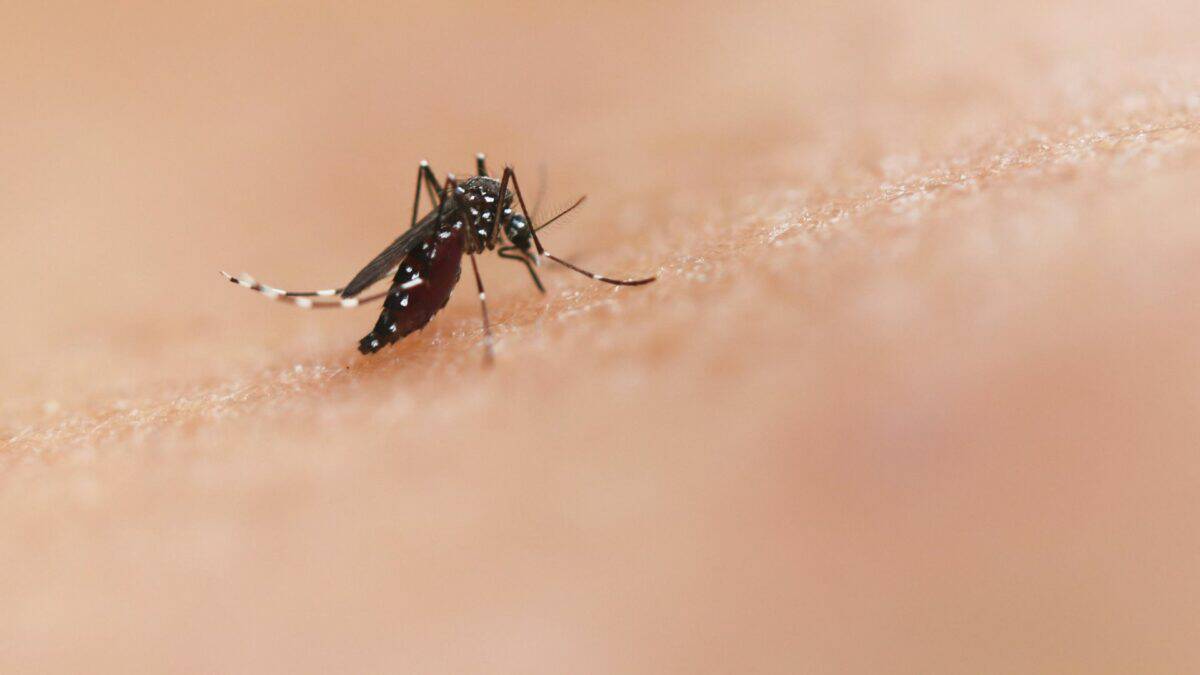
Mosquitoes are vectors for diseases such as West Nile Virus and the zoonotic pathogen Eastern Equine Encephalitis (EEE). Though less frequent in the U.S. than in tropical regions, these diseases still pose considerable health risks, especially during warmer months.
Understanding Mosquito Habitats

Mosquitoes thrive in areas with standing water, where they lay their eggs. This includes places as common as your backyard birdbath or an unattended garden pot. Recognizing and eliminating these breeding grounds is crucial in controlling their population.
Mosquito Behavior and Lifecycle

Understanding mosquito behavior can help in mitigating their threat. Contrary to common belief, it’s the female mosquitoes that require blood meals to develop their eggs, thus making them the usual culprits in bites.
Who is Most at Risk?

While anyone can fall victim to mosquito bites, individuals living in areas with prevalent mosquito-borne diseases or those with compromised immune systems face greater risks. Ensuring protection and taking preventive measures is essential for these communities.
Preventive Measures Against Mosquitoes

Using insect repellent containing DEET, installing screens on windows and doors, and wearing long sleeves and pants during dawn and dusk can significantly reduce the risk of mosquito bites. Community efforts, such as removing standing water and promoting awareness, are equally crucial.
The Role of Climate Change
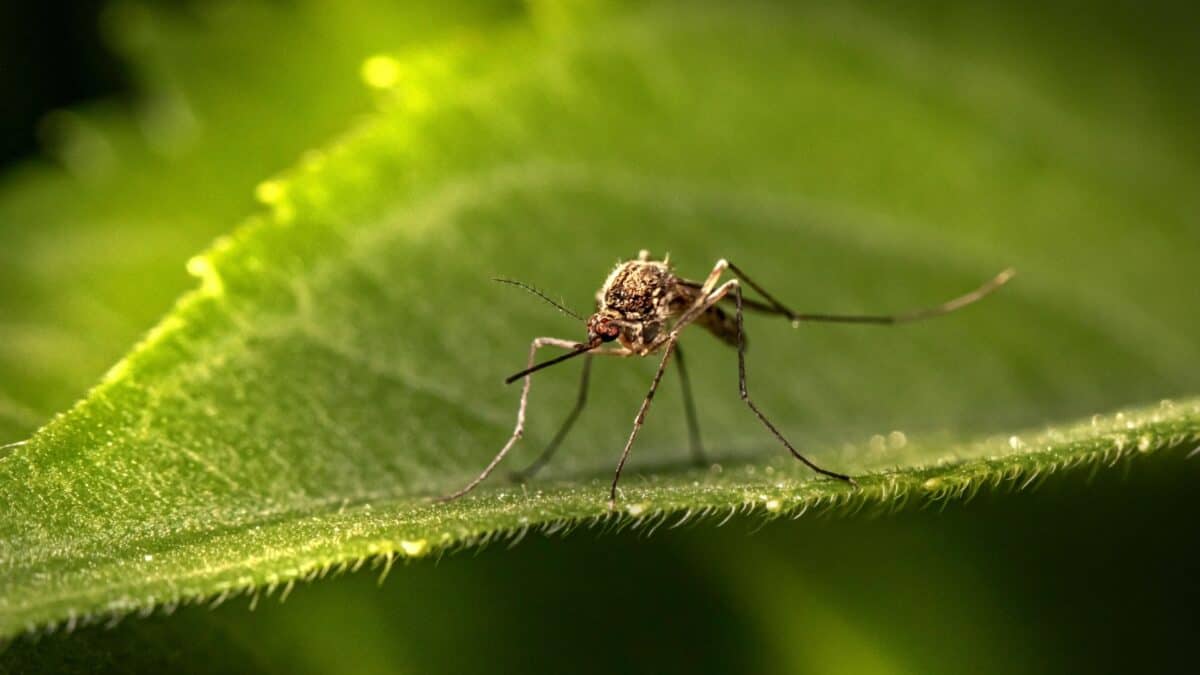
Climate change plays a significant role in expanding the range and activity period of mosquitoes. Warmer temperatures and increased rainfall create ideal breeding conditions, spreading the reach of mosquito-borne diseases further into new territories.
Underlying Medical and Economic Impacts

The health implications of mosquito-borne diseases extend beyond immediate illness. They can lead to long-term health problems, substantial medical bills, and extensive public health efforts, impacting economies significantly.
Research and Innovations in Control

Scientists are continually researching new ways to control and reduce mosquito populations. Advancements include genetic manipulation, introducing natural predators, and innovative traps aimed at reducing their numbers for better public health outcomes.
Public Education and Awareness
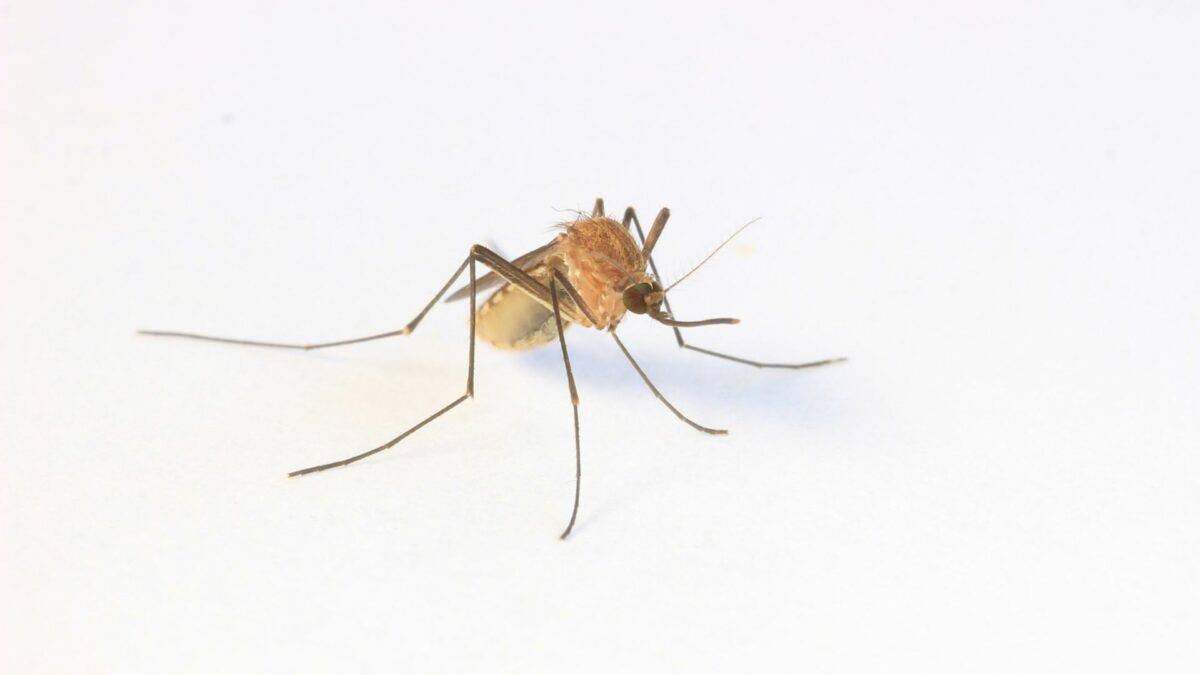
Public awareness campaigns play a vital role in educating communities about the prevention and management of mosquito-borne diseases. By fostering informed communities, individuals can actively participate in reducing local mosquito proliferation.
The Future of Mosquito Management

As our understanding of mosquitoes and their behaviors evolves, so too does our ability to manage them. Continued investment in research will be essential to developing sustainable and effective strategies that mitigate the impact of mosquitoes on human health.
Conclusion: Facing America’s Real Danger

Though small and often ignored, mosquitoes pose a formidable threat through the diseases they spread. As we navigate a world increasingly affected by climate change, it is imperative to remain vigilant and informed. By embracing preventive measures and fostering community awareness, we can hope to diminish the significant impact of this tiny, yet formidable adversary.

From exploring the marine wonders in the Azores and witnessing the vast savannas of Kenya, to delving deep into the rich biodiversity of South Africa and traversing iconic landscapes in Australia and the US like Yellowstone, Chris's experiences are vast.
With a penchant for diving alongside sharks, the ocean holds a special place in his heart.
Through his academic insights, he champions wildlife conservation, striving with 'Animals Around The Globe' to cultivate a profound connection between humans and animals, enhancing our mutual appreciation.
Connect with him at Feedback@animalsaroundtheglobe.com.
- The Role of Giant Pandas in U.S. (China Diplomacy) - July 15, 2026
- These Psychedelic Sea Slugs Steal Venom and Glow Neon Bright - July 15, 2026
- Orcas of the Pacific Northwest: A Struggle for Survival - July 15, 2026