

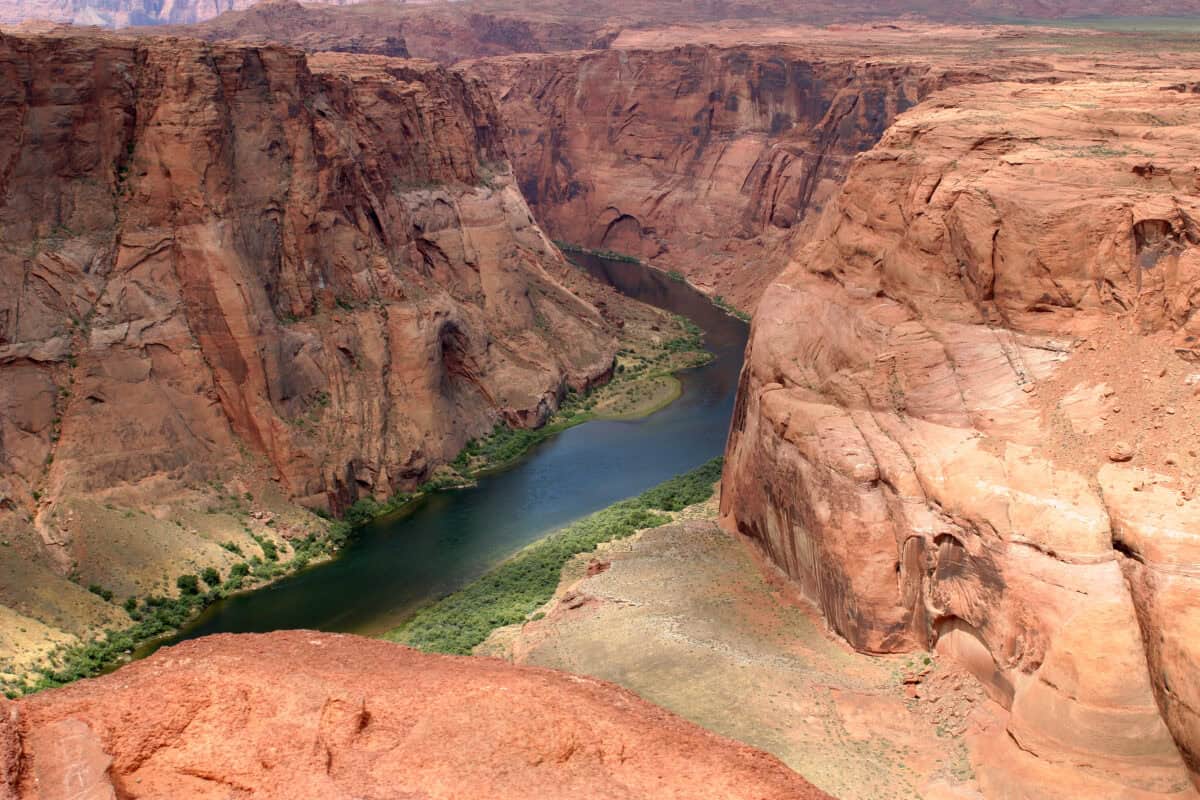
Rivers are not just bodies of water flowing across the landscape; they are dynamic ecosystems teeming with life. In the United States, some rivers stand out for their incredible biodiversity and vibrant wildlife habitats. These waterways are essential for the survival of numerous species and serve as crucial corridors for migration, breeding, and feeding across the Americas. Let’s delve into the fascinating world of American rivers that serve as wildlife hotspots.
Mississippi River A Crucial Flyway
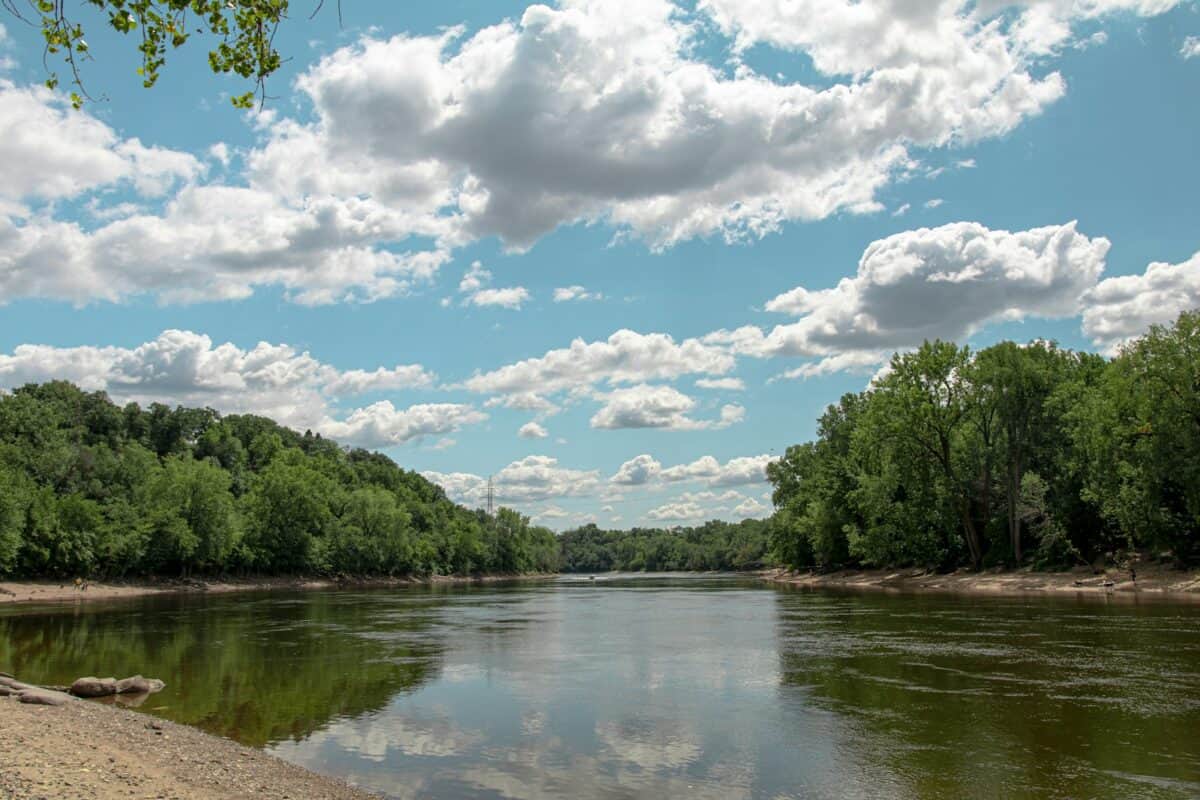
The Mississippi River is more than a geographical landmark; it is a lifeline for countless species. Spanning over 2,300 miles from Minnesota to the Gulf of Mexico, this river is a central hub for migratory birds, including bald eagles and pelicans. Its floodplains and wetlands provide crucial habitat for aquatic life and terrestrial wildlife, making it a hotspot of biodiversity.
Colorado River An Oasis in the Desert

Flowing through seven U.S. and two Mexican states, the Colorado River is a vital water source for diverse ecosystems. Despite its course through arid regions, the river supports diverse species, including the endangered humpback chub and the Yuma clapper rail. Its riparian zones are teeming with life, providing essential living conditions for unique flora and fauna.
Columbia River Salmon Stronghold
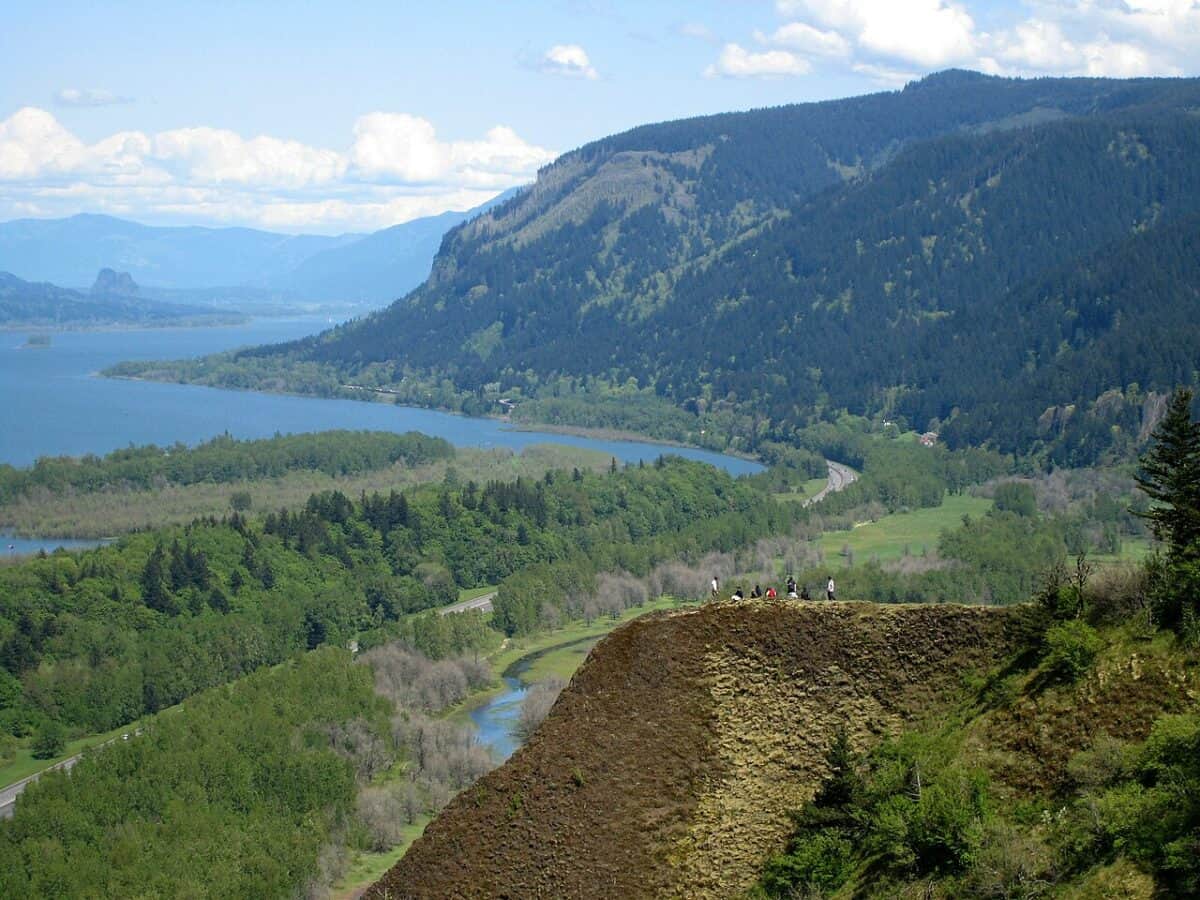
Renowned for its salmon populations, the Columbia River is a critical spawning ground for these iconic fish. This river flows from the Canadian Rockies through Washington, meeting the Pacific Ocean, supporting a complex food web that includes orcas, otters, and numerous bird species. Conservation efforts here aim to preserve its role as a key salmon habitat.
Mighty Missouri America’s Longest River
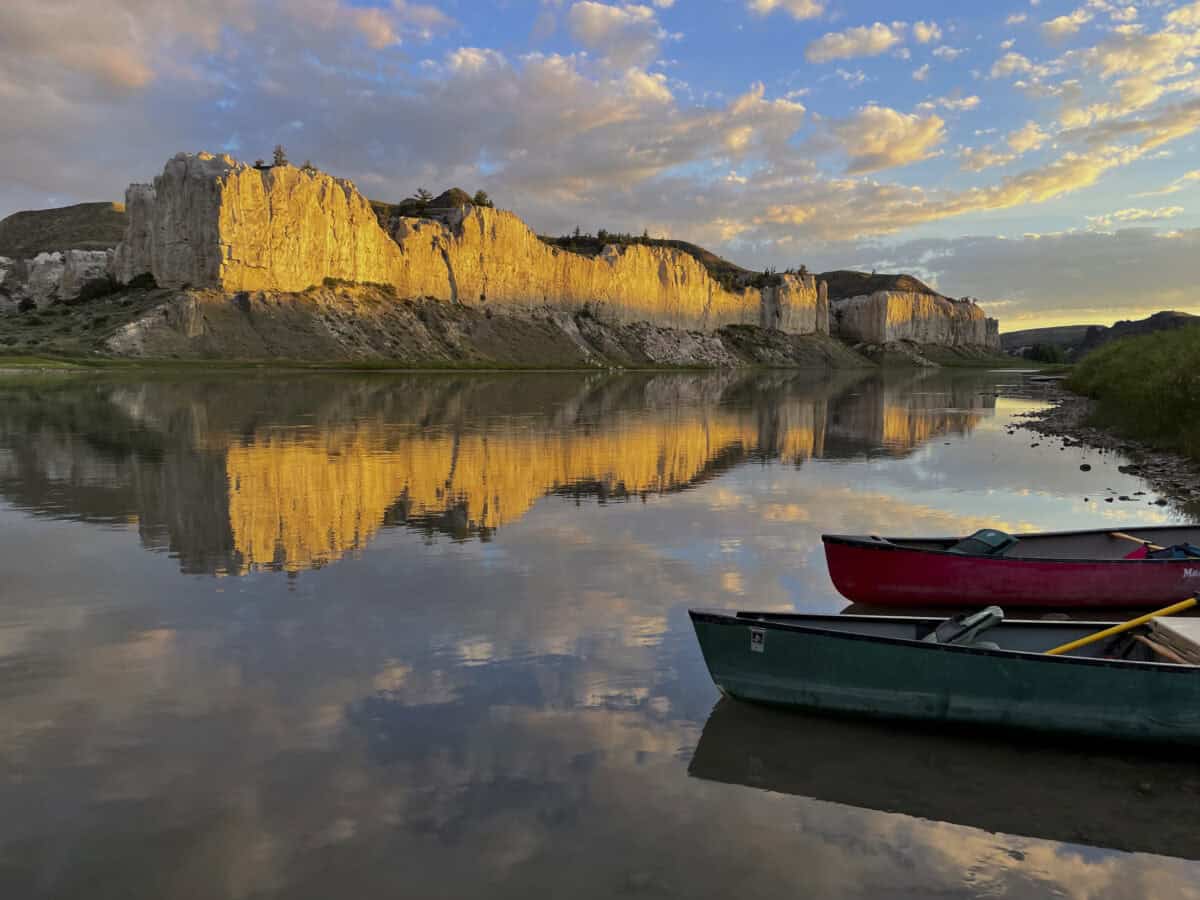
Stretching over 2,300 miles, the Missouri River is home to rich biodiversity, from paddlefish to over 150 bird species. As it traverses diverse landscapes, it provides habitats for species that thrive in its slow-moving waters, backwaters, and surrounding floodplains.
Snake River Wildlife and Habitats

As a major tributary of the Columbia, the Snake River is essential for wildlife in the Pacific Northwest. Beyond supporting salmon runs, it hosts habitats for beavers, river otters, and various bird species. Its dynamic ecosystems are integral to the region’s ecological balance.
Hudson River Urban Wildlife Haven
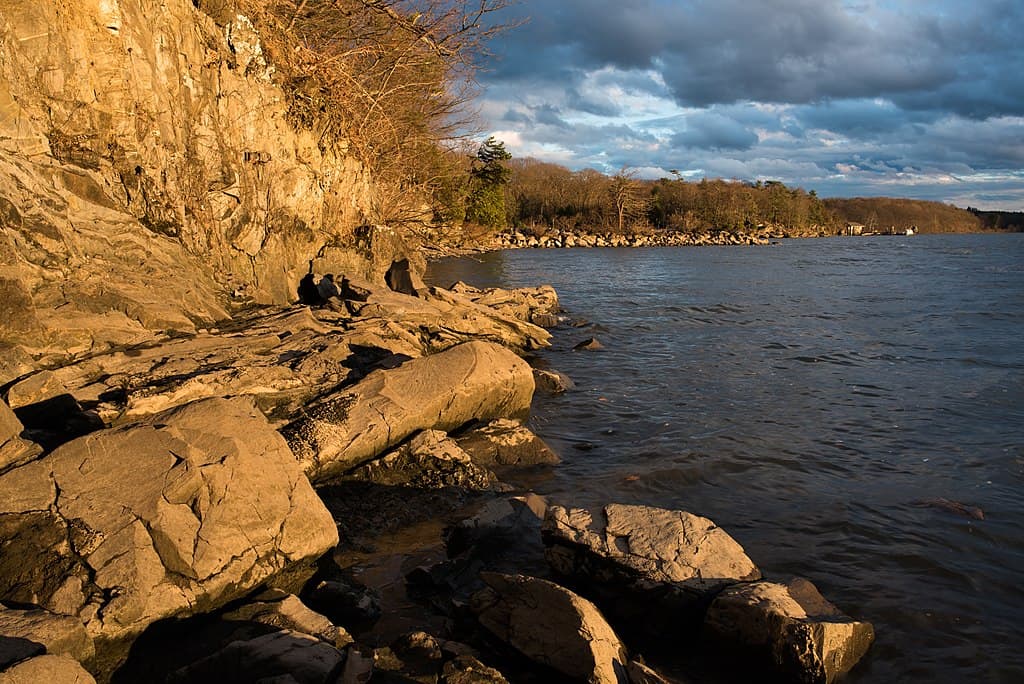
Flowing through the heart of New York, the Hudson River is a surprising wildlife haven in an urban landscape. Its waters and shores support species such as oysters, striped bass, and eagles, illustrating the river’s resilience and ecological significance amidst human development.
Suwannee River A Florida Treasure
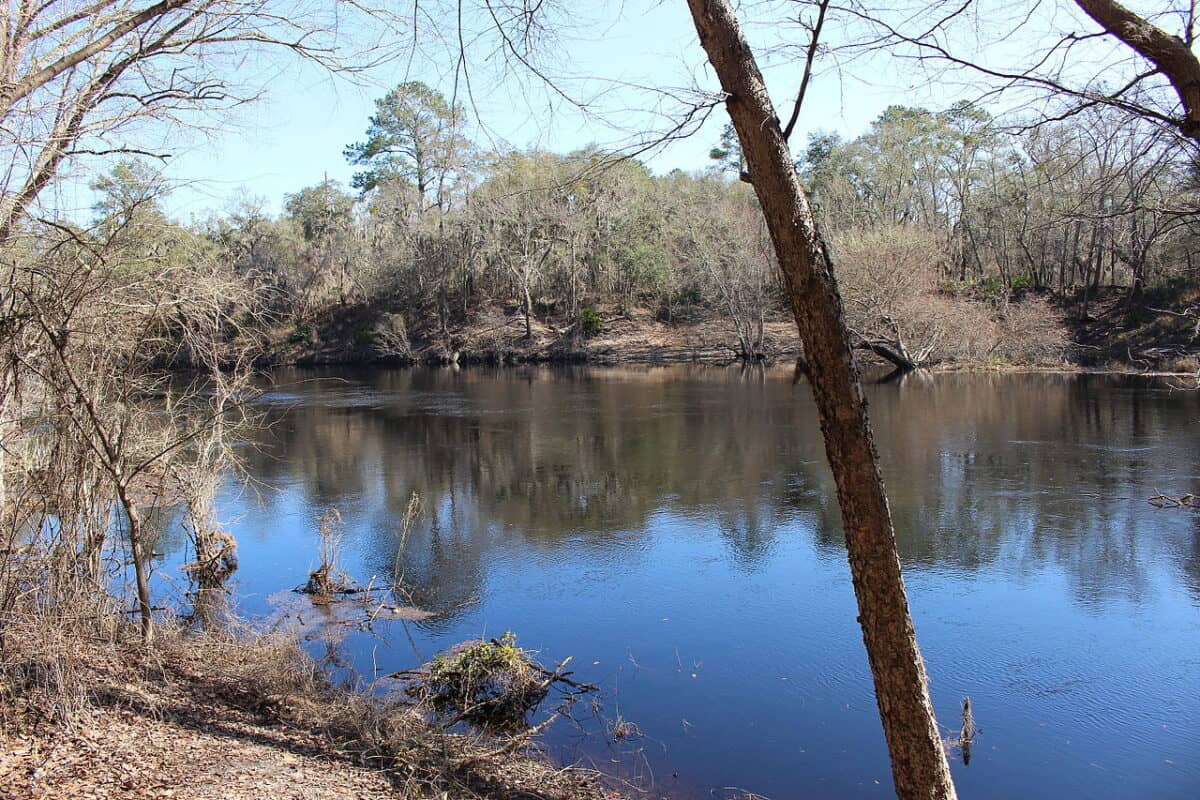
The Suwannee River in Florida is a pristine waterway supporting one of the nation’s most diverse limestone aquatic ecosystems. It is home to numerous fish species, manatees, and aquatic invertebrates that thrive in its crystal-clear waters and surrounding cypress swamps.
Rio Grande Life Along the Border
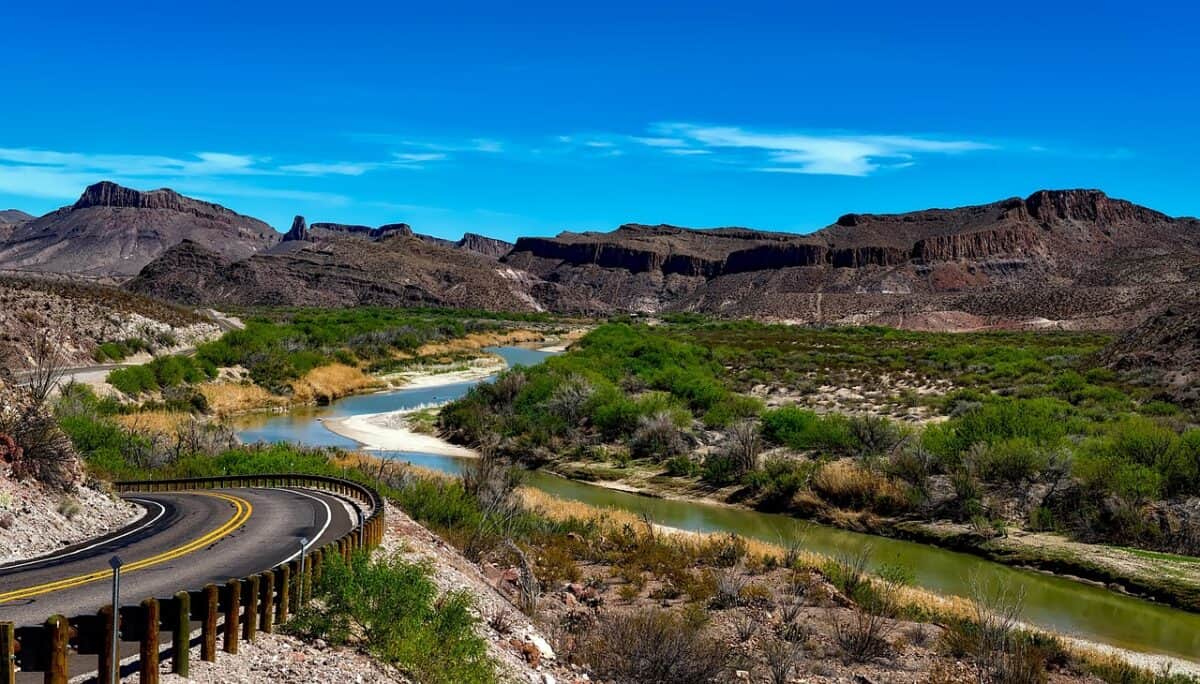
Stretching over the U.S.-Mexico border, the Rio Grande is a vital resource for wildlife. Despite water use challenges, it sustains a mix of species including turtles, frogs, and bobcats. Its changing habitats reflect the diverse landscapes it traverses, from desert to riparian ecosystems.
Allegheny River A Vital Pennsylvania Waterway

The Allegheny River is an essential tributary of the Ohio River, serving as a vital habitat for countless species. Its waters are teeming with freshwater mussels, crayfish, and various fish species, offering crucial spawning and feeding grounds.
Yukon River The Wild Alaskan Giant

The Yukon River flows through the vast wilderness of Alaska and into Canada, supporting a unique array of wildlife. It is a significant migration route for Chinook, coho, and chum salmon and offers habitats for bears, moose, and eagles, all thriving in its remote waters.
St. Lawrence River Linking Great Lakes to the Sea
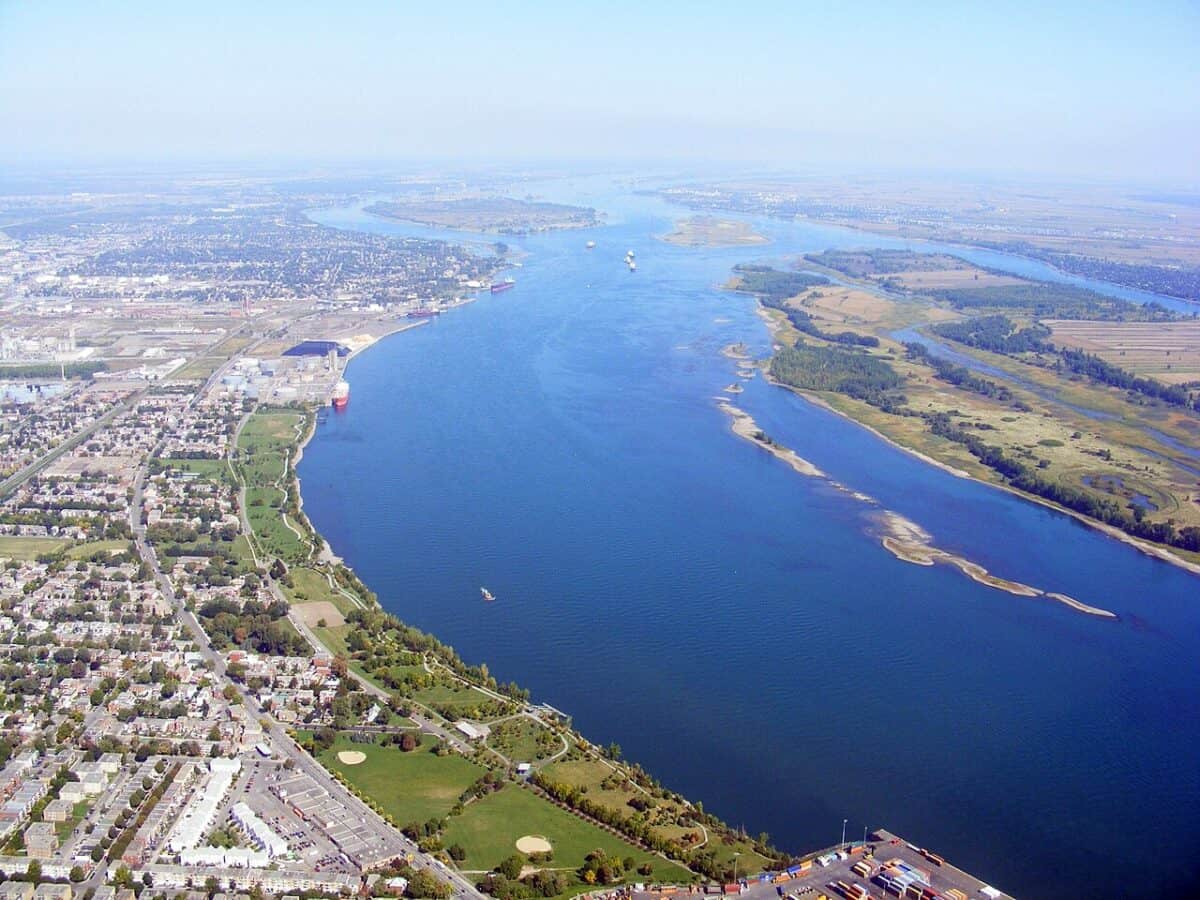
Connecting the Great Lakes with the Atlantic Ocean, the St. Lawrence River forms a biodiversity-rich corridor. This river supports freshwater and marine species in its brackish waters, including beluga whales, porpoises, and numerous fish that migrate seasonally.
Arkansas River From Rocky Mountains to Midwestern Prairies

The Arkansas River traverses varied landscapes from Colorado’s mountains to Midwestern plains. It’s a hotspot for wildlife, providing nourishing habitats for species such as catfish, herons, and eagles. Its diverse ecosystems reflect the changes in these landscapes it flows through.
Susquehanna River A Crucial Mid-Atlantic Ecosystem
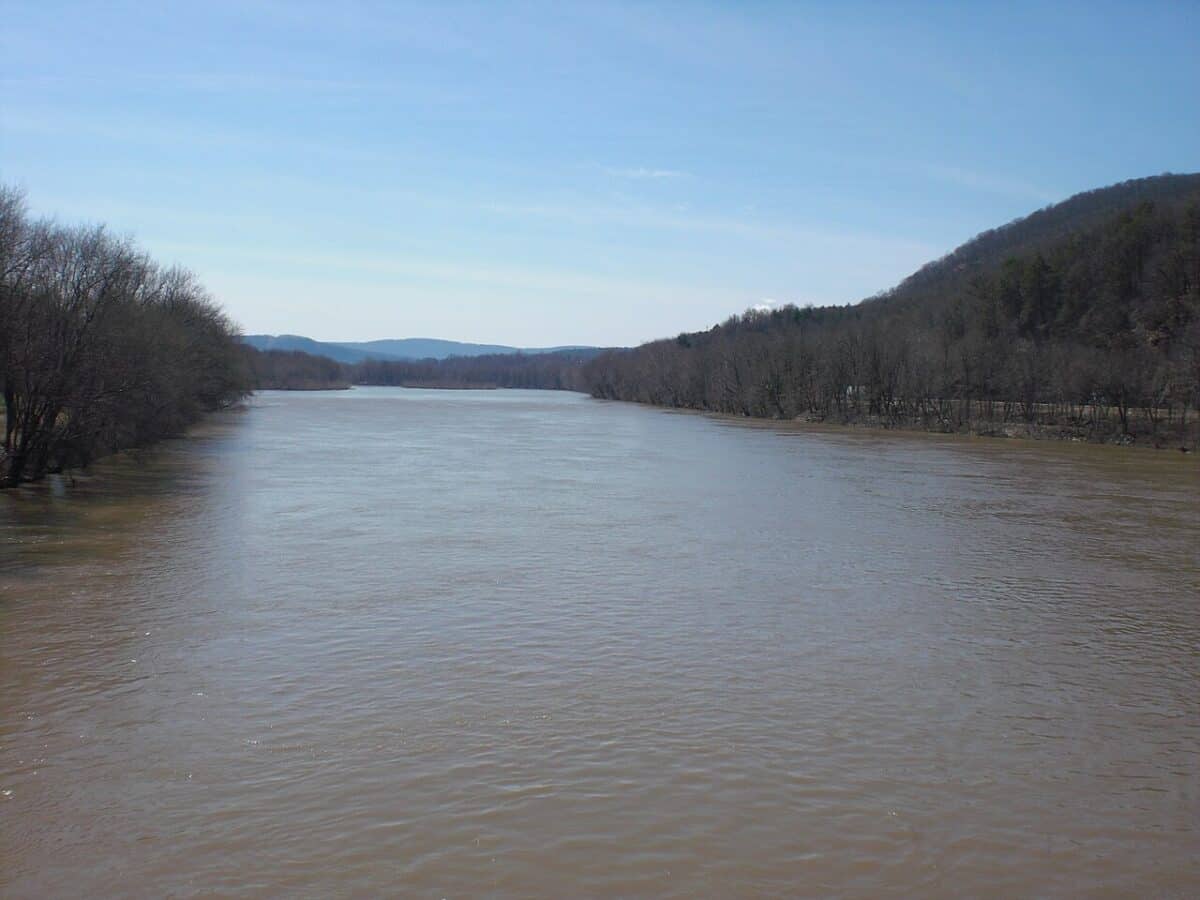
Flowing into the Chesapeake Bay, the Susquehanna River is pivotal for the region’s aquatic life and habitats. It supports diverse fish species, from smallmouth bass to eels, and plays a role in migratory pathways critical to fishing industries and local wildlife.
Tennessee River Lifeline of the Southeast

Winding through the Southeastern United States, the Tennessee River is vital for regional wildlife. Its numerous tributaries and wetlands sustain diverse species, including freshwater mussels, bass species, and migratory birds, contributing significantly to local biodiversity.
Green River Hidden Gem of Biodiversity

As a tributary of the Colorado River, the Green River is a key wildlife corridor supporting trout, beavers, and numerous bird species. Its relatively undeveloped surroundings maintain high biodiversity levels, making it a vital natural resource.
Conclusion:

Concluding with the knowledge of rivers being wildlife hotspots highlights the incredible biodiversity and environmental significance of these American waterways. Each river plays a unique role in sustaining life, emphasizing the importance of preserving these aquatic ecosystems for future generations.

As a little kid, I fell in love with nature, wildlife, and animals. Living in the USA, South Africa, Italy, China and Germany gave me the opportunity to discover the world's Wildlife. My favorite animals are Mountain Gorillas, Siberian Tigers, and Great White Sharks.
I'm a certified PADI Open Water Diver, went to Everest Base Camp and Trekked Gorillas in Uganda. I hold a Master of Science in Economics and Finance.
Please send any feedback to feedback@animalsaroundtheglobe.com
- 10 Unique Animals You Can Find Only In California - July 21, 2026
- 10 Loudest Animals on Land - July 21, 2026
- 13 Animals With Extra Limbs or Heads - July 21, 2026