
Discoveries in the animal kingdom never cease to amaze us, and recent reports from Maine have added to this sense of wonder. An elusive and rare animal exhibiting bioluminescence has been discovered in this northeastern state, igniting interest and curiosity from scientists and the general populace alike. This article delves into the fascinating aspects of this unique creature, exploring its characteristics, potential implications for science, and the broader significance of its discovery.
The Mysterious Glow: An Introduction

The phenomenon of bioluminescence is a dazzling spectacle mostly associated with deep-sea creatures, yet this rare discovery on terrestrial land in Maine challenges our understanding of these glowing beings. The glowing animal discovered is not only capturing attention due to its luminous quality but also because it brings to light the rich, often unexplored wildlife of the region.
What Is Bioluminescence?

Bioluminescence refers to the production and emission of light by a living organism. This process, seen in fireflies and certain jellyfish, is caused by a chemical reaction involving the molecule luciferin and the enzyme luciferase. In this case, the same wondrously complex reaction is what causes the newfound animal in Maine to emit its hypnotic glow.
The Identity of the Luminous Creature

While concrete identification is still underway, initial studies suggest that the animal might be a rare species of mushroom or luminescent fungus beetle. Each possibility holds fascinating implications — either showcasing the intricate diversity within insect life or pointing to the underappreciated role of fungi in forest ecosystems.
Habitat: The Woods of Maine

The dense, verdant woodlands of Maine provide a rich habitat for an array of species and have perhaps safeguarded this rare glowing creature for centuries. These forests offer the perfect environment with ample moisture and organic material essential for bioluminescent life to thrive.
The Importance of Bioluminescence in Nature

In nature, bioluminescence can serve varied purposes – from attracting mates and deterring predators to enabling species to lure prey. Understanding the function of bioluminescence in this particular animal may offer insights into its ecological role and evolutionary history.
Scientific Mystery: Documenting a Rare Find

Documenting this unlikely resident of Maine’s forests presents an exciting scientific challenge. Researchers are working meticulously to catalog its physical characteristics, behaviors, and metabolism to better understand and preserve this unique species.
Conservation Implications

Discoveries of rare species often prompt discussions about conservation. Protecting this glowing animal will not only require preserving its immediate habitat but also mitigating climate changes that could threaten its existence. Conservationists hope such discoveries will spur public interest in safeguarding biodiversity.
The Role of Citizen Scientists

Citizen scientists, including enthusiastic local residents and wildlife enthusiasts, play a crucial role in such discoveries. By reporting unusual sightings and participating in local conservation activities, they assist scientists in gathering data and raising awareness about the region’s remarkable biodiversity.
Bioluminescence and Biomimicry
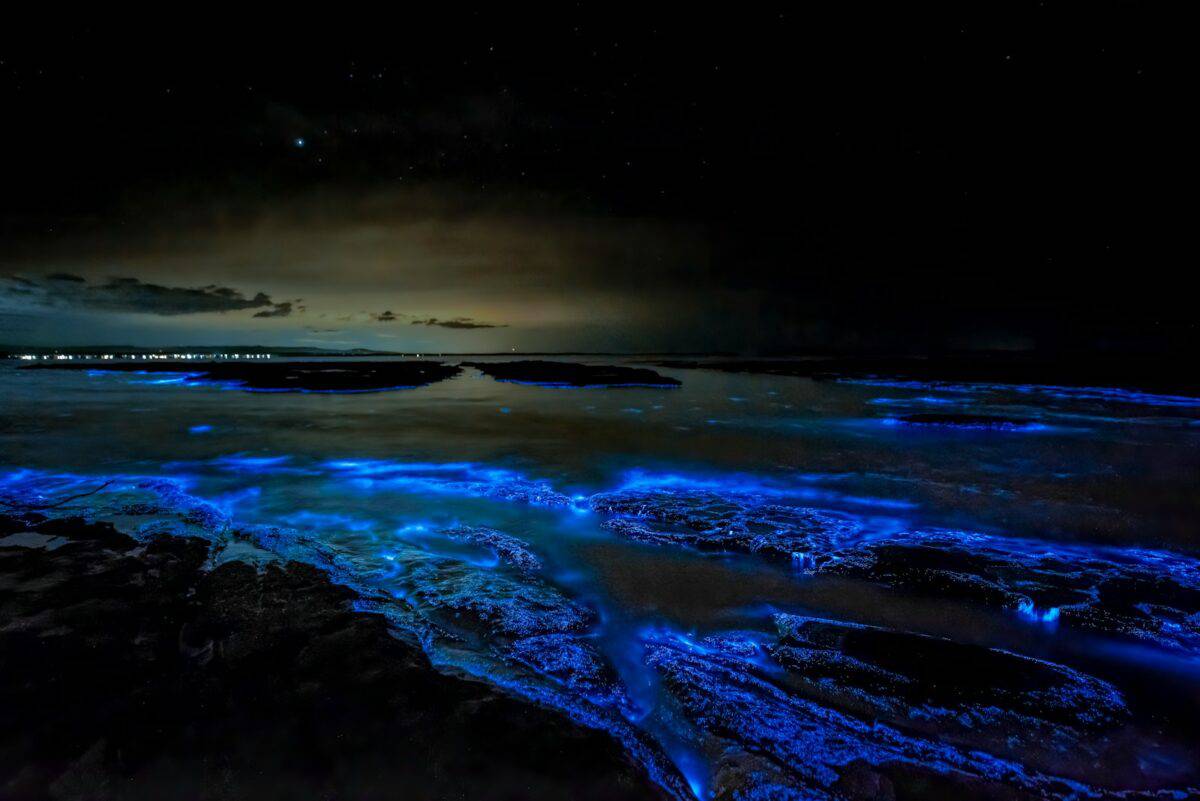
The study of bioluminescence in creatures like this newfound entity can lead to innovative scientific applications. Biomimicry, which involves using nature-inspired solutions for human challenges, could benefit from these insights, potentially leading to advances in medical imaging, environmental monitoring, and more.
The Reaction from the Scientific Community
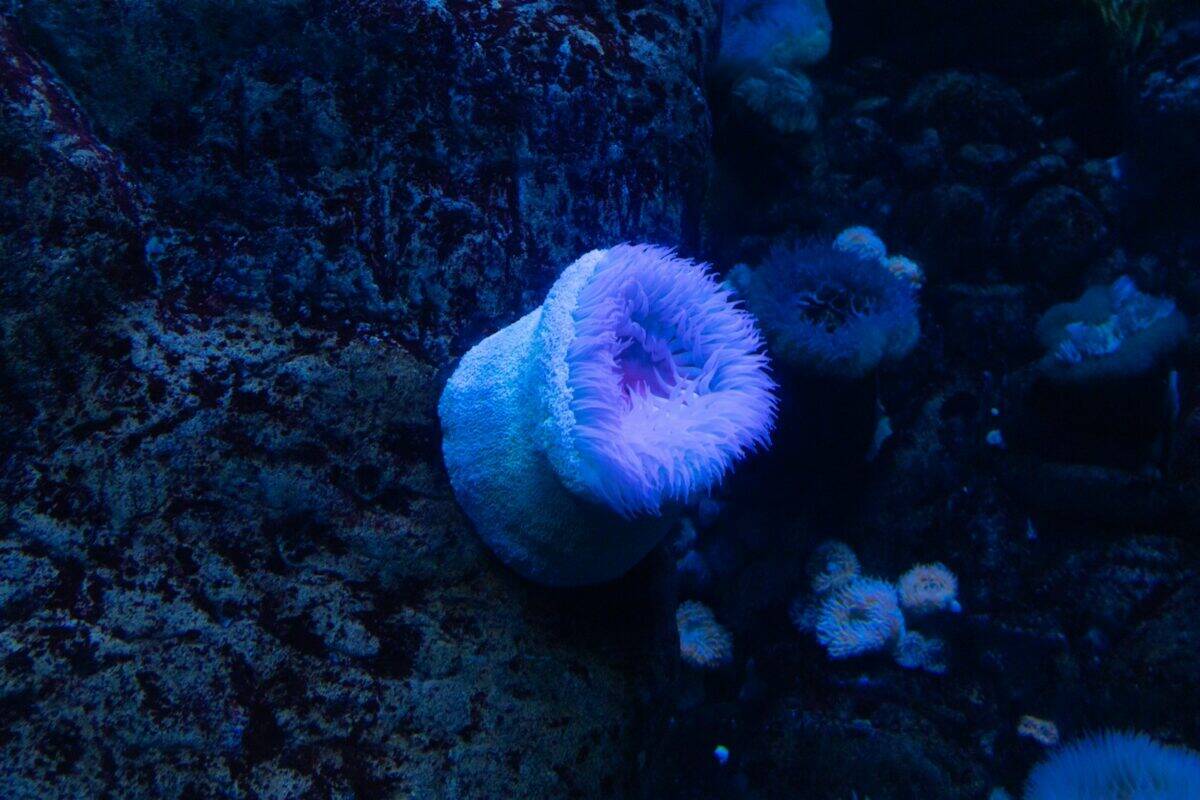
The discovery has triggered a flurry of excitement within the scientific community. Many researchers are eager to study the animal’s biological aspects, aiming to assess what it reveals about genetic adaptations and biochemical pathways that enable bioluminescence.
Local Myths and Folklore

The unexplored parts of Maine’s dense forests are often thought to harbor mysterious and mythological creatures. The appearance of a real-life glowing animal might even have inspired local legends, offering an intersection of science and folklore that adds to the creature’s allure.
Ongoing Research and Future Prospects

The research into Maine’s glowing animal is ongoing, with many questions yet to be answered. Collaboration across scientific disciplines will be pivotal in unlocking the mysteries of this bioluminescent curiosity, potentially leading to broader ecological and scientific revelations.
Conclusion: A Beacon of Biodiversity

The discovery of a bioluminescent creature in Maine is not just an isolated event. It highlights the incredible, sometimes hidden, biodiversity that our planet harbors. As science progresses, such discoveries remind us of the importance of conserving the natural world, ensuring these marvelous species continue to thrive and illuminate our world with their presence.

- This Tiny Insect Can Survive in Outer Space—Here’s How - July 21, 2026
- Could the Tasmanian Tiger Be Brought Back to Life? - July 21, 2026
- Why You Should Never Approach a Sleeping Hippo - July 21, 2026